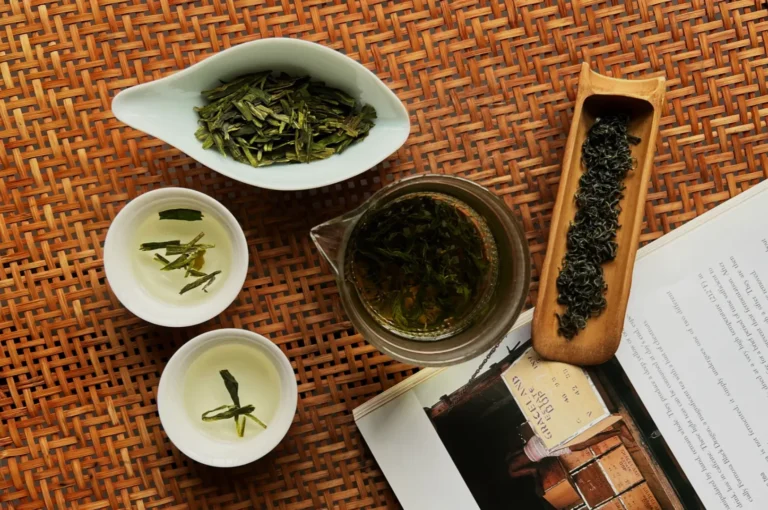
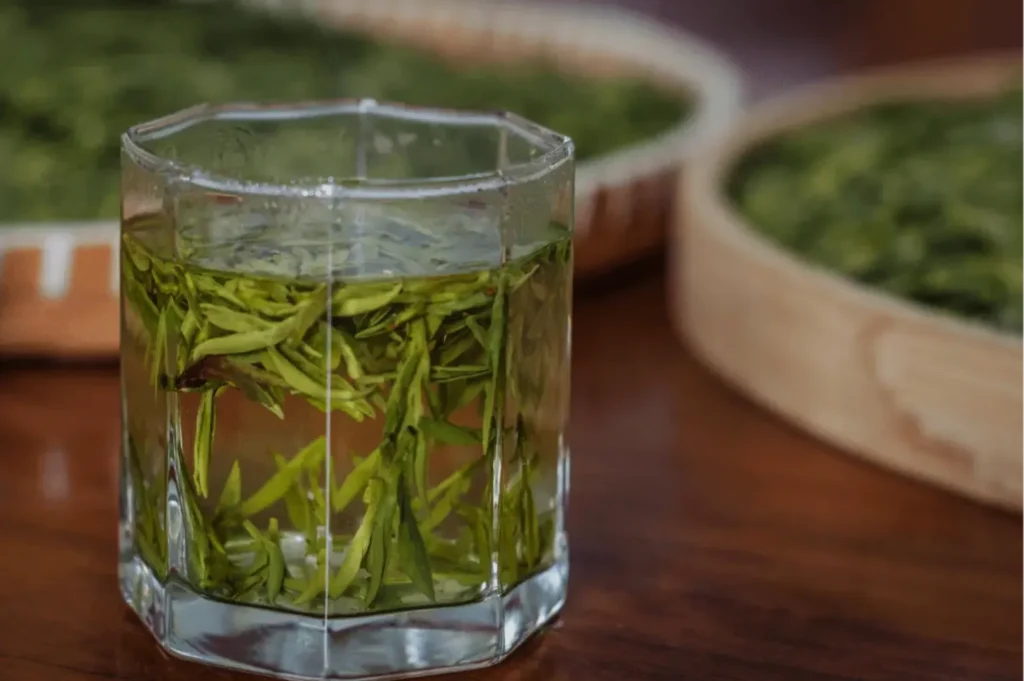
Longjing tea is often described in gentle language. Smooth. Clean. Calm. Composed.
All of that can be true. But gentle does not mean everyone should drink it without thought.
Longjing, also known as Dragon Well tea, is still a green tea. It comes from Camellia sinensis, which means it naturally contains caffeine, tea polyphenols, and other compounds that may affect people differently.
Good tea culture is not only about appreciation. It is also about knowing when to practise restraint.
For readers who want the broader wellness context, we have written a balanced overview of Long Jing tea benefits. This article looks at the other side of the cup: possible Longjing tea side effects, who should be more careful, and how to drink Dragon Well tea with more attention.
Does Longjing Tea Have Side Effects?
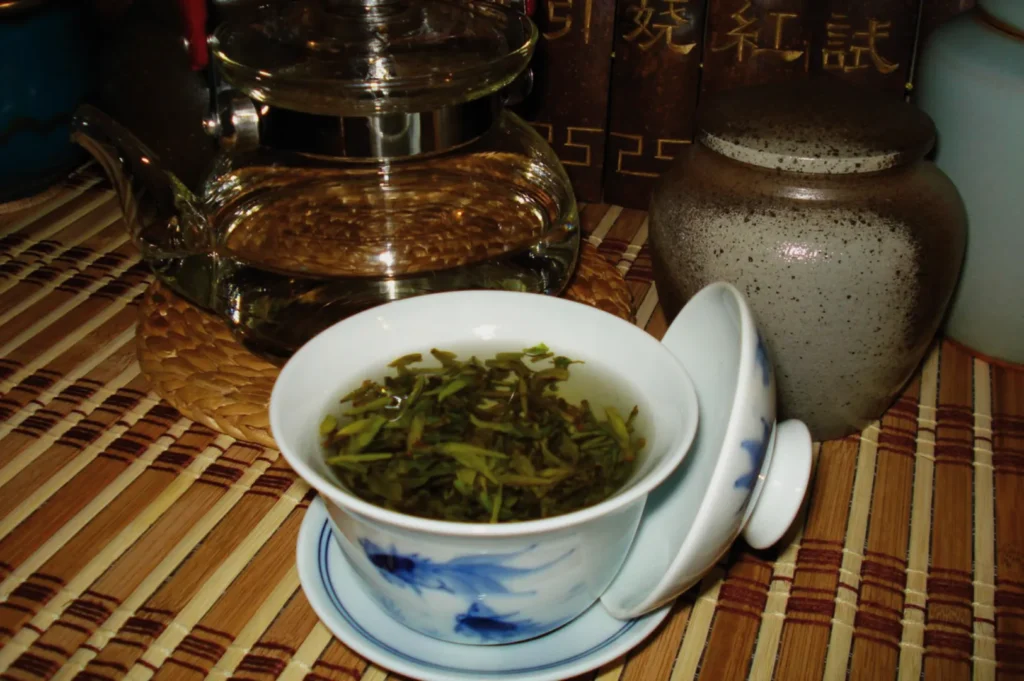
For many people, Longjing tea is comfortable as part of a daily rhythm. It is lighter than many stronger drinks, and its flavour is often rounded rather than aggressive.
Still, side effects are possible.
They are usually linked to caffeine sensitivity, drinking too much, drinking tea on an empty stomach, or having specific health considerations such as pregnancy, iron deficiency, anxiety, sleep problems, or medication use.
This does not make Longjing tea unsafe for everyone. It simply means the body should be part of the conversation.
Caffeine Sensitivity
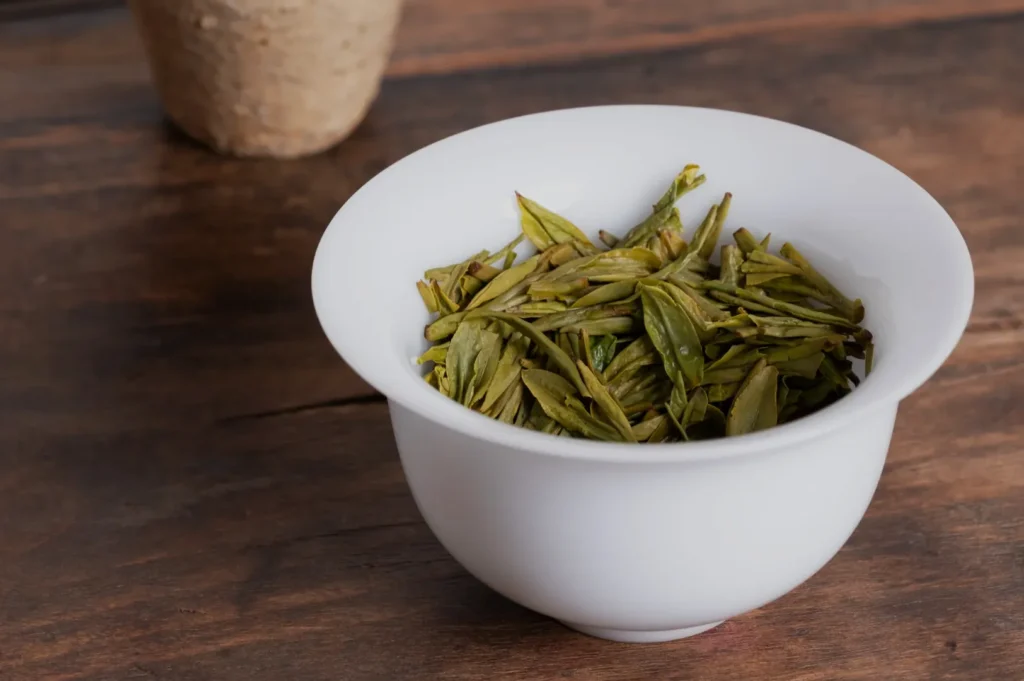
The most common concern is caffeine.
Longjing tea contains caffeine, though usually less than coffee. For some drinkers, that amount may still be enough to cause discomfort.
Possible signs of caffeine sensitivity include:
- restlessness
- difficulty sleeping
- faster heartbeat
- stomach discomfort
- shakiness
- nervousness
- headache
The Mayo Clinic’s caffeine guidance notes that caffeine affects people differently, and even small amounts can cause unwanted effects in sensitive individuals.
This matters because Longjing often tastes mild. A soft cup can make people forget that caffeine is still present.
A tea may feel quiet in flavour and still be active in the body.
Drinking Longjing Tea Too Late in the Day
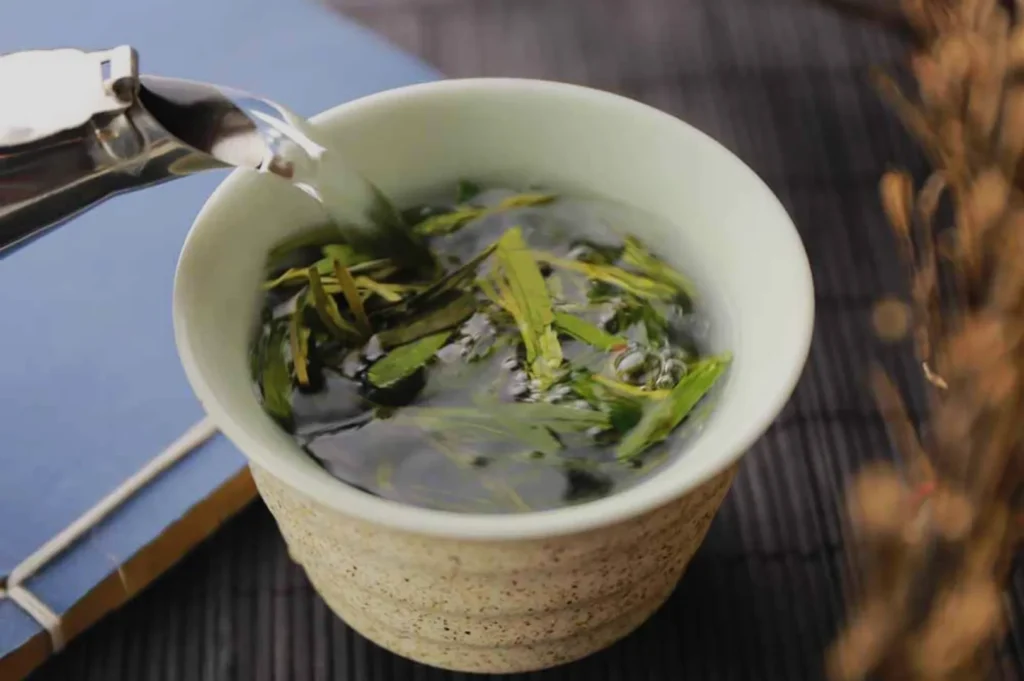
Longjing can feel like a calm tea, but it may still disturb sleep if taken too late.
Some people can enjoy green tea in the evening without issue. Others feel the effect hours later. If you already struggle with sleep, it is wise to keep Longjing earlier in the day.
Morning and early afternoon are usually safer choices. Late evening is more personal. Listen to how your body responds rather than following a fixed rule.
At Tea Room by Ki-setsu, we often remind guests that tea appreciation includes awareness after the session too. How a tea feels one hour later can be as important as how it tastes in the first cup.
Drinking Longjing Tea on an Empty Stomach
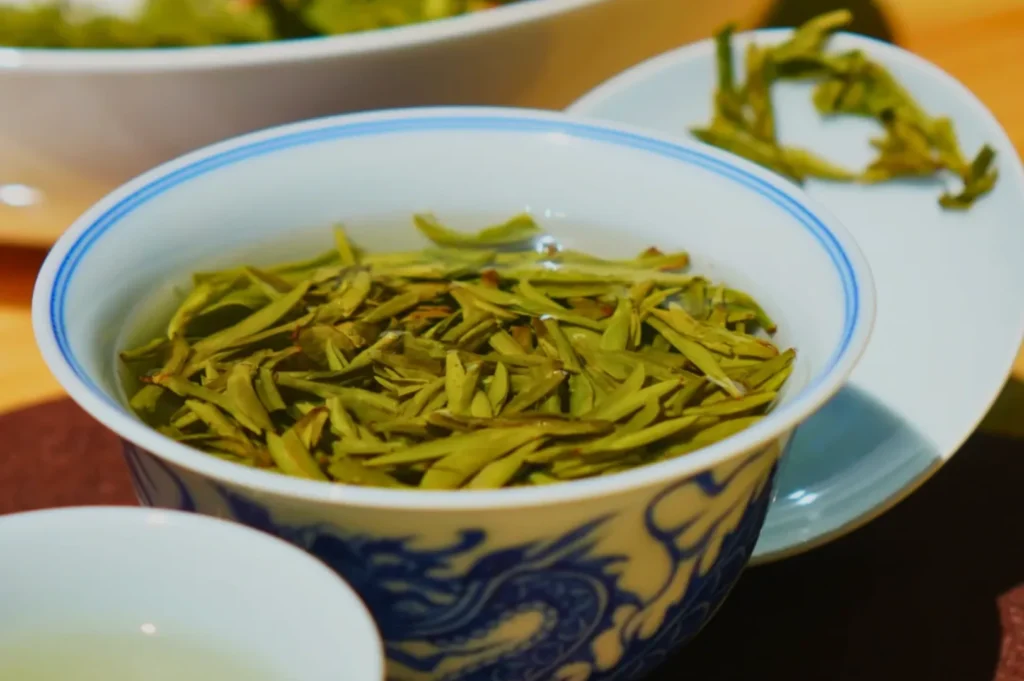
Some people feel uneasy when drinking green tea before food.
This may come from caffeine, bitterness, tannins, or the way the tea interacts with the stomach. The effect is not the same for everyone. Some feel perfectly fine. Others feel light nausea, acidity, or stomach tightness.
If Longjing feels uncomfortable on an empty stomach, try drinking it after a small meal instead.
You can also reduce the amount of leaf, shorten the infusion, or use slightly cooler water. A gentler preparation can make the tea feel softer without losing its character.
Iron Absorption Concerns
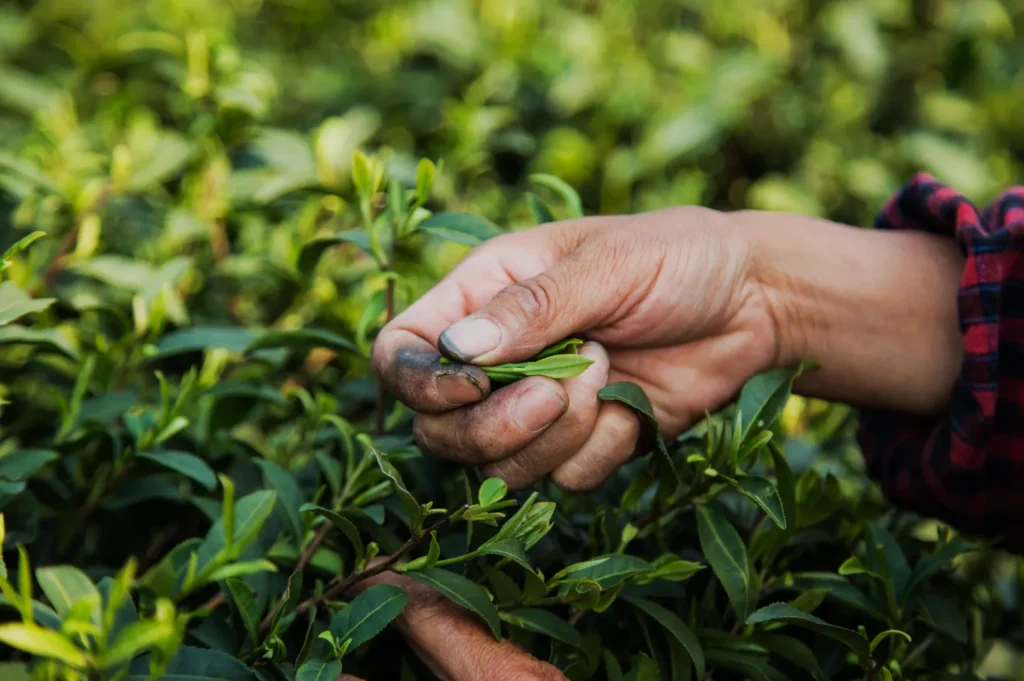
Tea contains polyphenols that may affect how the body absorbs non-heme iron, the form of iron found in plant foods and fortified foods.
The NIH Office of Dietary Supplements explains that non-heme iron is found in plants and iron-fortified foods, while heme iron comes from animal sources. For people already concerned about iron levels, timing tea away from iron-rich meals or supplements may be sensible.
This does not mean everyone must avoid Longjing with food. It means people with low iron, anaemia, heavy menstrual bleeding, or medical advice to increase iron should be more careful.
A simple habit helps: enjoy tea between meals rather than directly with an iron-focused meal.
Pregnancy and Breastfeeding
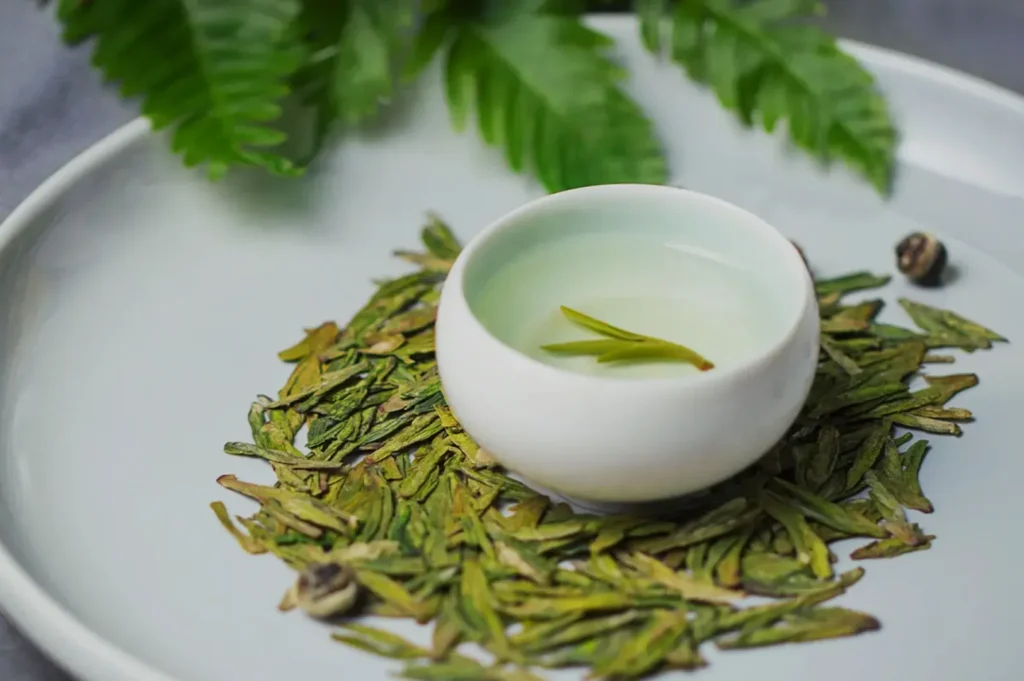
Pregnant and breastfeeding individuals often need to monitor total caffeine intake from all sources, including tea, coffee, chocolate, soft drinks, and energy drinks.
The American College of Obstetricians and Gynecologists states that moderate caffeine consumption of less than 200 mg per day does not appear to be a major contributing factor in miscarriage or preterm birth, though individual guidance still matters.
Longjing tea may fit within a moderate caffeine limit, but it should be counted as part of the day’s total intake.
When the body is carrying more than itself, moderation becomes part of care.
Anyone pregnant, breastfeeding, or managing a medical condition should speak with a qualified healthcare professional if unsure.
Anxiety, Palpitations, and Restlessness
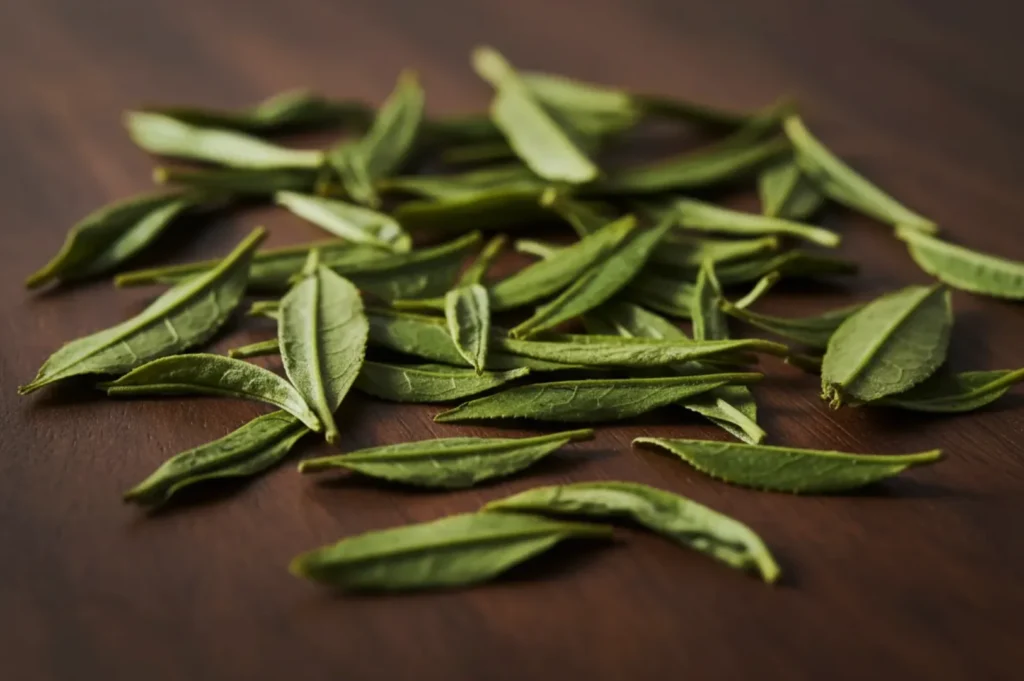
Some people are more sensitive to caffeine’s stimulating effects. For them, even green tea can feel too active.
If Longjing seems to trigger restlessness, anxiety, palpitations, or a sense of being unsettled, reduce the amount or pause for a while. You may also try drinking it earlier in the day and after food.
Tea should not force the body into discomfort. The best tea habit is one that the body can receive calmly.
Can You Drink Longjing Tea Every Day?
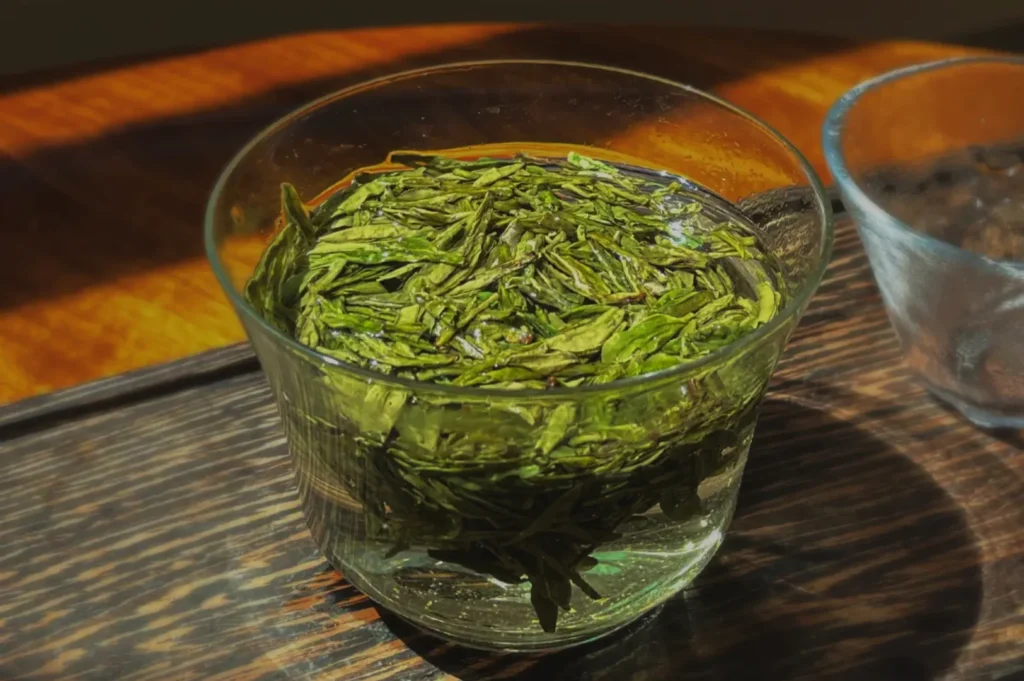
Many people can drink Longjing tea regularly. The question is not only whether you can, but how you do it.
Daily drinking is more thoughtful when it is moderate. One or two sessions may feel pleasant. Too many cups, especially strong infusions, may become excessive for sensitive drinkers.
Notice your sleep, digestion, mood, and energy. These signs tell you more than a general rule can.
At Tea Room by Ki-setsu, we see daily tea not as a performance of discipline, but as a quiet ritual. It should support the day, not dominate it.
How to Drink Longjing More Carefully
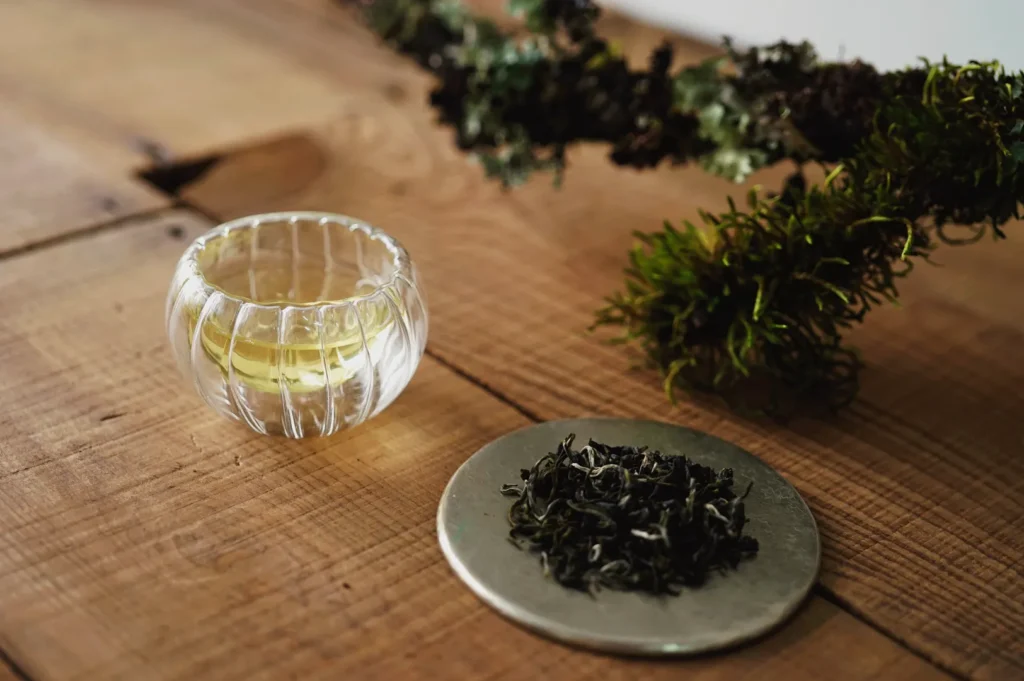
If you enjoy Longjing but want to reduce possible side effects, begin with simple adjustments.
Drink it earlier in the day. Avoid taking it on a completely empty stomach if you feel discomfort. Use slightly less leaf. Keep the brew lighter. Separate tea from iron supplements or iron-focused meals if that applies to you.
And most importantly, stop treating tea as something that must always be maximised.
Some days call for a deeper session. Some days call for a lighter cup. Both can be correct.
Final Thought
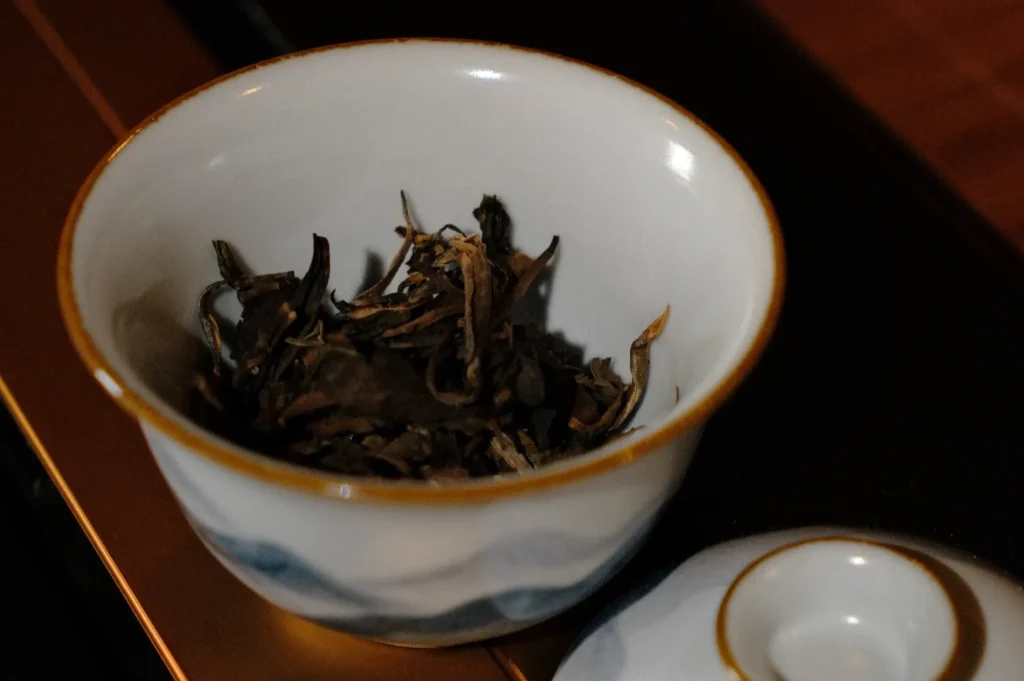
Longjing tea is gentle, but it is not empty.
It contains caffeine. It can affect sleep. It may bother sensitive stomachs. It may need to be timed carefully for those watching iron or caffeine intake.
None of this takes away from its beauty. In fact, it deepens the way we understand it.
To drink Longjing well is not to drink as much as possible. It is to drink with attention.
For those who approach Dragon Well tea with care, Longjing remains one of the most composed and rewarding Chinese green teas to welcome into a daily ritual.