Longjing tea and matcha are often placed in the same mental cupboard.
Both are green teas. Both have long histories. Both are associated with calm, focus, and ritual. Both can look elegant in a cup.
But to drink them as if they are the same is to miss the point.
Longjing, also known as Dragon Well tea, is a whole-leaf Chinese green tea. Matcha is a finely ground Japanese green tea powder. One is infused. The other is whisked. One reveals itself across repeated steeps. The other becomes the drink itself.
Longjing and matcha may both be green teas, but they ask for very different kinds of attention.
For readers comparing green teas through a wellness lens, we have also written about Long Jing tea benefits beyond the usual green tea comparison. This article stays with the cup: how Longjing and matcha differ in form, ritual, flavour, and pace.
Whole Leaf vs Powdered Tea
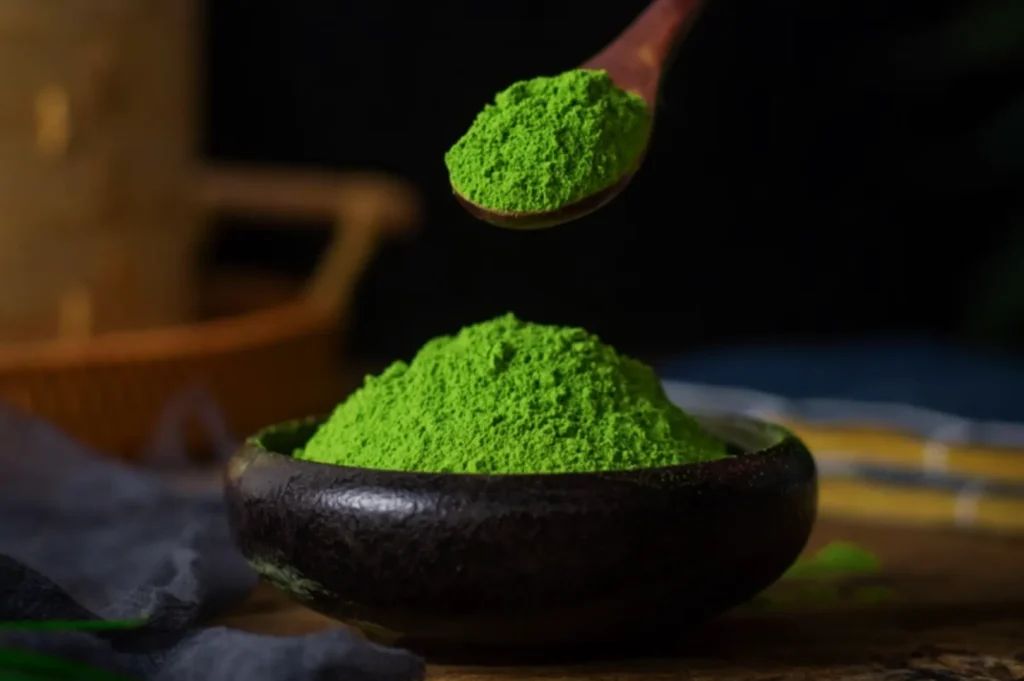
The first difference is physical.
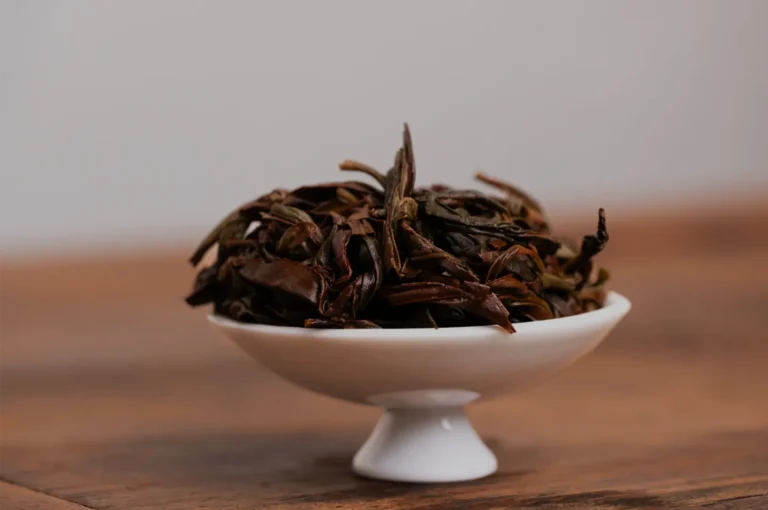
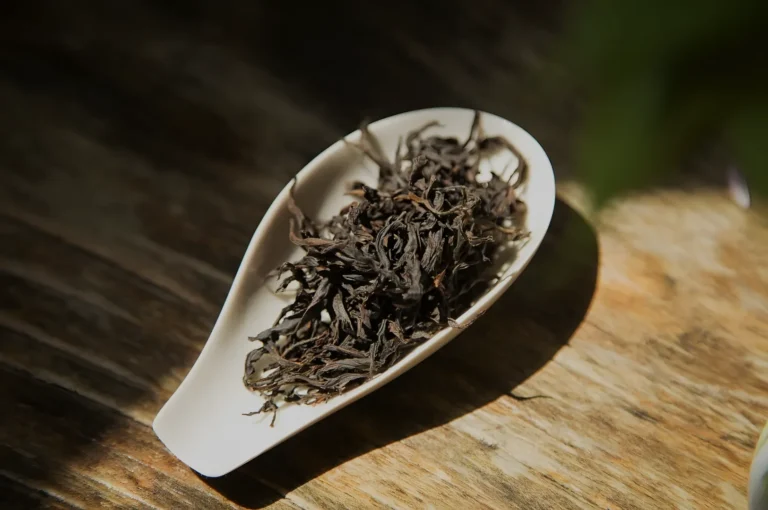
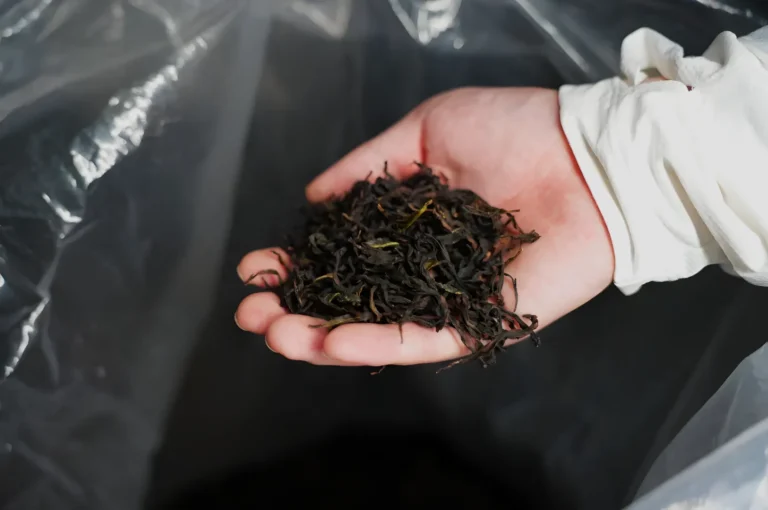
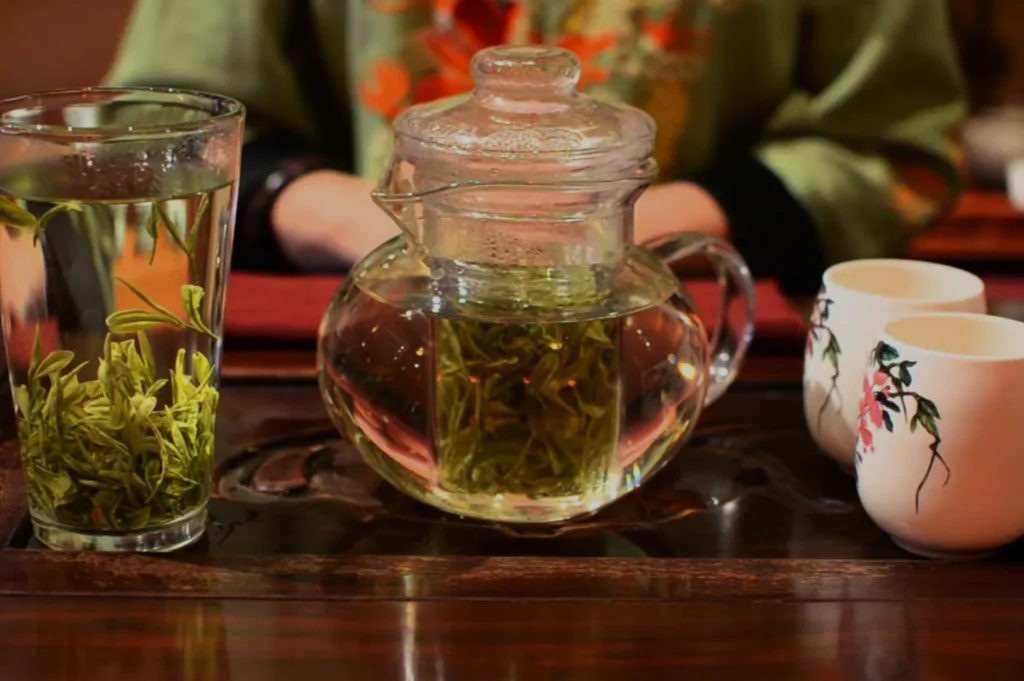
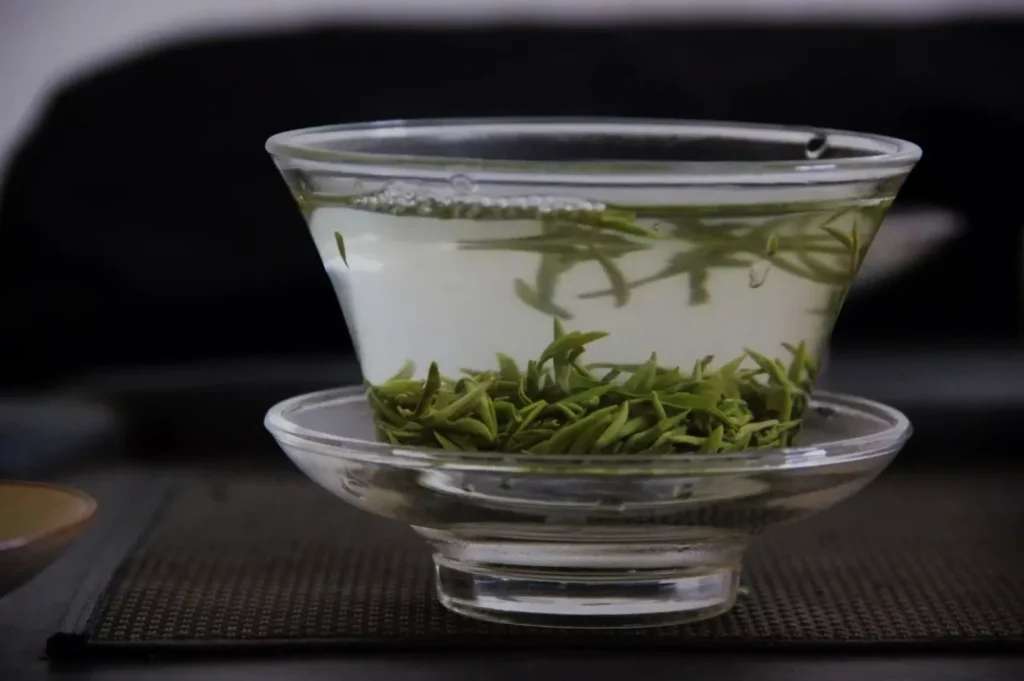
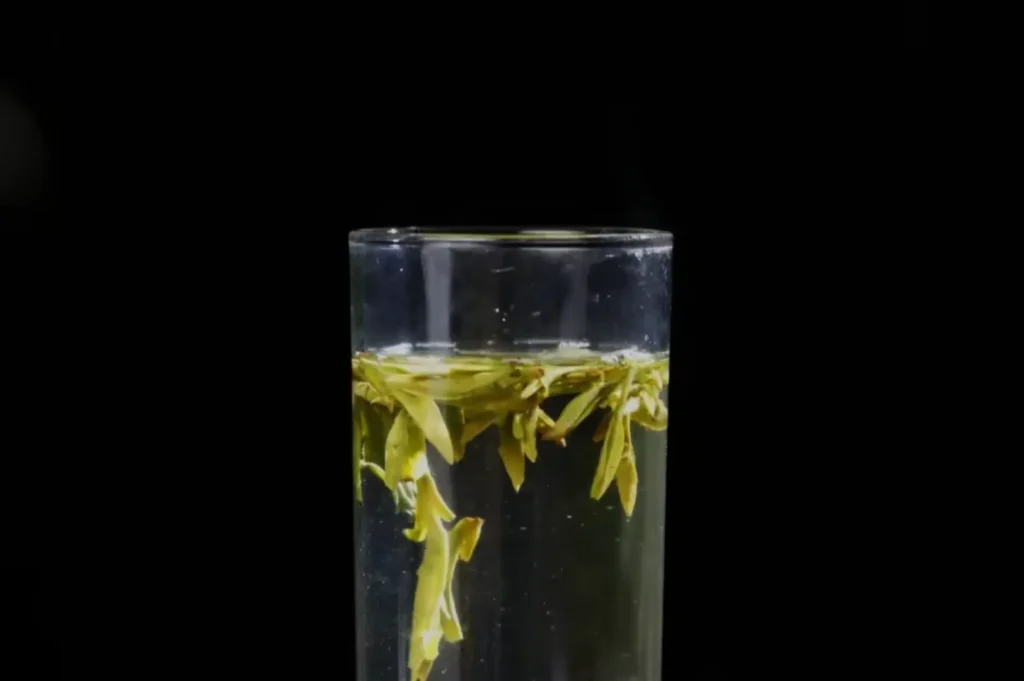
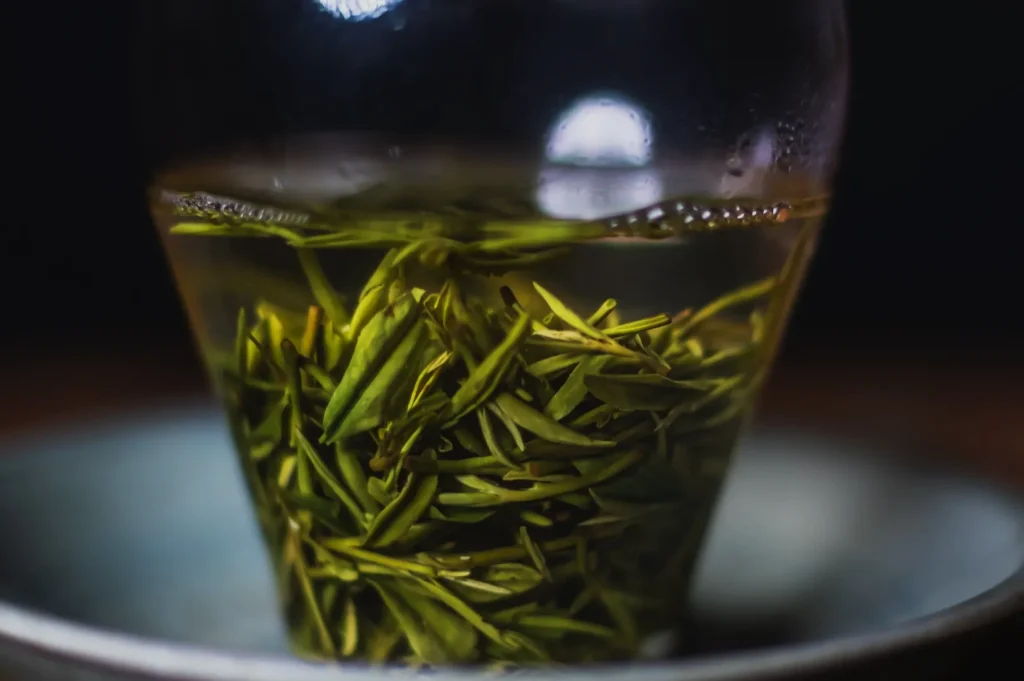
Longjing is brewed from whole leaves. Hot water draws out aroma, flavour, texture, and structure, but the leaf remains separate from the liquor. After one infusion, the same leaves can be brewed again. Each steeping may show something slightly different.
Matcha works differently. It is powdered tea. The tea leaf is ground finely and whisked directly into water, so the drinker consumes the suspended tea powder rather than an infusion alone.
JETRO’s matcha guide explains that matcha’s raw ingredient is tencha, which is made from tea leaves cultivated by blocking direct sunlight, then steamed, dried, deveined, destemmed, and ground in a stone mill.
That already tells us something important. Matcha is not simply “green tea powder.” It is shaped by a very specific process.
Longjing depends on the leaf opening. Matcha depends on the powder remaining fresh.
Infusion vs Whisking
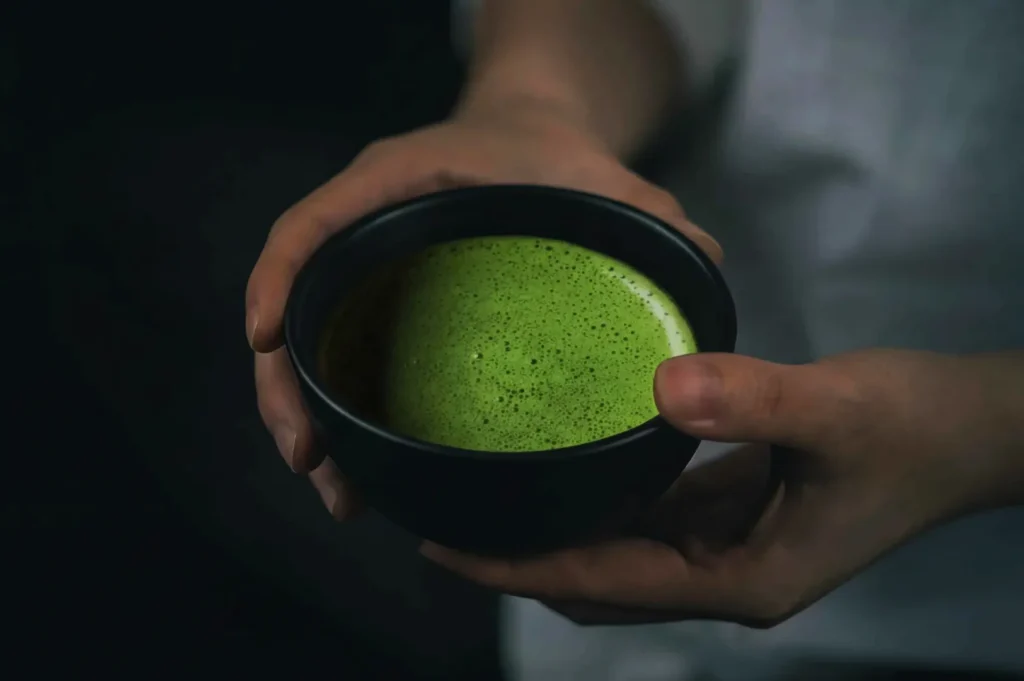
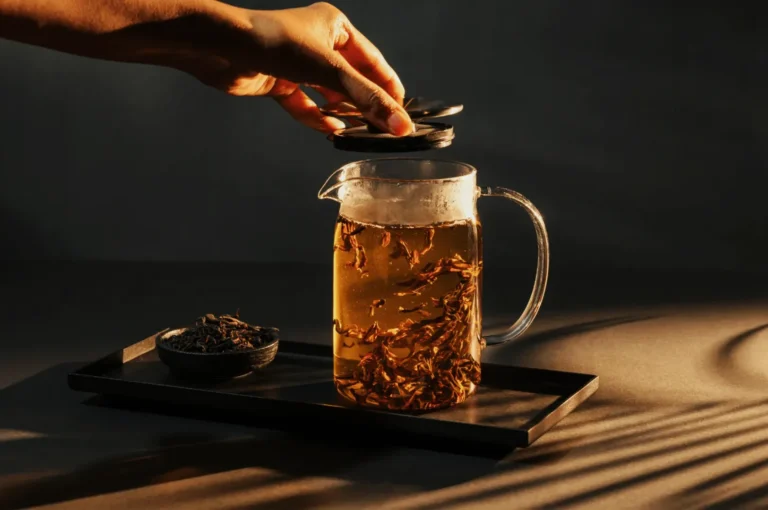
Longjing is usually prepared by infusion. The leaves meet water, release flavour, and remain in the vessel. The drinker observes the liquor, aroma, leaf movement, and finish.
Matcha is prepared by whisking. The powder is combined with water until it forms a smooth, opaque green drink. A good bowl of matcha can feel creamy, dense, and immediate.
This changes the rhythm of drinking.
Longjing encourages return. You pour, taste, wait, and pour again. Matcha gives a fuller impression at once. It is concentrated, direct, and complete in a different way.
Longjing unfolds. Matcha gathers itself into one bowl.
Neither method is more serious. They simply reflect different tea cultures.
Pan-Fired Chinese Tea vs Shade-Grown Japanese Tea
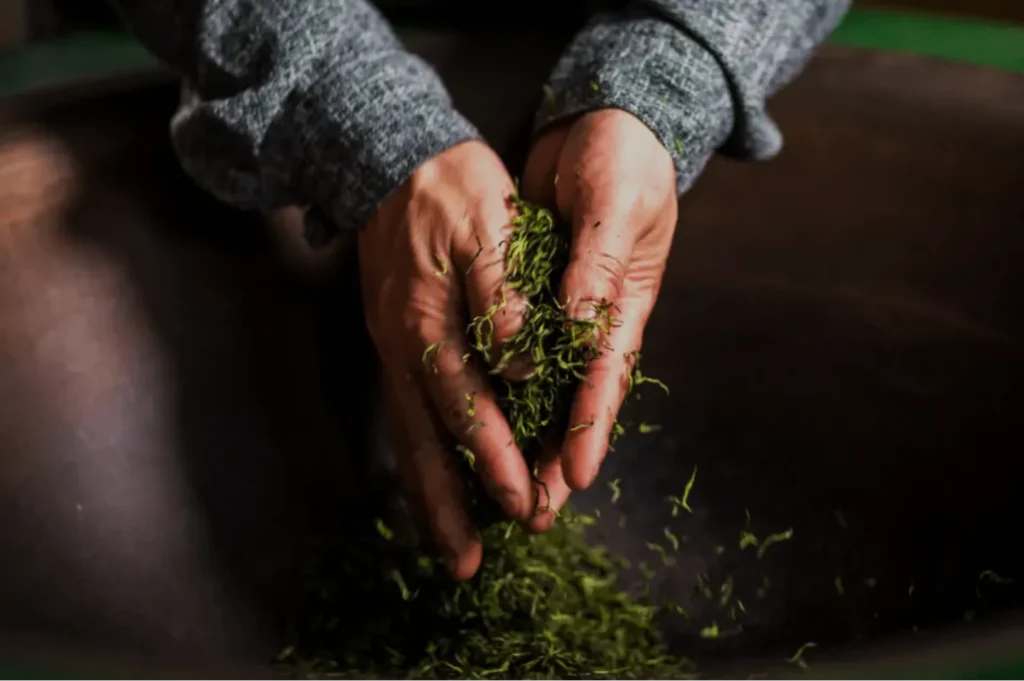
Longjing’s character is shaped by Chinese green tea processing, especially pan-firing. This step helps stop oxidation and gives Dragon Well tea its familiar warmth, often described through chestnut, toasted, or softly nutty notes.
The official Zhejiang provincial site describes West Lake Longjing tea as a famous Hangzhou green tea known for its green colour, delicate aroma, mellow taste, and beautiful shape in this Longjing tea harvest feature. That combination of shape, aroma, and smoothness gives Longjing its quiet authority.
Matcha begins from a different path. It is usually made from shade-grown tencha. Shading encourages deeper green colour and a stronger umami profile. This is one reason good matcha can feel savoury, rich, and almost broth-like.
Japan’s Ministry of Agriculture, Forestry and Fisheries also maintains a Japanese tea export promotion portal, reflecting how important Japanese tea, including matcha and related green tea products, has become internationally.
Longjing leans toward clarity. Matcha leans toward density.
Flavour: Chestnut Clarity vs Umami Depth
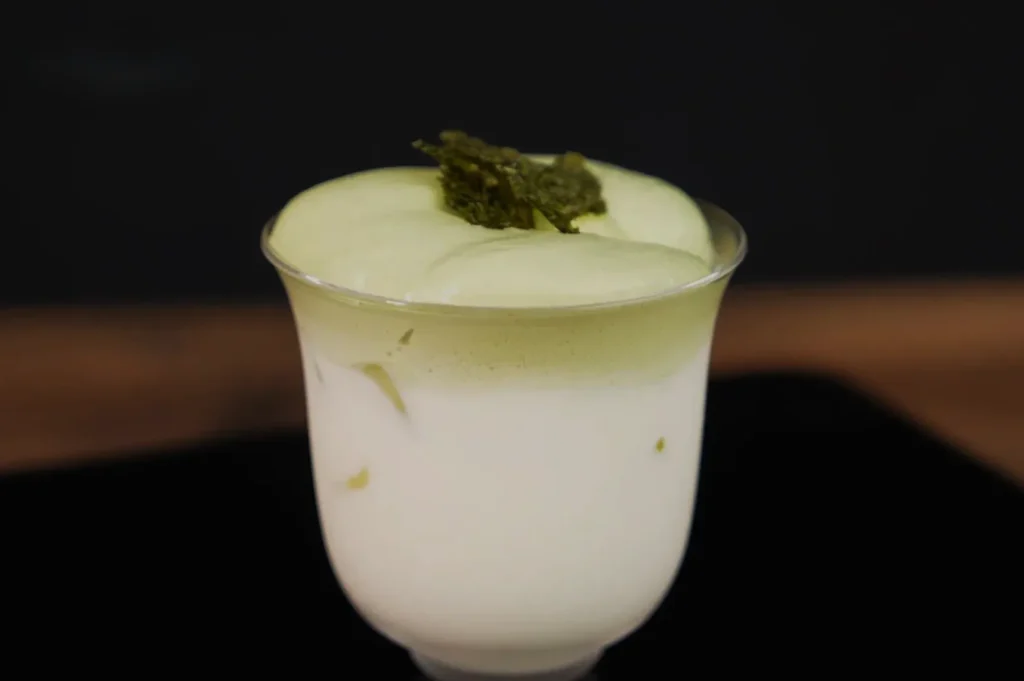
Longjing and matcha do not taste alike.
Longjing often carries a soft roasted fragrance, gentle vegetal notes, mellow sweetness, and a clean finish. It can feel smooth and composed. Its beauty is not loudness, but proportion.
Matcha often carries umami, grassy depth, creaminess, and a more concentrated green taste. It may have sweetness, but also a fuller bitterness if the powder is lower quality or poorly prepared.
This is why some people who dislike one may still enjoy the other.
A person who finds matcha too intense may enjoy Longjing’s calm clarity. A person who wants more body and richness may find Longjing too restrained at first.
At Tea Room by Ki-setsu, we see this comparison as useful for beginners because it prevents green tea from becoming one flat category. Green tea is not one flavour. It is a family of different textures, traditions, and moods.
Ritual: Quiet Return vs Focused Completion
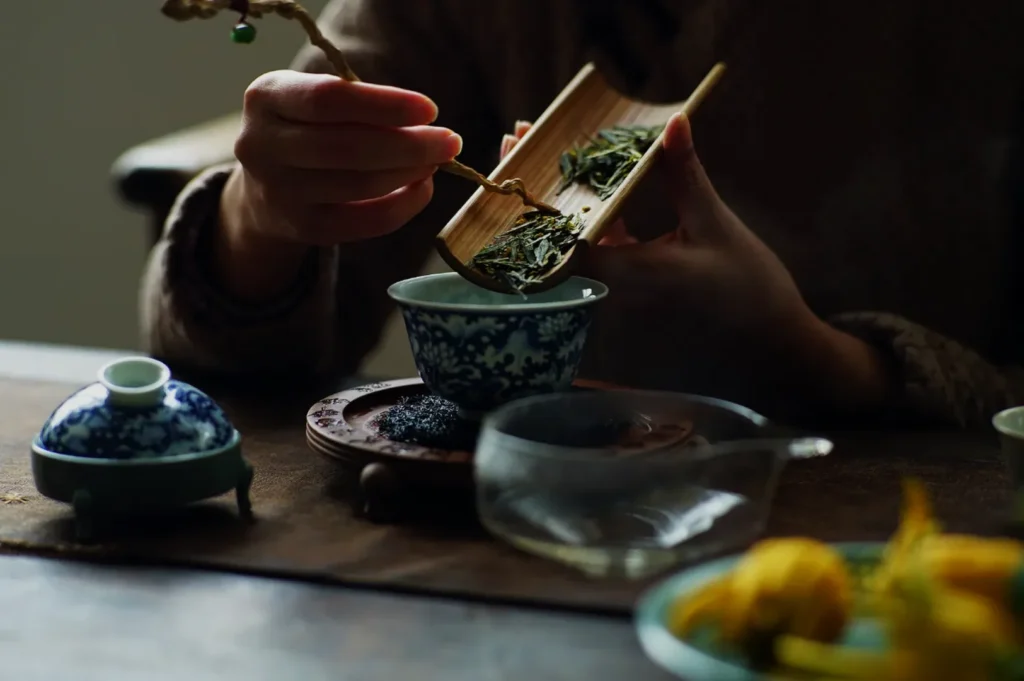
The ritual difference may be the most important.
Longjing belongs to a Chinese tea rhythm that often values repeated infusions. The same leaf is revisited. The cup changes slowly. The drinker notices how aroma, sweetness, bitterness, and body shift over time.
This kind of tea session rewards patience.
Matcha, especially when prepared in a more traditional way, has its own precision: the bowl, the whisk, the water, the powder, the hand movement. The ritual is focused and contained. The drink is not revisited through the same leaves. It is prepared and received.
Longjing teaches through sequence. Matcha teaches through concentration.
Both can be meditative. They simply guide the mind differently.
Which One Is Better for Beginners?
There is no universal answer.
Longjing may be easier for beginners who want something gentle, clear, and less intense. It is forgiving when introduced with care and allows the drinker to taste slowly across several infusions.
Matcha may suit beginners who enjoy a stronger green flavour, creamy texture, or a more concentrated drink. It can also feel familiar to those who have encountered matcha lattes before, though sweetened café matcha is very different from a plain bowl of good matcha.
Ask what you want from the cup.
Do you want something calm, layered, and quietly aromatic? Begin with Longjing.
Do you want something fuller, thicker, and more immediate? Begin with matcha.
A Note on Modern Matcha and Longjing Trends
Both teas have been reshaped by modern drinking culture.
Matcha now appears in lattes, desserts, cakes, and bottled drinks. Longjing appears in cold brews, sparkling teas, and modern tea-led drinks.
There is nothing wrong with innovation. But it is worth remembering that both teas existed long before they became lifestyle images.
Longjing does not need to become matcha to be interesting. Matcha does not need to become a dessert flavour to matter.
The best way to understand either tea is still simple: taste it plainly first.
Final Thought
Longjing tea vs matcha is not a contest.
One is a whole-leaf Chinese green tea shaped by infusion, pan-firing, and gradual return. The other is a powdered Japanese green tea shaped by shading, grinding, whisking, and concentration.
Longjing is calm, smooth, and unfolding. Matcha is rich, direct, and complete.
The difference is not only in taste. It is in the way each tea asks us to be present.
For those beginning with Chinese tea, Longjing offers a quieter path into green tea appreciation. It gives the drinker time to notice, return, and listen to the leaf.