The First Touch
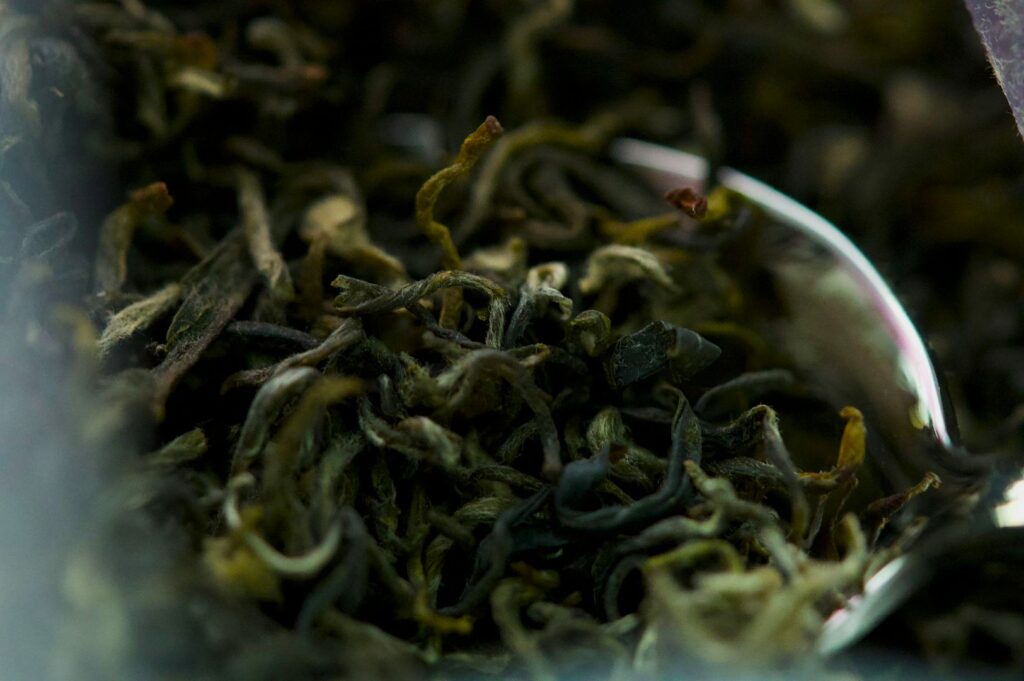
There is a distinct, almost electric sensation when you run your fingers through premium loose tea leaves. You feel the structural integrity of the leaf, the slight resistance of a tightly rolled oolong, or the delicate downy texture of a white tea bud. It is a moment of tactile connection that grounds you before the water even boils. This experience stands in stark contrast to the sterile, disconnected act of reaching for a paper tea bag.
When we choose the convenience of a bag, we often bypass this essential prelude to the ritual. To touch the dry leaf is to begin a conversation with nature, acknowledging the craftsmanship that preserved this botanical art. It invites a philosophical shift in how we approach our daily cup. We begin to discover that the form of the tea is not merely a vessel for delivery, but an integral part of the experience itself.
Loose Leaf Teas: Why Chinese Tea Masters Insist on Whole Leaves
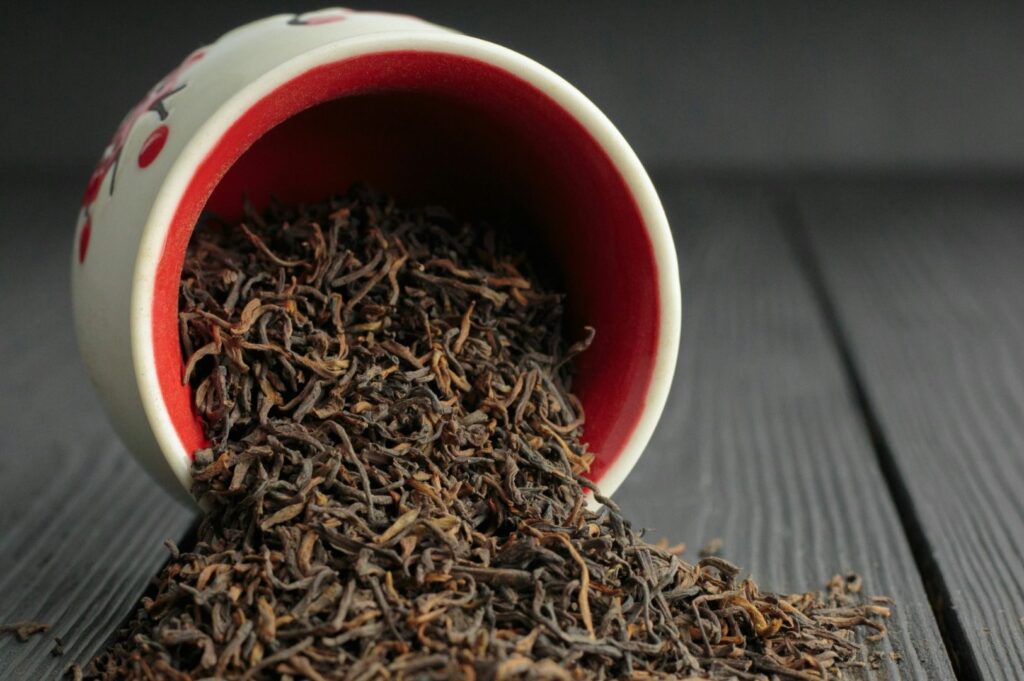
In traditional tea culture, the whole leaf is revered not for snobbery, but for its ability to communicate the truth of its origin. Chinese tea masters insist on whole leaves because they understand that the leaf is a recording device for terroir. It captures the minerality of the soil, the mist of the mountain, and the specific season of the harvest. When leaves are cut or crushed into dust, this story is interrupted. Breaking the leaf structure accelerates oxidation, causing the essential oils and nuanced flavor compounds to evaporate rapidly.
This degradation is the fundamental difference between a commodity beverage and a sensory journey. Preserving the form of the leaf maintains the integrity of the experience, whether it is a delicate green tea from Zhejiang or a robust black tea from Fujian. The depth of flavor found in white tea or the complex roast of an oolong relies entirely on the leaf remaining intact until the moment of brewing.
When you explore the varieties of tea available in their whole state, you are engaging with a level of craftsmanship that industrial processing cannot replicate. The quality of the tea from renowned regions like Taiwan and China is directly tied to the masterful preservation of the leaf’s shape. To drink whole leaf is to honor the world that created it, allowing the leaves to express their full potential in your cup.
Tea Bag vs Loose Leaf: Understanding Format and Flavor
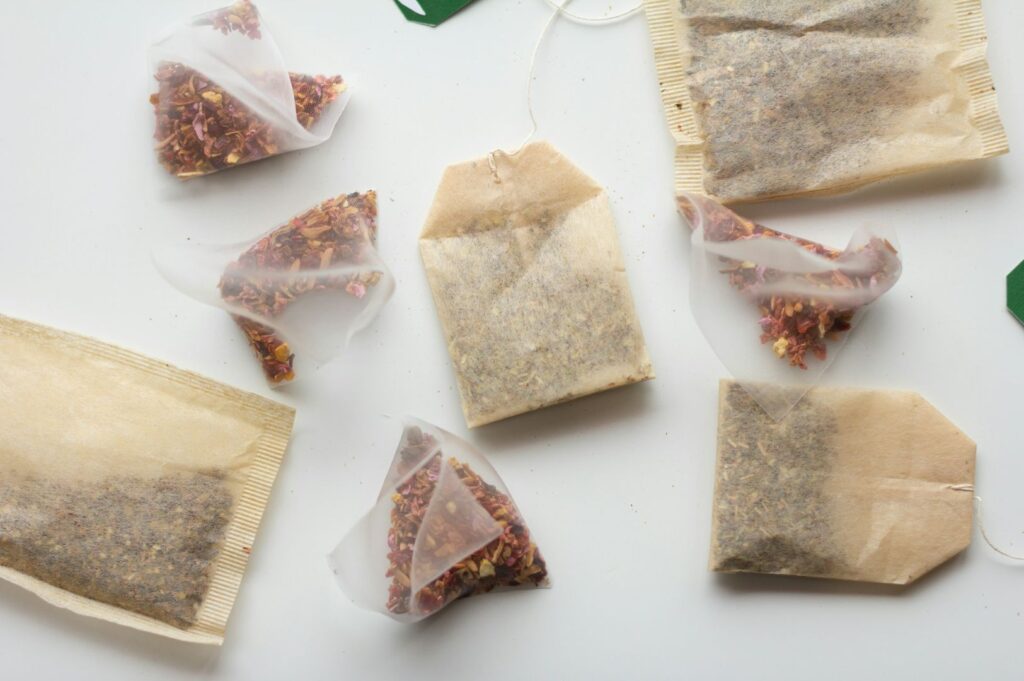
The distinction between a tea bag and loose leaf preparation is often a matter of physics and chemistry. Most standard teabags contain what the industry refers to as “dust and fannings”: tiny, broken particles that infuse instantly but lack complexity. These restricted confines prevent the leaf from expanding, trapping the flavor and resulting in a brew that is often one-dimensional or overly astringent. Even a high-end tea blend packaged in pyramid tea sachets can struggle to replicate the freedom of a loose leaf infusion.
True premium tea requires room to unfurl, a process that is as visual as it is gustatory. When you place loose leaves in water, you witness a slow, graceful awakening that is impossible to see inside a paper packet. Some tea lovers discover that what they thought was wrong with certain teas (perhaps a bitterness in green tea or a lack of depth in black) was actually the fault of the format.
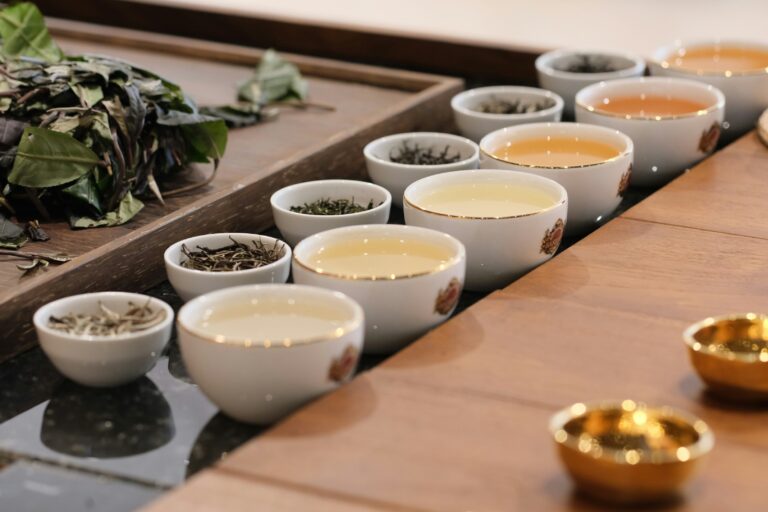
The difference is immediately apparent in the colour of the infused liquor. A loose leaf infusion develops with clarity and vibrancy, dancing in the light rather than becoming muddy. Watching the leaves return to their original shape connects you to the plant’s life cycle. It transforms the act of preparation from a chore into a moment of beauty.
Creating the Perfect Cup: The Art of Loose Leaf Preparation
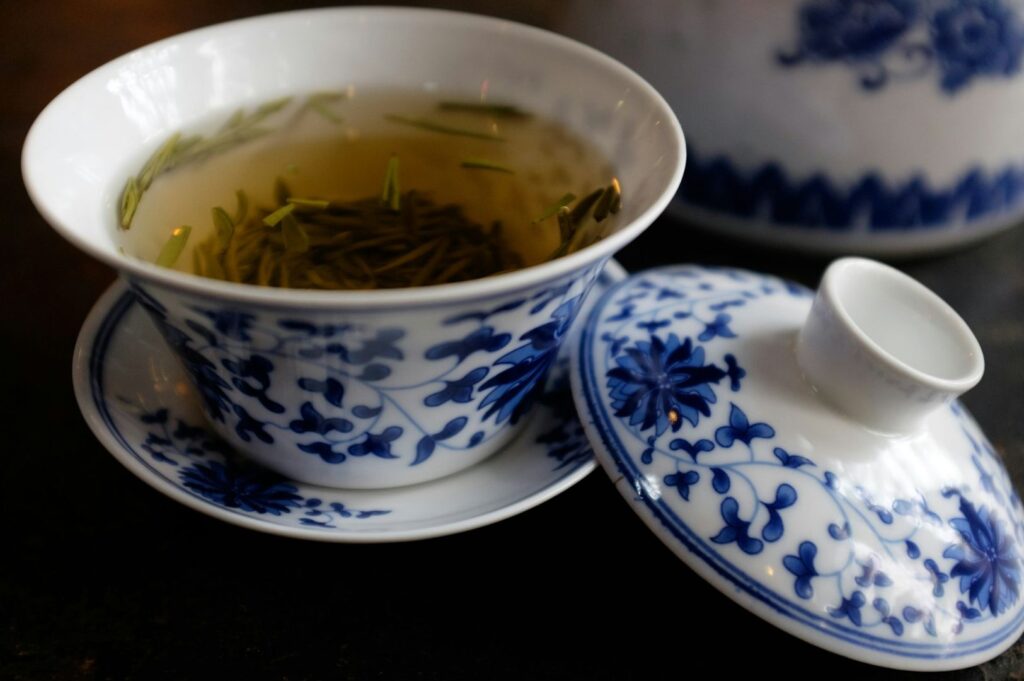
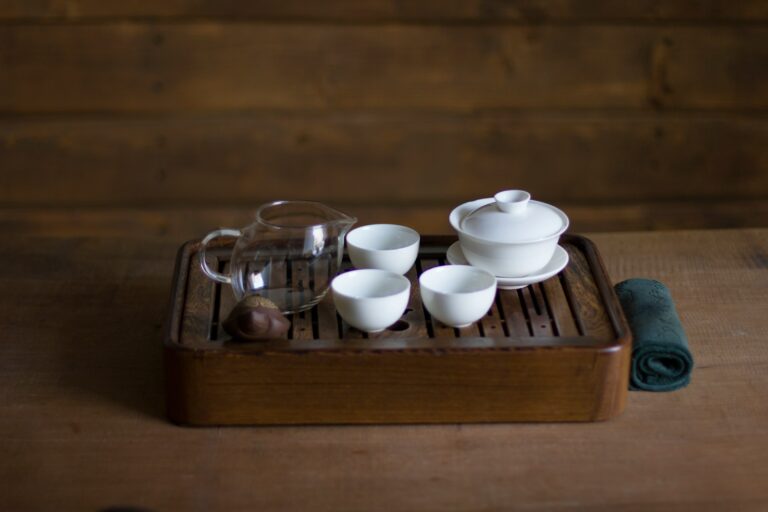
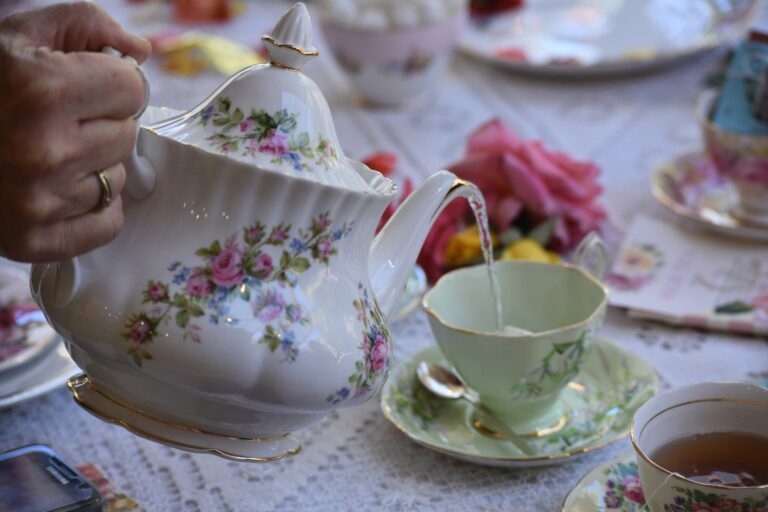
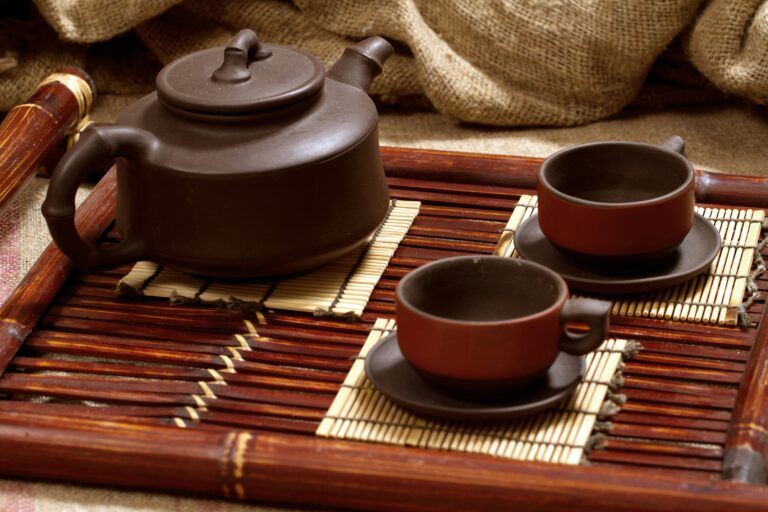
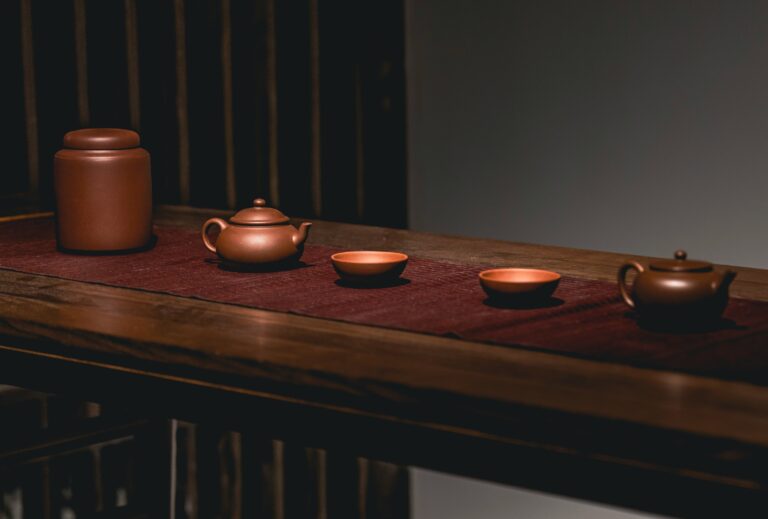
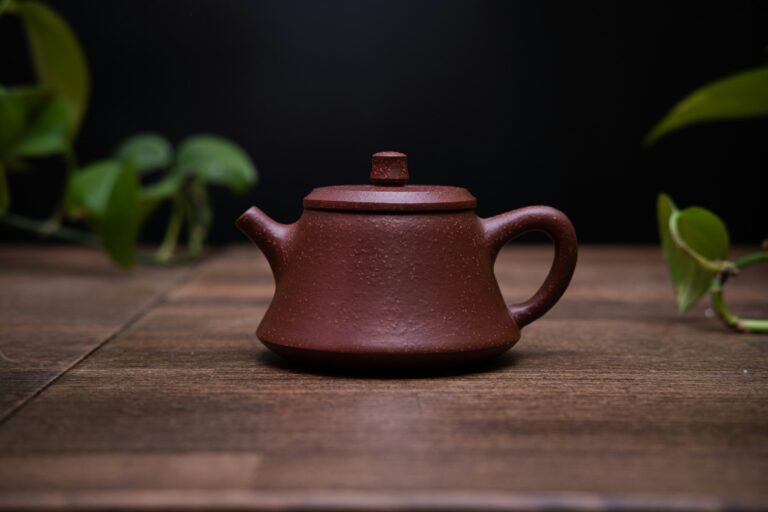
Creating the perfect cup of tea is a practice that invites a necessary pause into our busy days. It begins with the deliberate act of measuring. You use a scoop to select the leaves, feeling their weight and observing their texture as they slide into the vessel. This selection of equipment whether intricate teapots for sharing, a traditional gaiwan, or a simple mug with a basket infuser, becomes an extension of your intention.
To brew loose leaf is to engage in a dialogue with patience. You steep the tea with mindful attention to water temperature and timing, respecting the delicate nature of the leaf. This process is an art that elevates a mundane habit into a restorative ritual. The patience required is rewarded by the ability to steep the same leaves multiple times. Each sip from a flavorful cup reveals new dimensions; the first infusion might offer aroma, while the second delivers deeper taste and body.
Consider the chestnut sweetness of a Longjing green tea or the honeyed depth of an aged oolong. Perhaps you might encounter the delicate floral notes of a Bai Hao Yin Zhen white tea. These flavorful experiences are layered and evolving, delivering a complexity that teabags simply cannot achieve. By treating every moment of preparation with care, you create a sanctuary of stillness. Every sip becomes a testament to the time you invested, creating a moment of genuine connection with yourself.
Black Tea, Green Tea, and Beyond: How Leaf Teas Engage the Senses

Leaf teas create a sensory symphony that broken grades cannot match. The sight of green tea leaves unfurling or the rich amber of black tea delights the eyes. Aromas range from the orchid notes of high-mountain oolong to the earthy petrichor of pu-erh. Drinking these premium teas reveals flavors that travel across the palate and linger.
The warmth of the cup and the sound of water meeting leaves add to the experience. This format preserves freshness and slows oxidation, keeping quality intact. Each variety of tea offers a unique character to explore. You might savor the vibrant energy of morning black tea or the calming effect of caffeine-free herbal infusions in the evening.
While some add spices, dried fruits, or honey, exceptional loose leaf often needs no embellishment. Its natural complexity is the gift. This form allows tea lovers to explore the range of tea, moving beyond a commodity beverage to an agricultural art form. Whether from historic estates in China or emerging growers in Australia, the focus remains on leaf integrity. The tea experience becomes a journey of discovery, expanding your palate.
Every Sip Matters: Addressing Time, Cost, and Storage
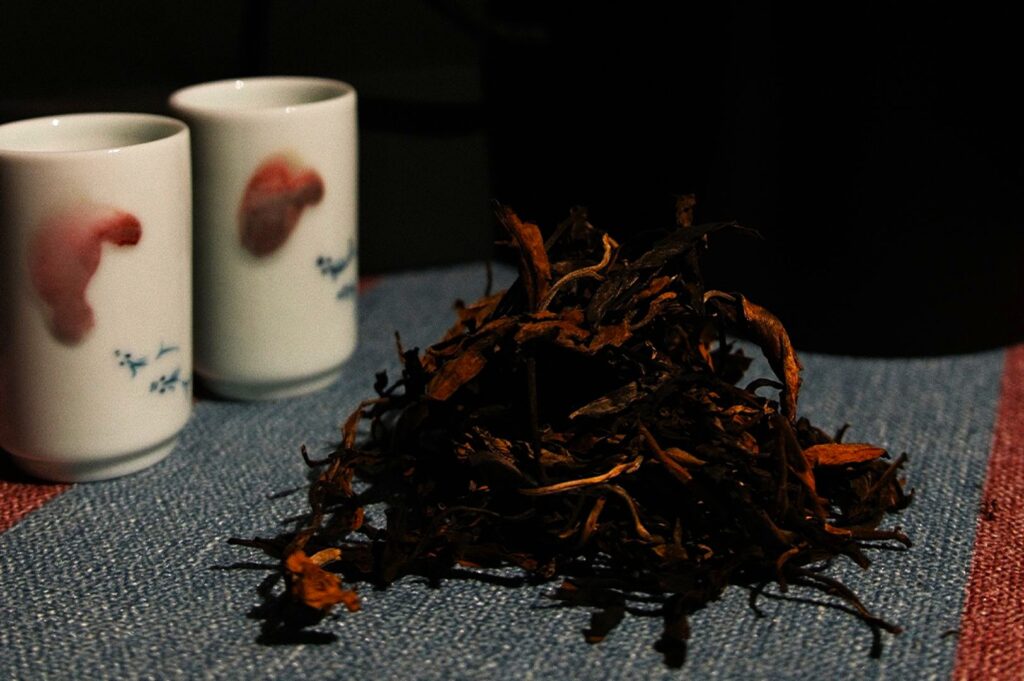
Transitioning to loose leaf can raise practical questions, but these perceived hurdles often dissolve upon closer inspection. We often worry about time, yet we might reframe this slowness. What if the pause is the point? The mental and physical room created by the ritual of brewing provides a necessary respite from the rush of Singapore life.
Regarding cost, while a bag of premium tea may seem expensive upfront, the price per cup is often surprisingly affordable. Because high-quality leaves are durable and can be steeped multiple times, a single serving yields far more than a disposable bag. The value lies in the depth of the experience.
Storage is simple, even in our humid climate. Proper packaging or airtight tins kept away from light and moisture will preserve the leaves for months. You do not need elaborate equipment to start; many shops sell simple infusers that fit into any mug. To begin, tea lovers can discover curated selections at specialty stores or visit private sanctuaries like Tea Room by Ki-setsu to explore different profiles. Those looking to deepen their search can explore the Tea Leaf Singapore destination for rare Chinese teas, a resource dedicated to sourcing exceptional whole-leaf varieties within the city.
Many vendors now offer sample sizes or a gift box of assortments, allowing you to expand your palate without commitment. The goal is not to perform a perfect ceremony, but to create a moment worth savoring. When you enjoy the process, the logistics of store and prep become second nature. Every sip validates the choice to prioritize presence over speed.
An Invitation to Depth
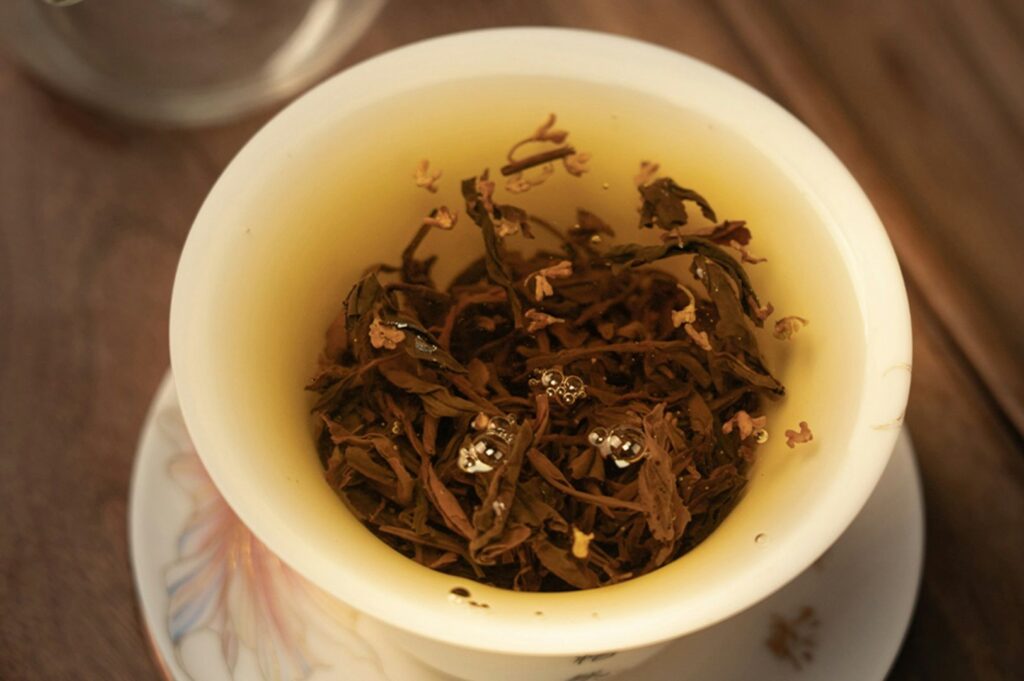
Choosing loose leaf tea is ultimately an invitation to depth. It is a decision to prioritize presence and to seek out crafted beauty in the everyday. When we choose whole leaves over bags, we honor the world that created them: the soil, the season, and the hands that cultivated the crop.
As you watch the leaves unfurl in your cup, you give them (and yourself) room to breathe. Every cup of tea is a choice about what we value: speed or savor, convenience or craft. We invite you to discover what unfolds in this quiet space.
Singapore’s vibrant tea culture offers many pathways for those ready to explore. Whether in the privacy of your home or during a guided session, the opportunity to savour the nuance of the leaf awaits. Ultimately, when we allow ourselves to enjoy every moment of the ritual, we transform a simple beverage into a profound act of self-care. Visit our website for more info: https://tearoom.com.sg/