Tea is the world’s most consumed beverage after water, with over 2 billion cups consumed daily. Yet beneath this simple daily ritual lies a complex art that combines ancient wisdom, scientific precision, and cultural heritage. The journey to brew tea perfectly encompasses far more than merely steeping leaves in hot water. It requires understanding the delicate interplay between water quality, temperature control, timing, and technique.
Whether you’re a casual tea drinker seeking to enhance your daily cup or an aspiring connoisseur eager to master traditional Chinese brewing methods, this comprehensive guide will transform your approach to tea preparation.
Brew Tea Like a Master: The Foundation of a Perfect Cup
Why Water Quality is the Keystone to Perfect Brew
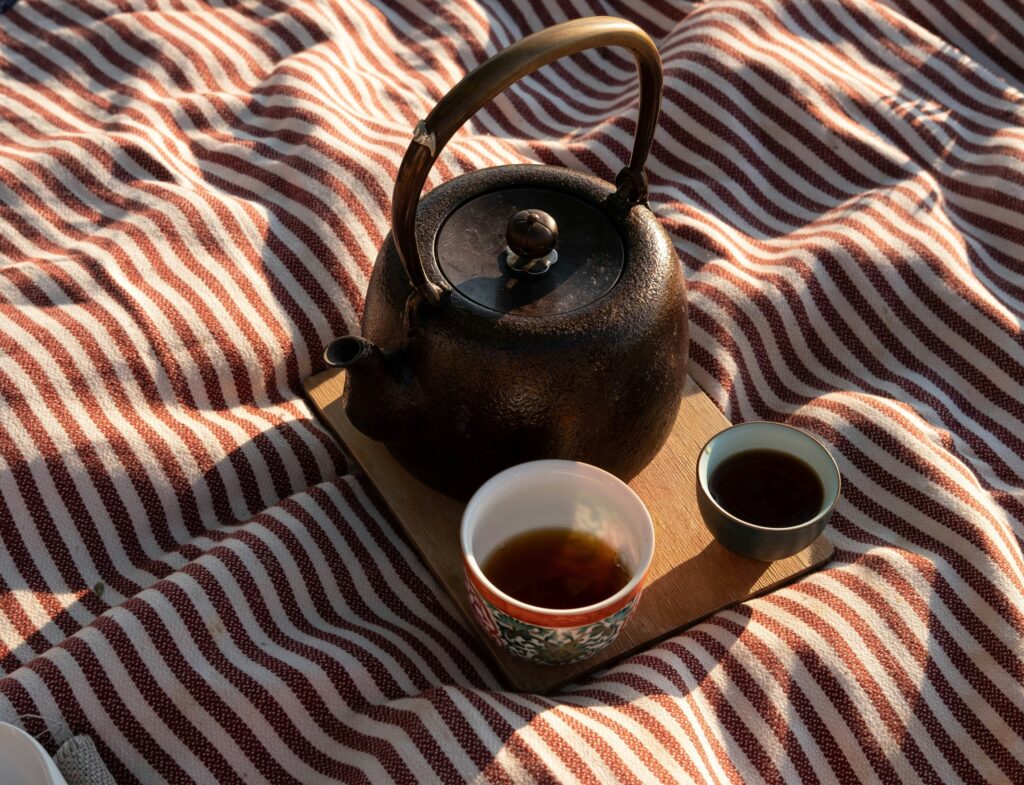
Water forms the base of any cup of tea—over 99% of your drink! The flavor of tea leaves, especially for prized loose leaf tea, is deeply affected by your choice of water. Always choose fresh water over water that’s been boiled repeatedly. Oxygen-rich, clean water coax the complex notes out of specific teas for a smoother, sweeter result. Tap water can carry chlorine or strange flavors, so filtered water or spring water is often best for preparing tea. As a general rule, avoid distilled water; its lack of minerals can yield a flat, lifeless brew.
Brewing Equipment and Your Tea Making Experience
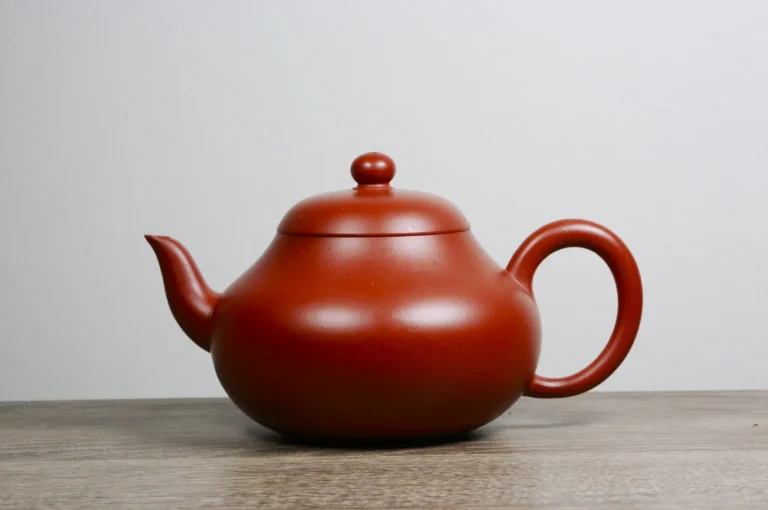
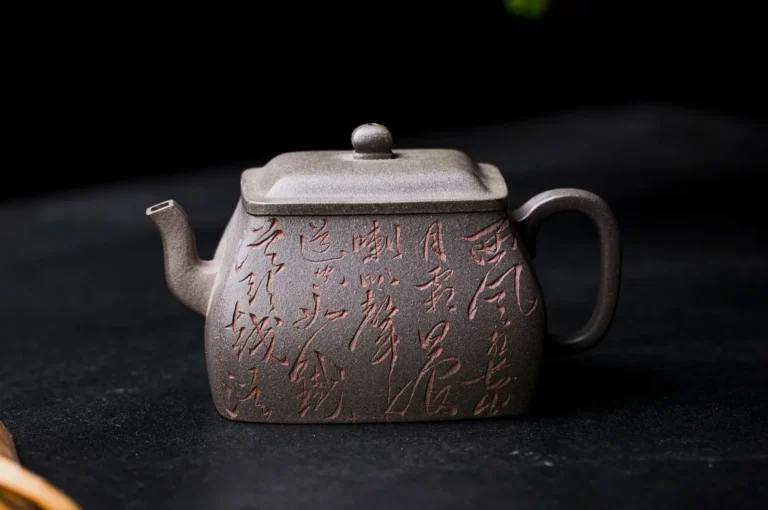
An excellent brew begins with the right tools. Gaiwans and Yixing pots are classic choices for brewing Chinese teas, while glass teapots, electric kettle with temperature control, and modern infusers make tea more accessible for daily routines. Whichever vessel you choose, ensure it is a large, clean container to allow proper heat distribution and prevent boiling over. Always make sure it is clean as residual flavors or mineral deposits from stale water can taint even the perfect cup.
Teapots and mugs influence temperature and taste. Using a lid during brewing helps retain heat and aroma, ensuring an even infusion and enhancing the overall quality of your tea. Preheating your teapot or favourite mug with a little hot water helps maintain the correct temperature during brewing, resulting in a smoother cup and fuller extraction from your tea leaves.
Brewing Guide: Understanding Water Temperature for Perfect Cup of Tea

Heat is crucial in tea making. Boiling water draws out bold flavors; cooler water preserves delicate notes in green teas and white teas. The right temperature means the difference between a rich, aromatic cup and a bitter, astringent brew.
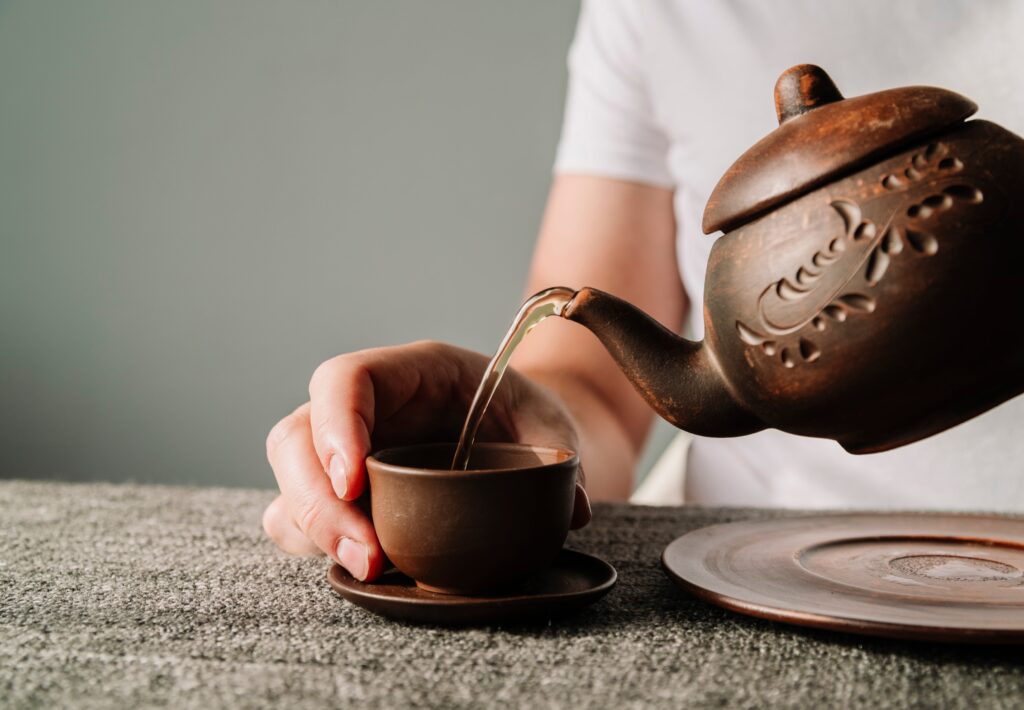
Pouring heated water over tea leaves or bags is essential for proper steeping and flavor extraction.
Temperature Guidelines by Tea Type
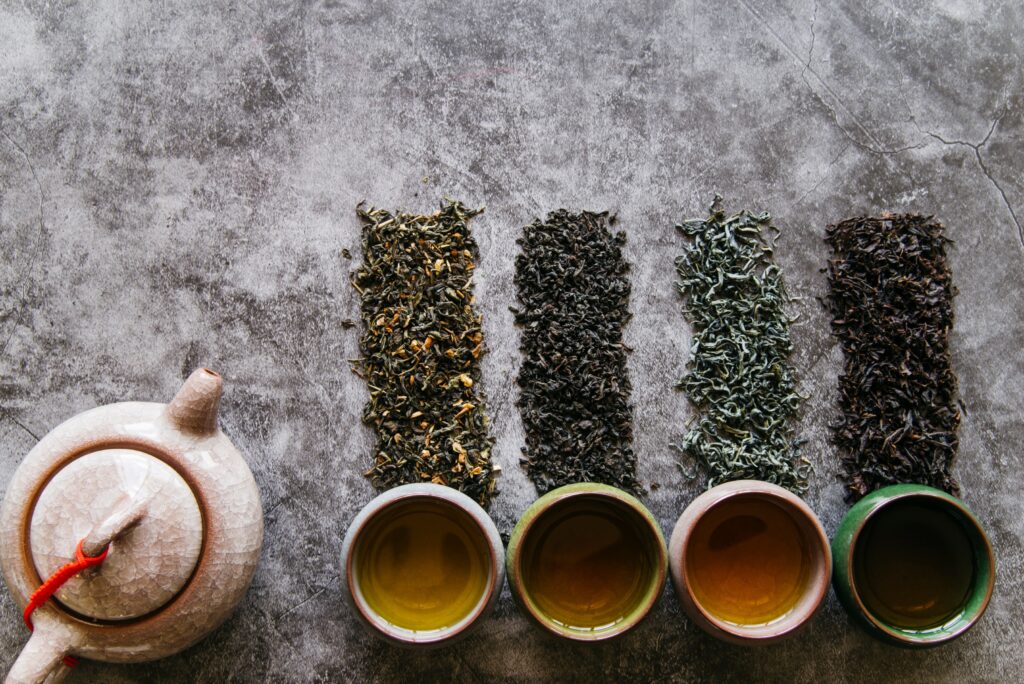
Different tea categories require specific temperature ranges to achieve optimal extraction without compromising delicate flavors or releasing excessive bitterness. Each specific tea, such as black, green, oolong, white, or herbal, requires tailored temperature and steeping time for the best results.
White Tea: 160-185°F Brewing Recommendations
White tea requires gentle extraction with water between 160-185°F to preserve its delicate sweetness and floral notes. Steep for 4-5 minutes to fully extract flavors from premium varieties like Silver Needle and White Peony.
Green Tea: 160-180°F Optimal Range and Timing
Green tea’s fresh, vegetal flavor is best brewed below 185°F to avoid bitterness. Japanese varieties may need cooler water, around 140°F, while Chinese greens tolerate slightly warmer water, steeped 1-2 minutes.
Oolong Tea: 185-205°F for Different Oxidation Levels
Oolong teas need 185-205°F depending on oxidation level; lighter ones prefer 185°F, darker ones near 205°F. Adequate heat extracts complex flavors, with temperature adjusted by tea origin and style.
Black Tea: 200-212°F for Full Flavor Extraction
Black teas require boiling or near-boiling water (200-212°F) to release robust flavors and theaflavins. Most black teas steep 3-5 minutes, with finer varieties sometimes benefiting from slightly cooler water.
Pu-erh and Dark Teas: Boiling Water Benefits
Pu-erh and dark teas benefit from full boil water to awaken aged flavors. A rinse with boiling water removes dust and prepares leaves for optimal extraction during steeping.
Selecting and Brewing Loose Leaf Tea vs. Tea Bags
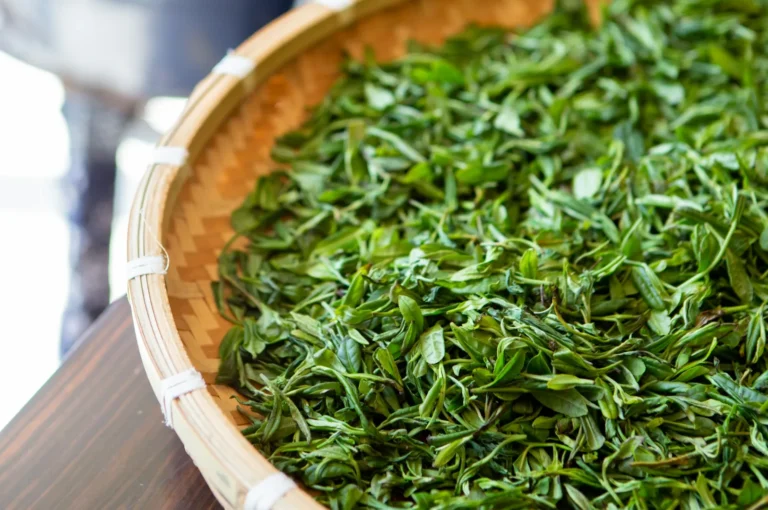
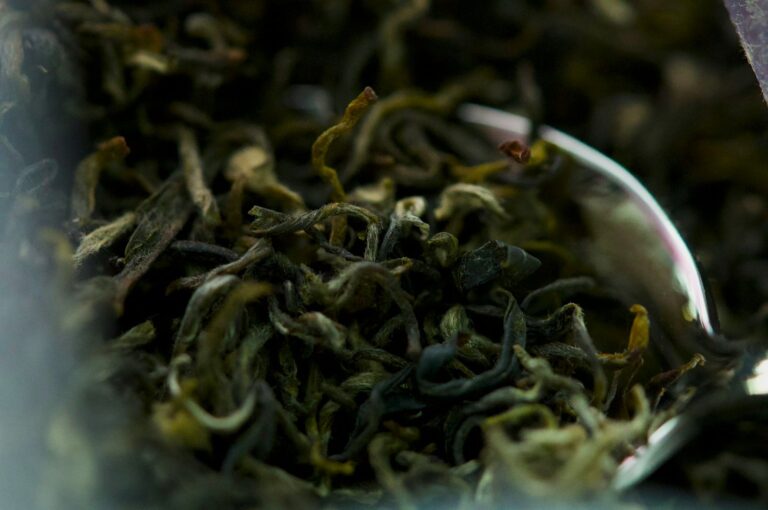
Loose leaf tea, including oolong teas and fine white teas, requires space for tea leaves to unfurl. Use a spacious basket infuser or strain after steeping. Tea packaging is crucial for preserving freshness and flavor; tea bags offer convenience but may sacrifice quality, while loose leaf containers maintain leaf integrity and brewing quality. Tea bags and most commercial blends contain broken leaves that brew quickly but often lack the nuanced flavor of loose tea. Though convenient, investing in premium loose leaves ensures a smoother, richer tea experience.
Brewing Ratios & Measuring: How Much Tea for One Cup?
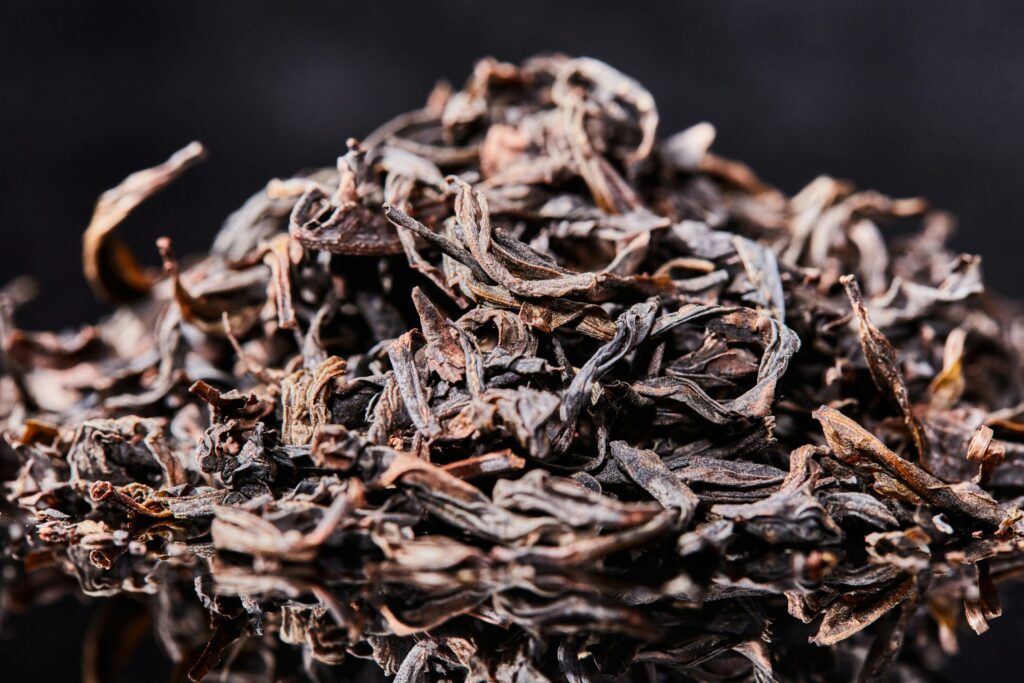
Achieving the perfect cup requires measuring tea precisely relative to water. A general guideline is 1 teaspoon (about 2 grams) of loose leaf tea per 8 ounces (240 mL) of water, which works well for most black and oolong teas. However, this ratio may vary based on tea type, leaf density, and desired strength.
White and yellow teas, with their larger, less dense leaves, often need about 2 teaspoons per cup to develop full flavor. Green teas typically follow the standard ratio but might require slight adjustments depending on the variety and delicacy. For gongfu-style brewing, much higher tea-to-water ratios are used—around 5-8 grams of tea per 100-120 mL of water—to allow multiple short infusions that reveal complex flavors.
When converting between loose leaf and tea bags, note that most commercial tea bags contain finely cut leaves that brew faster and more completely than whole leaves. One tea bag generally equals about 1 teaspoon of loose tea, though quality varies. Scaling these ratios for different serving sizes ensures consistent strength whether brewing a single cup or a full pot.
The Six Major Tea Categories: Brewing Specifics
Brewing White Tea (Silver Needle, White Peony)
Gently pour hot water (not boiling) over 2 teaspoons of leaves in your pre-warmed vessel. Steep for 4–6 minutes, tasting as you go—the sweet, delicate notes of Silver Needle and White Peony reward patience. White teas can be re-steeped 3–5 times, revealing honey, floral, and fruity flavors with each cup.Brewing Green Tea
Green tea is sensitive. Never pour boiling water directly on the leaves! Use 1 teaspoon leaf per cup, then cover with water around 170°F. Steep 1–2 minutes. For Japanese green teas, infusing with even cooler water best preserves umami and sweetness.Brewing Oolong Teas
Oolong teas are versatile. For ball-rolled types, use 1.5 teaspoons loose leaf per cup, 195°F water, and 2–3 minutes per infusion. Strip-style oolongs need less leaf and similar brewing but adjust to taste and tea type.Brewing Black Teas
Black teas love boiling water. Add 1 teaspoon of loose tea to your pot or mug, pour boiling water, and steep for 3–5 minutes. Black teas often pair well with milk, honey, or sugar for a sweet, smooth finish.Brewing Pu-erh and Dark Teas
Awaken these teas by rinsing the leaves: pour boiling water over the tea, steep a few seconds, discard, then re-brew. Infuse with fully boiling water for 2–4 minutes. Pu-erh can yield many cups—taste them evolve across steeps.Brewing Yellow Tea
Rare but rewarding. Brew like green tea: cooler water and short steeps, adjusting by personal taste.Herbal Tea & Infusions
Herbal teas and herbal infusions such as mint, ginger, chamomile, or chai, use boiling water and longer steeping times (5–7 minutes) to bring out their rich, warming flavors. Herbals, especially those with roots or bark, are typically brewed at higher temperatures and for longer times; for flowers, keep it to the low end for a clean cup. Spices such as cinnamon and cardamom are often added to herbal infusions to enhance flavor.Gongfu Cha: The Traditional Chinese Tea Ceremony Method
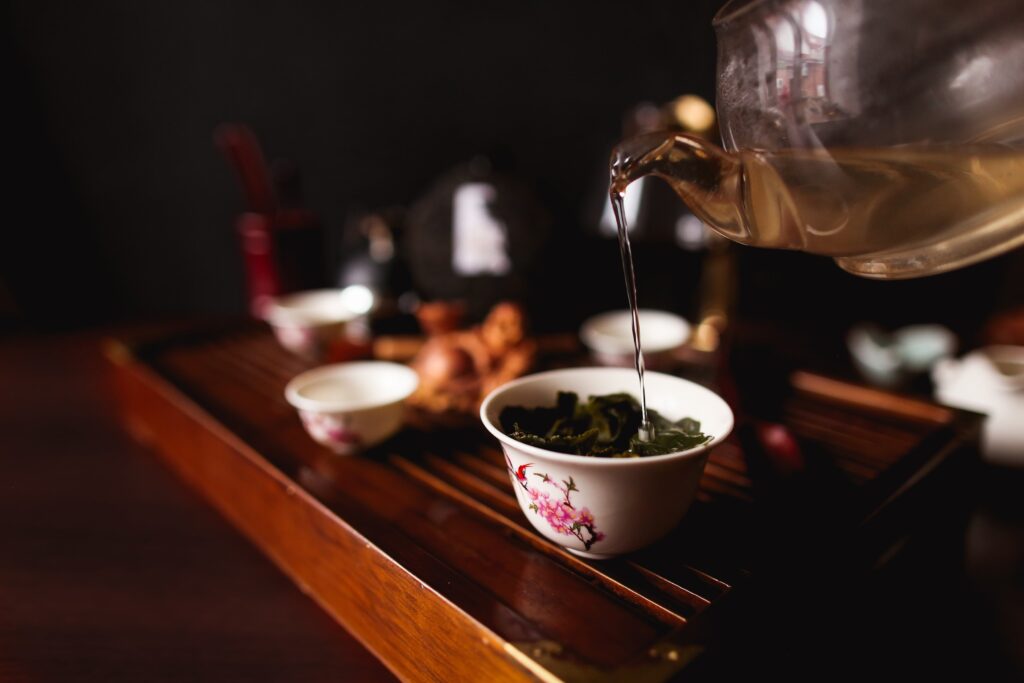
Gongfu Cha, meaning “making tea with skill,” is the pinnacle of Chinese tea ceremony, focusing on multiple short infusions to reveal premium teas’ full character. Using 5-8 grams of tea per 100-120mL gaiwan, it creates a concentrated liquor diluted over quick steeps. Water temperature varies by tea type, with the first infusion lasting 10-15 seconds before straining.
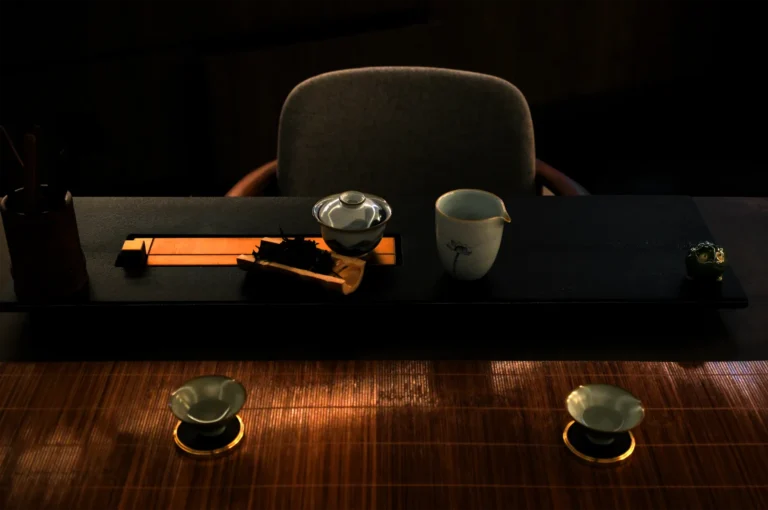
Infusion times gradually increase, 15, 20, 30 seconds, allowing flavor and aroma to evolve over 6-10 infusions. This method maximizes extraction and fosters social interaction through shared tasting. Essential equipment includes a gaiwan or small teapot, fairness pitcher (gong dao bei), small tasting cups, and tools for handling hot vessels, contributing to precise, meditative brewing.
At Tea Room by Ki-setsu, we offer traditional gongfu cha sessions where participants learn this technique firsthand, guided by experienced practitioners to master preparing tea with skill and appreciate the art of brewing tea.
Western vs. Eastern Brewing Styles
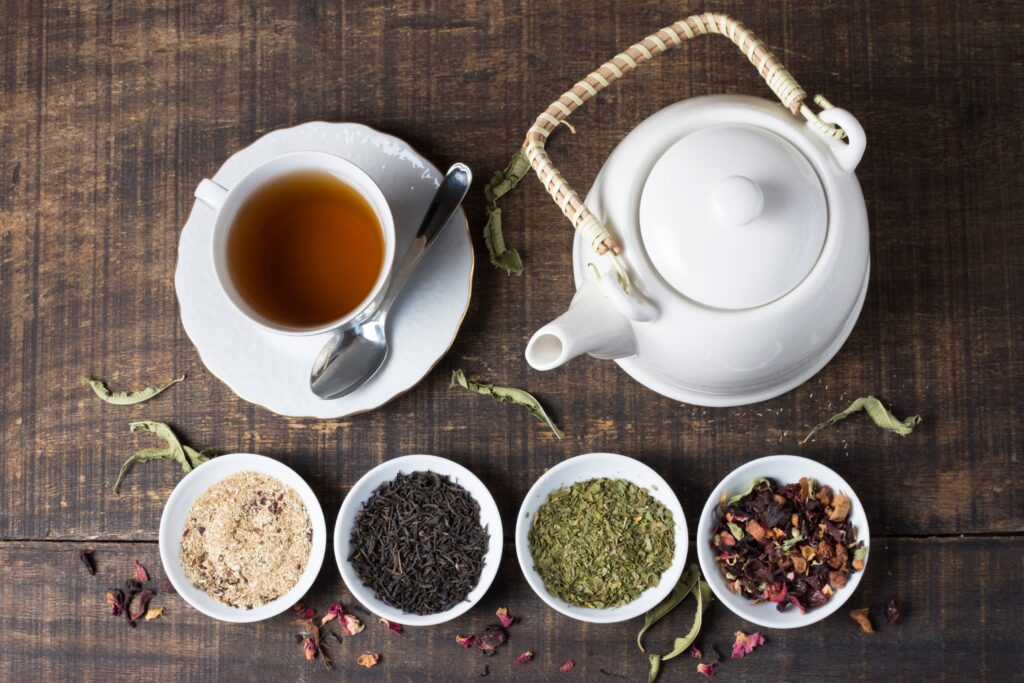
Western and Eastern tea brewing styles reflect distinct cultural values around time, convenience, and flavor. Western brewing uses longer steeping times and moderate tea quantities for a ready-to-drink cup in a single infusion, ideal for daily tea or social settings. Eastern methods like gongfu cha focus on multiple short infusions to explore complex flavors and share the experience.
Flavor profiles differ: Western brewing yields balanced but static tastes, while Eastern brewing reveals evolving layers across infusions. Choice depends on tea quality, personal preference, and context. Premium oolong teas benefit from Eastern brewing, while everyday tea suits Western style.
Many modern tea enthusiasts blend these approaches, balancing Western ease with Eastern depth. Whether you sip tea like coffee or savor it as a ritual, understanding both methods gives the inside scoop on brewing tea for any occasion.
Enhancing Your Tea Experience at Tea Room by Ki-setsu
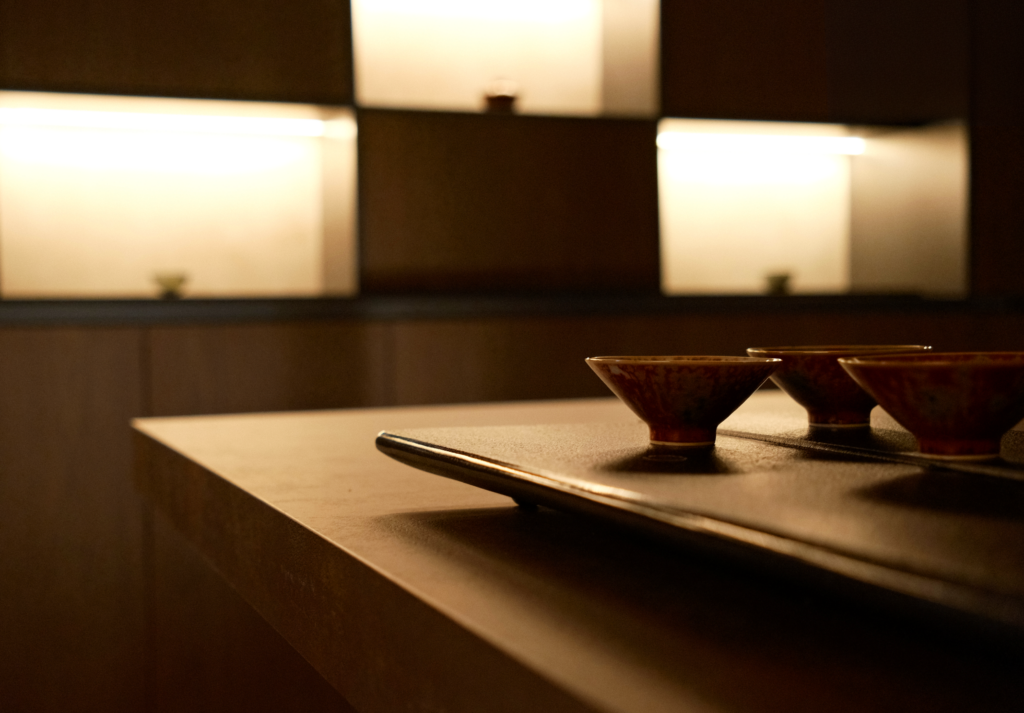
Tea Room by Ki-setsu is the premier destination for authentic Chinese tea culture, offering a carefully curated selection of rare teas from China’s renowned tea-growing regions. Our collection spans all major categories, from delicate white teas to aged pu-erh varieties, each accompanied by detailed brewing guidance and cultural context to enhance your tea experience.
We provide expert guidance to improve your brewing technique through personalized consultations, hands-on demonstrations, and ongoing support tailored to your lifestyle and preferences. Our private tea sessions offer an immersive education on historical context, proper techniques, and cultural significance, suitable for all experience levels.
Complementing our teas, we offer premium brewing equipment and accessories, including rare Jingdezhen ceramic wares crafted by master artisans. These exceptional gaiwans, teapots, and cups combine centuries of ceramic artistry with unmatched brewing performance, connecting you to the rich heritage of Chinese tea culture and elevating your perfect cup of tea.