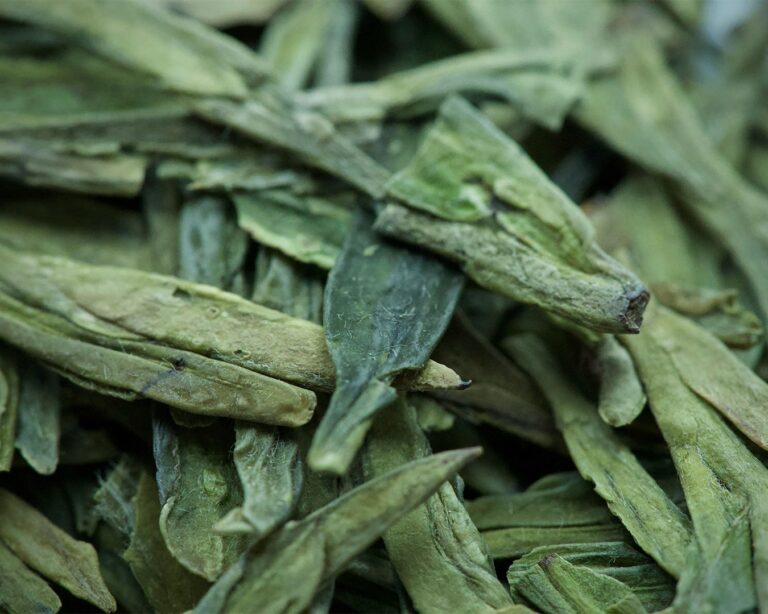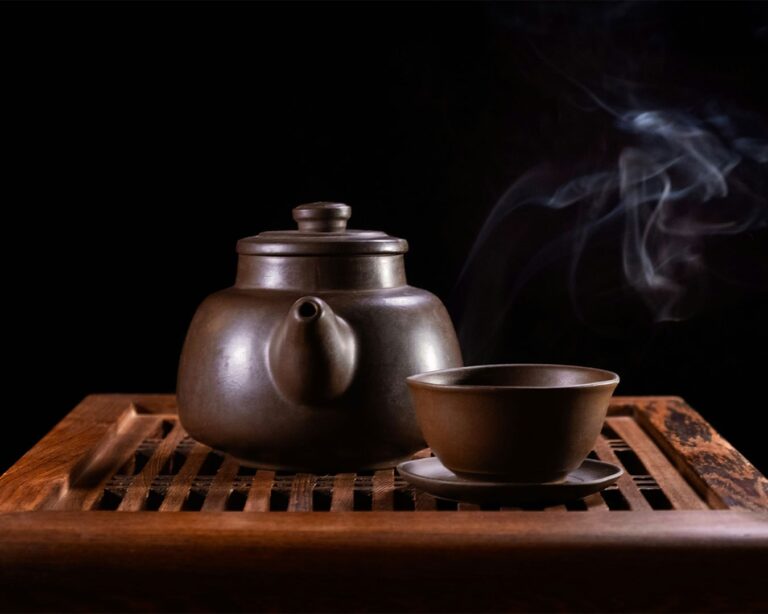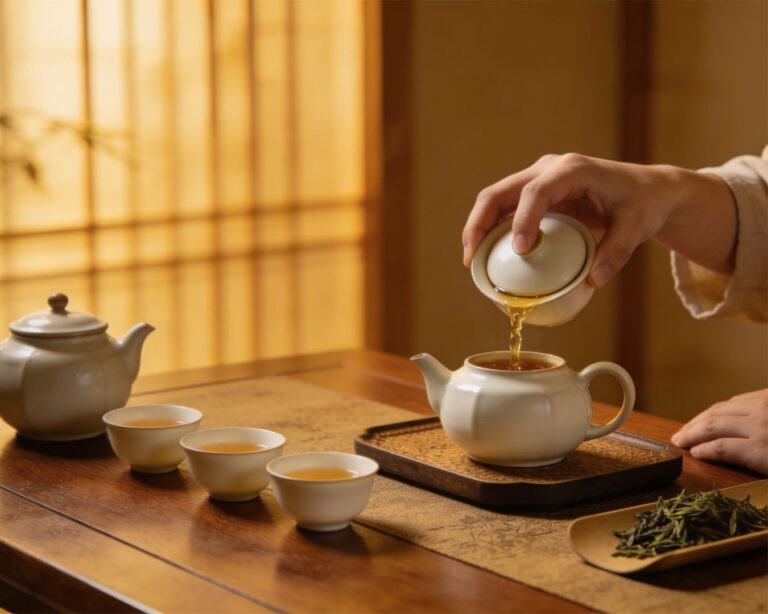

Long Jing tea, also known as Dragon Well green tea, holds a revered status among Chinese green teas for both its delicate, nuanced flavor and its numerous health benefits. This ancient tradition, tracing its roots to the picturesque West Lake region in Hangzhou, Zhejiang province, is embodied in West Lake Longjing Tea—China’s most famous and popular tea, renowned since the Qing Dynasty for its exceptional quality and cultural prestige. Dragon Well tea is celebrated as a symbol of China’s tea heritage and was highly prized by emperors during the Qing Dynasty. Yet, the full range of longjing tea benefits—spanning physical wellness to cognitive function—can only be experienced when each cup is prepared with care and precision.
The art of perfect brewing, rooted in Chinese tea culture, unlocks the powerful synergy between the tea’s rich chemical composition and the mindful mastery of extraction, supporting well-being sip after sip.
Understanding Longjing Tea’s Unique Properties
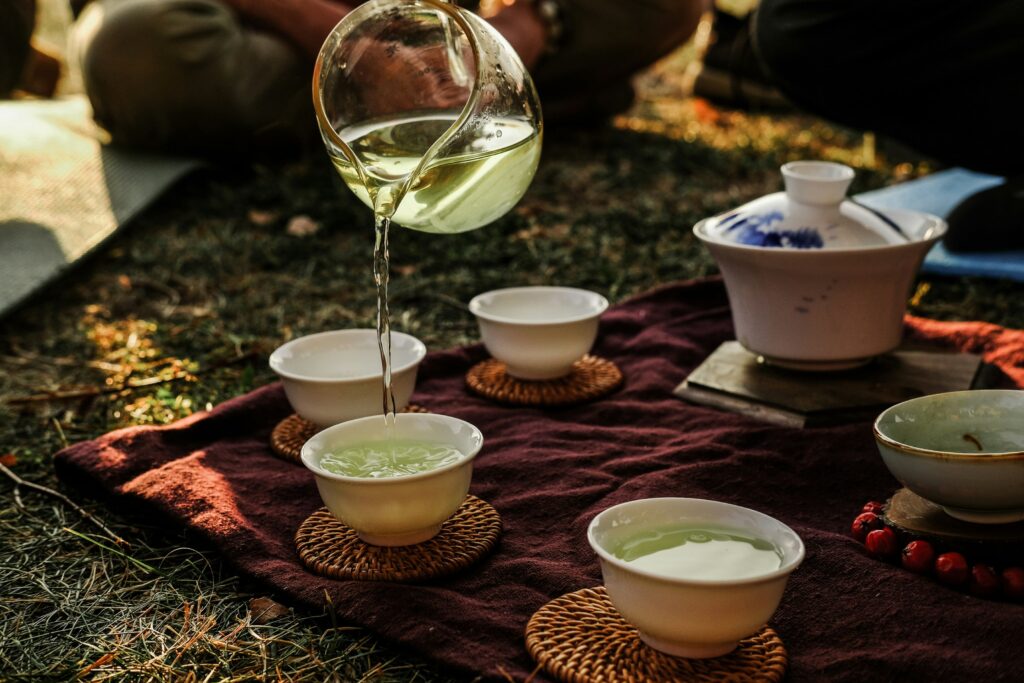
To master the benefits of Dragon Well green tea, it’s important to appreciate its make-up. Longjing tea leaves are packed with beneficial compounds, including some of the highest concentrations of catechins like Epigallocatechin gallate (EGCG). Research suggests that these antioxidants contribute to cardiovascular health, heart health, immune system support, and may aid in lowering cholesterol levels. Additional amino acids, especially L-theanine, not only promote a mellow taste but also help improve cognitive function and foster mental calmness.
Unlike other green teas, top-grade Long Jing is pan fired, a process that is used to halt oxidation in the tea leaves quickly, preserving vitamin C, green tea antioxidants, and minerals. This method, perfected in ancient times, maintains the tea’s beautiful shape and vivid green hue while locking in flavors and nutrients. Regular consumption of Long Jing tea, as part of a healthy daily routine, has been linked in research to supporting weight management and even reducing risk factors for heart disease and high blood pressure.
The Science of Water Temperature in Tea Extraction
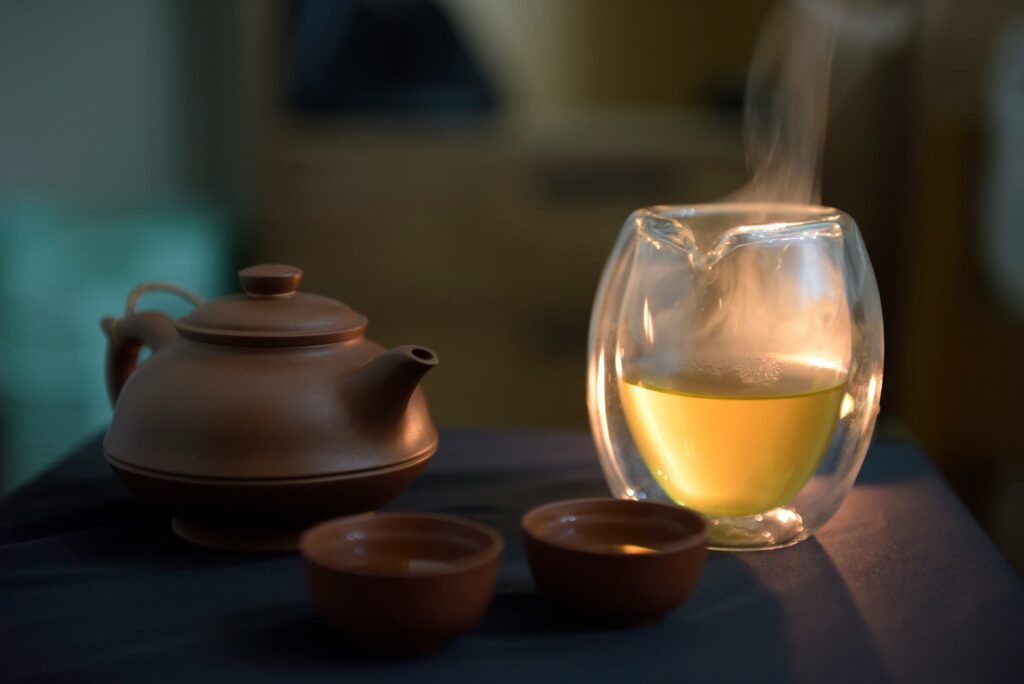
Getting the water temperature right is essential to maximizing the health benefits and taste of Dragon Well green tea. Scalding tea plants’ leaves with boiling water can harm delicate amino acids, destroy antioxidants, and impart an unwanted bitter taste—a pitfall even seasoned tea enthusiasts sometimes make. It is important to first boil water to ensure proper brewing, but for Longjing tea, let the water cool to the appropriate temperature before pouring it over the leaves.
Premium, Pre-Qingming Longjing (Early Spring): West Lake Longjing picked before the Qingming festival requires precise heat: 75-80°C (167-176°F). The lower temperature extracts sweetness and health-supporting compounds without damaging them.
Standard Grade or Later Harvests: Tea leaves harvested after Qingming can handle temperatures around 80-85°C (176-185°F) to release more catechins and a richer flavor without veering into excessive bitterness.
Use filtered water if possible, as minerals in tap water may interfere with the green tea’s delicate taste and reduce its antioxidant properties. At Tea Room by Ki-setsu, for example, every infusion is prepared with careful attention to water temperature, ensuring each cup preserves both the flavor and the longjing tea benefits cherished by health-conscious drinkers.
Precision Timing: Steeping Duration and Longjing Tea Benefits
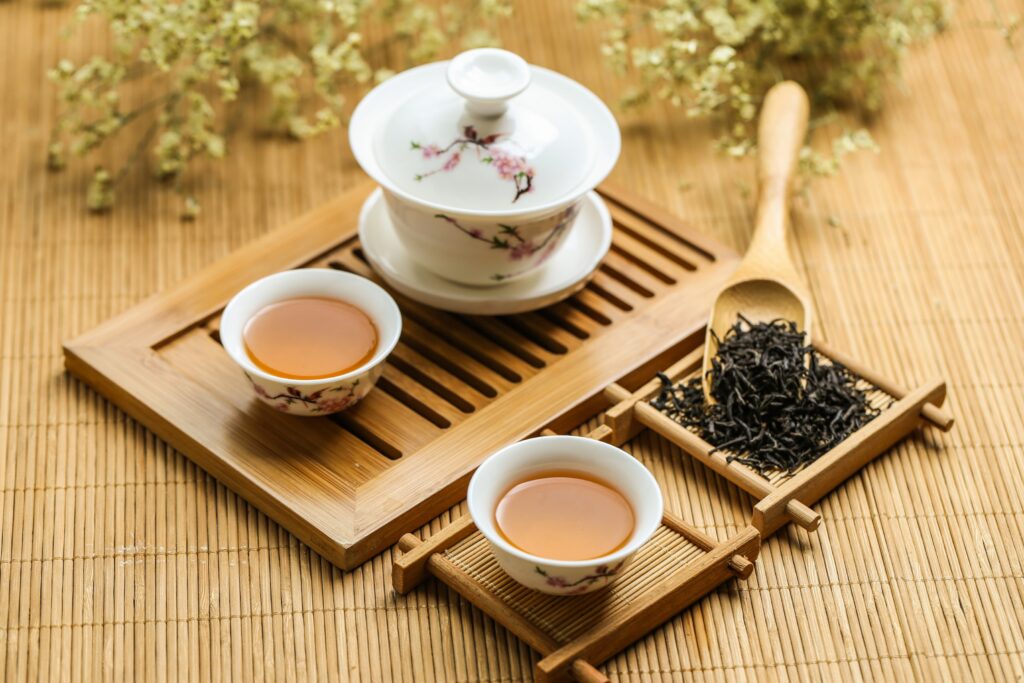
Steeping time is another key factor that shapes both the taste and benefits of longjing tea. To unlock the beneficial compounds—especially those famed for supporting weight loss and immune system resilience—timing must be precise.
First Infusion: Steep for 45 to 60 seconds. This short duration releases aromatic oils, L-theanine, vitamin C, and a naturally sweet, fresh taste with minimal astringency.
Subsequent Infusions: Increase infusion time gradually (by 15-30 seconds) to release more catechins, minerals, and green tea antioxidants, tailoring the astringency to personal preference.
Over-steeping can result in a bitter, less enjoyable cup and release excessive tannins. A well-timed brew ensures you get both the mellow taste and the wellness benefits, with each infusion offering a slightly different array of beneficial compounds.
Traditional vs. Modern Brewing Methods
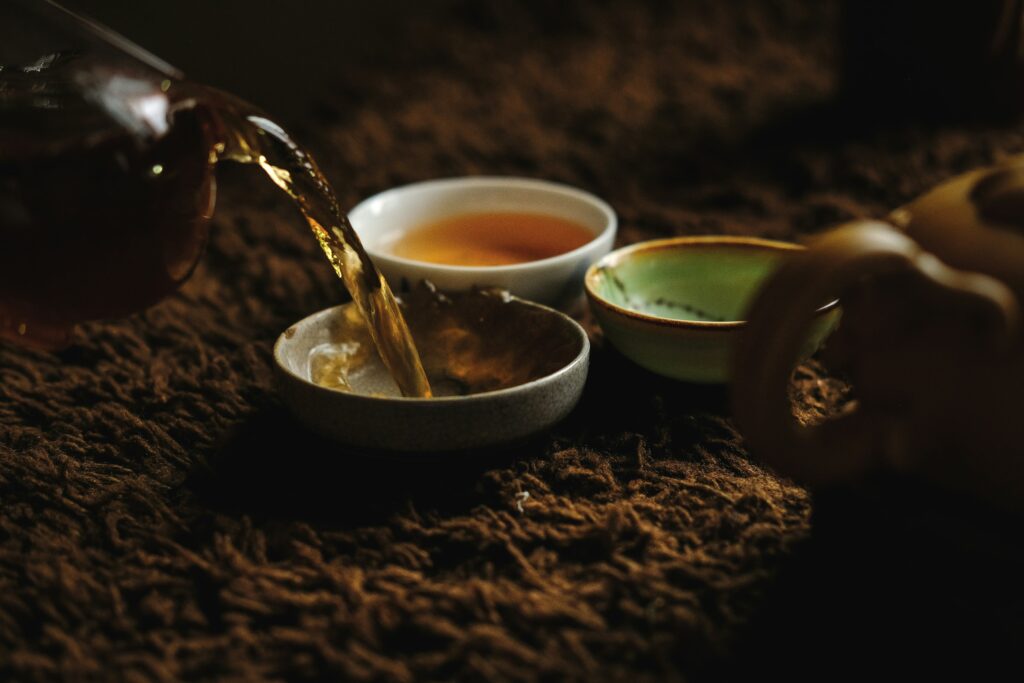
Embracing tradition is central to Chinese tea culture, particularly when seeking the full health potential of high-quality teas like Dragon Well. Different brewing methods can bring out unique tastes in this renowned Chinese green tea, highlighting the subtle flavor profiles that distinguish it from other varieties.
The Gongfu Cha Method
The Chinese Gongfu brewing technique calls for good quality, whole leaf green tea, multiple quick infusions, and small porcelain or glass vessels. The use of small cups in the Gongfu Cha method enhances the appreciation of the tea’s aroma, color, and flavor, making each tasting more immersive. This method honors the tea’s delicate nature by preventing nutrient loss and allowing tea enthusiasts to enjoy the evolving flavor. Each steep brings new dimensions to the cup, from sweet early notes to the gentle umami characteristic of West Lake Longjing village teas.
Western-Style Adaptations
When brewing in larger vessels, such as teapots or mugs, measure your leaves precisely (2-3 grams per 200ml), use temperature-appropriate hot water, and decant promptly. This guards against release of too many tannins and ensures that even with modern convenience, the benefits of Long Jing are captured, not compromised. In Singapore’s thriving tea culture, innovative approaches—like cold-brewing Dragon Well for a refreshing, less-caffeinated version—are gaining popularity. Longjing tea contains less caffeine than coffee, making it a gentler alternative for those seeking a milder beverage. These methods make enjoying longjing tea benefits easy for every palate and daily routine.
Heritage Brewing in Singapore
Tea Room by Ki-setsu and similar venues integrate centuries-old brewing knowledge with contemporary appreciation, often using heritage techniques and well water to highlight every note found in Lion Peak (Shifeng) or other rare batches.
Multiple Infusions: Extracting the Full Spectrum of Benefits
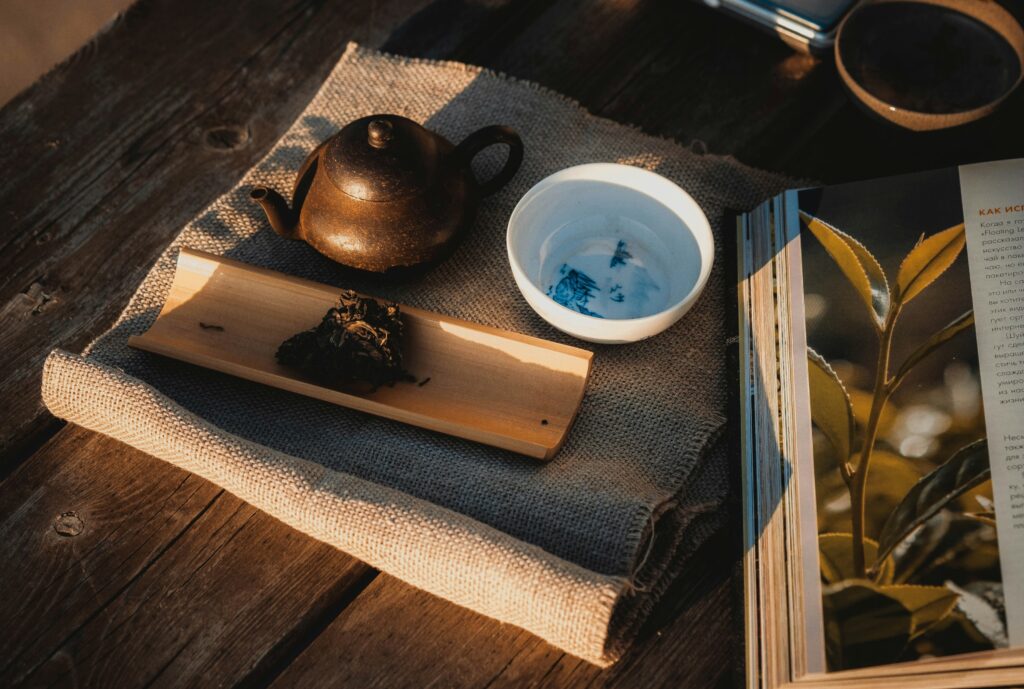
Don’t discard your leaves after just one infusion; Long Jing tea is renowned for rewarding multiple brews.
First Steep: Yields the highest levels of L-theanine, a sweet aroma, and abundant antioxidants.
Second Steep: Releases increased catechins, enhancing fat oxidation, cholesterol management, and boosting the body’s metabolic rate—key factors in effective weight management.
Third Steep: Retains essential minerals, vitamin C, and delivers a gentle, mellow taste.
To maximize the health benefits, gradually increase both water temperature and steeping time with each subsequent infusion. When the brew becomes light in color and flavor, and the leaves have fully unfurled—especially those sourced from West Lake—your tea has given its fullest expression.
Like Longjing, many other Chinese teas can be steeped multiple times to extract a diverse range of flavors and health benefits.
Teaware Selection: Impact on Long Jing Tea Benefits
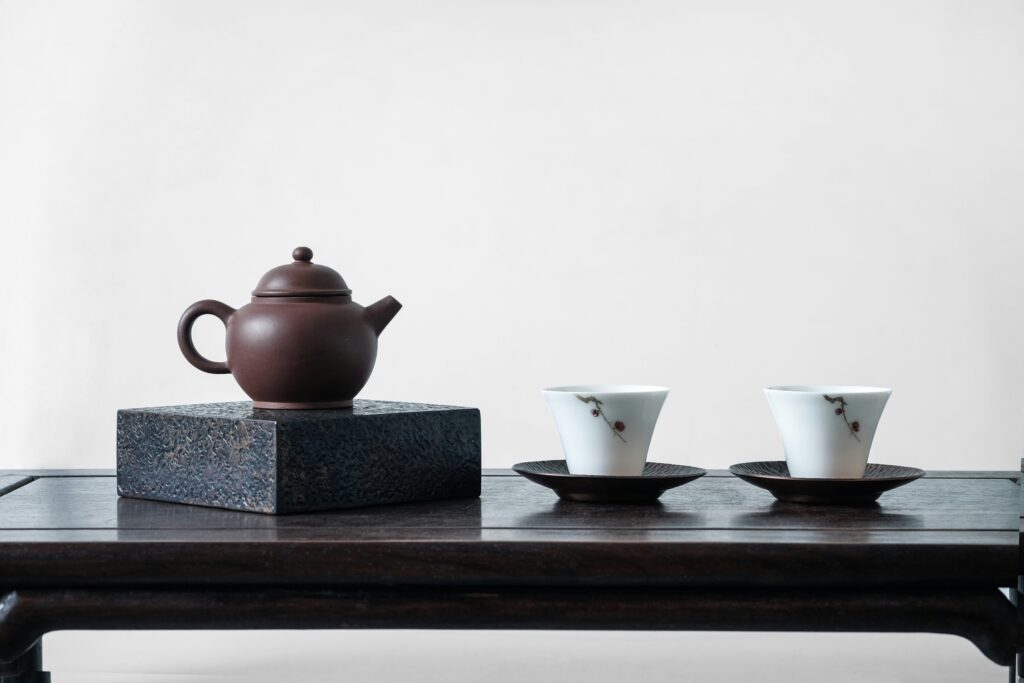
Your choice of vessel matters more than you might expect. Each material influences the extraction of vitamins, catechins, and amino acids from the leaves.
Glass: Ideal for observing the beautiful shape and dance of the green tea leaves; inert, thus preserving pure flavor and health properties.
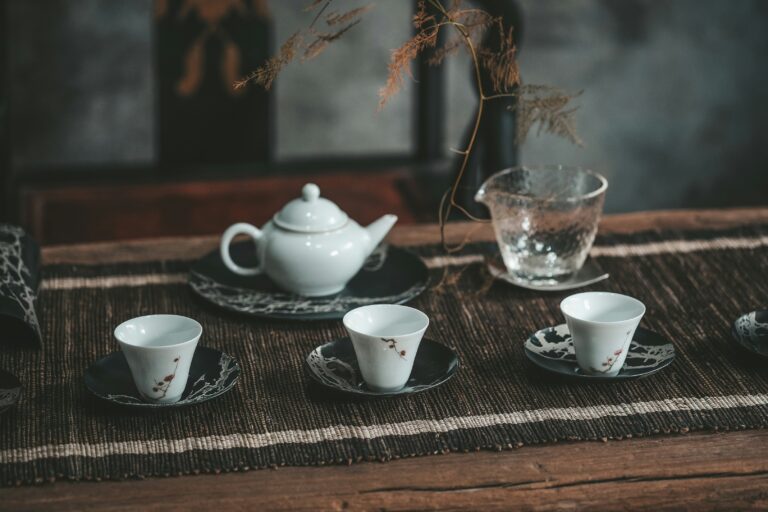
Porcelain: Maintains a steady, gentle temperature and clean flavor profile; preferred for Gongfu brewing to fully express both taste and longjing tea benefits.
Clay: Best saved for darker teas like black tea or Pu-erh, as it absorbs aromas and can mute the subtle nature of Chinese green teas.
At Tea Room by Ki-setsu, we serve our Longjing tea in exquisite Jingdezhen porcelain. The thin, delicate walls of this renowned porcelain enable gentle heat dissipation, ensuring the tea leaves do not overcook and preserving their nuanced flavors. Its pristine white interior offers a perfect backdrop to showcase the tea’s vibrant jade-green liquor, transforming each brewing session into a refined visual and sensory experience.
By pairing exceptional teaware with premium tea varieties, we honor the ancient tradition of Chinese tea, elevating each cup into a moment that is both elegant and healthful.
Seasonal Considerations for Long Jing Brewing

Longjing tea varies dramatically with harvest and season.
Early Spring (Pre-Qingming): The most prized Dragon Well teas are harvested early, in Longjing village of Zhejiang. They require careful brewing—cooler water and shorter infusions—to highlight L-theanine, vitamin C, antioxidants, and the signature mellow taste.
Later Harvests: Leaves undergo more maturity, providing higher catechin concentrations and a bolder, more full-bodied green tea. They can be brewed at higher temperatures and for slightly longer periods.
The stable Singapore climate allows tea lovers to enjoy fresh and rare Chinese teas all year. Appreciating these nuances is part of advanced tea mastery and magnifies the health and sensory rewards.
Embracing the Journey of Longjing Tea Mastery
Mastering Dragon Well is not just about brewing a beverage—it’s about immersing yourself in a centuries-old Chinese tea culture that blends artistry, tradition, and well-being. As one of China’s most popular teas, Dragon Well offers a unique combination of mellow taste and moderate caffeine content, making it an ideal choice for those seeking both flavor and gentle stimulation. Each step of the process, from selecting high-quality tea plants to precisely controlling water temperature and steeping duration, is essential to unlocking the full spectrum of longjing tea benefits in every cup.
We encourage readers to elevate their daily routine by embracing mindful tea brewing and regular consumption of this premium green tea. Experience authentic well tea at specialty teahouses, such as those in Singapore, explore the rich heritage linked to the Qianlong Emperor and Lion Peak, and let each session enhance your well-being, creativity, and connection to an ancient tradition. For a deeper dive into the remarkable health properties, be sure to read our article on Dragon Well’s Health Properties, here.