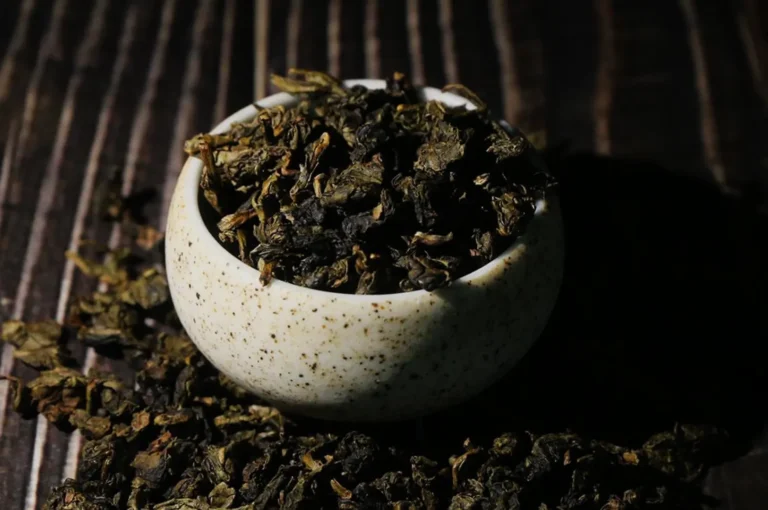
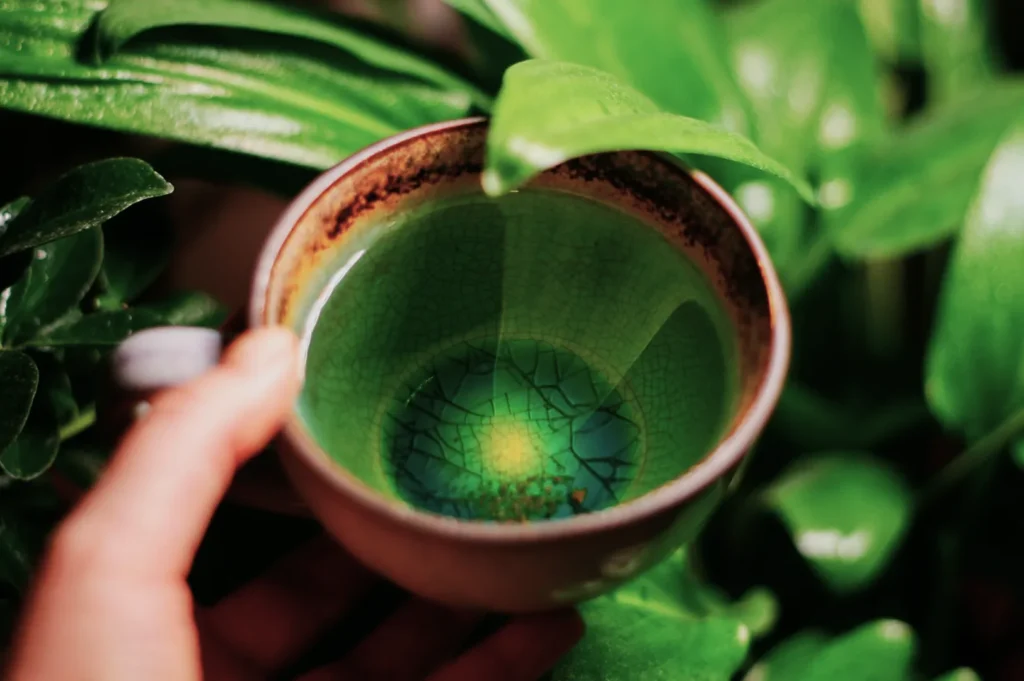
Premium green tea is not simply the one with the highest price, the most poetic origin story, or the tin that looks most convincing on a shelf. Those things may accompany good tea, but they do not define it. For us, premium means care you can taste. It shows up as a clean aroma rather than a flat or dusty one. It appears in bitterness that gives shape without turning harsh, in a gentle sweetness that returns after swallowing, and in a finish that feels clear enough to welcome another sip.
It also includes consistency and respect. Tea should be stored properly, brewed with attention, and explained in a way that helps rather than intimidates. A tea can be costly and still feel careless if it has been handled poorly or described only through vague luxury language. A truly premium experience makes the tea more understandable, not more confusing.
At the same time, premium does not mean you must love it. Personal preference still matters. Some green teas are marine, some nutty, some grassy, some soft and sweet. Quality is not the same as compatibility. You may recognise the care in a tea and still prefer a different style. That is perfectly reasonable, and it is part of tasting honestly.
Here are the signals we look for when we evaluate green tea quality.
The Calm Quality Checklist: 8 Signals You Can Trust
#1 The Aroma Feels Clean Before You Sip
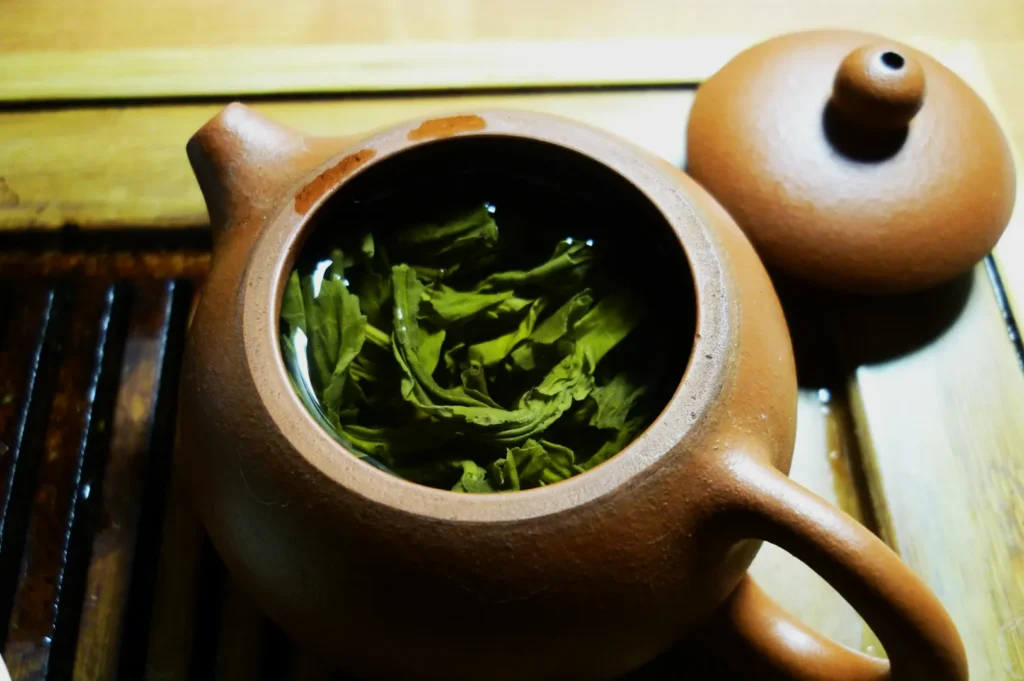
A good first clue appears before the tea touches your mouth. When green tea is handled well, the aroma usually feels clear, fresh, and composed rather than musty, stale, or flat. Depending on the style, it may suggest greens, steamed vegetables, toasted rice, fresh grass, or something sweet. What matters most is cleanliness. If the scent reminds you of an old cupboard, damp paper, or absorbed kitchen odours, freshness may have been compromised. When tasting, switch off perfume, candles, or room sprays first.
#2 Bitterness Is Brief, Not Aggressive
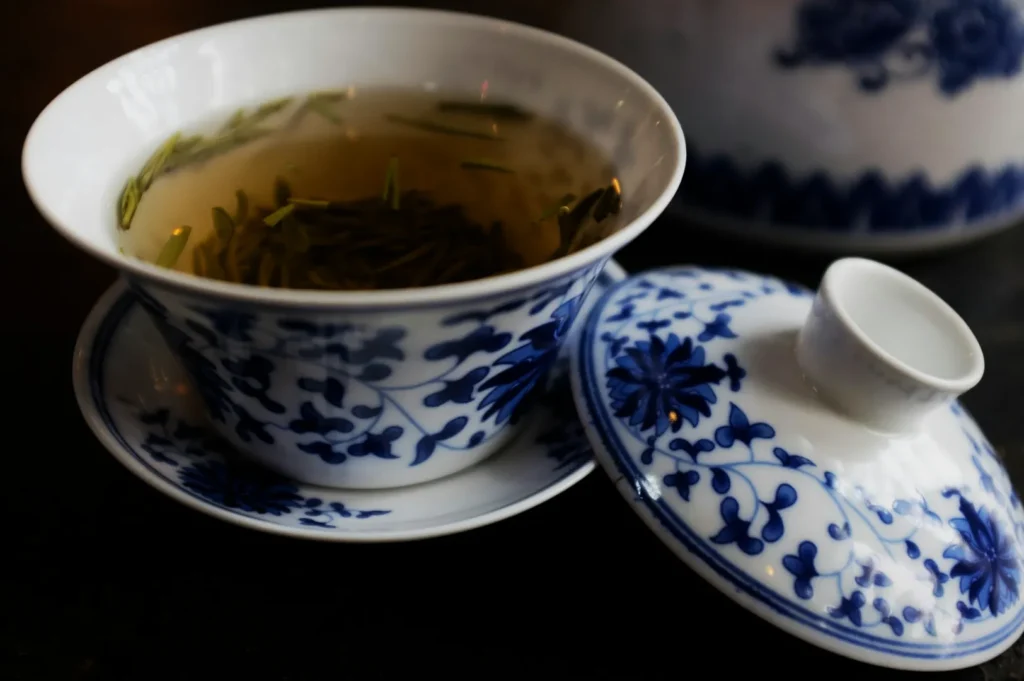
Many people assume bitterness automatically means lower quality, but that is not always true. In green tea, a little bitterness can act like structure. It gives shape to the sip and can make the sweetness that follows more vivid. The problem begins when bitterness turns harsh or lingering in a way that dominates everything else. That often happens when the tea has been brewed too hot, left too long, or when the leaf itself lacks balance. Before blaming the tea, try slightly cooler water and a shorter steep.
#3 Sweetness Returns After You Swallow
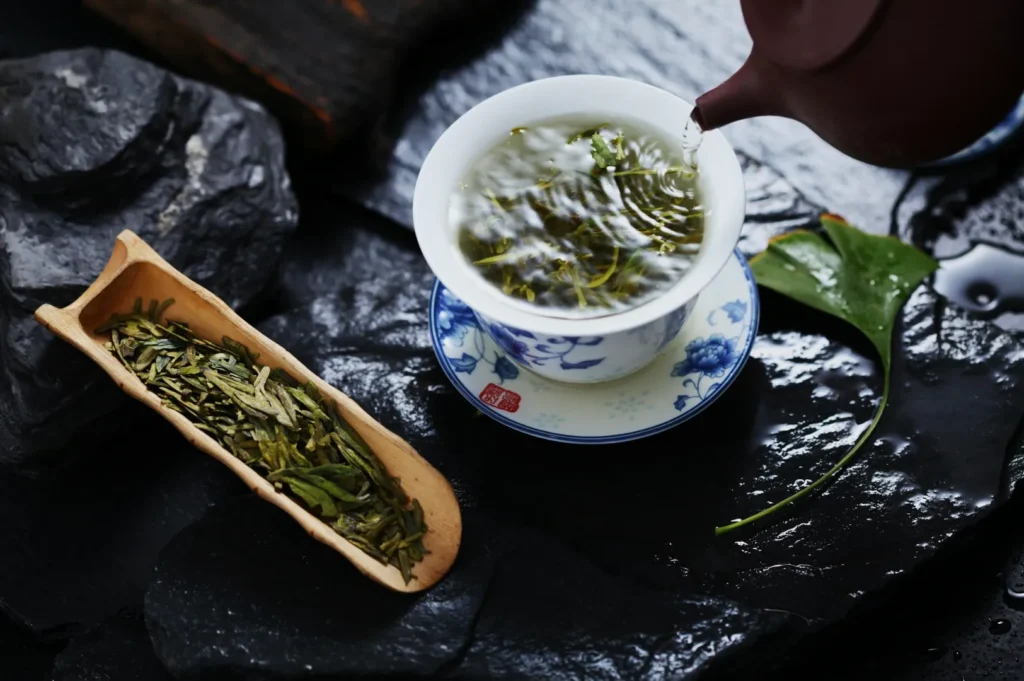
One of the most reassuring quality signals in green tea is that sweetness does not always arrive first. Sometimes it appears after the sip is gone, as a soft return at the back of the mouth or along the sides of the tongue. This matters because it suggests depth rather than simple surface flavour. The tea continues speaking after the cup has left your hand. If you want to notice it more clearly, swallow, wait about ten seconds, and see whether a gentle sweetness rises back into awareness.
#4 The Finish Feels Clean And Refreshing
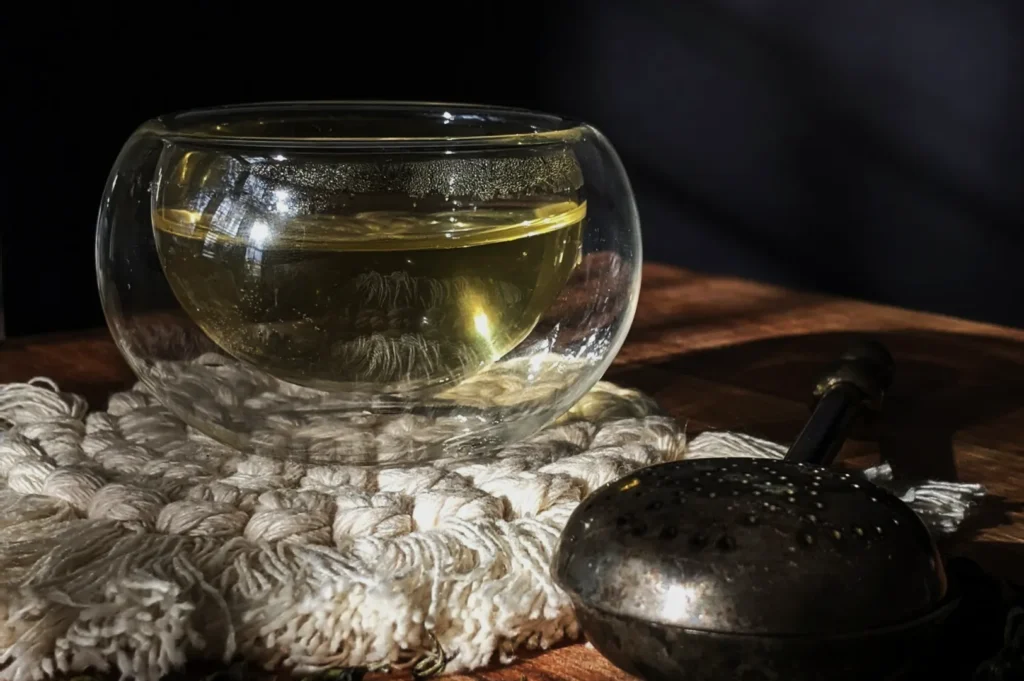
A clean finish is hard to fake and easy to recognise once you notice it. After swallowing, your mouth should feel clear, refreshed, and ready for another sip rather than coated, sticky, or tired. Even richer green teas should leave a sense of lift. The finish determines whether drinking the tea feels calming or exhausting. If each sip invites the next one naturally, that is often a very good sign.
#5 The Leaf Looks Intentionally Made, Not Just Dust
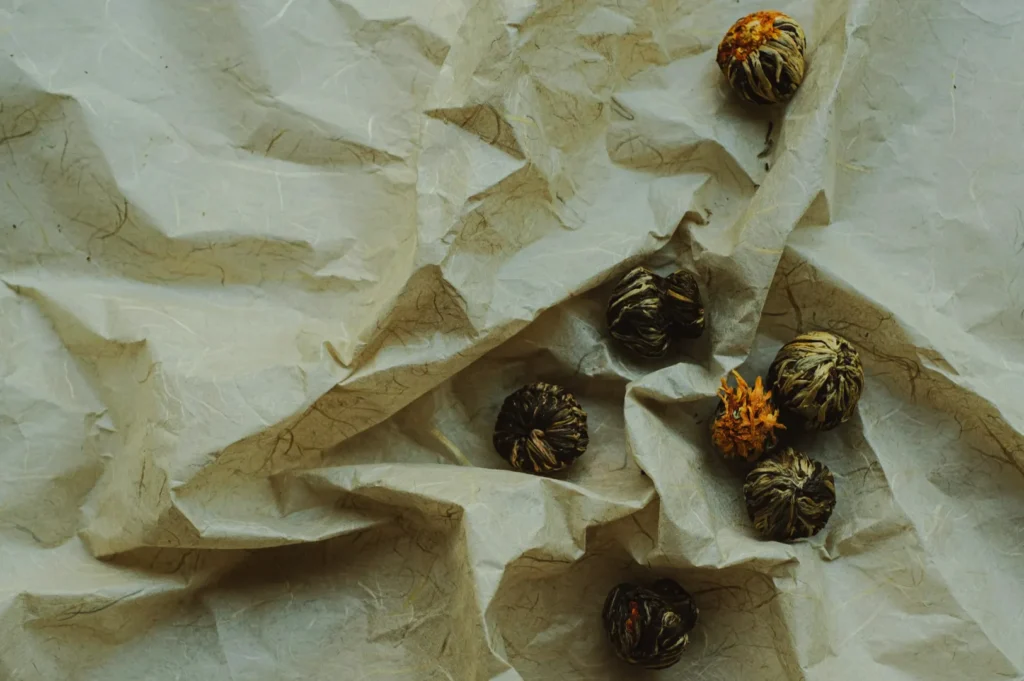
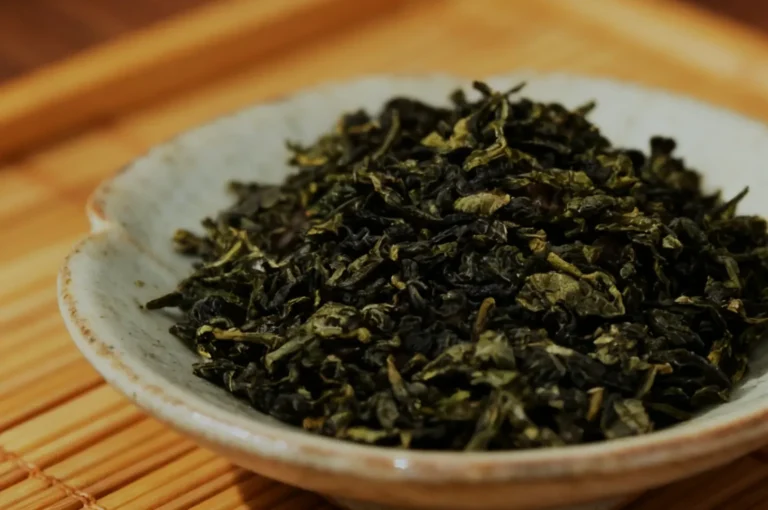
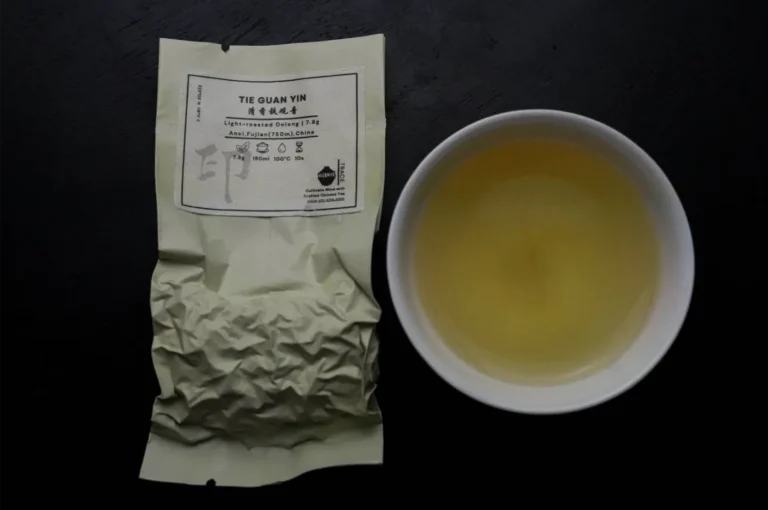
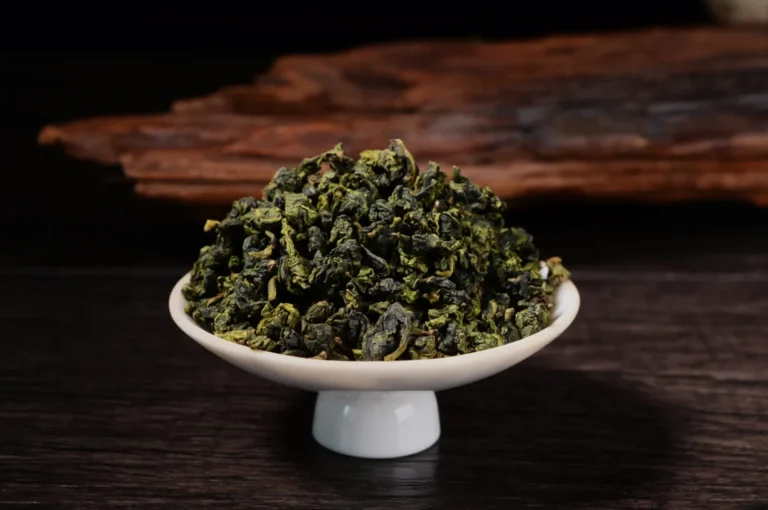
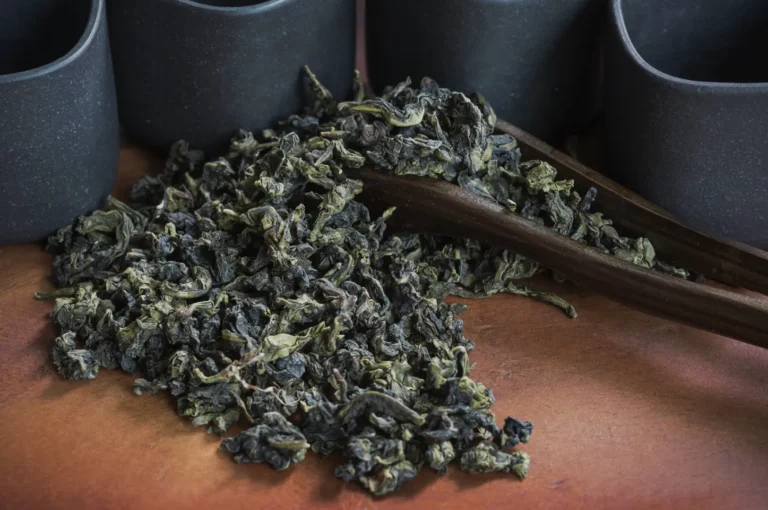
Leaf appearance is not a complete measure of quality, but it can still offer useful clues. Green tea that looks intentionally made often shows some consistency in shape, size, and colour, even when the leaves are small. If the packet is filled with excessive dust and broken fragments, it may extract very quickly and taste harsher than intended. That said, avoid judging too fast from appearance alone. Some styles are naturally finer than others. If a tea seems severe, use less leaf or a shorter steep before reaching a final conclusion.
#6 The Seller Can Explain The Tea Simply
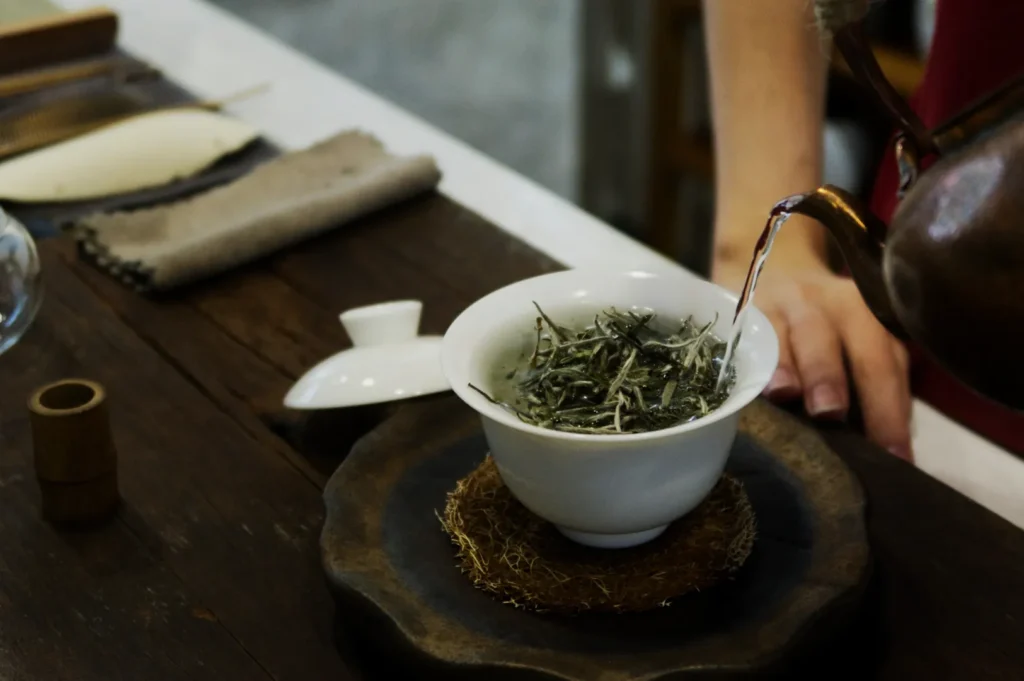
One of the clearest signs of integrity is communication that stays simple. A thoughtful seller does not need to hide behind mystery, poetry, or prestige terms to make the tea sound important. They should be able to answer ordinary questions in plain language: What does it taste like? How should I brew it gently? What is the general origin story? Clear answers suggest familiarity, care, and honesty. If you would like to experience this kind of calm guidance in person, our private tea sanctuary offers tea conversations that begin with clarity rather than performance.
#7 The Tea Holds Up Beyond The First Steep
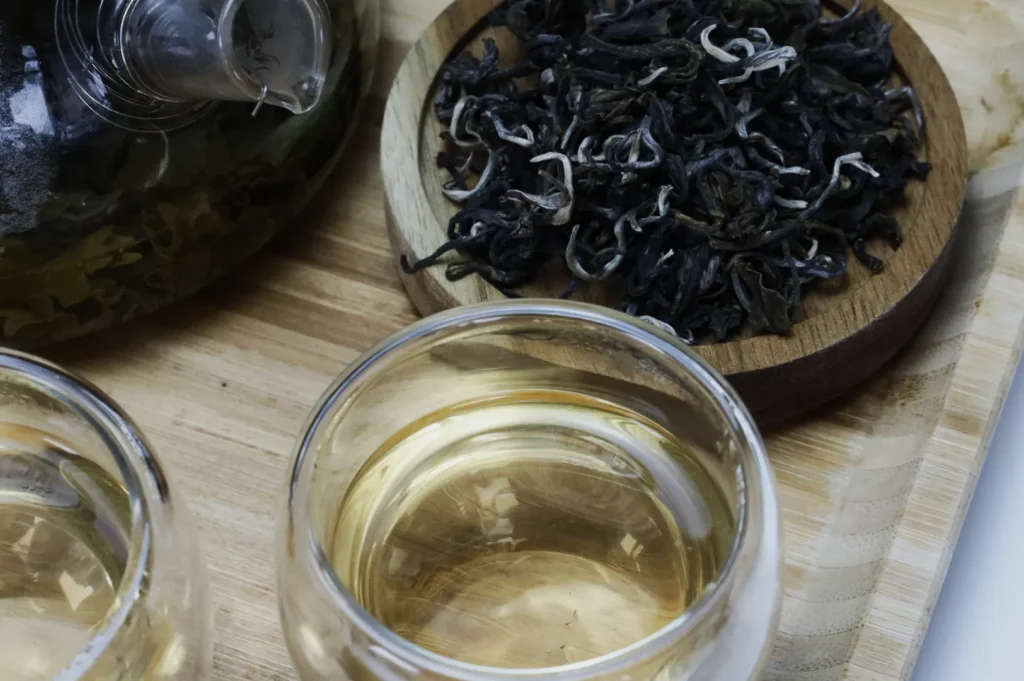
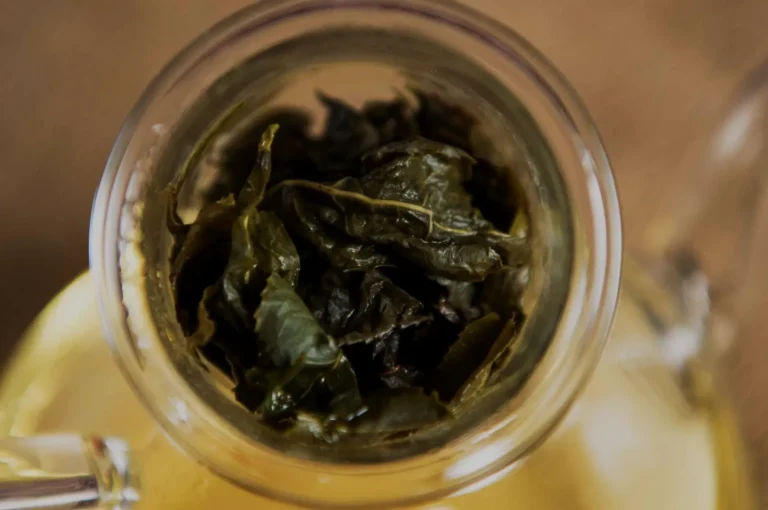
A premium green tea often remains coherent after a second gentle infusion. That does not mean every steep tastes identical. In fact, some change is desirable. What you are looking for is whether the tea still feels balanced, readable, and pleasant rather than collapsing into harshness or emptiness immediately. The second steep can reveal structure and quality. Compare infusion one and infusion two in your mind. Does the clarity remain? Does the texture still feel settled? A tea that holds itself together usually deserves attention.
#8 Storage And Freshness Are Treated Seriously (Especially In Singapore)
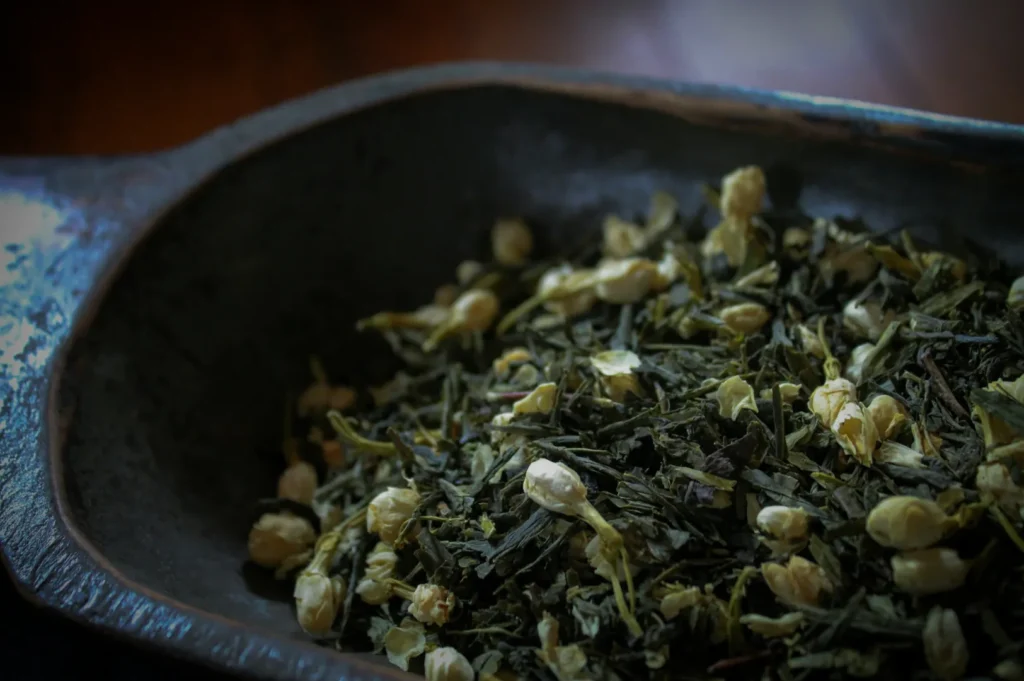
In Singapore, storage matters. Humidity, heat, kitchen odours, and light can all dull green tea quickly if it is kept carelessly. A premium tea deserves premium handling after purchase, not only at origin. The leaves should be protected in an airtight container and kept away from spices, perfume, and direct sunlight. Buying smaller quantities can also be wise, especially if you drink slowly. Freshness is not glamorous, but it is part of integrity. Often, what seems like average tea is simply tea that was not protected well enough.
How To Taste For Quality Without Expert Vocabulary
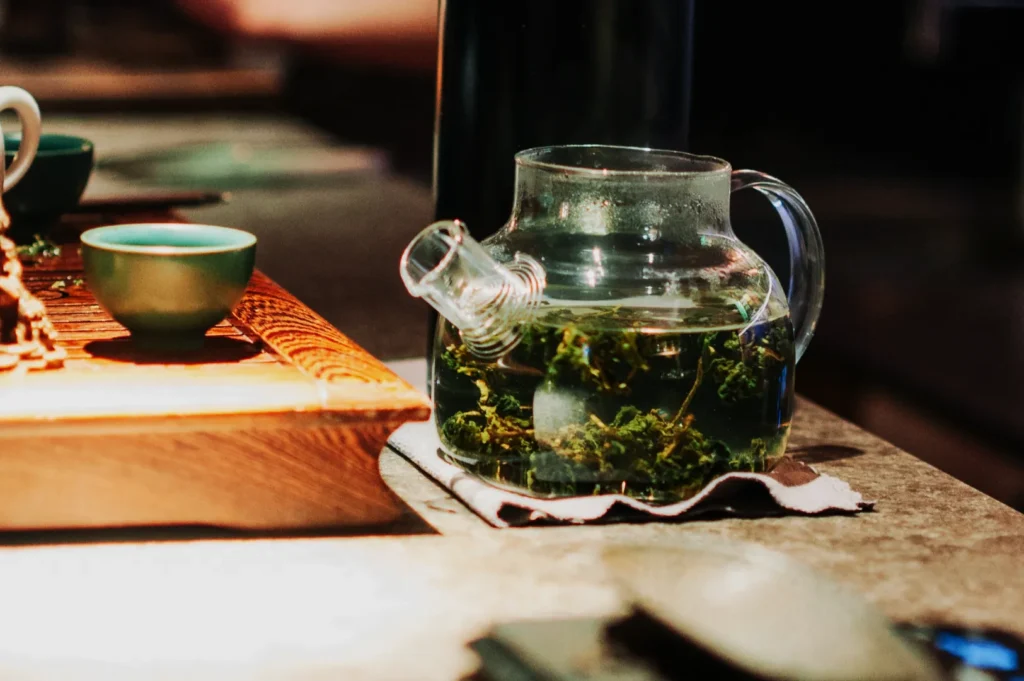
You do not need a refined tasting language to judge whether a green tea feels well made. A simple method is often enough if you repeat it consistently. Begin by smelling the tea before you sip. This first moment tells you whether the aroma feels clean, soft, bright, savoury, or tired. Then take a small sip and let it cool slightly in your mouth rather than swallowing instantly. Temperature can hide detail, and a gentler sip often reveals texture more clearly. After swallowing, pause. The finish is where much of the truth appears.
If you want a few words to steady your attention, keep them simple: clean, soft, bright, drying, lingering, smooth, rounded. These are human words, and they are enough to begin noticing quality with honesty. You are not trying to sound impressive. You are trying to observe.
A useful exercise is to taste twice. On the first sip, notice the front impression. On the second, wait about thirty seconds after swallowing and focus on what remains. Sometimes the first sip gives you flavour, while the pause reveals balance. That small contrast can tell you more than a dramatic description ever will.
Common “Premium” Hype Traps (And How To Avoid Them)
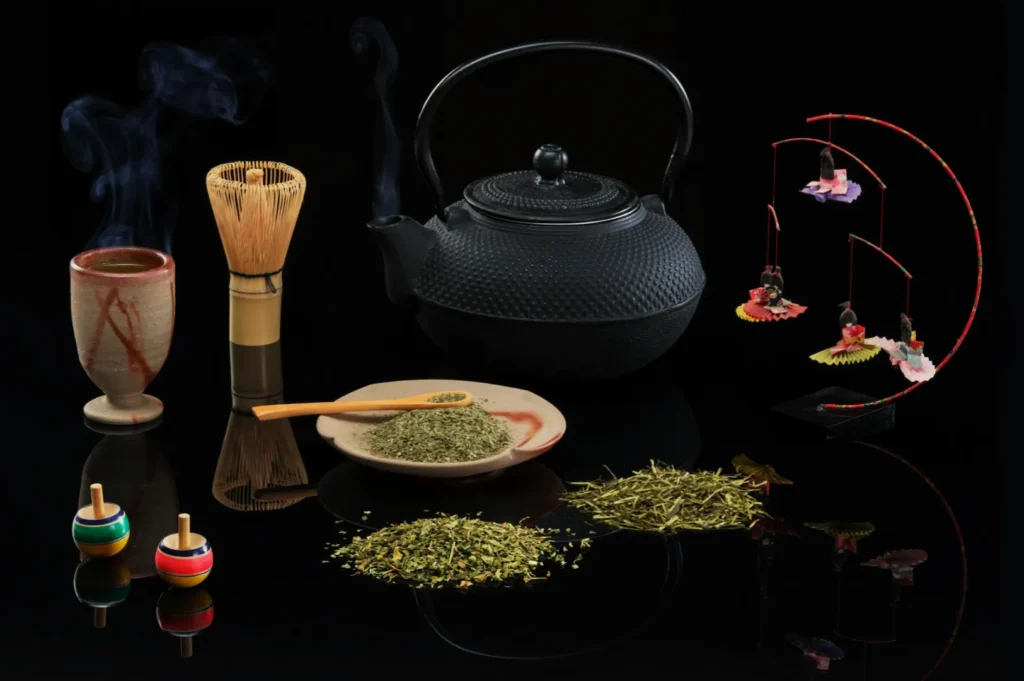
- A beautiful tin can be a pleasure, but packaging alone does not tell you whether the tea tastes clean, balanced, or well stored.
- Rarity language can sound seductive, yet unusual names and distant stories do not automatically create drinking pleasure in the cup.
- Influencer superlatives often reward drama over detail, so it helps to trust repeated tasting more than borrowed excitement.
- Buying too much before tasting can leave you committed to tea that looked impressive but does not suit your palate.
- Brewing far too strong can make even decent green tea feel punishing, so adjust leaf, water temperature, and time before judging too quickly.
The Quiet Standard We Come Back To
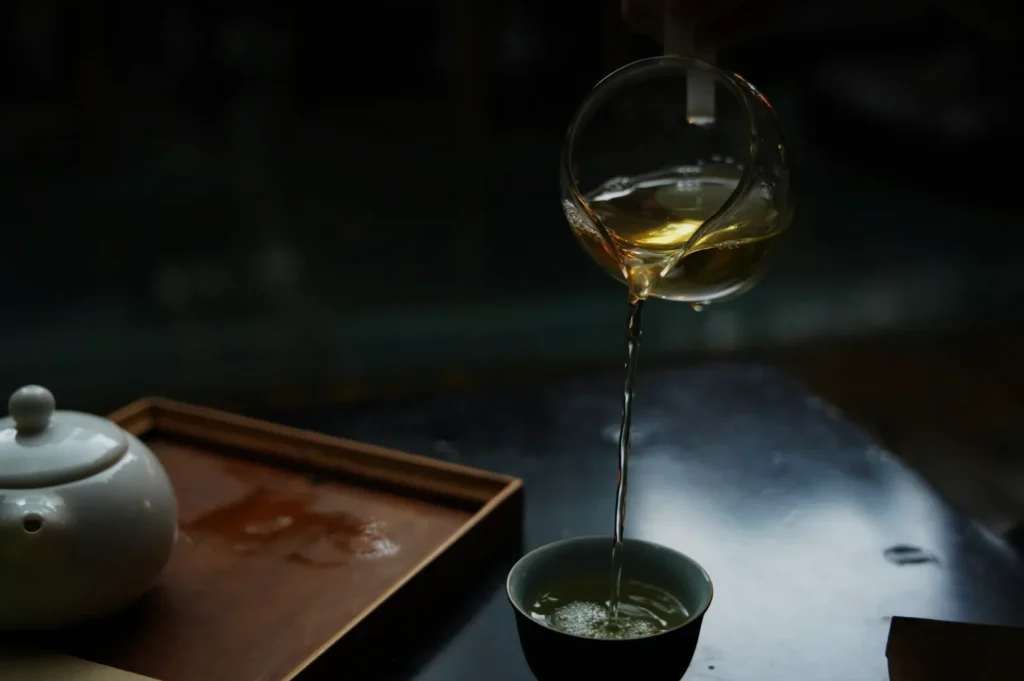
For us, premium green tea returns to a quiet standard: clarity, care, and a clean finish that makes you want another sip. Buy small, brew gently, taste twice, and write down one simple note. Over time, your palate becomes steadier. A calm cup, honestly observed, will teach more than hype ever can.
If you are curious about the wider conversation about green tea and its wellbeing, read our guide on Understanding The Benefits of Drinking Green Tea: Ancient Wisdom Meets Modern Wellness.