Among Chinese teas, the storied tradition of pu-erh tea stands out with its unique fermentation and rich history from Yunnan Province. Unlike green or black tea, pu-erh undergoes a microbial fermentation process that continues after harvesting, resulting in deep, earthy flavors and a complex profile cherished by tea enthusiasts.
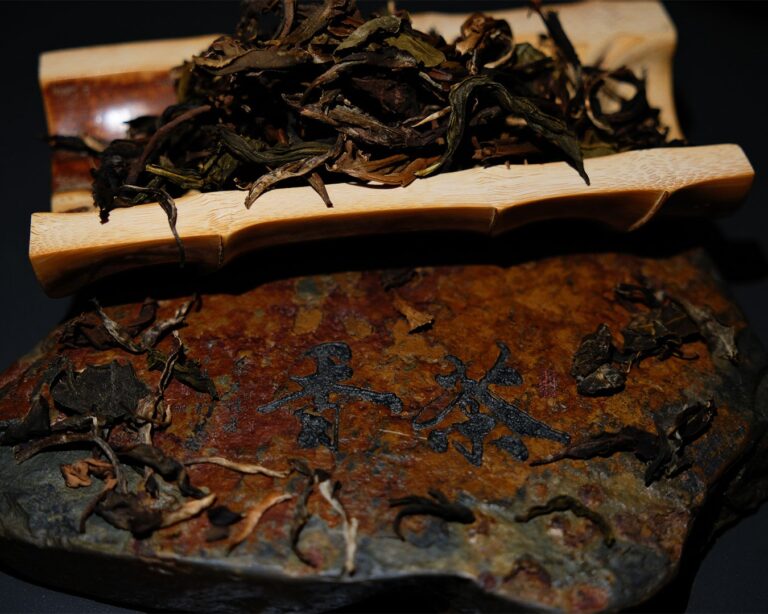
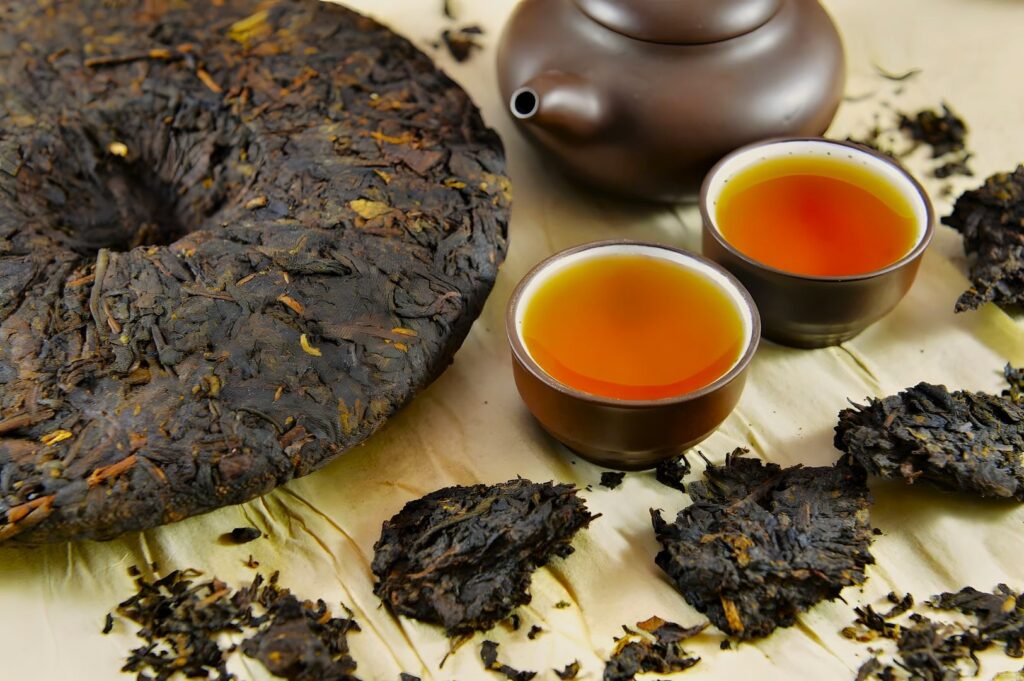
Available in both compressed cakes and loose leaf tea form, pu-erh divides into two main types: raw pu erh tea (sheng) and ripe pu erh tea (shou). Raw pu-erh ages naturally over years, developing complex flavors like fine wine. Ripe pu-erh undergoes accelerated fermentation called wo dui or wet piling, developed during the Ming Dynasty and refined in the Qing Dynasty, creating a smooth, dark brew in months instead of years.
Historically, pu erh tea originated from Pu erh County and was traded along the ancient Tea Horse Road, prized as tribute tea since the Eastern Han Dynasty and popularized during the Tang Dynasty. Today, its unique processing and natural fermentation set it apart from green tea, black tea (also known as red teas in China), and oolong teas, offering distinct health benefits.
Benefit 1: Supports Weight Management and Fat Breakdown
Traditional Chinese medicine credits pu-erh tea with aiding digestion and “cutting grease” after heavy meals. Modern research confirms that pu-erh tea leaves contain compounds that support lipid metabolism, promoting fat breakdown and potentially helping individuals with weight loss.
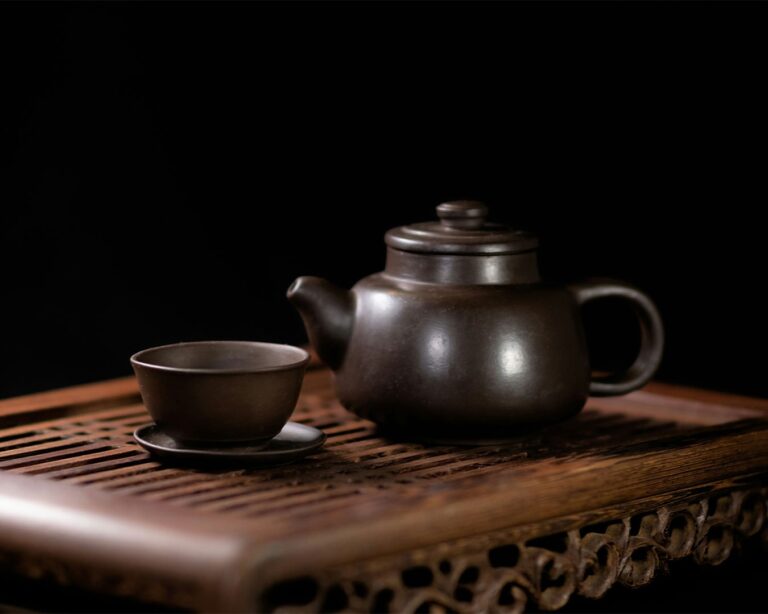
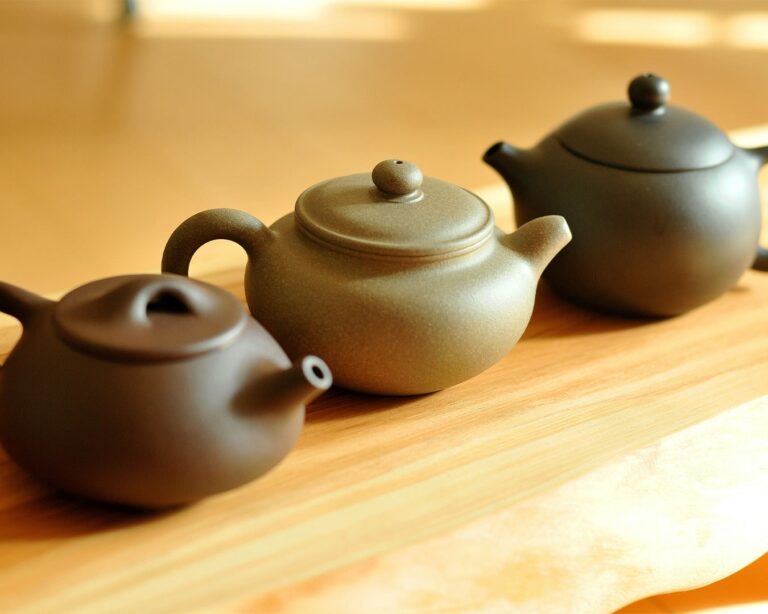
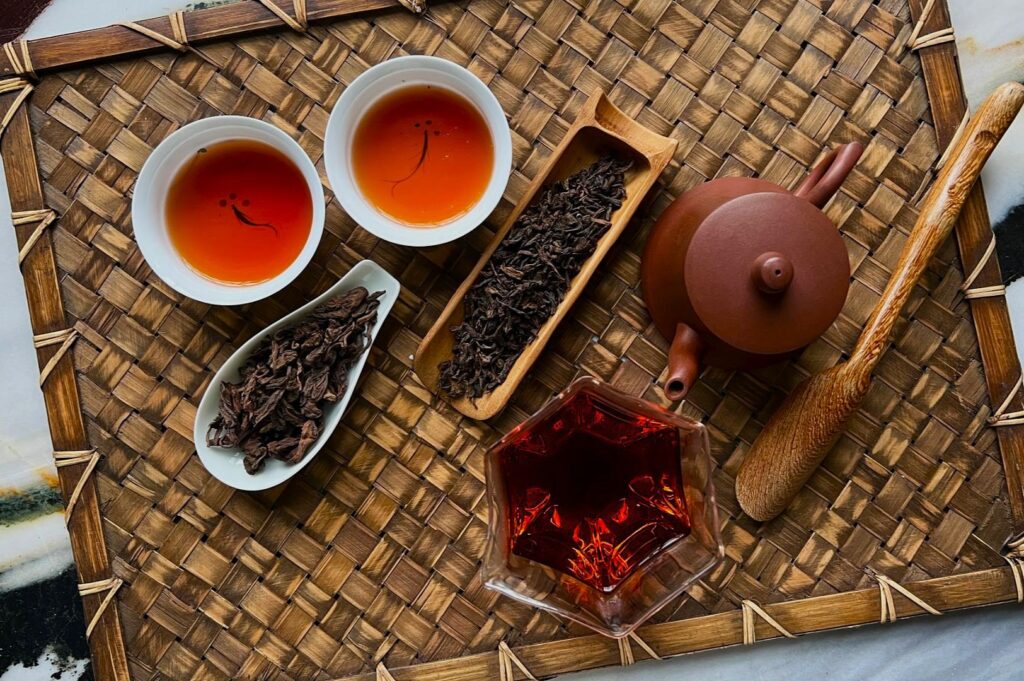
Both raw and ripe pu-erh tea influence how the body processes fats, aided by tea polyphenols and statin-like compounds formed during the fermentation process. Drinking pu-erh tea brewed with boiling hot water, whether from loose leaf form or compressed tea, extracts these beneficial compounds effectively. Using a yixing teapot or lidded bowl (gaiwan) preserves heat and flavor, maximizing the release of these metabolic supporters through subsequent infusions.
Benefit 2: Promotes Cardiovascular Health and Lowers High Cholesterol
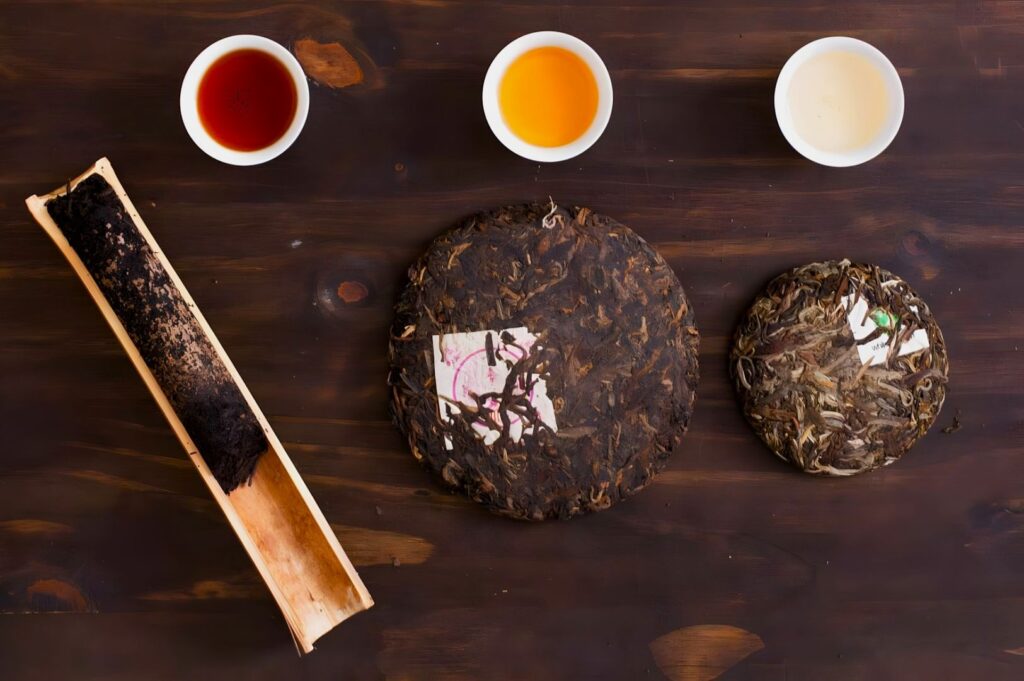
Pu-erh tea benefits include cardiovascular support by helping reduce bad cholesterol (LDL) and increasing good cholesterol (HDL). The lovastatin-like compounds produced during fermentation contribute to these effects, supporting healthy cholesterol levels and blood pressure management.
While green tea and other teas are known for heart health, pu-erh’s fermented dark tea profile offers unique bioactive compounds beneficial for those managing high blood pressure or high cholesterol. The caffeine content naturally diminishes with the aging process, making pu-erh tea a balanced choice for mindful caffeine intake without overstimulation or irregular heartbeat risk.
Benefit 3: Enhances Digestive Wellness with Probiotic Properties
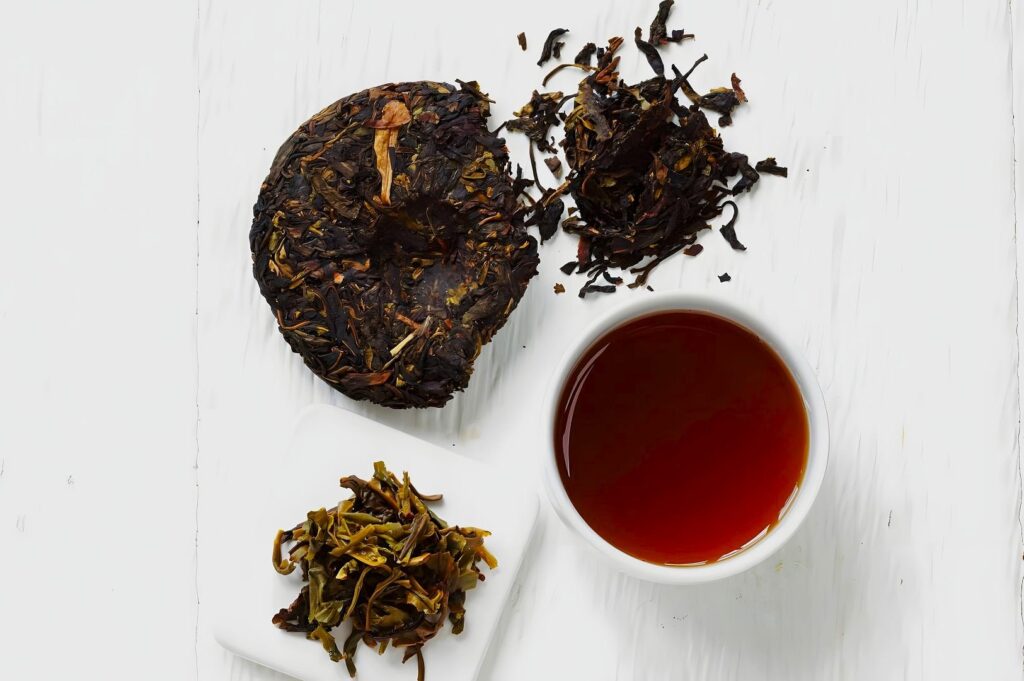
The microbial fermentation process of ripe pu-erh tea encourages beneficial bacteria and fungi growth, turning the tea into a probiotic-rich beverage gentle on the digestive system. This makes pu-erh an ideal digestive tonic, especially after rich meals, soothing the stomach and aiding gut health.
Raw pu-erh, when aged through natural fermentation in a humid environment, also develops these gut-friendly qualities. Rinsing pu-erh tea leaves with hot water before brewing helps preserve these living compounds. Brewing in a yixing teapot softens the water and enhances the complex flavors that signal digestive benefits.
Benefit 4: Provides Antioxidant Protection and Cellular Support
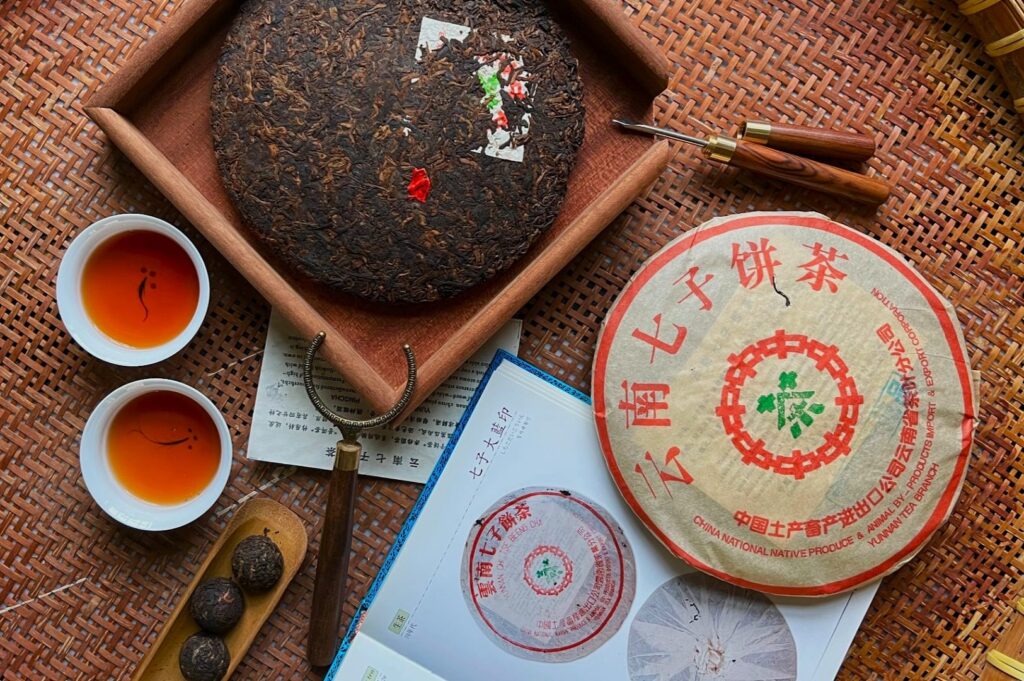
Pu-erh tea contains oxidized polyphenols called theabrownins, powerful antioxidants that protect cells from oxidative stress. Although different from the antioxidants in green tea, these compounds contribute to cellular protection and overall health.
High quality tea sourced from wild arbor trees in Yunnan Province absorbs a rich array of minerals and nutrients. The natural fermentation and sun drying process preserve these elements, offering a unique antioxidant profile that supports longevity and wellness. While pu-erh tea contains less vitamin C than green tea, its other antioxidants remain potent, helping to fight free radicals and potentially inhibit cancer cells.
Benefit 5: Delivers Sustained Energy and Mental Clarity
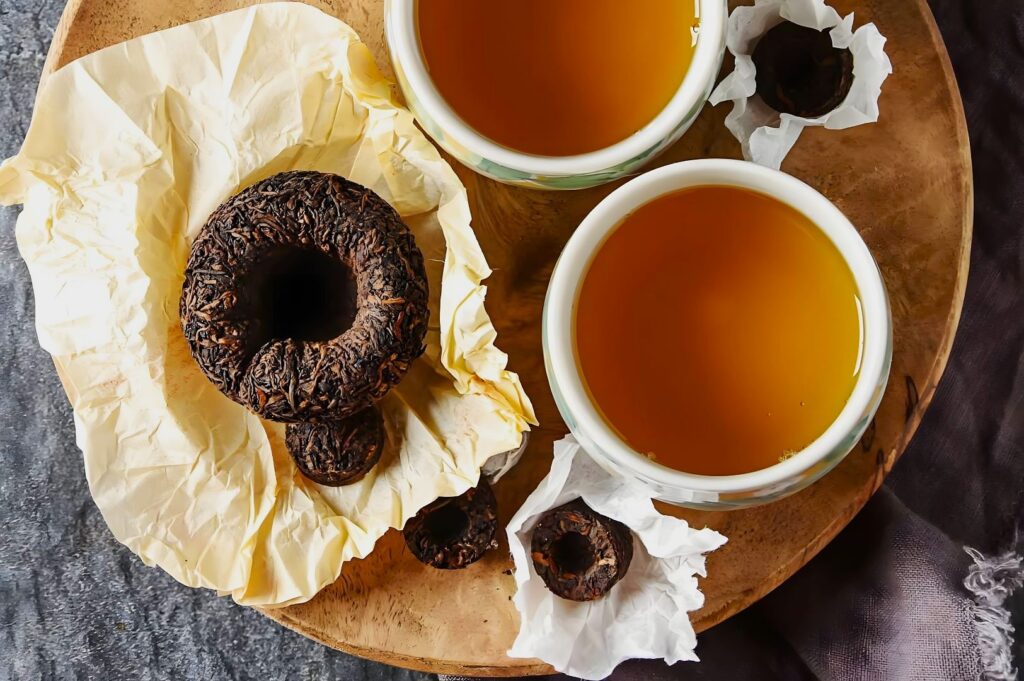
Pu-erh tea offers a smooth, sustained energy boost, often described as Cha Qi or tea energy, thanks to its caffeine content balanced by L-theanine and GABA. This combination promotes mental clarity and focus without the jitters common with coffee or younger teas.
Enjoying pu-erh tea in the morning or early afternoon harnesses this calm alertness. The complex flavors, from floral notes in raw pu-erh tea to earthy tones in ripe pu-erh tea, engage the senses and enhance cognitive function.
Additionally, drinking pu-erh tea in moderation is important to avoid potential drug interactions and excessive caffeine intake, especially if consuming large quantities or combining with other beverages. Understanding these factors helps tea drinkers enjoy the benefits safely while exploring the different flavors pu-erh tea offers.
How to Brew Pu-erh Tea for Maximum Benefits
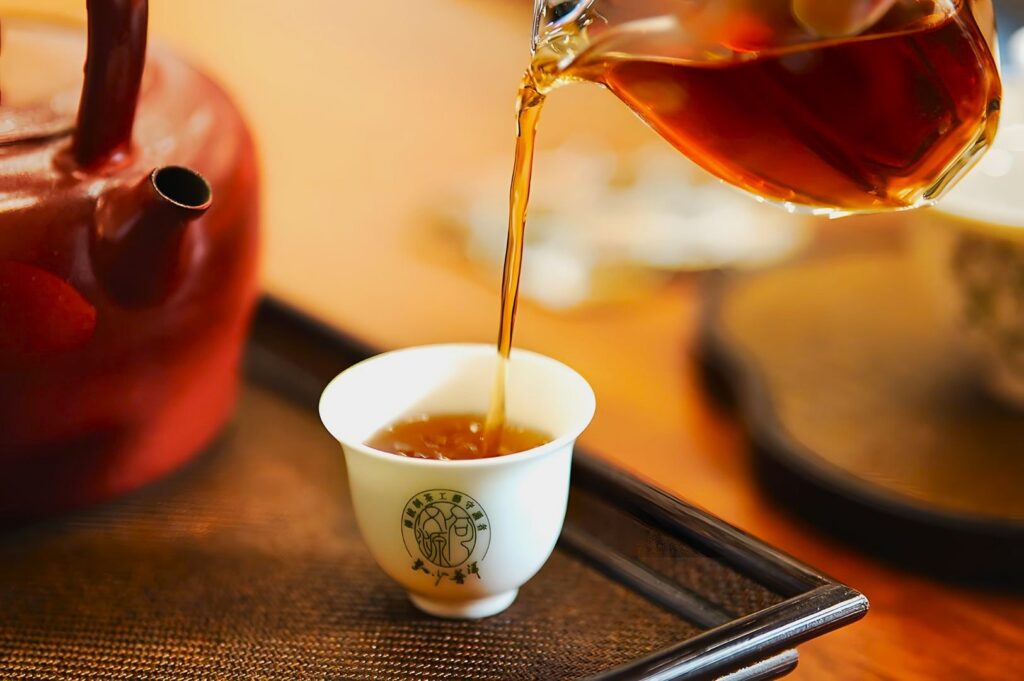
To unlock these benefits, the ritual of preparation is key. Whether you select loose leaf tea or pry leaves from compressed tea, ensure you use boiling water for ripe pu-erh and slightly cooler water (90-95°C) for young raw pu-erh.
Warm the vessel: Pour hot water into your yixing teapot or lidded bowl to heat the clay or porcelain.
Rinse the leaves: Add the tea and cover with water for 5-10 seconds, then discard this infusion. This awakens the leaves and clears dust.
Steep: Begin with short infusions (10-20 seconds), increasing the time with subsequent infusions.
Observe: Look for complex flavors that evolve with each steep; a hallmark of high quality tea.
Quality and Authenticity: What Tea Enthusiasts Should Know
Authentic pu-erh tea is traditionally produced exclusively in Yunnan Province, often from ancient wild arbor trees. Look for clear labeling of origin, production year, and type (raw or ripe). High quality ripe pu-erh should smell sweet and earthy, without mold or off odors.
Raw pu-erh improves with age, gaining complexity and value, while ripe pu-erh offers smoothness and rich flavors from controlled fermentation. Choosing ethically sourced, high quality tea supports both health and sustainability.
Pu-erh Tea in Context: Unique Among Chinese Teas
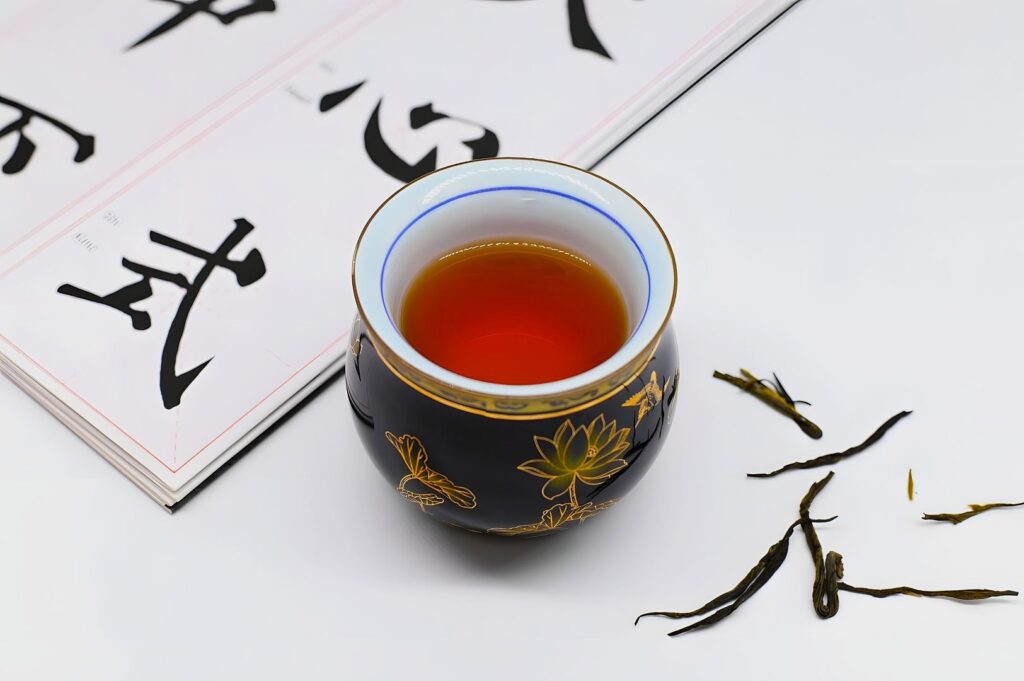
While green tea, black tea (red teas in China), and oolong teas come from the same plant, their processing methods differ greatly. Pu-erh’s post-fermentation and aging create a category of fermented tea with distinct health benefits, especially for digestion and metabolism.
Its evolving flavors and probiotic qualities distinguish pu-erh tea, making it a treasured part of Chinese tea culture and a growing favorite among tea drinkers worldwide.
Conclusion:
So, is pu-erh tea good for you? The answer, woven through history and validated by science, is a resounding yes. From weight management and heart health to the quiet power of antioxidant activity, the pu-erh tea benefits are comprehensive. Yet, we must remember that tea drinking is not a prescription; it is a practice.
We invite you to explore both the raw and ripe varieties with patience. For those in Singapore seeking guidance from tea enthusiasts who understand centuries of tradition and source exceptional pu’er tea from Yunnan Province’s ancient gardens, Tea Room by Ki-setsu offers both education and exceptional tea in a contemplative environment where tea drinking is honored.
For a deeper exploration of this fascinating subject, we invite you to explore our guide on long jing tea benefits and health properties of Dragon Well green tea.