Opening: The Same Cake, Four Different Prices
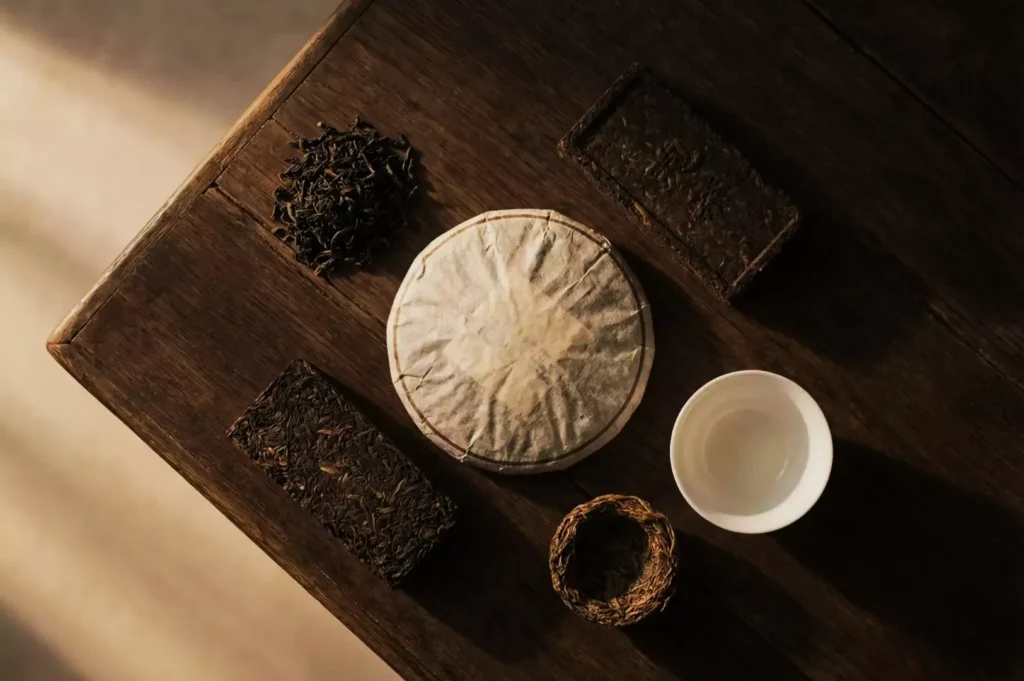
A buyer in Singapore opens four listings for pu-erh and pauses.
The wrappers look similar. The compression looks similar. The words used by the sellers feel familiar: old trees, mountain origin, aged character, rare release. Yet the prices sit far apart, and not by a little. One cake feels accessible. Another feels aspirational. A third seems suspiciously cheap. The fourth carries the kind of number that asks for belief before understanding.
This is where many people step back.
Pu-erh rewards patience, but the market around it can feel crowded with claims, shorthand, and inherited assumptions. The useful question is not simply why one cake costs more. It is what, exactly, you are being asked to pay for. In this guide, we want to offer a quieter framework: which price signals usually matter, which ones deserve caution, and how to buy with a clearer sense of value rather than pressure.
Quick Answer: Why Is Pu-erh So Expensive Sometimes?
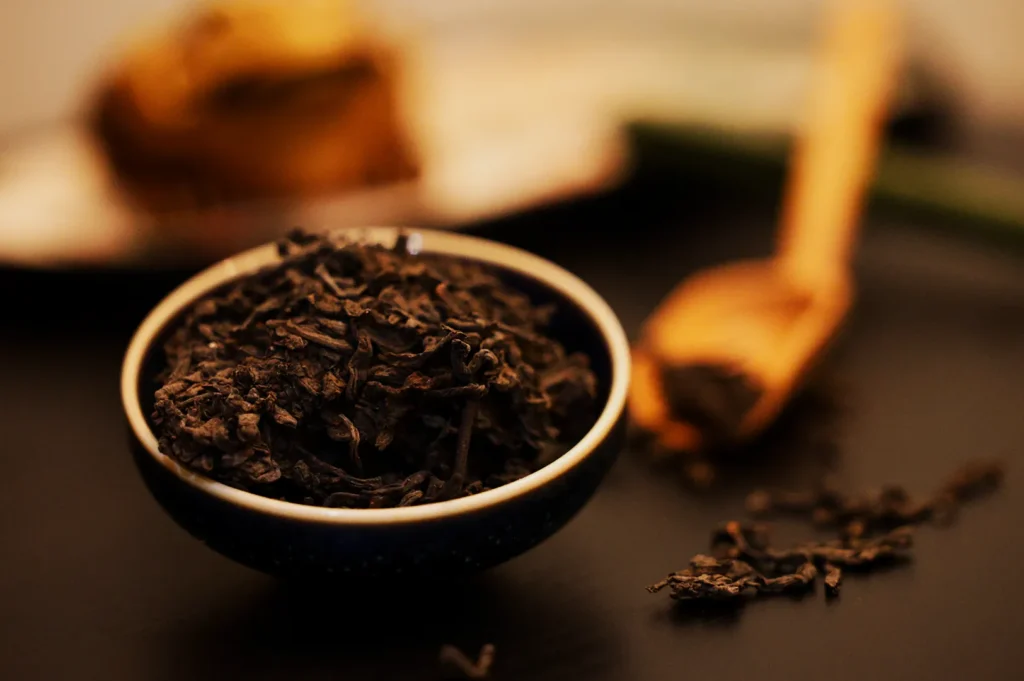
Pu-erh can become expensive because several layers of value may be present at once: leaf material, age, storage history, producer reputation, and genuine scarcity. It can also become expensive because of presentation, storytelling, or market fashion.
The key is to separate price that reflects the tea in the cup from price that reflects rarity, collecting behaviour, or marketing language. Sometimes those overlap. Sometimes they do not. A higher pu-erh tea price can signal something meaningful, but it does not guarantee that the tea will suit your palate or justify the spend.
Why Pu-erh Prices Vary More Than Most Teas
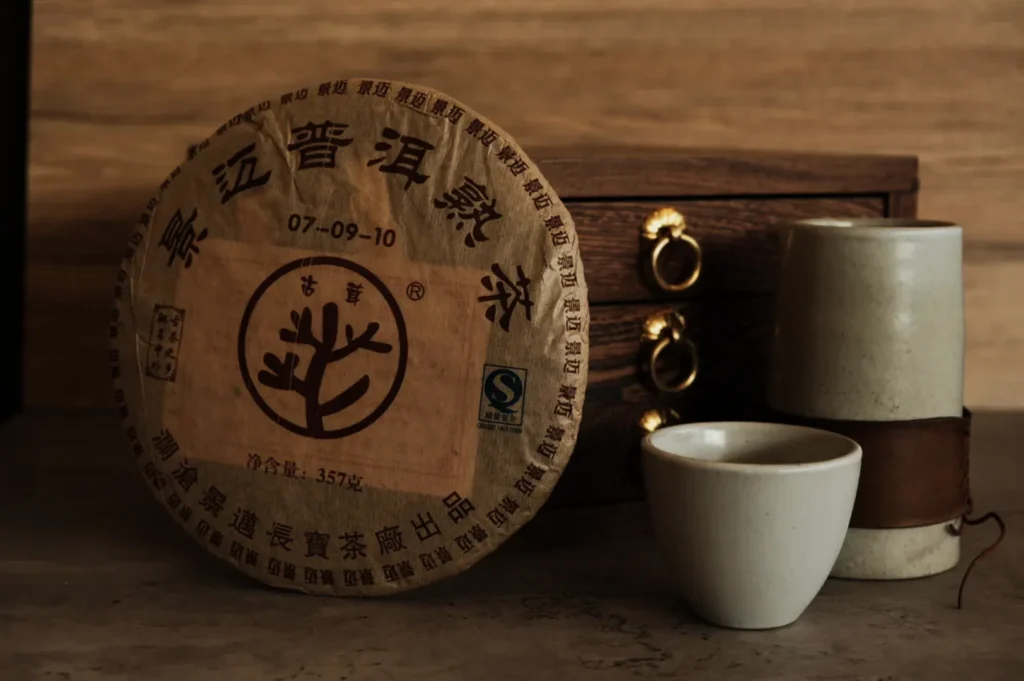
Pu-erh is unusually price-diverse because it carries more variables than many other teas. It is not judged only as a fresh harvest product. It is also judged through its potential to age, the cleanliness of its storage, the identity of its producer, and the consistency of its batches over time.
That means two cakes made in the same broad year can sit in very different positions later. One may have settled beautifully. Another may have lost aromatic clarity. One may come from stronger material. Another may be priced on reputation rather than cup quality.
This complexity is part of why pu-erh resists simple shortcuts. It is also why buyers benefit from first understanding the uniqueness of Pu-erh tea before trying to interpret price alone. The more variables a tea carries, the more carefully its cost needs to be read.
The Price Drivers That Usually Matter Most
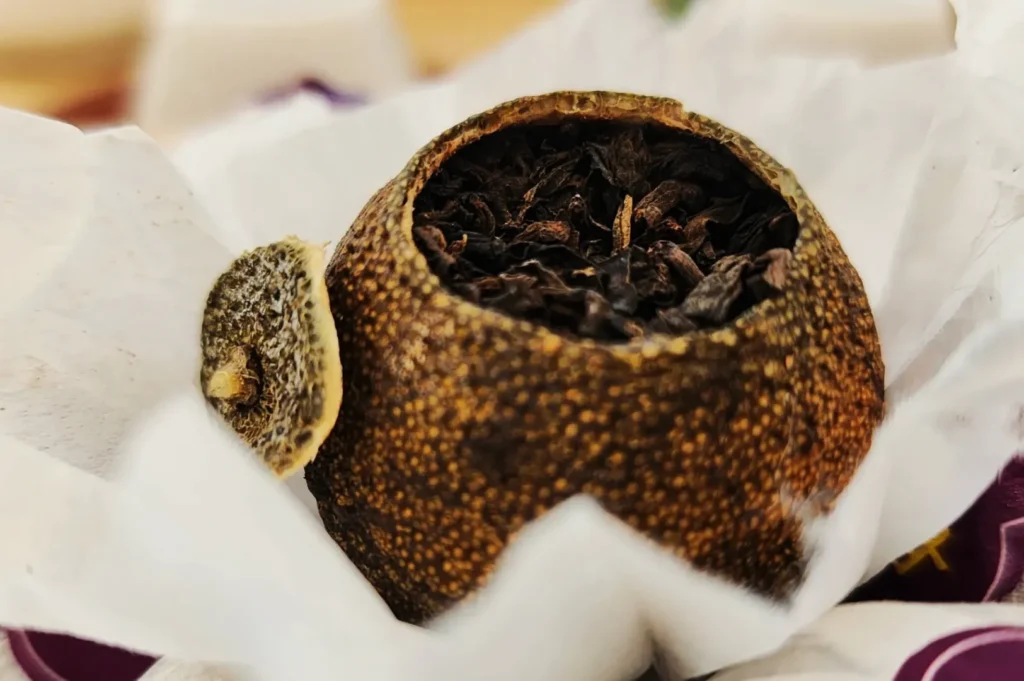
Several drivers tend to shape pu-erh value in ways that are worth paying attention to.
Material quality matters first. Better leaf material often brings greater clarity, stronger structure, better endurance across infusions, and a more convincing finish. You do not need romantic language to notice that some leaves simply feel more complete.
Season also plays a role. Tea picked at one time of year may show different concentration, softness, or aromatic lift from tea picked at another. This does not make one automatically superior, but it does affect the cup.
Origin claims matter, though with care. Region, village, or mountain names can influence price because certain places carry strong reputations. In the best case, terroir is reflected in the tea’s structure and character. In the weaker case, the place name is doing more work than the tea.
Age can raise price because older tea is rarer by simple arithmetic. But age only matters if the tea has travelled well.
Processing and craftsmanship matter quietly. In shou, clean fermentation makes a difference. In sheng, careful handling shapes bitterness, aroma, and balance. Good processing does not always announce itself loudly, but poor processing often does.
Storage history matters because it protects or distorts the tea’s integrity. A tea kept cleanly tends to hold better aromatic definition and a more coherent finish.
Producer reputation often means consistency. A trusted factory or smaller producer with a reliable record can command more because the buyer is paying not only for one cake, but for the confidence that comes with known standards.
Compression, format, and batch size can also influence cost. A tiny batch or a more specialised pressing may cost more, though not always for reasons that affect flavour proportionally.
Finally, packaging and presentation influence price too, though not always usefully. Elegant wrapping, boxes, seals, and certificates can add cost, but they do not necessarily add depth to the tea itself.
Age: What You Are Really Paying For (And What You Can’t Verify)
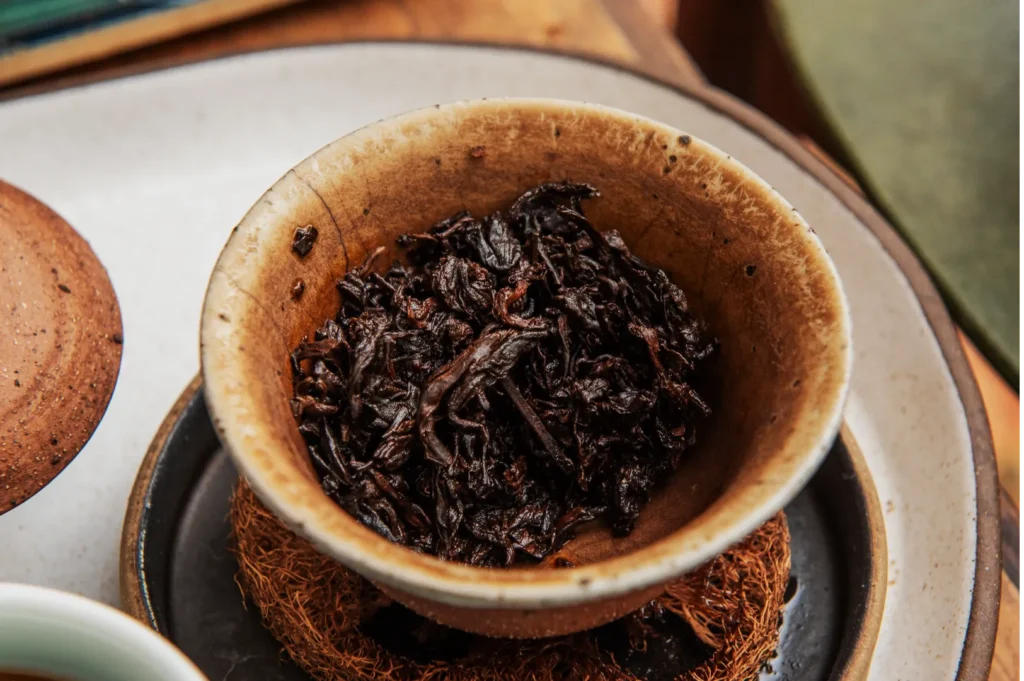
Age often carries the strongest emotional pull in pu-erh buying. It suggests patience, depth, and a quiet authority in the cup. Sometimes that is exactly what it delivers. Sometimes it is simply a number placed too prominently on a label.
Aged tea can cost more for sensible reasons. Older cakes are scarcer. Well-kept tea requires time, storage care, and capital tied up for years. When age has translated into softness, aromatic complexity, and composure, that increase can make sense.
But age is also one of the easiest things to claim and one of the hardest things for a newer buyer to verify independently.
This is why we usually suggest a calmer principle: buy for taste, not for numbers alone. A younger tea that is clean, articulate, and satisfying may offer better value than a much older tea whose age is difficult to confirm and whose cup does not justify the premium. Age can be meaningful. It should not become a substitute for direct experience.
Storage And Condition: The Invisible Price Driver
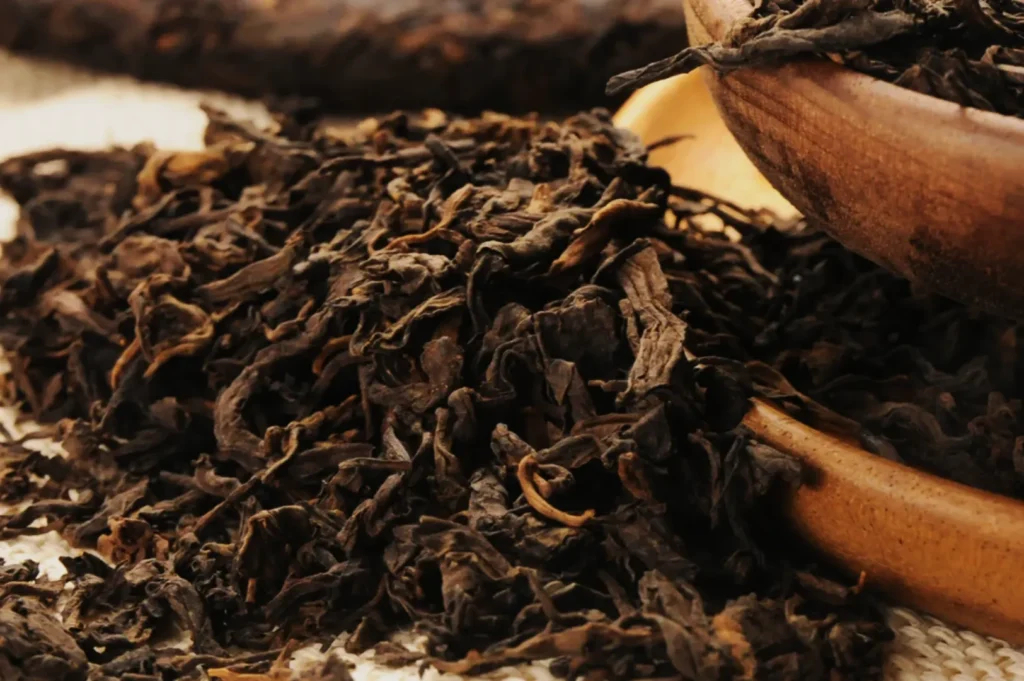
Storage is rarely glamorous, but it shapes value profoundly.
A tea that has been kept with care usually retains cleaner aroma, greater definition, and a more stable flavour arc. A tea that has been exposed to humidity swings, household odours, or stale air may lose brightness or develop notes that do not belong to it.
In Singapore, this matters more than many first-time buyers expect. Humidity, monsoon periods, and everyday odour exposure from cooking, incense, perfume, or enclosed cabinetry can all affect a cake’s condition over time. This does not mean local storage is doomed. It means careful storage protects value, while careless storage quietly erodes it.
When a tea smells closed, musty, or oddly perfumed, price alone cannot rescue it.
Factory, Producer, And Reputation: Paying For Consistency
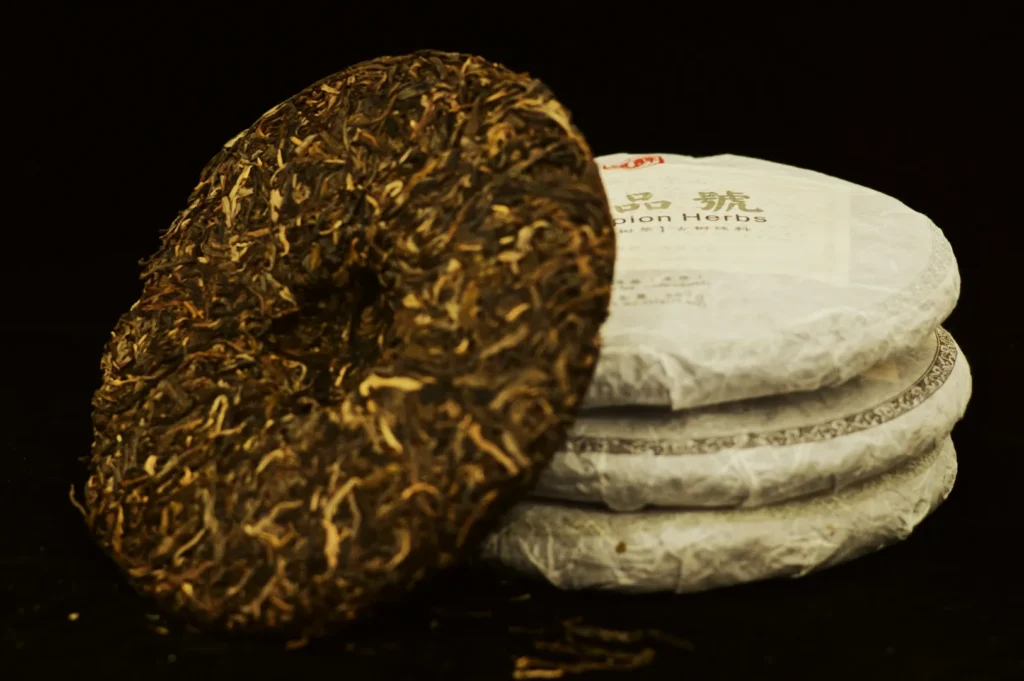
A reputable producer often costs more because the buyer is paying for steadiness.
That steadiness may show in leaf sorting, processing care, storage discipline, and the simple fact that the producer has a recognisable track record. In pu-erh, where so much language can become vague, consistency has real value.
This does not mean a famous name is always the best choice. It means a known name can reduce uncertainty. For commercial research buyers, that reduction in uncertainty is part of what the price may reflect.
Smaller producers can offer excellent value too, especially when they are transparent and their tea speaks clearly. But in both large factories and smaller houses, reputation should be tested against the cup, not accepted as its replacement.
Marketing vs Meaning: When Packaging Inflates The Price
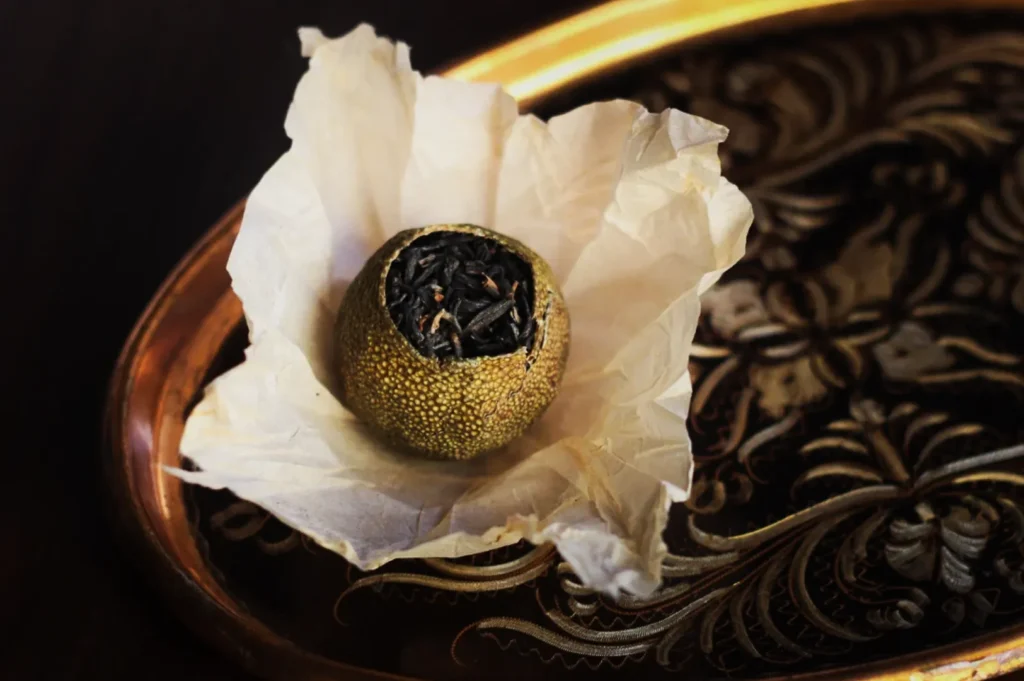
Some pu-erh is priced partly for the tea. Some is priced partly for the story around it.
Premium paper, lacquered boxes, embossed seals, collector-style presentation, and highly ceremonial wrapping can all make a cake feel important before it is brewed. That may matter for gifting, especially in Singapore where presentation is often part of premium tea culture and corporate gifting expectations. But presentation should be recognised for what it is.
Packaging can protect. It can signal care. It can also inflate.
A beautifully packed cake may still be ordinary inside. A plainly wrapped cake may be much more serious in the cup. Good packaging is not a flaw. It simply should not be mistaken for proof of quality.
A Practical Table: What To Ask Before You Pay More
| Price Driver | What To Ask | What Good Looks Like | Common Red Flags |
|---|---|---|---|
| Material Quality | What kind of material is this? | Clear, direct answer with sensible detail | Vague “premium leaf” language only |
| Origin Claim | How specific is the origin? | Transparent, proportionate explanation | Famous place name doing all the work |
| Age | What is the basis for the age claim? | Context, consistency, plausible history | Extreme age with no credible support |
| Storage | How has it been stored? | Clean, calm description of conditions | Mustiness, perfume, or evasive answers |
| Producer | Why this producer? | Clear reputation or known consistency | Brand name used without explanation |
| Packaging | What am I paying for here? | Tea and presentation both acknowledged | Cost hidden behind luxury styling |
Budget Lanes: How To Start Without Regret
Entry
At entry level, prioritise cleanliness and approachability. Look for well-made teas in smaller quantities or samples. Ignore prestige and focus on whether the tea feels coherent and well handled.
Mid
At mid level, begin looking for stronger material and more distinct character. This is where value often becomes interesting. The tea may not be rare, but it can feel much more complete in the cup.
Enthusiast
At enthusiast level, you may begin paying for better provenance, more convincing age, or more refined processing. Here, the price should usually show itself through endurance, aromatic clarity, and a deeper sense of structure.
Collector
At collector level, rarity, age, and producer history may all enter the picture. This is where emotion and market behaviour can influence price as much as taste. If you buy here, it helps to know exactly which part of the value matters to you.
When Paying More Is Worth It
- Paying more is often worth it when the tea shows better leaf quality and a stronger, more coherent flavour arc.
- Paying more is often worth it when storage has clearly protected aromatic integrity.
- Paying more is often worth it when a reputable producer offers consistency you can trust across sessions.
- Paying more is often worth it when a tea has genuine age and the cup shows depth rather than just numbers.
- Paying more is often worth it when guided tasting confirms that the tea gives you the experience you want to return to.
When Paying More Is Not Worth It
- Paying more is usually not worth it when the price seems to rest mainly on ornate packaging.
- Paying more is usually not worth it when the seller leans heavily on vague rarity claims.
- Paying more is usually not worth it when age is dramatic but unverifiable.
- Paying more is usually not worth it when the tea smells musty, perfumed, or storage-marked.
- Paying more is usually not worth it when you are buying prestige before you have calibrated your own palate.
Buy For The Cup You Want To Return To
A useful pu-erh tea cake price guide is not really about chasing the highest or the lowest number. It is about learning what the number is trying to say. Better material, cleaner storage, steadier producers, and meaningful age can all justify a higher pu-erh tea price. Packaging, mythology, and fashion can raise it too, though less usefully.
The calmest buying decisions usually come from matching the tea to the cup you want to return to, not the story you feel you should admire. For many drinkers, that understanding arrives faster through tasting than through reading alone. In a busy city, a private guided session can save a great deal of uncertainty by letting value become tangible. That is part of what we quietly hold space for at Tea Room by Ki-setsu.