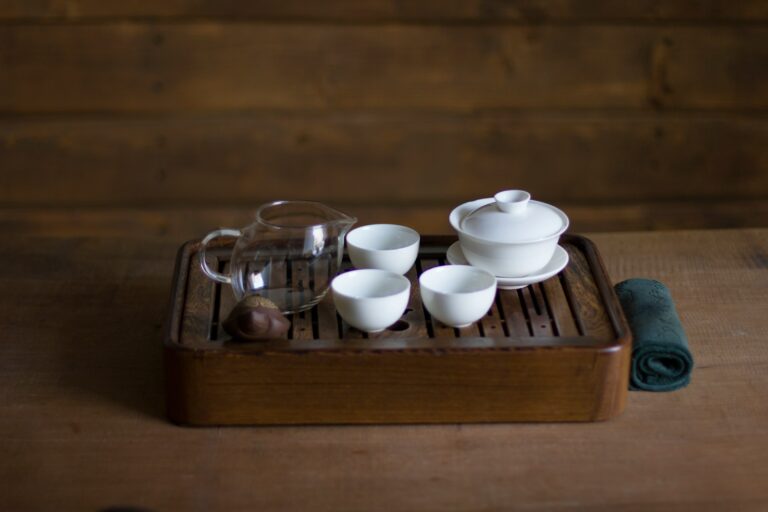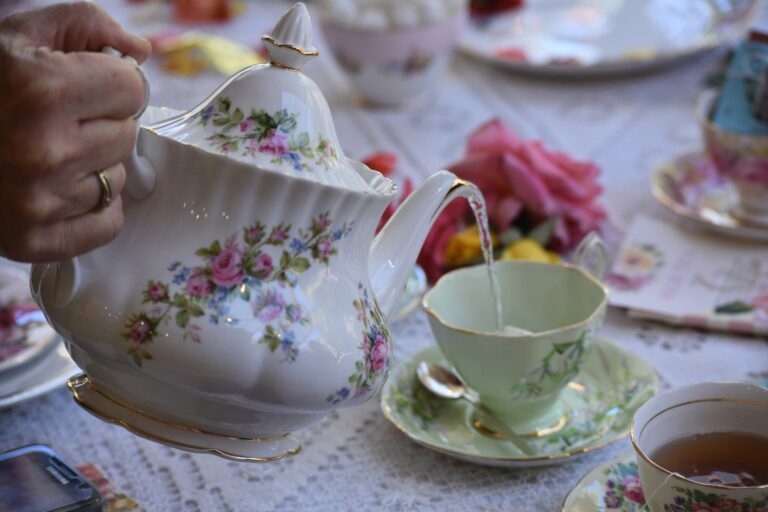
The door closes behind you, silencing the humid hum of Orchard Road. In this quiet alcove, the air feels different. It is cooler, yes, but also heavier with the scent of roasted charcoal and dried orchids. You have stumbled upon a sanctuary, a hidden corner of the tea leaf Singapore landscape where time seems to fold in on itself.
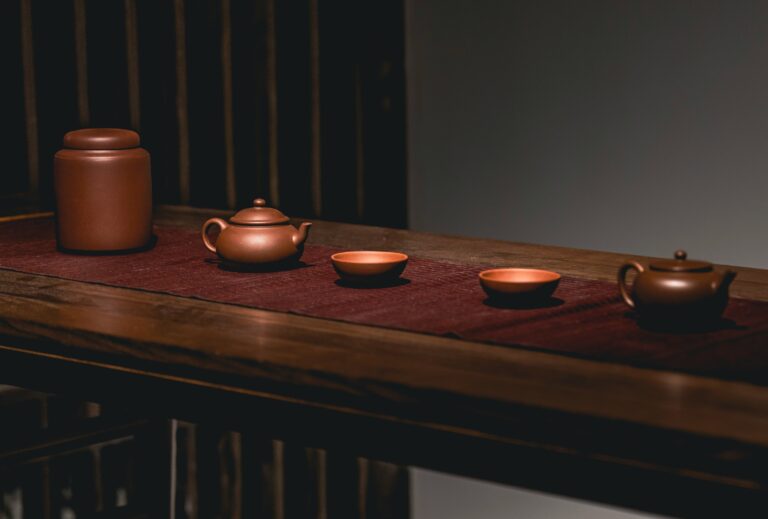
Your fingers touch the ceramic jar, cool and smooth. Inside rests a rare Wuyi oolong you have only read about in books, its twisted dark leaves waiting for the water to wake them. This is the moment true tea lovers live for. As you watch the leaves unfurl in the pot, releasing their complex perfume, you realise that discovery is not just about finding a place. It is about that first sip that changes how you understand the world. You discover that a single cup can hold a mountain.
Singapore’s Unique Position in Asia’s Tea Trade
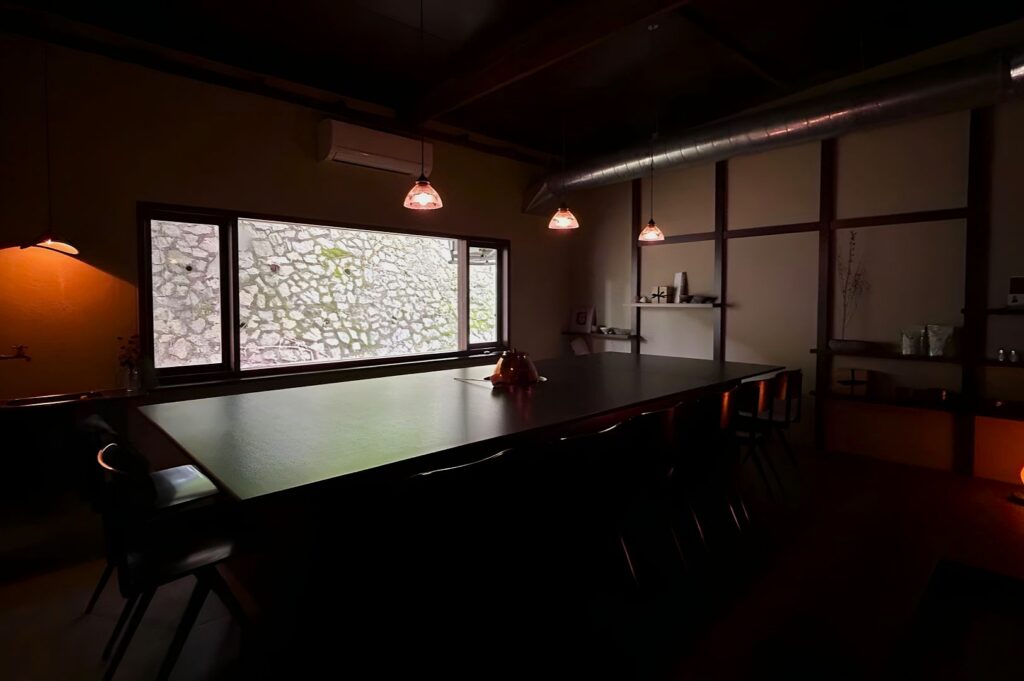
Singapore has always been a crossroads. It sits as a quiet titan at the gateway between East and West, drawing the finest goods from China, Japan, and the wider world into its harbour. This history has cultivated a sophisticated palate among its residents. Here, the appreciation for tea goes beyond the casual shop visit or the convenience store purchase. It is a pursuit of excellence.
The city attracts rare harvests because its community demands them. Affluent and educated collectors here understand origin and terroir. They seek a collection that tells a story of soil and season. This demand has given rise to a unique culture that prizes privacy and intimacy over mass retail. Instead of crowded shelves, we see the emergence of the private tea room, where quality reigns supreme.
In these spaces, the focus shifts from volume to curation. A discerning tea merchant here offers a variety that might be small in number but immense in depth. The range of teas available in this city rivals the traditional tea capitals of Asia, yet it is presented with a distinct cosmopolitan elegance that makes the ancient accessible.
Types of Tea Sources: Where Tea Lovers Find Loose Leaf Teas
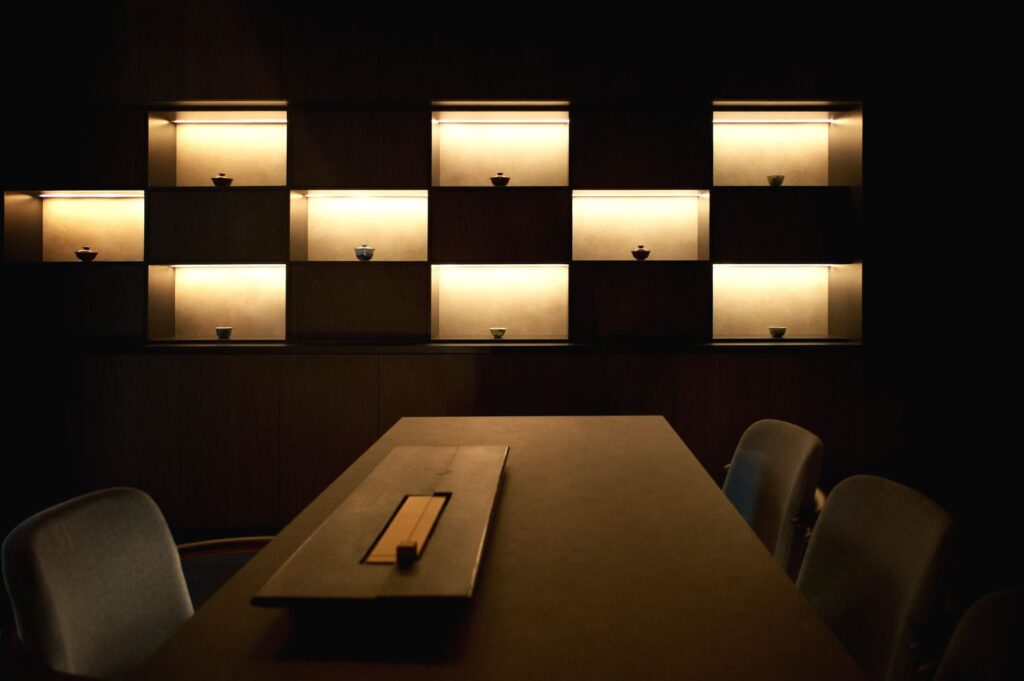
Navigating loose leaf teas in the city means knowing where to look. The most exclusive experiences are often in private tea rooms and by-appointment sanctuaries like Tea Room by Ki-setsu, where tea leaves take centre stage. These spaces offer deeper engagement than retail counters.
Specialty tea boutiques focus on direct farmer relationships, offering small-batch roasts and single-estate harvests rarely found in mass markets. Here, loose leaf is a craft. You might find a heavy roast Tie Guan Yin beside a delicate pre-Qingming Longjing.
For browsing from home, many purveyors offer sophisticated websites where you can filter by harvest date or oxidation level and thoughtfully add to your cart. Adding to cart often secures limited stock unavailable next season.
While sales may tempt casual buyers, serious collectors seek packaging that protects leaf integrity. These elegant parcels make exceptional gifts. Whether online or in person, the goal is sourcing that respects the leaf as much as you do.
How to Evaluate Tea Sources?
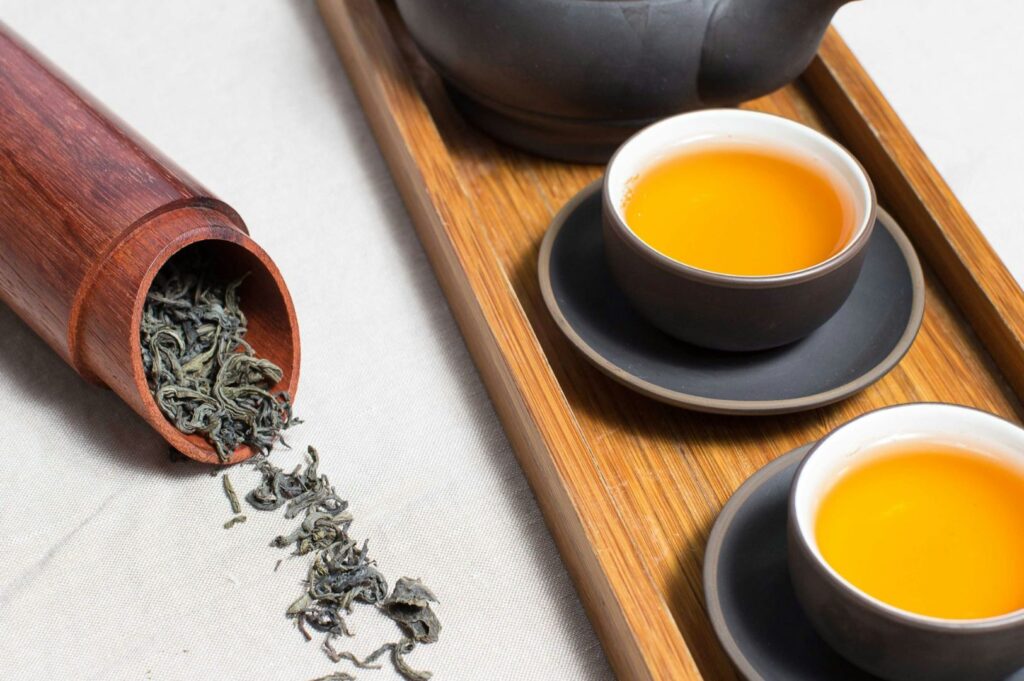
When you stand before a new merchant, your taste buds are your best guide. Before tasting, ask about the harvest date and specific mountain of origin. A knowledgeable curator will share details about the season’s weather or the tea master who processed the crop. If they seem unsure or give vague descriptions like “high mountain tea” without specifics, proceed with caution.
Quality leaves should be whole, unbroken, and consistently colored. Poor storage is a red flag; tea absorbs odors and should never be kept near strong spices in open jars. If the tea looks dull or smells flat, no brewing skill can fix it.
Luxury tea pricing can be high due to hand-harvesting and limited supply, but expensive doesn’t always mean excellent. Read the tea, not just the price tag. True value lies in the depth and complexity of the liquor, not the label’s prestige.
Sampling is essential. Reputable sources encourage you to engage your senses before buying, protecting you from purchasing based on reputation alone and ensuring the tea suits your personal taste.
Experiencing Tea Before You Buy: Tea Time as Discovery
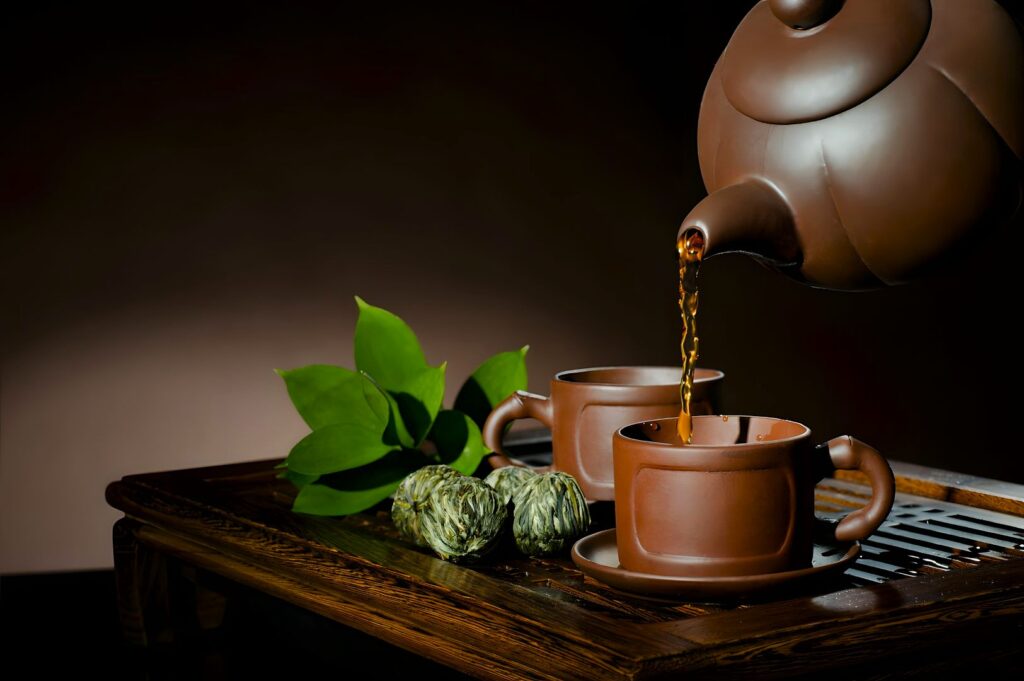
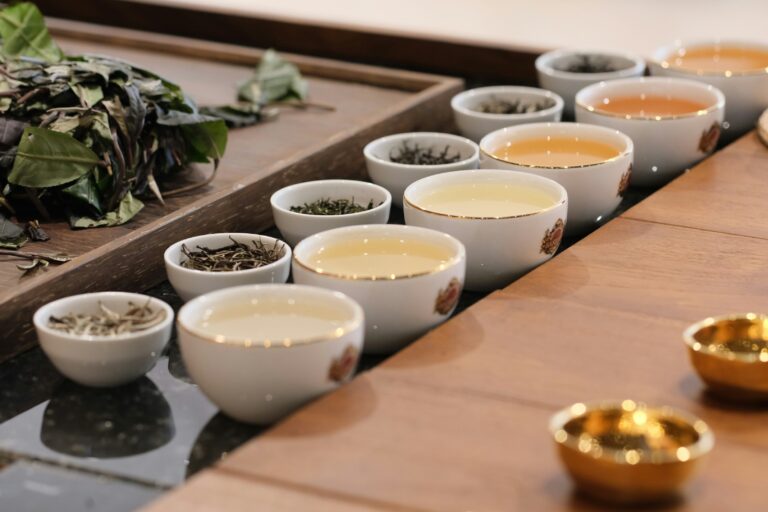
There is profound value in the physical act of tasting. Private sessions transform tea time from a transaction into a journey of discovery. In the quiet of a tasting room, you can observe the subtle theatre of the leaf. Watch how the tightly rolled pearls surrender to the water. Notice the aroma rising from the warmed cup. Is it floral, nutty, or reminiscent of the forest floor?
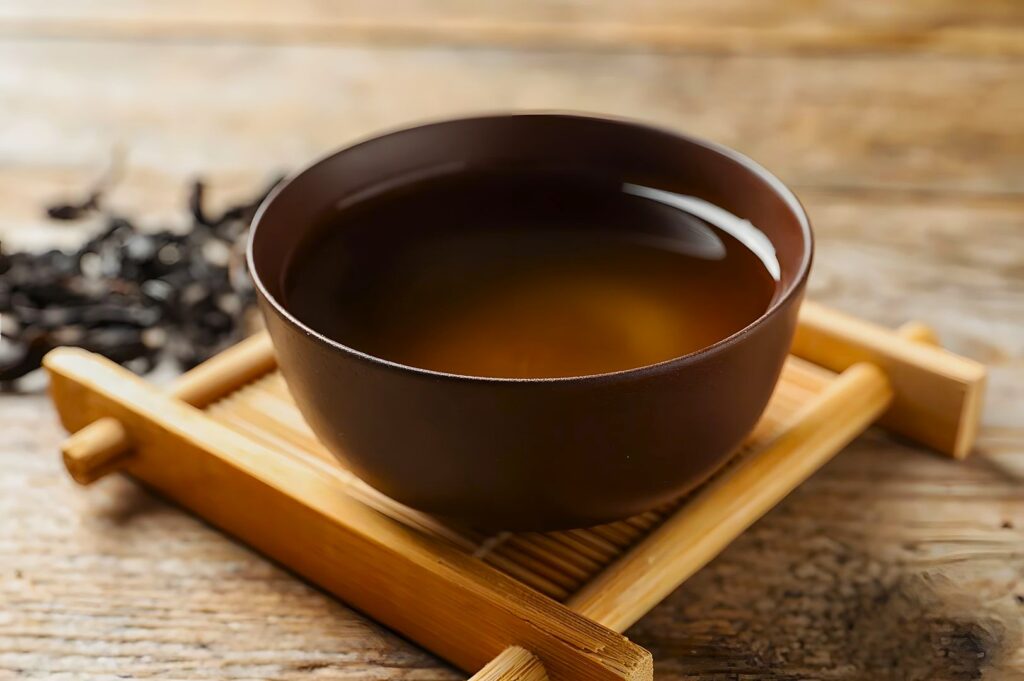
When the tea is infused, pay attention to the liquor’s clarity. A muddy brew often indicates poor processing. As you drink, look for natural sweetness that lingers in the throat, known as hui gan. This returning sweetness is a hallmark of superior tea. The best infusion will coat your mouth and leave a lasting impression on your palate.
A skilled curator helps you steep and serve with precision, adjusting water temperature and timing to unlock the leaf’s potential. They help you understand your own mood and how it interacts with the tea. Perhaps today you need the grounding earthiness of a cooked Pu’er, or perhaps the bright energy of a fresh Green.
Engage your senses fully. Savour the silence between sips. Allow yourself to enjoy the weight of the cup in your hand. To indulge in a tasting session is to educate your palate, building a vocabulary of flavour that will serve you for a lifetime.
Navigating Seasonal Releases and Building Your Collection
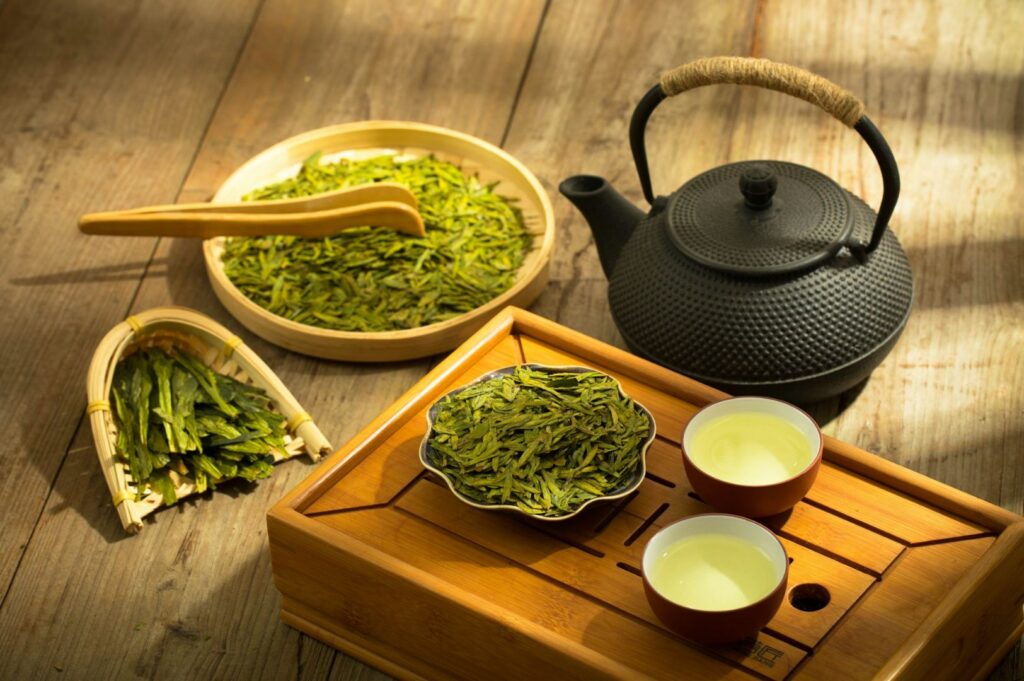
The rhythm of tea is the rhythm of nature. Every season brings a new expression of the leaf. Spring, specifically late March to early May, is the most anticipated time for green and white teas. These leaves are vibrant and tender, packed with nutrients stored over the winter. To explore these releases is to taste the freshness of the mountains.
Autumn offers a different profile. The cooler air produces oolongs with intense aromatics and a robust body. To create a meaningful collection, you must be attuned to these cycles. Building a relationship with a merchant allows you access to limited allocations that celebrate a specific occasion or harvest.
Pre-ordering rare lots is often necessary, as the finest batches are produced in incredibly small quantities. Yet, a collection should not just be for display. It should reflect your everyday life. Have an elegant white tea for quiet mornings and a deep, comforting red tea for the end of the day.
Let your selection be inspired by your rituals. A vibrant green tea might be perfect for a moment of focus, while an aged tea serves as a companion for reflection. By aligning your purchases with the seasons, you ensure that your tea is always living and dynamic.
The Ritual and Art of Preparation
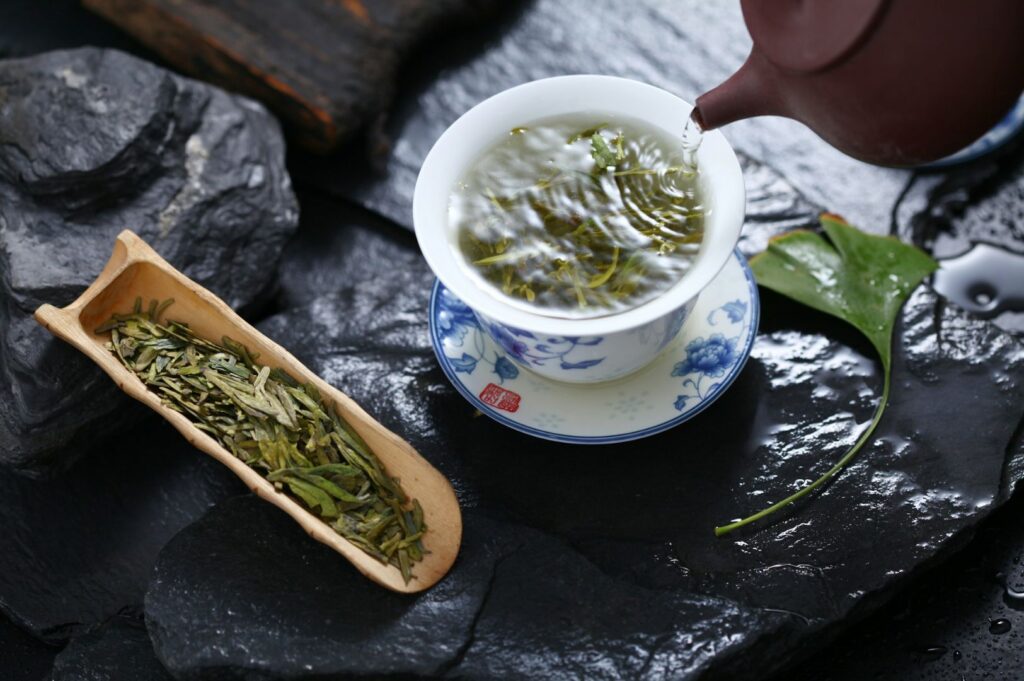
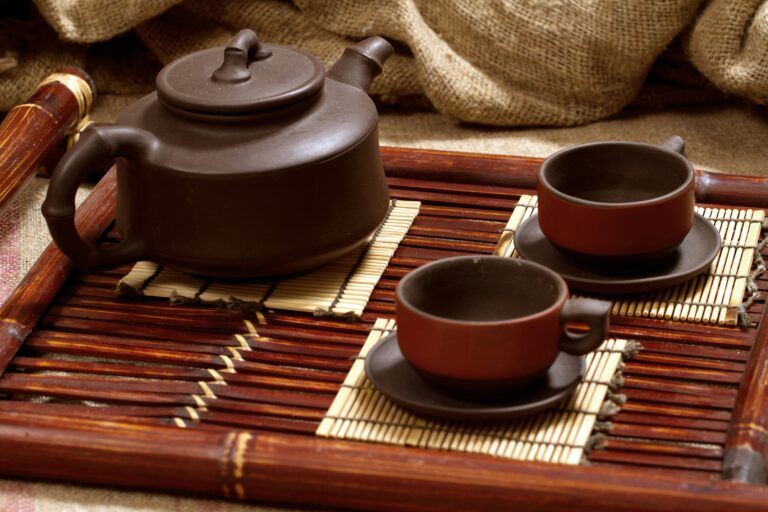
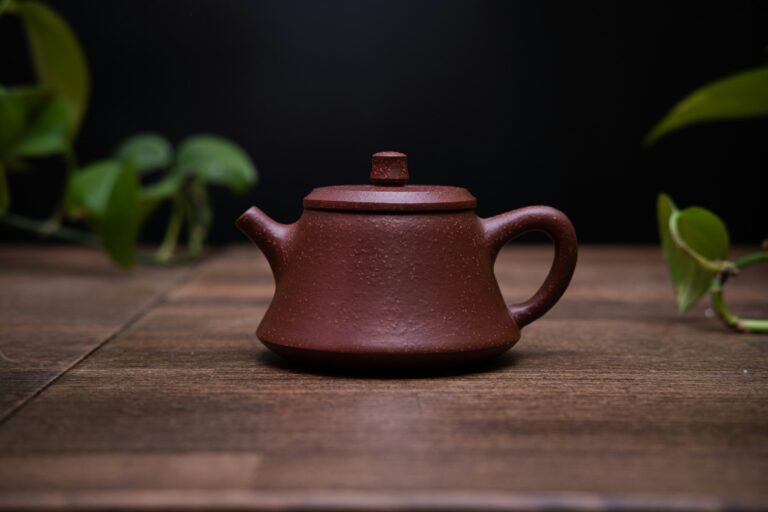
The vessels we choose shape our experience. In Singapore, you can find exquisite Yixing clay teapots that season over time, improving with every brew. This is the art of preparation. It is knowing which pot suits which leaf, and how the pour affects the texture.
While purists may shudder, understanding ingredients is part of the journey. Historically, spices, milk, vanilla, and sugar have all played roles in tea cultures globally. However, for fine Chinese tea, these additions often mask the nuance we seek. When you drink a truly exceptional tea, you want to taste the mountain, not the sugar.
Yet, there is a time for a refreshing blend. A cold-brewed oolong with a hint of osmanthus can be a balm in the tropical heat. The ritual creates calm. It allows you to elevate a mundane afternoon into something sacred. It offers an escape from the noise, creating a sanctuary within your own home.
Beyond Traditional Tea – Expanding Your Palate
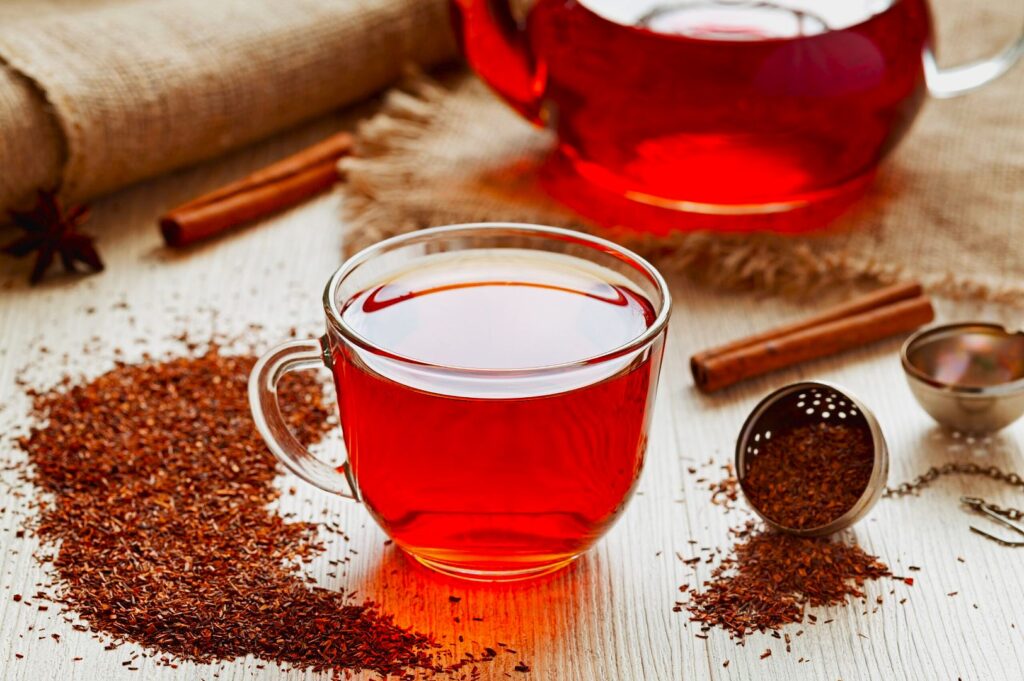
A curious palate is never bored. Beyond the Camellia sinensis plant, there is a world of botanicals to explore. Rooibos from South Africa offers a honeyed, woody profile that is naturally caffeine-free. These herbal infusions provide different flavours that can be surprisingly complex.
Some days call for something sweet and comforting. Other days require a happy, bright infusion of lemongrass or chrysanthemum. High-quality herbal teas are durable and forgiving, making them excellent companions for casual brewing. A diverse collection is a sign of a mature palate that appreciates quality in all its forms.
Finding these alternatives in Singapore requires the same discernment. Look for whole flowers and large leaf pieces, rather than dust. They should complement your traditional teas, offering variety without sacrificing the standard of excellence you have come to expect.
Closing: The Joy of Discovery
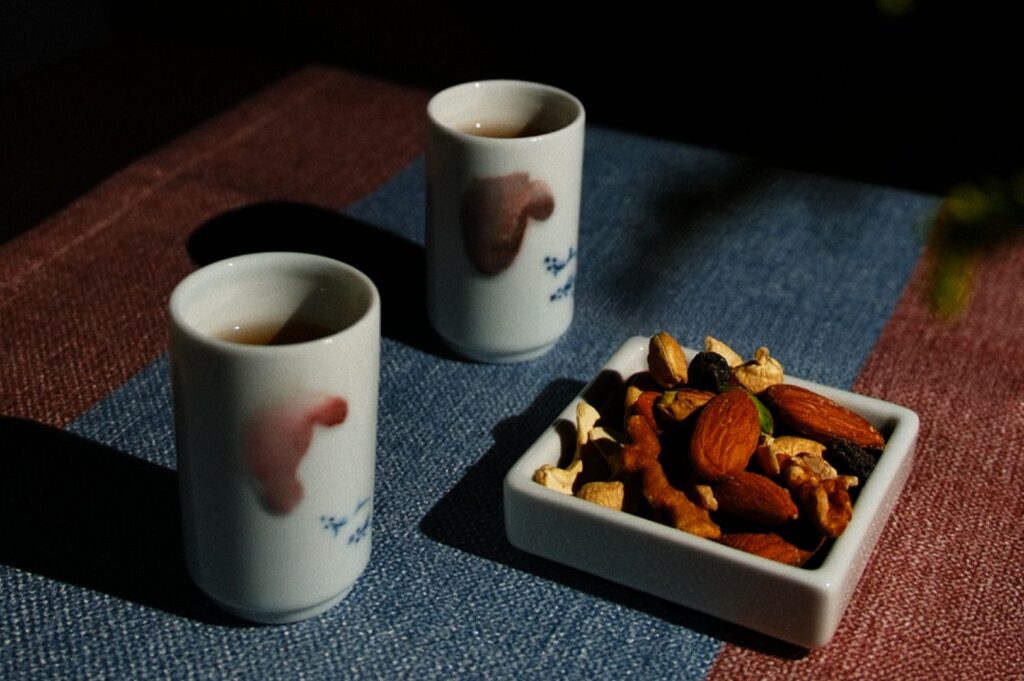
Singapore is a treasure map for those willing to seek beyond the supermarket shelves. For the curious and adventurous, the city offers a wealth of hidden gems waiting to be uncovered. Here, tea is more than just a drink. It is an invitation to pause, to slow down, and to savor the moment.
The leaves await your touch. We warmly invite you to explore the carefully curated selections at Tea Room by Ki-setsu, where every pour and every sip is an act of reverence. Ultimately, choosing exceptional tea is a choice to be fully present — to embrace stillness and find beauty in the quiet moments. Visit our website to book a private session.