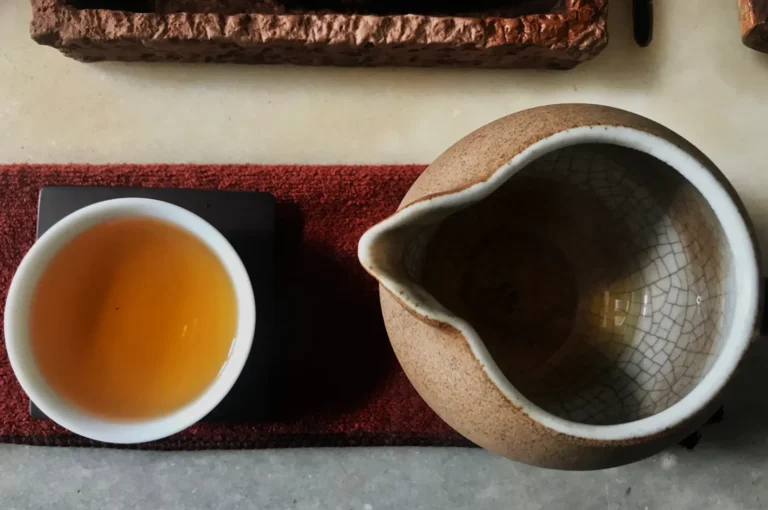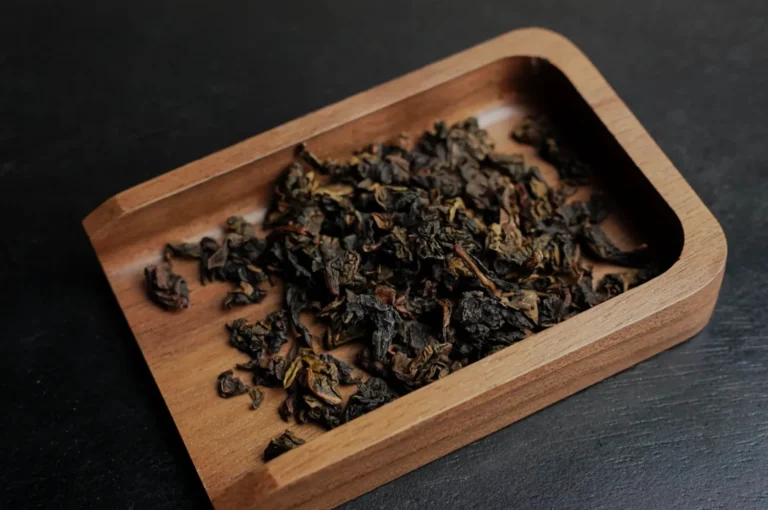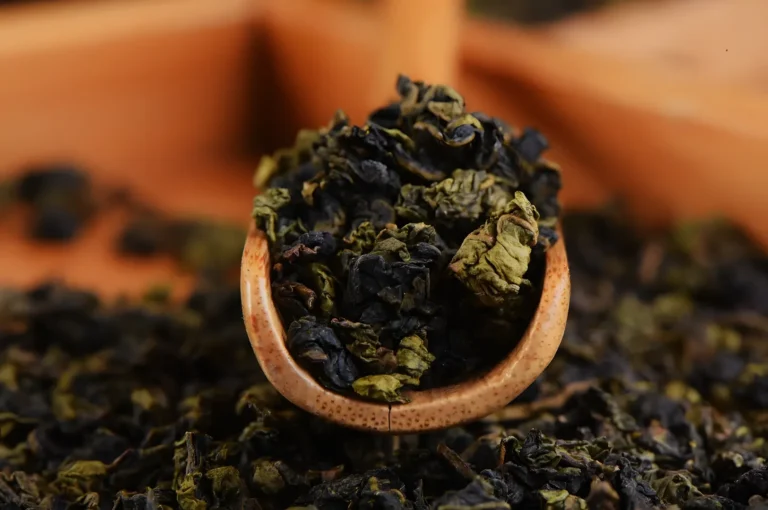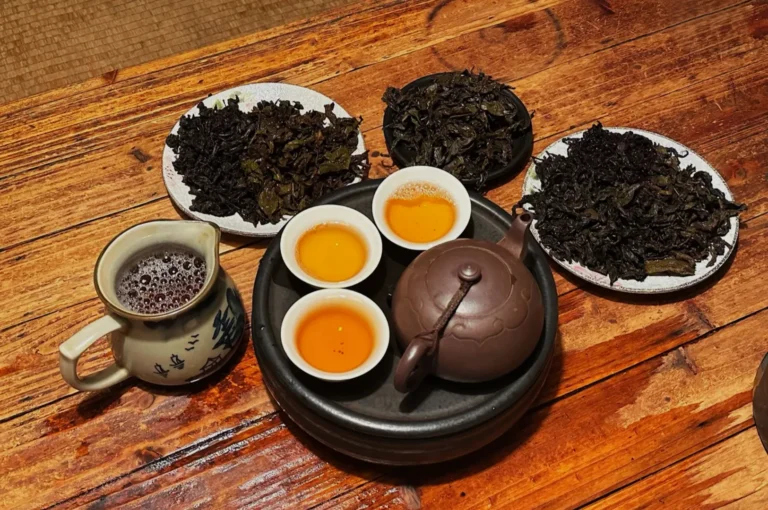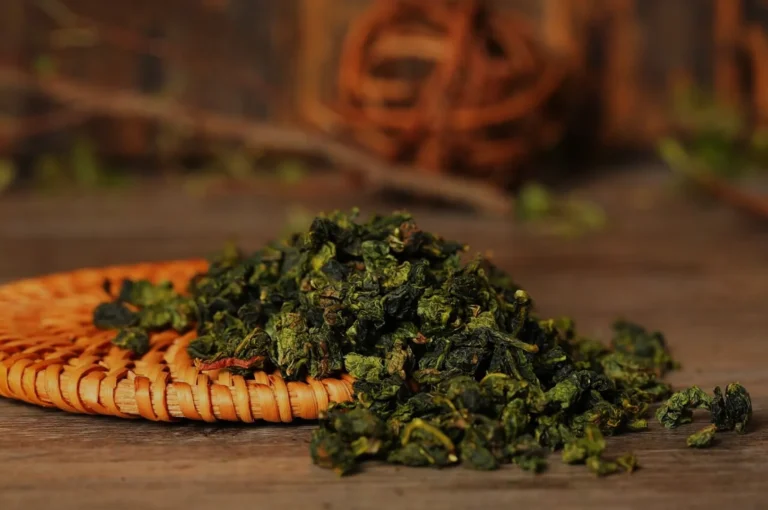
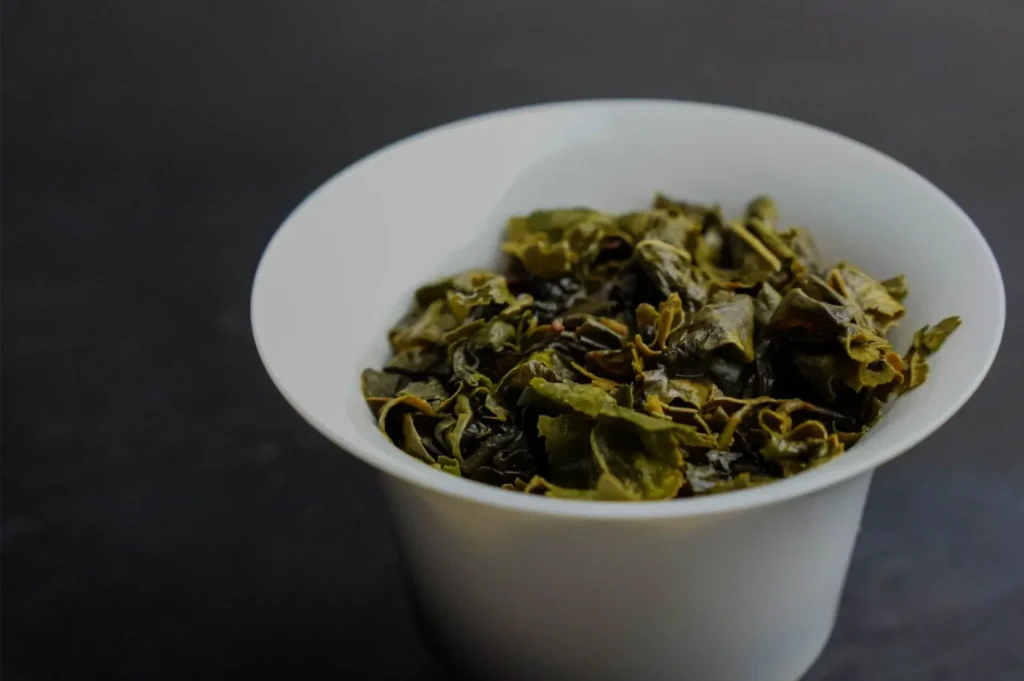
Tie Guan Yin tea is graceful, but it is not empty.
It contains caffeine. It contains tea polyphenols. It can feel bright, warm, floral, roasted, and calming. But for some drinkers, especially those sensitive to caffeine or stomach discomfort, it deserves a more careful approach.
This does not make Tie Guan Yin unsafe for everyone. It simply means tea should be received with attention.
Tie Guan Yin side effects are usually linked to caffeine, strong brewing, timing, or individual sensitivity.
For readers who want the wider foundation, we have written a balanced Tie Guan Yin guide for careful drinkers. This article focuses on caution: sleep, stomach comfort, caffeine, pregnancy, iron timing, and moderation.
Caffeine Sensitivity
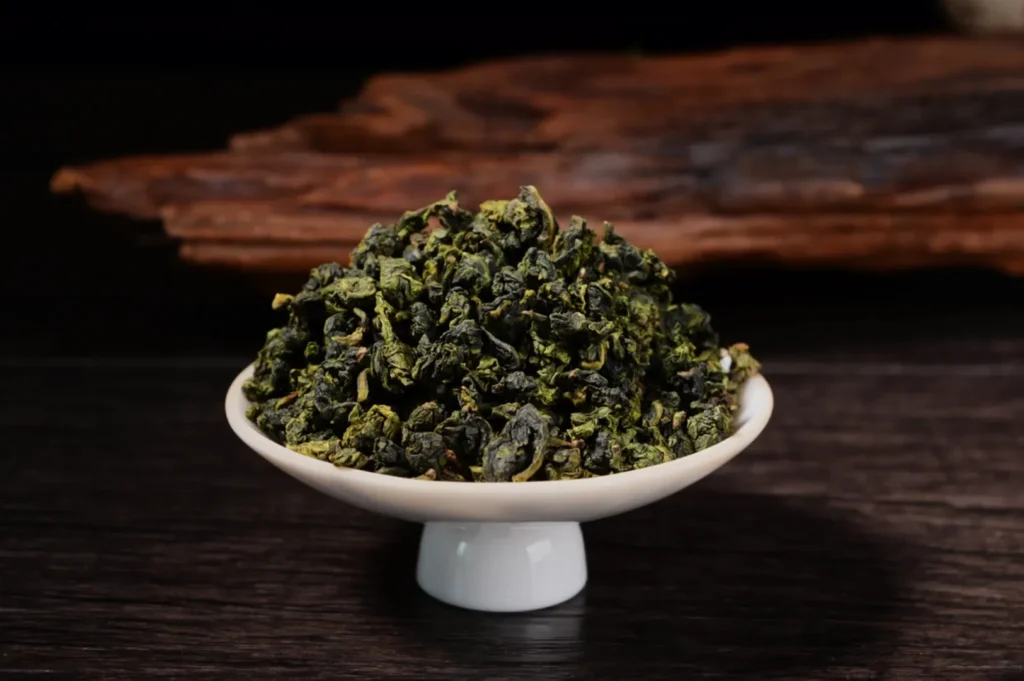
Tie Guan Yin contains caffeine because it is a true tea from Camellia sinensis.
MedlinePlus explains that caffeine occurs naturally in tea leaves, coffee beans, kola nuts, and cacao pods. This means Tie Guan Yin should count toward daily caffeine intake.
Possible caffeine-related effects include restlessness, faster heartbeat, sleep disruption, shakiness, or nervousness.
A light cup may feel gentle. A strong gongfu session may feel much more active.
A soft floral aroma does not mean the tea has no effect on the body.
Sleep Disruption
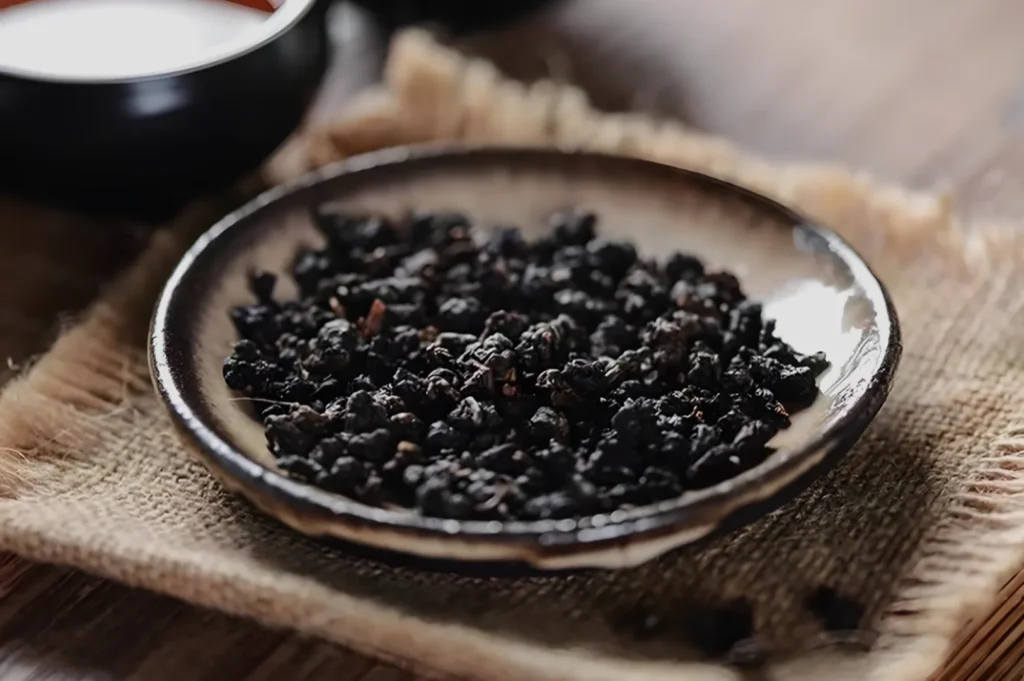
Tie Guan Yin may affect sleep if taken too late.
This is especially true for caffeine-sensitive drinkers. Roasted Tie Guan Yin may feel warm and comforting, but it still contains caffeine. If it keeps you awake, move it earlier in the day.
Morning, late morning, or afternoon is usually more sensible than evening for regular drinking.
Tea should bring clarity, not restlessness.
Empty-Stomach Discomfort
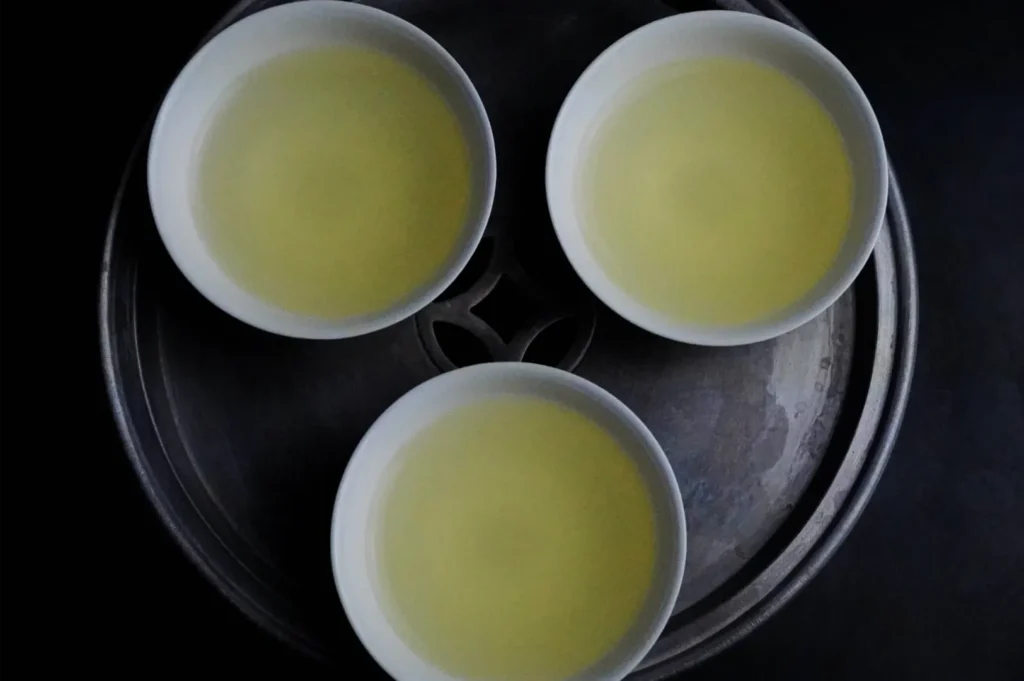
Some people feel uneasy when drinking oolong tea before food.
This may feel like nausea, acidity, stomach tightness, or discomfort. Stronger brews are more likely to cause this for sensitive drinkers.
If this happens, drink Tie Guan Yin after a small meal. Use fewer leaves. Shorten the infusion. Avoid very strong sessions before breakfast.
At Tea Room by Ki-setsu, we see comfort as part of appreciation. A beautiful tea should not be forced through discomfort.
Pregnancy and Breastfeeding
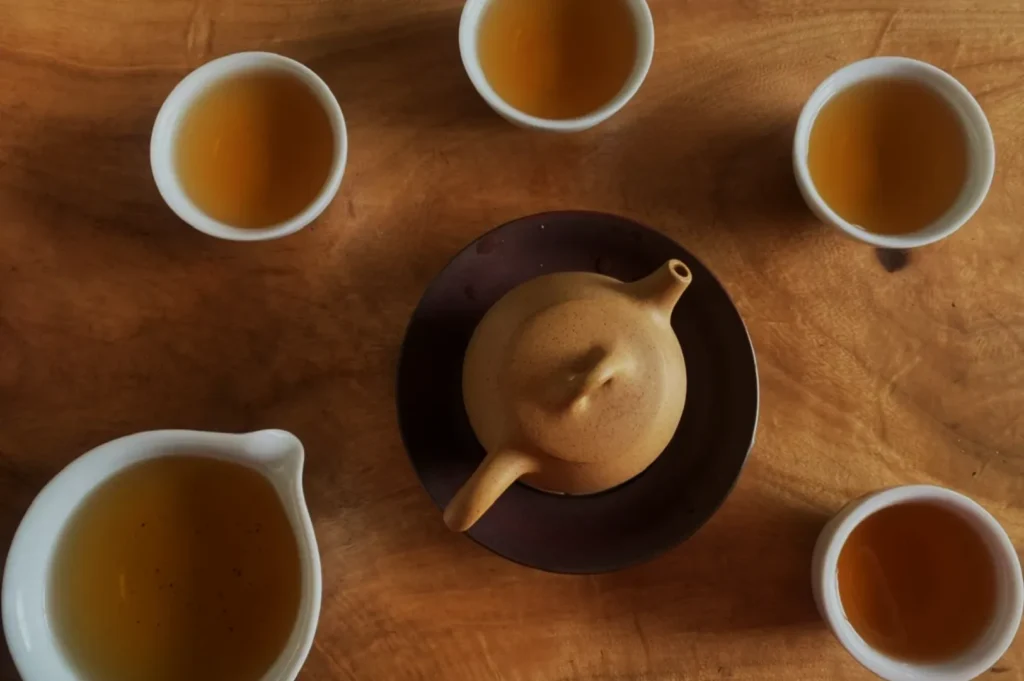
Pregnant and breastfeeding individuals should monitor caffeine intake from all sources.
The American College of Obstetricians and Gynecologists notes in its pregnancy caffeine guidance that moderate caffeine consumption under 200 mg per day does not appear to cause miscarriage or preterm birth, and that caffeine is also found in tea, chocolate, energy drinks, and soft drinks.
Tie Guan Yin may fit within a moderate intake, but it should still be counted.
When unsure, follow personalised medical advice.
Iron Timing
Tea polyphenols may affect non-heme iron absorption, especially when tea is consumed with iron-rich meals or supplements.
A PubMed review on tannin consumption and iron bioavailability examined how tannins may affect iron bioavailability and status. For most people, moderate tea drinking may not be a major concern. For those with low iron, anaemia, heavy menstrual bleeding, or iron supplementation, timing matters more.
A practical habit is to drink Tie Guan Yin between meals rather than directly with iron supplements.
Final Thought
Tie Guan Yin side effects are usually manageable with care.
Drink earlier. Brew lighter. Avoid empty-stomach sessions if they bother you. Count caffeine honestly. Be careful with iron timing if relevant. Seek medical advice when needed.
To drink Tie Guan Yin well is to respect both the leaf and the body receiving it.
For most people, Iron Goddess oolong can remain a thoughtful daily tea. The best cup is not the strongest one. It is the one that leaves you clear, comfortable, and steady.