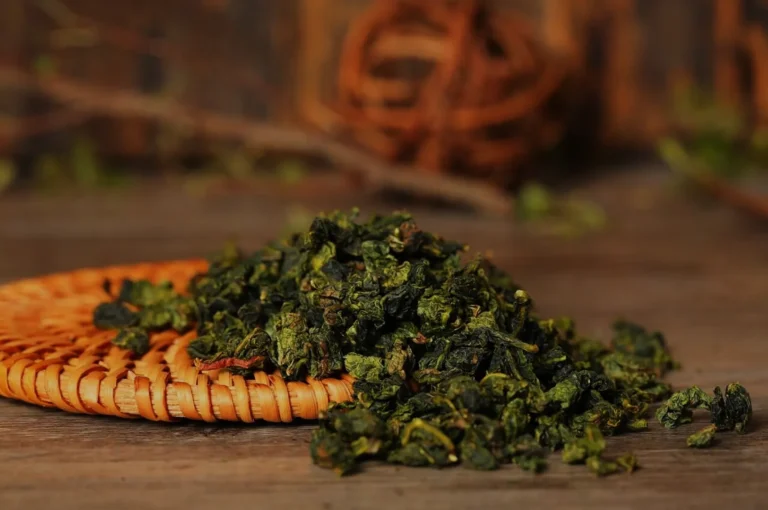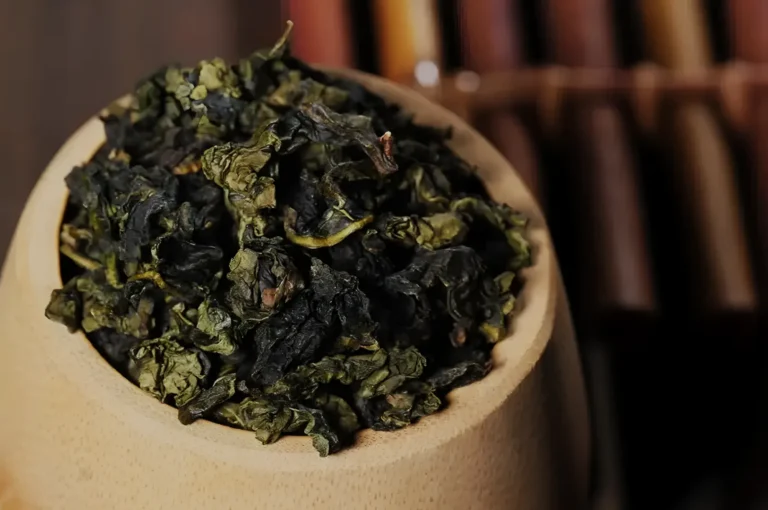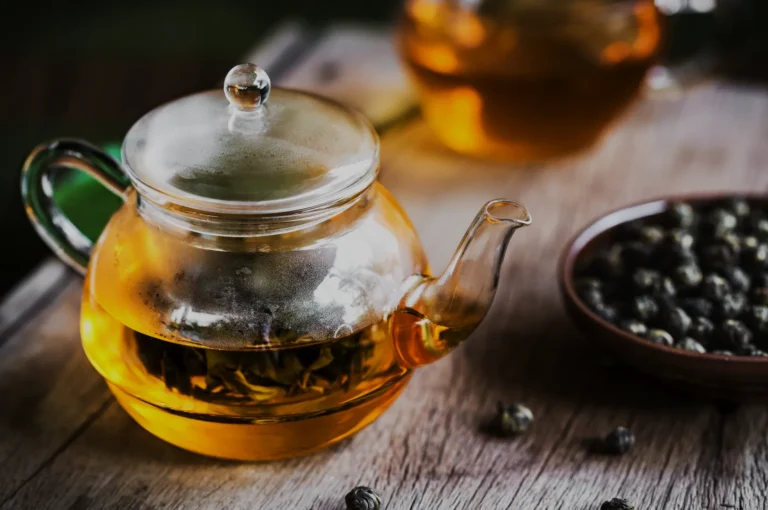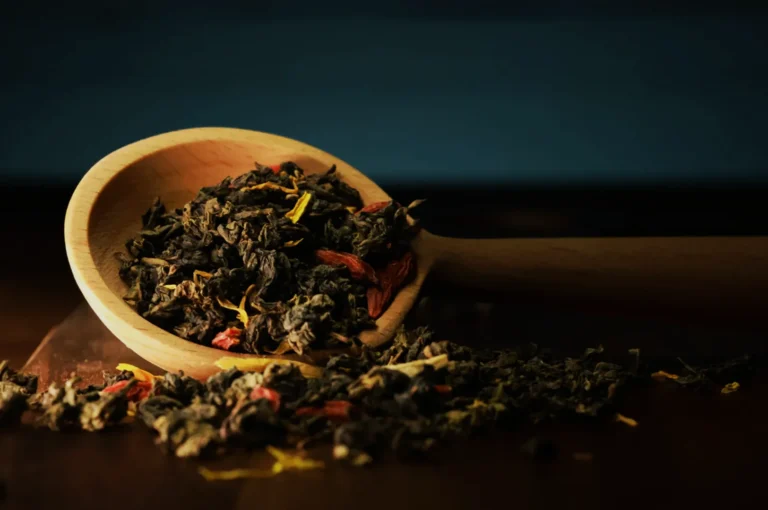
Tie Guan Yin can look like green tea at first glance.
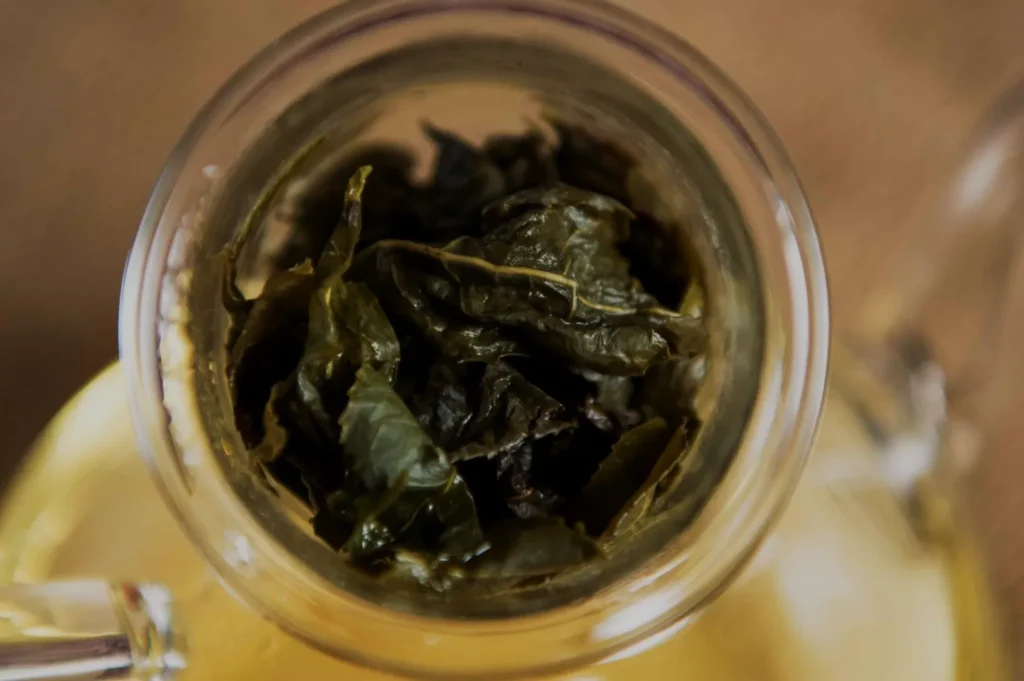
The leaves may be green. The liquor may be pale. The aroma may be floral and fresh. For a beginner, it is easy to assume that light Tie Guan Yin belongs in the green tea family.
It does not.
Tie Guan Yin is oolong tea. Green tea is a separate category. Both come from Camellia sinensis, but the difference lies in processing, oxidation, body, and the way the tea opens across infusions.
Tie Guan Yin may look green, but its structure belongs to oolong.
For readers who want the wider foundation, we have written a Tie Guan Yin tea guide. This article focuses on the difference between light Iron Goddess oolong and green tea.
The Difference Begins With Oxidation
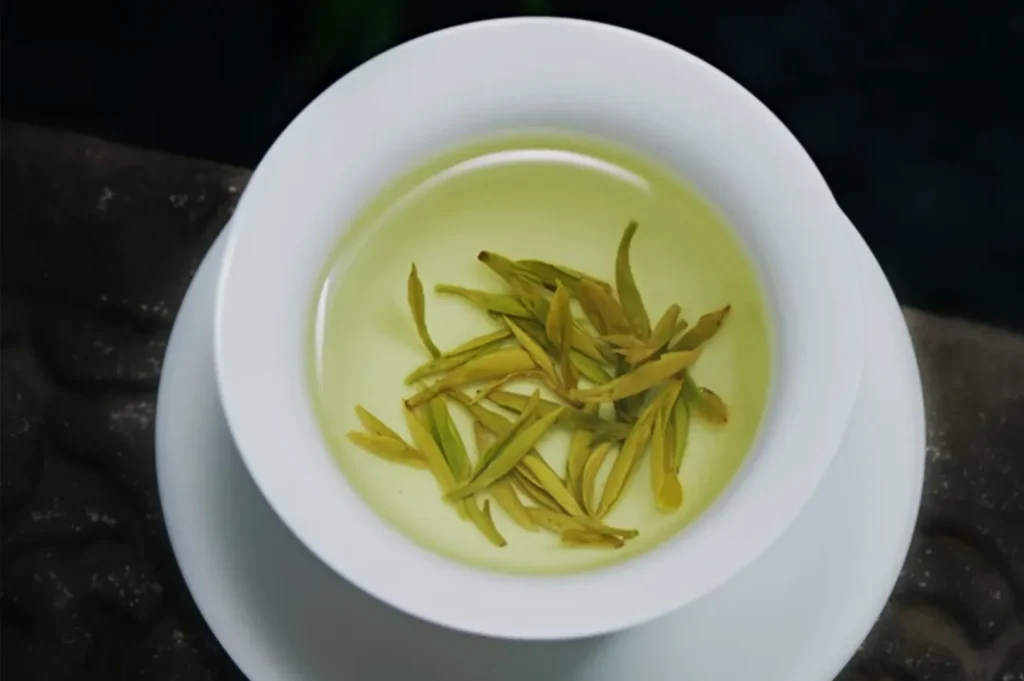
Green tea is usually heated early to prevent much oxidation.
This keeps the leaf closer to its fresh state. Depending on origin and processing, green tea may taste vegetal, grassy, chestnut-like, marine, sweet, or brisk.
Tie Guan Yin is partially oxidised. That means the leaf is allowed to change before heat stops the process. The result is more aroma development, more body, and often a smoother texture than many green teas.
A Wired explainer on tea oxidation helps clarify why oxidation shapes tea categories and why it should not be confused casually with fermentation.
Why Light Tie Guan Yin Confuses Beginners
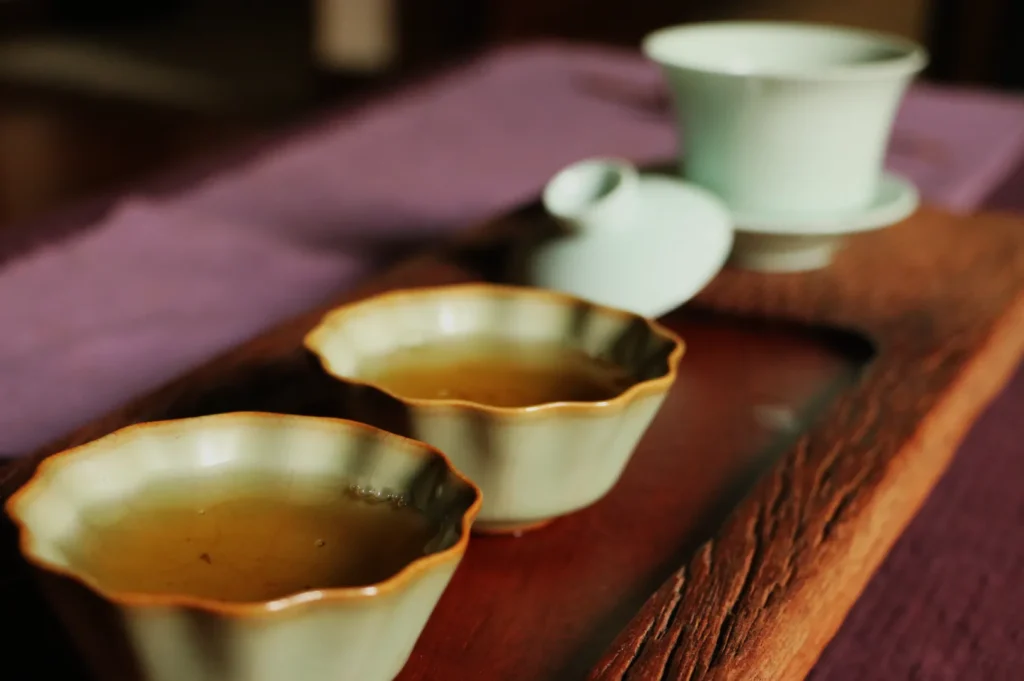
Modern light Tie Guan Yin can be very fresh and floral.
It may not show the darker colour people expect from oolong. The aroma can be orchid-like. The cup may feel gentle, smooth, and clear.
This is where expectation misleads the drinker.
Green tea often preserves freshness. Light Tie Guan Yin transforms freshness into fragrance and texture.
Green tea often feels immediate. Tie Guan Yin often unfolds.
That unfolding is one reason Tie Guan Yin performs well across multiple short infusions.
Taste Differences
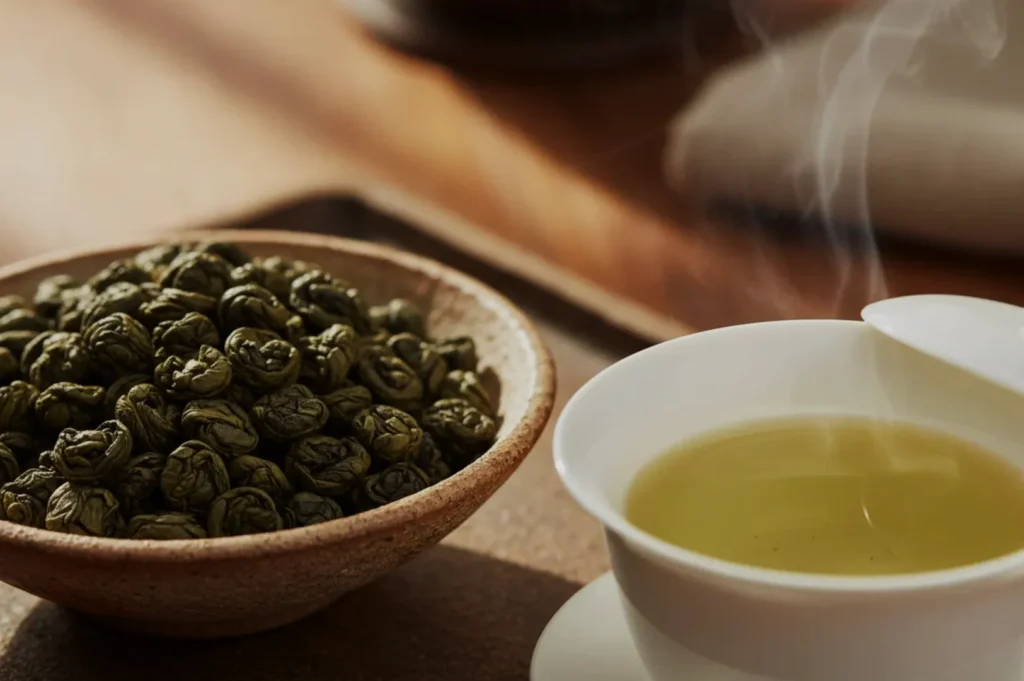
Green tea usually leans toward fresh vegetal notes, grass, chestnut, beans, seaweed, or light roast depending on style.
Tie Guan Yin often leans toward orchid, cream, soft fruit, floral sweetness, and a rounded finish. Roasted Tie Guan Yin moves further away from green tea, carrying warmth, grain, nuts, or honeyed depth.
A Tea and Herbal Association of Canada guide to tea types describes oolong as partly oxidised and combining qualities of green and black tea. That is useful for Tie Guan Yin because the tea may carry green freshness, but it still has oolong structure.
Brewing Differences
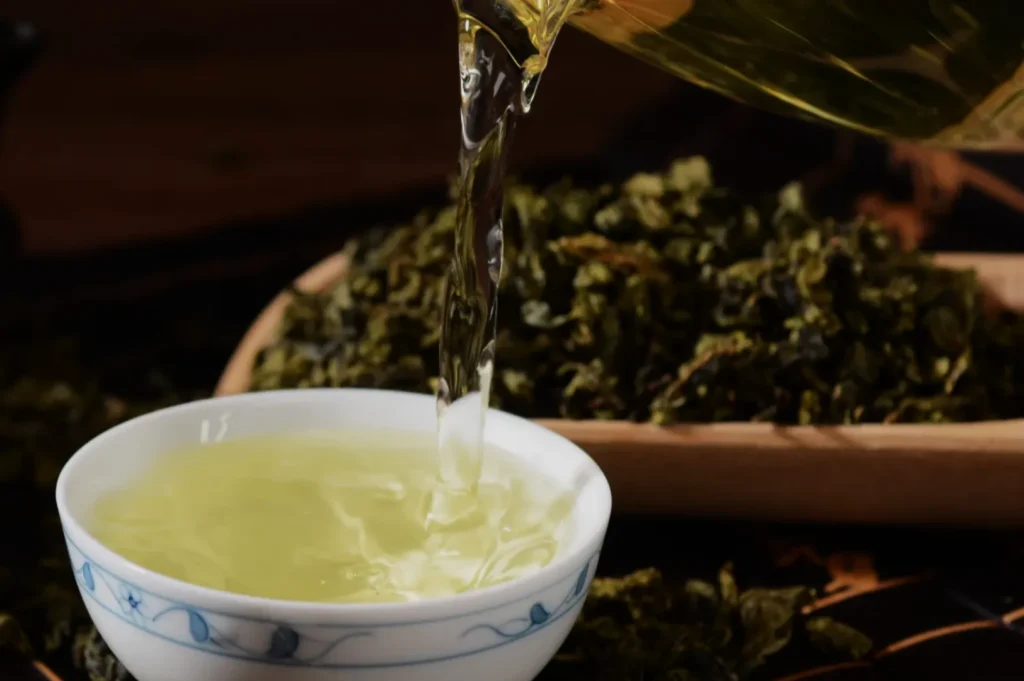
Green tea is often sensitive to heat.
Many green teas become bitter or sharp when brewed with water that is too hot. Light Tie Guan Yin also benefits from care, but it often tolerates repeated short infusions beautifully.
Green tea may be best appreciated for freshness in the first few cups. Tie Guan Yin may reveal fragrance first, then texture, then sweetness.
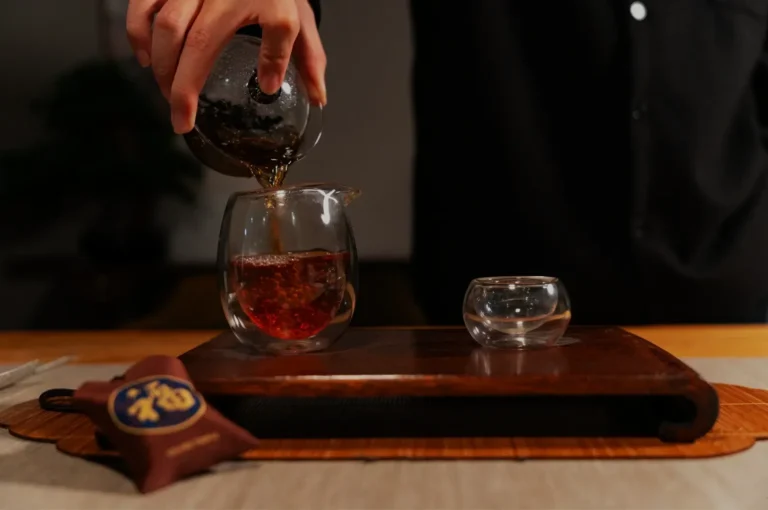
This is why a gaiwan can be especially useful for Tie Guan Yin. It lets the drinker follow the tea’s movement.
Which Should You Choose?
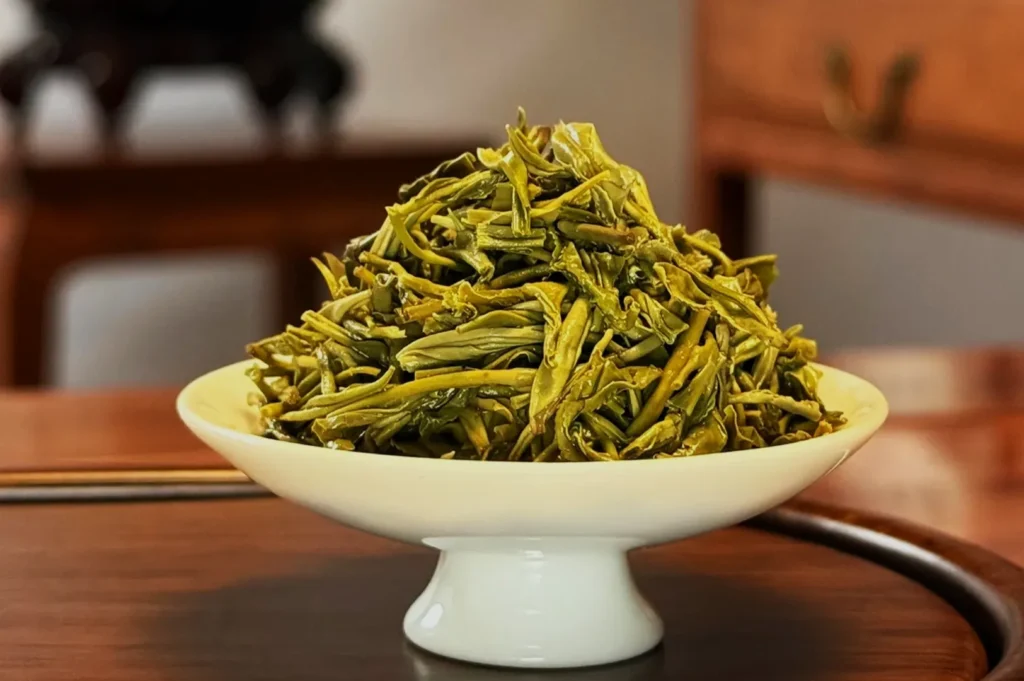
Choose green tea if you want freshness, clarity, and a lighter daily cup.
Choose Tie Guan Yin if you want floral aroma, smooth texture, and a tea that changes more visibly across infusions.
Choose roasted Tie Guan Yin if green tea feels too sharp or too light for you.
At Tea Room by Ki-setsu, we often find that green tea drinkers enjoy light Tie Guan Yin because it feels familiar enough to approach, but different enough to hold attention.
Final Thought
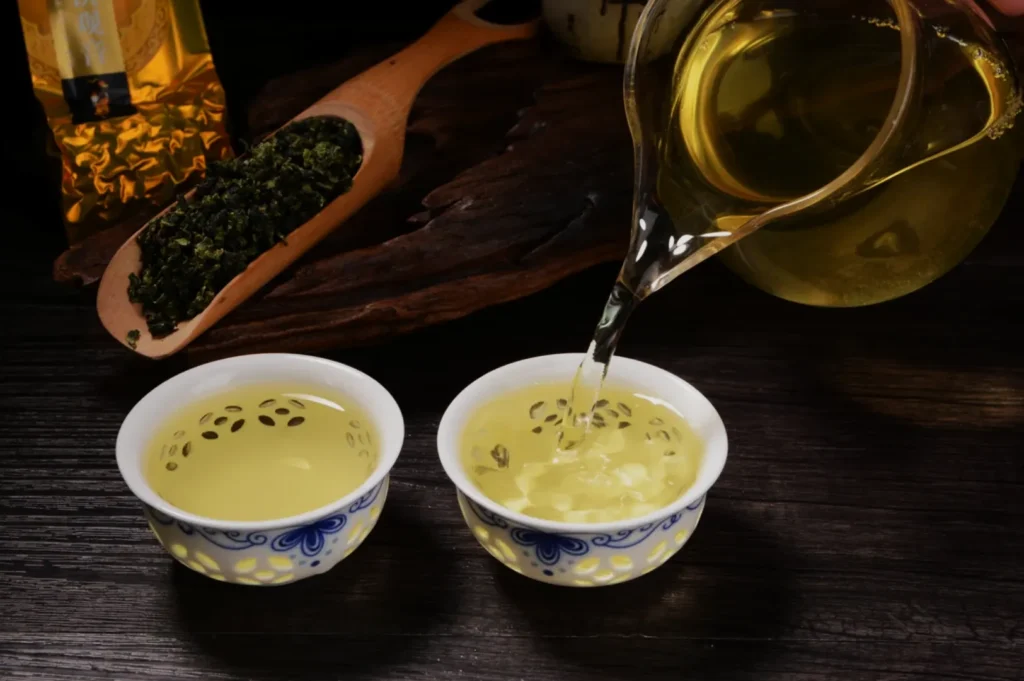
Tie Guan Yin vs green tea is not a contest.
Both begin from the same plant, but they do not follow the same path. Green tea preserves freshness. Tie Guan Yin transforms the leaf through oolong craft.
The difference is not only colour. It is the way the tea moves in the cup.
For those who enjoy green tea but want more aroma and texture, Tie Guan Yin can be a graceful next step.