Many people ask whether Tie Guan Yin is oolong tea.
The answer is yes.
But the question usually carries a second confusion beneath it. If Tie Guan Yin is oolong, why does it sometimes taste so floral and green? Why does another version taste roasted and warm? And why do some oolongs taste nothing like Tie Guan Yin at all?
This is where the distinction matters.
Tie Guan Yin is an oolong tea, but not all oolong tea is Tie Guan Yin.
For readers who want the wider foundation, we have written the main Tie Guan Yin tea guide for oolong drinkers. This article focuses only on the relationship between the famous tea and the wider oolong family.
Tie Guan Yin Belongs to the Oolong Family
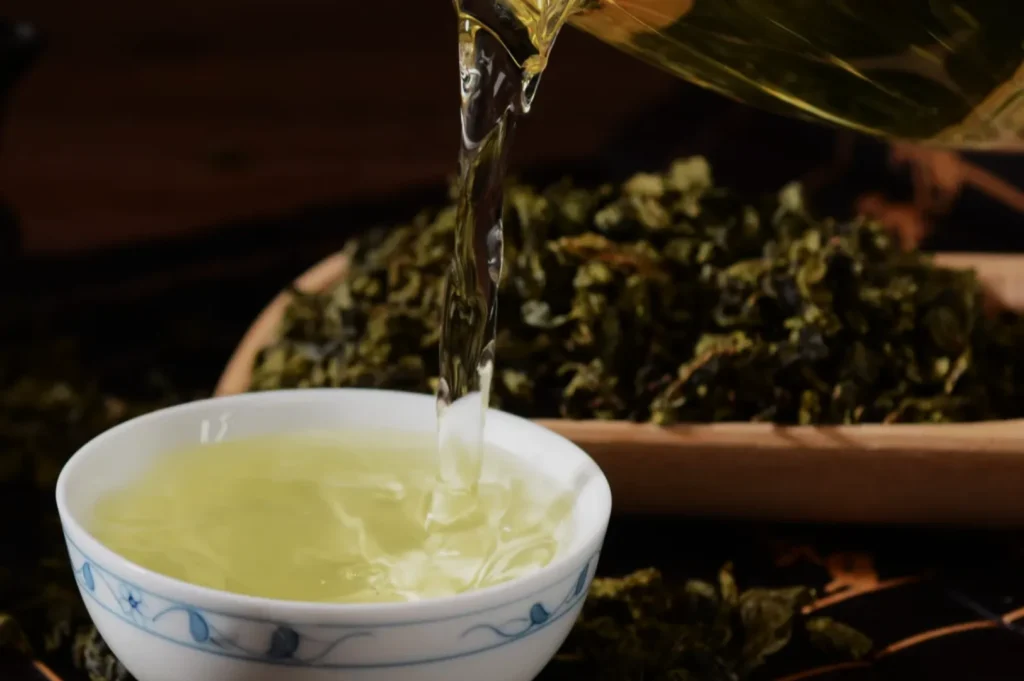
Oolong tea is partially oxidised tea made from Camellia sinensis.
It sits between green and black tea in oxidation, but that middle ground is wide. The Tea and Herbal Association of Canada describes oolong teas as partly oxidised leaves that combine qualities of green and black tea.
Tie Guan Yin belongs inside this category. It is not green tea, although modern light versions may look quite green. It is not black tea, although roasted versions can feel warmer and deeper. It is oolong because of how the leaf is processed.
That processing allows fragrance, body, and finish to develop in ways that green tea does not usually show.
Why Tie Guan Yin Feels Like Its Own Character
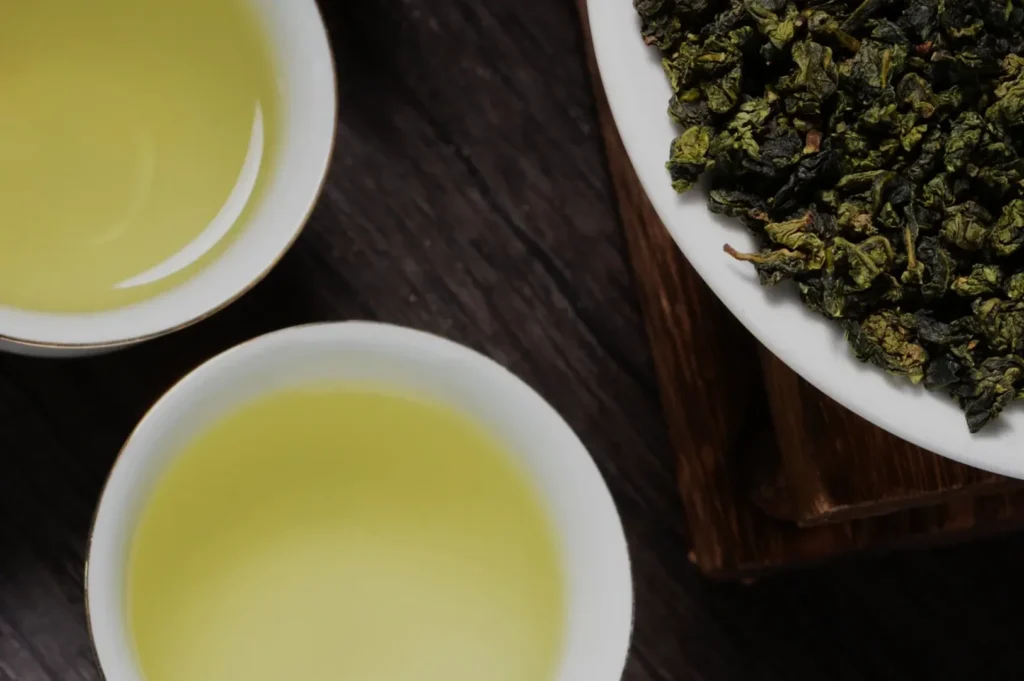
Oolong is the category. Tie Guan Yin is the character.
Within oolong, there are many families: Tie Guan Yin, Wuyi rock tea, Phoenix Dan Cong, Dong Ding, high mountain oolong, Oriental Beauty, and more. Each has its own region, leaf style, processing tradition, and sensory profile.
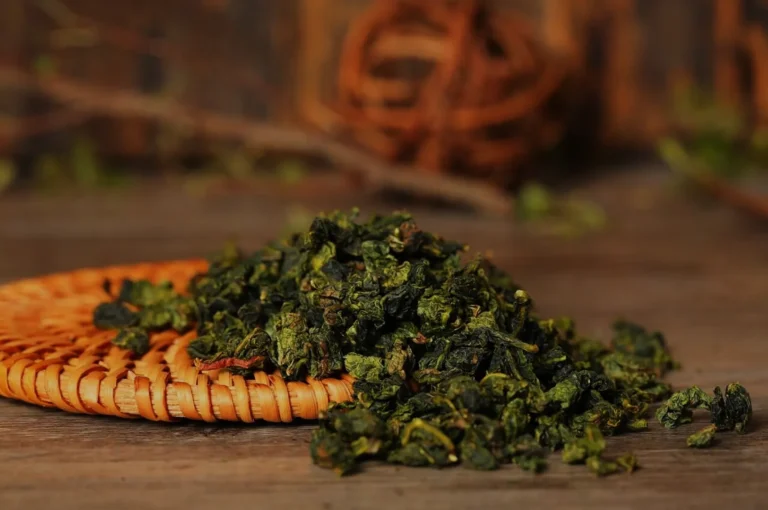
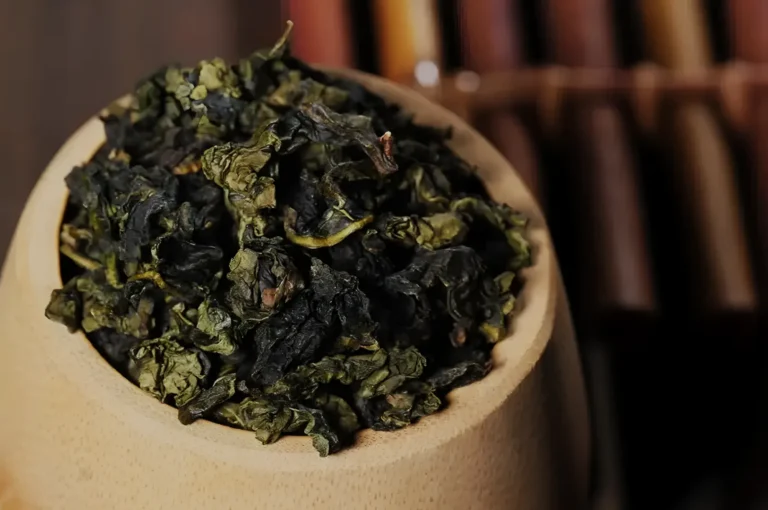
Tie Guan Yin is known for fragrance and balance. Light styles are often floral, smooth, and creamy. Roasted styles are warmer, rounder, and more settled.
This makes Tie Guan Yin one of the most approachable introductions to oolong. It gives the drinker something clear to notice without requiring too much technical language at the beginning.
A good Tie Guan Yin makes oolong feel understandable without making it simple.
Why Some Tie Guan Yin Tastes Green
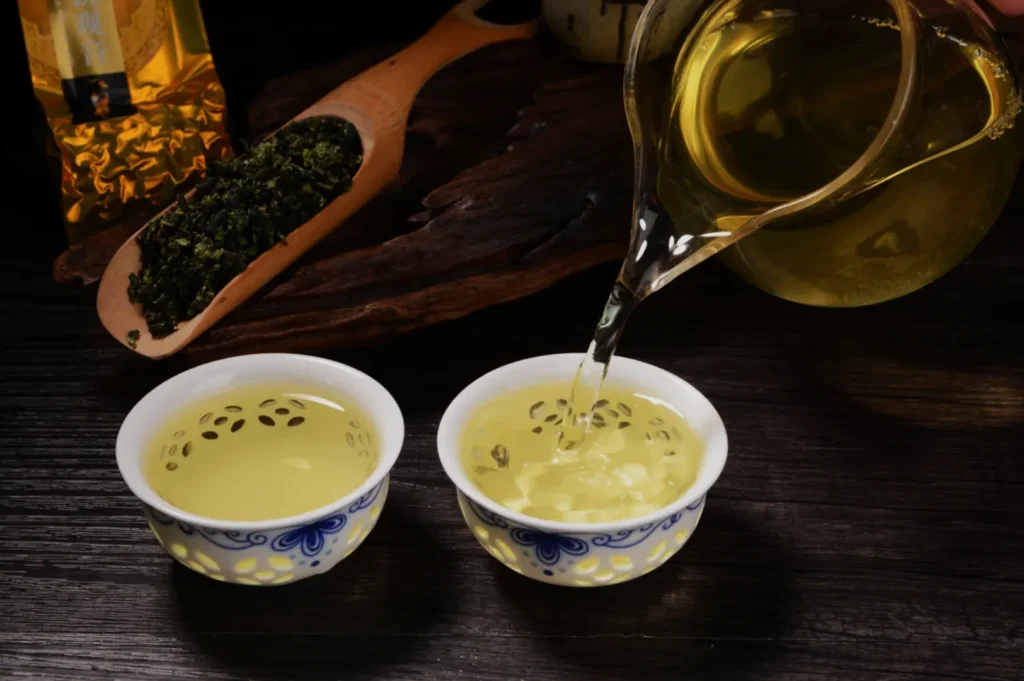
Modern light Tie Guan Yin can be very floral and fresh.
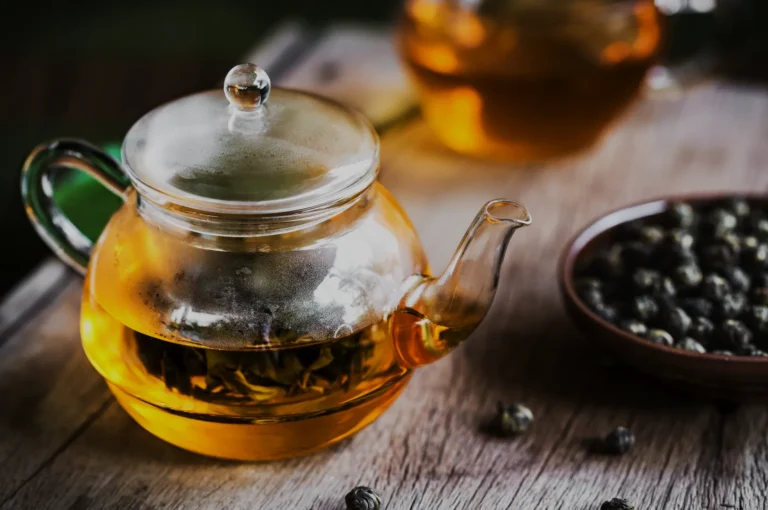
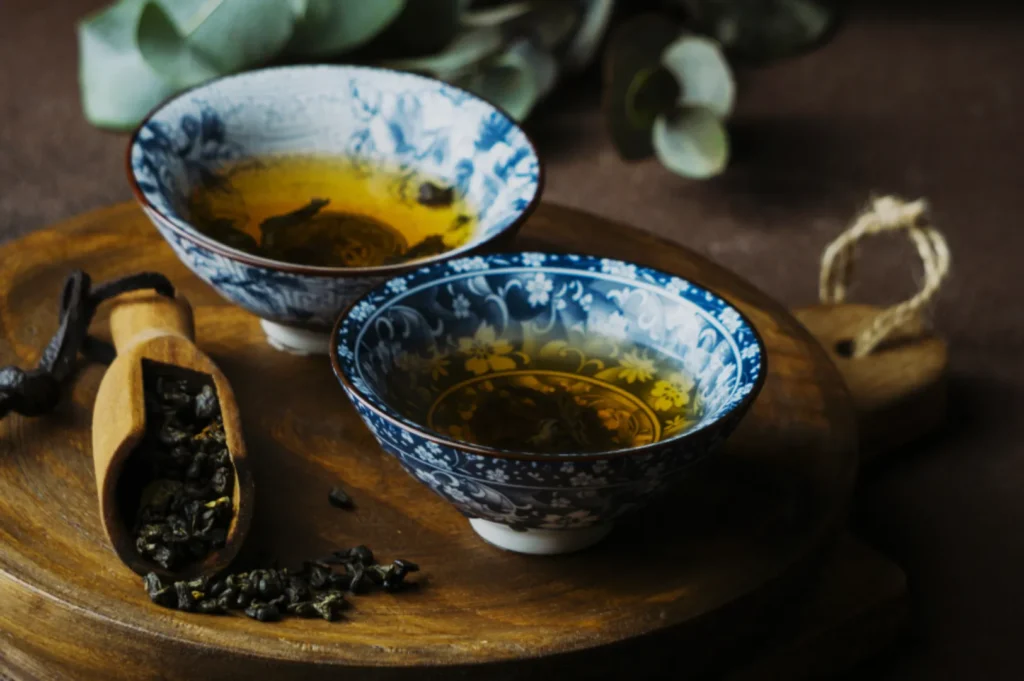
This sometimes leads people to mistake it for green tea. The liquor may be pale. The dry leaves may look green. The aroma may feel spring-like.
But oxidation and processing tell the real story.
A useful Wired explainer on tea oxidation explains why oxidation is central to tea categories and why it should not be confused casually with fermentation. Tie Guan Yin undergoes partial oxidation, which gives it more body and layered aroma than a straightforward green tea.
The cup may look green, but its structure belongs to oolong.
Why Other Oolongs Taste So Different
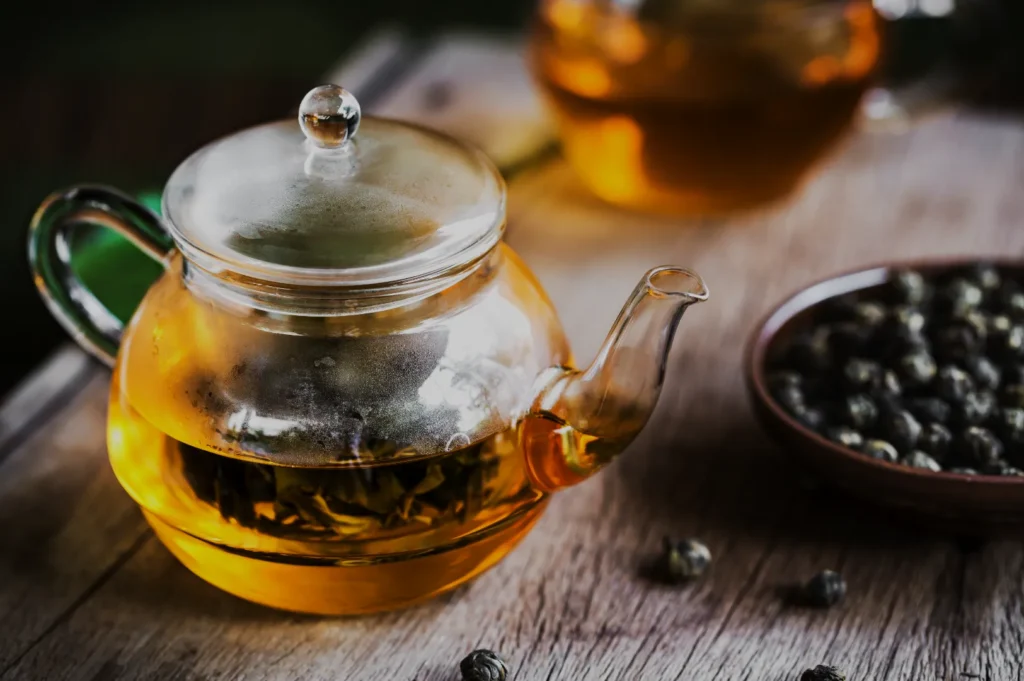
If Tie Guan Yin is your first oolong, another oolong may surprise you.
A Wuyi rock tea may taste roasted, mineral, and powerful. A Phoenix Dan Cong may taste intensely aromatic and sharp if brewed carelessly. A Taiwanese high mountain oolong may feel creamy and lifted. Oriental Beauty may feel honeyed and fruity.
This range is not inconsistency. It is the nature of oolong.
The Fujian Provincial People’s Government notes that the oolong tea processing technique for Tieguanyin is centred in Anxi County and recognised as national-level intangible cultural heritage. That specificity is important. Tie Guan Yin belongs to a distinct craft tradition within the larger oolong world.
How to Use This Comparison as a Beginner
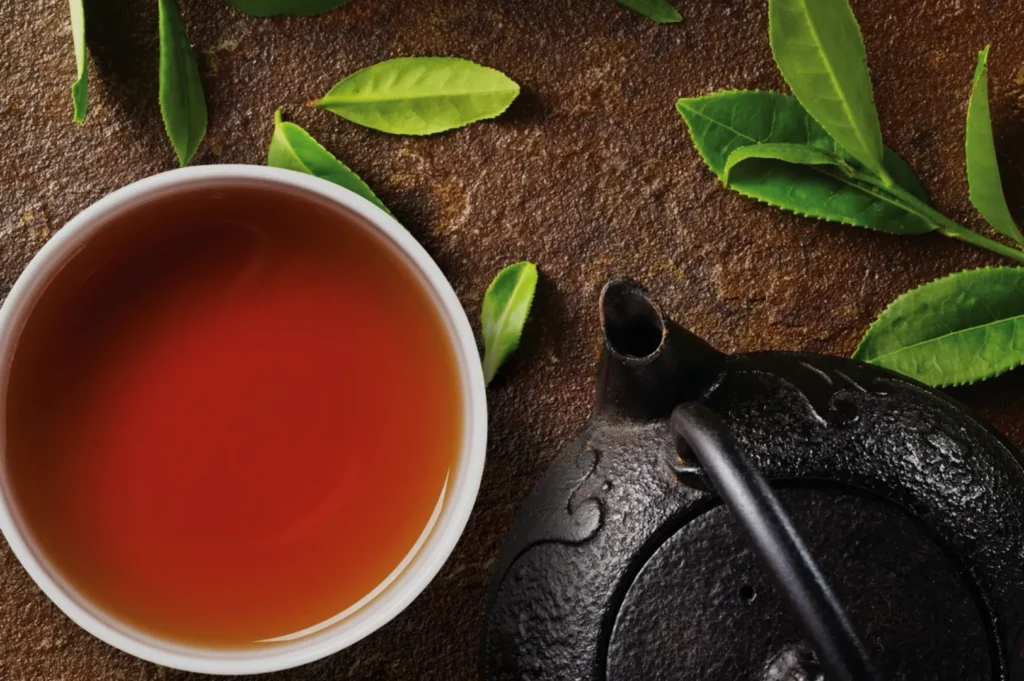
If you are new to tea, begin with this simple map.
Tie Guan Yin is a type of oolong. Oolong is the broader category. Other oolongs may taste very different because they come from different regions, cultivars, oxidation levels, roast levels, and traditions.
This means you should not judge all oolong by one Tie Guan Yin. You should also not judge all Tie Guan Yin by one oolong.
At Tea Room by Ki-setsu, we often find that this distinction helps guests relax. They do not need to master every name. They only need to understand the family relationship.
Final Thought
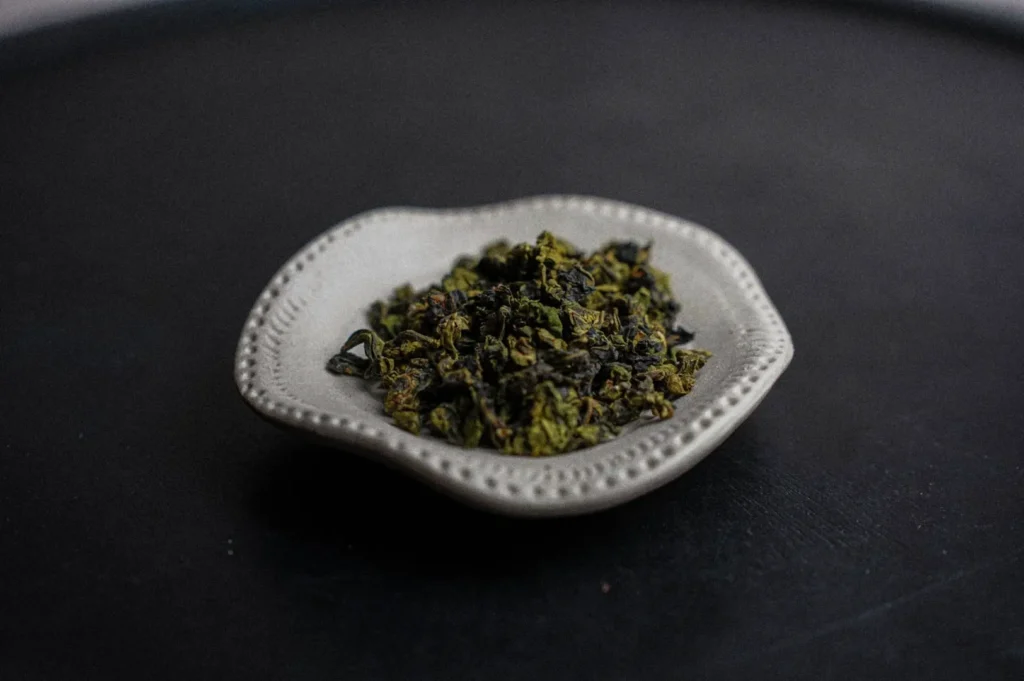
Tie Guan Yin vs oolong tea is not a true opposition.
Tie Guan Yin is one famous expression of oolong. It is floral in one style, roasted in another, but always shaped by partial oxidation and careful craft.
Oolong is the house. Tie Guan Yin is one room inside it, bright enough to remember.
For those beginning with Chinese tea, understanding this relationship makes the category less intimidating. The names become clearer, and the cup becomes easier to trust.