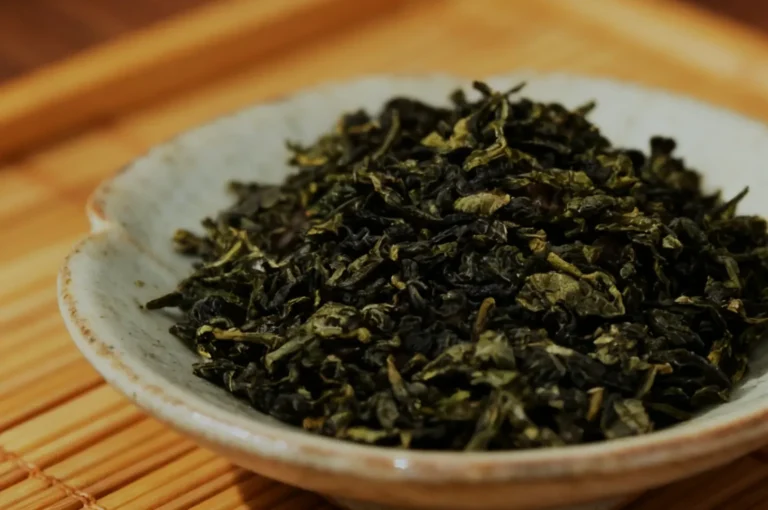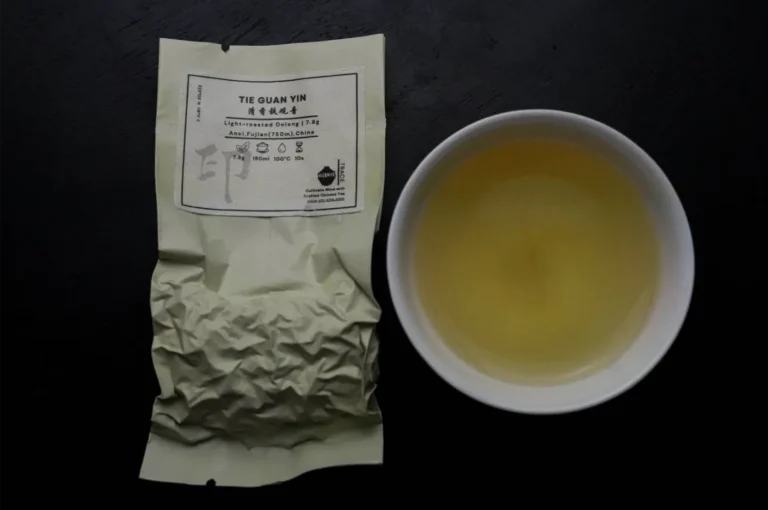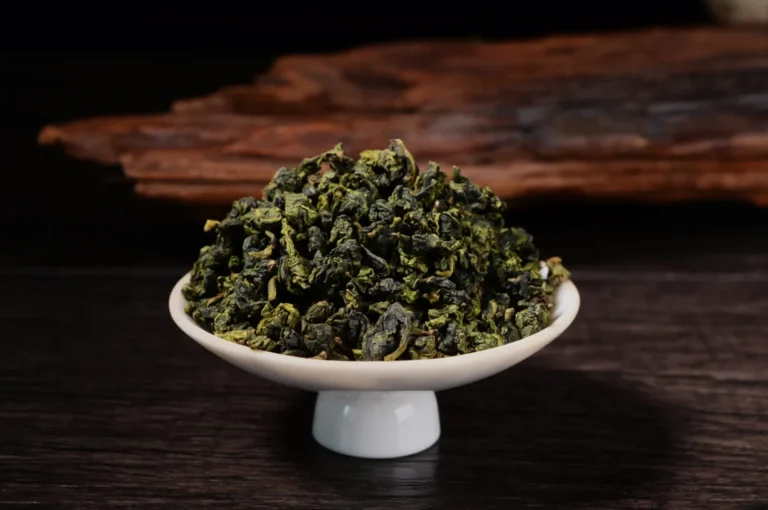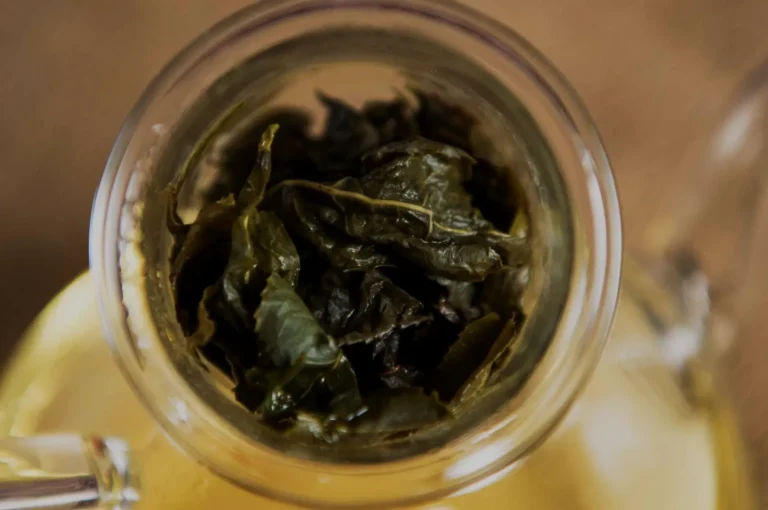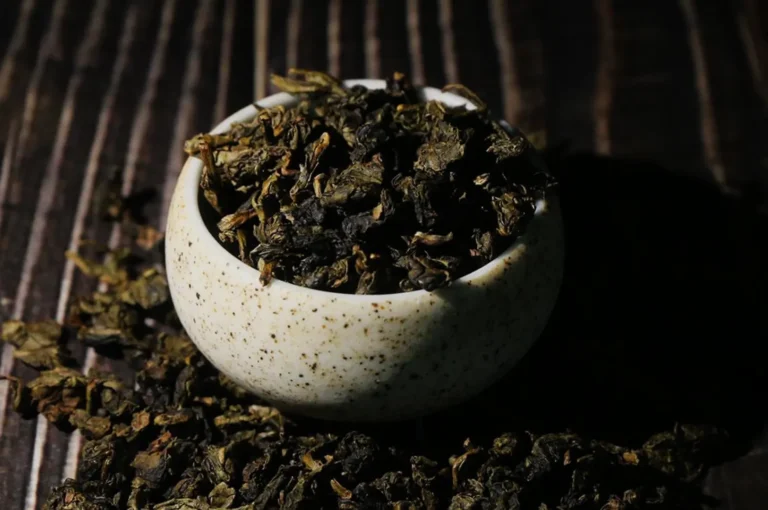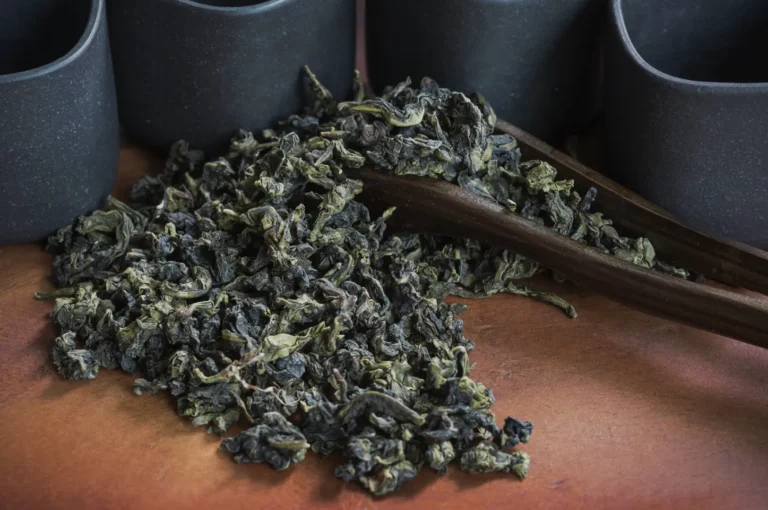
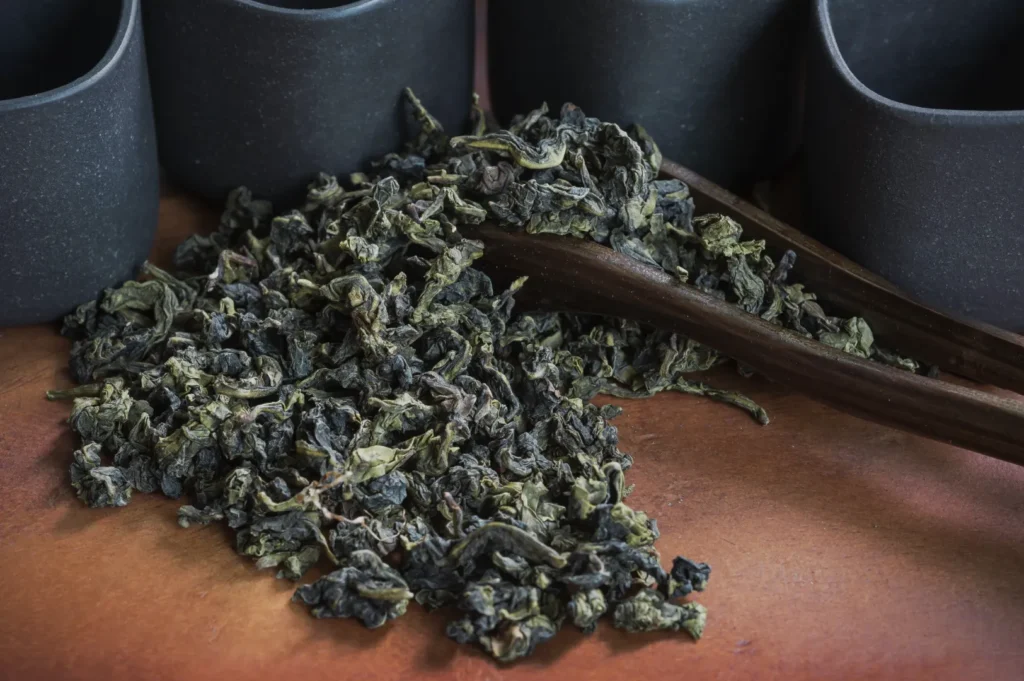
Famous teas risk becoming detached from the places that made them famous.
The name travels. The packaging changes. The tea appears on menus, in tins, in gifts, and in casual descriptions. Eventually, a famous tea can become only a flavour in the public imagination.
Tie Guan Yin deserves more care than that.
Traditionally associated with Anxi County in Fujian province, Tie Guan Yin is not just a floral oolong with a memorable name. It is rooted in a place, a farming culture, and a tradition of making that continues to shape how the tea is understood.
Anxi Tie Guan Yin matters because origin gives the tea context, not just reputation.
For readers who want the wider foundation, we have written a Tie Guan Yin tea guide rooted in origin and craft. This article stays with Anxi: why provenance matters, and why a famous tea should not be separated from the people and methods behind it.
Where Is Anxi?
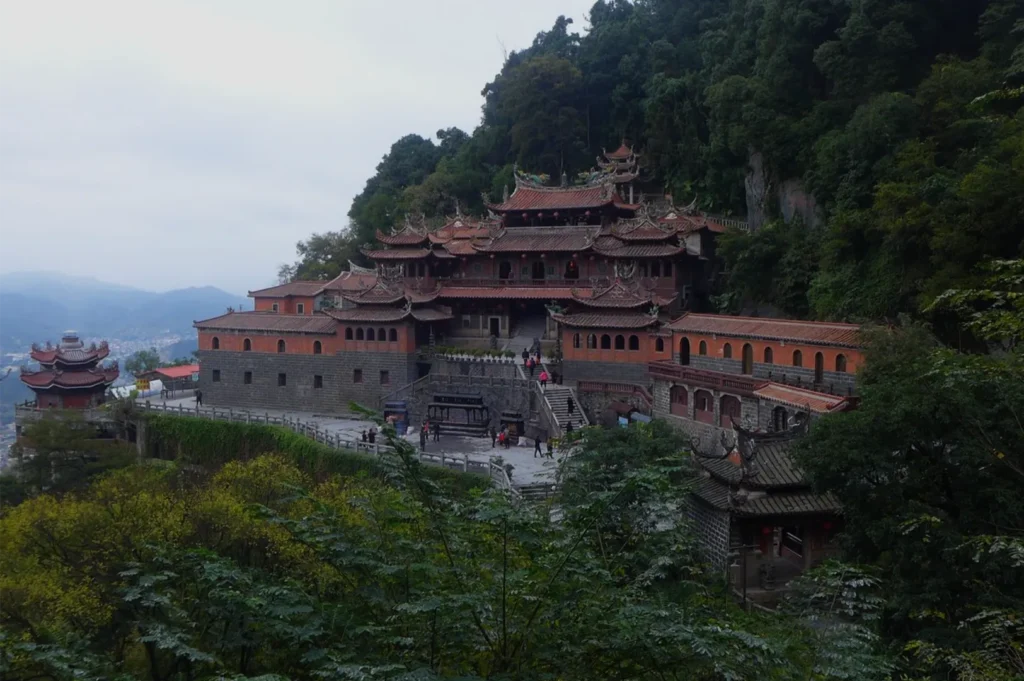
Anxi is a county in Fujian province, southeastern China.
It is strongly associated with Tie Guan Yin and oolong tea craftsmanship. The FAO’s Globally Important Agricultural Heritage Systems page notes that tea production in Anxi was first born in the 18th century in southeastern Fujian, where the most famous tea is Tieguanyin.
This matters because Anxi is not only a point on a map. It is part of the tea’s identity.
Climate, soil, elevation, rainfall, cultivar, processing knowledge, and local standards all shape what becomes possible in the cup.
Origin Is Not a Decoration
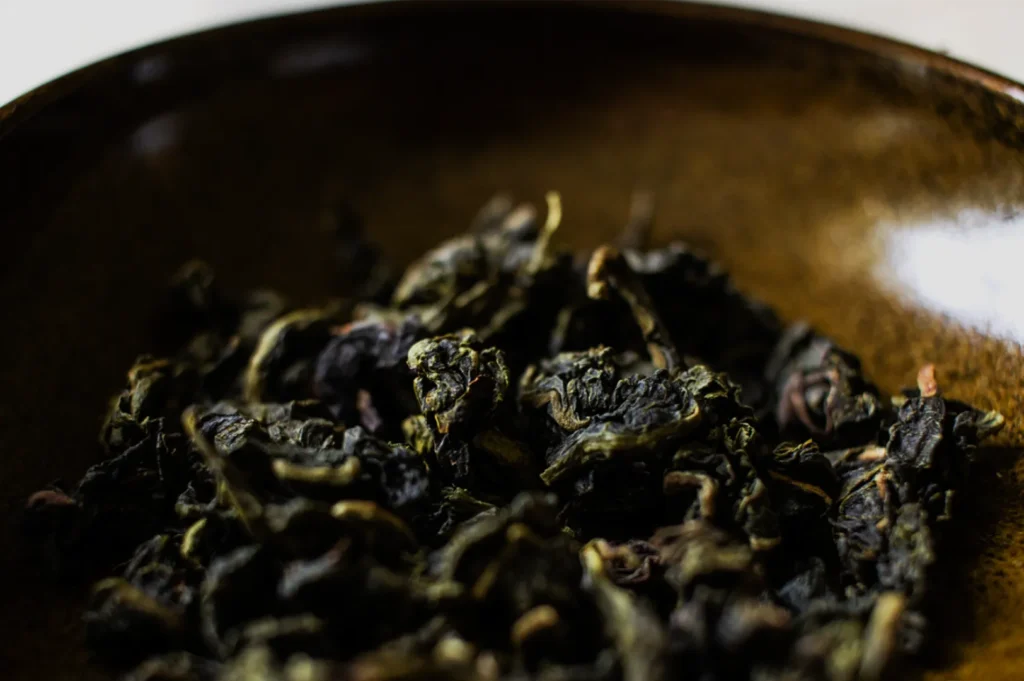
In tea, origin is sometimes used as a decorative word.
It sounds premium. It adds romance. It suggests authenticity.
But origin should mean more than atmosphere. It should tell us something about how the tea was grown, handled, judged, and preserved.
The Fujian Foreign Affairs Office describes the Anxi Tieguanyin tea culture system as connected to tea-making competitions and the exchange of tea-making techniques among farmers. This shows that Tie Guan Yin quality is not only about land. It is also about shared craft.
Good provenance is not a marketing phrase. It is a chain of responsibility.
Why Anxi Craft Matters
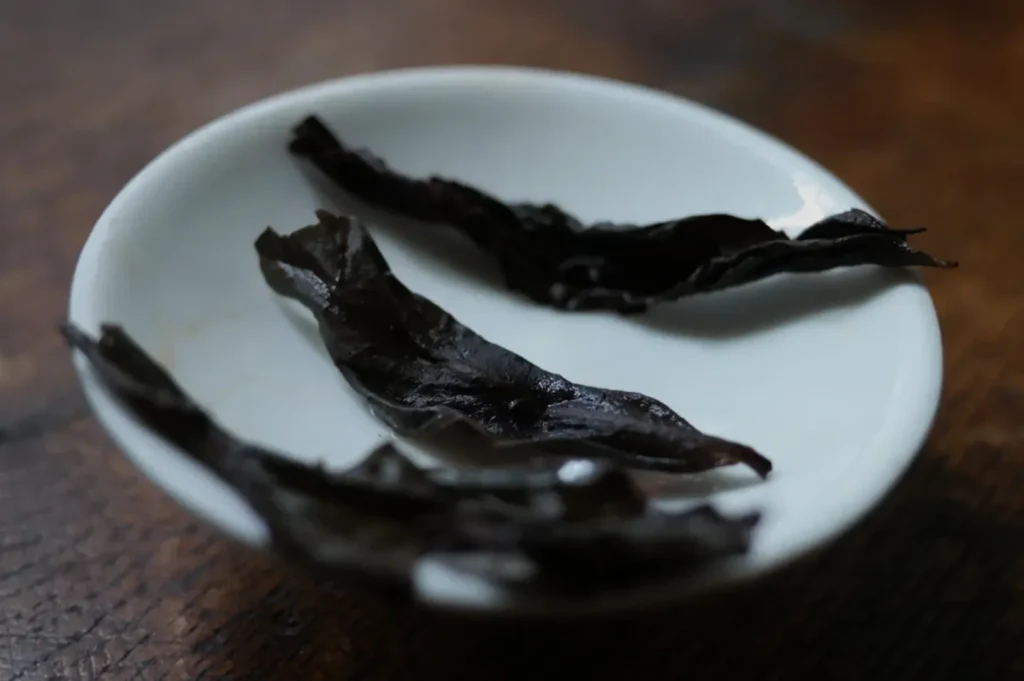
Tie Guan Yin is not made by accident.
The leaf must be picked, withered, shaken, partially oxidised, fixed, rolled, dried, and sometimes roasted. Small decisions affect the final aroma, texture, and finish.
The Fujian Provincial People’s Government describes the oolong tea processing technique for Tieguanyin as centred in Anxi County and recognised as a national-level intangible cultural heritage item in traditional craftsmanship.
This recognition matters because it treats tea-making as knowledge, not just production.
At Tea Room by Ki-setsu, we see this as central to tea appreciation. A tea is not only the leaf in front of us. It is also the judgement behind it.
Why Famous Names Need Care
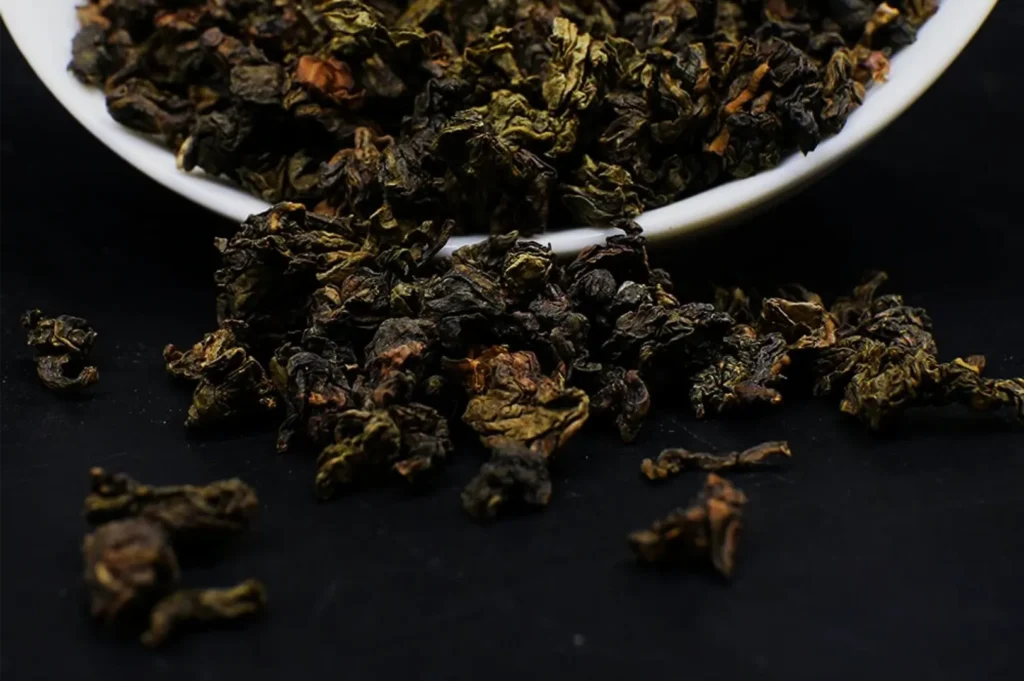
Famous tea names are easily stretched.
Once a tea becomes well known, the name can appear across different grades, origins, and quality levels. This does not mean every non-ideal example is fake, but it does mean readers should pay attention.
A label alone cannot guarantee quality.
Good Tie Guan Yin should still show fragrance, balance, texture, and a clean finish. If it tastes flat, stale, perfumed, or harsh, the famous name is doing more work than the tea itself.
A respected origin should raise our expectations, not replace our judgement.
What Anxi Adds to the Drinking Experience
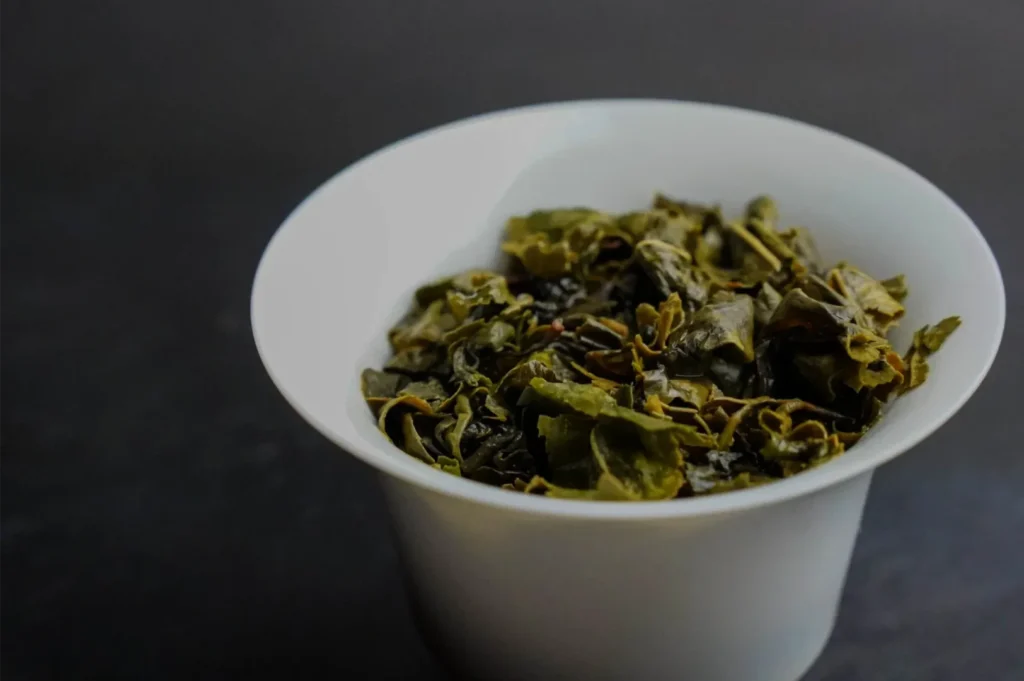
Knowing the origin changes how we drink.
It reminds us that Tie Guan Yin is not a generic floral oolong. It comes from a tradition where aroma, craft, and evaluation have been refined over generations.
When we drink Anxi Tie Guan Yin, we are not only tasting orchid notes or roast. We are tasting the result of local knowledge: when to pick, how to shake, when to stop oxidation, how much to roast, how to judge finish.
This does not require the drinker to become a scholar. It only asks for respect.
Final Thought
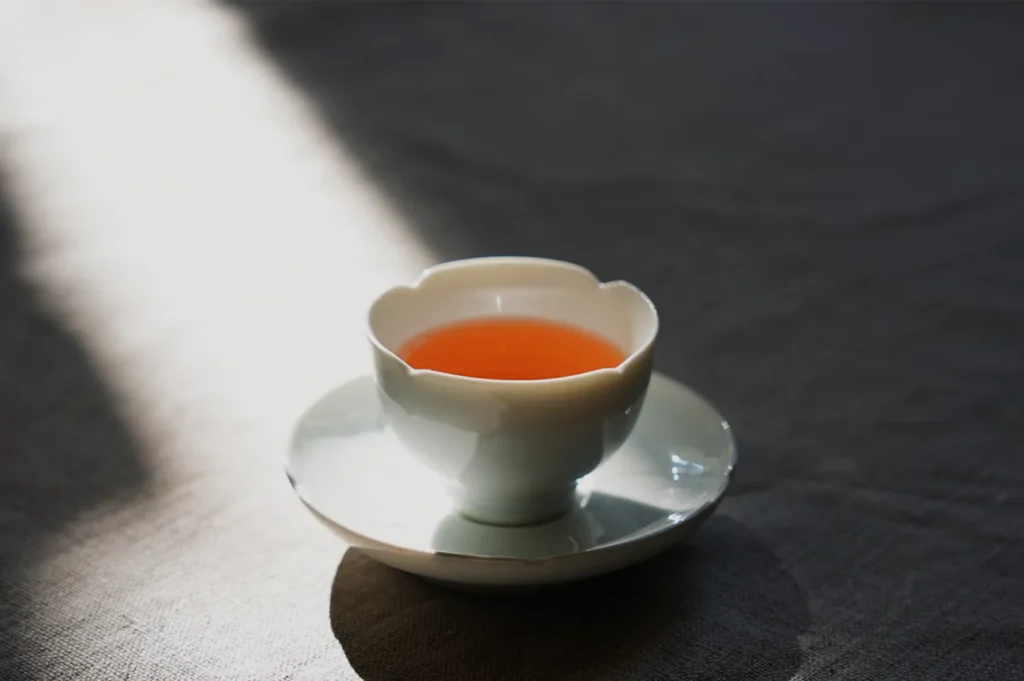
Anxi Tie Guan Yin remains important because great tea is never only about taste.
Taste matters, of course. Fragrance matters. Texture matters. But origin gives those qualities a frame.
It tells us where the tea comes from, what traditions shaped it, and why the name still carries weight.
To understand Tie Guan Yin properly, we should not separate the cup from Anxi.
For those exploring Chinese tea, provenance is not an extra detail. It is part of the quiet discipline of drinking with attention.