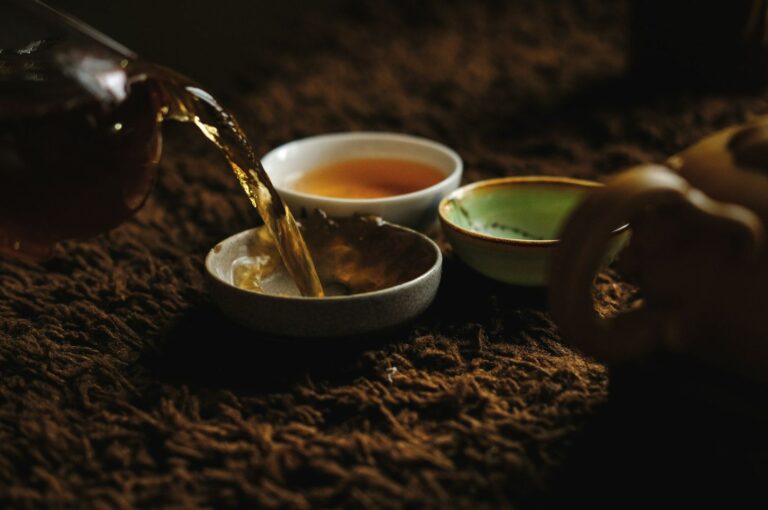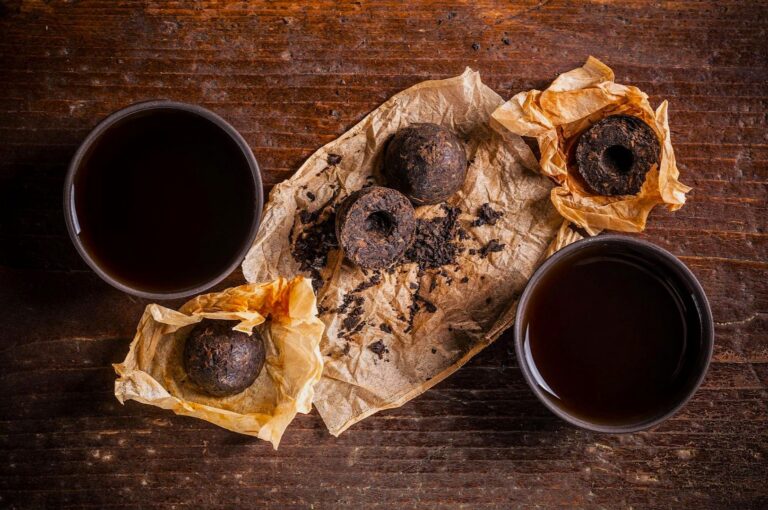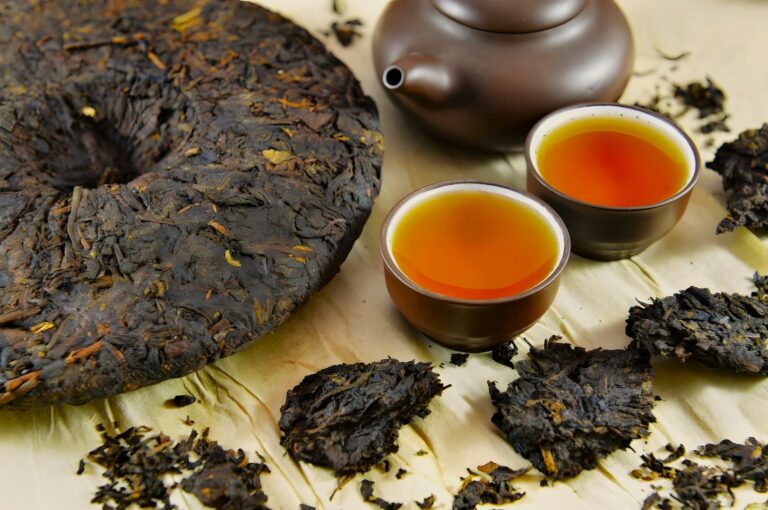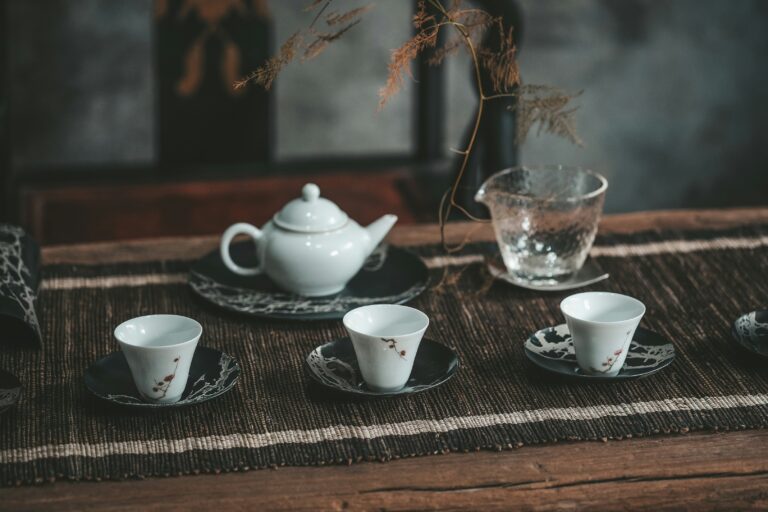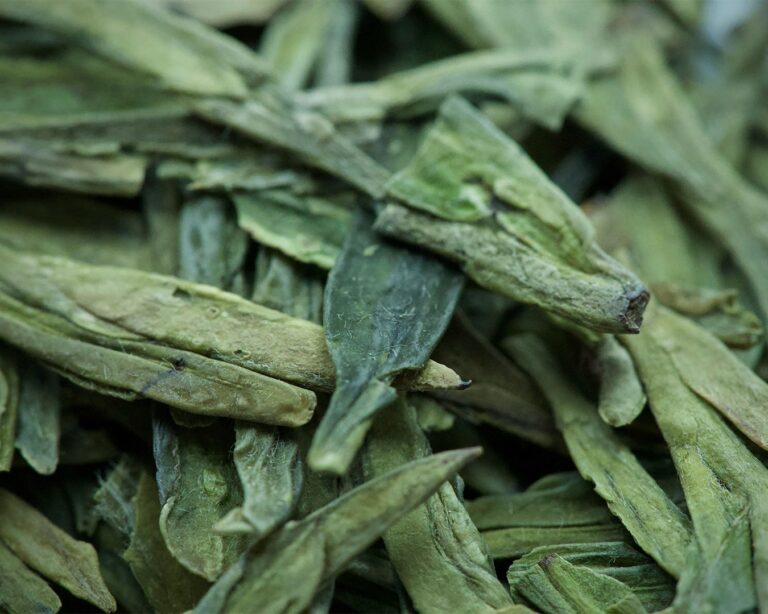
There is a precise moment when the relationship with tea changes. It often happens in the quiet of a shop or the stillness of a sanctuary, when a tea lover holds a tin of premium loose leaf tea for the first time. The weight feels different in the hand; substantial, promising. When the lid is lifted, the aroma does not merely waft; it announces a presence, filling the space with notes of orchid, roasted nuts, or mountain rain. Inside, the tea leaves are not dust, but whole, sculptural forms, curled like sleeping dragons or silver needles waiting for the water to wake them.
In this moment of sensory awakening, a question often arises, accompanied by the hesitation of price: “Is it worth it?” Yet, perhaps this is the wrong question to ask. What if the question isn’t whether premium tea is worth the investment, but rather what we are missing when we settle for less? To understand the value of loose leaf is to understand that we are not merely purchasing a beverage; we are investing in a moment of beauty that transforms the mundane into the sacred.
What Loose Leaf Tea Reveals That Teabags Conceal
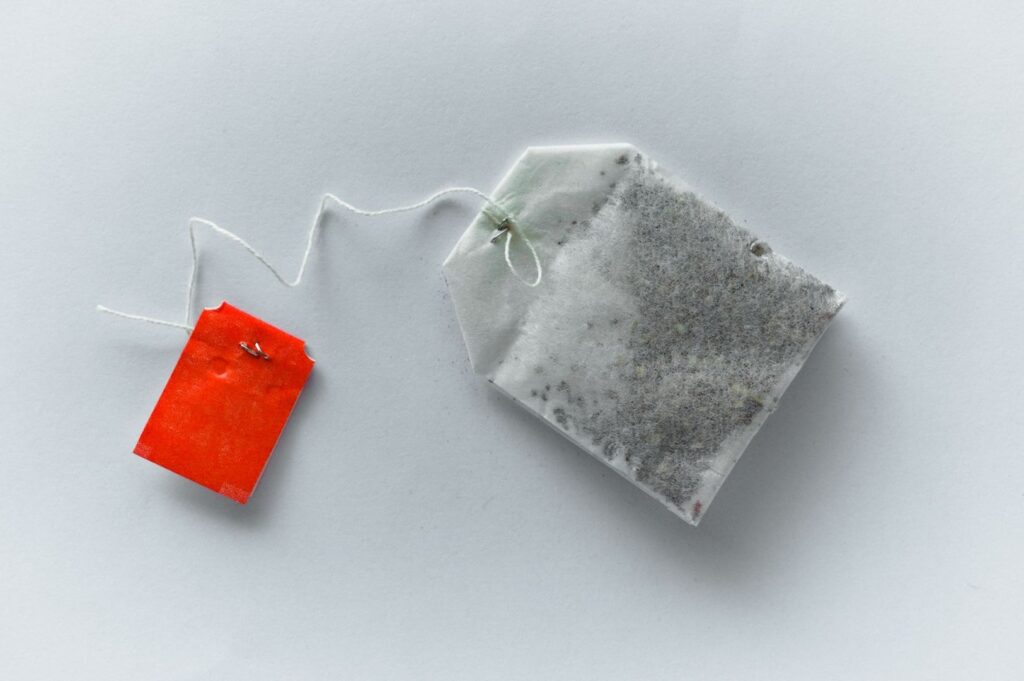
To open a standard teabag is to encounter a reality that is often hidden behind paper and string: dust, fannings, and broken particles. These fragmented remnants release their flavour instantly, resulting in a brew that is often one-dimensional and prone to bitterness. In contrast, loose leaf tea retains the integrity of the leaf, preserving the essential oils and complex compounds that define the unique taste of premium teas.
When you place whole leaves in water, a visual poetry begins. A tightly rolled oolong unfurls into large, bruised emerald fronds; silvery tips of white tea dance vertically in the glass; the dark twist of black tea expands to reveal the reddish edges of oxidation. The colour of the brew deepens gradually, promising a texture that is rich and coating. This is the beauty that teabags conceal.
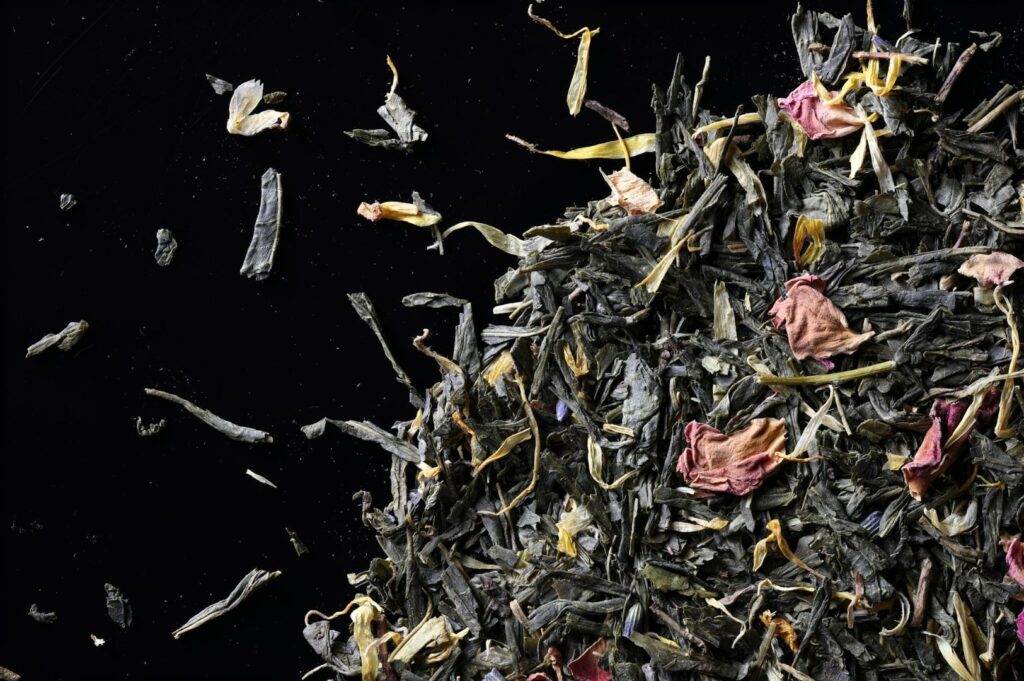
Consider the vast spectrum of varieties available when one steps away from the limited selection of most grocery stores. From the verdant, grassy notes of steamed green tea to the complex, wood-fire depths of chinese tea traditions, the world of loose leaf is boundless. Even scented teas elevate the experience, where whole jasmine flowers are layered with tea leaves to impart fragrance naturally, rather than relying on oils. Herbal teas cease to be dusty sachets and become vibrant mosaics of dried fruits, whole herbs, and petals.
Even matcha, the celebrated powdered tea of Japan, demands a premium grade to be whisked into a froth rather than merely stirred. When we rely on pre-bagged convenience, we deny ourselves the full expression of the plant. We miss the aromatic journey that begins the moment the hot water meets the leaf.
Why Premium Teas Command a Higher Price: The Economics of Excellence
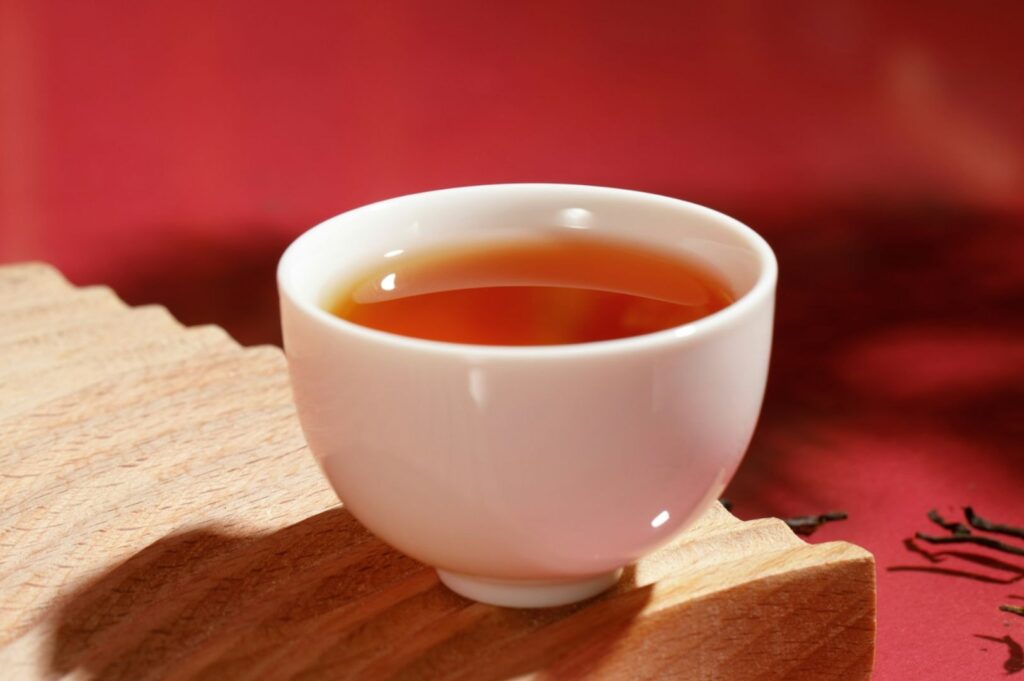
It is natural for tea enthusiasts to pause at the price tag of a rare harvest. The cost can seem high compared to the commodity boxes lining supermarket shelves. However, higher price in the world of tea is rarely about being fancy; it is the direct result of the economics of excellence.
Authentic quality begins with sustainable farming practices and ethical sourcing. In the misty highlands of China, specifically regions like Bulang Mountain or Yiwu, tea leaves are often harvested from ancient trees that grow in biodiversity, not monoculture. These buds are hand picked, a labor-intensive process that ensures only the tenderest growth is selected. This human touch protects the leaf from damage, preserving the flavour integrity that machinery destroys.
When you purchase higher quality tea, you are ensuring that farmers receive fair compensation for their stewardship of the land. You are paying for packaging that protects freshness against light and air, rather than cheap paper that degrades quality. The higher cost reflects much higher quality across the entire supply chain, from the soil to your cup.
Furthermore, there is a perception that loose leaf is time consuming. We invite you to reframe this. Is the few minutes spent watching leaves dance in a pot a loss of time, or is it a gain of peace? Proper brewing is not an inconvenience; it is a micro-meditation that anchors us in the present.
Let us also consider the value proposition. While the upfront cost is higher, premium teas are remarkably efficient. Because the leaf is whole and rich in essential oils, it can be steeped multiple times. A few grams of specialty tea can yield three, four, or even ten infusions, dropping the cost per cup significantly. A cheap teabag offers one dark, bitter brew; a premium leaf offers a journey that evolves over an hour. When the aroma alone signals a difference in quality, the answer to “is premium tea worth it?” becomes clear. It is an investment in your own sensory joy.
Specialty Tea for Every Tea Drinker: Finding What Makes You Taste Good
Taste is a deeply personal preference. What sings to one palate may whisper to another. The joy of the loose leaf journey is finding what makes you, the tea drinker, feel that profound sense of satisfaction; finding what makes the moment taste good.
Perhaps you crave the delicate, hay-like sweetness of a silver needle white tea, or perhaps your mornings demand the robust, malted energy of a black tea. Maybe you are drawn to the mineral-rich, oceanic profile of a Japanese green or the floral complexity of a high-mountain oolong. Tea drinkers discover their preferences not by reading, but by tasting. This is why sample packs and tasting sessions are invaluable tools for exploration.
There is immense fun to be found in blends. Scented teas that marry high-quality leaves with honey notes or real flowers offer a bridge between tradition and playful indulgence. A wide selection allows you to build a personal tea collection that mirrors your moods.
Specialty tea also makes for exceptional gifts. Sharing a canister of good tea is sharing an experience, a reason to pause. For those concerned about budget, rest assured that loose leaf is an affordable luxury. You do not need to spend a fortune to start; there is a great choice of daily drinking teas that offer superior flavour at a reasonable price point. Good tea doesn’t mean you have to buy the rarest harvest; it simply means choosing a leaf that has been treated with respect.
For the health-conscious, organic options in the loose leaf market are abundant and trustworthy. At Tea Room by Ki-setsu, we see ourselves as guides in Singapore’s landscape, helping you navigate these choices. Even tea beginners can appreciate premium quality; it is not reserved for experts, but for anyone willing to pay attention.
Chinese Tea Leaves and the Art of Drinking Well
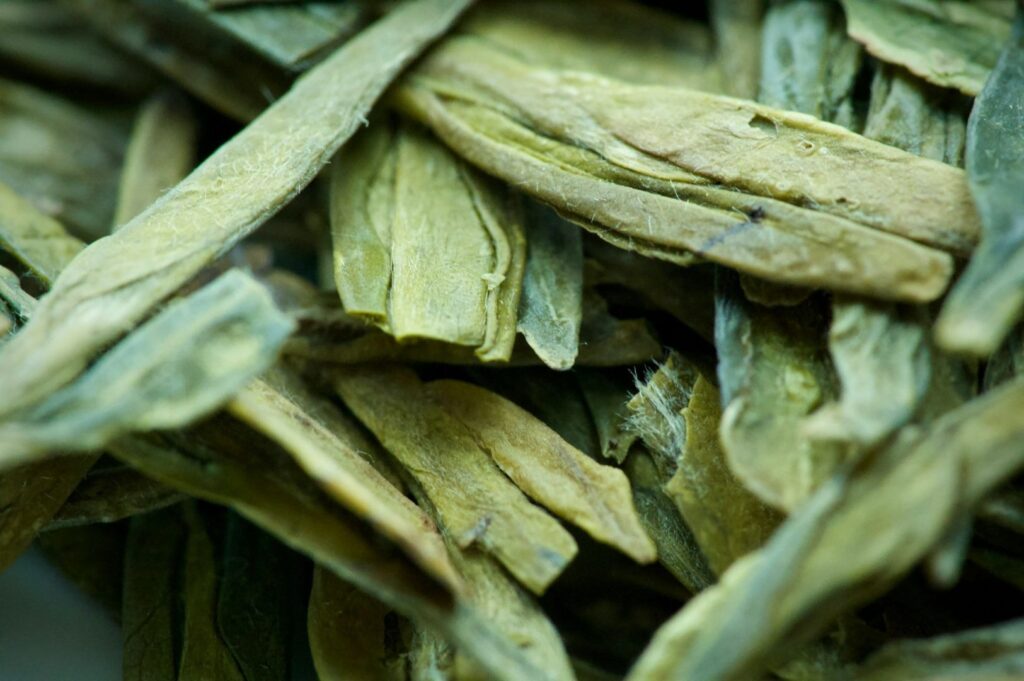
In the vast lexicon of tea, Chinese tea holds a position of deep reverence. Here, the leaf is not just an ingredient; it is a conduit for the terroir of China. Chinese tea masters process leaves with an artistry that borders on alchemy, manipulating oxidation and heat to express the very soul of the mountain.
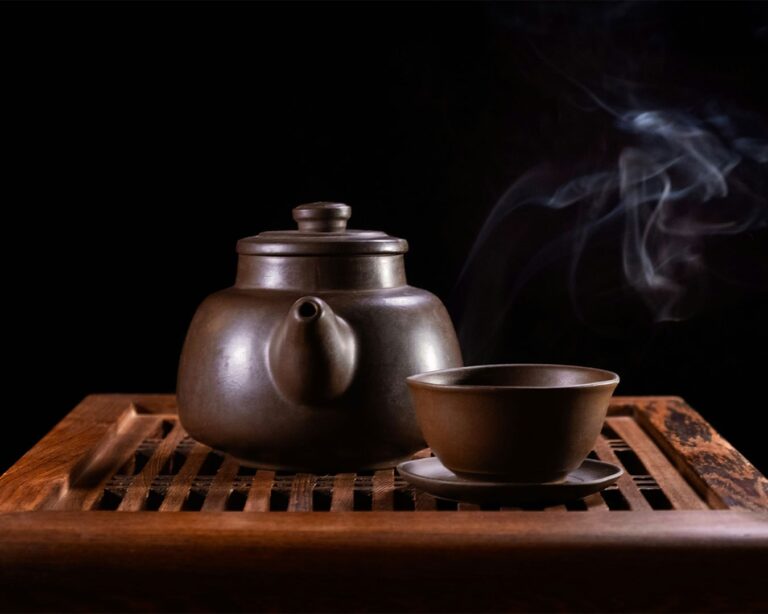
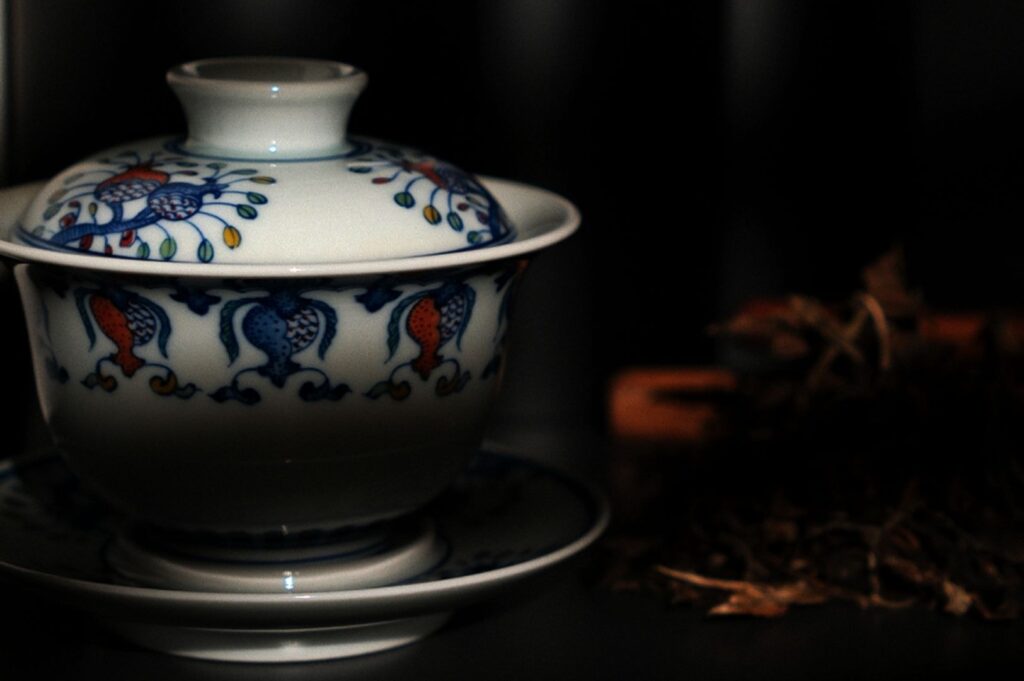
Drinking in this tradition is a ritual. It emphasizes the role of the vessel; the shape of the cup determines how the liquid hits the tongue, shaping the experience of each sip. This is why serious tea enthusiasts eventually invest in proper brewing equipment. It is not about accumulation, but about honouring the leaf.
To brew these teas properly is to engage in a dialogue. You manage the water temperature to avoid scalding; you control the steeping time to extract sweetness without astringency. With each of the multiple infusions, the colour of the liquor shifts, and the flavour evolves from the first sip to the last. You watch the tight pearls or twisted strips unfurl, releasing their essence into the water.
This practice connects modern tea drinkers to centuries of culture. It reminds us that the brand on the box matters far less than the quality of the leaf inside. At Tea Room by Ki-setsu, our curation focuses on this authenticity.
What You Miss When You Choose Cheap Tea
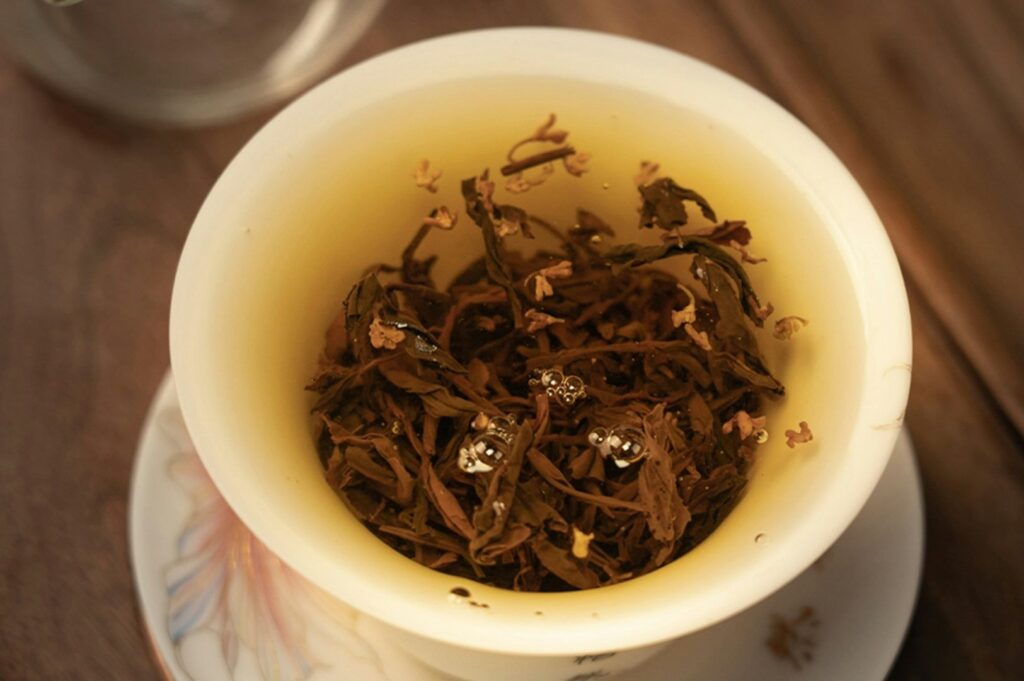
It is important to address the reality of cheap tea with empathy. In a busy world, convenience is a powerful currency. However, it is vital to understand the difference between tea as a commodity and tea as an art form. When you choose cheap tea, you often consume lower-grade leaf, stems, and dust; the byproducts of the industry rather than the prize.
Most grocery stores optimize for shelf life and uniformity, not taste. To achieve this, mass-produced teabags may rely on chemical additives or artificial flavourings to mimic the notes that nature provides freely in premium leaves. The true cost of this compromise is a diminished experience; a flat taste, a lack of aroma, and an absence of colour depth.
Furthermore, you miss the health benefits that come from the intact essential oils of whole leaves. You miss the connection to sustainable farming practices. It is not really about money; it is about what we choose to spend our attention on. Choosing quality tea is a form of accessible luxury, a daily refusal to settle for the mediocre. What do we value in our daily rituals if not the opportunity to experience something genuine?
Herbal Teas and Beyond: Expanding Your Loose Leaf Journey
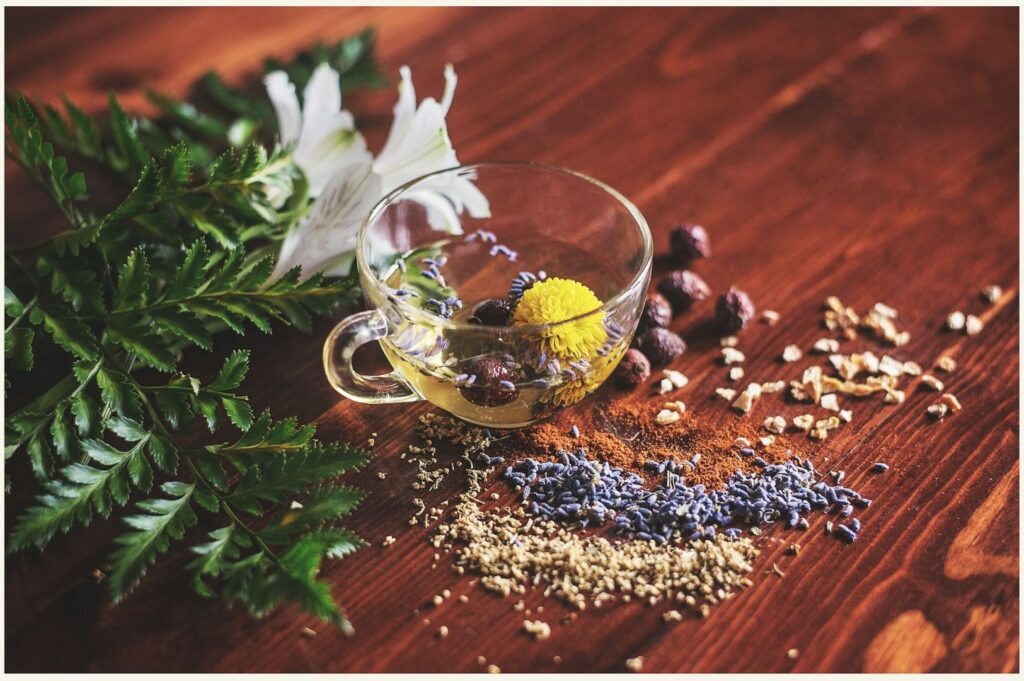
For many, herbal teas are the gateway to the loose leaf format. Free from caffeine, they offer a comforting embrace at any hour. Yet, here too, the difference in quality is stark. Whole chamomile flowers, large pieces of lemongrass, and dried whole fruits create a depth of flavour that dust cannot match.
Organic sourcing matters immensely here, as you are consuming the plant directly. The versatility of the loose leaf format means herbal teas can be sweet, rich, floral, or earthy depending on the ingredients. There is great creativity in blending your own herbs with tea leaves to create a custom brew.
Specialty tea shops sell loose leaf herbal options that are far superior to grocery store offerings. We encourage experimentation. There is no single “right” tea for everyone. Some tea lovers create seasonal collections, moving from warming roots in winter to bright citrus in summer. These blends make thoughtful gifts that show deep consideration. Even beyond traditional Camellia sinensis, the loose leaf format elevates the experience, ensuring that every brew you want to taste good actually does.
Closing: Begin Where Beauty Meets the Cup
We return to that quiet moment: the tea lover holding the tin, feeling the weight of the loose leaf tea. It is a small thing, perhaps, in the grand scheme of a life in Singapore. But in that tin lies a world of beauty; a connection to the earth, to history, and to the quiet rhythm of your own breath.
To choose quality is to choose to slow down. It is a declaration that your peace is worth the time it takes for a leaf to unfurl. We invite you to explore the curated selection at Tea Room by Ki-setsu, to find the leaves that speak to you. For those seeking to deepen their understanding on tea mastery, start your exploration with Tea Room by Ki-setsu.
In a world that rushes, the most radical act may be to simply sit, wait, and savour the transformation in your cup.