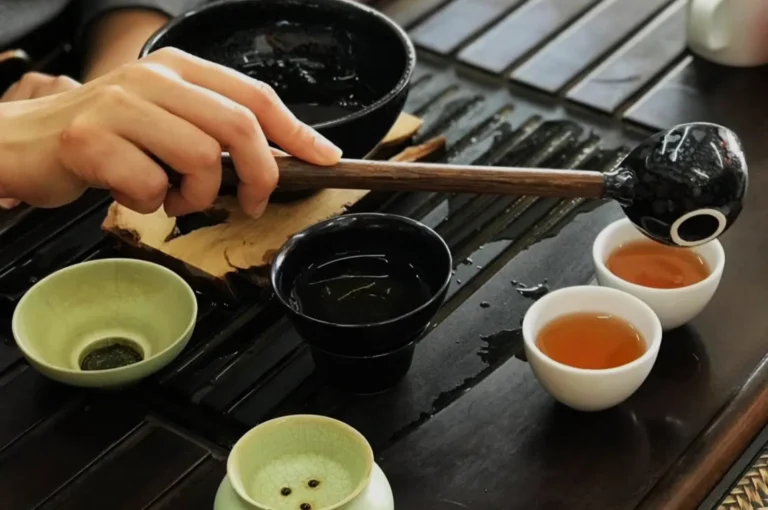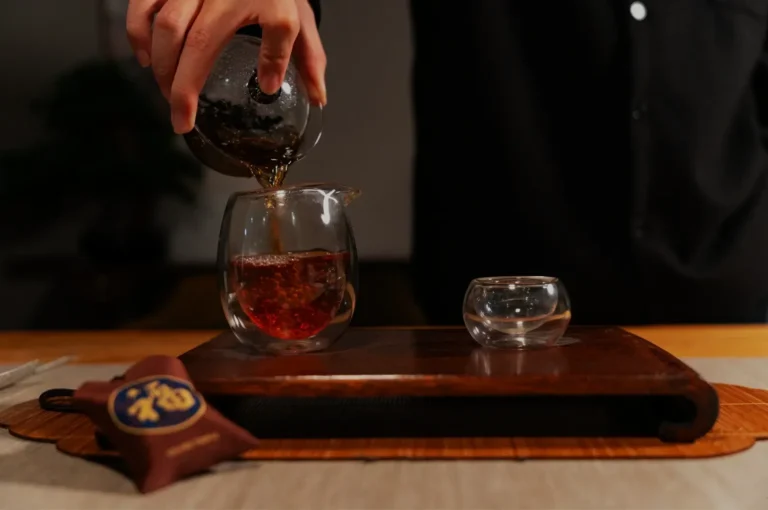
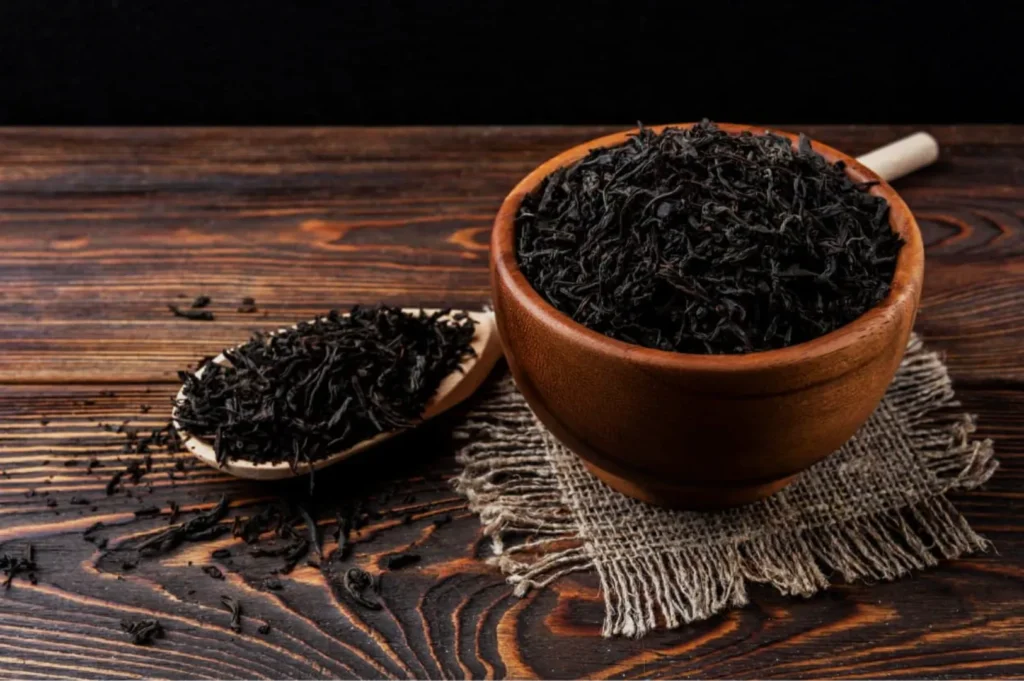
Rooibos often feels calm before it feels flavourful.
That is part of its appeal. Even before the cup is fully described, it tends to arrive with warmth, softness, and very little internal friction. Unlike black tea, green tea, or oolong, rooibos is not made from Camellia sinensis, but from the South African plant Aspalathus linearis. That difference matters because rooibos is naturally caffeine-free, which already changes the mood in which many people receive it.
For readers who want the broader foundation first, this rooibos tea story offers the wider context. Here, the question is narrower: why does rooibos so often feel right in the evening, and why does that feeling go beyond the simple fact that caffeine is absent?
Caffeine-Free Matters, but It Is Not the Whole Answer
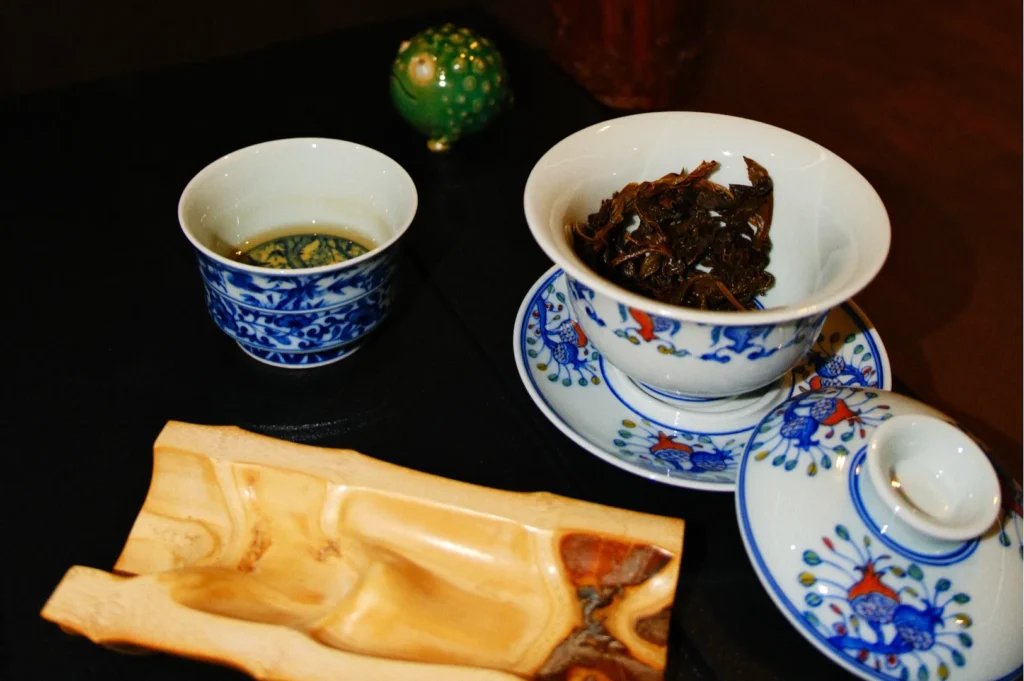
The absence of caffeine is the most obvious reason rooibos fits an evening ritual so easily.
Without stimulant lift, the cup does not ask the body to turn outward again. It does not sharpen the hour or reset the day into motion. That alone makes rooibos feel gentler at night than many true teas. Yet the calming quality of rooibos is not explained by caffeine alone. Plenty of caffeine-free drinks feel bland, flat, or purely functional. Rooibos does not. It still carries emotional texture.
Part of that comes from its naturally smooth, low-tannin character. The body of the infusion is usually broad and soft rather than brisk or gripping. The South African Rooibos Council reflects this in how rooibos is used across everyday and family settings, where it often appears not as a drink of stimulation, but as one of transition.
Rooibos feels calming not only because it leaves something out, but because it brings the right qualities in.
The Flavor Itself Moves in a Softer Register

Rooibos is often sweet in a dry, quiet way.
There may be honey, cedar, hay, warm earth, or a trace of spice. These are not flavours that usually arrive with urgency. They do not flash and disappear. They settle. Even the warmer notes in rooibos tend to feel rounded rather than energetic. This is one reason the cup often works so naturally later in the day. Its flavour profile does not compete with the hour.
That softness matters more than people sometimes realise. A drink can be caffeine-free and still feel bright, citric, sharp, or mentally activating. Rooibos often does the opposite. It creates a sense of inwardness. The cup seems to lower the volume around it.
Its calm lies partly in the fact that nothing about it is trying to hurry the drinker.
Evening Ritual Is Also About Pace
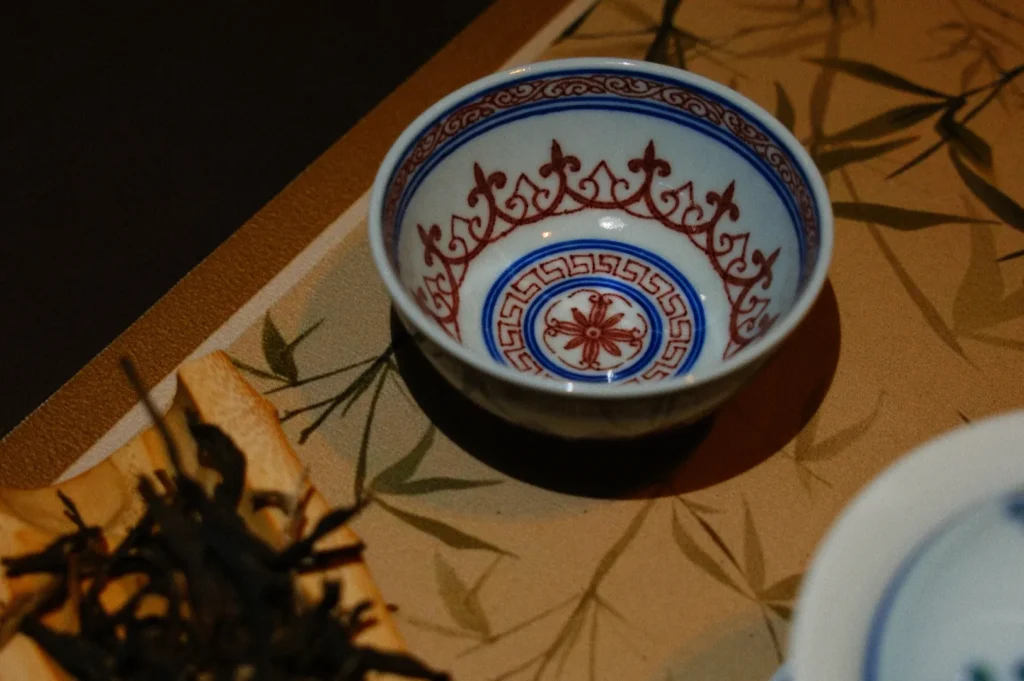
A ritual is not just a beverage choice. It is a structure.
Evening rituals work because they tell the body that one part of the day is ending and another is beginning. Rooibos suits this beautifully because it adapts to slowness. It can be brewed plain, taken with a little milk, softened with honey, or simply left to steep into a fuller warmth without becoming demanding. It does not punish a slightly longer pause.
This is one reason rooibos appears so often in articles and recipes built around winding down. In a recent family-focused piece, the South African Rooibos Council places rooibos inside end-of-day routines that create predictability, quiet, and connection. Even without adopting that exact model, the underlying point is useful: the tea fits the hour because it supports a slower sequence rather than interrupting it.
Warmth Changes the Feeling of the Hour

Not every calming drink is actually warm in feeling.
Rooibos usually is. Even when served plain, it tends to carry a kind of low, steady warmth that feels more settling than bright. This is different from the sharper warmth of spice-heavy infusions or the alerting warmth of black tea. Rooibos warmth is gentler and more structural. It does not announce itself. It gathers.
At Tea Room by Ki-setsu, rooibos is especially interesting as a knowledge subject because its emotional effect is so bound to simple sensory behaviour. Warmth, softness, low bitterness, broad finish. None of these is dramatic on its own. Together, they make the cup feel reassuring.
Calm often comes less from one ingredient than from how the whole cup behaves.
Why Rooibos Feels Different from “Relaxing” Teas That Try Too Hard
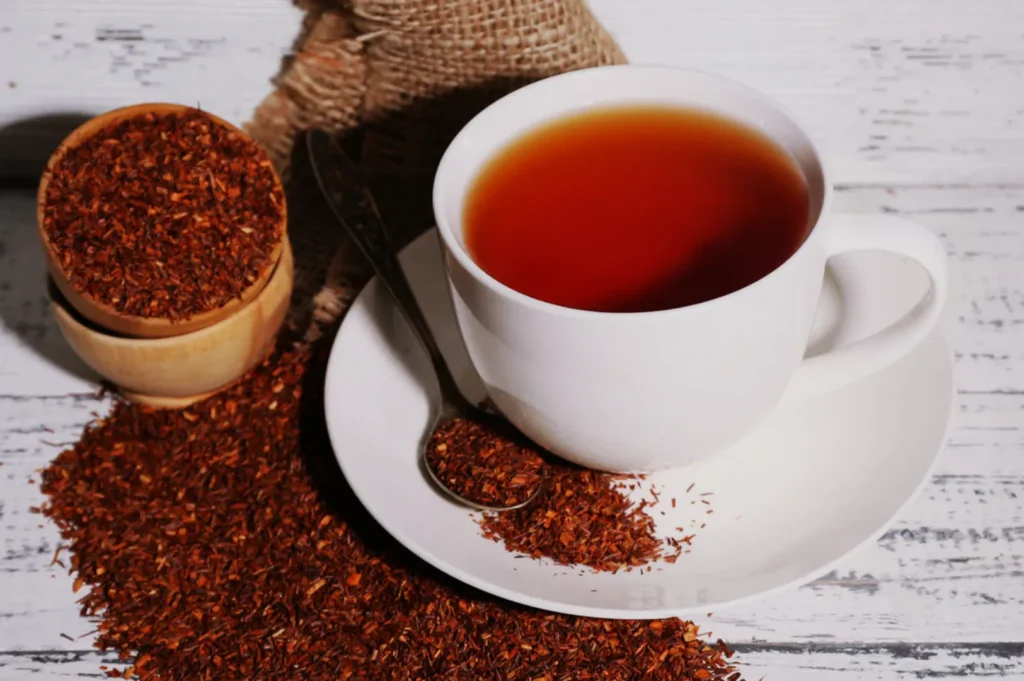
Some evening infusions signal calm very aggressively.
They rely on perfume, sweetness, strong mint, or overtly soothing language. Rooibos usually does not need that. It tends to feel quieter and more believable because the calm comes through texture and pacing rather than through a performance of relaxation.
This is part of why rooibos can suit different kinds of evenings. It works for solitude. It works for reading. It works for a final conversation. It works as a gentle close to the table. The cup does not impose one emotional script. It simply makes stillness easier.
The broader rooibos cultural background also helps here. Rooibos has long been part of ordinary life, not only wellness rhetoric. That everyday quality gives it a kind of trustworthiness. It feels lived with.
A Better Way to Think About Rooibos at Night
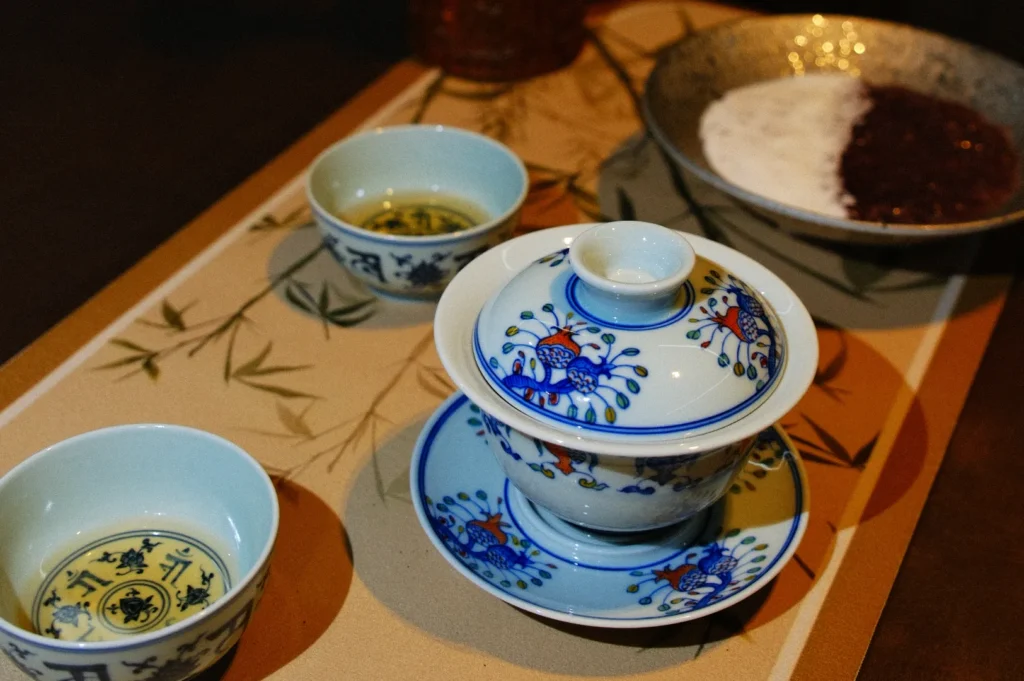
It may be more useful to think of rooibos not as a “sleep tea,” but as a tea of transition.
That distinction matters. The cup does not need to promise anything medical to become meaningful. It only needs to create the right kind of atmosphere. Rooibos does this by reducing friction. The body does not brace against bitterness. The mind is not pulled into stimulation. The palate is left with warmth instead of urgency.
This is why rooibos often belongs so naturally to the hour after work, after dinner, or just before the day begins to thin into quiet. It marks a change in tempo without making the ritual feel ceremonial or forced.
Rooibos is often calming because it makes slowing down feel natural rather than aspirational.
Let the Ritual Stay Simple
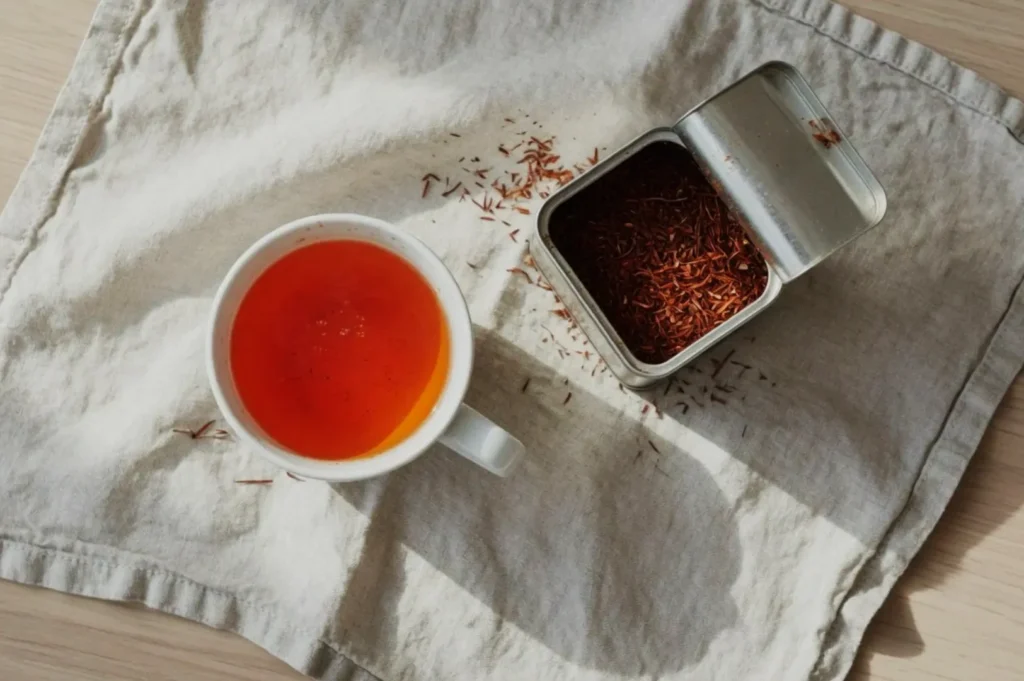
A good evening rooibos ritual does not need much.
A kettle. A mug. Enough time to let the infusion steep properly. Perhaps milk, if softness is wanted. Perhaps honey, if warmth is wanted. Or nothing at all, if the rooibos already feels complete. The point is not to build a performance around calm. The point is to let the cup carry some of the work.
Rooibos suits that simplicity unusually well. It does not require the drinker to decipher it before it becomes comforting. It is often enough just to sit with it, and let the day begin to loosen its grip.