Longjing looks simple in the cup, but it is not a simple tea to make.
Its calm surface can be misleading. A fine Dragon Well feels effortless only because so much care has gone into giving it that ease. The sweetness, chestnut warmth, flat leaf shape, and clean finish are not accidents of origin alone. They are built through handling, heat, timing, and a series of decisions that ask for judgment more than force.
For readers who want the broader foundation first, our dragon well tea guide offers the wider context. Here, the focus is narrower: how Longjing becomes Longjing through pan-firing, shaping and the kind of craft that leaves a very visible mark on the leaf.
Longjing Begins as Green Tea, but Not Every Green Tea Begins Like Longjing
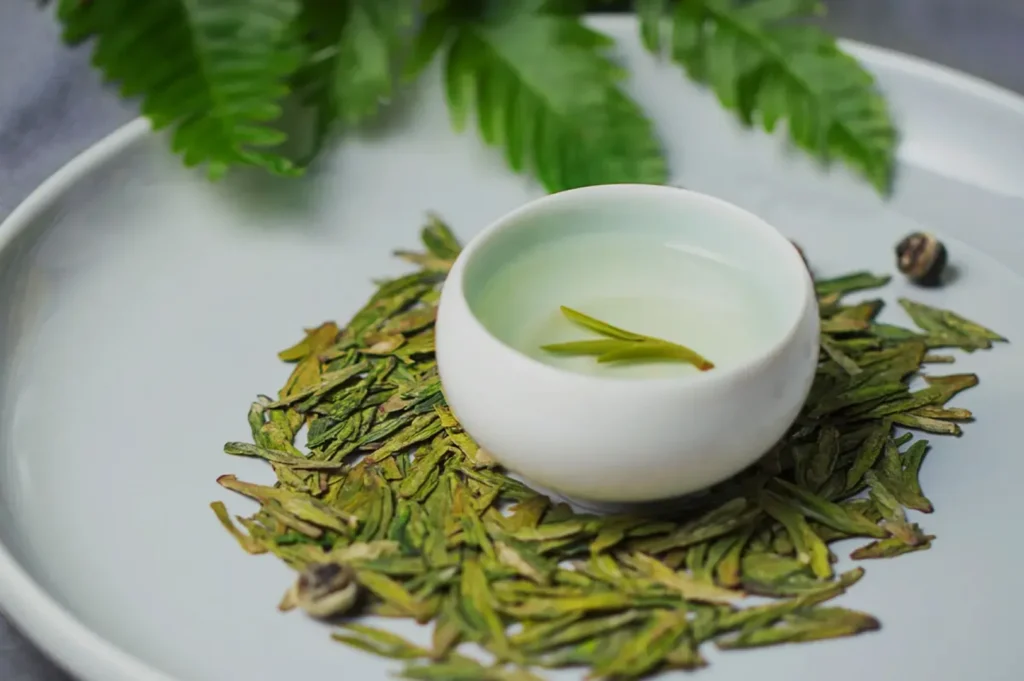
Longjing belongs to the green tea family, which means the leaf is kept from full oxidation. But green tea is not one process. Some green teas are steamed. Some are baked. Longjing is known for being pan-roasted, and that choice changes almost everything about how the finished tea behaves.
Where steaming tends to preserve a greener, more marine brightness, pan-firing gives Longjing its warmer register. It is part of why the tea can suggest chestnut, bean, and a dry, quiet sweetness rather than the sharper edge some drinkers expect from green tea. The method does not only preserve the leaf. It shapes its personality.
Longjing is not simply green tea from Hangzhou. It is green tea made through a very particular kind of heat.
Picking Matters Before Firing Ever Begins
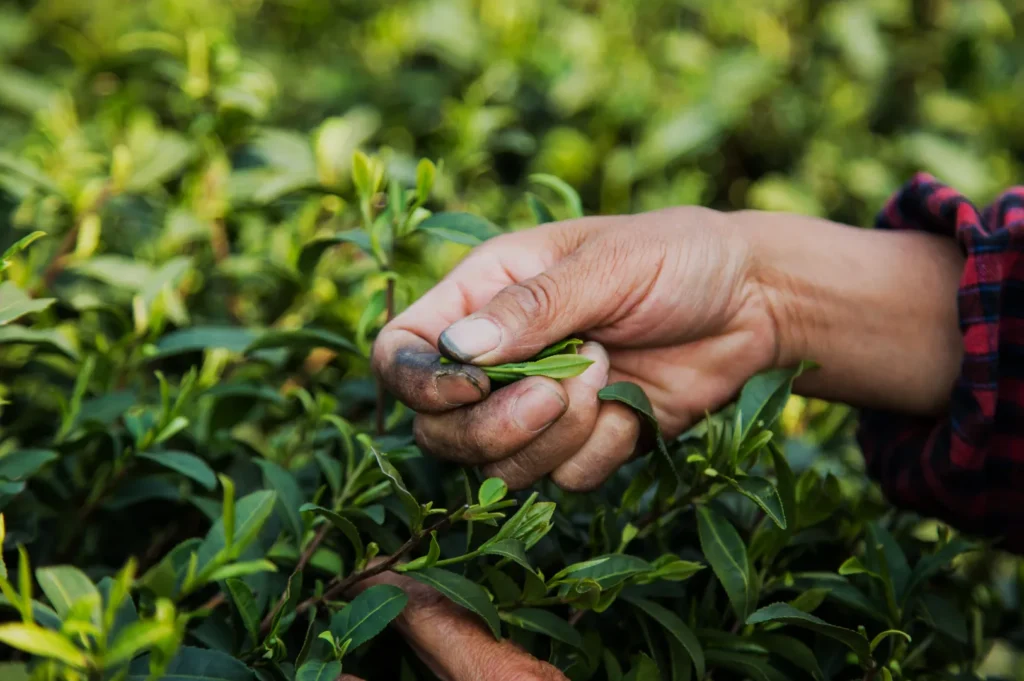
The craft does not begin at the wok. It begins at harvest.
Longjing is closely associated with early spring picking, especially the finer lots gathered before or around the Qingming period. Younger shoots tend to give a more refined cup, more delicate texture, and a more graceful visual finish once shaped. Even before the tea is made, the maker is already deciding what kind of Longjing the leaf might become.
This matters because the craft of Dragon Well is never only about processing skill. The leaf itself has to be worth the effort. A rougher pluck can still produce drinkable tea, but it rarely produces the kind of poise people associate with finer Longjing.
Pan-Firing Stops Oxidation and Starts Character
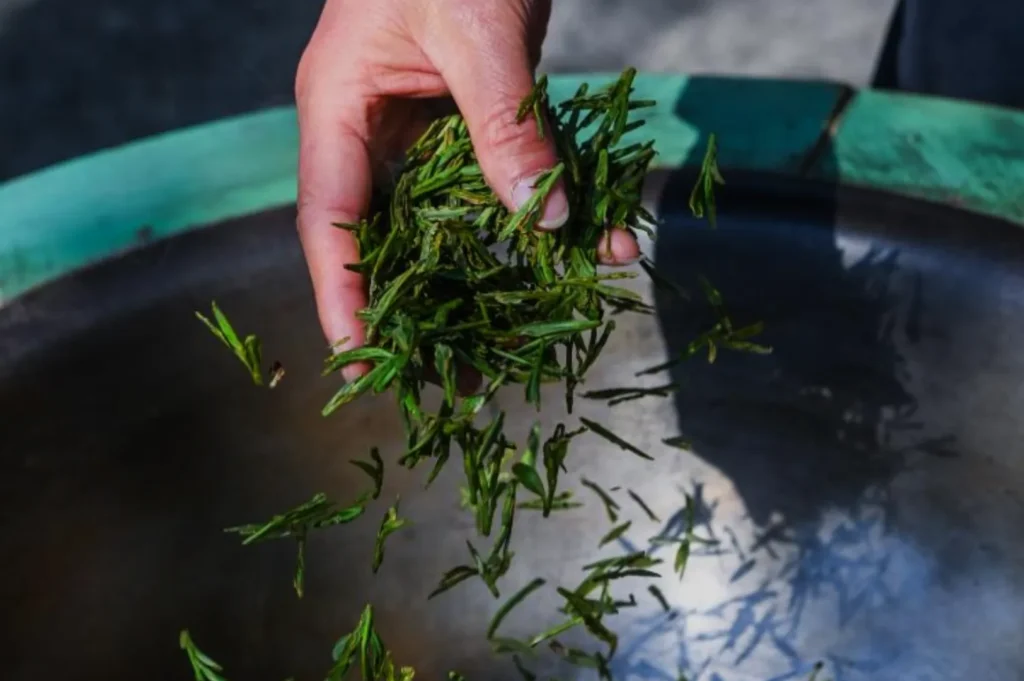
In Longjing, pan-firing is not only a preservation step. It is where the tea begins to develop its own voice.
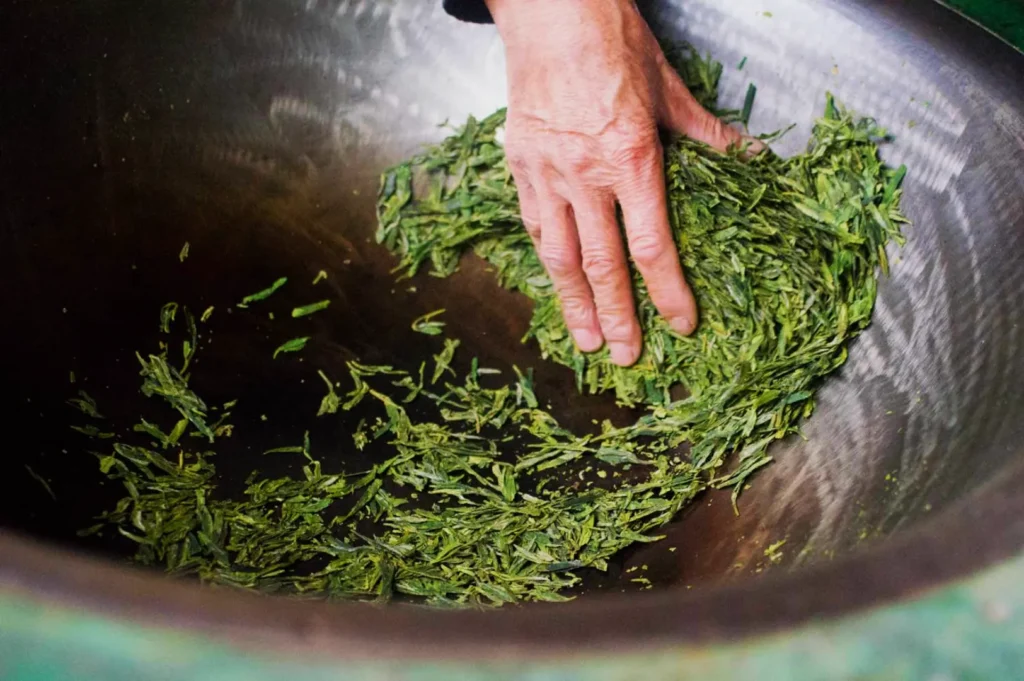
Freshly plucked leaves still carry moisture, softness, and the possibility of oxidation. Applying heat early stops that process and keeps the tea within the green tea family. But for Longjing, the pan is doing more than halting oxidation. It is drawing the leaf toward warmth, giving the cup its chestnut-like depth, and preparing the leaf to be shaped.
The difference between a tea that is merely heated and a tea that is properly pan-fired is not small. Heat that is too blunt can flatten the leaf’s sweetness. Heat that is too timid may leave the tea green in the wrong way. Longjing asks for accuracy.
The wok does not only fix the tea in place. It begins building the flavor people later mistake for natural simplicity.
Shaping Is Part of the Flavor
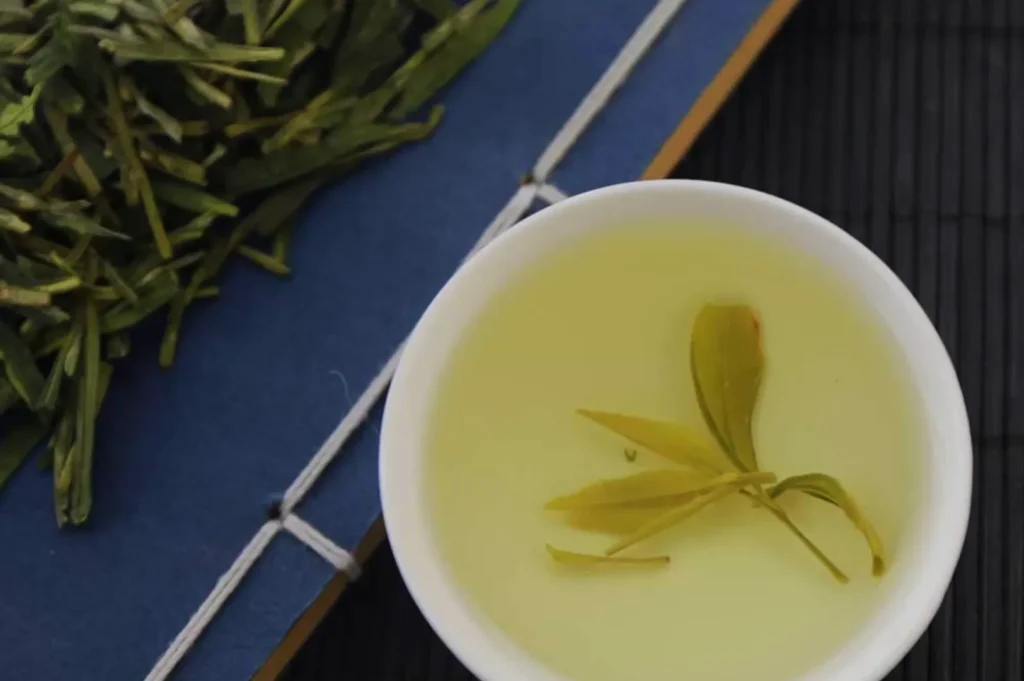
Longjing’s flat leaf shape is one of its most recognisable features, and it is also one of the easiest to underestimate.
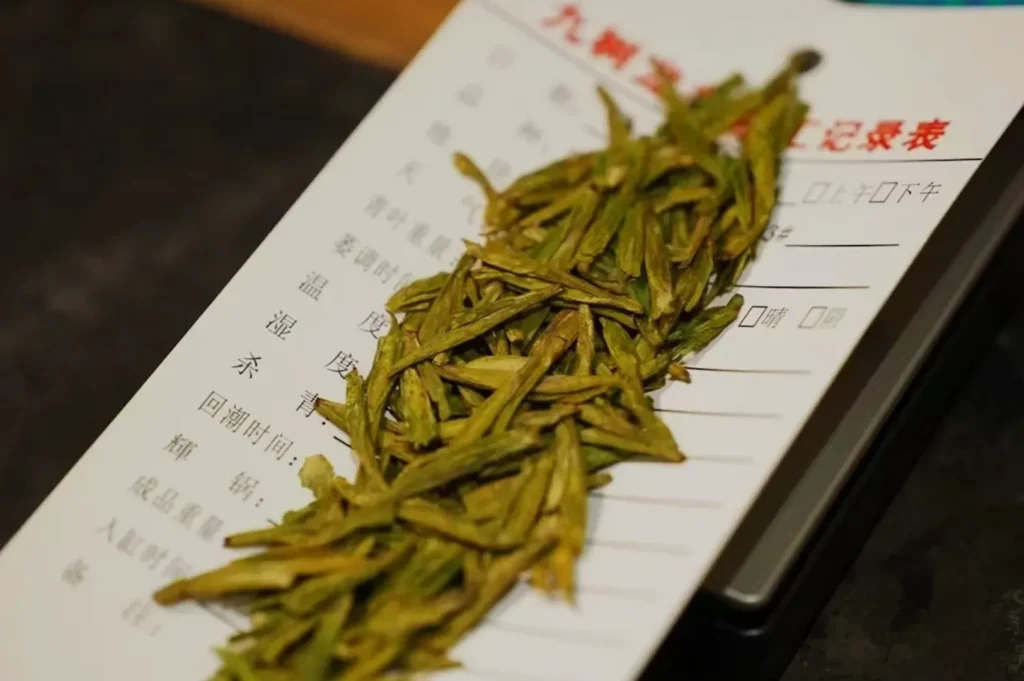
The shaping is done during firing, through repeated contact, pressure, and movement. This flattens the leaf into the elegant spear-like form many people associate with Dragon Well. But shape here is not decoration. It affects drying, aroma, and the way the leaf later opens in the vessel.
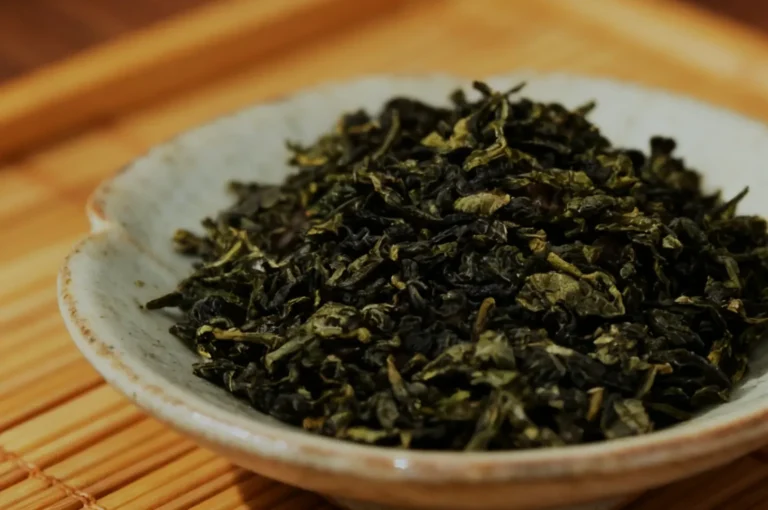
A properly shaped Longjing often looks calm before it is brewed. The dry leaf already carries a sense of control. That visual poise usually continues in the cup. A rougher shape often points to rougher handling, and rougher handling tends to echo later in the texture and finish.
In Longjing, the famous flat leaf is not just appearance. It is evidence of method.
Heat Must Be Repeated, Adjusted, and Felt
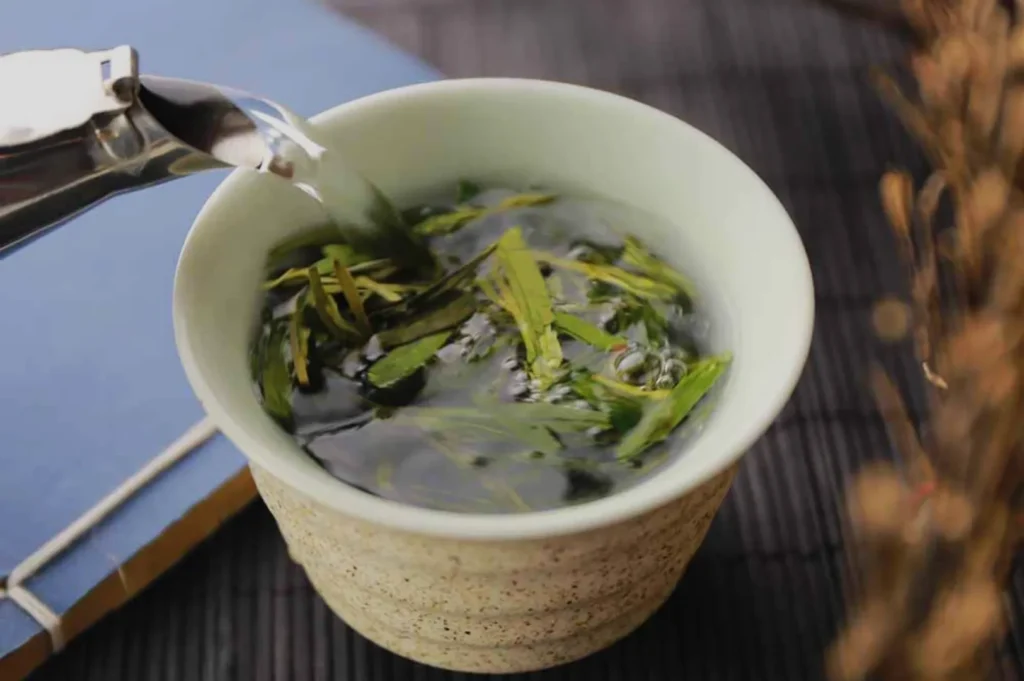
One of the reasons Longjing is hard to make well is that pan-firing is not a single moment.
It is a changing process. The leaf softens, dries, and reshapes over time, which means the maker’s touch and temperature judgment must shift with it. Early handling is not the same as later handling. The leaf asks for different pressure and movement as moisture leaves it.
This is one reason Dragon Well remains such a tea of hand and eye. Even when equipment is used in parts of production, the logic of the tea still comes from attentiveness. A tea like this does not forgive mechanical sameness very well. The maker must read what the leaf is becoming and respond before the cup ever exists.
Craft Shows Up as Restraint in the Cup
A fine Longjing rarely tastes dramatic.
That is precisely why its craftsmanship is easy to miss. The sweetness is quiet. The chestnut note is dry rather than heavy. The freshness stays clean. The finish does not collapse into harshness. None of this calls attention to itself loudly, but all of it depends on careful processing.
At Tea Room by Ki-setsu, this is one of the most interesting things about Longjing. The tea often appears modest, yet its modesty is constructed with remarkable precision. The maker is not pushing the tea toward spectacle. The maker is protecting its balance.
The finest Longjing often feels restrained not because less was done, but because more was done correctly.
Why Dragon Well Still Represents a Standard
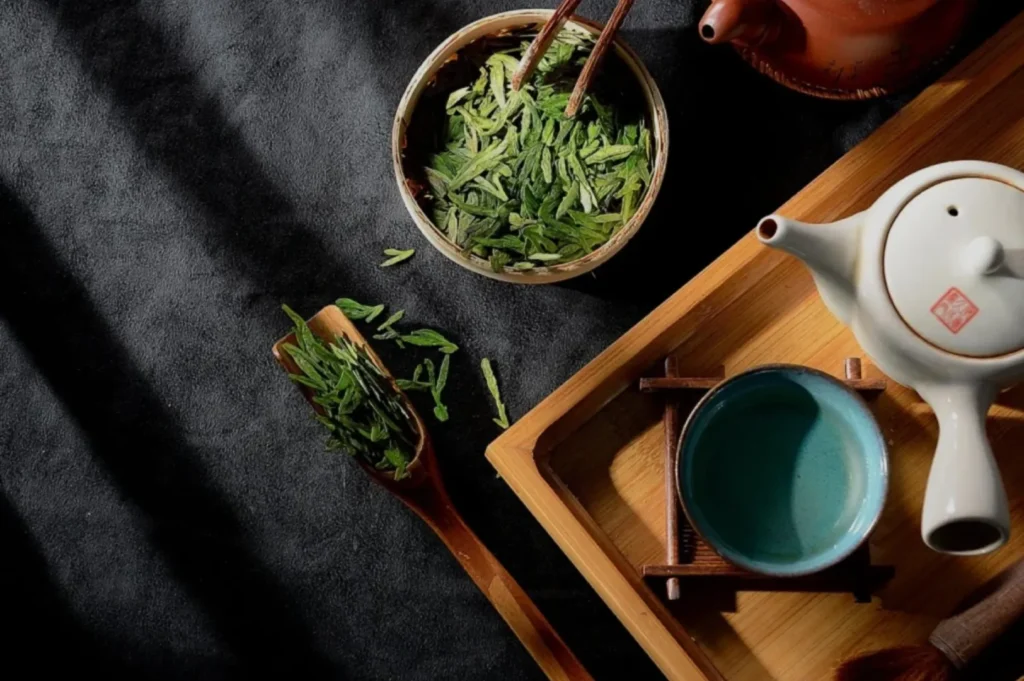
Longjing remains one of China’s most recognised green teas for many reasons, but one of the strongest is that its making is so visible in the finished leaf.
You can see the shaping. You can feel the pan-fire in the warmth of the cup. You can taste the difference between careful handling and generic imitation. This direct relationship between process and perception is part of what keeps Dragon Well so respected.
At Tea Room by Ki-setsu, Longjing is compelling because it shows how craft can make a tea feel quieter rather than louder. That may be the deepest lesson in its making. Good technique is not always there to intensify. Sometimes it is there to remove everything unnecessary until only clarity remains.