A good tea begins long before the first sip. It begins with the leaf. The water. The pause. And then, quietly, it can be undone by the wrong tea cups.
You may recognise the scene: premium tea leaves from a mountain in China, water heated with care, a patient infusion. Then the tea is poured into a thick mug from the cupboard. The aroma collapses before it reaches you. The temperature behaves strangely either staying harshly hot or falling flat too fast. The texture feels heavy. The moment loses its shape.
In chinese tea culture, the vessel is not an accessory. It is part of the method and the art of tea. Tea is designed to be noticed: its colour, its fragrance, its shifting taste from one pour to the next. When the cup is wrong, the tea can still be “drinkable,” but it won’t be fully itself.
At Tea Room by Ki-Setsu, we see teaware as a quiet partner in drinking tea. Here’s how the wrong cup interferes often in ways you can feel immediately, even if you can’t yet name why. Choosing the right cup is as important as any other transaction in the tea experience, ensuring the common practice of tea drinking reaches its full potential.
If you’d like to see how these details come together at the table, read what to expect when you sit down with a chinese tea set in a private tea ceremony.
Tea Cups and Materials: When the Vessel Changes the Taste
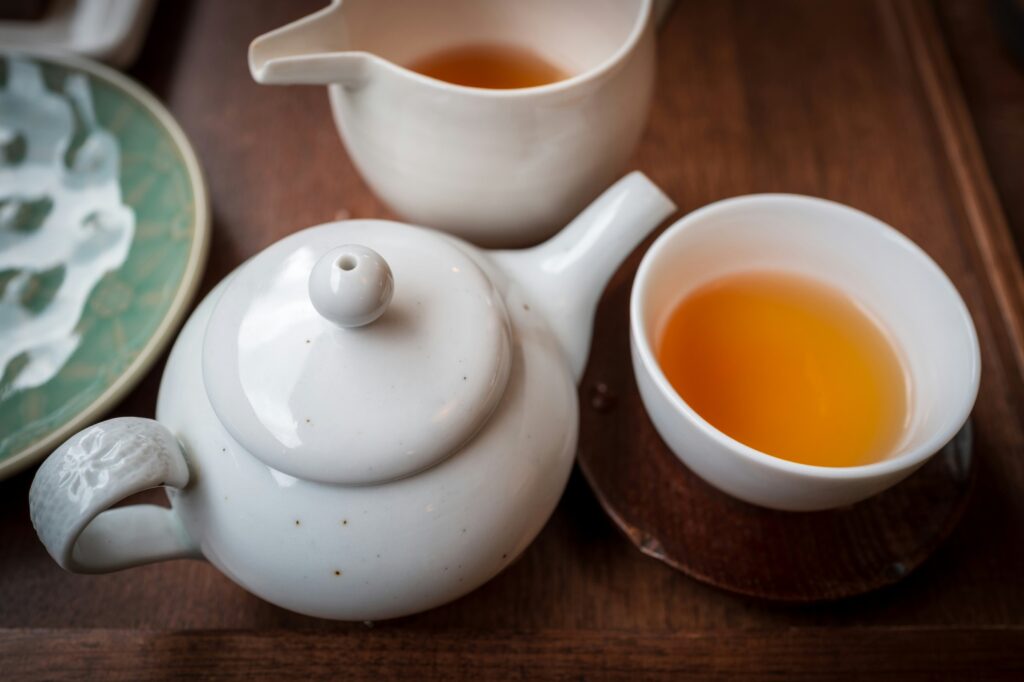
The first mistake is usually materials. Many people assume a cup is neutral. In practice, the surface of the cup (porcelain, clay, glass, cheap ceramic) changes how the brewed tea presents its aroma, body, and taste.
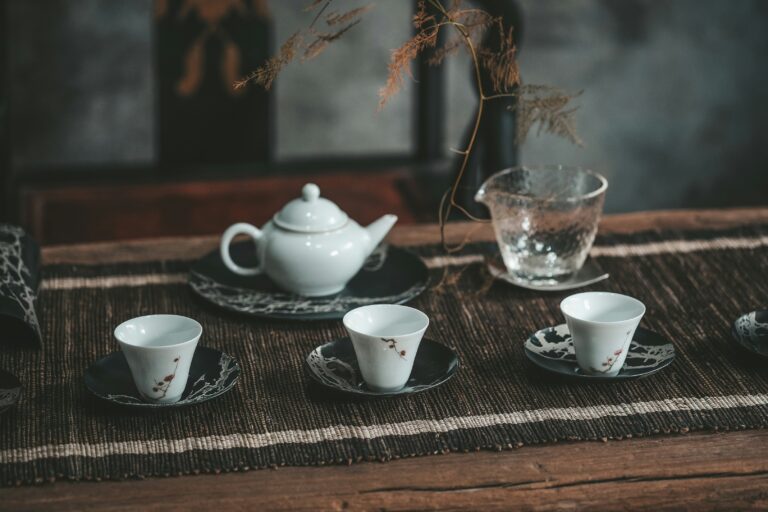
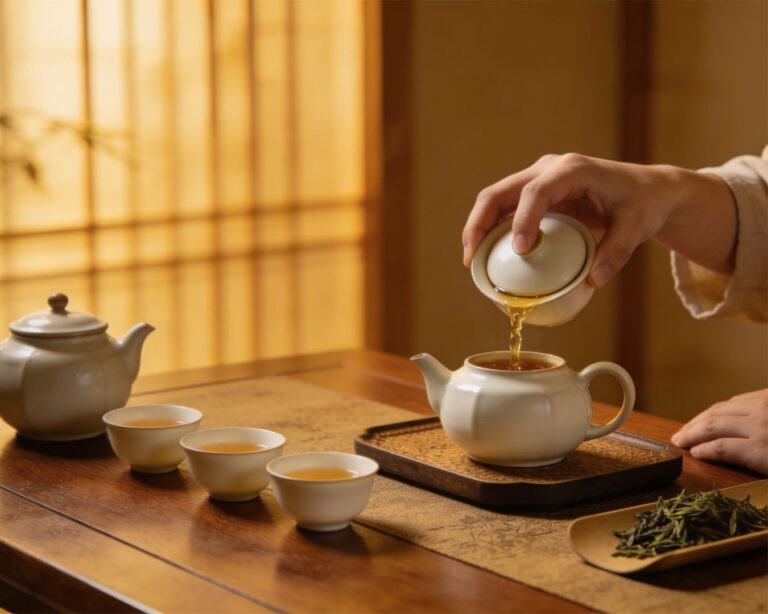
Porcelain is often the cleanest choice. Proper porcelain, fired at high temperatures, becomes dense and non-porous. It doesn’t hold yesterday’s tea. It doesn’t add a smell of its own. It simply reflects what the leaf offers. If your goal is clarity and a refreshing profile, porcelain is the quiet standard.
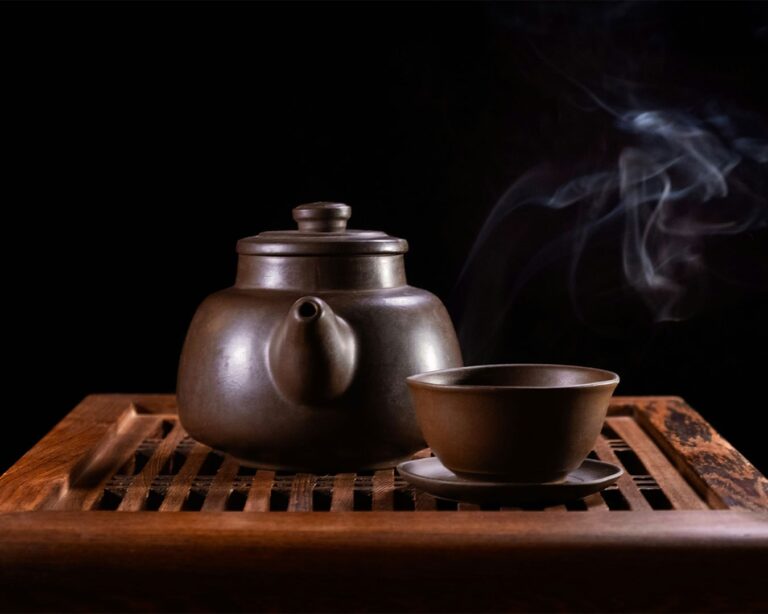
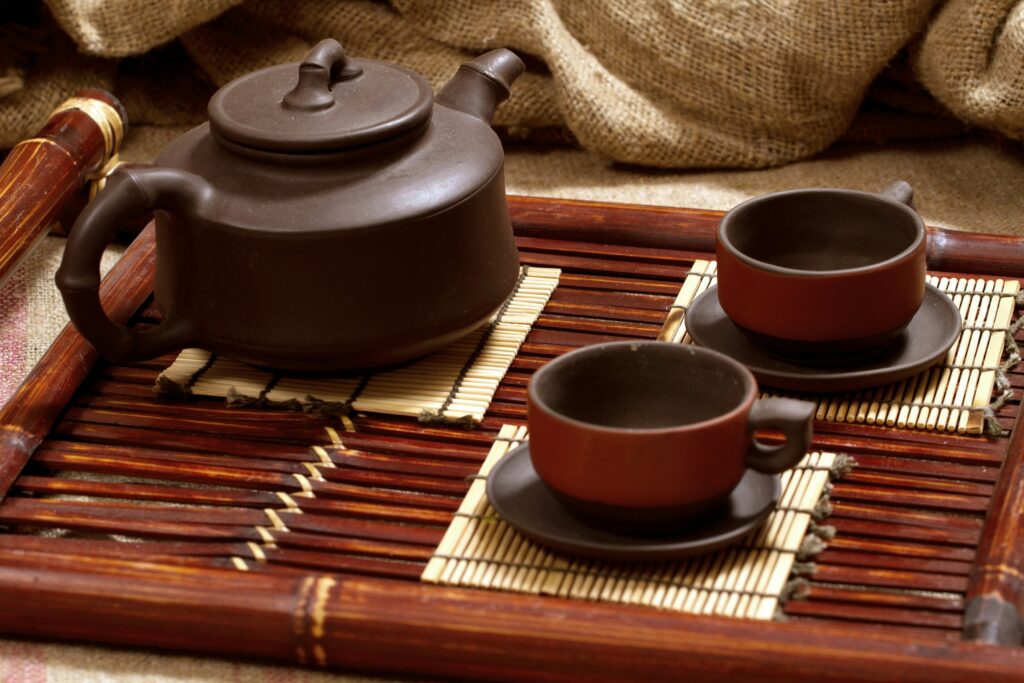
Unglazed clay is different. Clay can be excellent when it suits the tea. Because it’s porous, it interacts with the liquor and softens the edges of certain darker teas over time. But it can also blur the bright notes of delicate teas. Clay is a tool with a personality.
Glass is visually beautiful. Watching leaves open can be part of the enjoyment. But glass often sheds heat quickly, which changes the experience before you finish the cup especially if the tea needs warmth to hold its fragrance.
And then there are cheap, thick “everyday” mugs. Some low-grade ceramics and poorly glazed cups can give a flat, metallic impression. Others hold lingering smells from coffee or detergent. If your tea tastes oddly dull, the leaf may not be the problem. The cup often is.
Chinese Tea Culture and Temperature: The Cup Keeps Brewing the Tea
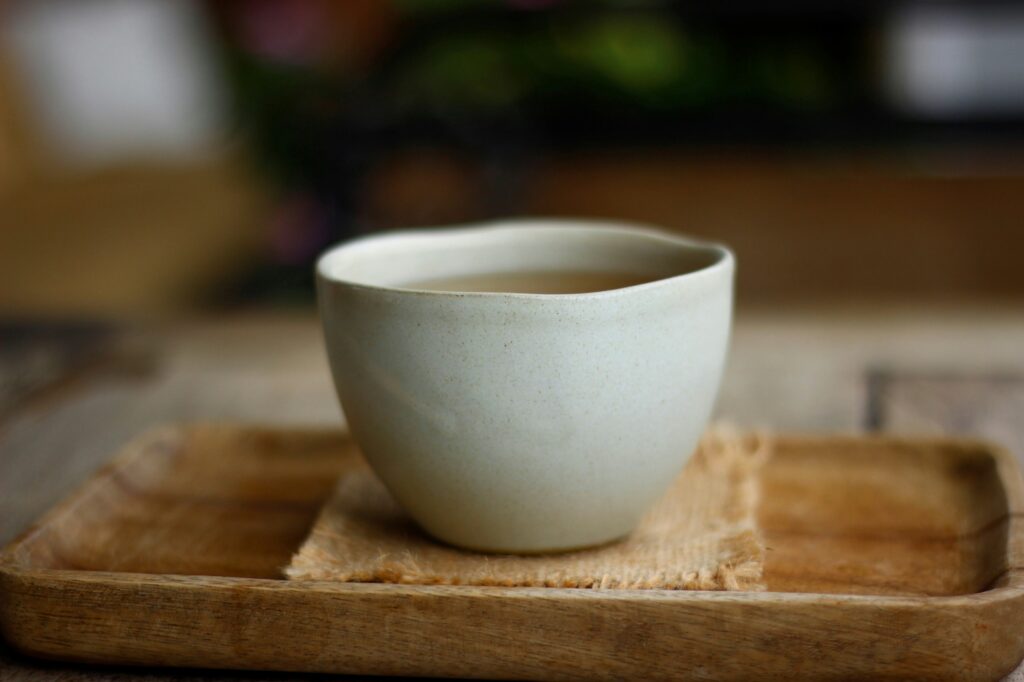
In chinese tea culture, brewing doesn’t “end” when tea leaves leave the pot. Temperature continues to shape the tea in the cup.
Thick mugs were made for convenience: to keep drinks hot for longer. That sounds good until you apply it to tea that is meant to be light, layered, and precise.
When tea is poured into a thick mug, the heat stays trapped. The tea continues extracting inside the cup. What was sweet becomes bitter. What was clean becomes heavy. This is how a beautiful tea is turned into a dark, overworked drink.
Traditional teacups are commonly thinner and smaller for a reason. Thin porcelain allows the tea to settle into a drinkable temperature quickly. That small shift matters. The tea stops “cooking.” You taste what was intended, not what was forced.
Even for darker teas, where warmth supports aroma, the goal is still balance: warm enough to carry fragrance, not so hot it overwhelms the palate. This is why Chinese tea is often served in small amounts, refreshed frequently, rather than poured into one large vessel and left to deteriorate over time.
Green Tea: Why the Wrong Cup Makes It Taste Flat
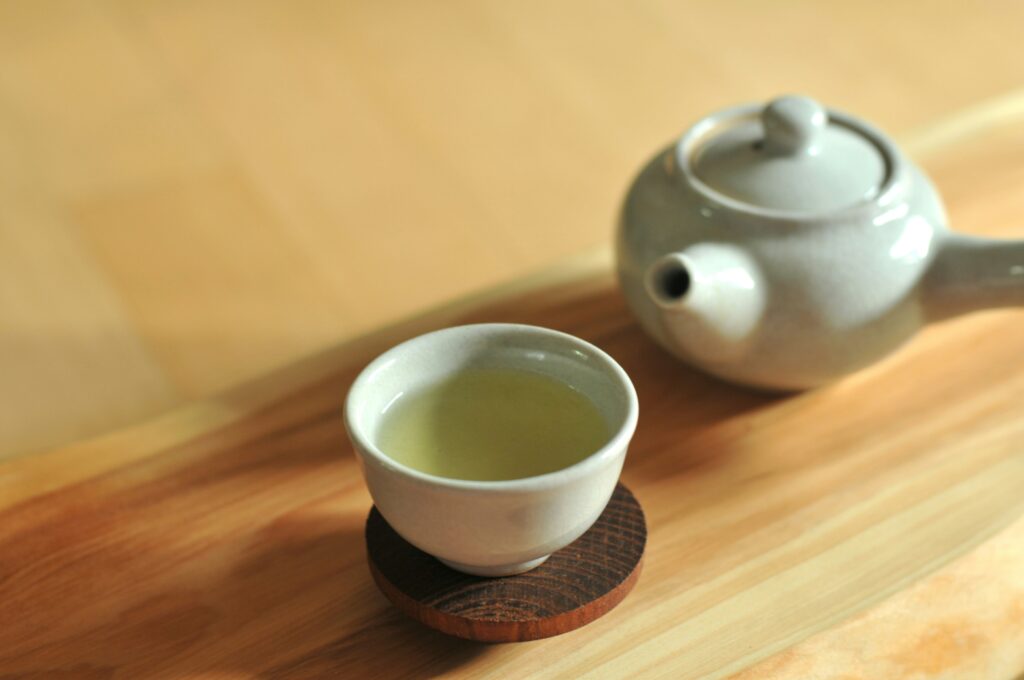
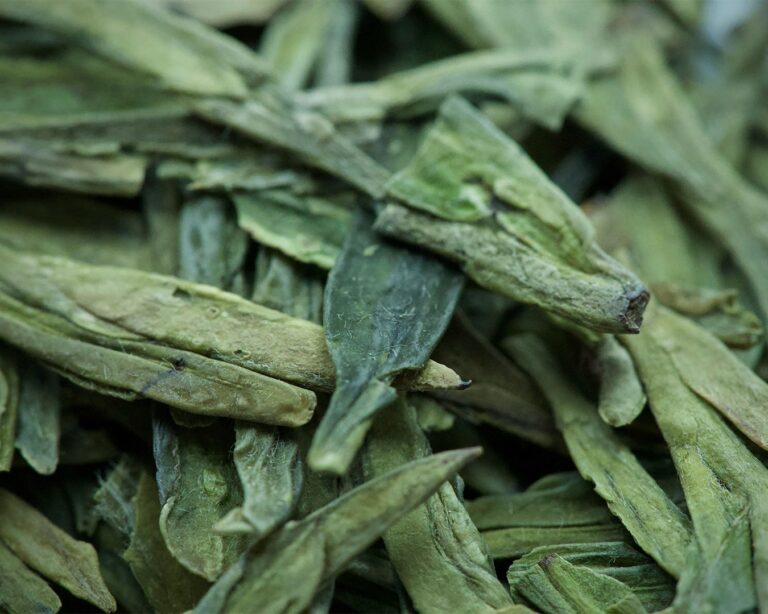
Green tea is honest. It tells you immediately when something is off. Its flavour lives in delicate parts: light sweetness, gentle vegetal notes, soft fragrance. It does not tolerate harsh heat, and it does not benefit from heavy cups that trap temperature.
The best way to respect green tea is to keep the presentation clean:
Porcelain cups with a light feel
A cup shape that releases steam quickly
A colour that lets you see the pale liquor clearly
A heavy mug can dull the tea’s freshness and make it taste more bitter than it should. A cup that is too large encourages slower drinking. By the time you reach the bottom, the tea has changed and lost its brightness. Green tea is meant to be tasted in the moment it arrives.
Oolong Tea: How Cup Shape Can Hide Aroma
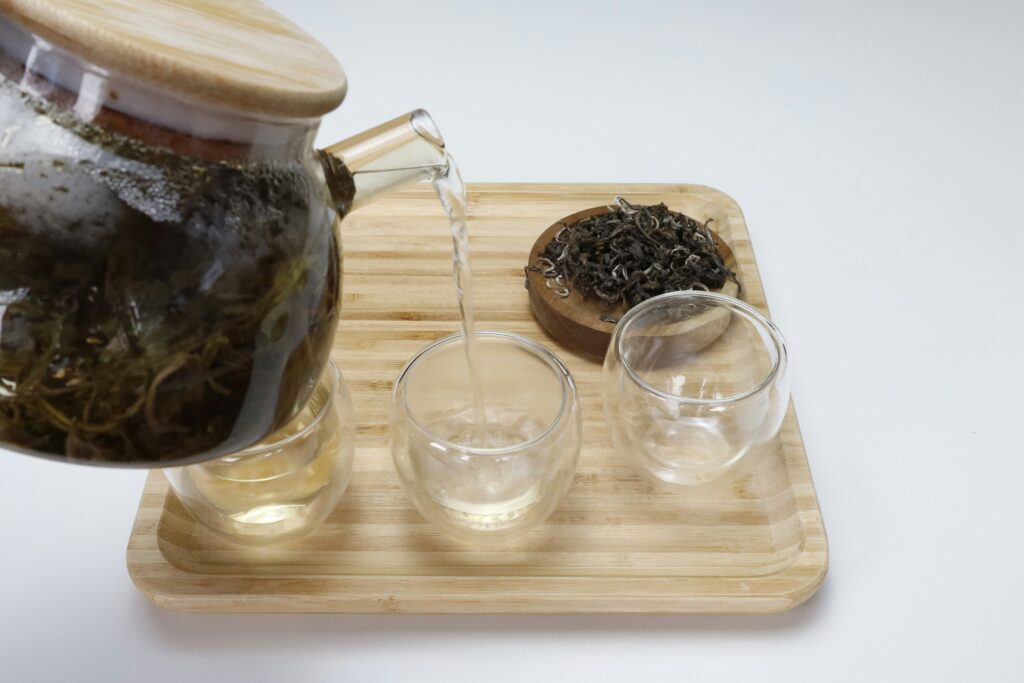
Oolong tea sits in a wide spectrum: from floral and lifted, to roasted and deep. That variety is exactly why the wrong cup can misrepresent it.
For highly aromatic oolongs, cup shape matters as much as material. A cup that is too wide can let aroma dissipate before you notice it. A cup that is too thick can keep the tea too hot, masking nuance. Many oolong teas also benefit from being served in smaller cups so the fragrance is concentrated and the sip stays lively.
Roasted oolong can pair well with slightly heavier porcelain or certain clay cups, depending on the roast and your preference. But the point is not to follow rigid rules—it’s to listen to how the tea behaves in your hand.
If the aroma disappears too quickly, or the tea feels oddly mute, it may not be the leaf. It may be the vessel’s form doing the wrong work.
Chinese Tea: Why Size and Form Are Part of the Method
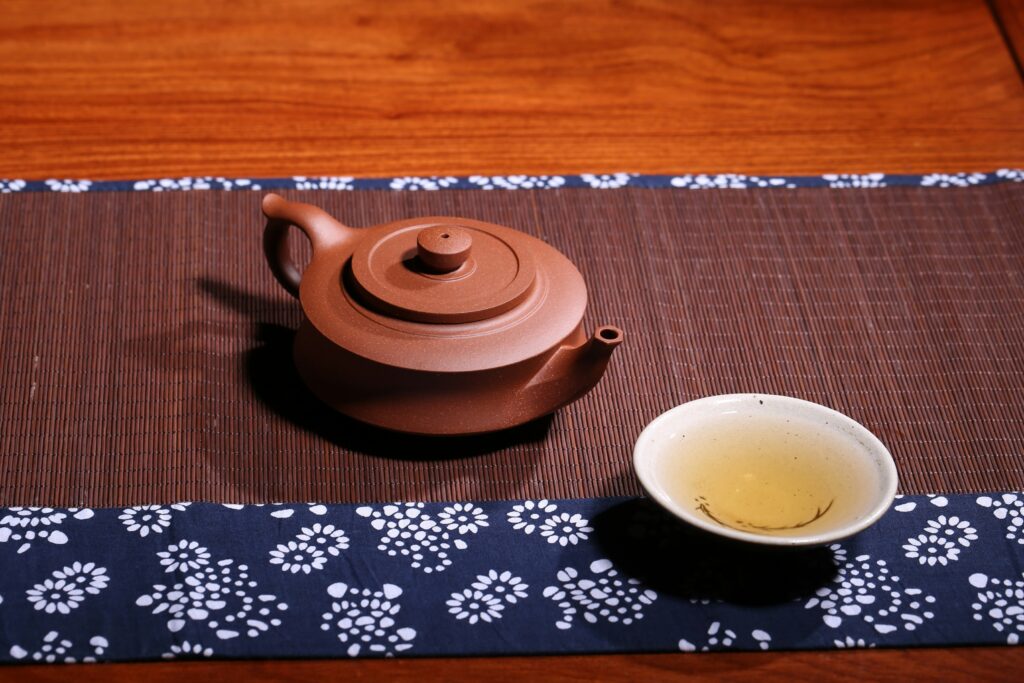
Western drinking habits favour volume while Chinese tea practice favours attention.
Small cups are preferred not because tea is scarce but because tea changes. A smaller cup means the tea is enjoyed at its peak: temperature, aroma, and taste aligned. It encourages a slower, more mindful pace without forcing it.
Form has functions:
A wider cup releases heat faster and can highlight sweetness
A narrower cup can hold aroma longer
A thin rim makes the sip smooth and unobtrusive
A thick rim turns the cup into a barrier you have to “work around”
Even the saucer has a purpose: it catches spills, creates stability and signals care in the setup. In a good tea session, the vessel disappears. Only the tea remains.
What to Notice in Your Hands
Tea is not only tasted. It is held. A cup should feel balanced in your hands. Comfortable. Quiet. A good cup supports the moment rather than distracting from it. The weight, the texture, the warmth moving through porcelain: these small cues shape the mind as much as the mouth.
You don’t need a complicated set to drink tea well. Start simple. Keep a few clean porcelain cups as your baseline: reliable, neutral, and suited to most teas. Then add pieces slowly, as you understand what you enjoy most.
This is how collections become personal: not by filling a cart, but by paying attention.
A Quiet Invitation
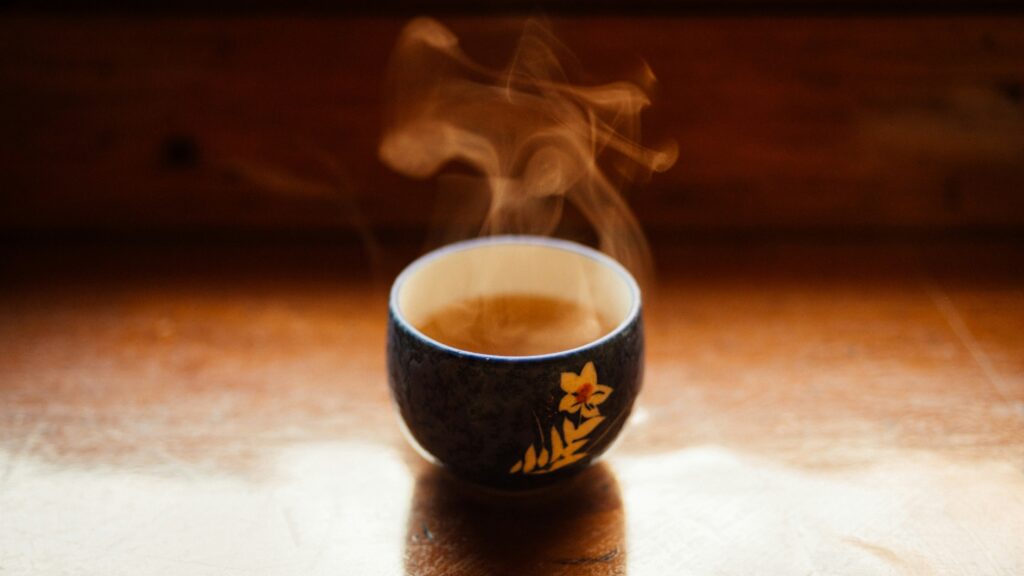
The difference between an ordinary cup and a deeply satisfying one is often in the smallest parts: the rim, the thickness, the material, the way heat settles. The wrong tea cups can flatten aroma, distort temperature, and mute the very beauty you paid for in the leaf.
At Tea Room by Ki-Setsu, we curate teaware the same way we curate tea: with restraint, clarity, and respect for craft. If you’d like to experience how a vessel changes a tea in real time, we welcome you into our private sanctuary. We host by reservation only, in small sessions, so each cup can be poured with attention.
Tea doesn’t need noise. It needs the right cup.