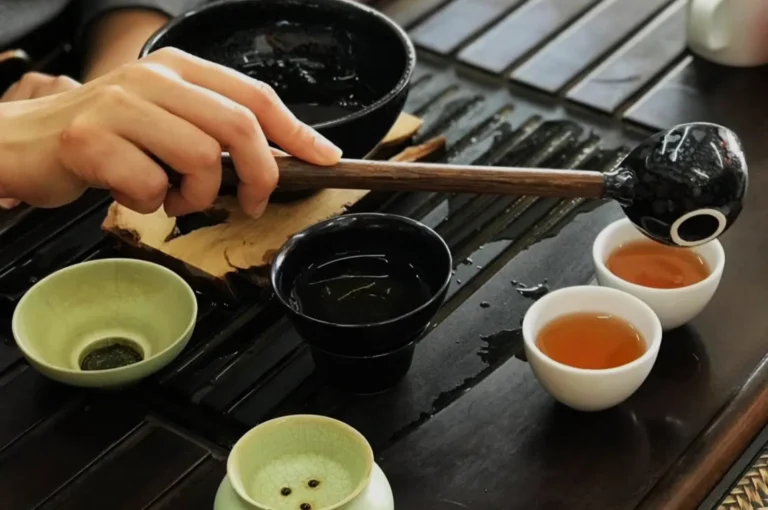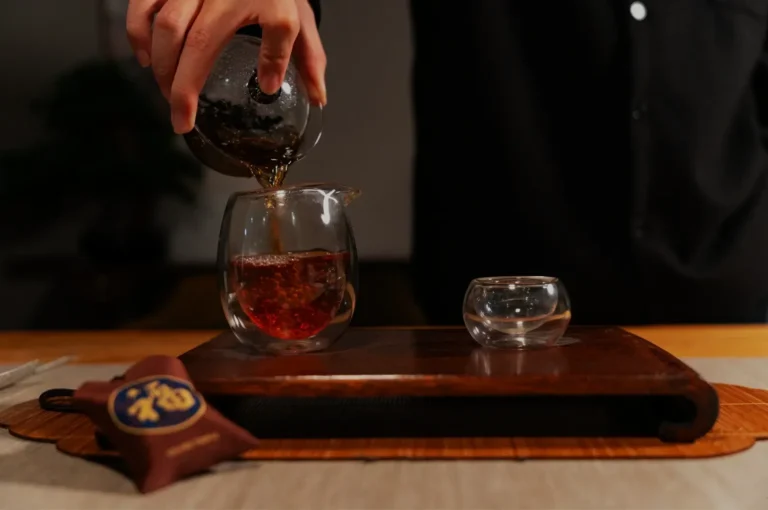
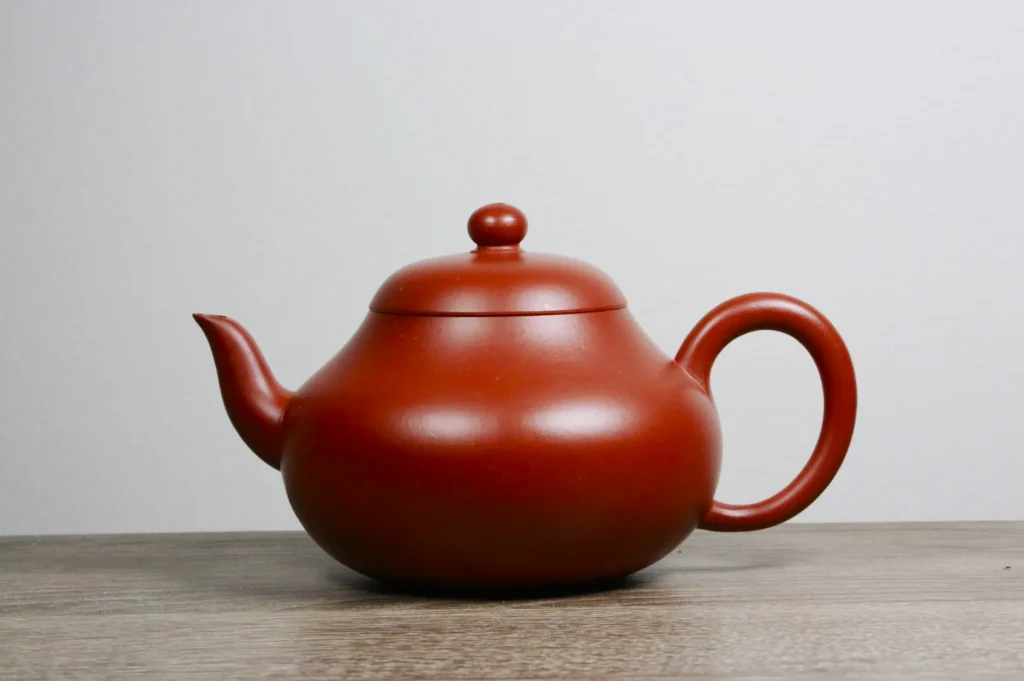
Beneath the mist-covered hills of Yixing in Jiangsu Province, a remarkable material lies hidden. In the quiet landscape around Dingshu Town, ancient mining sites hold the geological treasure known as Zi Sha (紫砂). When our ancestors first discovered this clay centuries ago, they found a raw material of surprising diversity. Its colour ranged from a deep brownish red to a dark liver color, and even a vibrant bright red, each shade determined by its unique iron content and mineral composition.
The Chinese characters for Zi Sha literally mean “purple sand” (紫砂), a poetic name for a humble material extracted from the earth. Little did those early potters know that this specific clay, a distinctive type of Yixing clay, would become the most prized and sought-after medium for brewing tea in Chinese culture, transforming a simple daily ritual into a profound art form cherished by tea lovers worldwide.
The Geology of Desire: How Zi Sha and Yixing Clay Form
The story of Zi Sha clay begins millions of years ago. The unique geological conditions of the Yixing region in China created this special material through millennia of sedimentary compression. Its specific mineral composition (a high content of iron oxide, quartz, and mica) is found nowhere else on earth. The particle size distribution of the sand within the clay is also unique, contributing to its famed porous structure.
Over immense spans of time, pressure and heat transformed layers of sediment into the various types of Zi Sha we know today. The different mineral ratios and the depth at which the original ore is found result in a beautiful range of clay produced. This geological lottery is why authentic Zi Sha can only come from this specific region. The clay’s natural porosity allows it to breathe, while its high iron content deeply influences both the firing process and the final colour of an exquisite Yixing teapot.
Three Dynasties, One Clay: The Rise of the Yixing Zisha Teapot
Song Dynasty Origins
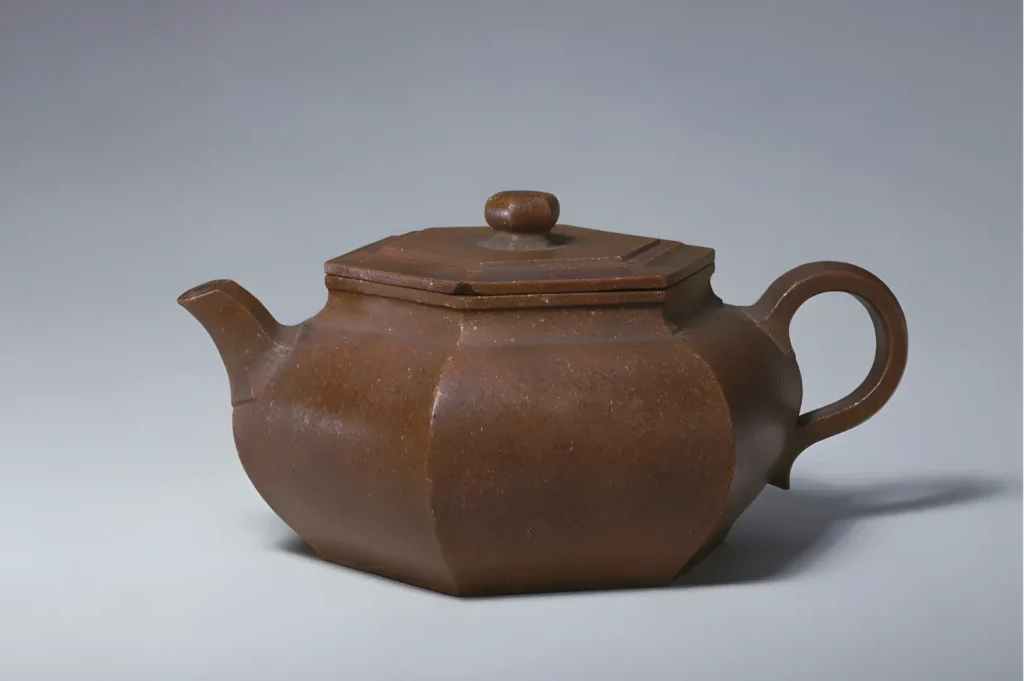
The earliest documented use of Zi Sha dates back to the Song Dynasty (960–1279 AD). During this period, the clay was primarily used for utilitarian pottery. It was valued for its durability, but its profound connection to tea culture had not yet been realised. These early pieces were simple, functional, and laid the groundwork for the refinement that was to come.
Ming Dynasty Refinement
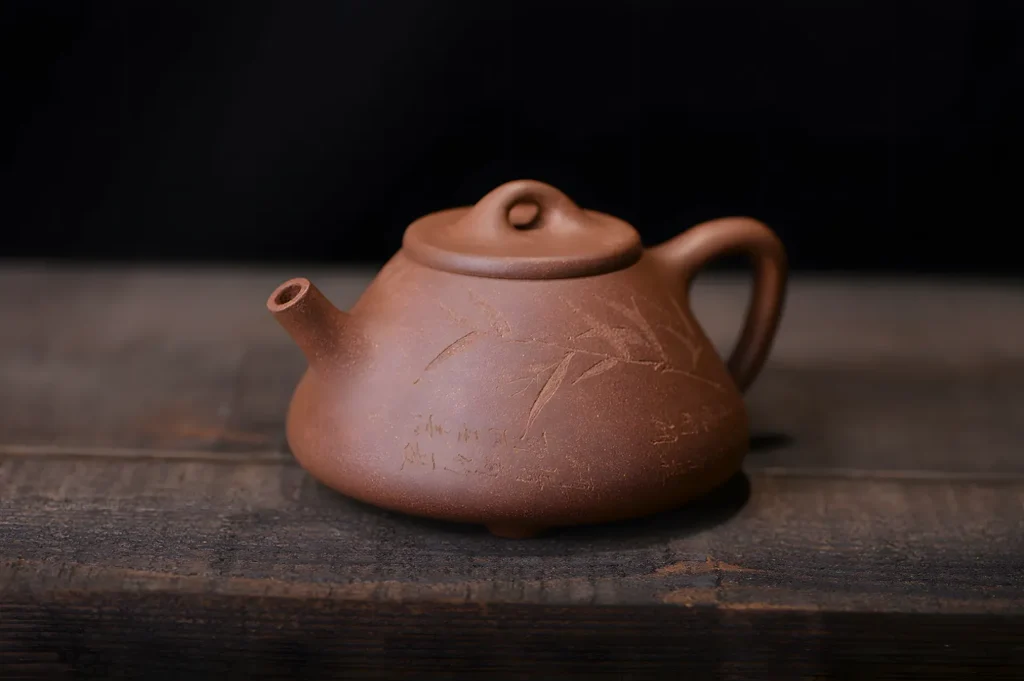
The Ming Dynasty (1368–1644 AD) marked a pivotal moment for Zi Sha. As tea preparation evolved from whisked powder to brewing whole leaves, scholar-potters began making teapots specifically designed for this purpose. Masters like Gong Chun created vessels that were not merely functional but were also objects of aesthetic contemplation. The production process became more refined, with careful attention paid to the shape, craftsmanship, and the symbiotic relationship between the clay and the tea.
Qing Dynasty Artistic Peak
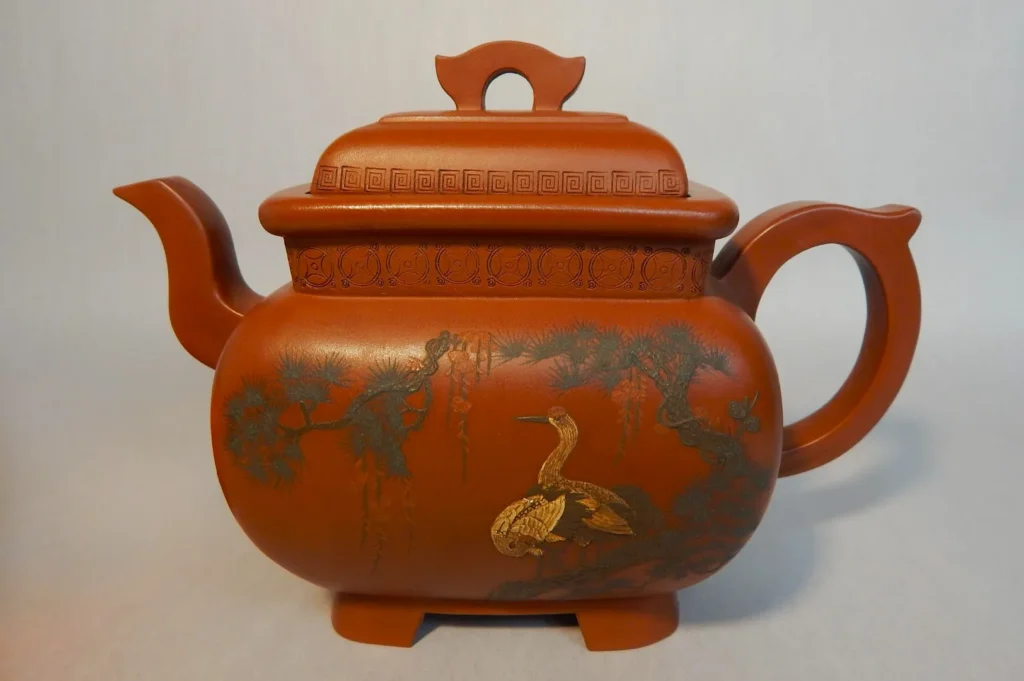
During the Qing Dynasty (1644–1912 AD), the Yixing Zisha teapot reached its artistic zenith. Emperors and scholars commissioned elaborate pieces, elevating them from humble tea ware to collectible art. It was during this era that the main types of clay, such as Zi Ni and Duan Ni, were formally identified and classified. The tradition of the Yixing teapot became deeply intertwined with Chinese tea culture, calligraphy, and philosophy. To own an authentic piece was a mark of refined taste, connecting its owner to centuries of tradition.
Why Purple Sand Breathes: The Science Behind Zi Sha’s Magic

The unique properties of Zi Sha clay make it unparalleled for brewing tea. Its magic lies in its “double-pore structure”: a network of visible pores on the surface and microscopic channels within the clay matrix. This allows a Zisha teapot to “breathe,” facilitating a subtle exchange of air that softens the tannins in tea and rounds out its flavour.
Fired at high temperatures, Zi Sha develops a dense yet porous structure that offers exceptional heat retention. This is a key difference from porcelain, which is non-porous and has different thermal properties. The stable temperature inside a Zisha pot allows for a more complete and balanced infusion, especially for teas like oolong and pu erh.
Furthermore, the clay’s mineral composition actively interacts with the tea. The high iron content, for example, can react with the tea’s compounds to greatly improve the taste. Over time, the unglazed inner surface absorbs the tea’s aromatic oils, creating a natural seasoning that enhances every subsequent brew. This is why a well-used Yixing Zisha teapot is so treasured by tea lovers. The firing process is also critical; different clays respond differently to heat, with Zhuni requiring the highest temperature to achieve its signature density and appearance.
The Five Elements in Your Hand: Zi Sha’s Spiritual Dimension
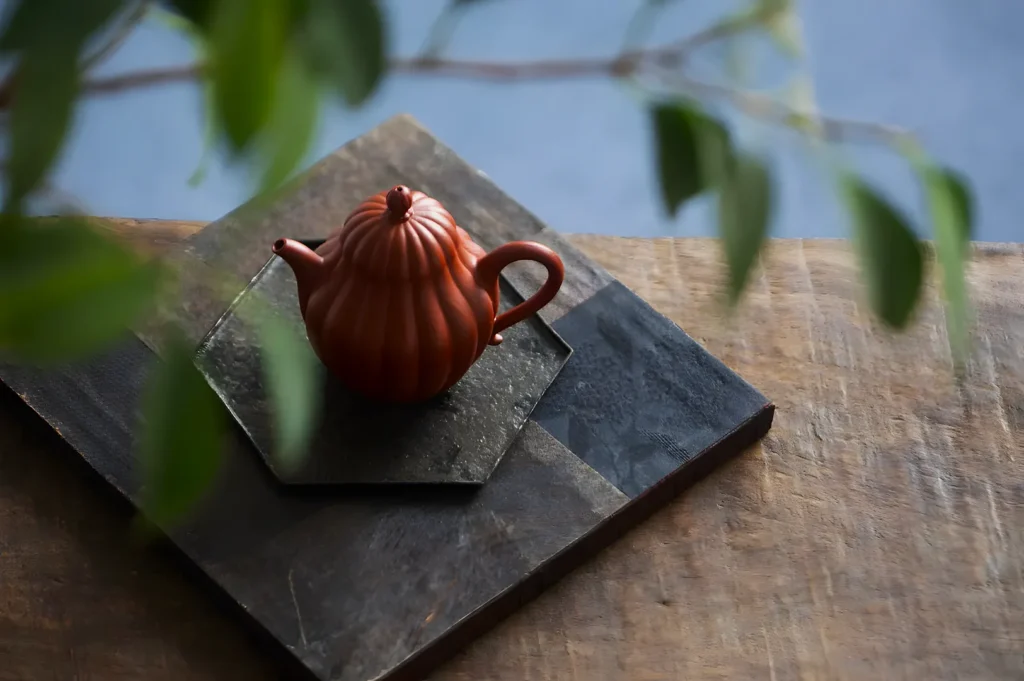
In Taoist philosophy, the universe is composed of five elements (Wu Xing, 五行): wood, fire, earth, metal, and water. The appreciation for Zi Sha is deeply connected to this worldview, with the clay itself embodying the quintessential earth element. Its ability to absorb and “remember” the tea brewed within it is seen as a physical manifestation of earth’s receptive and nurturing qualities.
For centuries, using a Zi Sha teapot has been part of the tea ceremony as a meditative practice. The ritual of “raising” a teapot (养壶), or seasoning it over years of careful use, is considered a form of spiritual cultivation. Scholars and tea lovers have long viewed the Zisha pot as more than just functional ware. It is a tool for contemplation, a tangible connection to natural materials, and a partner in the quiet pursuit of presence.
From Mine to Masterpiece: The Journey of Zi Sha
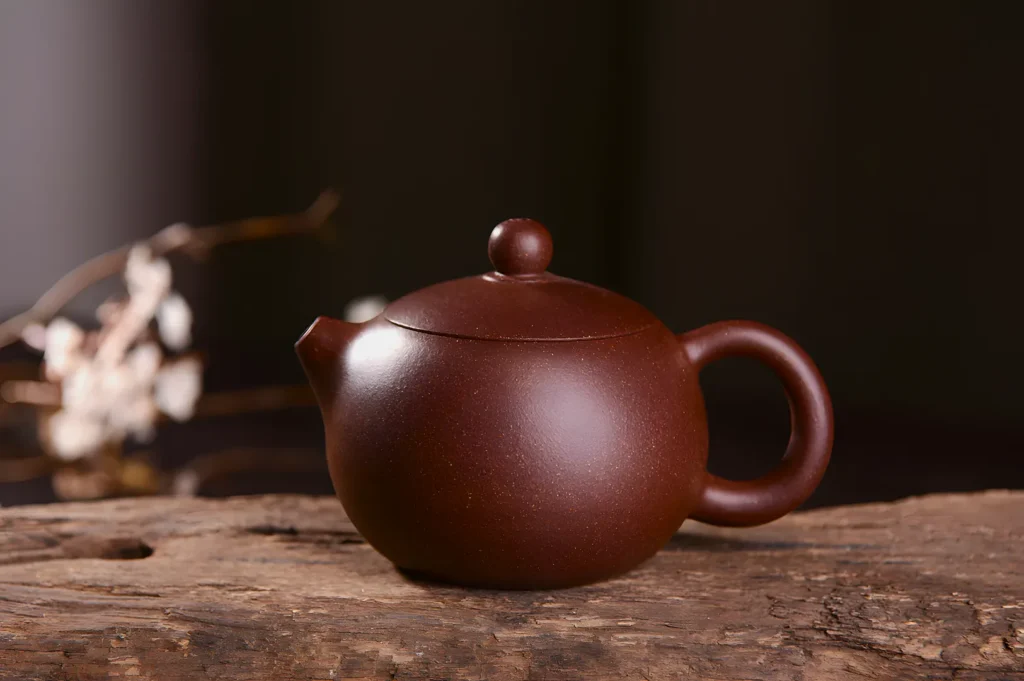
The journey of a Yixing teapot begins deep within the earth. The Zi Sha ore is extracted from specific geological layers, and the location of the mine is critical to the final quality of the clay. This raw material is not immediately suitable for use. It must first be aged, often for years or even decades, left to weather in the open air. This essential aging process breaks down the material and improves its plasticity.
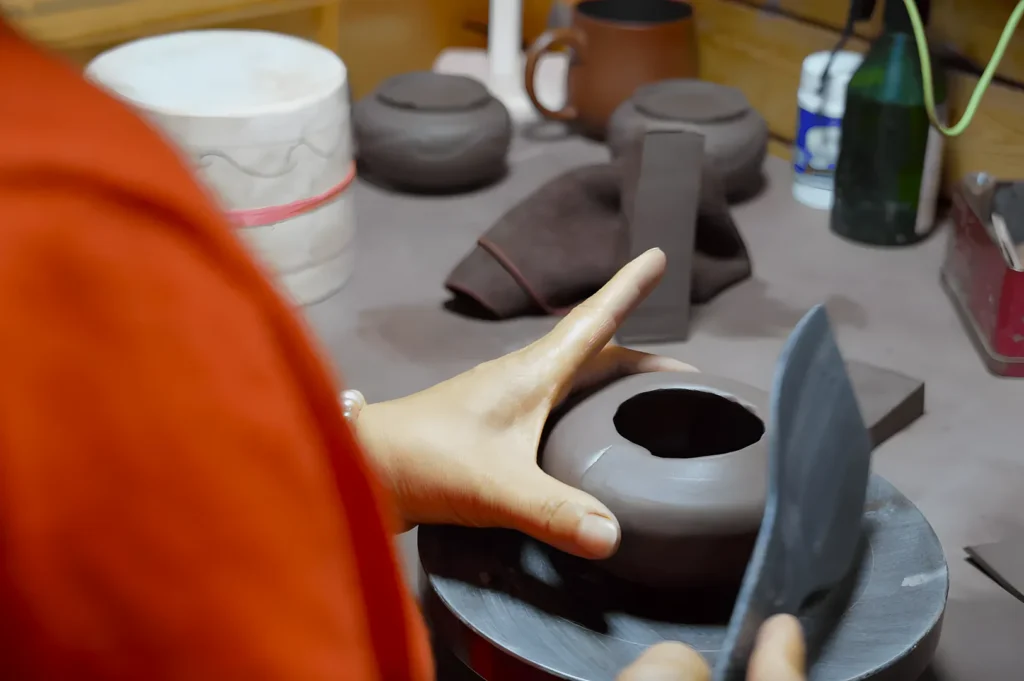
Once aged, the preparation begins. The clay is pounded, and impurities are painstakingly removed by hand. It is then mixed with water to achieve the perfect consistency for forming. This prepared material is then delivered to the potters. Using traditional hand-building techniques, these artisans transform the prepared clay into exquisite teapots. Every handmade piece is valued for its unique character, a direct result of this lengthy and labour-intensive production process.
The Main Clay Types: Understanding Zi Sha’s Beautiful Range
Zi Ni (Purple Clay)
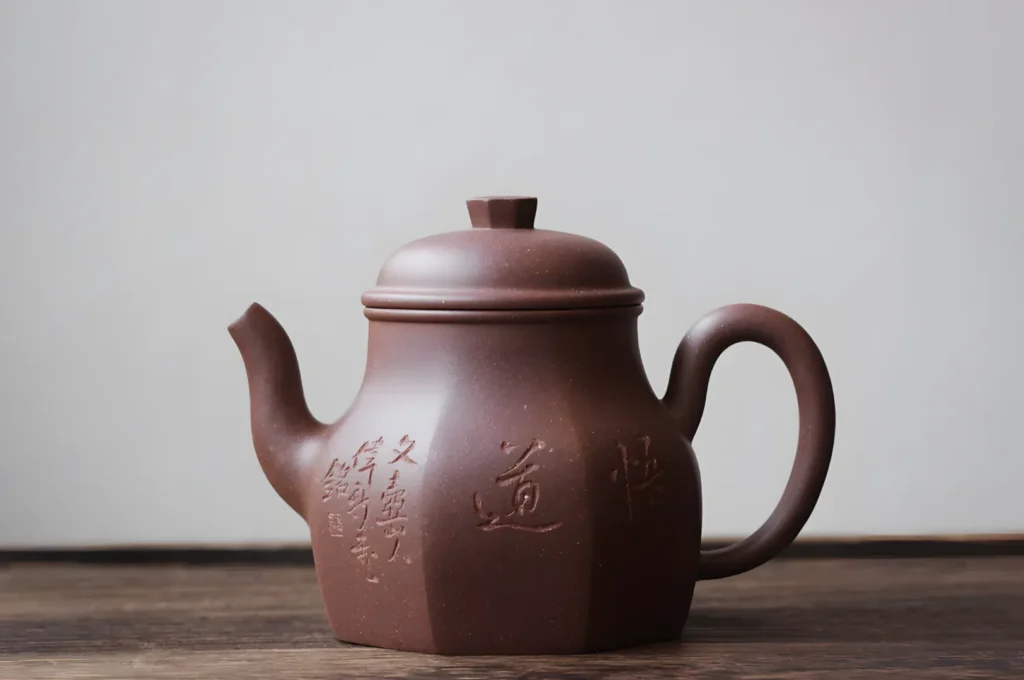
Zi Ni is the most common and classic variety of purple clay. It has a medium density and, after firing, can exhibit various shades of purple and brown. Its smooth surface and excellent heat retention make it an ideal choice for brewing robust teas like oolong tea and pu erh tea, as it helps to mellow their strong flavours.
Duan Ni (Yellow/Beige Clay)
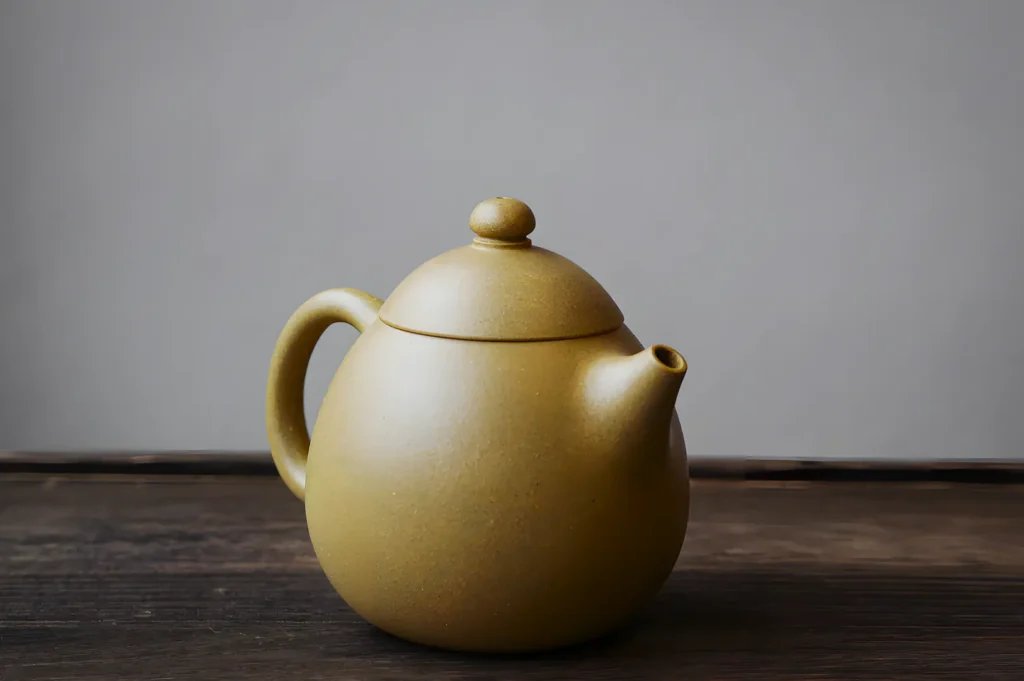
Duan Ni is a lighter clay in both colour and density. Its higher porosity makes it more breathable, which is perfect for delicate teas like green tea and light oolongs. After firing, its colour ranges from a pale yellow to a warm beige. This clay type excels at preserving the fresh, floral notes of the tea.
Zhu Ni (Red Clay)
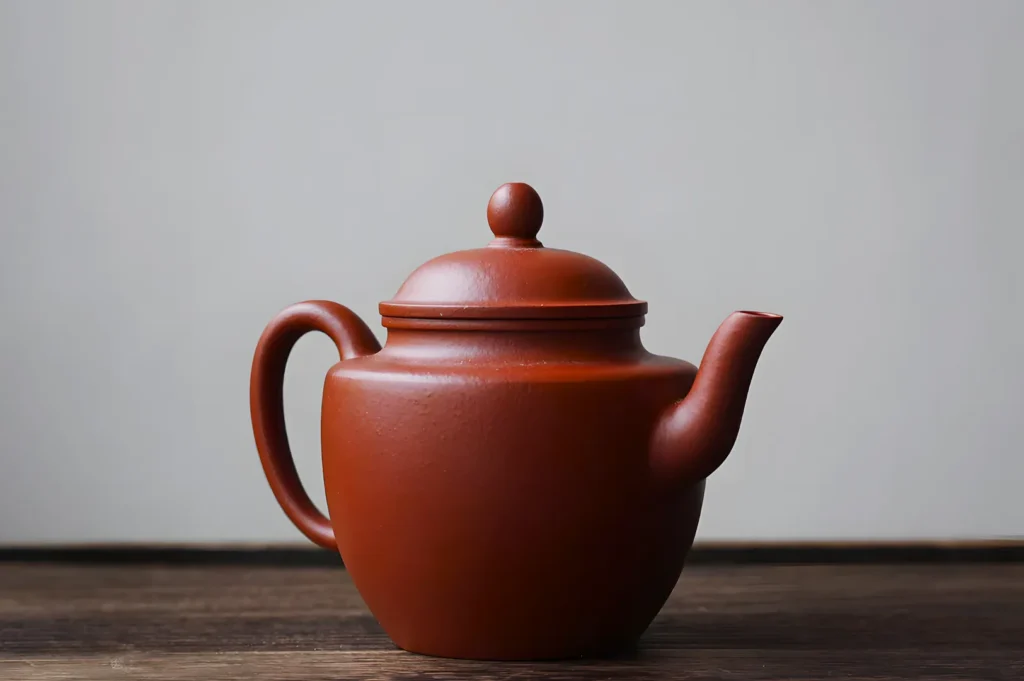
Zhu Ni is the rarest and most prized of the main types. This dense clay requires the highest firing temperature and shrinks significantly during the process. The result is a pot with a bright red to dark red colour and an extremely smooth, fine surface. It is the perfect material for high-fragrance teas, as its density helps to concentrate and amplify their aroma.
Zisha Teapot: The Clay That Remembers
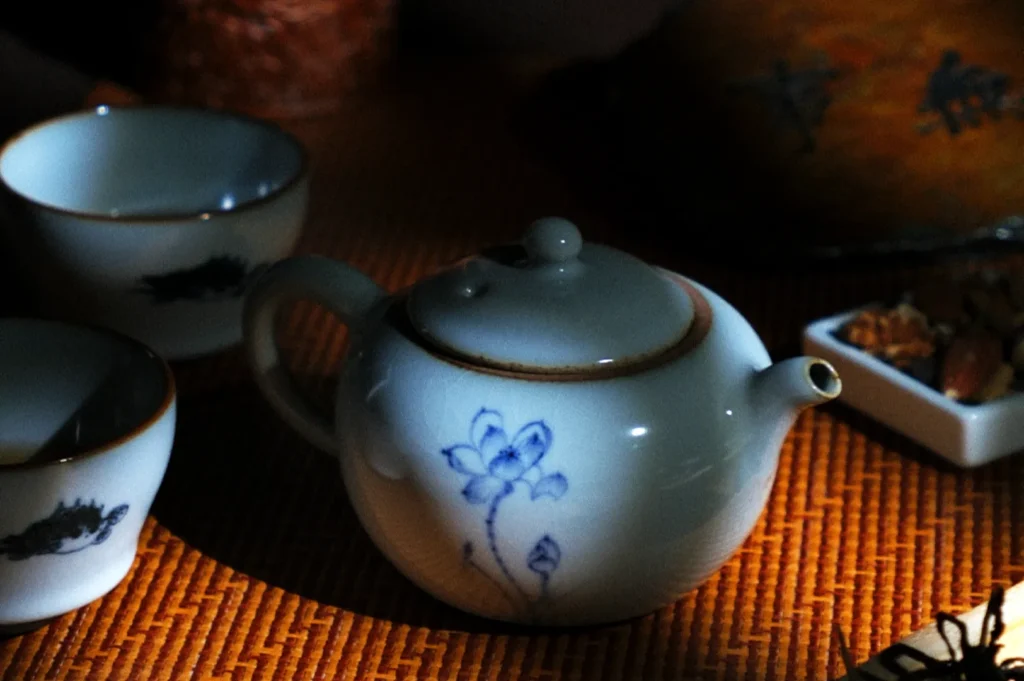
We return to the image of purple sand (紫砂) lying beneath the hills of Yixing. It is a remarkable journey—from the geological formation of various clays over millennia to mining, aging, firing, and finally, into the hands of tea lovers. The most magical quality of a purple clay pot is that it remembers. Its porous structure absorbs the oils and flavor of every tea brewed within it, building a unique character and patina over time.
This is what makes a Zisha teapot unique among all other tea ware: it evolves with use, becoming a living record of your personal tea journey. Holding this vessel connects us not only to the earth and to history, but also to the simple, profound beauty and style of tea itself, marking the beginning of a lifelong appreciation for the art of brewing tea.
For tea lovers eager to experience the magic of Zi Sha firsthand, we warmly invite you to visit Tea Room by Ki-setsu. Discover our curated collection of authentic Yixing Zisha teapots and immerse yourself in the timeless tradition of tea brewing. Let your own tea journey begin here.