Green tea is frequently misunderstood by beginners. Many people abandon the leaf entirely, convinced it is simply a harsh, astringent beverage that requires endurance. In reality, this unpleasantness usually happens because the delicate leaves are sipped too hot, swallowed too fast, or brewed far too strong.
Learning how to taste green tea changes the entire experience from a hurried morning chore into a quiet luxury. In this gentle guide, we will teach you a simple, approachable method to notice hidden sweetness, interpret natural bitterness, and recognise a refreshing, clean finish. By taking the time to understand these subtle layers, you can begin to truly enjoy your green tea daily ritual without ever wincing at the cup. It is merely a matter of pacing and attention.
What It Means To Taste Green Tea Properly
To taste a leaf properly does not mean memorising a dictionary of complex botanical vocabulary. It simply means paying structured attention to the liquid in your cup. It is the quiet practice of noticing what is present, and comparing how those sensations change as the liquid cools.
Green tea is inherently subtle, meaning even small changes in your brewing or your pacing matter immensely. The ultimate goal of any tasting session is to find harmony within the vessel. You are looking for a delicate balance where a gentle sweetness supports a brief, structured bitterness, all concluding with a wonderfully clean finish. When these elements align, the cup feels deeply satisfying. Rather than searching for dramatic flavours, tasting properly asks you to appreciate the quiet, layered notes of the warmed leaf.
Set Up Your Palate In Five Minutes
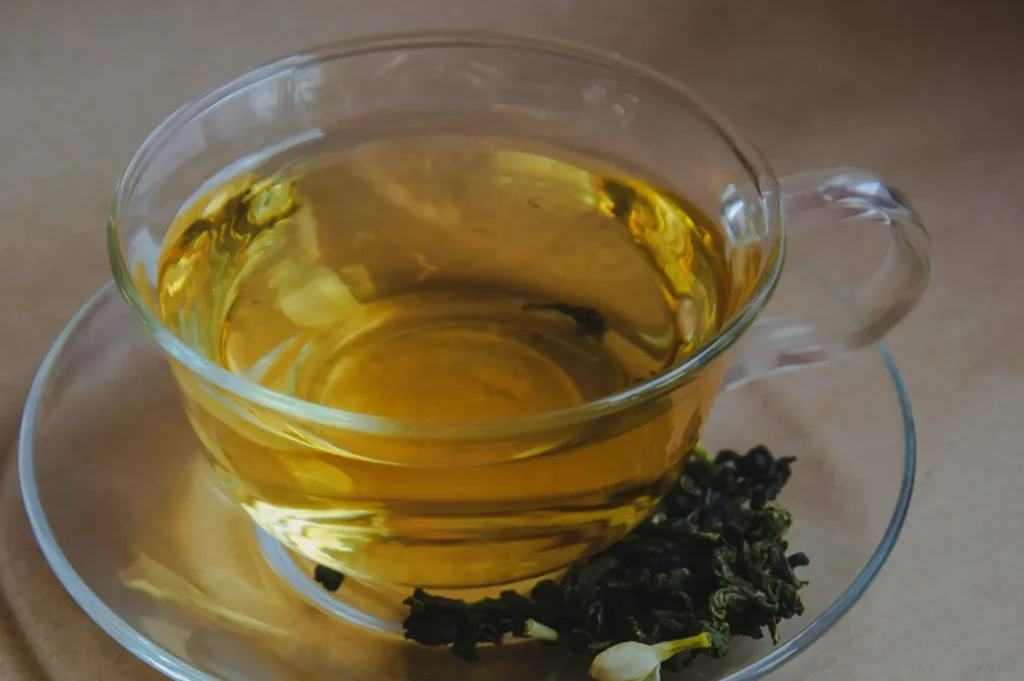
Before you pour your first cup, taking five minutes to prepare your senses makes a profound difference. Start by drinking a glass of plain room temperature water to cleanse your mouth. You should avoid consuming spicy foods, heavy garlic, or strong mints immediately before a session. Once your tea is brewed, always let the liquid cool slightly before it touches your lips.
Here is a simple, calming setup for your tasting:
- Fresh, softly filtered water heated to a gentle simmer.
- A small, thin-lipped porcelain cup to view the liquor clearly.
- A simple timer to ensure your steep remains brief.
- A notebook or tasting sheet for optional observations.
- A quiet, well-lit space free from strong perfumes.
When you begin to sip, remember a few gentle rules. Do not chug the liquid as if it were a hurried morning coffee. Do not judge the tea entirely on the very first sip, as your palate needs a moment to calibrate. Above all, do not drink the liquor while it is scalding hot, which completely numbs the tongue and masks every delicate note.
The Three-Part Green Tea Tasting Method
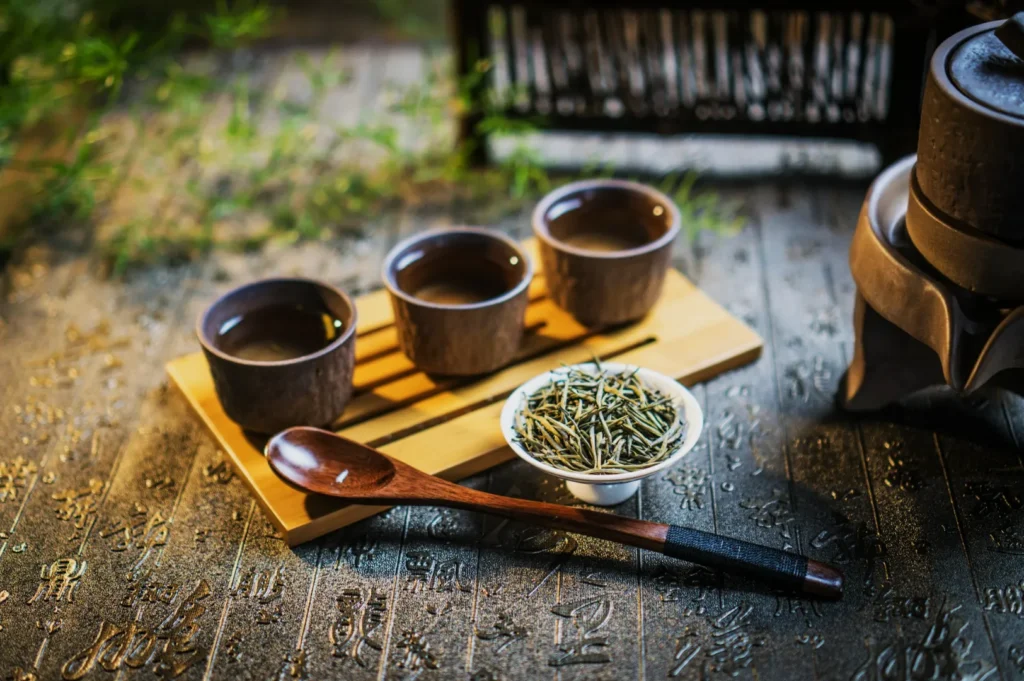
Sweetness
To find the sweetness in your cup, take a small, measured sip and let the liquid coat your tongue before swallowing. Instead of expecting a sugary burst on the first touch, wait patiently and allow the taste to unfold. The most profound sweetness in premium leaves often appears right after swallowing. It is a soft, returning sensation that rises gently from the back of the throat and settles on the palate.
Your personal vocabulary bank for this sweetness might include comforting words like spring honey, toasted chestnut, fresh cream, or sweet meadow grass. A very common misunderstanding is expecting the botanical brew to taste like a heavily sweetened dessert. If you feel disappointed by the initial lack of sugar, simply force a pause. Wait a few extra seconds after you swallow, breathing gently out of your nose to carry the aroma lift. This quiet pause allows the subtle, natural sweetness of the warmed leaf to reveal itself properly.
Bitterness
Bitterness is a natural, necessary component of the leaf that gives the brew its pleasant, grounding structure. When exploring how to taste green tea, you must learn to distinguish between a brief, clean bitterness and a harsh, lingering astringency. Take another slow sip, noticing precisely how the liquid feels on the sides of your tongue and cheeks.
A quality leaf provides a crisp, refreshing snap that quickly fades, leaving your mouth feeling awakened and alive. A harsh bitterness, however, aggressively dries out your mouth and clings unpleasantly to the palate for minutes. Your tasting vocabulary bank here includes descriptive terms like crisp, structured, vegetal, drying, or sharp. If you frequently wonder why green tea tastes bitter in an unpleasant, overpowering way, it is almost always a brewing error rather than a flaw in the leaf itself. The most common causes include using water that is far too hot, steeping the leaves for entirely too long, or cramming too much leaf into a small vessel.
The Clean Finish
The final stage of your tasting session is perhaps the most rewarding part of the experience. The green tea aftertaste, often referred to simply as the finish, is the lingering physical sensation left behind long after the liquid is gone. To observe this properly, swallow the warm tea and start a quiet mental finish timer.
Notice exactly what happens in your mouth at the ten second mark, and then again at the thirty second mark. A truly clean finish feels deeply refreshing. It leaves the palate feeling cleansed and beautifully hydrated, rather than coated in a heavy, dry residue. Your vocabulary bank for the finish might feature words like fleeting, enduring, cooling, thirst quenching, or bright. If the finish feels heavy or murky, try shortening your next steep.
Mastering these three distinct sensory elements allows you to deeply appreciate any Chinese tea in Singapore, guiding you naturally toward a much calmer, more rewarding daily ritual.
A Better Green Tea Cup Is Usually A Gentler One
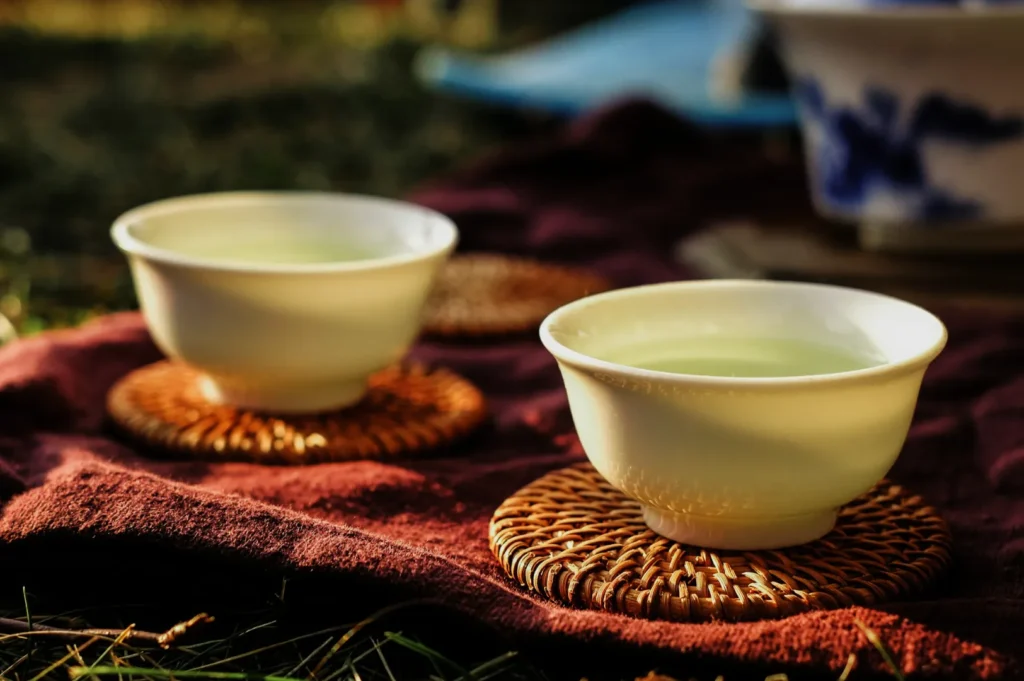
Learning how to taste green tea properly requires nothing more than patience and a willingness to slow down. By paying attention to the returning sweetness, respecting the structural bitterness, and noticing the clean finish, you elevate your daily cup into a mindful ritual.
Whether brewing alone at home or attending a quiet tea tasting singapore offers, remember that a better cup is usually a gentler one. Trust your own palate, pour with calm intention, and allow the quiet beauty of the leaves to unfold naturally.