A true traditional tea house offers something increasingly rare. It does not ask for speed, display, or noise. It asks only for attention.
The first gift is often stillness. Then comes warmth, fragrance, the soft sound of water meeting leaf, and the quiet feeling that the room has begun to move at another pace. In that sense, a tea house is not simply a place to drink tea. It is a place to return to proportion.
This guide is an invitation to understand what a traditional tea house really is, what makes one exceptional and why the experience remains so resonant in Singapore today. We will move through ritual, craft, etiquette, and atmosphere, so that the next time you step into a Chinese tea house in Singapore, you will recognise the difference between a service and a practice.
What Is a Traditional Tea House, Really?
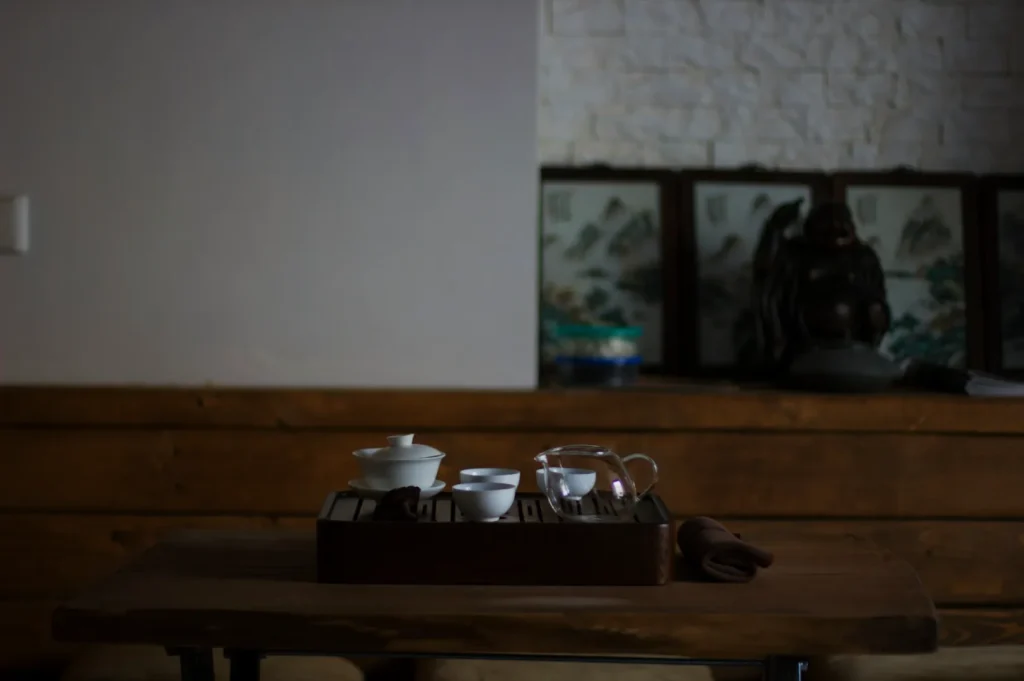
A traditional tea house is not merely a café that happens to pour tea.
Nor is it simply a retail space with shelves of leaves and teaware. It is not a casual tasting counter designed to move people through quickly. At its best, a tea house is a setting where hospitality, ritual, and craftsmanship are held in balance.
Tea is central, of course. But what defines the experience is the way tea is prepared, served, and received. The leaf is treated with seriousness. The vessel matters. The host matters. The pace matters.
In the Chinese tradition, this is often shaped by the framework of gongfu tea, where precision is not used to impress, but to reveal. The smallest adjustments in water, time, and ratio can change what the leaf is willing to show. A traditional tea house exists to protect that sensitivity.
This is why the setting feels different from ordinary tea service. The point is not abundance. It is clarity. The room, the host, and the ritual are all there to support the same thing: a deeper encounter with tea.
Gongfu Tea: The Quiet Ritual at the Heart of the Tea House
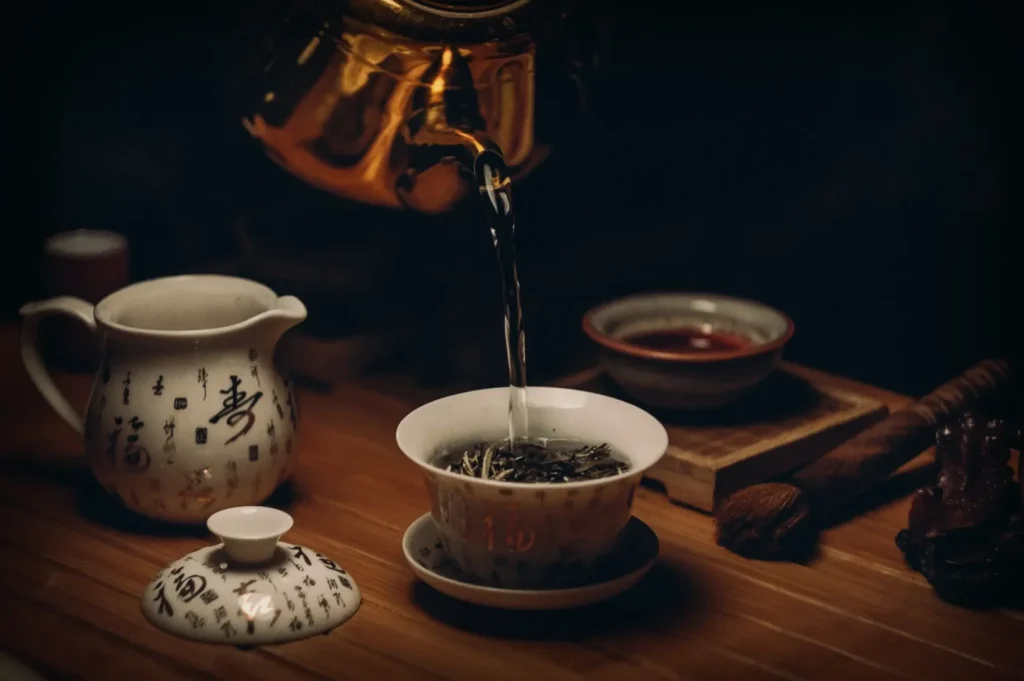
At the centre of many traditional tea house experiences is gongfu tea or gongfu cha. The phrase is often translated too quickly as “tea ceremony,” but what matters more is the spirit of it. Gongfu suggests care, effort, and cultivated attention.
The ritual begins simply.
The vessel is warmed. The leaf is measured. The dry aroma is noticed before water has touched it. Then come the first infusions, often brief, each one adjusted according to what the tea is saying in that moment. Nothing is rushed, but nothing is slack either.
That balance is part of the beauty.
A good host does not force the ritual into stiffness. Instead, they allow it to breathe. The guest is guided gently into a slower rhythm, where flavour unfolds across several cups rather than announcing itself all at once. The tea is not presented as a product to be consumed quickly. It is approached as something living, changing, and worthy of patience.
This is also where quiet luxury begins to show itself more clearly. Luxury here is not about ornament. It is about protected time. It is about the privacy to let a cup cool, to sit in silence without explanation and to notice how the aroma in the empty cup differs from the liquor itself. In a world that often rewards interruption, a private tea session can feel like a form of restoration.
The Four Elements of an Exceptional Traditional Tea House
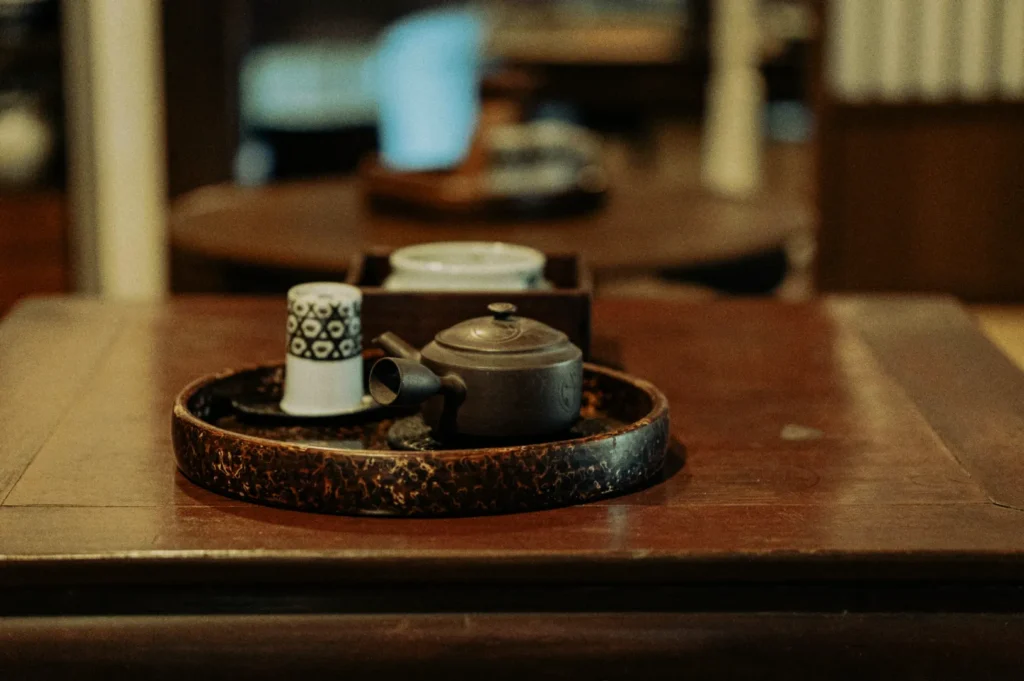
Leaf: Provenance, Harvest, Restraint
The leaf is always the first truth.
In an exceptional tea house, the tea is chosen with restraint rather than excess. Provenance matters, but not as decoration. Harvest matters, but not as a marketing flourish. The point is not to overwhelm guests with endless options. It is to curate with enough care that each tea on the menu has a reason to be there.
A good tea house respects the leaf by refusing to dress it up unnecessarily. The tea should be able to stand on its own structure, aroma, and finish.
Water: Temperature, Softness, Patience
Water is often underestimated by beginners, yet it changes everything.
The right temperature can reveal fragrance or mute it. Water with the wrong mineral profile can flatten sweetness and compress texture. A traditional tea house understands this quietly and adjusts without drama. Water is not treated as a neutral backdrop, but as an active element in the cup.
Patience belongs here too. Water that is merely hot is not enough. It must be used with timing, sensitivity, and attention to the tea in front of it.
Vessel: Teaware That Shapes Aroma and Texture
Teaware is not simply visual culture. It is functional intelligence.
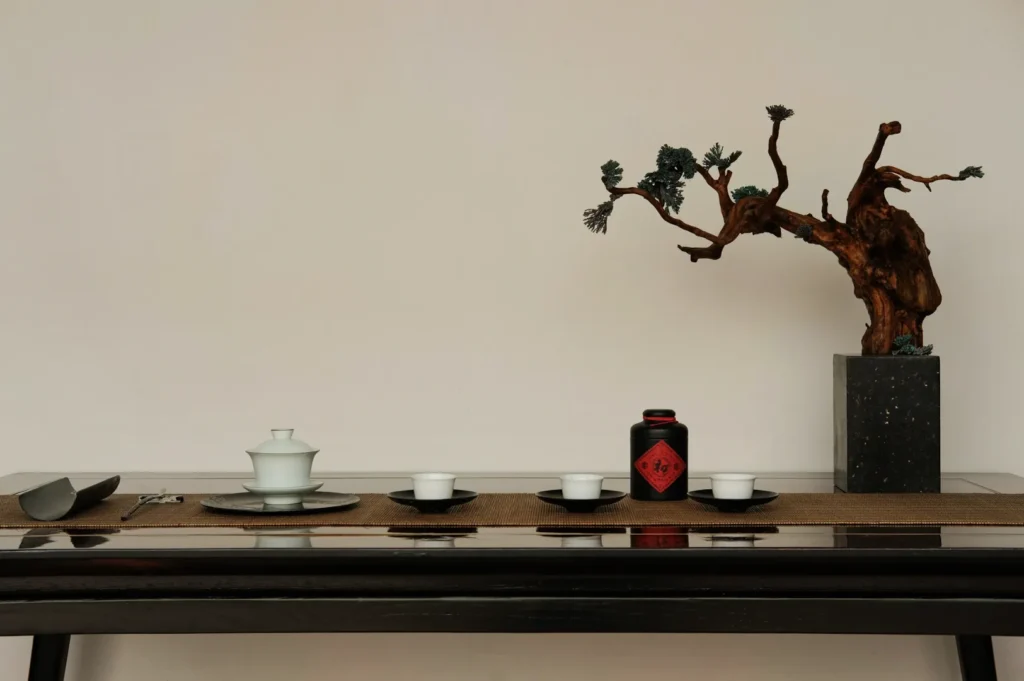
A gaiwan, a clay pot, a fairness cup, thin porcelain, or a thicker tasting vessel all shape the way aroma rises and texture lands. Some vessels preserve precision. Others soften edges. In a thoughtful tea house, teaware is chosen not because it looks impressive on a tray, but because it serves the character of the tea.
This is one of the quieter pleasures of Chinese tea in Singapore when presented well. The vessel becomes part of the language of the leaf.
Host: Guidance as an Invisible Craft
The finest hosting is often barely visible.
A skilled host knows when to explain, when to pause, and when to let the tea speak without interruption. They notice how quickly a guest drinks, whether the room needs more quiet or more context, and how to guide without imposing.
This is a form of craft in itself.
In a traditional tea house, privacy protects all four elements. Without rush or crowding, the leaf, the water, the vessel, and the host can remain in proper relationship. That is often what guests remember most, even if they cannot name it immediately.
Tea House Etiquette (Without the Stiffness)
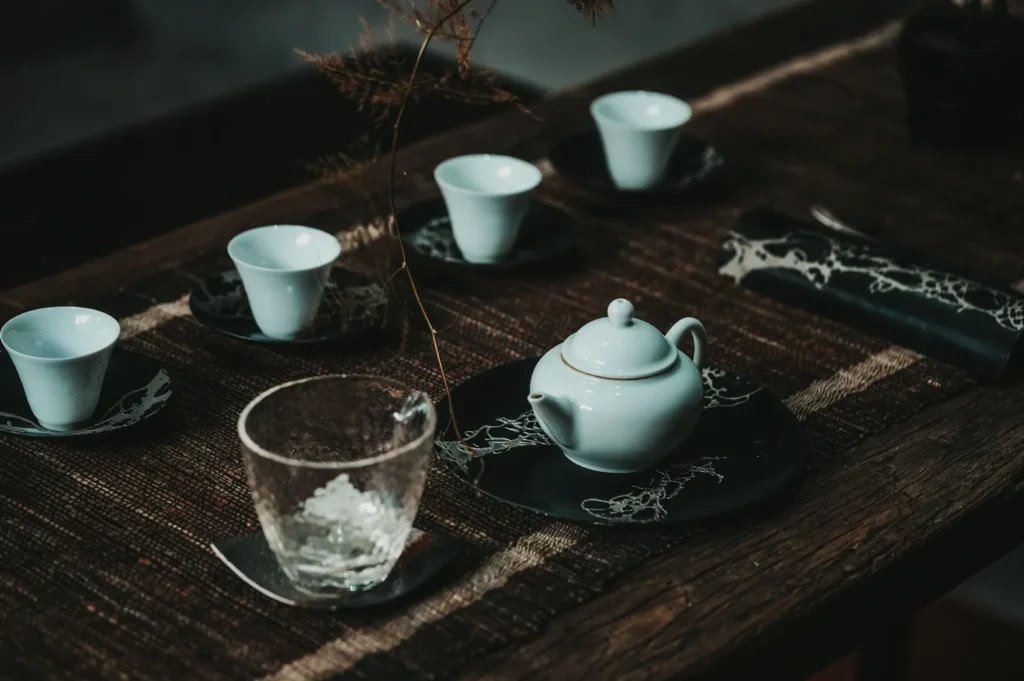
Tea house etiquette is not about performance. It is about respect.
You do not need prior knowledge to enter well. You do not need the right vocabulary, the right clothes, or the right kind of confidence. What matters is a willingness to meet the experience on its own terms.
A few gestures help:
- Arrive on time, so the rhythm of the session is not broken.
- Put your phone away, or at least keep it secondary.
- Let the host guide the pace rather than trying to hurry it.
- Allow silence to exist without feeling the need to fill it.
- Taste before deciding what you think.
In this setting, etiquette is a form of generosity. It allows the room to remain calm, and it lets every guest experience the tea without pressure. The best tea houses never make this feel stiff. They simply create conditions in which respect feels natural.
What to Expect from a Traditional Tea House in Singapore
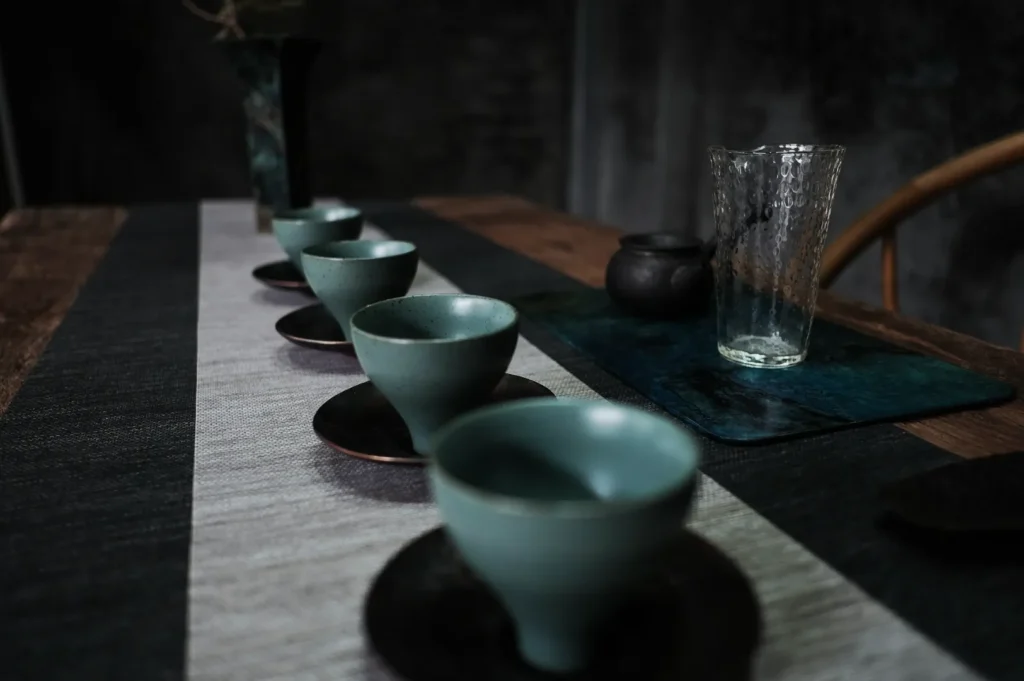
Singapore is a city that understands refinement, but it also moves quickly. This is part of what makes the traditional tea house experience so valuable here. It offers a different tempo within the city, one that many people do not realise they have been missing until they sit down and feel it.
A thoughtful Chinese tea house in Singapore will usually offer:
- A calm environment, with sound and space carefully considered.
- Limited seating, so the experience remains personal.
- A curated menu rather than an overwhelming catalogue.
- Guided brewing, especially for guests who are new to the tea.
- Unhurried pacing, where several infusions can be experienced properly.
You may also notice that the best spaces do not feel eager to entertain in the conventional sense. They are there to host, not to dazzle. The room is usually quieter. The service is more measured. The tea is given room to unfold.
For many people, that shift is the beginning of deeper appreciation. In a busy city, guided tasting can make understanding arrive much faster. Instead of trying to teach yourself amid distraction, you are invited into a setting where the tea has a chance to become legible.
Quiet Luxury and Privacy: Why the Setting Matters
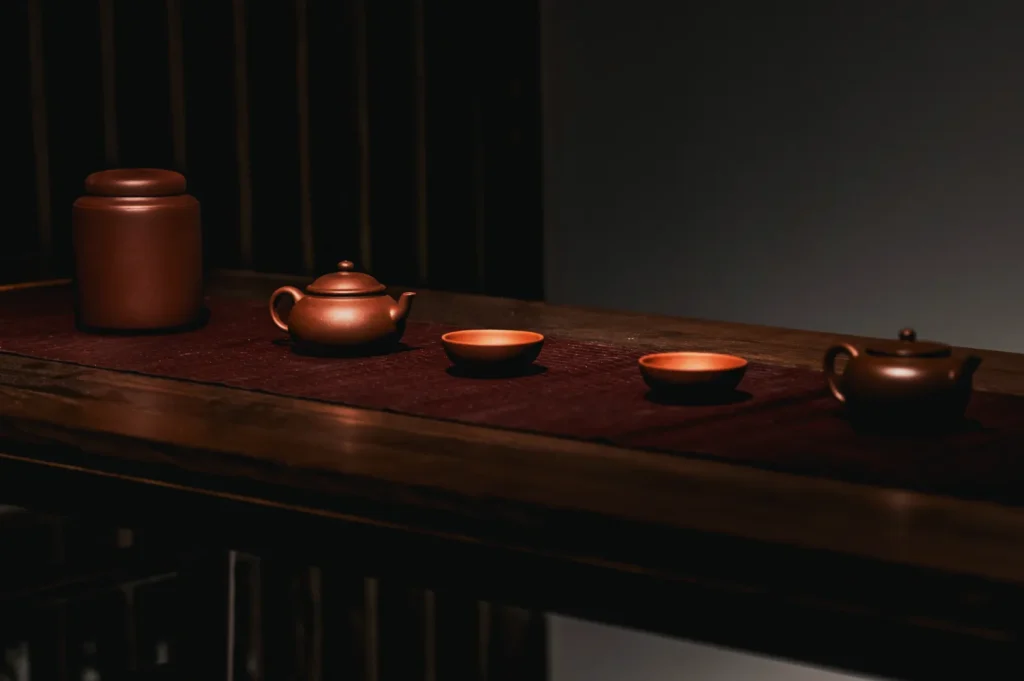
A tea can taste one way in noise and another in stillness.
This is not only imagination. Privacy changes perception. When a room is calm, aroma becomes clearer. Texture becomes easier to notice. The aftertaste has somewhere to land. Even the hand that lifts the cup begins to slow.
Quiet luxury is often misunderstood as exclusivity for its own sake. But in a tea house, privacy serves a more practical purpose. It protects concentration. It reduces performance. It allows guests to respond honestly, without the social pressure that louder spaces tend to create.
This is especially meaningful in Singapore, where privacy itself can feel like a form of luxury. A refined tea session does not need to be grand. It needs to be uninterrupted.
A Private Tea Sanctuary in Singapore: A Gentle Invitation from Tea Room by Ki-setsu
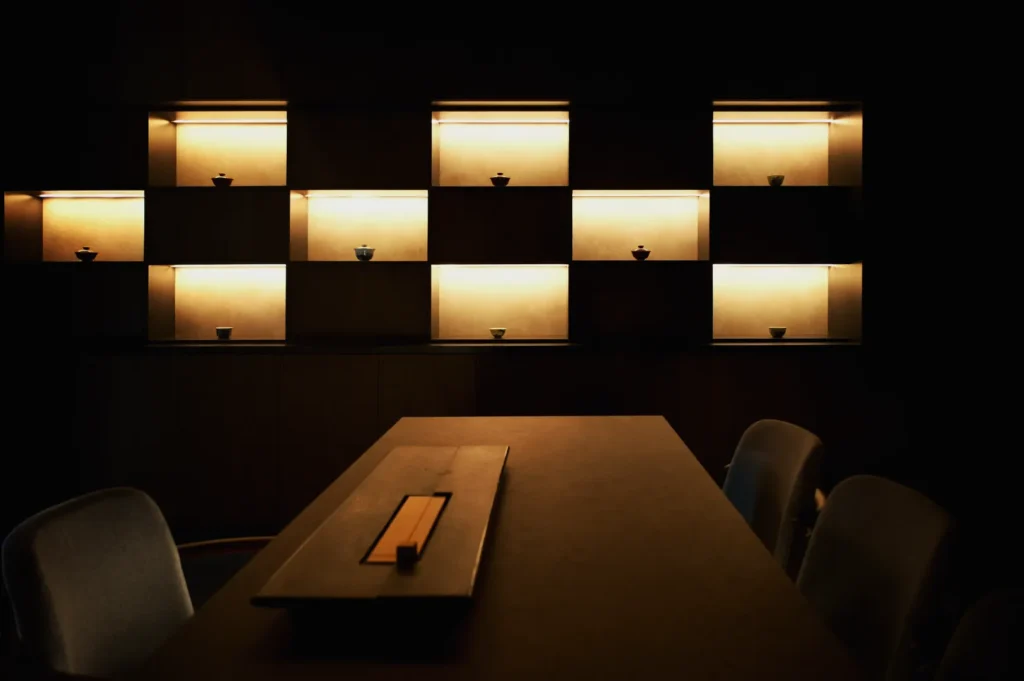
At Tea Room by Ki-setsu, we have shaped our space around this understanding.
We are a private Chinese tea sanctuary in Singapore and our approach begins with the belief that tea is best encountered in stillness. The work of hosting lies not in elaboration, but in careful reduction: fewer distractions, fewer interruptions, more room for the leaf to reveal itself.
Our sessions are guided, but never hurried. The atmosphere is quiet, the attention precise, and the intention simple. We want guests to feel they have stepped not into a retail performance, but into a gentler order of time.
If you are drawn to tea as ritual rather than noise, a private session is an elegant place to begin.