It often begins quietly.
A cake of pu-erh sits at the back of a shelf, wrapped in paper that has softened slightly with time. Perhaps it was bought on a visit to a tea room, or tucked away after a few promising sessions and then forgotten. Months later, or sometimes years, the wrapper is opened again and the question arrives almost immediately: has it expired?
This is a reasonable question, especially in Singapore, where humidity is rarely abstract and storage conditions can shift with the seasons. Pu-erh is often spoken about as a tea that ages, but that does not mean every old cake is automatically better, or even sound.
In this guide, we want to offer something steadier than forum contradictions. We will look at best before versus expiry, ageing versus spoilage and a calm, practical way to assess whether a pu-erh is developing well, simply resting, or beginning to go wrong.
Quick Answer: Does Pu-erh Tea Expire?
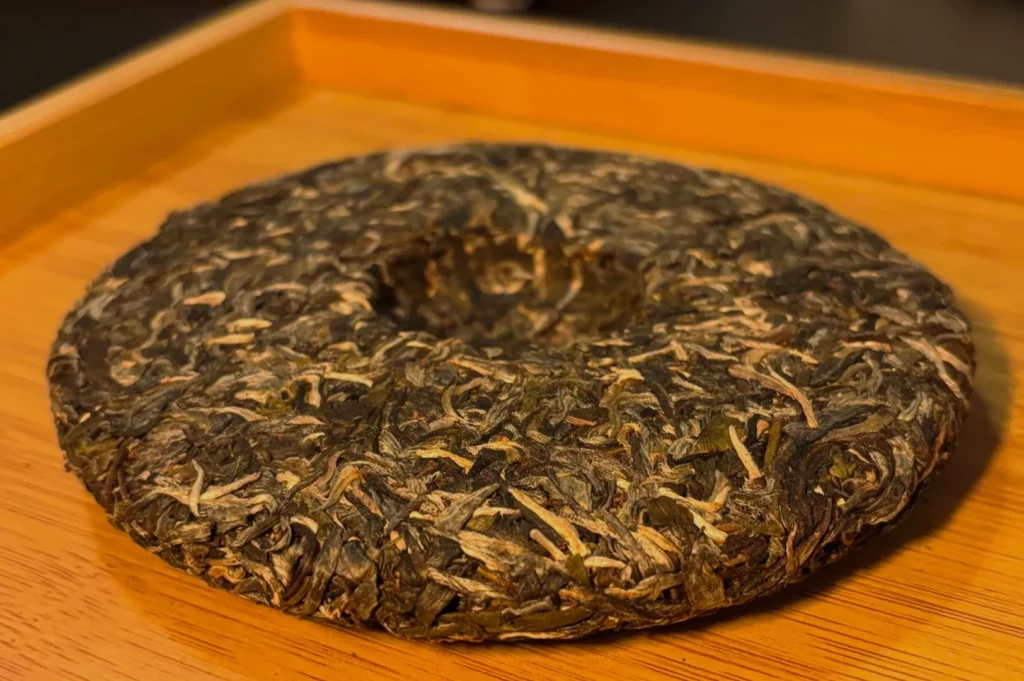
Pu-erh does not behave like a perishable food with a simple expiry line, but it can still deteriorate or become unsafe if it is stored badly. A pu-erh tea shelf life is shaped less by the calendar than by the conditions around the leaf.
A “best before” date on tea is usually about peak flavour, not a strict end point. In other words, the tea may still be drinkable after that date, but the quality may have changed.
The real question is not only whether the tea is old. It is whether it has been kept clean, dry, and free from troubling odours, excess humidity, and mould risk. That is where clarity begins.
Pu-erh In Plain Terms: Why Some Teas Age
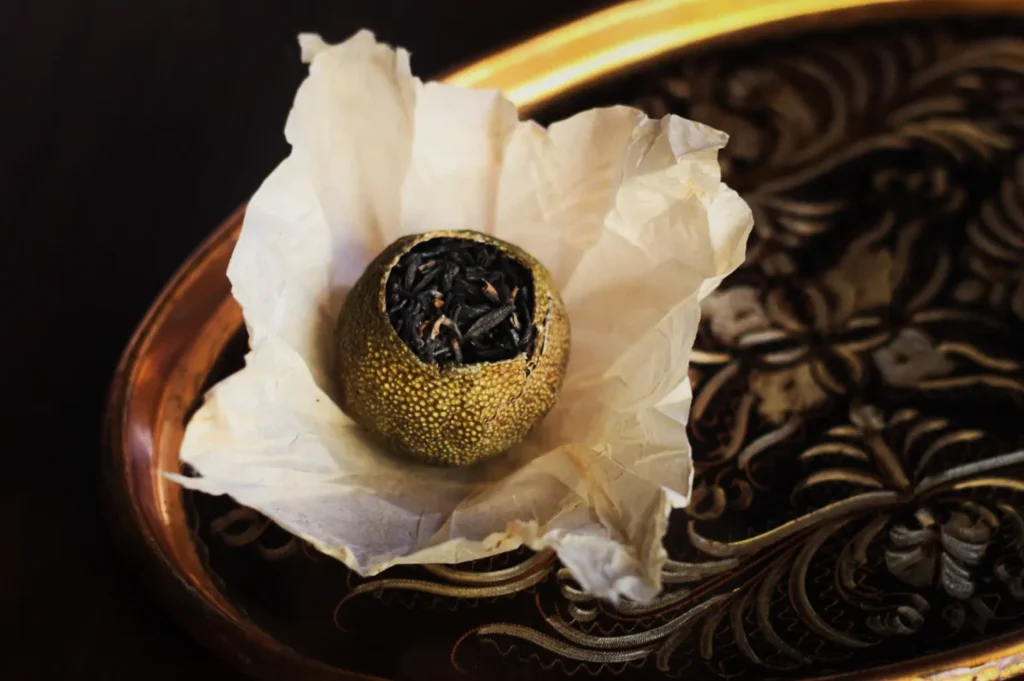
Pu-erh is a tea from Yunnan, valued not only for flavour in the present, but for how it can evolve over time. That ageing association is one reason people become unsure about expiry. If a tea is meant to change, when does change remain desirable, and when does it become damage?
The answer begins with the leaf itself. Pu-erh is not inert. It responds to air, moisture, odours, and time. Under the right conditions, those influences can help round the tea, soften roughness, and deepen the cup. Under the wrong conditions, they can flatten aroma, introduce stale or musty notes, and eventually lead to spoilage.
This is why pu-erh is often discussed differently from more fragile green teas. It is capable of development. But development is not the same as neglect.
If you would like broader background first, we recommend reading more about the world of pu-erh tea before returning to storage and shelf life.
Shelf Life Vs Quality Curve: What Changes With Time
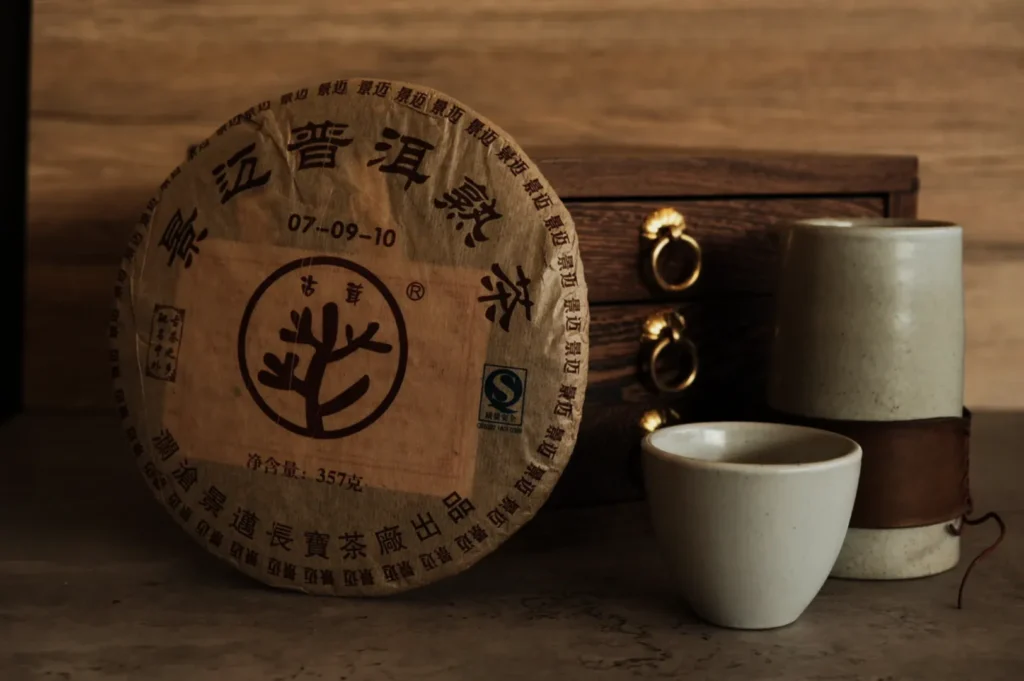
When people ask whether pu-erh expires, they are often asking two different questions at once.
The first is: is it still safe to drink?
The second is: does it still taste good?
Those are not always the same question.
A tea may remain technically drinkable while losing clarity, fragrance and depth. It may also change in ways that some drinkers enjoy and others do not. A younger tea can feel vivid and assertive. Later, it may settle, round out, and show less sharpness. Aroma can shift from lifted and high to deeper and more grounded. Texture may become smoother. The cup may feel calmer.
This is why “shelf life” is not only about duration. It is also about direction. Good ageing is not merely surviving time. It is moving through time cleanly.
Poor storage interrupts that curve. Instead of softening into depth, the tea can become stale, flat, woody in an empty way, or overly marked by the room it sat in.
Raw vs Ripe: Two Different Ageing Personalities
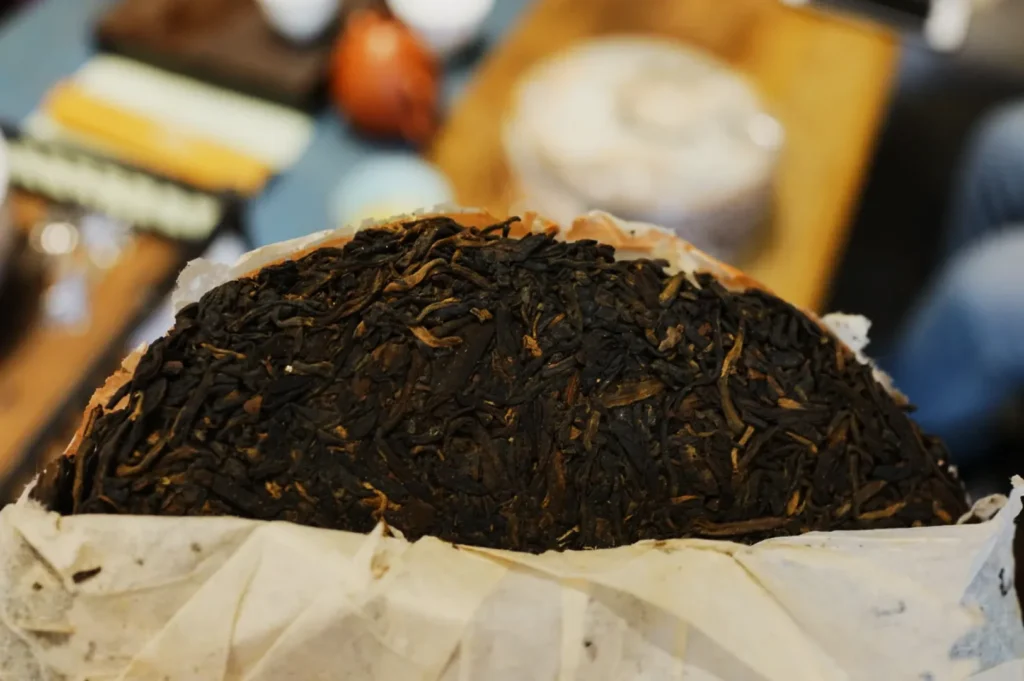
Raw pu-erh, or sheng, tends to show its environment more quickly. This is one reason many collectors speak carefully about raw pu-erh shelf life. Younger raw cakes can be highly aroma-sensitive, and if they are kept near kitchen smells, perfume, incense, or damp cardboard, those notes can appear in the cup sooner than expected.
This does not mean raw pu-erh is fragile in a panicked sense. It simply means it is expressive. It remembers the room.
Ripe pu-erh, or shou, is often more forgiving. It usually feels darker, fuller, and less transparent to minor environmental shifts. But ripe pu-erh has its own storage sensitivity. If sealed too early, especially soon after purchase, it can trap warehouse notes or residual wet-pile character. The tea may not be spoiled, but it can feel closed, heavy, or stale.
For this reason, ripe pu-erh shelf life often depends on whether the tea had time to settle before long-term storage. Some shou benefits from a little breathing room first. Then it can rest more cleanly.
How Pu-erh Goes Bad: The Few Real Causes
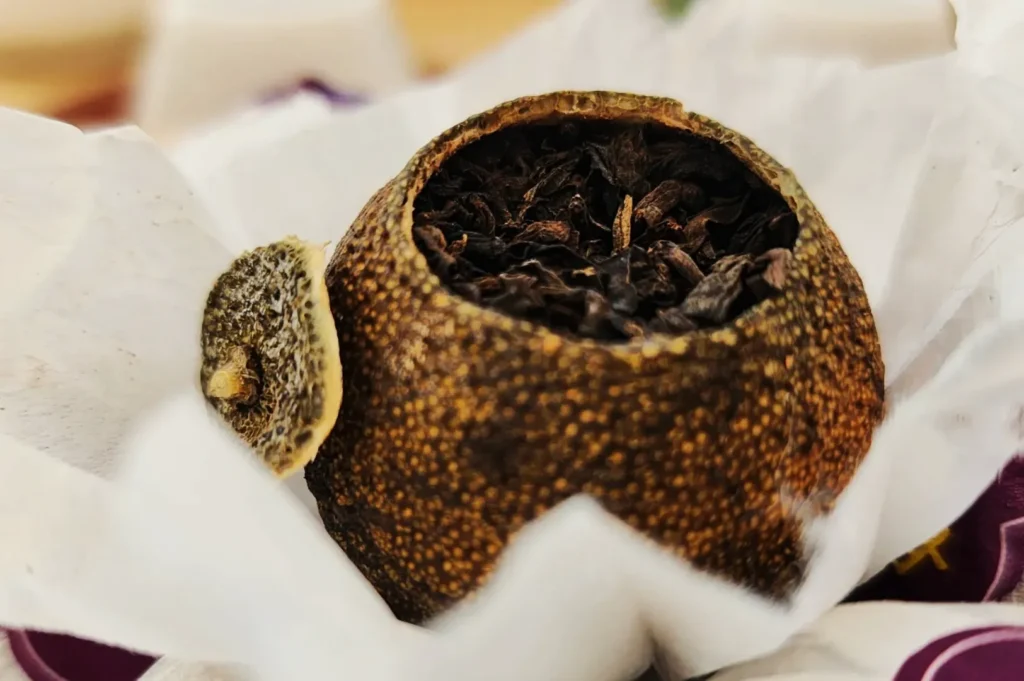
Tea drinkers sometimes worry too broadly, but in truth the list of genuine problems is fairly short.
The first is excess humidity. Moisture encourages mustiness and raises the risk that the tea will move in the wrong direction. In Singapore, where monsoon seasons can push indoor air into a heavier register, this is the most common concern.
The second is odour absorption. Tea is porous. Pu-erh can take in the scent of cooking oils, garlic, spice drawers, incense, perfume, fresh paint, new furniture, or even an old cupboard. What begins as a faint smell in the wrapper can later appear as confusion in the cup.
The third is poor airflow or stale storage. Tea does not need violent ventilation, but it also does not respond well to being forgotten in a damp, sealed, odorous corner.
Most “bad” pu-erh is not ruined by age itself. It is ruined by the environment around it.
How To Tell If Pu-erh Is Bad: A Quiet Checklist
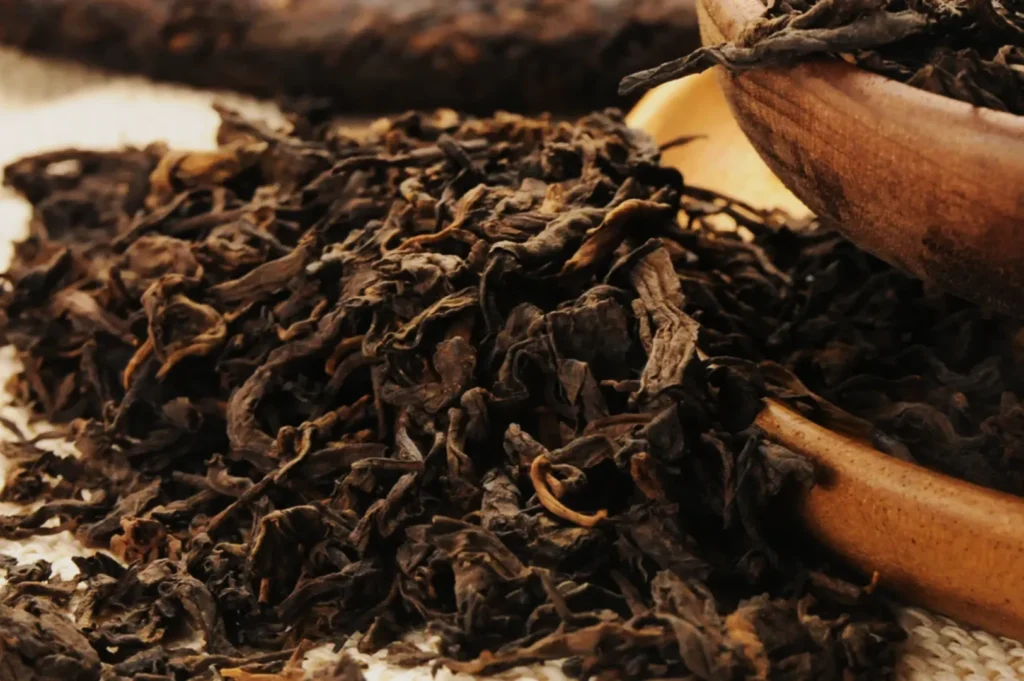
#1 Smell First
The first assessment should always be by smell, before water touches the leaf.
Look for:
- a clean, recognisable tea aroma
- earthy depth in ripe teas
- lifted, sometimes sharper or greener character in raw teas
- a wrapper that smells calm rather than stale
Be cautious if you notice:
- a distinctly mouldy or wet smell
- sourness that feels active rather than simply aged
- strong cupboard, spice, perfume, or cooking notes
- a heavy, airless musty pu-erh smell that does not ease with airing
#2 Look Closely
Open the wrapper in good light and inspect the surface.
Look for:
- an even, dry leaf surface
- natural variation in colour
- ordinary compression marks, dust, or age-darkening
Be cautious if you see:
- fuzzy growth
- irregular patches that look alive rather than dusty
- suspicious white, green, blue, or black bloom that clings unnaturally
- dampness, clumping, or softened areas in the cake
#3 Taste Carefully
If smell and appearance seem generally sound, brew a small amount.
A tea that is merely old or tired may taste flatter than before, but still clean. A tea that is genuinely going wrong often shows itself through:
- swampy or muddy flavour without clarity
- sourness that feels wrong rather than lively
- bitterness that feels dirty, not simply strong
- odour in the mouth that echoes cupboard, mould, or stale air
#4 The Cup Over Time
Watch what happens as the cup cools.
Sometimes a tea seems acceptable when hot, then opens in an unpleasant direction as it settles. A cleaner tea will usually remain coherent. A compromised one often becomes more obviously stale or musty.
Mould vs Harmless Bloom vs Dust
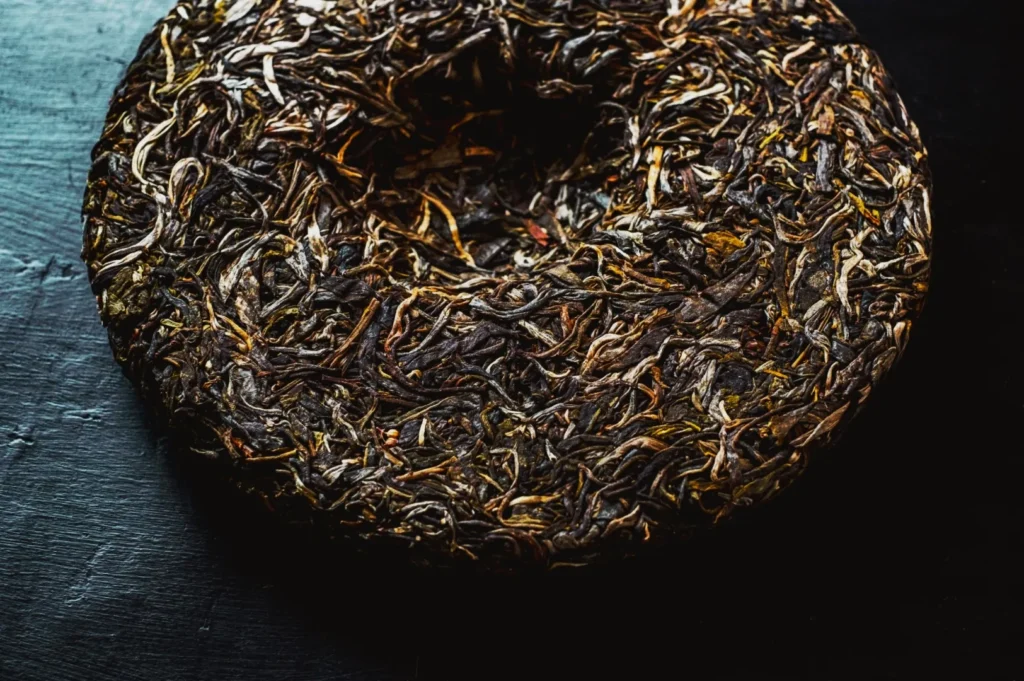
This is where many beginners become anxious, and with good reason. No one wants to dismiss a real problem, but not every white or pale mark is mould.
Harmless dust is usually dry, loose, and easy to brush away. It often comes from wrappers, compression, or handling. It does not look rooted into the leaf.
Some teas may also show harmless surface bloom or mineral-like residue depending on storage history. This is where caution matters. If the mark appears dry, stable, and odourless, it may not be harmful. If it looks fuzzy, spreading, damp, or unusually bright in colour, treat it as suspicious.
Be careful with:
- green or blue growth
- fuzzy white patches with a wet or sour smell
- anything that appears to be expanding
- clumped leaf surfaces with visible moisture
When in doubt, do not force optimism. If the tea looks active, smells wrong, and leaves you uncertain, it is safer to step back than to persuade yourself.
Storage In Singapore: The Practical Baseline
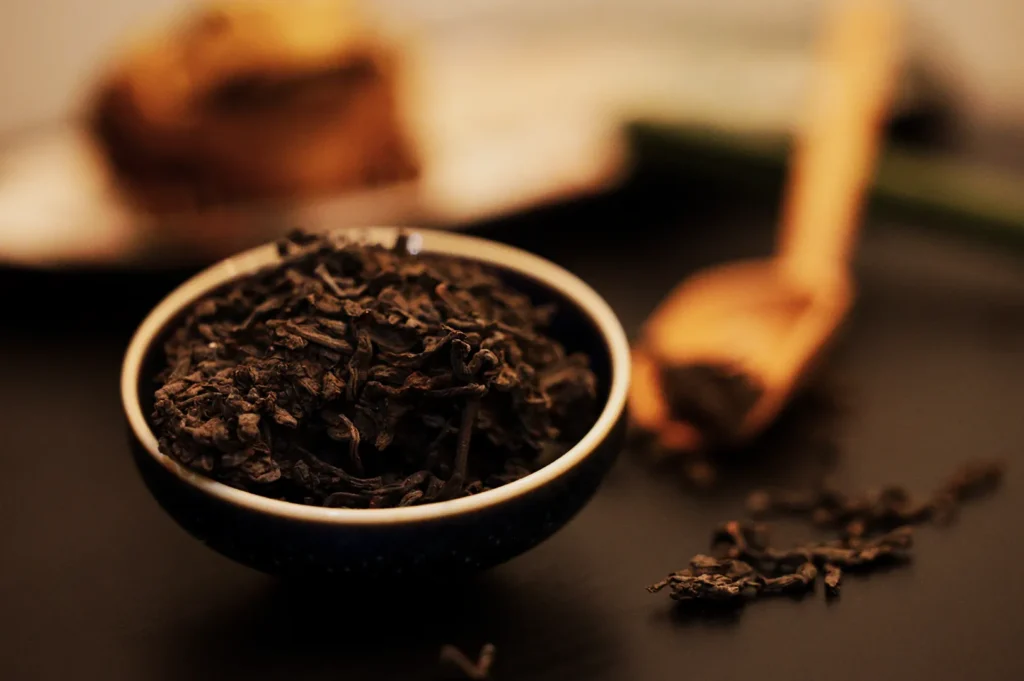
In Singapore, storage is not theoretical. Air-conditioning may dry one room and leave another heavy. Monsoon periods can push moisture into wardrobes and cabinets. Small apartments often mean tea lives closer to kitchens, perfumes, cleaning products, or new furniture than we would ideally like.
The practical baseline is simple:
- keep pu-erh away from direct sunlight
- keep it away from kitchen odours
- avoid damp, airless cupboards
- choose containers that are clean and odour-neutral
- check the tea regularly but gently
If you want a fuller walkthrough of containers, humidity, and odour control, we have set out pu-erh tea shelf life explained in our dedicated storage guide.
When To Discard (And When To Rest)
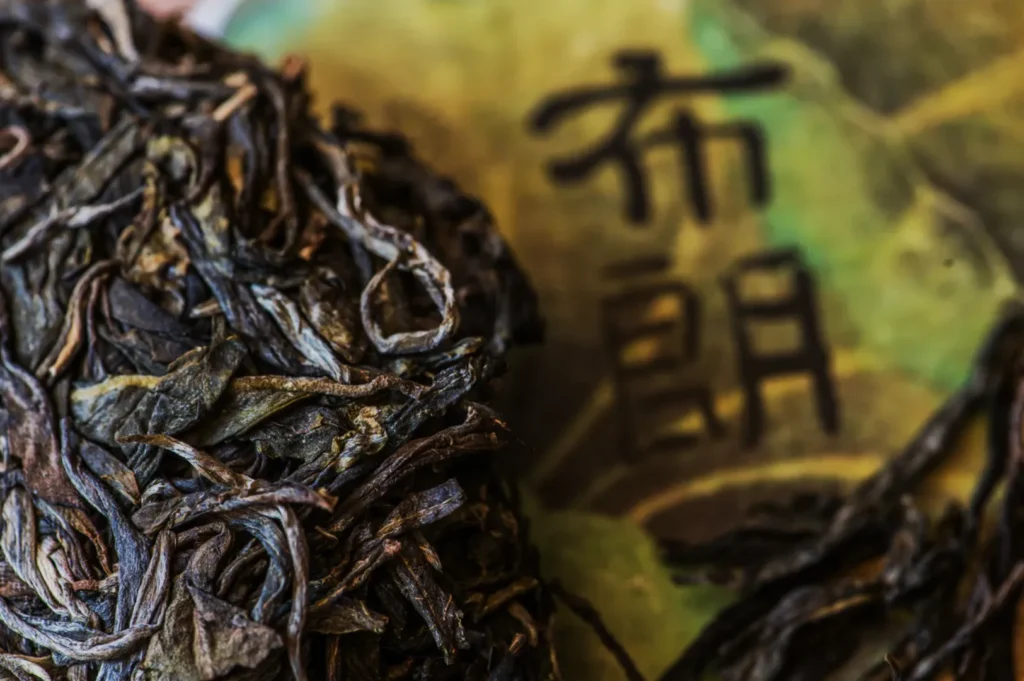
Discard the tea if:
- there is visible mould that appears active or fuzzy
- the smell is clearly mouldy, sour, or spoiled
- the leaf feels damp or compromised in structure
- the brewed tea tastes wrong in a way that confirms the warning signs
Let the tea rest rather than discard immediately if:
- a ripe pu-erh smells closed or warehouse-heavy, but not spoiled
- the wrapper smells slightly stale from storage rather than mouldy
- the tea seems compressed by its container and may benefit from brief airing in a clean, odour-free space
Ripe pu-erh, in particular, can sometimes improve after a little quiet breathing. But resting is not rescue. If the tea shows real spoilage, do not keep trying to persuade it back.
A Clearer Nose, A Calmer Cup
To understand whether pu-erh has gone bad, you do not need panic. You need a steadier nose, a little patience, and the confidence to trust what the leaf is showing you.
These cues become easier with experience. Many beginners find that the difference between sound age, harmless dust, and real spoilage is much clearer when they have smelled and tasted well-kept pu-erh alongside tea that is beginning to lose its way. At Tea Room by Ki-setsu, we offer that kind of learning quietly, through guided tastings shaped by privacy, calm, and craft.