People often begin with the same search, and with the same hope beneath it.
They type “tea house” because they want something calmer than a café, more attentive than a restaurant, and more meaningful than a quick drink between appointments. What they are often looking for is not history for its own sake, but a setting where tea can be experienced with guidance, stillness, and enough time to become legible. The confusion is understandable. In modern usage, the words tea room and tea house are used so loosely that they begin to blur.
Yet the distinction still matters.
Not because one is superior to the other in every context, but because each suggests a different pace, a different kind of hospitality and a different relationship to tea itself. This guide offers a calm way into that difference, so that the next time you choose a space for tea, your expectation and the experience have a better chance of meeting one another.
The Confusion Is Understandable (The Words Are Used Loosely)
Language shifts as cities do.
In one neighbourhood, a “tea house” may simply mean a casual place that serves many kinds of tea. Somewhere else, a “tea room” may refer to a beautifully designed lounge where tea is part of a wider menu of desserts, conversation and atmosphere. Online, the terms are even less stable. They are used for retail shops, cafés, ceremony spaces, tasting counters and hybrid concepts that borrow a little from each.
So the confusion is not a sign that the reader has misunderstood. It is a sign that modern hospitality often compresses many intentions into one vocabulary.
Still, there is a useful difference worth preserving. It does not rest only on décor, nor on whether the cups are porcelain or ceramic, nor on whether the room feels old or contemporary. The deeper distinction is one of intention and pace. What is the space trying to make possible? Is it primarily a place to stop, gather, and choose from variety? Or is it a place where tea is given enough focus to shape the rhythm of the visit?
Once that question becomes clearer, the names begin to settle.
What a Tea House Traditionally Signals
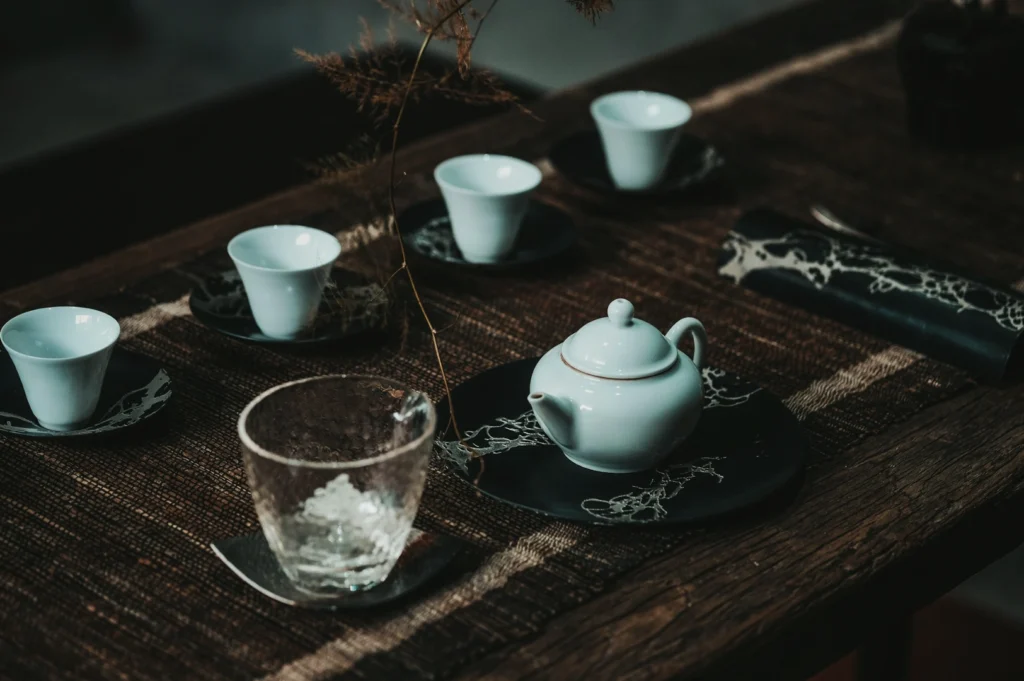
Traditionally, a tea house tends to suggest a more public-facing form of tea hospitality.
A tea house may welcome a broader flow of guests. It often holds a sense of community and approachability. The atmosphere may be relaxed, social, and culturally open, rather than highly contained. In some settings, it functions as a place where people pause for tea in the midst of daily life. In others, it becomes a gathering point where tea is one part of a wider social exchange.
That does not make it superficial. A good tea house can still hold real knowledge, beautiful leaves and thoughtful hosting. But its energy is often outward-facing. It is designed to receive many kinds of people, at different speeds, with different reasons for arriving.
The word also carries a cultural breadth. When people ask what is a tea house or search for tea house meaning, they are often responding to this sense of openness. A tea house can feel like a threshold space, where tea is available, welcoming, and woven into life rather than separated from it.
This is part of its beauty. It does not demand too much before the guest enters. It simply opens the door.
What a Tea Room Traditionally Suggests
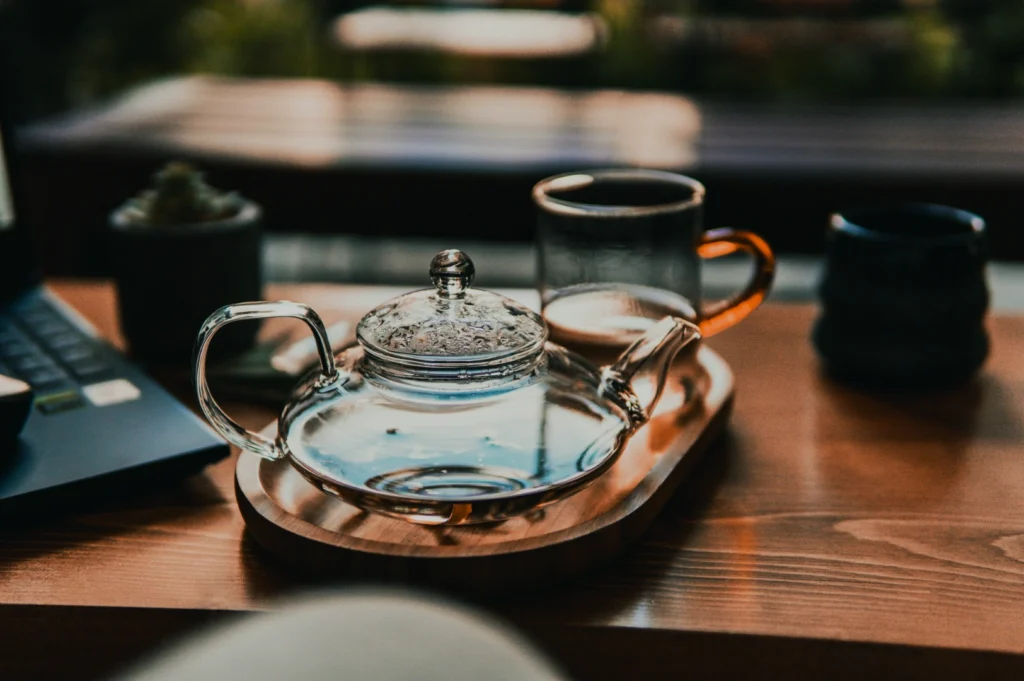
A tea room usually suggests something more intimate.
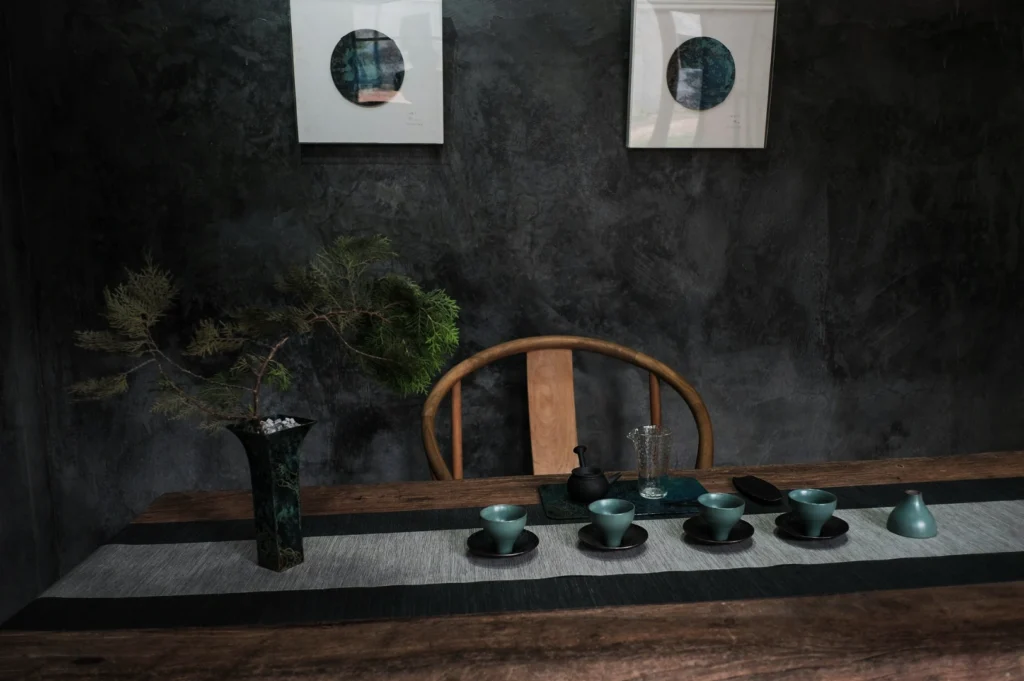
The scale is often smaller. The atmosphere is quieter. The focus turns inward, not in a severe way, but in a way that protects attention. Tea is less likely to be one offering among many, and more likely to become the centre around which the visit is shaped.
A tea room often implies curation. Fewer distractions. Fewer seats. Fewer gestures that pull the senses away from the cup. It can feel closer to a conversation than to a venue, closer to being hosted than to being served. The pace tends to slow, and with that change, the tea itself becomes easier to read.
The term also suggests restraint. A tea room does not need a long menu to feel complete. It does not need noise to feel alive. Its richness often lies in what has been removed, not what has been added.
This is why some people discover, after searching for a tea house, that what they were really seeking was a tea room. Not because they wanted less hospitality, but because they wanted hospitality of a more focused kind.
A tea room makes space for appreciation, not only consumption.
Tea Room vs Tea House: 6 Quiet Differences
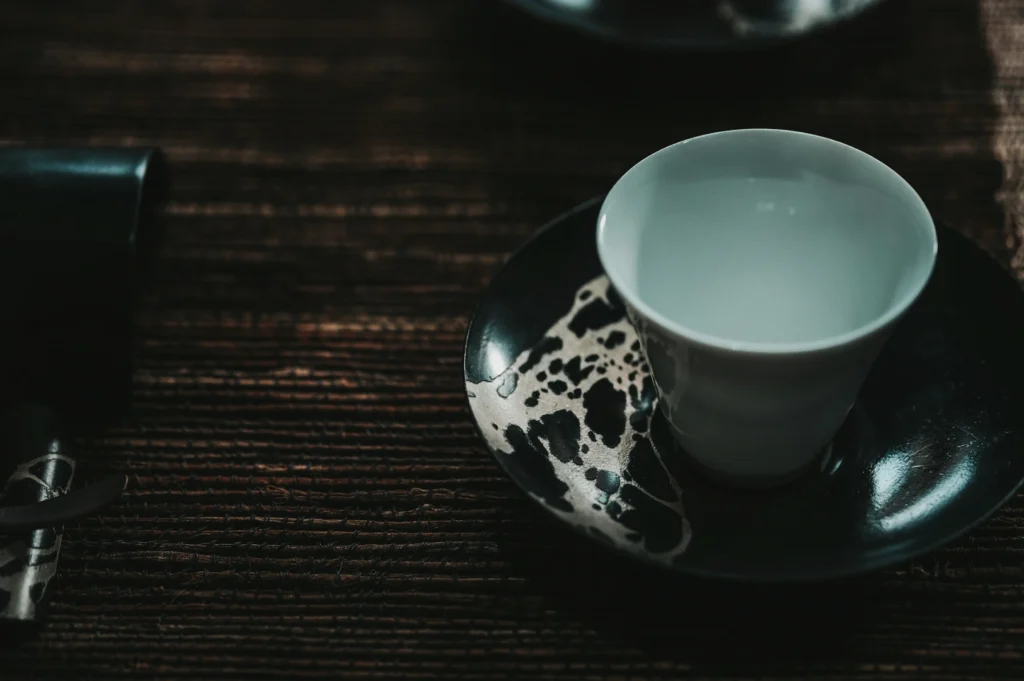
The distinction becomes easier to feel when broken into small, practical contrasts. None of these are rigid rules, but together they help explain why two spaces serving tea can leave such different impressions.
Purpose: Social Stop vs Intentional Session
A tea house may be a place to stop by.
A tea room is more likely to feel like a destination in itself. The difference is subtle but important. One supports tea within the flow of the day. The other asks the day to pause for tea.
Pace: Quick Cup vs Unfolding Infusions
In a more public tea house setting, the pace may be casual and flexible. Tea can be enjoyed comfortably without requiring long attention.
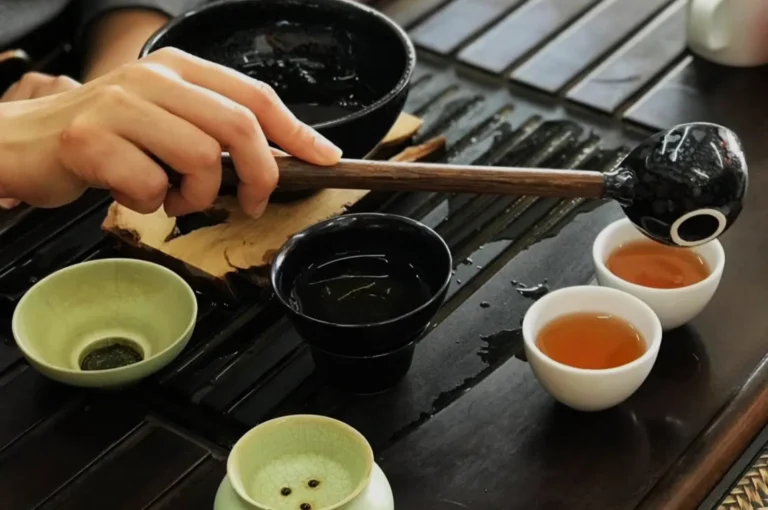
In a tea room, the pace often unfolds through repeated infusions and quieter transitions. Time is not an accessory to the tea. It is part of the tea.
Hosting: Service vs Guidance
A tea house may serve well, warmly and efficiently.
A tea room often guides. The host reads the tea, the guest, and the room together. They adjust without drawing too much attention to the adjustment. This is a different kind of care.
Space: Lively Ambience vs Protected Quiet
A tea house can hold a pleasant social energy. Background conversation, movement, and a sense of shared atmosphere may all be part of its charm.
A tea room protects quiet more deliberately. Sound, light, and seating all work together to reduce interruption.
Menu: Broad Variety vs Curated Selection
Tea houses often offer breadth, which can be useful and welcoming.
Tea rooms tend toward curation. There may be fewer teas, but each has been chosen with greater specificity, and is often served in a more intentional way.
Attention: Beverage vs Appreciation
In a tea house, tea may remain primarily a beverage, even a very good one.
In a tea room, tea is often approached as something to be appreciated through aroma, texture, aftertaste and pacing. The distinction is not technical. It is experiential.
Why the Difference Matters (Especially for Tea Appreciation)
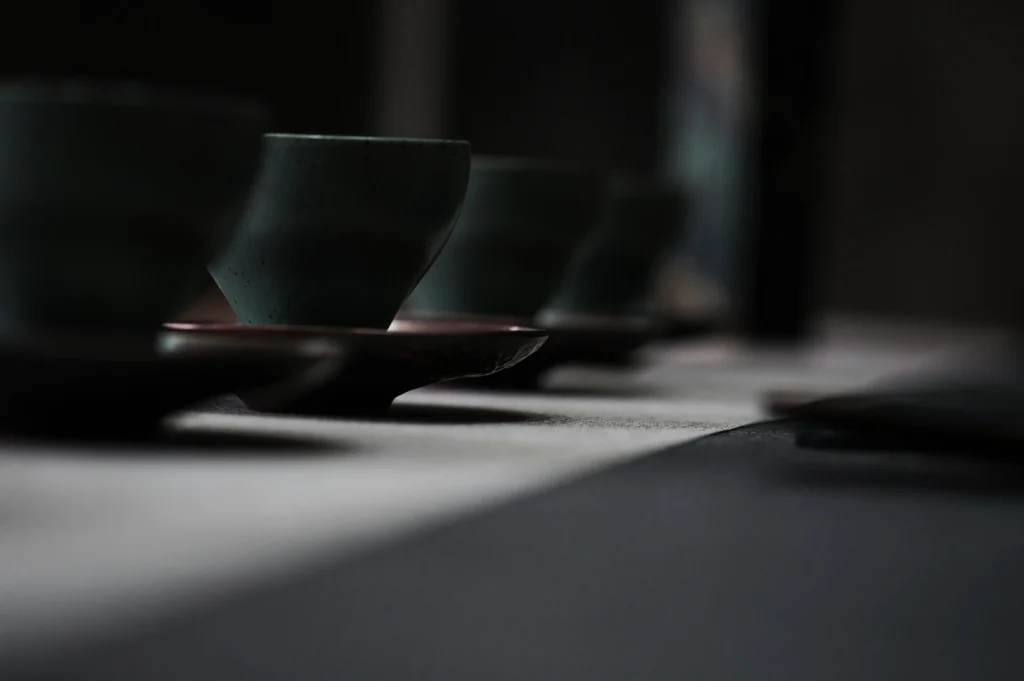
Tea changes according to the conditions around it.
A room with too much movement can flatten the finer edges of aroma. A hurried service can collapse the difference between one infusion and the next. A guest who feels they must keep pace with noise or social energy may never quite arrive at the cup in front of them.
This is why the distinction between tea room and tea house matters, especially for anyone interested in appreciation rather than simple consumption. Tea can be enjoyed almost anywhere. But to appreciate it, certain things help: time, quiet, guidance, and a setting that does not fracture attention.
No distractions is not an aesthetic preference alone. It is a practical condition.
When the room is calmer, the tea becomes more precise. The body notices texture more easily. The aftertaste becomes easier to follow. The host can guide with more subtlety. The guest can soften into the experience instead of standing outside it, trying to keep up.
A space does not need to be grand to change the tea. It only needs to be attentive. If you’d like a fuller picture of ritual, hosting and etiquette, our Traditional Tea House Guide offers a calm starting point.
The Modern Singapore Context: Privacy as Luxury
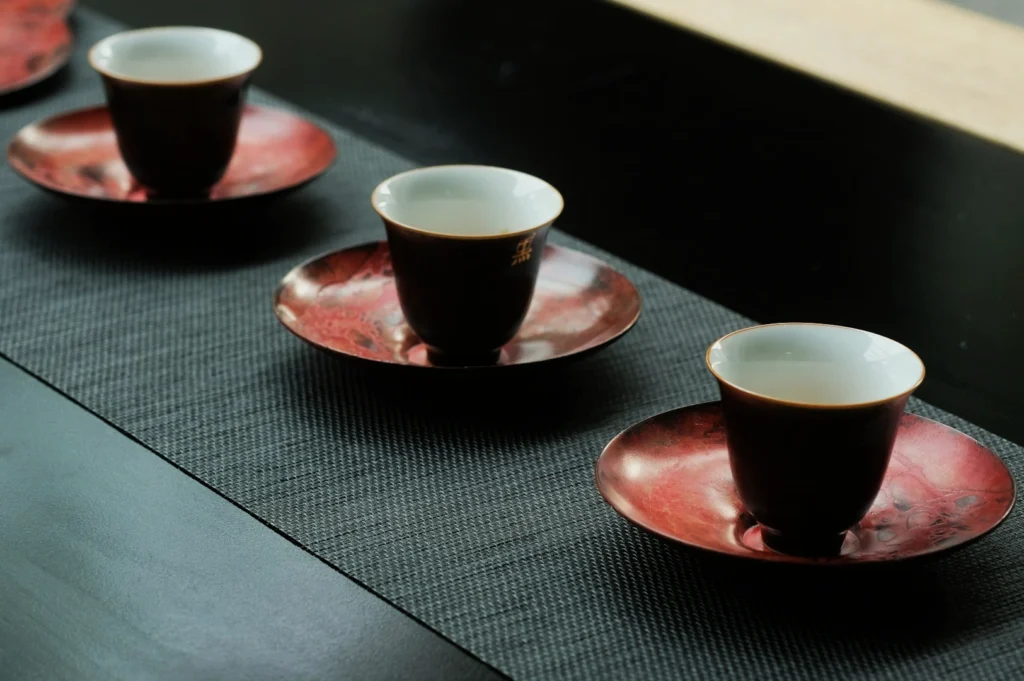
In Singapore, privacy has become a kind of luxury that many people do not name directly until they feel it.
The city is efficient, generous, and full of possibility. It is also often crowded, bright, and acoustically demanding. Even beautiful places can ask a great deal of the senses. To sit somewhere that does not compete with your attention can therefore feel unusually rare.
This is one reason smaller, quieter tea spaces hold such particular appeal here. They offer not escape exactly, but contrast. The pace shifts. The body recognises that it no longer needs to process so much at once.
That shift matters.
A private setting is not valuable because it appears exclusive. It is valuable because it protects a different quality of experience. In a city where time is often partitioned and shared spaces are constantly negotiated, a room that feels held, measured, and undisturbed becomes deeply restorative.
Privacy, in this sense, is not social theatre. It is sensory relief.
A Private Tea Room in Singapore: Tea Room by Ki-setsu
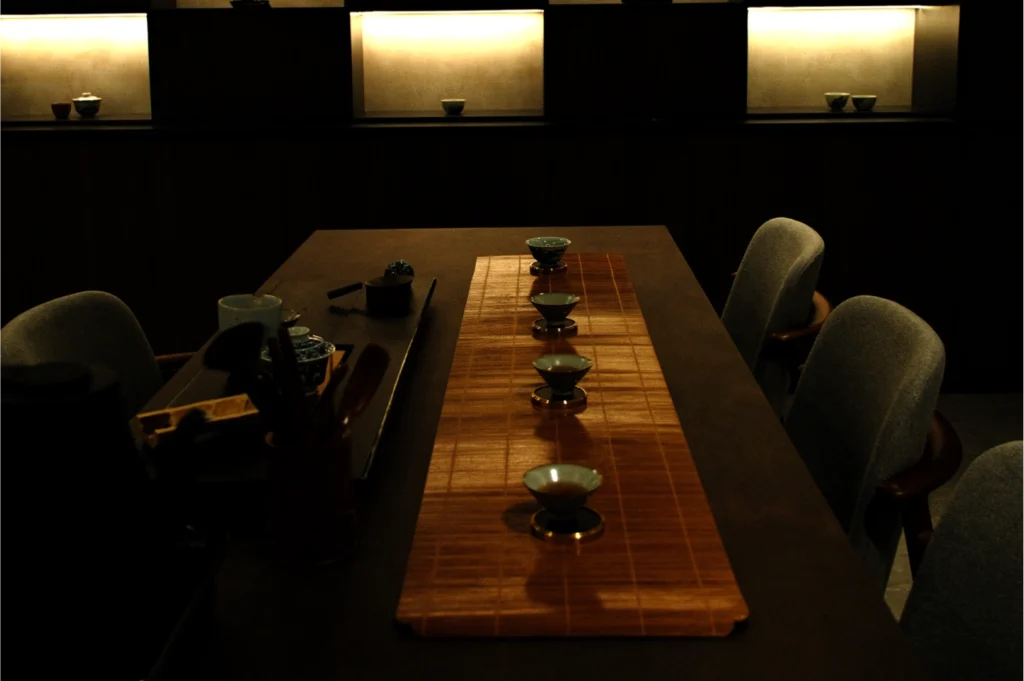
At Tea Room by Ki-setsu, the distinction between tea room and tea house is not theoretical. It shapes the way the space is held.
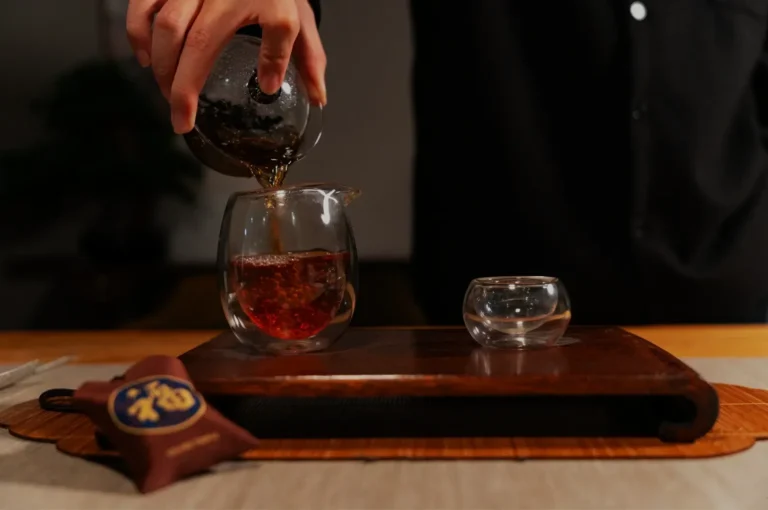
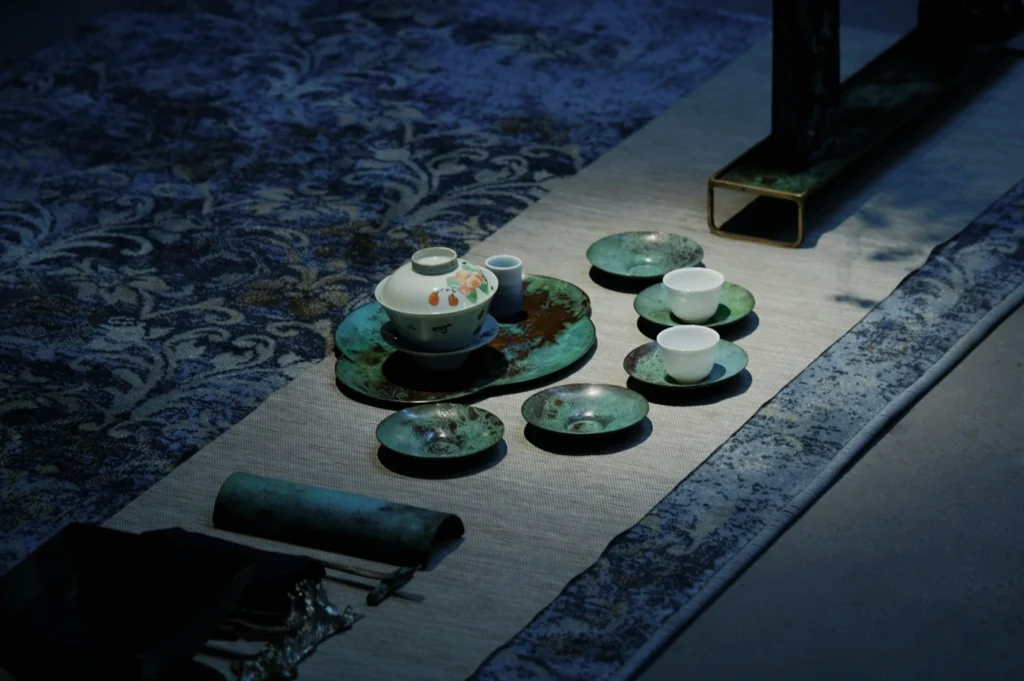
Tea Room by Ki-setsu is a reservation-only establishment. Our tea sessions are hosted for two to five guests at a time. The atmosphere is private, guided and free from unnecessary distraction. The leaves are curated in limited quantities, not to create noise around scarcity, but to preserve seriousness of choice. The host leads the pace quietly, allowing the tea to unfold without hurry and without performance.
This is what a private tea room in Singapore can make possible.
The experience is not built around throughput. It is built around attention. Guests are welcomed into a slower sequence of preparation, aroma, infusion, and conversation. There is enough space to notice the difference between cups. Enough calm for the tea to gather itself. Enough privacy for the guest to do the same.
Nothing is forced. That is part of the design.
For those who find themselves drawn less to variety for its own sake and more to the conditions in which tea becomes legible, a room like this makes the distinction matter in the most practical way.
Choose the Space That Matches Your Intention
The question is not whether one word is more correct than the other.
The more useful question is what kind of experience you are seeking. If you want sociability, openness, and a place to stop and enjoy tea within the movement of the day, a tea house may suit you beautifully. If you want tea to shape the pace of the visit, and for attention to be protected rather than divided, a tea room may be closer to what you are really after.
Choose the setting first. The tea will taste different when time is protected.