There is a particular kind of question that arises once a person realises green tea is not one thing.
They may have tasted a Japanese Sencha at a café, or perhaps their first meaningful cup of Chinese tea was Longjing. Both are green. Both are celebrated. Both can feel restorative, precise, and quietly beautiful. Yet the resemblance ends there. One leans toward sea breeze, fresh-cut greens, and a brisk, upright clarity. The other carries warmth, chestnut softness, and a more rounded sense of ease.
This is why comparing Longjing and Sencha can be so useful. Not to decide which is “better,” but to understand which one feels more like you.
At Tea Room by Ki-setsu, we often see that once guests understand the difference between these two teas, their preferences become much clearer. If you are wondering whether Longjing vs Sencha is a question of culture, flavour, mood, or brewing style, the answer is yes to all of them. The important thing is that each tea offers a distinct way of being green, and that distinction is worth learning slowly.
Two Green Teas, Two Different Ideas of Freshness
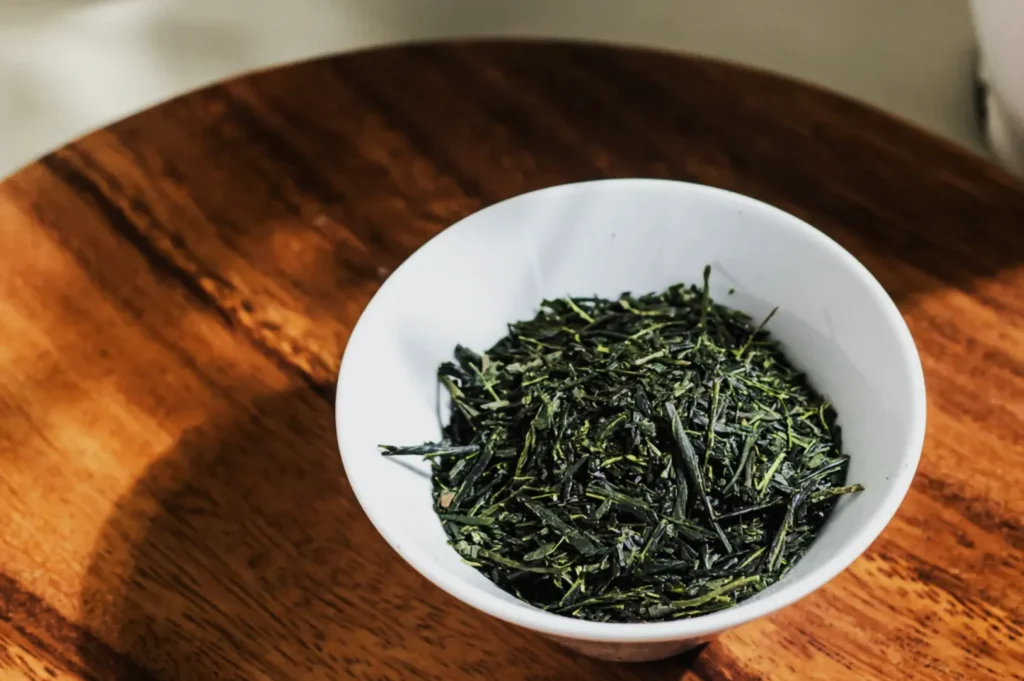
Longjing and Sencha are often grouped together because both are green teas, but they preserve freshness in very different ways.
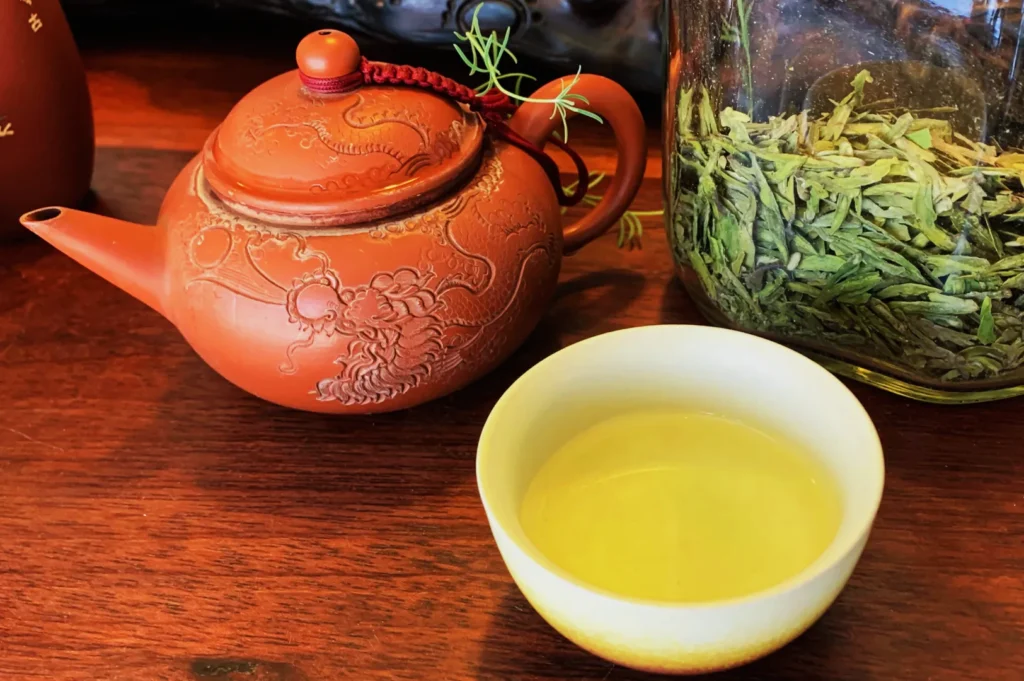
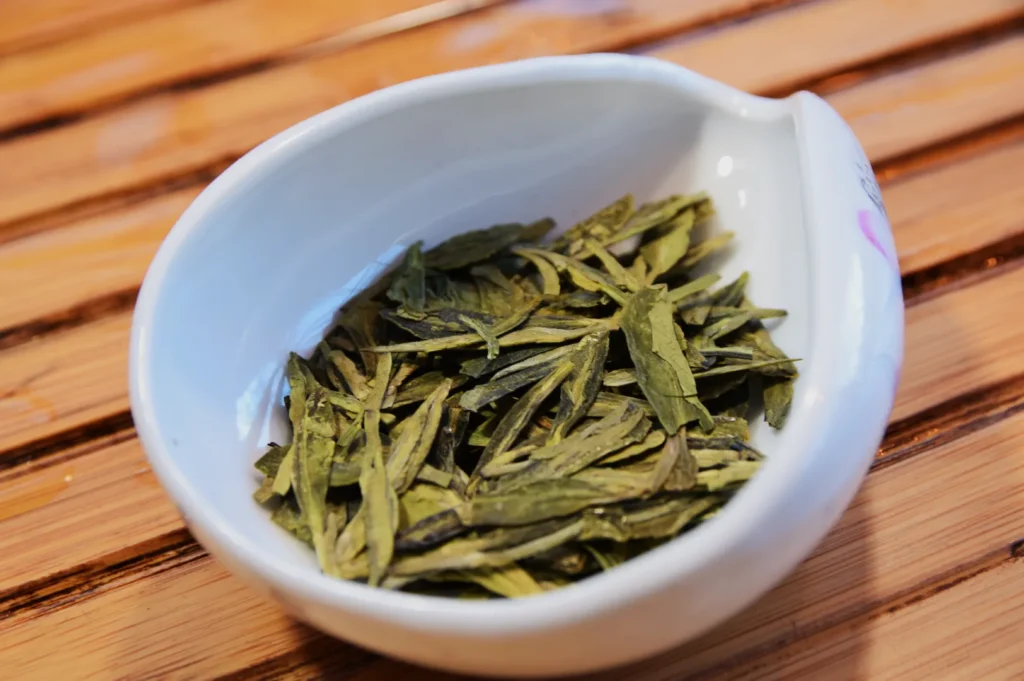
Longjing, or Dragon Well, is pan-fired. The leaves are pressed by hand against the warmth of a wok, which halts oxidation while shaping them into their familiar flat form. This gives the tea a warm, dry, chestnut-like character alongside its spring-green freshness.
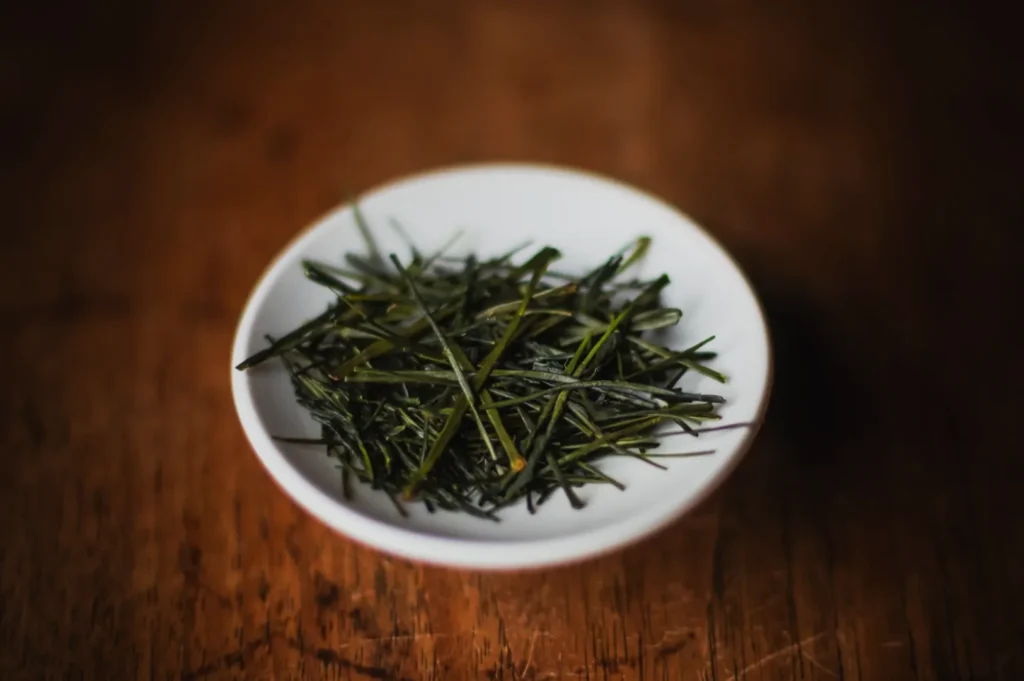
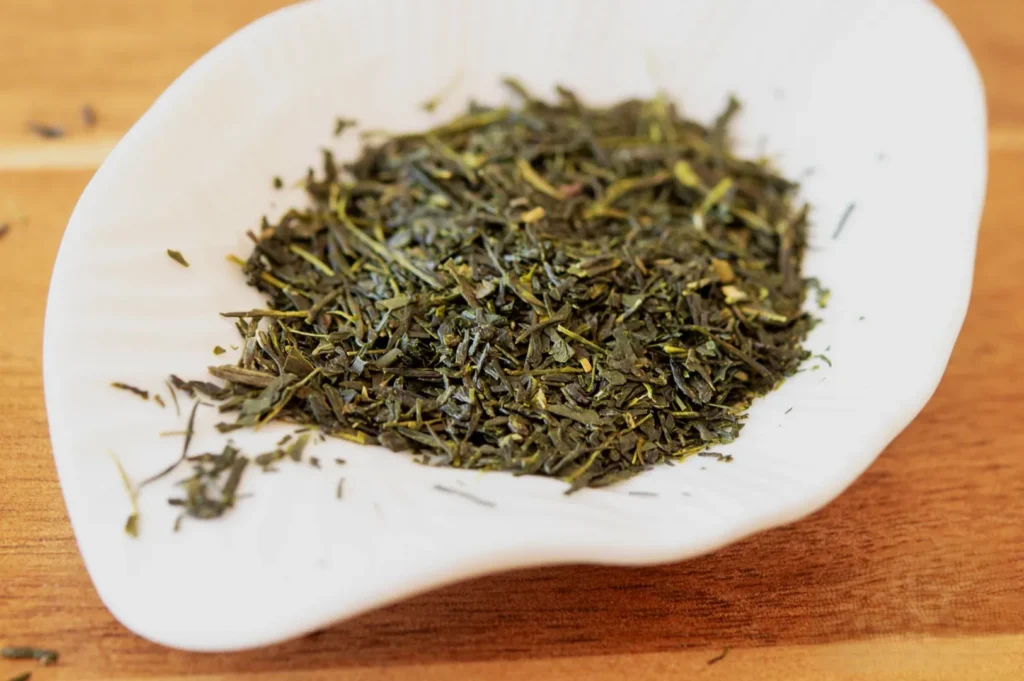
Sencha is steamed. That one difference changes almost everything. Steaming preserves a more vivid vegetal profile, one that often feels brighter, wetter, and more marine in tone. The leaf remains needle-like rather than flat, and the cup carries a greener, more direct freshness that many people recognise immediately.
Both are graceful teas. They simply define grace differently.
Longjing tends to soften freshness with warmth. Sencha tends to sharpen it with clarity.
What Longjing Tastes Like
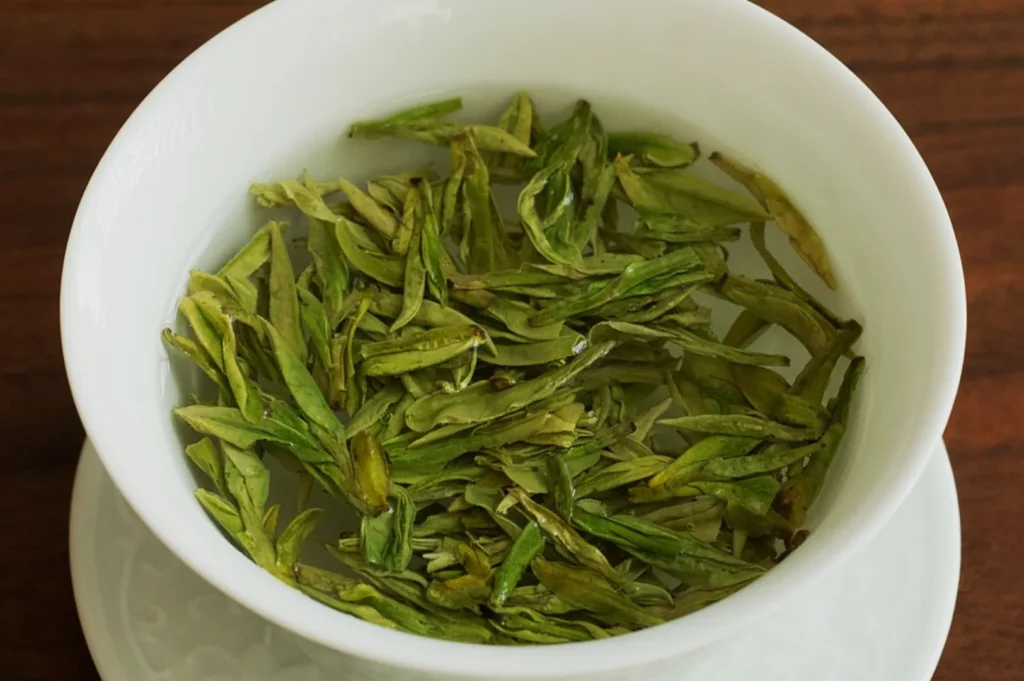
Longjing is often described through warmth before brightness.
A good cup may suggest toasted chestnut, sweet bean, fresh grain, young greens, or a soft vegetal note that feels more sunlit than grassy. The liquor is usually pale but quietly structured, with enough body to feel complete without becoming heavy.
The aroma tends to rise gently rather than sharply. It often feels dry, warm, and composed. The aftertaste, when the tea is good, leaves a clean sweetness that stays longer than people expect from such a delicate-looking liquor.
What makes Longjing especially appealing to many first-time drinkers is that its sweetness often feels more immediately comforting than challenging. It does not usually arrive with a strong grassy push. Instead, it opens in a more rounded register. This is one reason many people exploring Longjing tea in Singapore find it easier to understand, even if they have not drunk much Chinese green tea before.
What Sencha Tastes Like
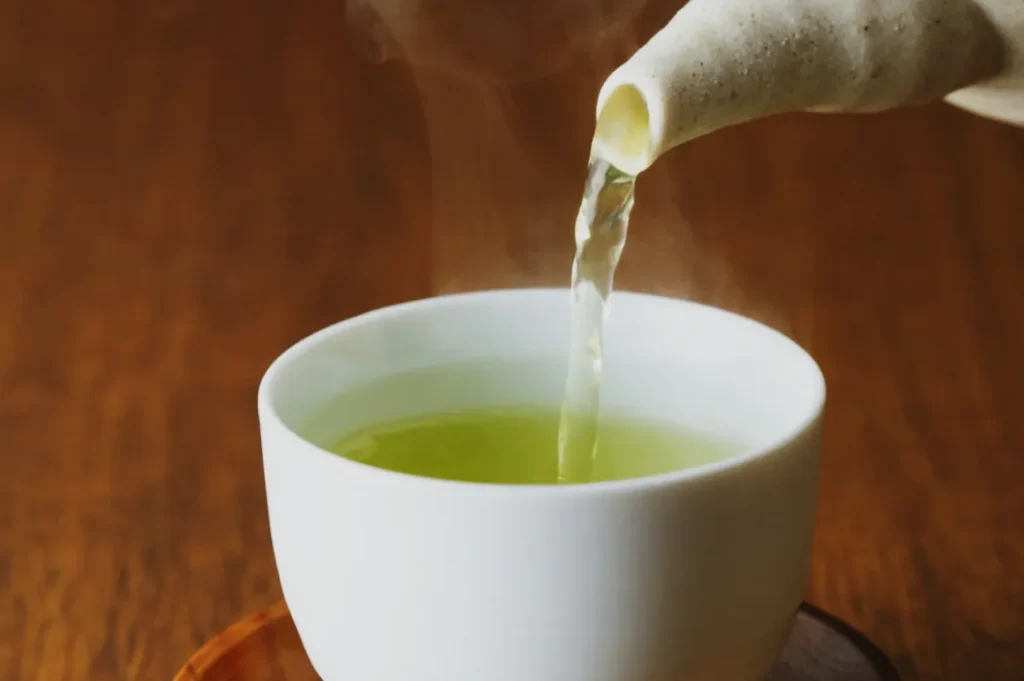
Sencha often enters the palate with more directness.
The first impression can be grassy, vegetal, fresh, and distinctly alive. Depending on the tea, you may notice seaweed, steamed greens, spring grass, sweet pea, or even a subtle umami character that Longjing rarely prioritises in the same way. The liquor can feel brisker and slightly more pointed, especially in younger or more assertive expressions.
Its aroma also behaves differently. Sencha’s fragrance often feels cooler, greener, and more immediate. Where Longjing gives warmth and chestnut before clarity, Sencha often offers clarity first and lets sweetness emerge afterward.
For drinkers who love freshness that feels clean, direct, and almost oceanic in its mineral lift, Sencha can be deeply satisfying. It is not a tea that usually seeks comfort first. It seeks precision.
Aroma: Warm Meadow or Green Sea Air?
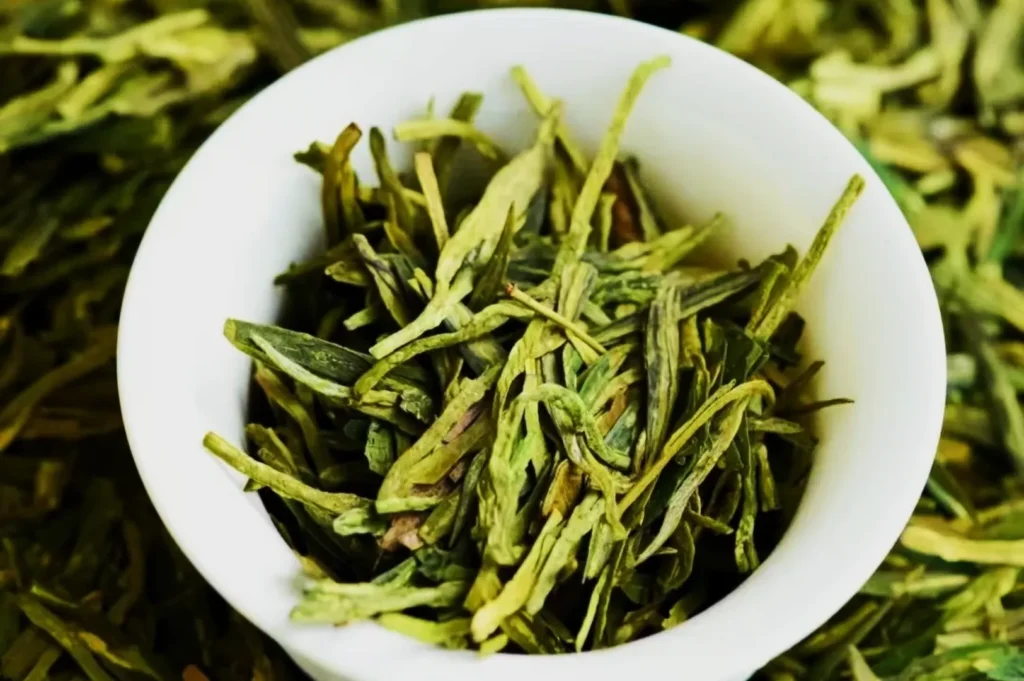
If aroma is what draws you first, the difference becomes very clear.
Longjing tends to smell like:
- warm chestnut
- sweet hay
- toasted soybean
- young greens
- soft spring grain
Sencha more often suggests:
- steamed greens
- fresh grass
- sweet pea
- sea breeze
- a light marine or umami tone
Neither set of descriptors is more sophisticated. They simply point in different directions.
A person drawn to nutty warmth, dry sweetness, and a gentler kind of freshness will often prefer Longjing. Someone who wants greener intensity and the feeling of freshness in a sharper line may prefer Sencha.
Texture: Rounded vs Brisk
The mouthfeel of the two teas also diverges in important ways.
Longjing usually feels softer and more rounded. Even when brewed lightly, it tends to carry a smoothness that keeps the cup from feeling too thin. The warmth of its pan-fired character often gives the tea a kind of inward curve. It lands softly.
Sencha can feel more brisk and linear. The liquor often moves with more directness across the tongue, and depending on how it is brewed, it may bring a firmer grip or a brighter edge. This is part of its appeal, especially for drinkers who enjoy a tea that feels vivid and alert.
If you prefer texture that glides, Longjing may fit you better. If you prefer a tea that feels more immediate and structured, Sencha may be the clearer match.
Aftertaste: Lingering Sweetness vs Clean Lift
Longjing often leaves a gentle sweetness behind.
The aftertaste can feel chestnut-soft, slightly grain-like, and very clean. It does not usually disappear quickly. Instead, it rests quietly at the back of the mouth, sometimes giving the impression that the cup was warmer and fuller than it first seemed.
Sencha’s finish is often clearer and more lifted. It may leave freshness rather than warmth, sometimes with a greener, almost cooling quality. If the tea is well made, this can feel beautifully precise. If brewed too strongly, it can become more austere.
This is one reason the question of what green tea fits your taste better is so useful. Some people want the cup to settle them. Others want it to sharpen the air around them. Aftertaste often reveals which instinct is stronger.
Which Green Tea Is Easier for Beginners?
This depends less on expertise than on sensitivity.
Longjing is often one of the best green tea for beginners if the drinker is unsure about strong vegetal notes. Its chestnut warmth, gentle sweetness, and rounded body can make it more welcoming from the first sip. It tends to feel easier to enter.
Sencha can also be a wonderful beginner tea, especially for those who already enjoy greener, fresher profiles in food and drink. People who like spring vegetables, herbaceous flavours, or a cleaner, brisker cup may actually understand Sencha more quickly than Longjing.
So the better beginner tea is not universal. It is the one whose style feels intuitive to you.
If you want comfort first, begin with Longjing.If you want freshness first, begin with Sencha.
Which One Is More Sensitive to Brewing?
Both teas deserve care, but they punish different mistakes.
Longjing can lose its sweetness if the water is too hot. It may flatten into bitterness or rough greenness if rushed. But when brewed gently, it tends to be quite graceful and stable.
Sencha is often more sensitive in another way. Because of its steamed profile and stronger vegetal edge, it can become overly sharp or intensely grassy if over-steeped or brewed with water that is too hot. The line between beautifully vivid and slightly severe can be narrower.
For many drinkers, this means Longjing is easier to brew “pleasantly” on the first few attempts, while Sencha may require a little more adjustment to find its exact sweet spot.
Mood Matters More Than Category
The most useful comparison may not be technical at all.
Ask instead: when would I want to drink this tea?
Longjing often suits:
- a quiet late morning
- a thoughtful conversation
- a slower pace
- a mood of restoration
- a room that feels warm and still
Sencha often suits:
- an earlier, brighter start
- active concentration
- a clean palate
- a mood of alertness
- moments when you want the senses sharpened rather than softened
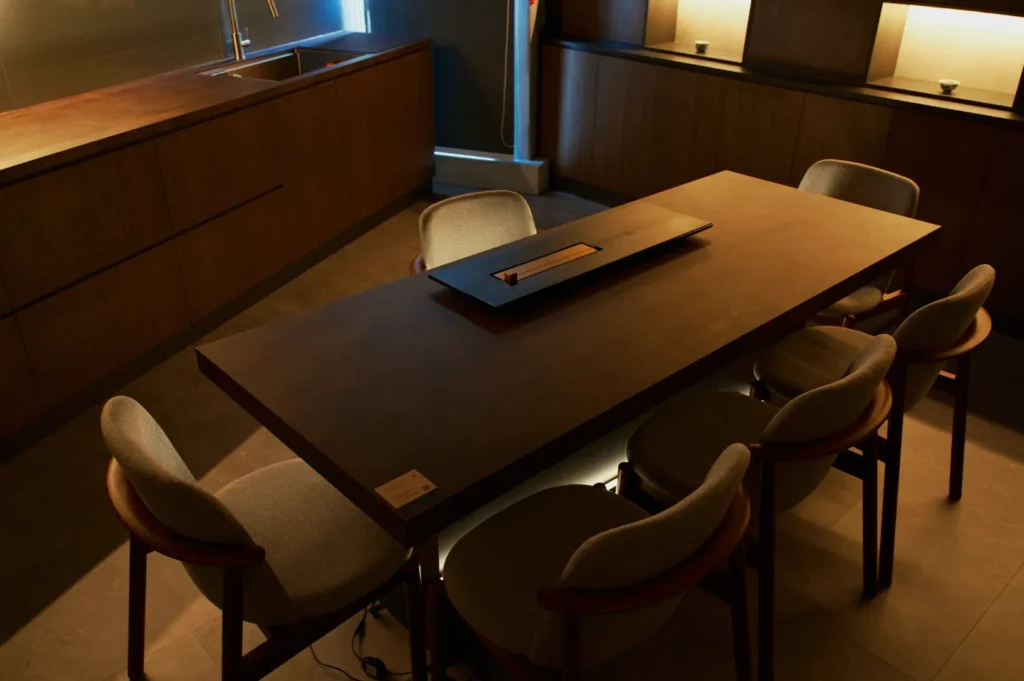
This does not mean the teas are limited to these moods. It means they tend to answer them well. In a guided tasting, these differences become even clearer, because mood and environment shape the tea as much as the leaf itself.
Why This Comparison Matters in Singapore
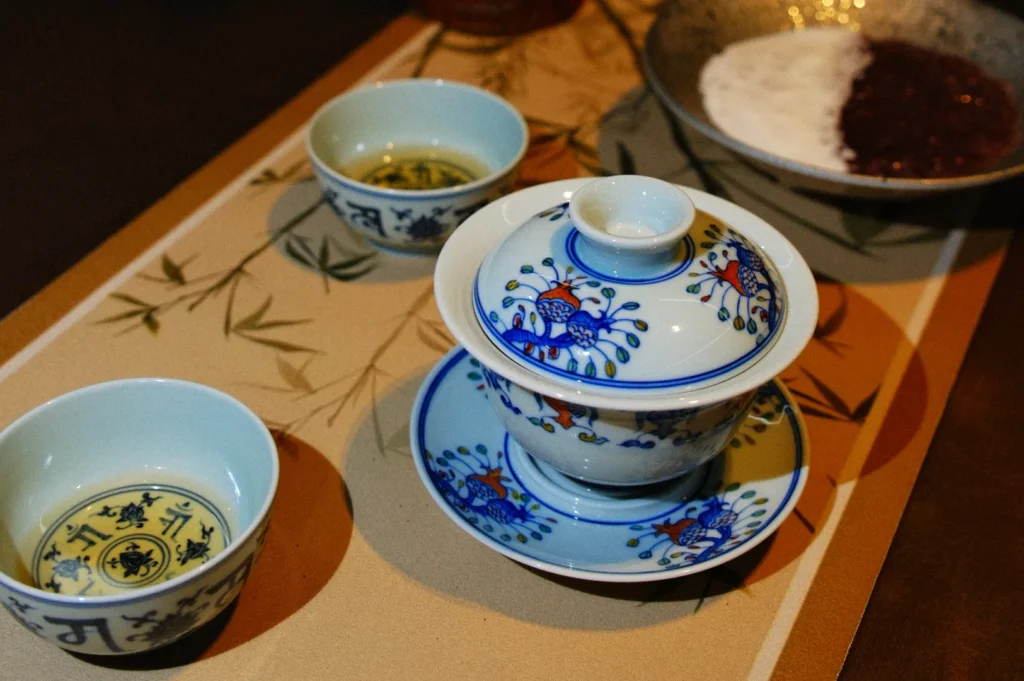
In Singapore, where many people encounter tea through broad retail shelves, cafés, or online descriptions, the distinction between these two teas can be blurred. Both may simply be labelled “green tea,” as though they belong to one family without internal difference.
But the difference matters because it changes the entire experience of drinking.
At Tea Room by Ki-setsu, we think this kind of comparison is one of the quietest forms of tea education. Not because it turns tea into a test, but because it gives the palate permission to prefer honestly. A person who thought they “did not like green tea” may only have been meeting the wrong style of green tea all along.
This is why comparisons like dragon well vs sencha are not only useful for buying. They are useful for self-understanding.
The Better Tea Is the One You Return To
The point of comparison is not to crown a winner.
Longjing is not superior because it is Chinese, nor is Sencha more refined because it is Japanese. Each tea carries a different relationship to freshness, warmth, and discipline. Each can be extraordinary when made well. Each can also miss its mark when poorly handled.
What matters is return.
Which tea would you want to reach for on an ordinary day? Which one leaves your palate feeling more complete? Which aroma feels like recognition, not effort? The better tea, for you, is usually the one that makes those answers easier.
At Tea Room by Ki-setsu, we return often to this principle: tea should clarify taste, not complicate it unnecessarily. Longjing and Sencha are both capable of extraordinary beauty. But they are beautiful in different dialects. Learning that difference is not about judgement. It is about finding the green tea that feels most like home.