There are teas that suit a city because they move as quickly as it does.
Longjing is not one of them. That is precisely why it matters.
Singapore is bright, deliberate, and constantly in motion. It rewards clarity, efficiency, and the ability to move between demands without visible strain. We admire that. We also know what it costs. A fast city does not always leave much room for quieter forms of attention. Yet it is exactly in such a place that a tea like Longjing becomes meaningful. Not as escape, and not as nostalgia, but as a counterbalance. A way of remembering that refinement does not always arrive through acceleration.
At Tea Room by Ki-setsu, this is part of why Longjing remains close to us. Not because it is famous, and not only because it is beautiful, but because it holds a pace the city itself rarely does. It asks for care without spectacle. It offers clarity without noise.
For readers who want the wider introduction first, our complete guide to Longjing tea in Singapore traces the tea’s larger story. What follows is more personal. A reflection on why Dragon Well still feels necessary here.
A Tea That Refuses to Rush
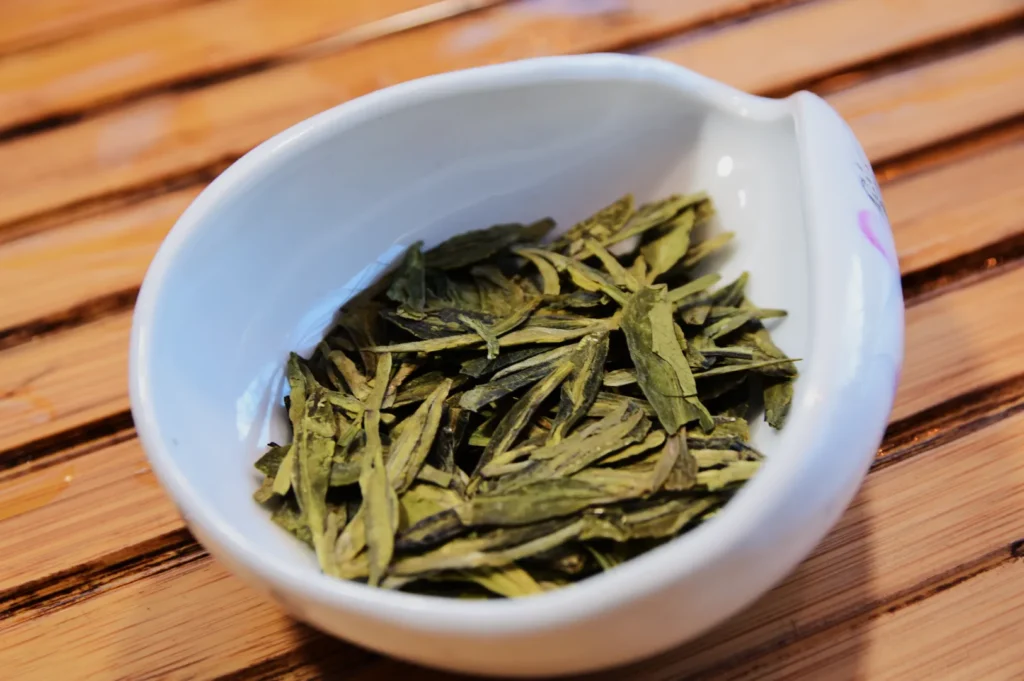
Longjing does not reward impatience.
It can be brewed too hot, judged too quickly, and spoken over too easily. None of these things suit it. The tea asks for a different quality of attention, one that many people do not realise they are craving until it is offered to them. In a slower room, with enough quiet to let aroma arrive before conversation fills the air, Longjing begins to reveal what is otherwise missed.
This is one reason it belongs in Singapore.
Not because the city is incapable of stillness, but because stillness here feels especially precious when it is found. In a place where every hour tends to carry more than one purpose, a tea that insists on singularity becomes quietly radical. One cup. One pace. One moment not divided into smaller ones.
That is not sentimentality. It is simply relief.
Why Spring Still Matters Here
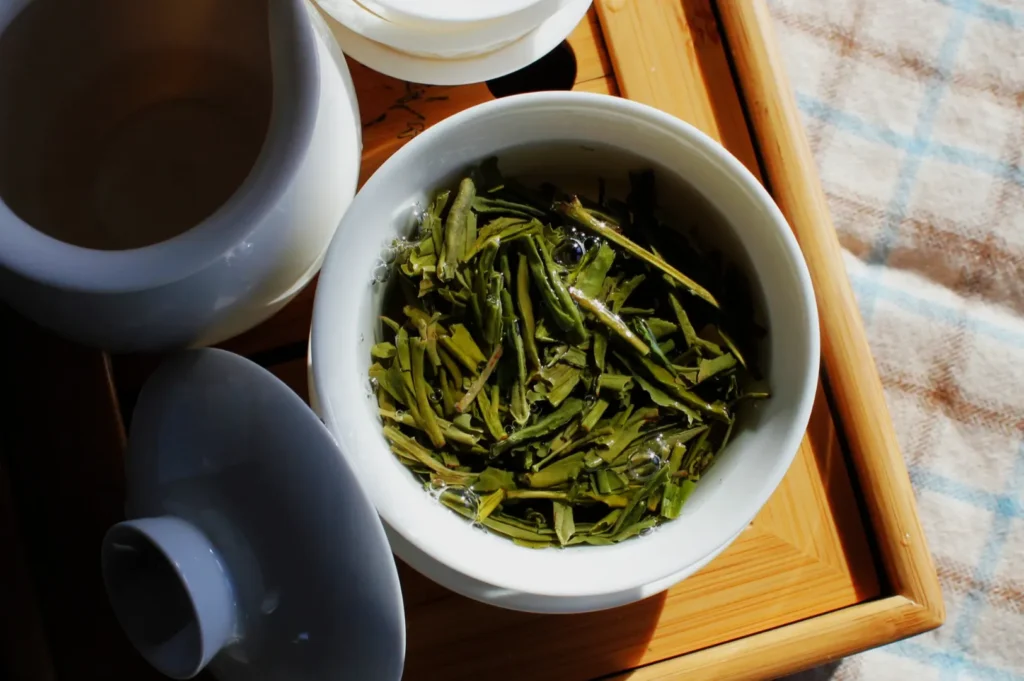
Longjing is a spring tea.
Even in Singapore, where the seasons do not change in the same visible way, that springness can still be felt. Not in climate, but in character. The tea brings a kind of early brightness with it: chestnut warmth, tender green lift, and a clean sweetness that feels like newness rather than intensity. To drink it is to touch a different calendar.
Perhaps this is part of its appeal in a tropical city. It gives us a season in the cup that the weather cannot provide outside it. More than that, it gives us the emotional shape of spring: the sense that something delicate has been gathered at exactly the right moment and preserved with enough care that it still feels alive.
This matters to us.
At Tea Room by Ki-setsu, we have always been drawn to teas that carry time well and Longjing carries the beginning of time beautifully.
Tea as a Different Kind of Urban Refinement
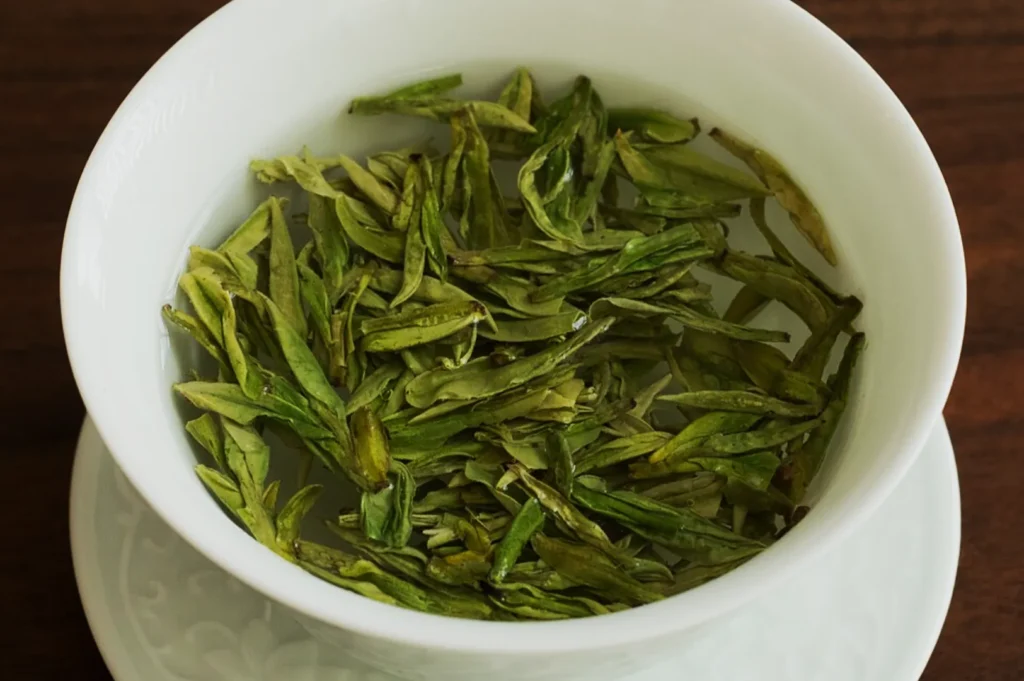
There are many ways to seek refinement in a city.
Some are visual. Some are culinary. Some are social. Tea offers another form, one that is quieter and more difficult to display. It asks less about where you are seen, and more about how you are present. Longjing in particular expresses this kind of refinement very clearly. It does not overwhelm the senses. It organises them.
This is why we do not think of Dragon Well as merely a famous green tea. We think of it as a discipline of perception.
When brewed well, Longjing teaches several things at once:
- how to notice warmth without heaviness
- how sweetness can be quiet and still complete
- how aroma can lead without dominating
- how texture can matter more than obvious flavour
- how aftertaste can carry an entire cup forward
These are small lessons, but a fast city rarely offers them on its own.
Why Longjing Feels Modern Without Chasing Modernity
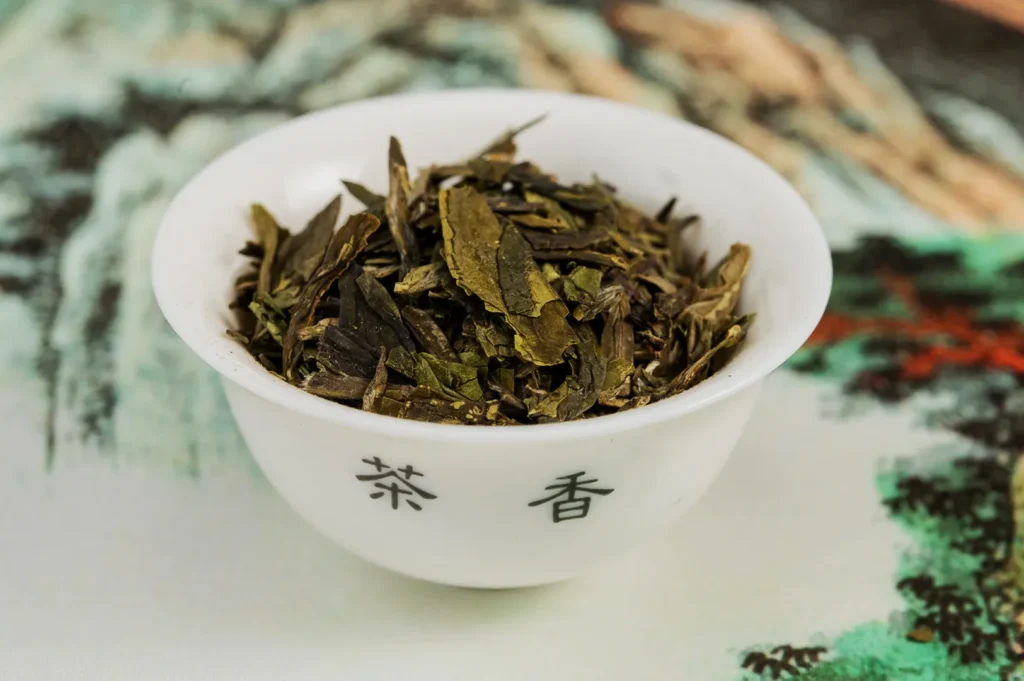
One of the beautiful paradoxes of Longjing is that it feels deeply historical and entirely relevant at the same time.
Its methods are old. Its cultural weight is old. Its association with hand skill, seasonal timing, and Chinese refinement is old. And yet none of that makes it remote. In fact, those qualities are part of why it speaks so clearly now. In a world of constant amplification, Dragon Well remains composed. In a market of louder and louder claims, it still persuades through the cup itself.
That, to us, feels modern in the truest sense.
Not because it is novel, but because it continues to answer a contemporary need without changing its nature to do so.
Tea Ritual in a City of Compression
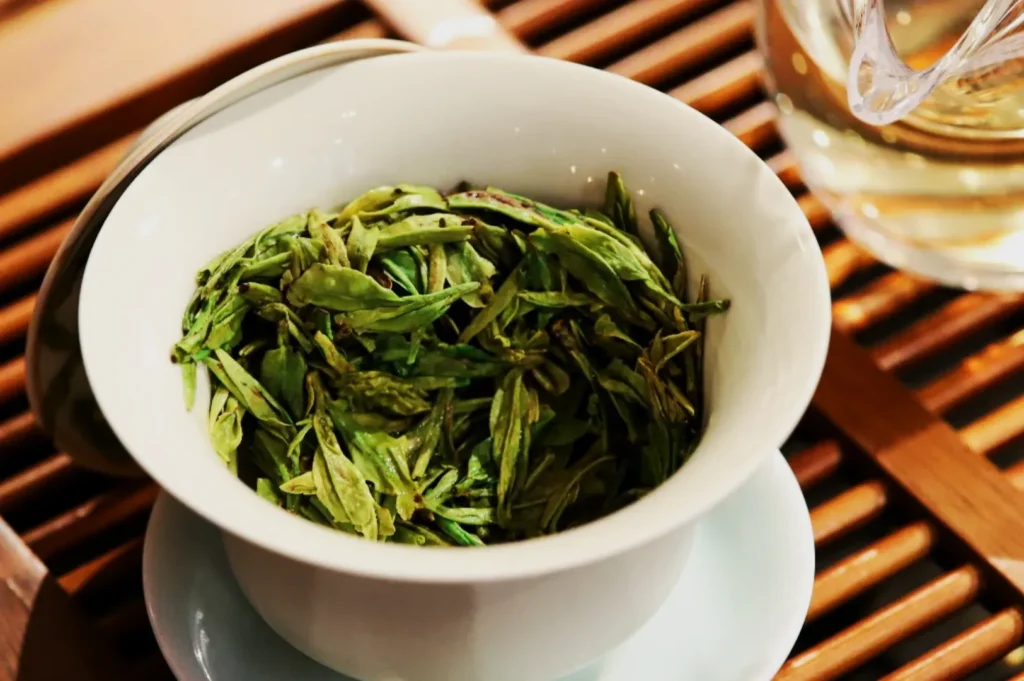
Much of urban life is compressed.
Meals become quick. Conversation becomes clipped. Even rest is often timed and organised into slots. A tea ritual does not solve any of this in a dramatic way, but it interrupts it. That interruption matters. Longjing is particularly suited to this because it does not demand a grand ceremony. It only asks for enough room to be itself.
This is why tea ritual Singapore drinkers seek often looks smaller than people imagine.
It may be a single glass, warmed gently. A pause before the first sip. A return to the same leaves for a second and third infusion. Nothing theatrical. Just enough sequence to keep the hour from collapsing inward.
At Tea Room by Ki-setsu, we think this is one of the finest uses of tea in a city: not to decorate life, but to restore a sense of proportion to it.
Quiet Luxury Is Not About Price
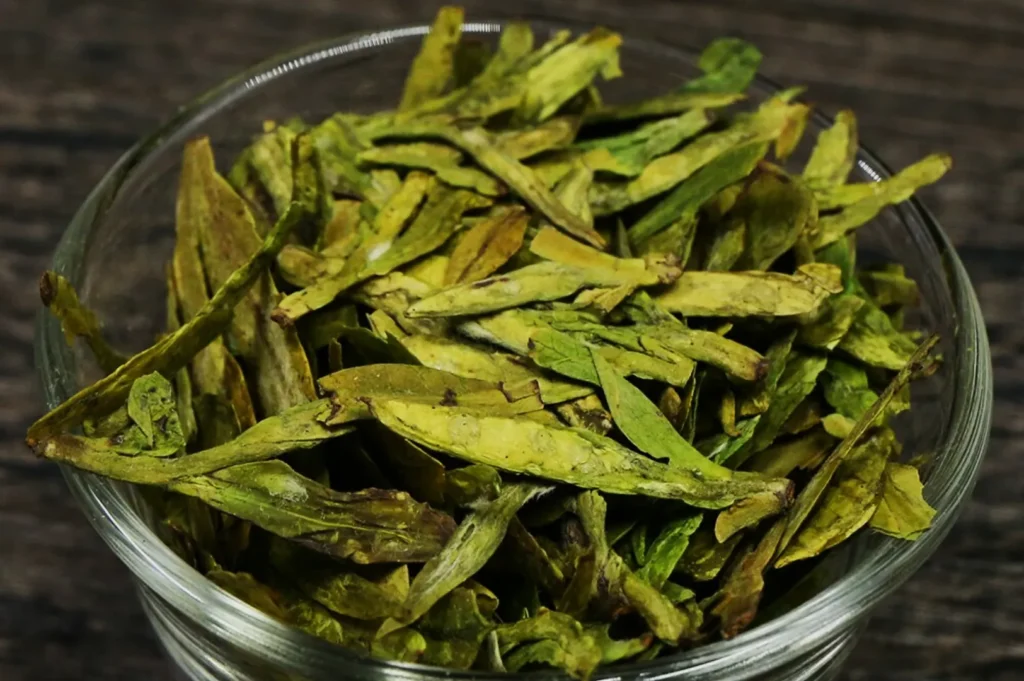
The phrase “quiet luxury” is often used too loosely.
In tea, it means something very specific. It means a leaf that does not need embellishment. A room that does not compete with the cup. A pace that protects nuance. A host who understands that guidance should feel almost invisible.
This is why quiet luxury tea Singapore can never be reduced to expensive objects alone. The tea must be good, certainly. The vessel must be right. But the real luxury is the condition in which the tea can be understood. Privacy. Restraint. A little more time than usual.
Longjing thrives under those conditions because it was never meant to be consumed hurriedly. Its elegance appears not in volume, but in proportion.
Why We Keep Returning to Dragon Well
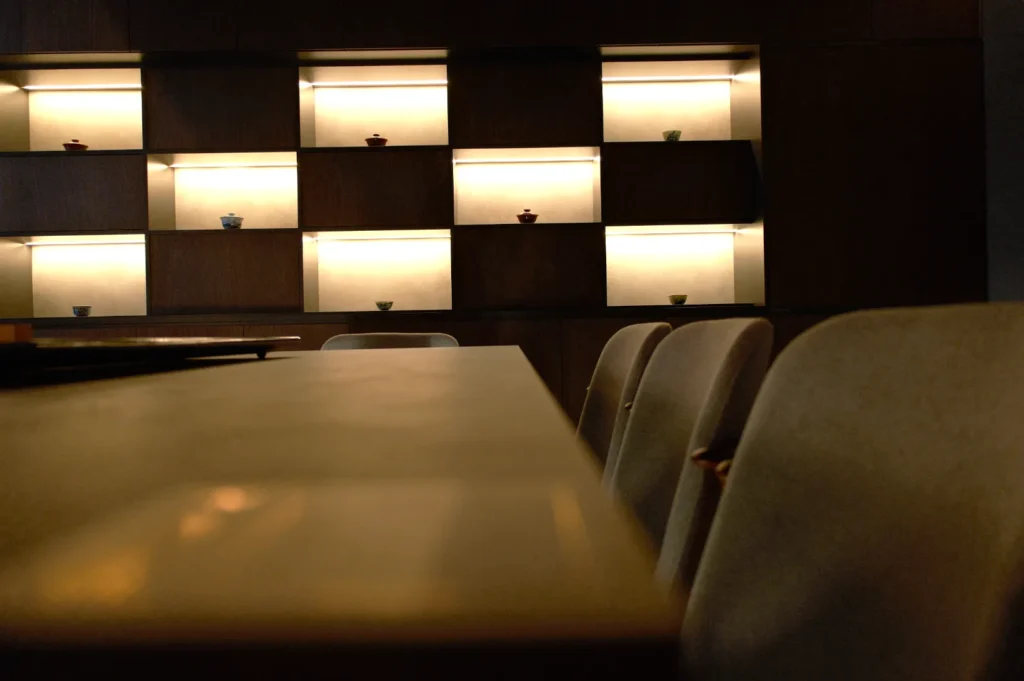
At Tea Room by Ki-setsu, we return to Longjing because it reminds us what tea can do when it is not treated as content, commodity, or lifestyle signal.
It can steady a room.
It can soften the edges of the day.
It can make silence feel inhabited rather than empty.
It can clarify taste without forcing opinion.
This is not because Longjing is dramatic. It is because it is exact.
Many guests come to us carrying a general idea of green tea. After one thoughtful encounter with Dragon Well, that idea usually changes. They begin to see that green tea can be warm without being roasted, sweet without being sugary, fresh without being sharp. The tea reshapes their expectation quietly. We think that is one of the most elegant things it does.
A Tea That Belongs Here
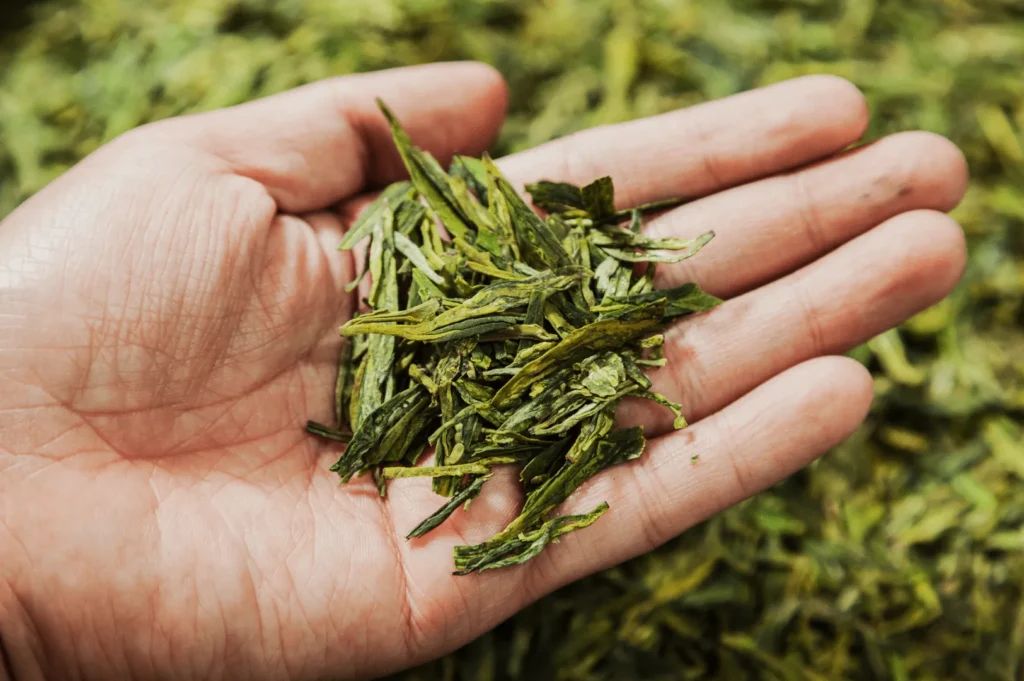
Some teas belong to a city because they mirror it.
Longjing belongs because it balances it.
In Singapore, where life often moves at the speed of obligation, Dragon Well offers a different grammar. It reminds us that attention is finite and therefore precious. That not every meaningful experience needs to become an event. That one of the most civilised gestures available to us may still be to sit down, pour carefully, and let a tea unfold without asking anything more from it than honesty.
That is why Longjing still belongs here.
Not as a relic.
Not as a prestige object.
But as a living answer to a kind of modern fatigue.
And perhaps that is why we continue to keep it close.