Black tea often looks finished long before it is understood.
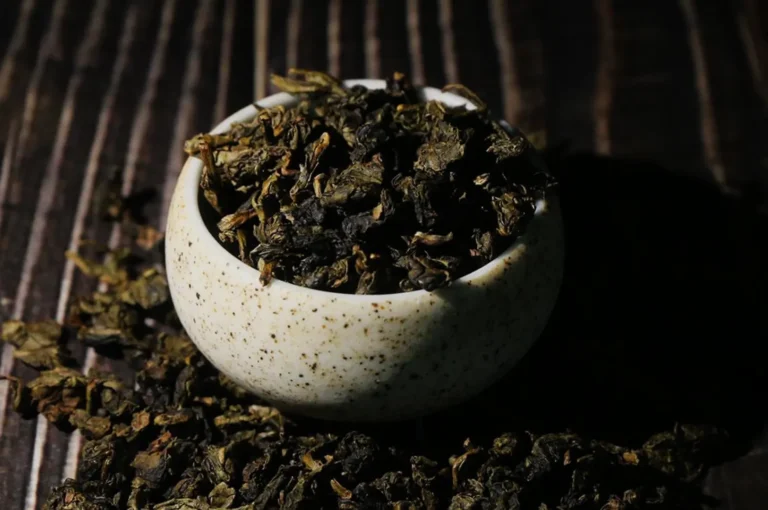
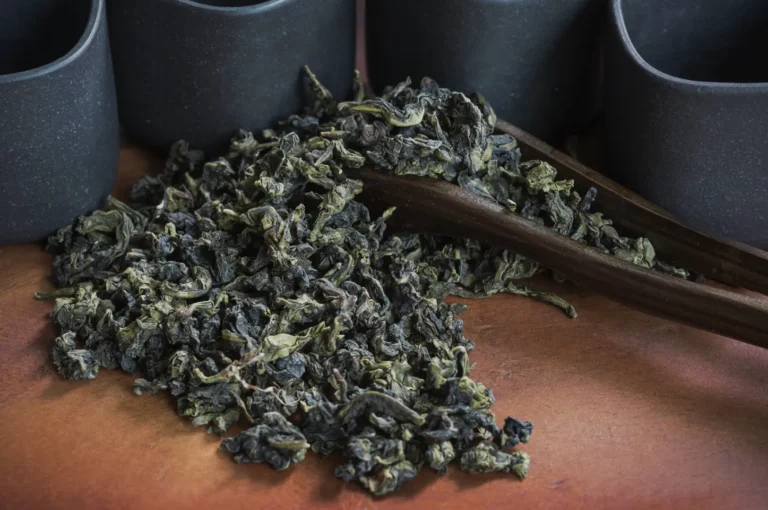
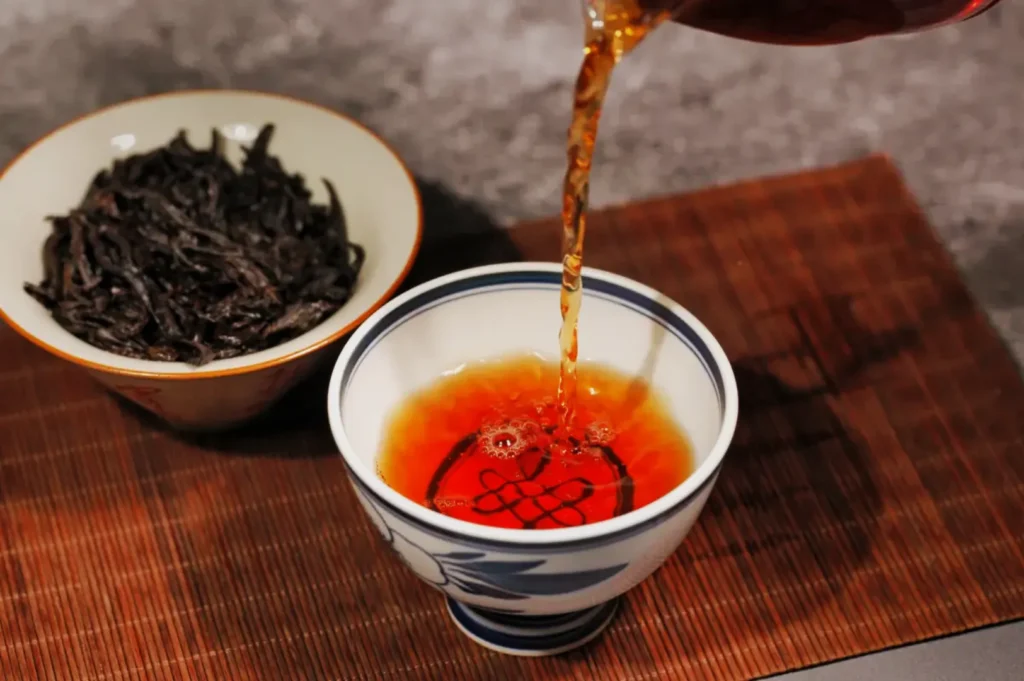
The dry leaf appears dark, settled, and complete. The cup arrives copper or ruby, warm and articulate. It can be easy to assume that black tea simply “is” what it is, as though the leaf naturally moved toward this colour and flavour on its own. But black tea is not only grown. It is carefully made. Much of what we taste in the cup, malt, cocoa, honey, fruit, floral lift, even smoke, is shaped not in the field alone, but in the sequence of transformations that happen after the leaf is picked.
At Tea Room by Ki-setsu, we think this is where black tea becomes especially beautiful. Its flavours are not accidental. They are crafted through time, air, pressure, and heat. The tea maker is not merely preserving the leaf. They are guiding it toward its final voice.
If you want a wider map of black tea styles first, tea guide offers that foundation. This article stays with the making itself: how black tea is made, why the black tea oxidation process matters so much, and how craft changes what we eventually drink.
Black Tea Is Made Through Transformation
The core difference between black tea and greener teas is oxidation.
This is the stage where the leaf, once bruised and exposed to air, begins to transform. Colour deepens. Aroma shifts. The greener notes retreat, and the deeper language of black tea begins to form. But oxidation is only one part of the process. Before the tea reaches that stage, and after it passes through it, other steps matter just as much.
A simple sequence looks like this:
- withering
- rolling or shaping
- oxidation
- drying
Each step changes what the tea becomes. Each step also carries risk. Too little of one stage and the tea remains incomplete. Too much, and the tea can become dull, flat, or rough. Good black tea craftsmanship is largely the art of stopping each phase at the right moment.
Black tea is not a static leaf. It is a leaf guided through several decisions.
Withering: The First Softening
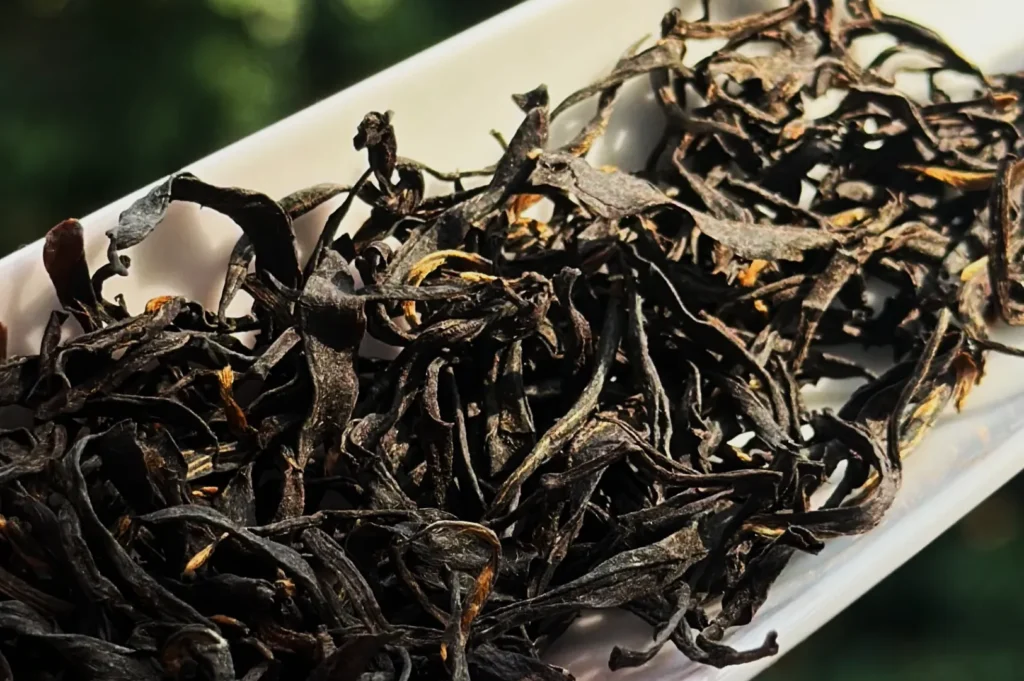
Freshly plucked leaves are too lively and rigid to be made immediately into black tea.
They first need to wither. During withering, moisture slowly leaves the leaf and the structure softens. This makes the leaf more pliable and prepares it for rolling. It also begins the earliest stage of aromatic change, even before oxidation properly begins.
A well-managed wither matters because it sets the tone for everything afterward.
If the leaf is not softened enough, later shaping becomes uneven. If it is pushed too far, the tea can lose energy before the maker has even reached the most important transformation. This is why loose leaf black tea production is never just about one dramatic stage. The early, quieter stages often determine whether the tea will later feel alive or tired.
Rolling: Shaping the Leaf, Releasing the Future Cup
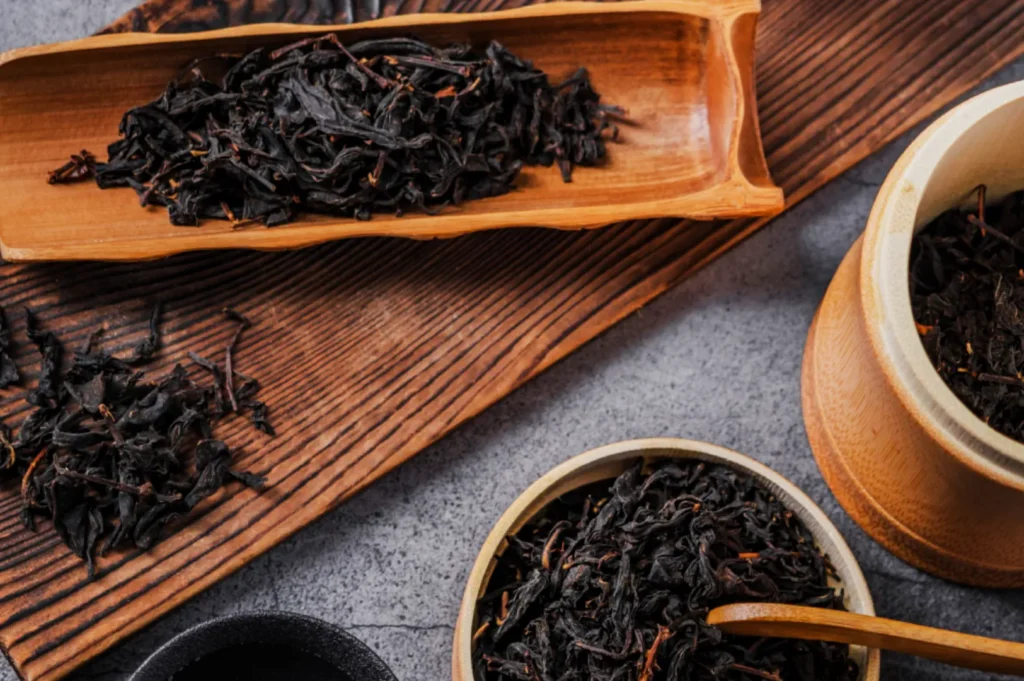
Rolling is where black tea begins to reveal its architecture.
The leaf is twisted, pressed, or otherwise worked so that the internal structure breaks and the leaf’s juices and compounds are exposed to air. This is what allows oxidation to happen more fully and more evenly. But rolling also affects appearance, extraction, and style. A tightly twisted tea will look and brew differently from a broader, looser leaf.
This is why rolling is never only visual.
The shape of a black tea is tied to how it opens in the pot, how quickly it releases aroma, and how the body of the liquor forms. A tea with excellent aroma but clumsy rolling may still feel awkward in the cup. A beautifully rolled tea often looks intentional before the kettle is even lifted.
At Tea Room by Ki-setsu, we often think of this stage as the leaf’s first visible declaration of identity.
Oxidation: Where the Tea Becomes Black Tea
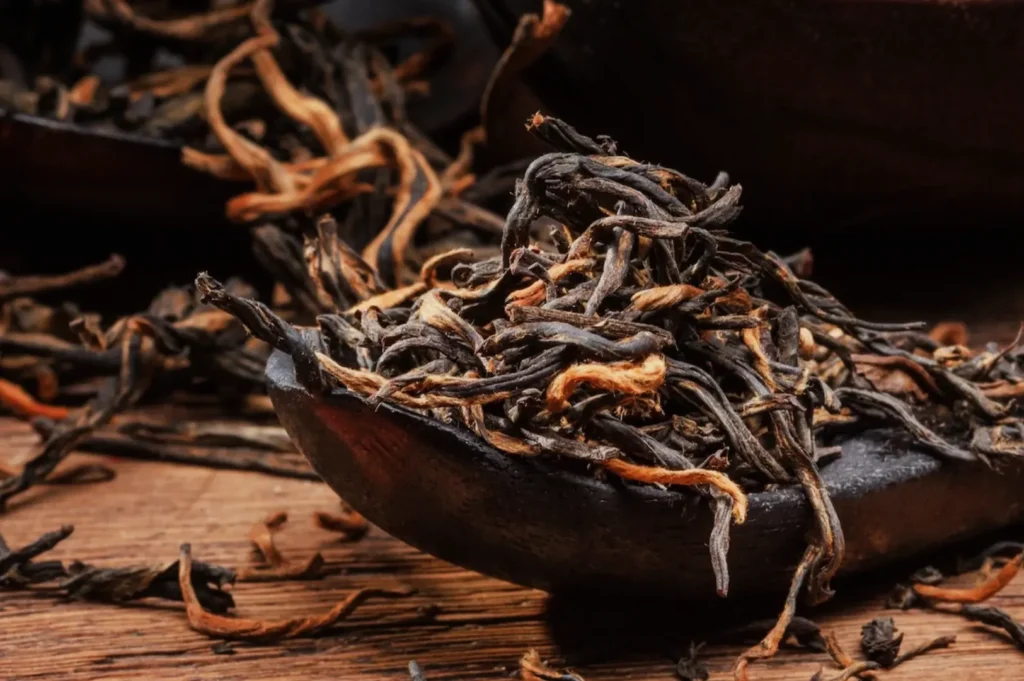
The black tea oxidation process is the centre of the transformation.
Once the leaf has been rolled or bruised, it is left to react with oxygen in a controlled way. Colour shifts from green toward copper and brown. Aroma moves away from fresh leaf and toward fruit, malt, cocoa, honey, flowers, or spice depending on the tea. This is the stage that most clearly separates black tea from green and white tea traditions.
Oxidation is not simply “more time equals more flavour.”
It has to be guided. If oxidation is stopped too early, the tea can feel greener and less settled than intended. If allowed to run too far, it can become dull, flat, or lacking in precision. The maker is looking not only at colour, but also at scent, humidity, texture, and the state of the leaf itself.
A fine black tea often tastes balanced because oxidation was stopped at exactly the right point.
Drying: Fixing the Tea Into Itself
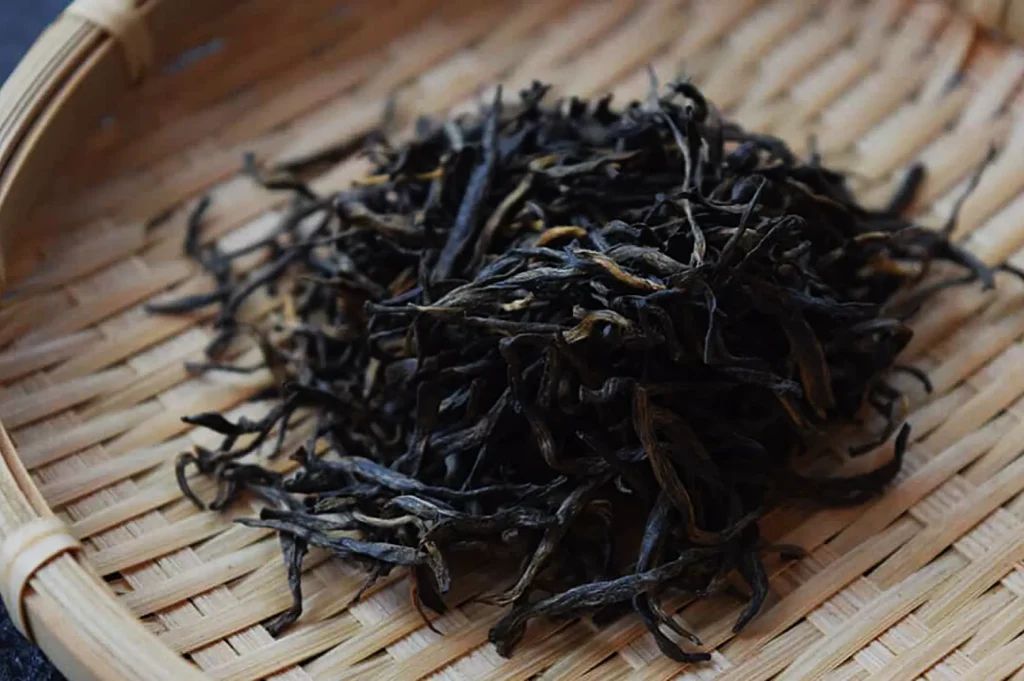
Once the maker is satisfied with oxidation, the tea must be dried.
Drying stops the process and stabilises the leaf for storage and transport. It also has its own influence on the final cup. Drying too aggressively can rob the tea of life. Drying too gently can leave it unstable. Like every other stage, it is a matter of proportion rather than force.
This is also where some final aromatic shaping occurs. The tea’s scent becomes more fixed, and the leaf begins to resemble the finished form we recognise as black tea.
Without good drying, even a well-oxidised tea cannot hold itself well.
Smoke, Scent and Style
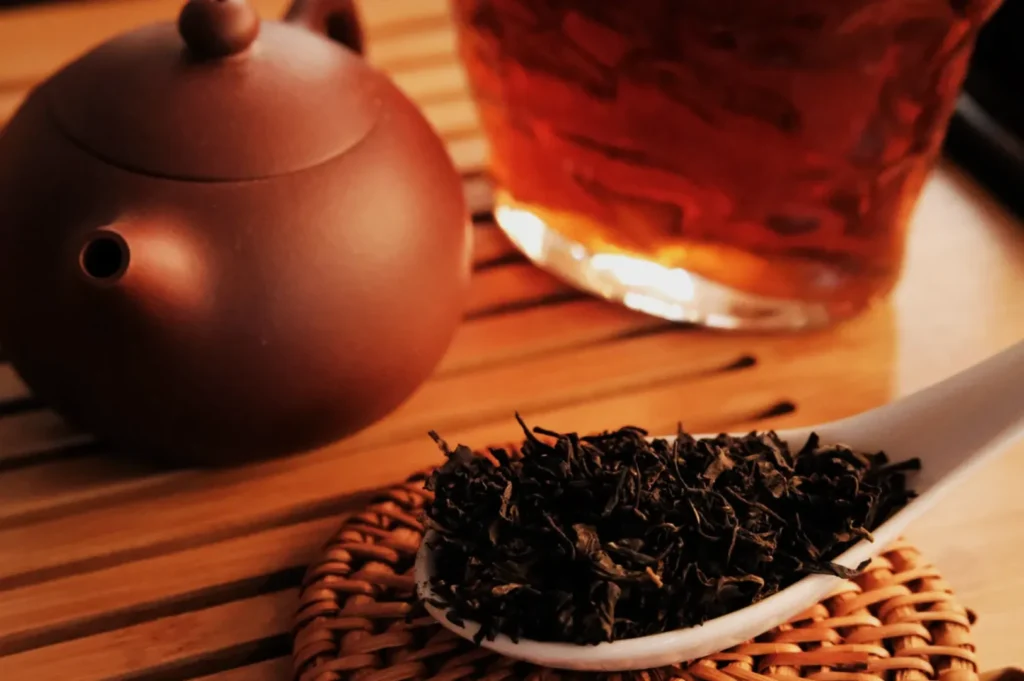
Not all black tea is made in exactly the same way.
Some styles introduce additional character through specific handling. Lapsang Souchong, for example, may be dried over pinewood smoke, which gives it its signature aromatic depth. Other black teas rely more on cultivar, altitude, and oxidation style to produce floral or honeyed profiles. This is why black tea processing is not a single formula. It is a family of related methods, each shaping the leaf differently.
Yet across styles, one principle remains the same: the tea maker is not forcing novelty. They are guiding the leaf toward coherence.
Why Craftsmanship Still Matters
It is easy to speak about tea as though technology has solved everything.
But black tea still proves how much craftsmanship matters. Machines can standardise. They cannot always judge. A leaf from one day, one weather pattern, or one batch is not identical to the next. The tea maker must respond to what is actually present.
This is why black tea craftsmanship remains so important even in a modern market. Good craft is not nostalgia. It is sensitivity. It notices when the leaf needs more withering, gentler rolling, or shorter oxidation. It shapes the cup long before the drinker begins to describe it.
At Tea Room by Ki-setsu, we think this is one of the reasons fine black tea remains so compelling. The hand behind the leaf is still there, even when unseen.
The Cup Remembers the Process
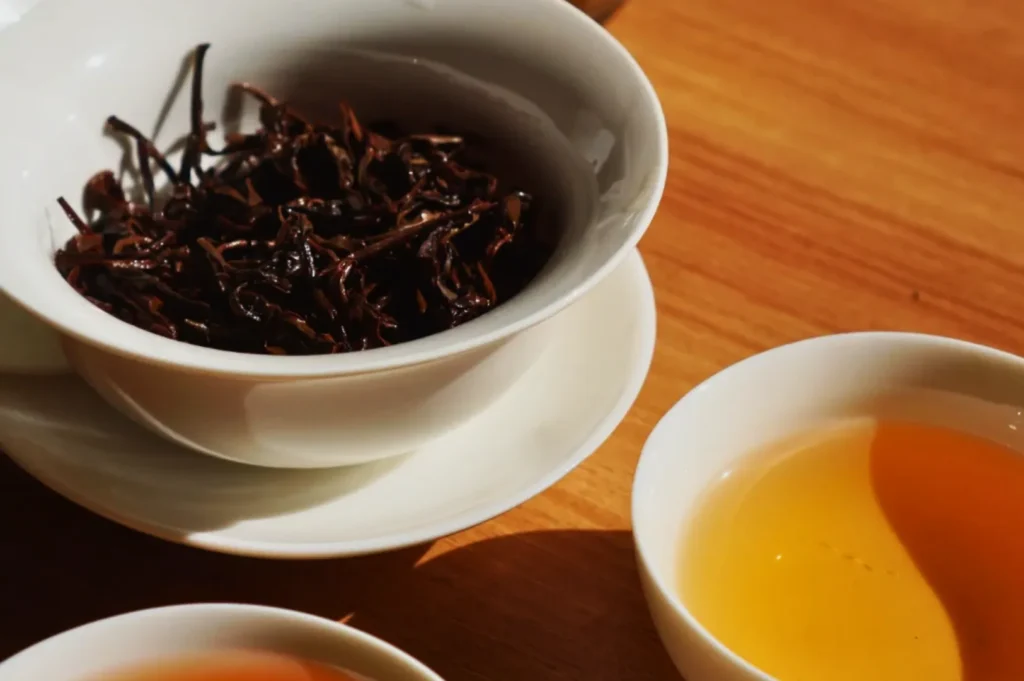
A tea’s making does not disappear once brewing begins.
You can taste withering in the softness of the leaf. Rolling in the shape and release of aroma. Oxidation in the tea’s colour, sweetness, floral lift, or cocoa depth. Drying in the tea’s stability and finish. This is what makes black tea such a compelling subject for appreciation. The process remains in the cup, waiting to be recognised.
A thoughtful black tea drinker does not need to memorise every technical stage. But understanding the sequence makes the final experience richer. The tea becomes less mysterious in the superficial sense, and more meaningful in the real one.
Because then you know that what feels effortless in the cup was made through many acts of precision before it reached you.