At their most essential level, tea and food share something deeper than flavour or technique. They share a profound demand for attention. It is a quiet contract between the one who prepares and the one who receives. In the Chinese tea tradition, the host does not ask the guest for preferences or instructions.
The host selects, prepares, and presents. The guest, in turn, receives with gratitude and a settled mind. This exchange is not transactional; it is an act of trust that defines a genuine tea session.
This same surrender defines the philosophy of Japanese omakase dining. The word itself translates to “I leave it to you,” a phrase that carries immense weight. It signifies a release of control, a willingness to be guided by another’s expertise and intuition.
When we sit at a tea table or a dining counter, we are not merely consuming. We are entering a space where the noise of decision-making falls away, replaced by the stillness of reception. It is here, in this shared act of surrender, that true appreciation begins.
The Ritual of Leaving It to the Host
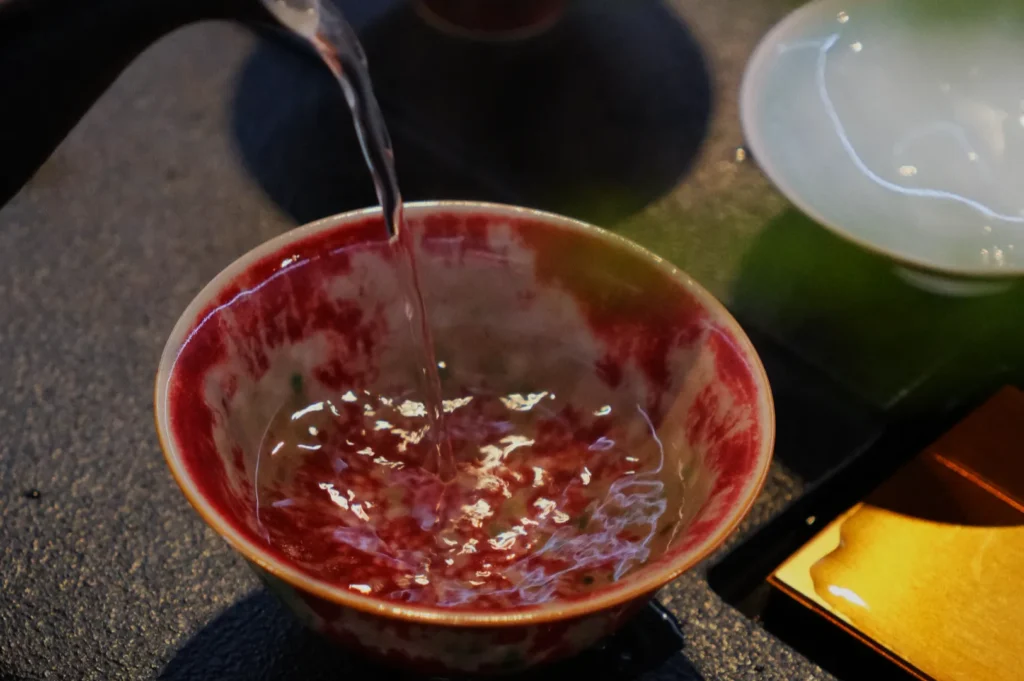
There is a deep philosophical parallel between gongfu cha—the Chinese art of careful tea preparation—and the omakase format. In both traditions, the true work happens long before the guest arrives. The practitioner has already walked the path of selection.
The tea leaves have been sourced, assessed, and curated with a specific arc in mind. The sequence of steepings has been considered not just for taste, but for the feeling it evokes.
In omakase, the rhythm is identical. The ingredients have been sourced that morning, and the progression of courses has been shaped by what the season has yielded. Neither experience offers a menu to be studied.
Neither invites the guest to choose their own adventure. Instead, both ask for something rarer in our modern lives: presence, patience, and trust. To leave it to the host is to accept that the journey has been crafted for you, and your only role is to be fully present for it.
Sourcing as an Act of Respect
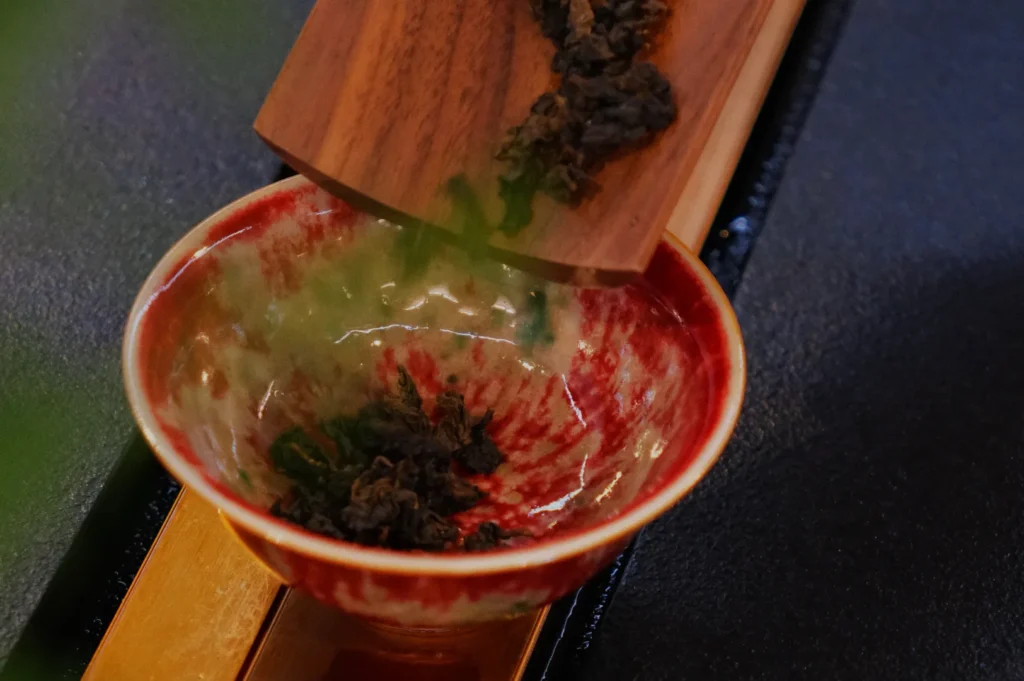
True quality, whether in a cup of tea or a piece of sushi, begins long before the water boils or the knife cuts. It begins with sourcing as an act of respect rather than logistics. At Tea Room by Ki-setsu, we understand this intimately.
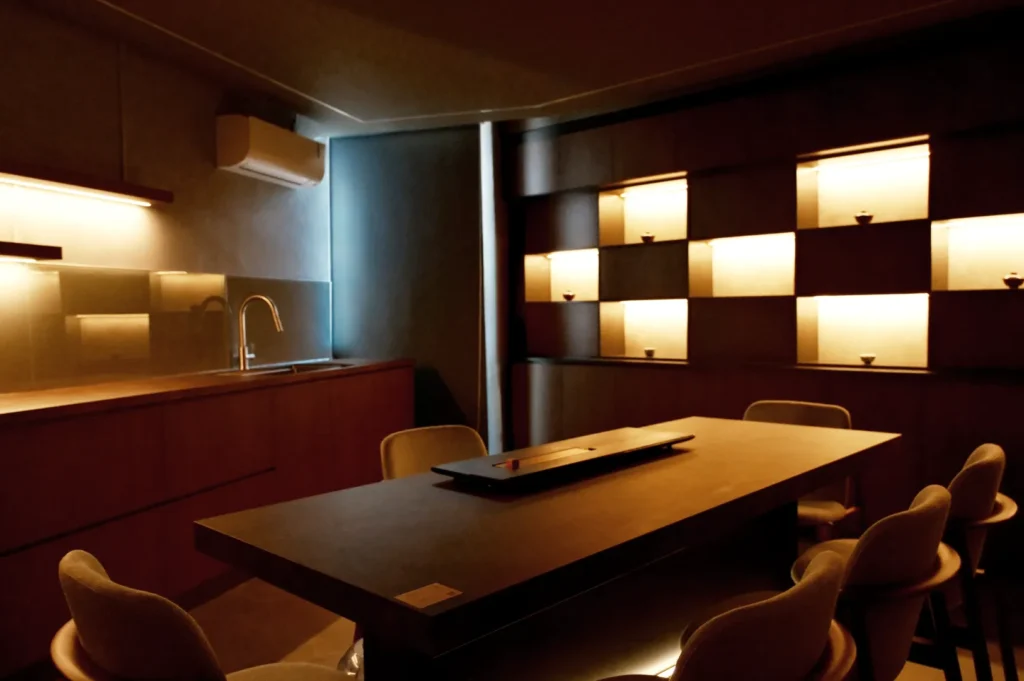
Our Founder walks the highlands of Bulang Mountain and Yiwu personally, forming relationships with tea makers who craft each leaf by hand. There are no intermediaries in this chain. The tea that arrives in the cup at our sanctuary at 150 Orchard Road carries a direct line of care from the mountain to the vessel.
In the Japanese omakase tradition, the same rigorous discipline governs the finest counters. Ingredients are sourced daily, often flown in from specific markets like Toyosu, chosen not just for freshness but for their specific character.
Relationships with suppliers are built over years, ensuring that nothing is delegated to chance. In both disciplines, the philosophy remains the same: the ingredients are not commodities. They are the result of nature’s work and human labour, and to serve them requires a reverence for their origin.
Restraint as the Highest Form of Generosity
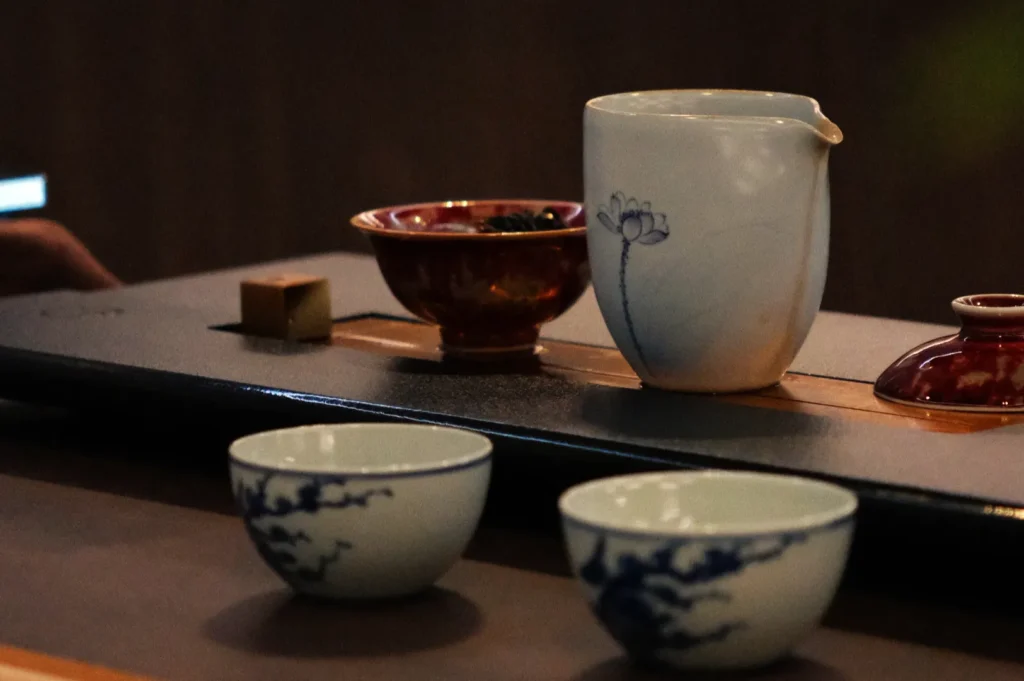
Both Chinese tea ceremony and Japanese omakase operate on a principle that runs counter to most modern hospitality. They believe that less is given so that more is felt. A tea session at Tea Room by Ki-setsu is strictly limited to two to five guests.
The experience is unhurried, guided by a tea sommelier who ensures each steeping unfolds at its own pace. There is no rush toward the next cup. The restraint here is not withholding; it is concentration. By narrowing the focus, we deepen the engagement.
The same logic governs an omakase counter built around eight seats. The intimacy is not a limitation to be overcome. It is the very condition that makes genuine attention possible.
When the numbers are small, the connection between the maker and the guest becomes palpable. Every movement is seen, every nuance is felt. In a world that often equates volume with value, these traditions remind us that true generosity lies in the quality of attention we offer to one another.
The Ki-setsu Approach — One Philosophy, Two Expressions
This shared philosophy of restraint, ritual, and personal attention is the foundation of the Ki-setsu Group. It finds expression in two distinct but philosophically aligned experiences, neither of which permits walk-ins.
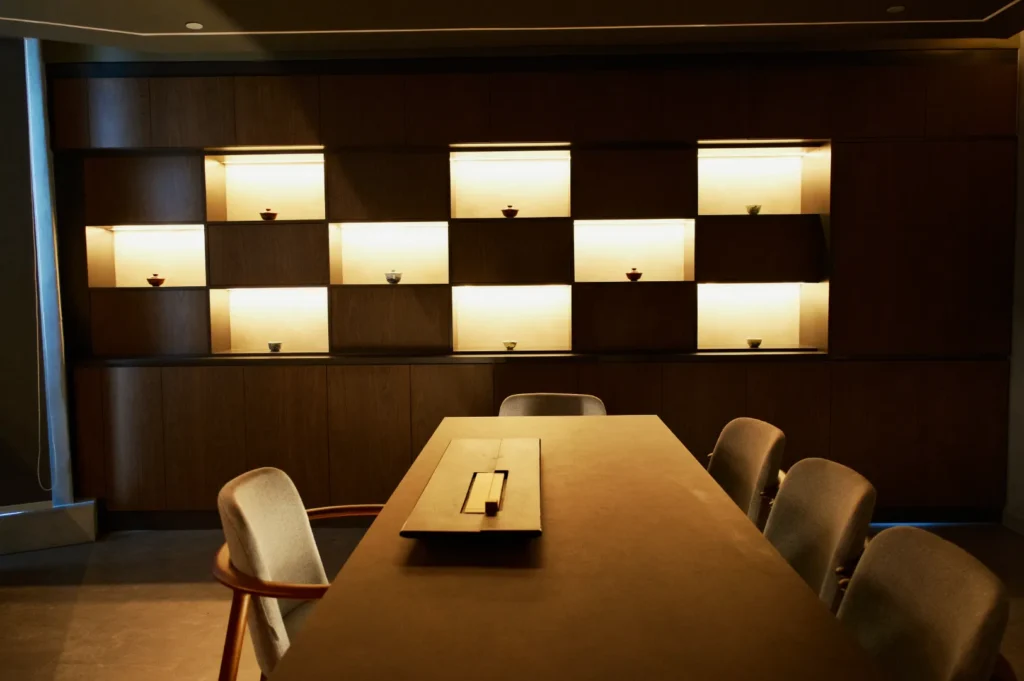
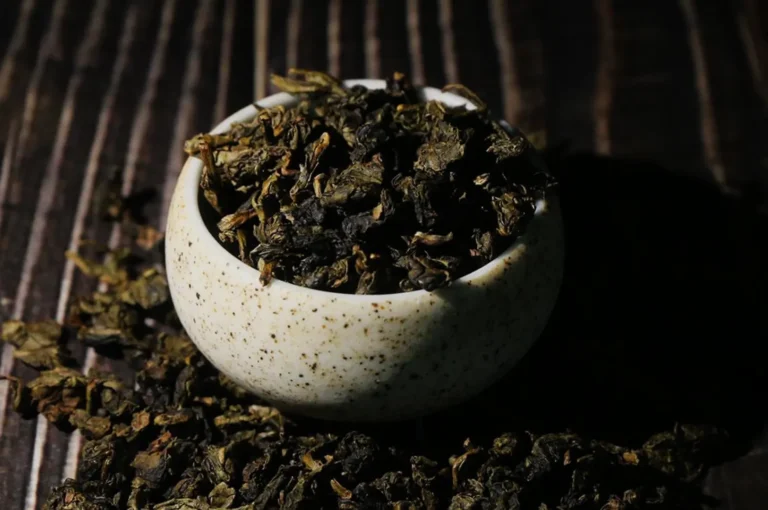
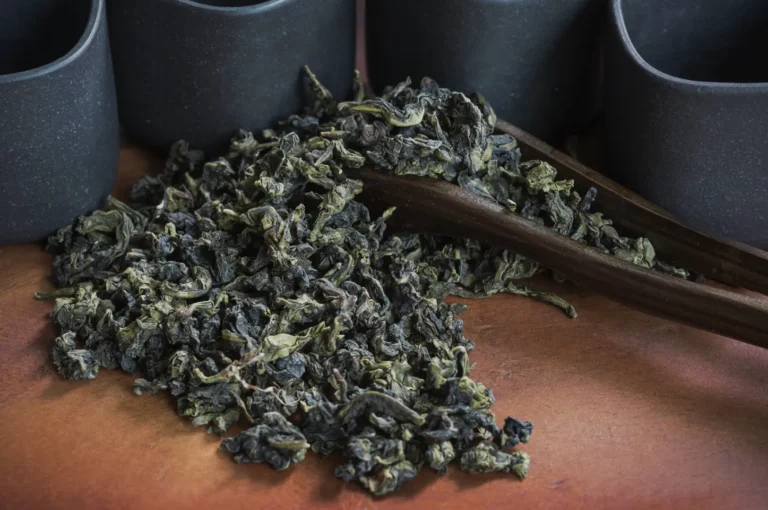
At Tea Room by Ki-setsu, that philosophy manifests in a private Chinese tea room where leaves sourced from Yiwu and Bulang Mountain are prepared in teaware from Jingdezhen. It is a sanctuary of silence and sensory depth.
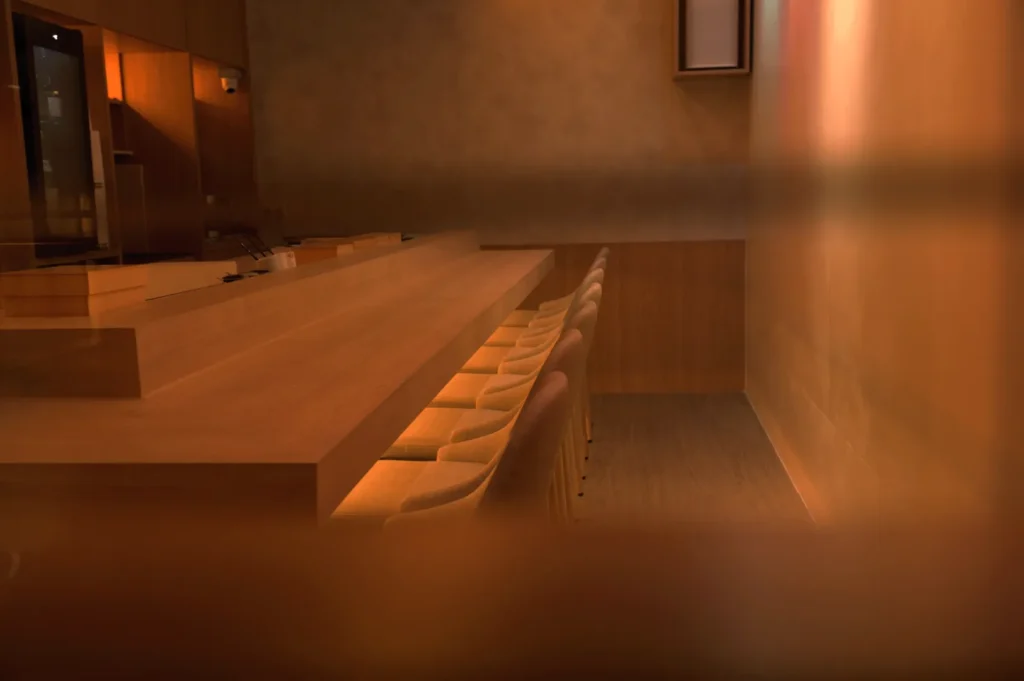
At Sushi Masa by Ki-setsu, the same philosophy manifests at an intimate 8-seat omakase counter at Level 6, Cuppage Plaza, Singapore. Here, ingredients are flown daily from Toyosu Market, Japan, and the menu changes every day to reflect the season’s pulse.
Chef Masa personally prepares every dish across 16 or more seasonal courses, ensuring that every plate is a direct communication between chef and guest.
Both establishments are built around the conviction that the finest experiences cannot be scaled without being diminished. They are reservation-only spaces where time slows down, allowing the philosophy of Ki-setsu, the appreciation of the season, to breathe fully.
Pairing Tea with the Omakase Rhythm
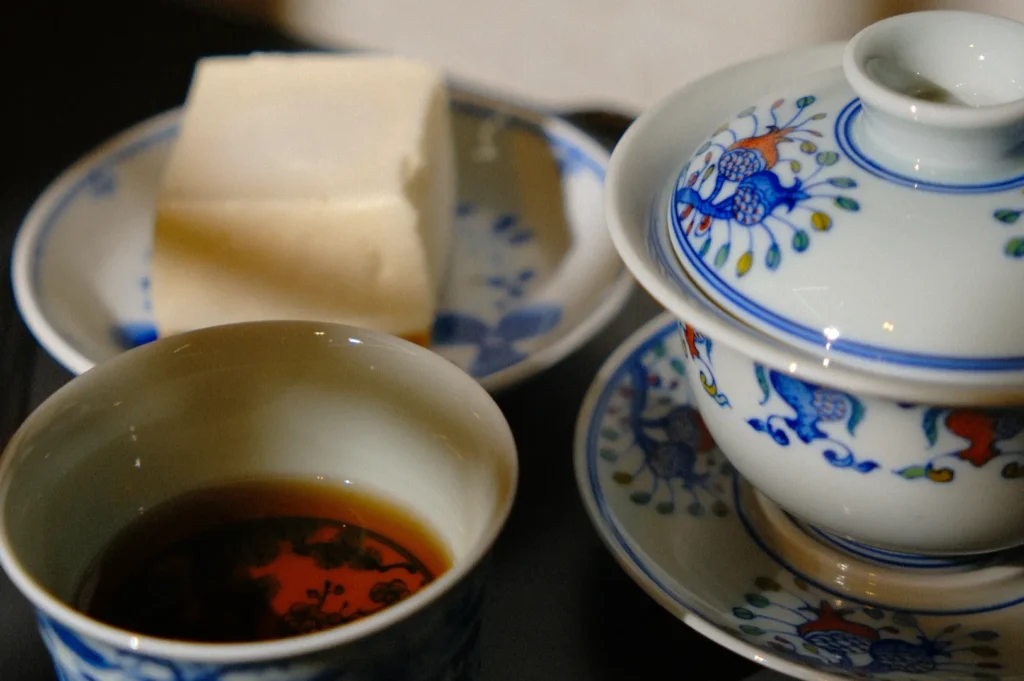
When we consider the sensory journey of tea, we find it shares a distinct rhythm with the progression of a Japanese omakase dinner. Chinese tea, particularly aged Pu-erh and certain Oolongs from the regions we source, moves through a lifecycle in the pot.
It begins with lighter, more aromatic expressions, inviting the palate to wake up. As the steepings continue, the tea reveals deeper, more complex layers, moving from fragrance to texture, from high notes to resonant bass tones.
This arc mirrors the flow of a thoughtful omakase meal. The chef often begins with delicate flavours; perhaps a white fish with a touch of citrus; before moving into richer, oilier textures and bolder umami profiles.
Both experiences use temperature, texture, and timing as compositional tools. A long tea session and a long omakase dinner share a similar narrative structure. The guest enters one state and leaves another, having been moved through a carefully considered sequence that engages the body and settles the mind.
Closing
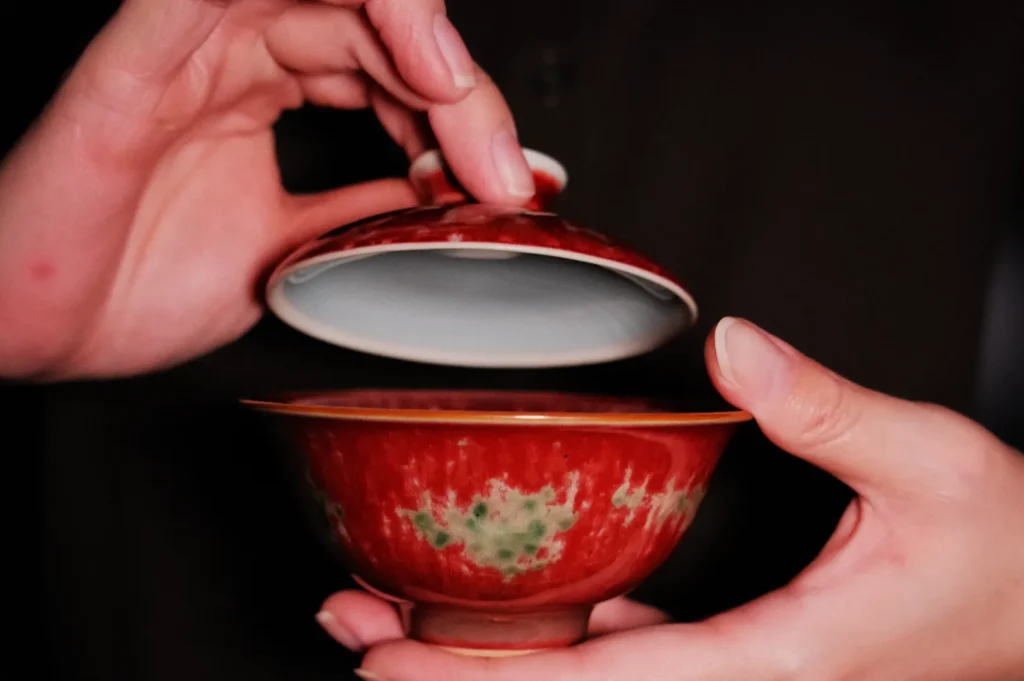
Ultimately, what both the tea room and the omakase counter offer is not entertainment. It is not novelty. It is a quality of attention that is increasingly rare in our lives. It is the permission to sit still, to trust another, and to pay close attention to the small, fleeting details of flavor and feeling. In this stillness, we find a respite from the noise of the world.
We invite you to experience this philosophy in whichever form speaks to you. Whether it is through the clarity of a cup of tea or the precision of a piece of sushi, the intention remains the same. For those who wish to begin with tea, we are here.