Tea is often paired too late.
A plate is chosen first. The flavours are already decided. The tea is then asked to fit around sweetness, salt, spice, or richness that has already taken command of the table. This is why so many pairings feel unbalanced. The food remains fully itself, but the tea becomes quieter, flatter, or shorter than it should be.
At Tea Room by Ki-setsu, we approach pairing differently. We begin with the cup. A fine tea carries aroma, texture, aftertaste, and a certain pace. Food should not compete with those qualities. It should allow them to remain visible. A good pairing does not make the tea louder. It keeps the tea legible.
For a wider foundation on aroma, texture, and palate-building, see our tea pairing guide for Chinese tea drinkers. This article is more practical. It is about how to pair tea with food without overwhelming the leaf.
Why Tea Is Easier to Overpower Than People Expect
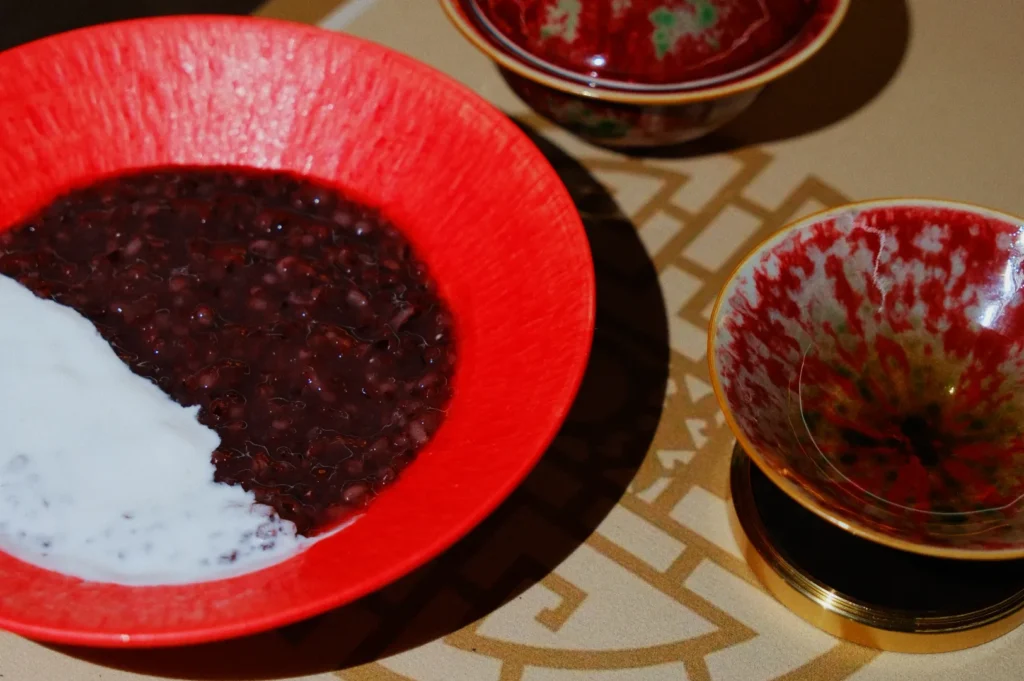
Tea works in finer registers than many people realise.
A sauce can dominate it. A sugary dessert can flatten it. A highly seasoned snack can make the finish disappear altogether. Even when the tea is well made, the wrong food can reduce the cup to little more than warmth and colour.
This is what makes tea food pairing different from pairing wine or stronger drinks. Tea often depends on subtler signals. A floral lift, a silky body, a returning sweetness, a gentle roasted note, these are not always forceful impressions. They need room. When the plate is too loud, the tea is not invited into dialogue. It is simply covered.
That is why a good pairing begins with restraint. Not because the food must be bland, but because the tea deserves a place at the table that is more than decorative.
The Five Principles of Tea Food Pairing
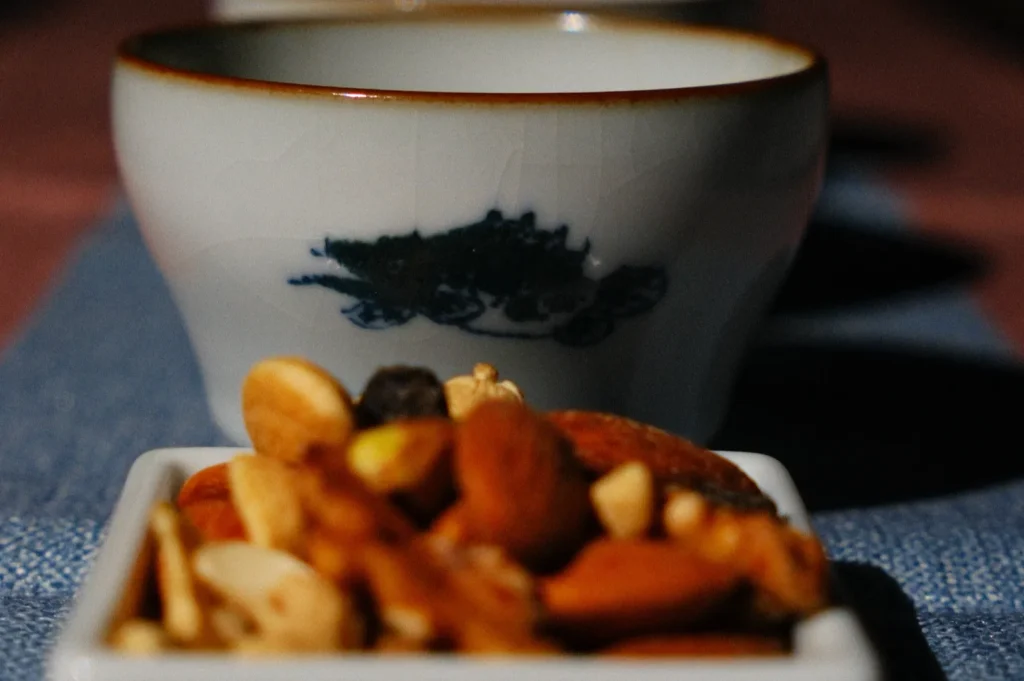
Match Intensity, Not Prestige
The first question is not whether the food is luxurious or impressive. It is whether it speaks at the same volume as the tea.
A delicate green or floral oolong will struggle beside a rich savoury pastry or a dark, sugary dessert. A roasted oolong or deeper black tea may carry more weight and can therefore meet foods with more warmth or structure. The point is not to rank the tea or the food. It is to keep them proportionate.
A refined tea is not strengthened by being placed beside something bolder. More often, it is diminished. Likewise, a very full tea may feel underused beside food that disappears too quickly.
Pair by intensity, not status. A simple rice cracker may be more suitable than an elaborate pastry. A quiet slice of pear may do more for a tea than a plated dessert.
Respect Texture as Much as Flavour
Texture changes the cup as surely as flavour does.
Crisp food can make a softer tea feel more precise. A creamy food can mute aroma and make a tea seem less vivid. Dry, crumbly textures can work beautifully with teas that have enough body to gather the palate again. Silky teas often need lighter, cleaner food so their texture does not vanish.
This is why pairing should never rely on flavour notes alone. A tea may taste harmonious with a certain food on paper and still feel wrong in the mouth. If the food coats the palate too heavily, the tea must work harder to reappear. Sometimes it cannot.
At Tea Room by Ki-setsu, we often think of texture as one of the most important but least discussed parts of tea pairing. The right food does not just “match” the tea. It changes how the tea moves.
Sweetness Should Sit Below the Tea, Not Above It
This is one of the clearest rules, and one of the most frequently ignored.
If the food is sweeter than the tea can carry, the tea will almost always feel thinner or more bitter afterward. This is why so many desserts overwhelm delicate teas. The tea has not changed. The palate has.
Lower-sugar desserts usually work better. Sponge cakes, lightly sweet bean confections, simple butter pastries, fruit tarts with restraint, these allow the tea to remain articulate. Dense frostings, caramel-heavy desserts, or aggressively sweet pastries often leave the tea with very little room to speak.
A warmer or fuller tea can carry slightly more sweetness, but the principle remains the same. The tea should still feel like itself after the bite. If the second sip seems weaker than the first, the pairing is asking too much.
Salt and Savouriness Need Restraint
Salt can sharpen certain teas beautifully when used with care.
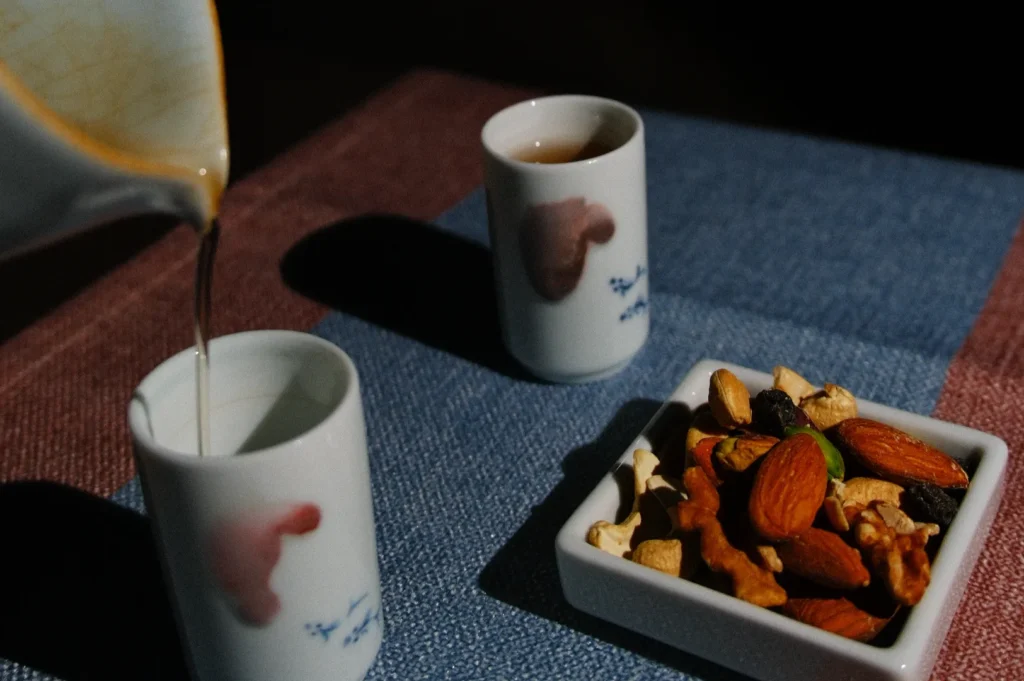
A lightly salted cracker, a delicate dumpling, a plain nut, or a mild savoury pastry can bring clarity to the cup. These foods often give the tea a more defined line. But the effect is fragile. Too much salt, too much oil, or too much soy can flatten the finish and leave the tea feeling shorter than before.
Savoury foods should support the tea’s structure rather than dominate it. This is especially true with Chinese tea, where the cup often carries subtle shifts in aroma and aftertaste that disappear under strongly seasoned food.
The quietest savoury pairings are often the best ones. A bite that feels modest can reveal more of the tea than a highly flavoured dish ever could.
Acidity and Finish Must Be Handled Carefully
Acidity can brighten a pairing, but with tea it must be approached gently.
Sharp citrus, vinegar, tangy fruit fillings, pickled foods and sour sauces often cut across the cup rather than through it. The result is not freshness but distortion. Delicate sweetness disappears. Roasted notes feel rougher. The finish, which is one of tea’s greatest pleasures, can collapse quickly.
This does not mean fruit can never work. Pear, melon, or soft stone fruit can be beautiful with tea when the acidity remains low and the fruit is not overly fragrant. The principle is simple. The aftertaste should remain coherent.
A good pairing does not end with the food. It continues into the next sip. If the finish becomes confused, the food has taken too much space.
A Simple Way to Build a Better Pairing
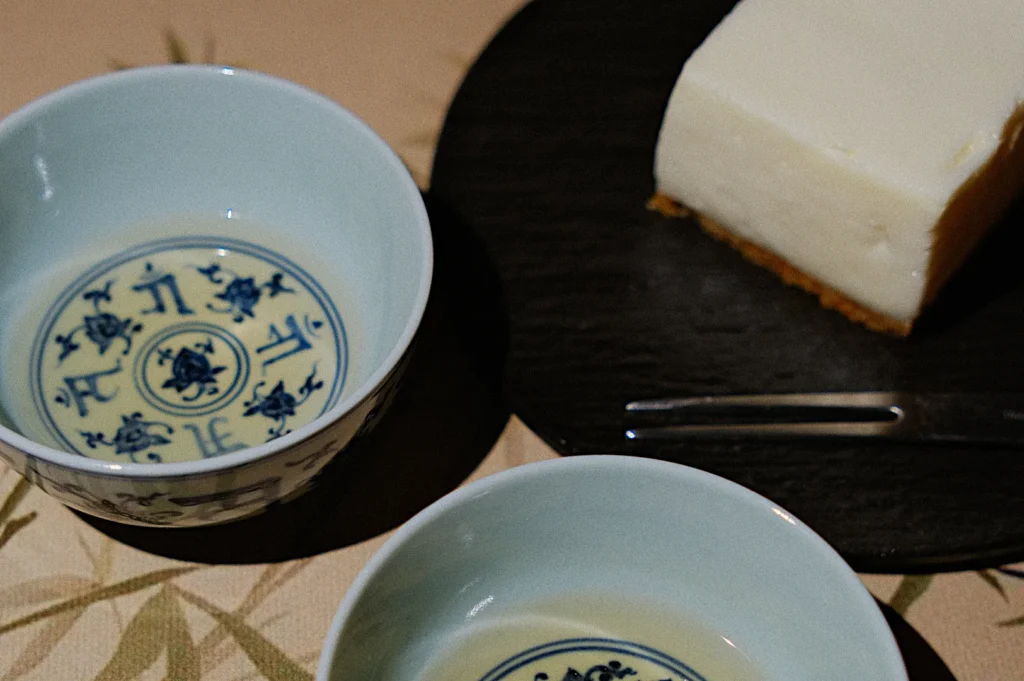
If you want to learn how to match tea and food more intuitively, begin with a very simple method.
- First, taste the tea on its own. Notice the aroma, the body, the sweetness, and the finish. Do not rush this. The tea has to be understood before it can be paired.
- Second, choose one quality to protect or echo. It may be softness, warmth, freshness, roast, or floral lift. This gives the pairing direction.
- Third, take one small bite and return immediately to the tea. Ask yourself what changed. Did the tea become clearer, flatter, sweeter, shorter, rougher, or more complete?
This is the real work of tea tasting and food pairing. Not memorising rules, but learning to observe what the food does to the cup. The right pairing often makes the second sip more interesting than the first. That is a good sign.
Pair for Clarity, Not Noise
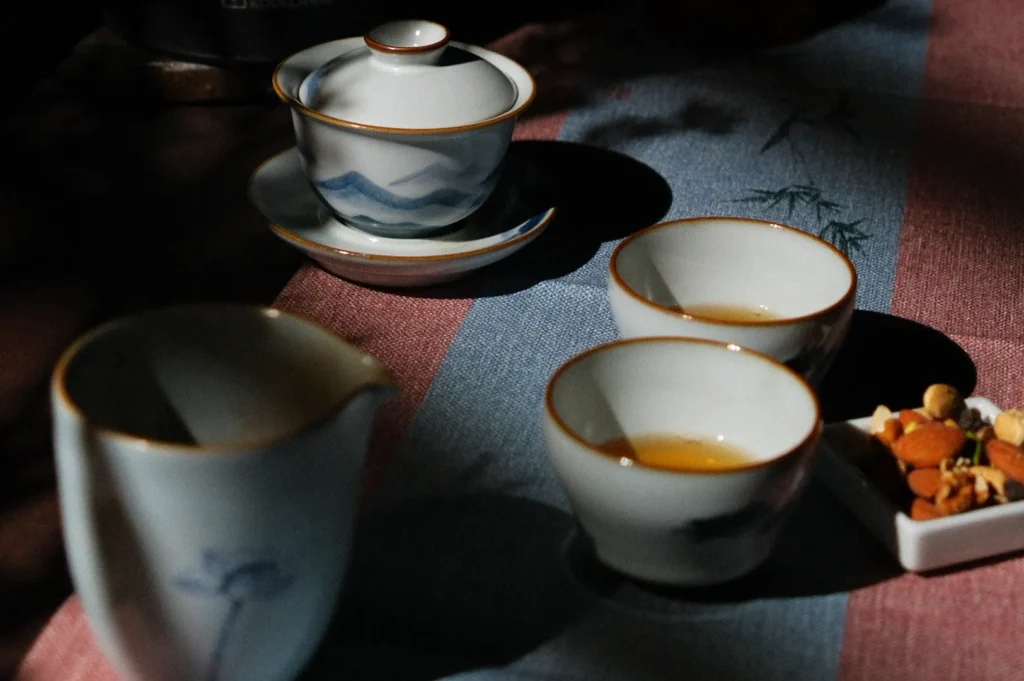
Tea pairing is not about making the table more dramatic.
It is about giving the cup the right company. The finest pairings do not shout their success. They simply allow the tea to remain clear, fragrant, and complete from first sip to last. A modest food can do this better than a rich one. A restrained dessert can do it better than a celebratory one.
At Tea Room by Ki-setsu, we believe the best tea pairings are built on attention. Begin with the leaf. Protect what is delicate. Notice what the food changes. Over time, the cup will tell you what belongs beside it.