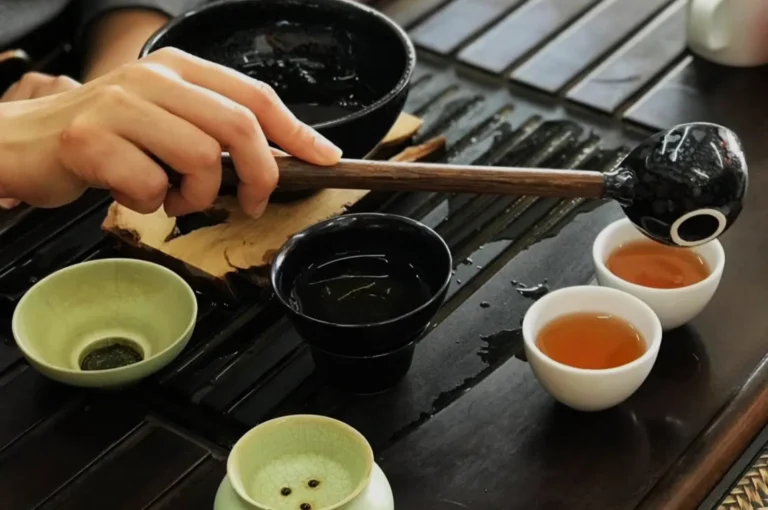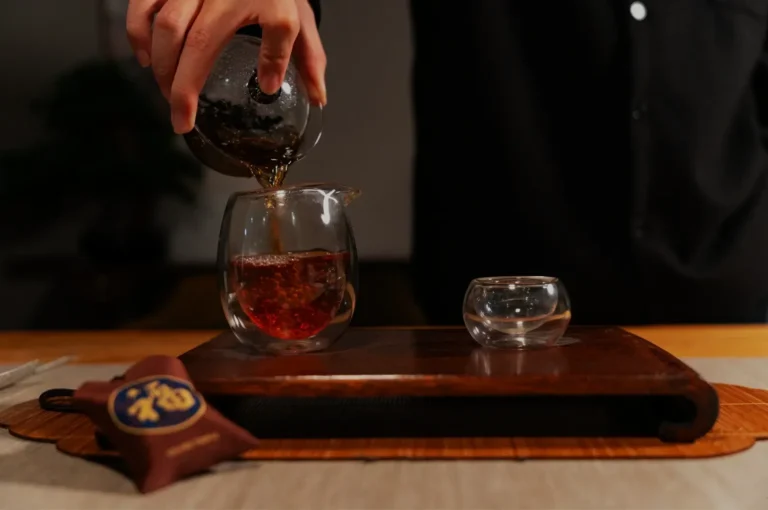
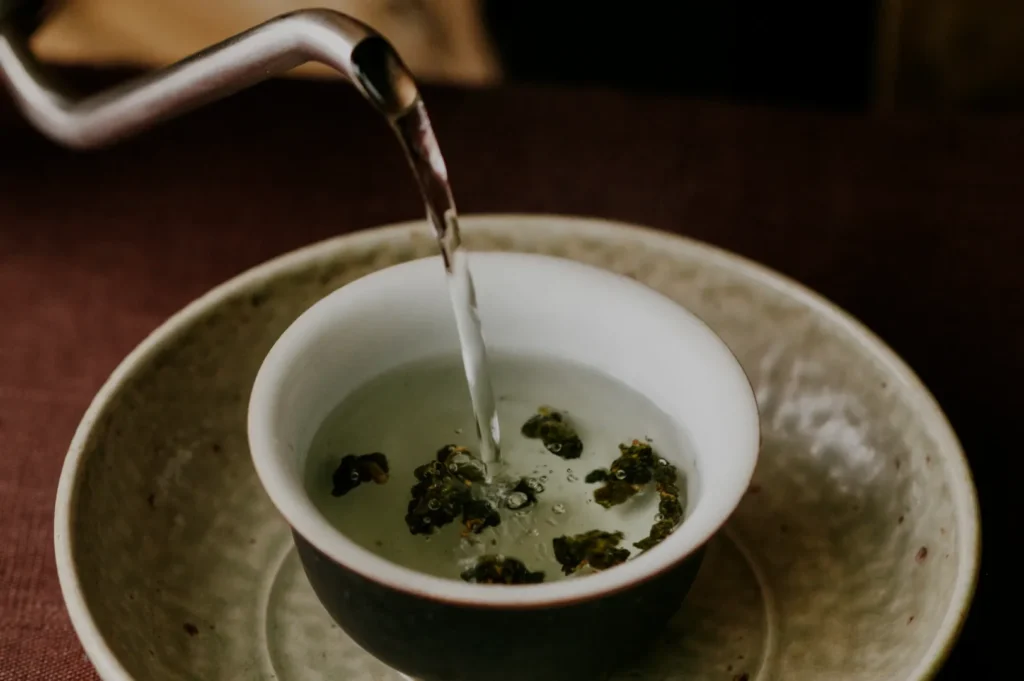
Oolong tea does not usually reveal itself in one careless pour.
It can, of course, be brewed simply. Tea should not become so precious that people are afraid to begin. But oolong rewards attention. The same leaves can shift across several infusions, moving from fragrance to body, from roast to sweetness, from first impression to quiet finish.
That is why brewing matters.
To brew oolong tea well is not to control it harshly. It is to give the leaf enough room to speak.
For readers who want the wider foundation, we have written a beginner’s guide to oolong tea. This article stays with the practical details: water temperature, leaf ratio, vessel choice, timing, and how to taste across multiple infusions.
Start With the Tea, Not the Rule
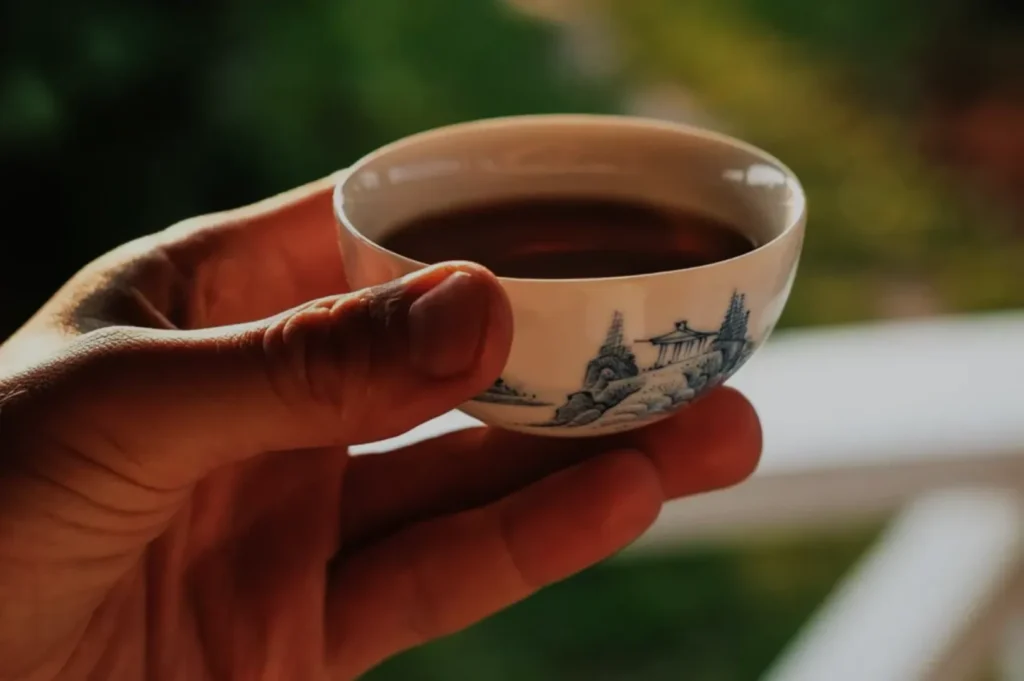
Many brewing guides begin with numbers.
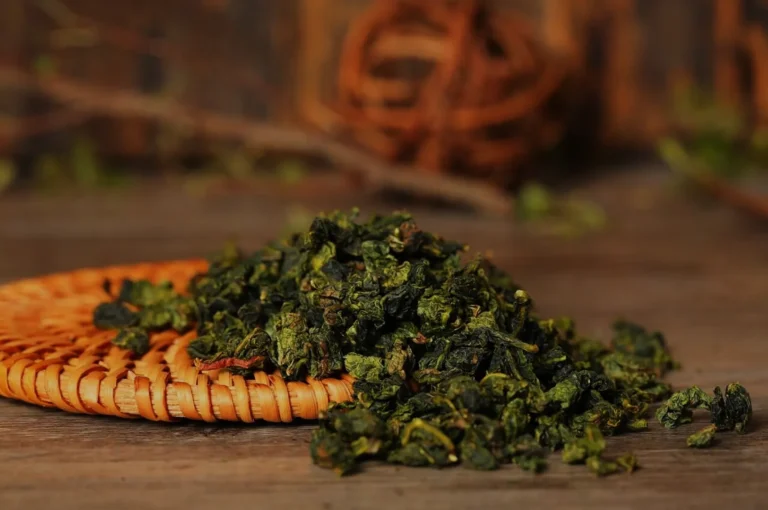
They are useful, but they are not the whole answer. Oolong tea is too varied for one fixed formula. A light floral oolong does not behave like a roasted Wuyi tea. A tightly rolled Tie Guan Yin opens differently from a twisted Phoenix Dan Cong.
This is why brewing should begin with observation.
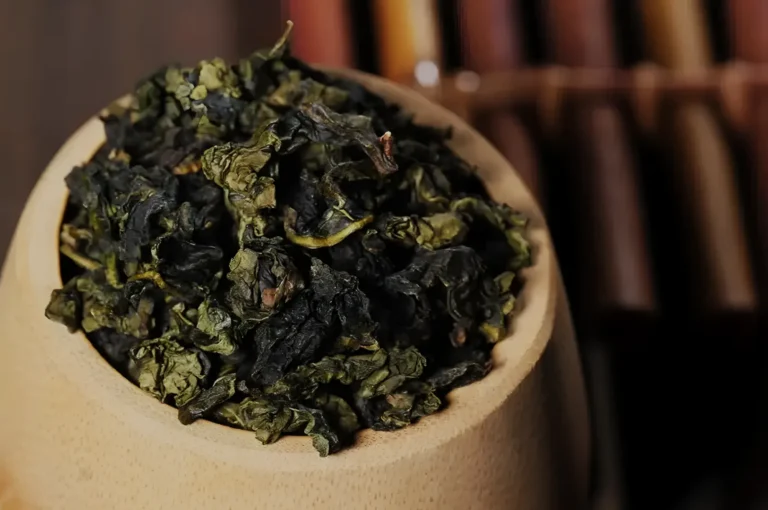
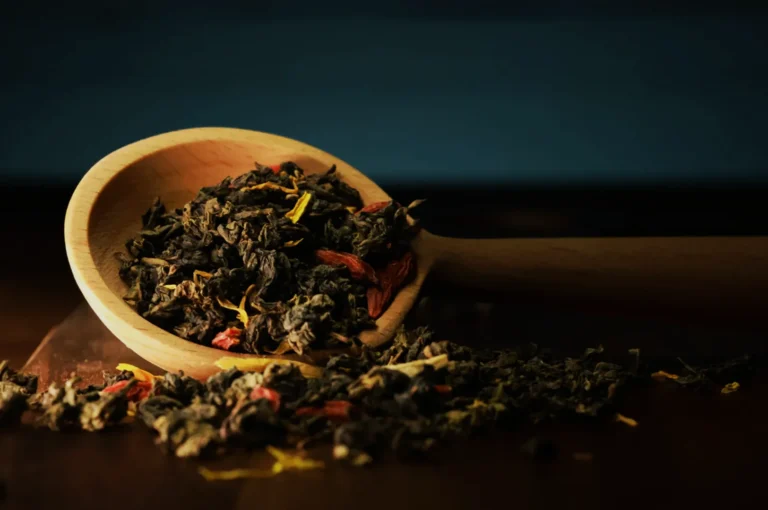
Look at the leaf. Is it rolled or twisted? Is it green, dark, roasted, or heavily oxidised? Does the dry leaf smell floral, warm, fruity, or mineral?
The more structured the tea, the more heat it may tolerate. The more delicate the aroma, the more carefully the water should be handled.
Water Temperature for Oolong Tea
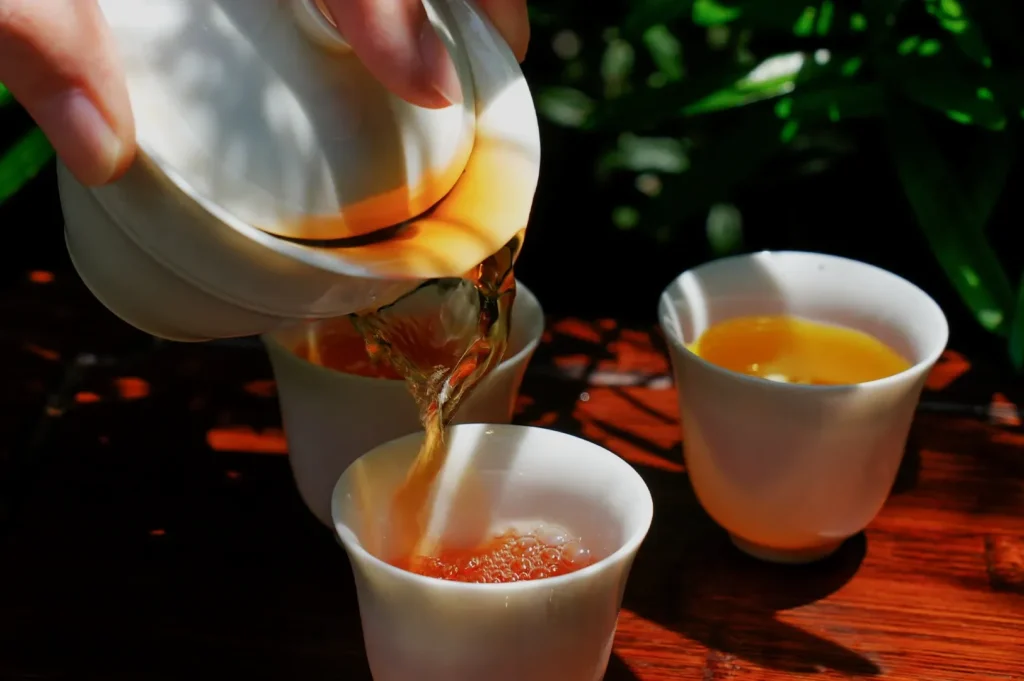
Oolong tea usually enjoys water that is hotter than green tea, but the exact temperature depends on the style.
For lighter, greener oolongs, start around 85°C to 90°C. This helps protect floral notes and prevents the cup from becoming too sharp.
For roasted, darker, or more oxidised oolongs, water closer to 95°C or just off boiling can work better. These teas often need more heat to open their body, roast, and mineral structure.
A study on caffeine and L-theanine in tea infusions found that brewing conditions such as temperature and time affect what is extracted into tea liquor. This is useful because it reminds us that water is not passive. It shapes the cup.
Hotter water does not automatically mean better tea. It means stronger extraction.
The right question is not “how hot can the water be?” but “what does this tea need?”
Leaf Ratio: How Much Oolong Tea to Use
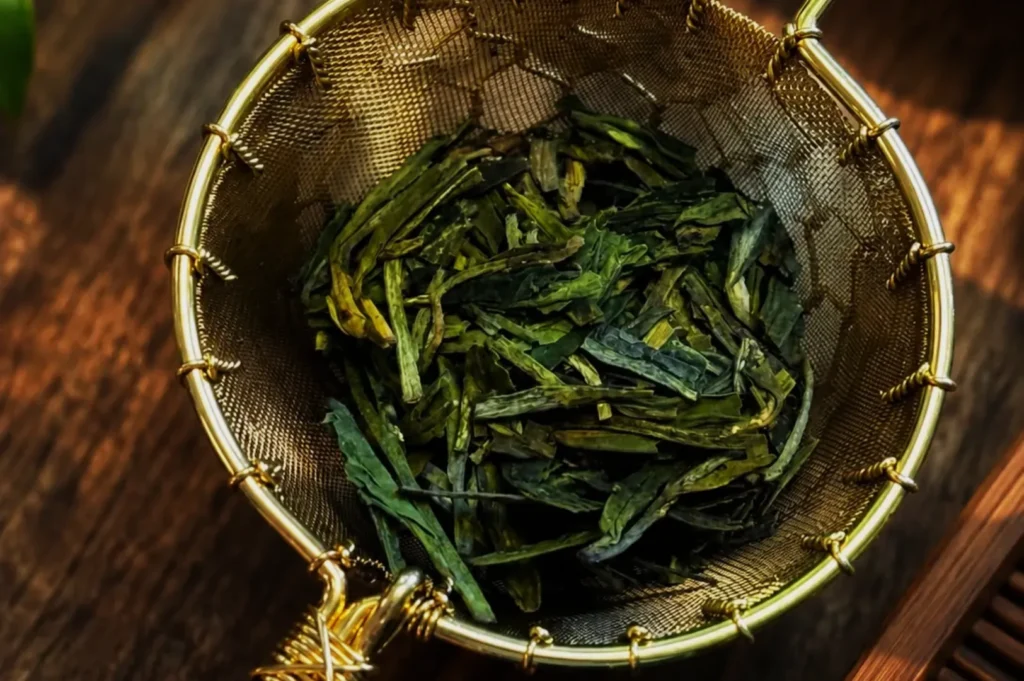
For a simple cup, use about 2 to 3 grams of oolong tea for 250 ml of water.
For gongfu-style brewing, use more leaf with less water. A common starting point is around 5 grams of tea for a 100 ml to 120 ml gaiwan or small teapot.
The Rare Tea Company guide to making oolong with a gaiwan explains that gaiwan brewing is well suited to oolongs and whole-leaf teas because the leaves can be infused multiple times with a high leaf-to-water ratio.
This is the heart of gongfu brewing.
More leaf does not mean one long, punishing steep. It means several short infusions, each revealing something different.
Gaiwan, Teapot or Mug?
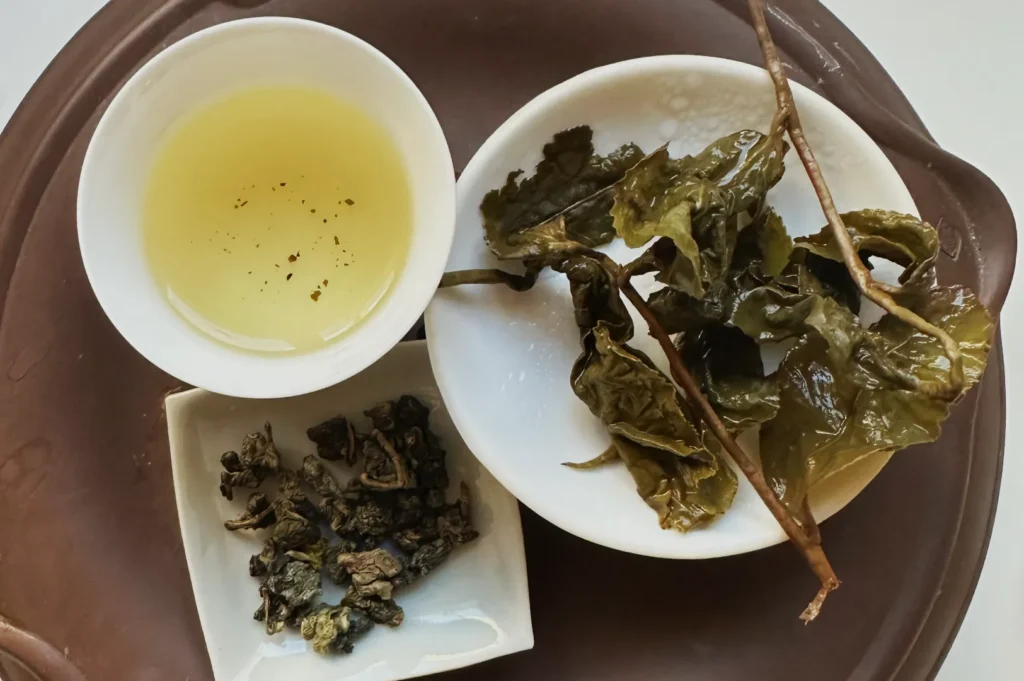
A gaiwan gives control.
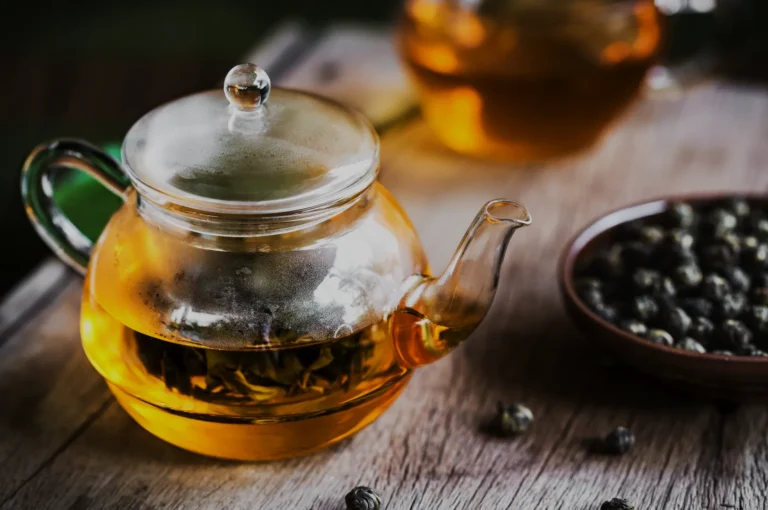
Its open shape lets you smell the leaf, watch it open, and pour quickly. This makes it especially useful for oolong tea, where timing and aroma matter.
A small teapot can also work beautifully, especially for roasted oolongs or teas you know well. Clay teapots may soften or deepen certain teas over time, though beginners may prefer porcelain because it keeps the flavour clearer.
A mug or large cup is fine for casual brewing. It may not show every layer of the tea, but it still has a place. A daily tea ritual should not require performance.
At Tea Room by Ki-setsu, we see the vessel as part of the conversation. It does not make the tea good by itself, but it changes how closely we can listen.
Should You Rinse Oolong Tea?
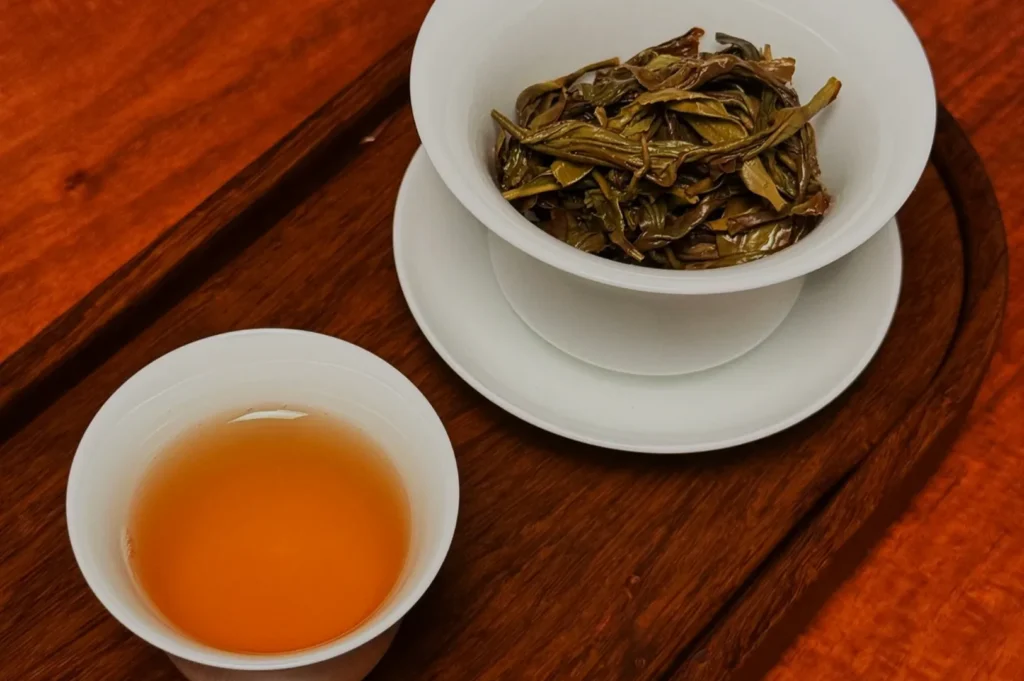
In gongfu brewing, some drinkers give oolong tea a quick rinse.
This means pouring hot water over the leaves and discarding that first very short infusion. The purpose is not always cleaning. It can also wake the leaf, warm the vessel, and prepare the tea to open more evenly.
For tightly rolled oolongs, a rinse can help the leaves begin to unfurl.
For delicate or very aromatic oolongs, some drinkers skip the rinse because the earliest aroma is precious.
There is no need to turn this into doctrine. Taste both ways if you are curious.
The best brewing habit is the one that helps you understand the tea more clearly.
How Long to Steep Oolong Tea
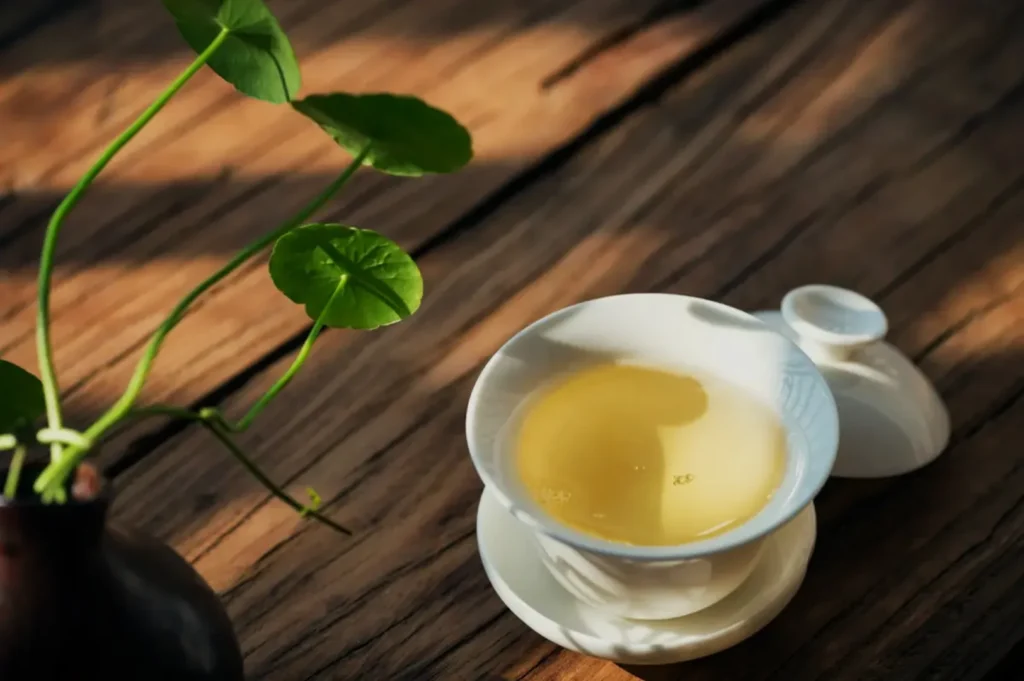
For gongfu-style brewing, start with short infusions.
A first infusion may be 10 to 20 seconds, depending on the tea and how much leaf is used. Later infusions can be slightly longer as the leaf opens and the flavour changes.
For a larger mug or teapot, begin with 2 to 3 minutes, then adjust.
If the tea tastes thin, use more leaf or steep longer. If it tastes harsh, reduce time, temperature, or leaf amount.
A PubMed Central study on alternative steeping methods compared hot, cold, and combined steeping methods across green, black, and oolong teas, noting that hot infusion has rapid extractive power. In everyday terms, this means hot water can pull flavour quickly. Careless timing can make the tea too strong before we notice.
Multiple Infusions Are the Point
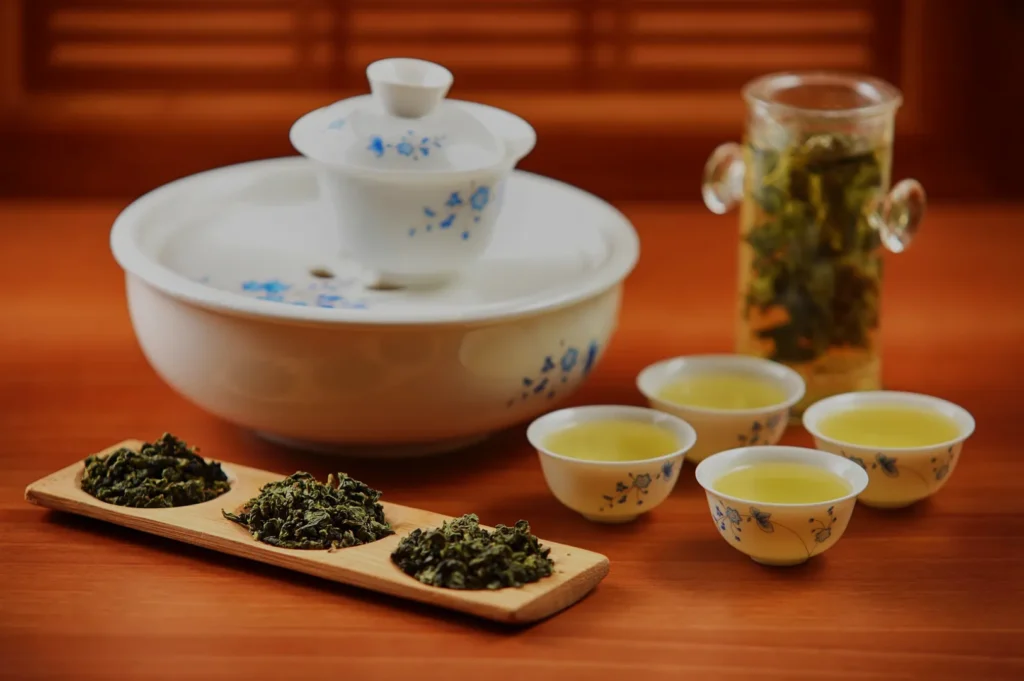
Oolong tea often becomes more interesting after the first cup.
The first infusion may carry fragrance. The second may show body. The third may reveal sweetness, roast, or a more settled finish. Later cups may become softer, quieter, and surprisingly clear.
This is one of the reasons oolong suits a slower tea session.
Do not judge the tea too quickly. A first infusion may be shy. A roasted oolong may need time to soften. A floral oolong may be most expressive early, then become creamier as it opens.
Multiple infusions teach us that tea is not a single result. It is a sequence.
Common Oolong Brewing Mistakes
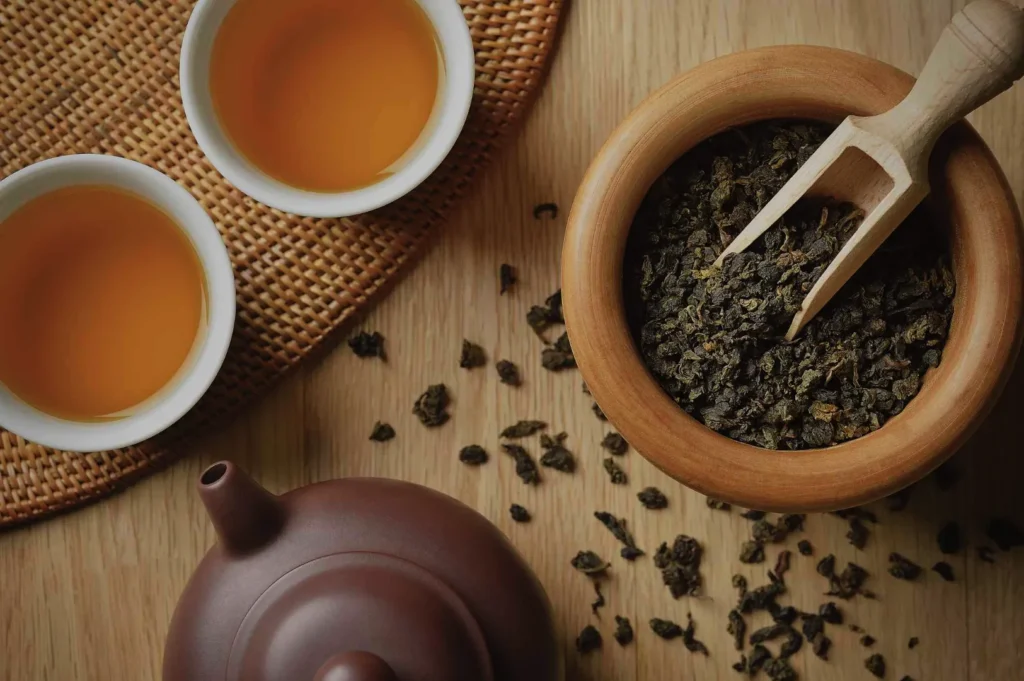
The most common mistake is using water that is too hot for a delicate oolong.
The second is steeping too long and mistaking bitterness for depth.
The third is using too little leaf in too much water, then deciding the tea is flat.
Another mistake is rushing through the session. Oolong needs enough time to change. If we drink it like a quick beverage, we miss what makes it generous.
Brewing oolong well does not require perfection. It requires adjustment.
Final Thought
To brew oolong tea well, begin simply.
Use clean water. Choose a vessel that lets the leaves open. Match the temperature to the tea’s style. Use enough leaf. Keep the early infusions short. Taste as the tea changes.
A good oolong does not need to be forced into intensity. It needs space, heat, and attention.
The beauty of oolong brewing is that the same leaf can return differently each time.
For those beginning their Chinese tea journey, this is one of oolong’s quiet lessons: not everything worth tasting arrives in the first cup.