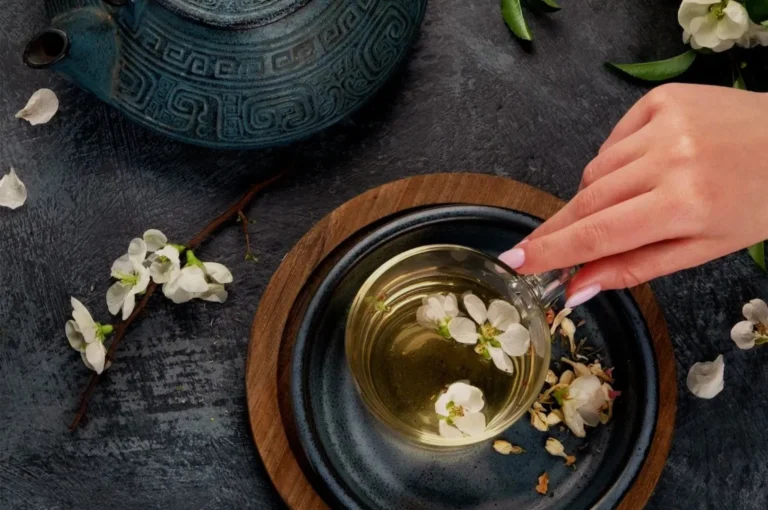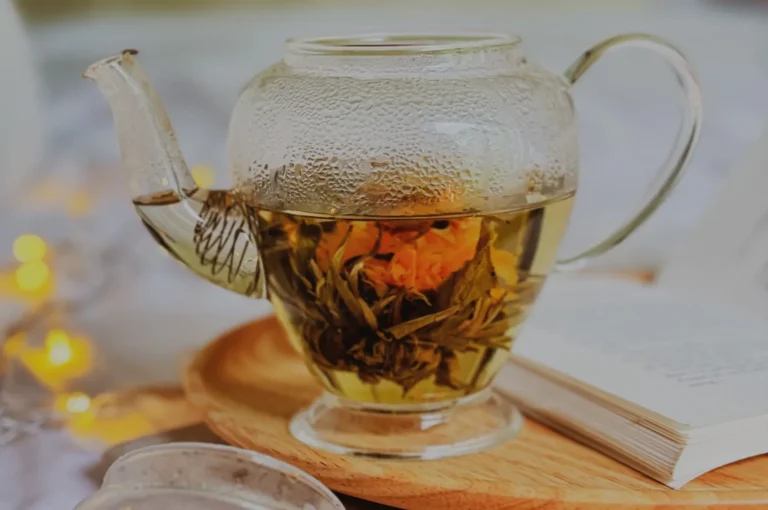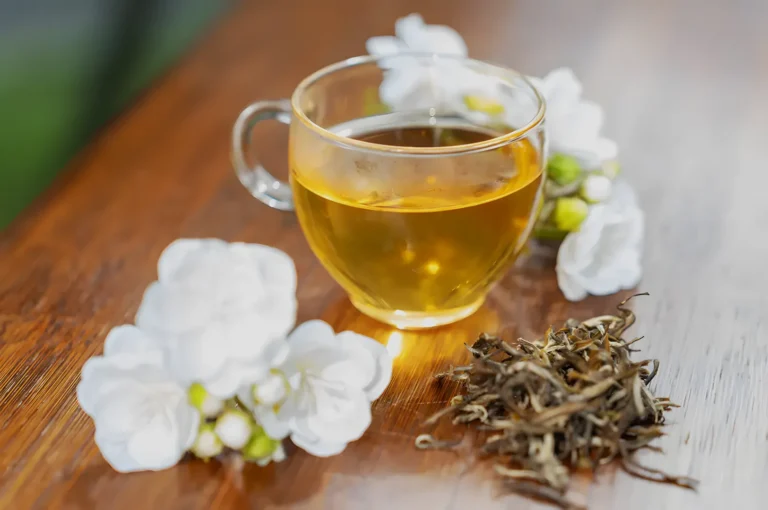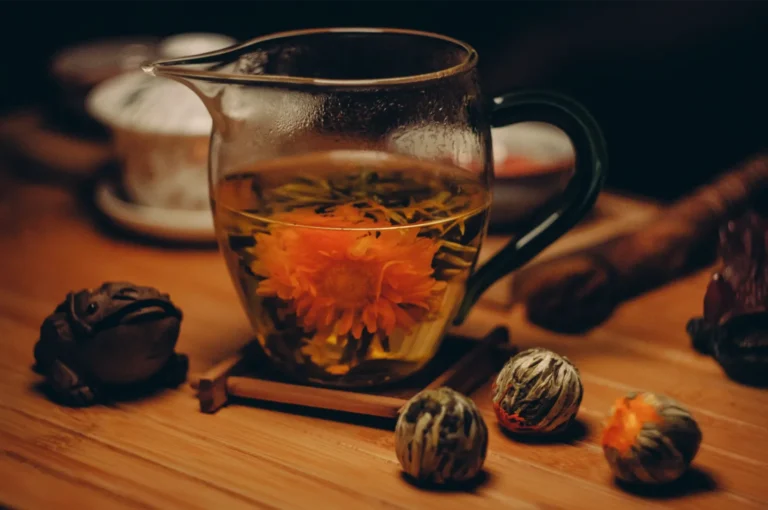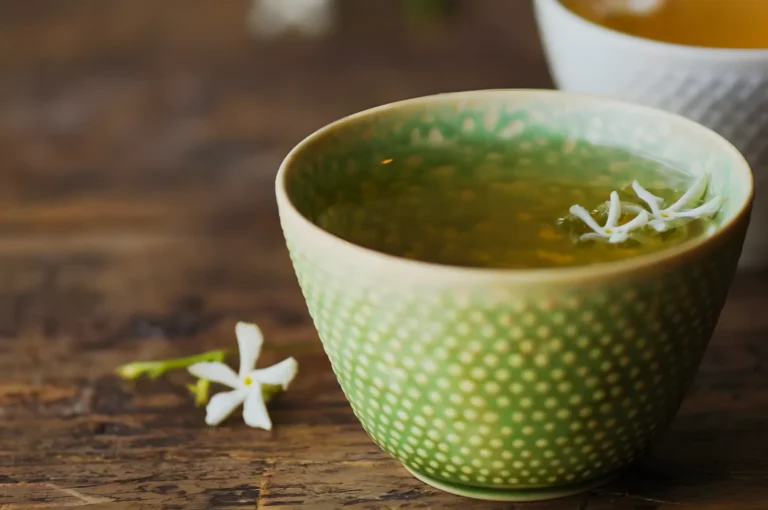
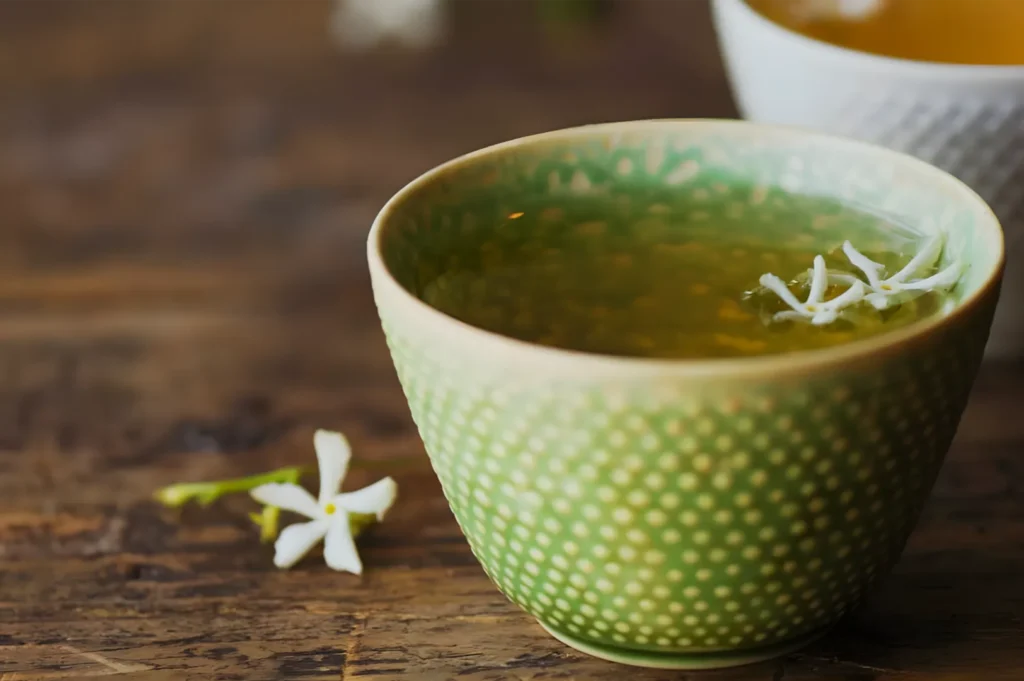
Jasmine tea is easy to recognise and surprisingly easy to misunderstand.
Its fragrance arrives first: fresh flowers, soft sweetness, sometimes a green brightness underneath. This can make jasmine tea seem like a simple mixture of tea leaves and flowers.
Traditional Chinese jasmine tea is more deliberate than that.
Fresh jasmine blossoms are brought into contact with prepared tea so the leaves absorb their fragrance. The flowers may later be separated, and fine jasmine teas can go through repeated rounds of scenting.
Good jasmine tea is not tea with fragrance sitting on top. The flower and leaf should feel as though they have learned to speak together.
At Tea Room by Ki-setsu, our wider approach to Chinese tea in Singapore begins with the same principle: provenance, processing and brewing matter more than labels alone.
What Is Jasmine Tea?
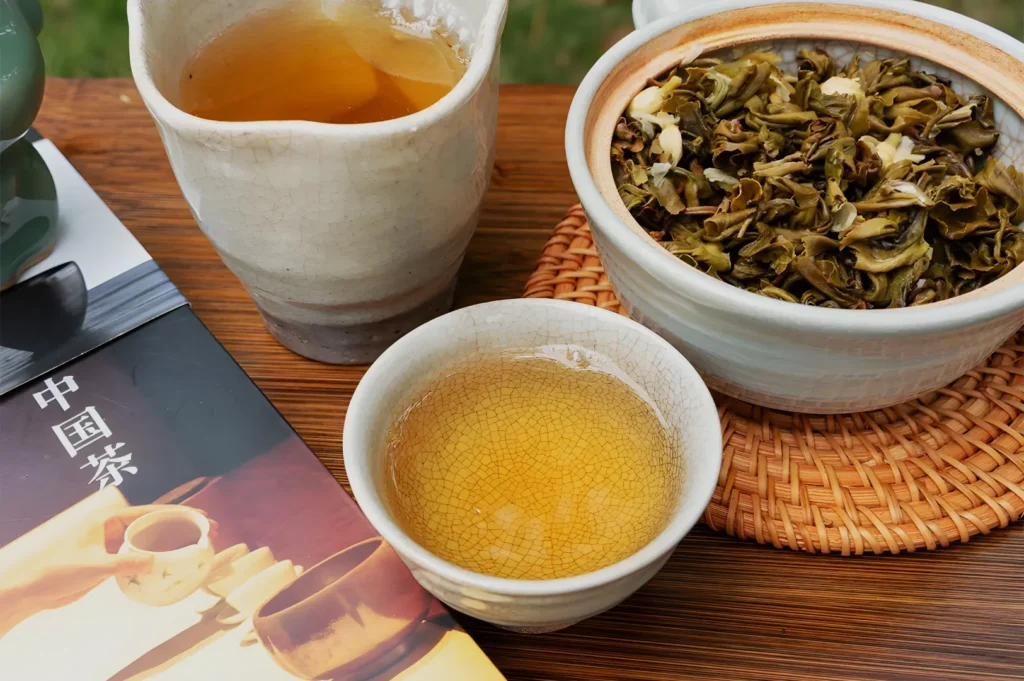
Jasmine tea is a scented tea, rather than one of China’s six basic tea categories.
UNESCO distinguishes China’s green, yellow, dark, white, oolong and black teas from reprocessed products such as flower-scented teas.
Green tea is the most familiar base, although black, white or oolong tea can also be scented with jasmine. A 2026 scientific review likewise describes jasmine tea as further-processed tea created by scenting green, black, oolong or other tea with jasmine flowers.
That distinction matters. Jasmine tea still carries the character of its tea base beneath the flowers.
How Jasmine Tea Gets Its Fragrance
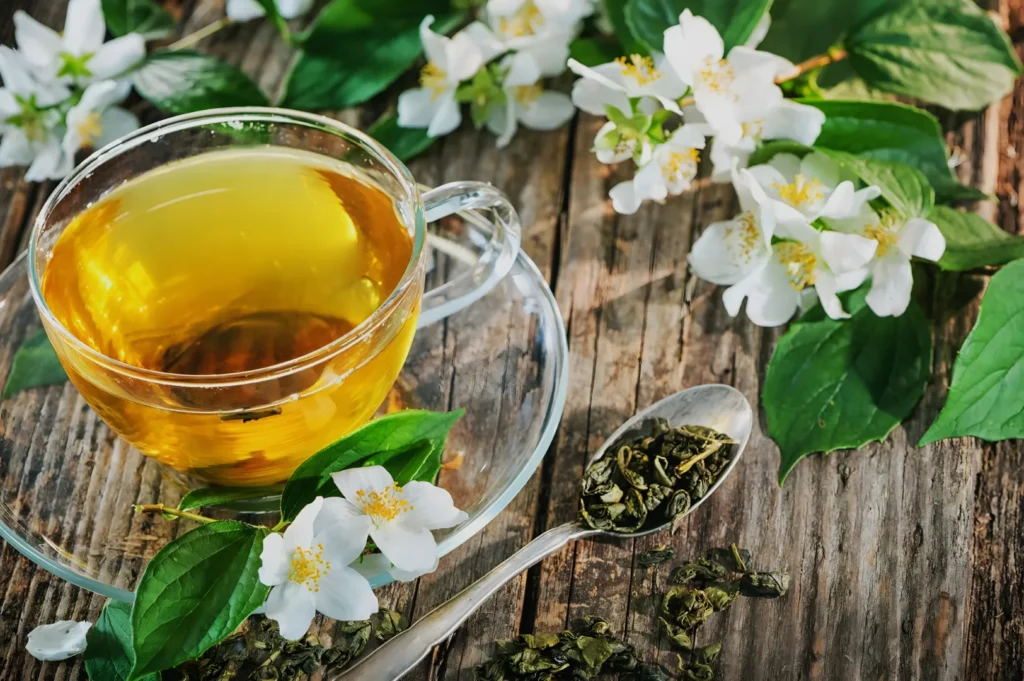
Traditional scenting relies on fresh jasmine flowers, particularly Jasminum sambac.
The Fujian Provincial People’s Government describes Fuzhou jasmine tea production as a series of processes including tea preparation, flower nurturing, scenting, baking and cooling. Mature flowers release aromatic substances, while the tea absorbs them under carefully managed conditions.
Recent research has gone further, observing specific jasmine-derived aromatic compounds transferring into the tea during scenting.
This is why authentic scenting feels integrated. The aroma comes through contact, time and craft rather than simply making the leaves smell louder.
Why Fuzhou Matters
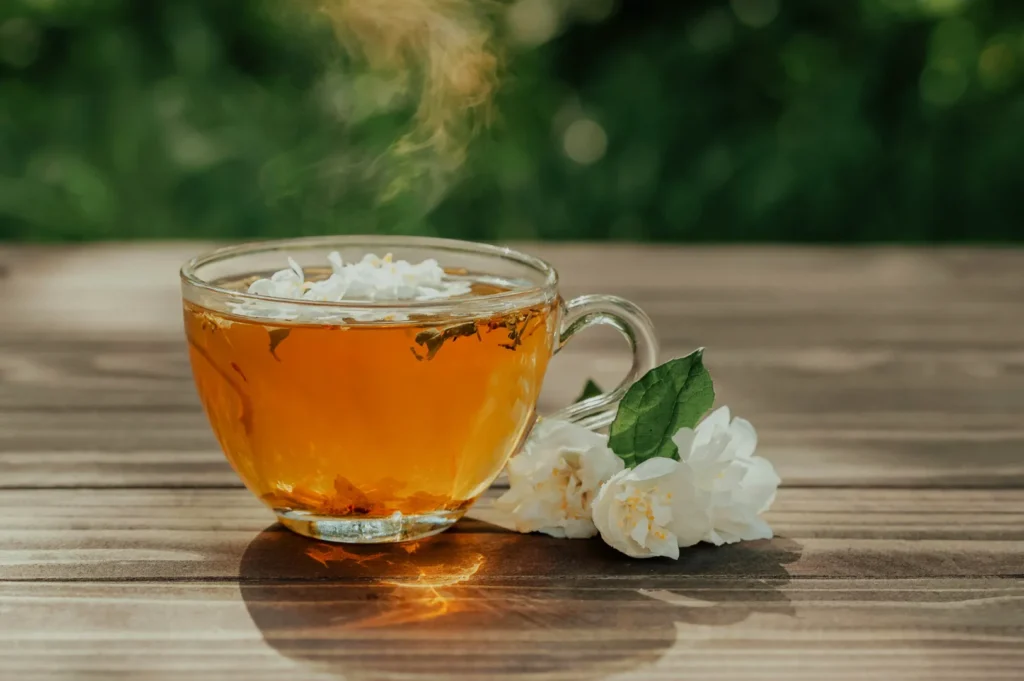
Fuzhou in Fujian has one of China’s most important jasmine tea traditions.
FAO designated its Jasmine and Tea Culture System a Globally Important Agricultural Heritage System in 2014, recognising the area’s combined jasmine cultivation, tea farming and accumulated production knowledge.
Origin does not automatically guarantee a beautiful cup. But understanding Fuzhou helps explain why jasmine tea is better treated as craftsmanship than flavouring.
What Does Jasmine Tea Taste Like?
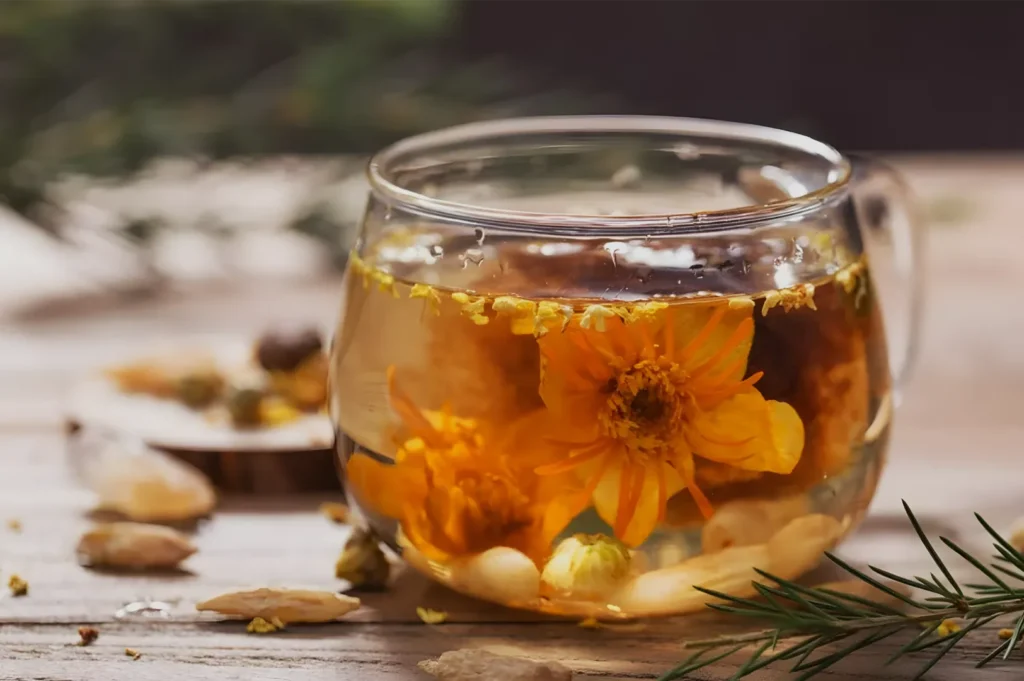
A good cup should offer more than flowers.
You may notice:
- clean jasmine fragrance
- fresh green or gently vegetal notes from the base tea
- soft sweetness
- a smooth or brisk body
- a floral finish that remains without becoming heavy
The fragrance should feel clear rather than cloying.
Research into jasmine tea aroma has identified compounds associated with floral, green, fruity and sweet impressions, showing why the finished cup can feel more layered than a simple perfume note. Read the jasmine aroma profile study
Does Jasmine Tea Have Caffeine?
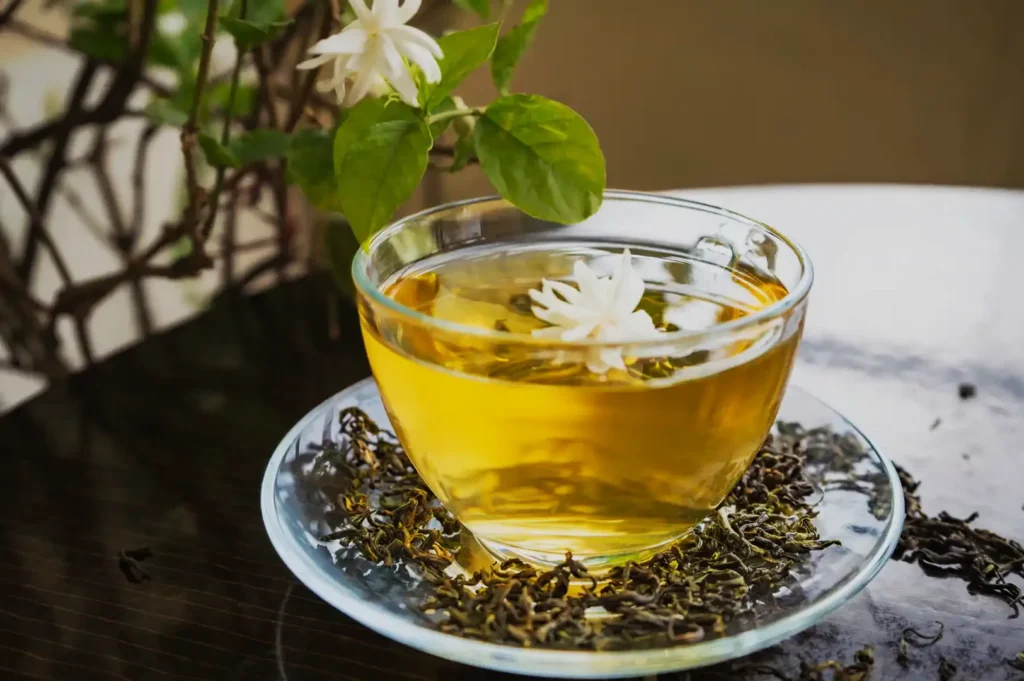
Usually, yes.
If jasmine flowers are used to scent Camellia sinensis tea leaves, the finished tea contains caffeine from the tea base.
Amount varies with the leaf, quantity used, water temperature and steeping time.
This is different from an infusion made only from jasmine flowers, which is not the same product.
What About Jasmine Tea Benefits?
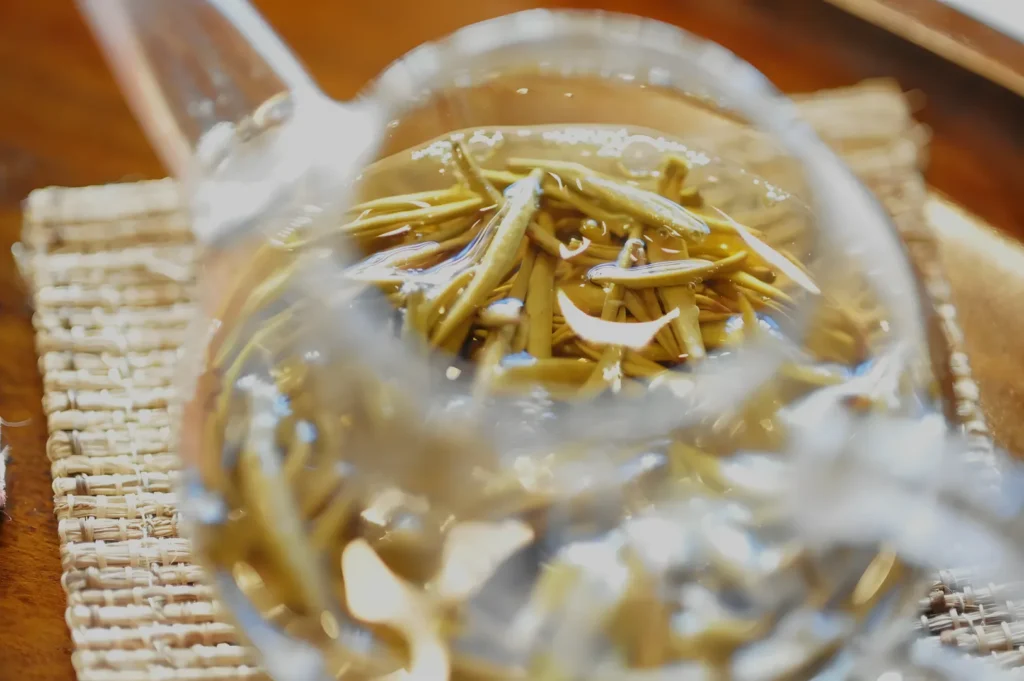
Jasmine tea contains compounds inherited from its tea base, including polyphenols and caffeine.
Research continues into its composition and potential biological activity, but benefits should be described carefully. Drinking jasmine tea is not the same as consuming concentrated extracts, and it should not be treated as a cure.
Its most practical virtues are quieter: an aromatic unsweetened drink, a pause in the day, and a cup complex enough to reward attention.
Tea can belong to wellness without becoming medicine.
How to Choose Better Jasmine Tea
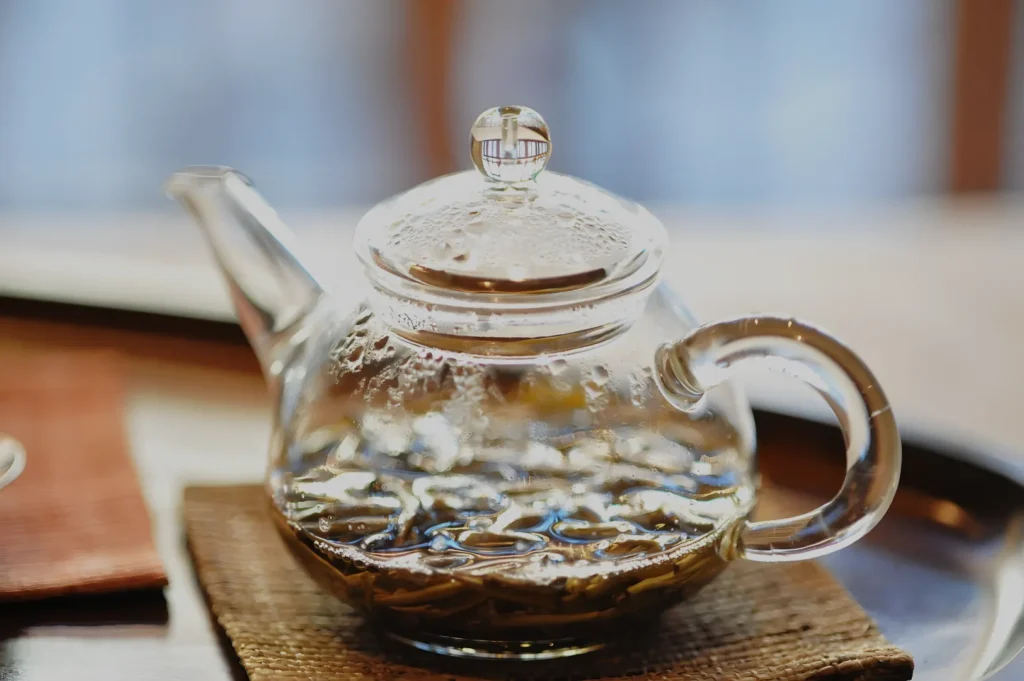
Look beyond how strongly the dry leaves smell.
Ask whether the aroma remains elegant in the liquor. Notice whether the base tea still has character. See whether fragrance persists naturally across infusions instead of disappearing after the first dramatic cup.
Higher aroma volume is not automatically higher quality.
The better question is not “How floral is this?” but “How well do the flower and tea belong together?”
That way of tasting sits naturally within the broader tea philosophy we practise at Tea Room by Ki-setsu. Our private tea room centres on rare, premium Chinese leaves, guided appreciation and quiet attention. The point is not to serve every tea in China. It is to give guests a more precise way of understanding Chinese tea wherever their curiosity leads next.
Final Thought
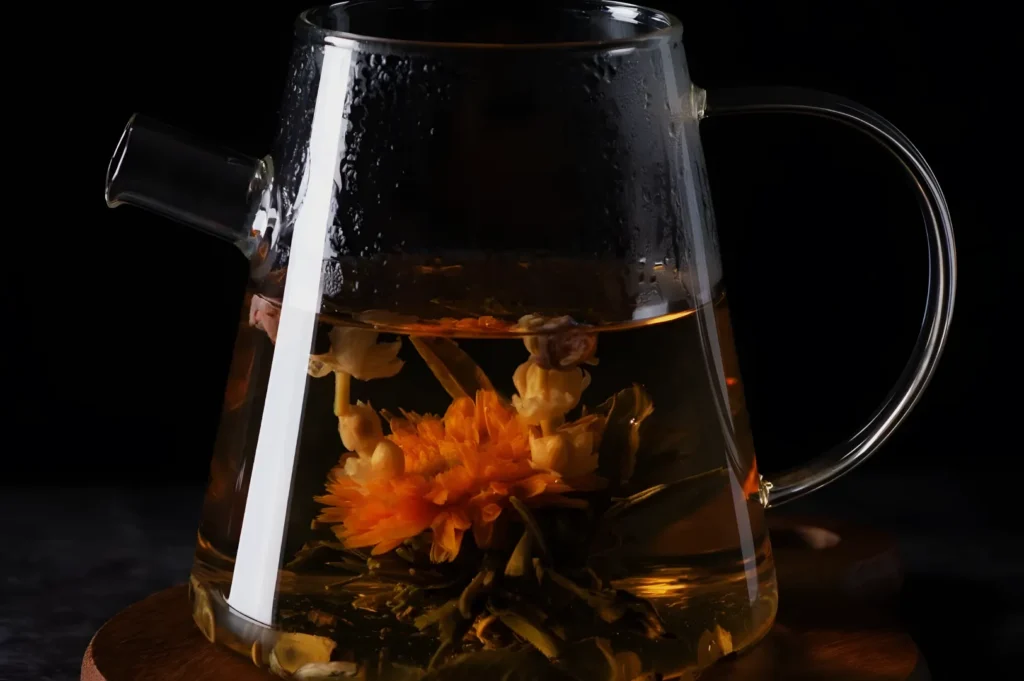
Jasmine tea is often someone’s first encounter with Chinese scented tea.
It deserves to be more than the floral option on a menu.
Behind a fine cup are flowers opening at the right moment, tea prepared to receive their fragrance, repeated decisions by skilled makers, and a brewing hand gentle enough not to erase that work.
The flower may introduce jasmine tea. The leaf is what gives it somewhere to stay.