Jasmine tea smells effortless when it is made well.
The making is not.
Fresh flowers have to reach the right stage of opening. The prepared tea has to receive their fragrance. Heat and moisture must be managed. Flowers may be removed, tea dried, and another round begun.
The elegance in the cup comes from repetition that the drinker never sees.
Our Chinese jasmine tea guide gives the wider picture. Here, we stay with the craft itself.
First, There Is Already Tea
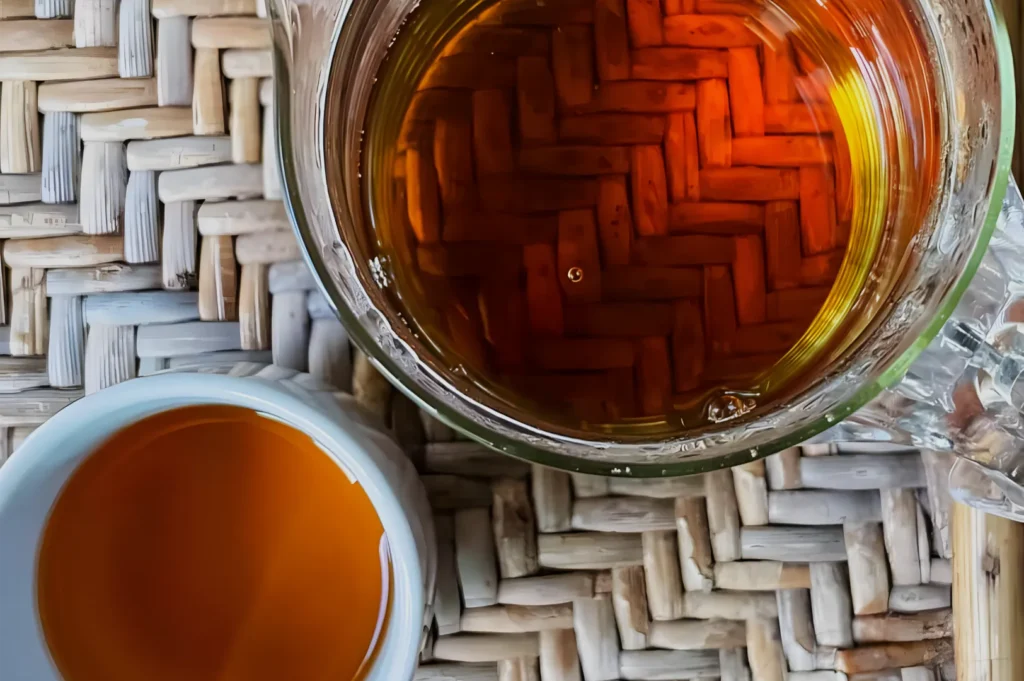
Jasmine scenting normally begins with finished tea.
The base is often green tea, although other tea categories can be used. It has already been picked and processed before jasmine enters the story.
This matters because scenting is not meant to erase the base.
A refined finished tea should still taste like tea.
The Flowers Have Their Own Timing
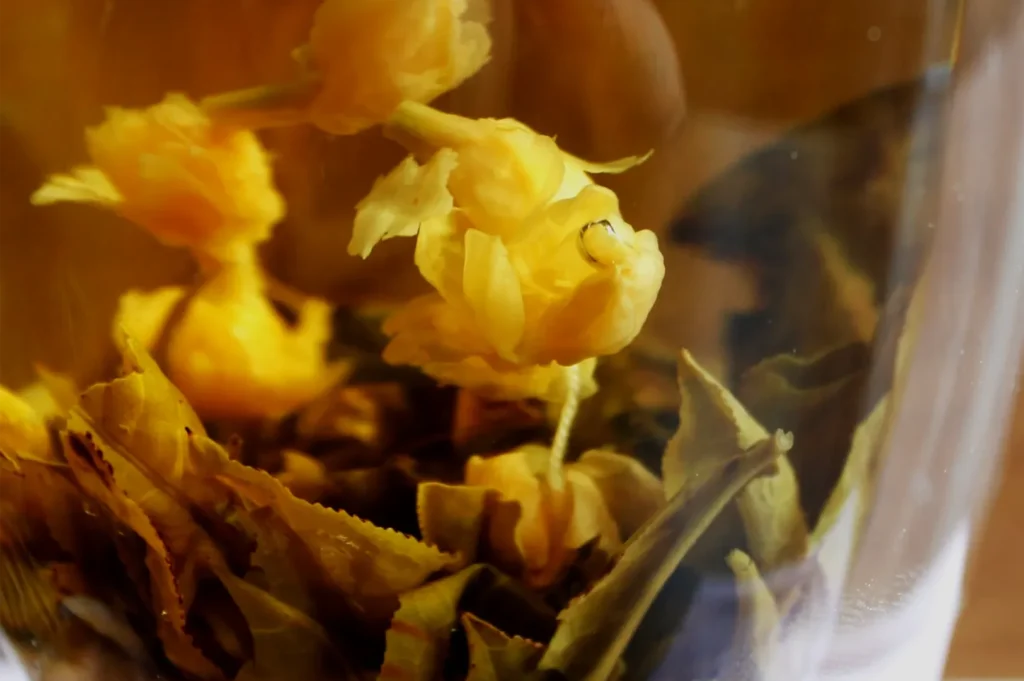
Fresh jasmine buds are harvested before they fully open.
They are then managed so they can bloom and release aroma under suitable conditions.
Fuzhou’s traditional technique includes flower nurturing as part of the craft, followed by scenting, flower separation, baking, cooling and other stages.
Tea making here depends on understanding both plants.
Flower and Leaf Meet
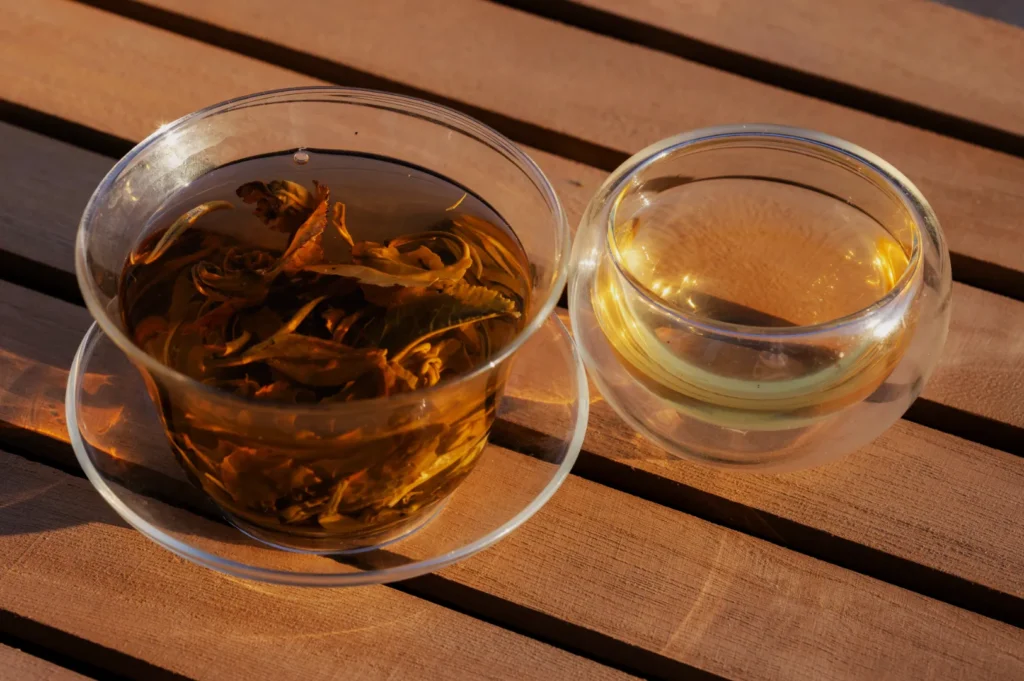
Tea and flowers are mixed so volatile aromatic compounds released by the blossoms can transfer into the leaf.
A 2026 study directly observed jasmine-derived compounds becoming enriched in the tea after scenting. It also found changes in sweetness, amino acids, catechins and the sensory character of the liquor.
Scenting changes more than smell. It can shift the way the tea tastes and feels.
Why Repeat the Process?
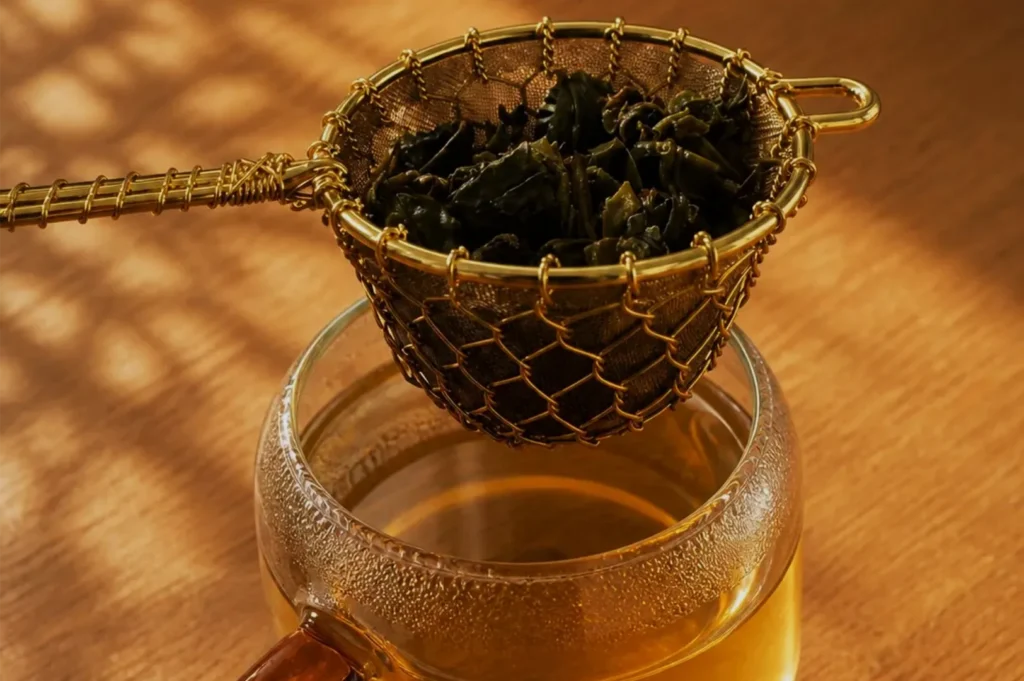
Fine jasmine tea may be scented more than once.
Research tracking repeated scenting found that aroma freshness, concentration, purity and persistence generally intensified over successive rounds.
More rounds are not automatically better forever. The maker still has to preserve balance.
Flowers Are Removed
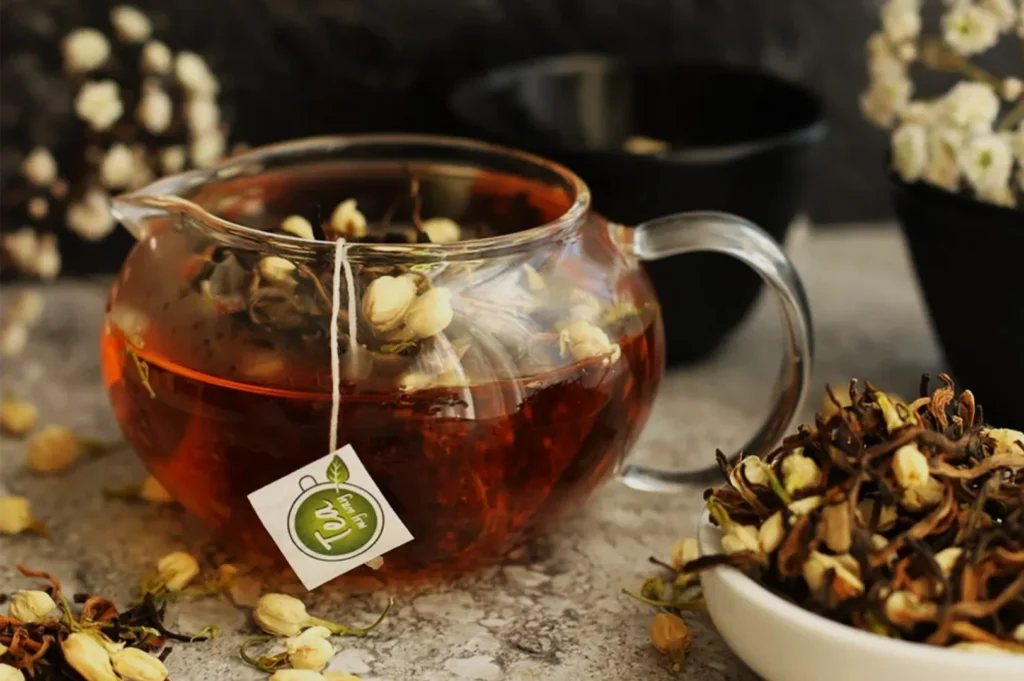
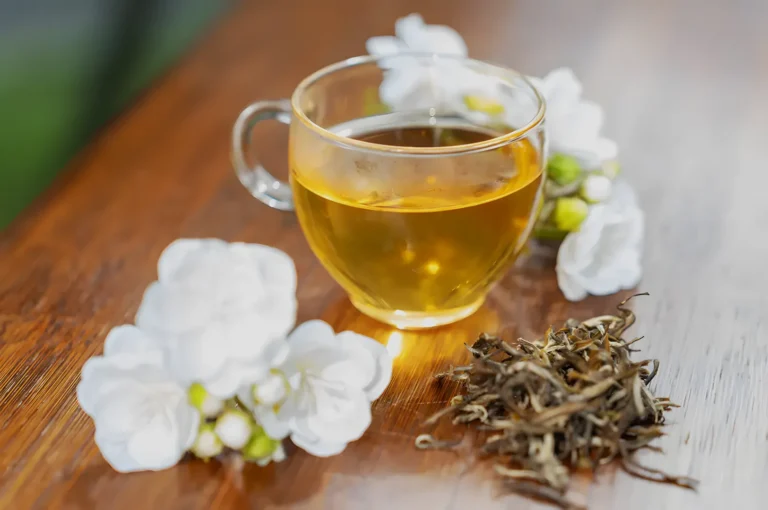
After a scenting round, spent flowers may be separated from the tea.
The tea can then be dried to manage moisture and stabilise quality before another round.
This explains why excellent jasmine tea can contain very few visible petals.
The fragrance has already moved where it needs to go.
The Last Detail Is Restraint
Strong fragrance is easy to notice.
Integrated fragrance takes more attention.
At Tea Room by Ki-setsu, our private tea philosophy places value on the details that disappear into the final cup: origin, handling, water, vessel and timing. Jasmine scenting belongs to that same way of thinking, even though it is not the focus of our current rare-tea collection.
Good craft is often most visible when nothing feels forced.
Final Thought
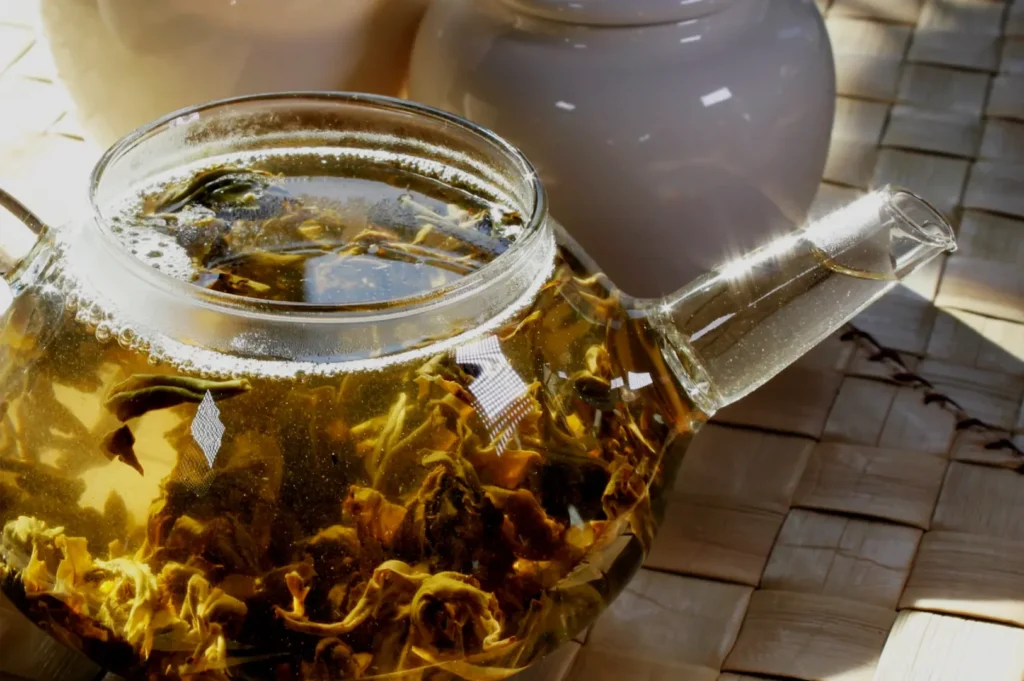
The jasmine tea scenting process is a meeting of two harvests.
Tea has already been made. Flowers have their own brief aromatic window. The maker brings them together, separates them, dries the tea and sometimes begins again.
What reaches the drinker is the quiet result.
Not tea plus flowers, but tea changed by flowers.