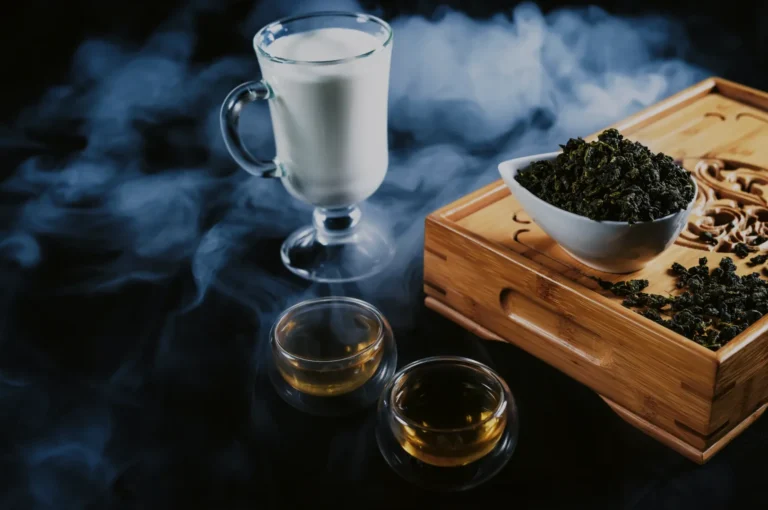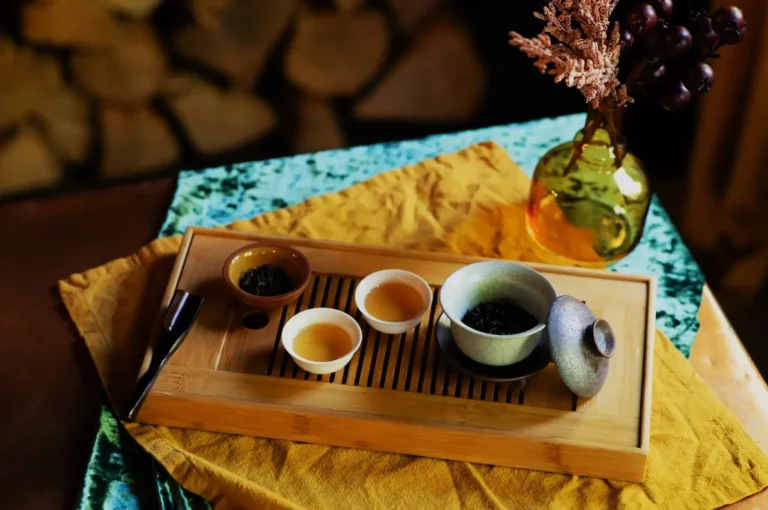
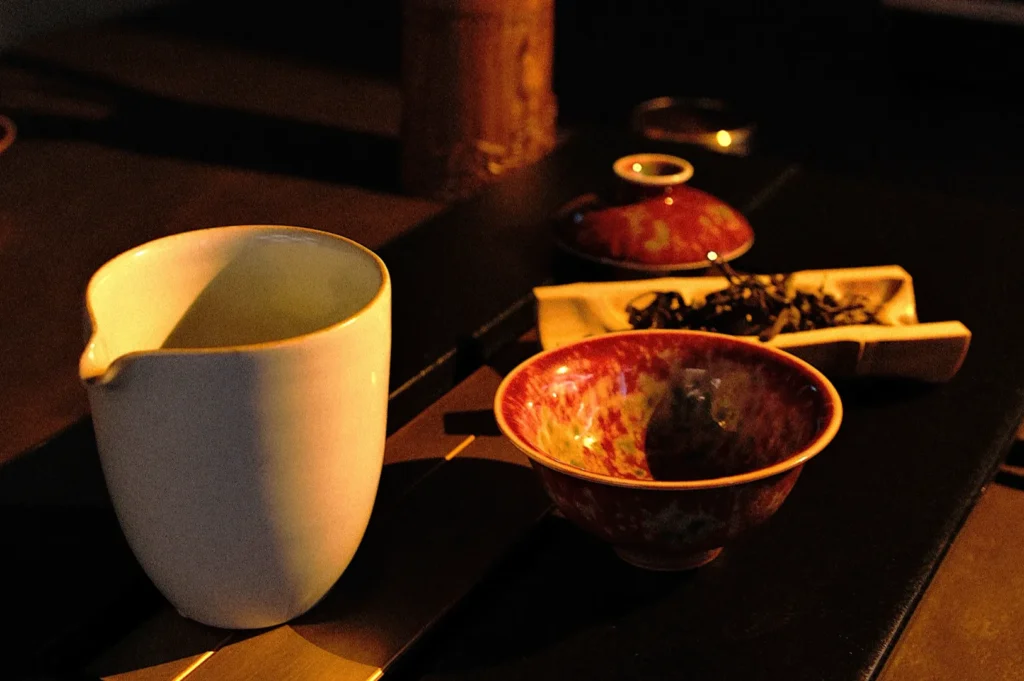
Some drinks arrive like a switch.
Coffee can do that. One cup, and the mind sharpens quickly. The day begins in a defined line. For many people, that directness is exactly the point. It is efficient, familiar, and deeply woven into the architecture of modern mornings.
Black tea moves differently.
It does not usually enter the body with the same abruptness. Instead, it tends to gather. The warmth reaches you first, then the aroma, then the lift. The result is often less immediate than coffee, but more even. This is one reason so many people eventually begin to ask the quieter question behind black tea vs coffee: not which one is “better” in the abstract, but which kind of energy actually fits the life they are living.
At Tea Room by Ki-setsu, we think this is where black tea becomes especially interesting. Not as a replacement for coffee in a purely practical sense, but as a different rhythm altogether. A good black tea can sharpen the mind, steady the body, and leave the day feeling less broken into spikes.
If you would like the wider foundation first, our broader guide to black tea and its unique character offers that fuller introduction. Here, we stay with the everyday question of pace, focus, and what kind of alertness feels most sustainable.
The Difference Is Not Only Caffeine
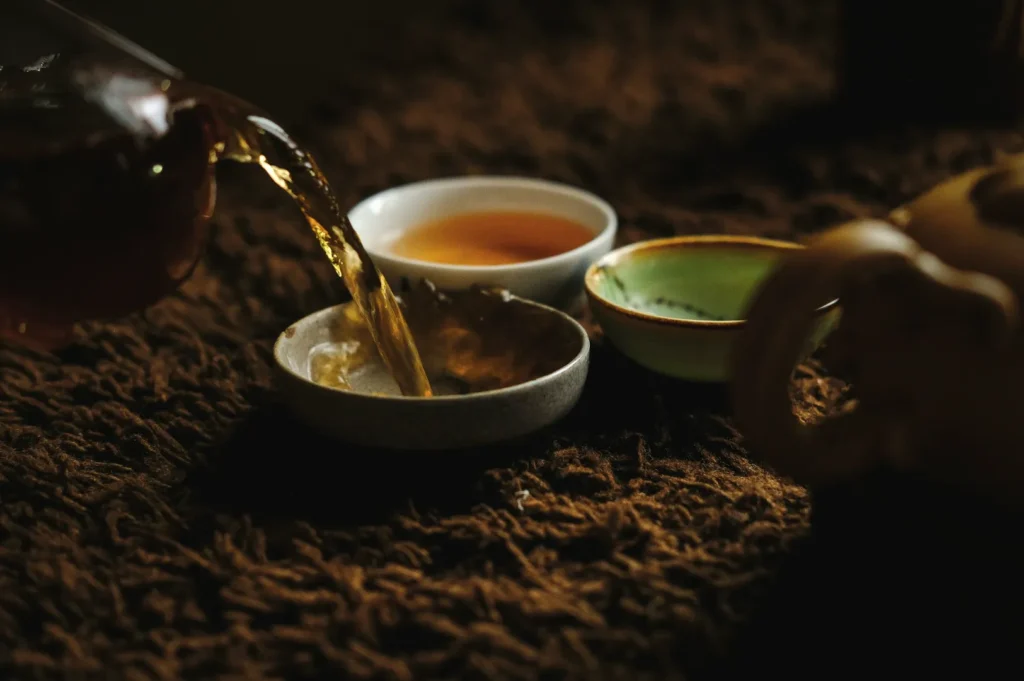
When people compare black tea caffeine vs coffee, they often begin with numbers.
That is understandable, but it only explains part of the experience. The more meaningful difference is often not the amount alone, but the shape of the energy. Coffee tends to arrive quickly and clearly. Black tea often arrives with more softness around the edges. Even when the tea is brisk and lively, its energy can feel less abrupt.
This is one reason black tea is often described not only as stimulating but as companionable. It supports activity without always demanding urgency. For some drinkers, that difference is small. For others, it changes the entire mood of the day.
A drink does not only affect how awake you feel. It affects how you move through that wakefulness.
Coffee Suits Speed. Tea Suits Pace.
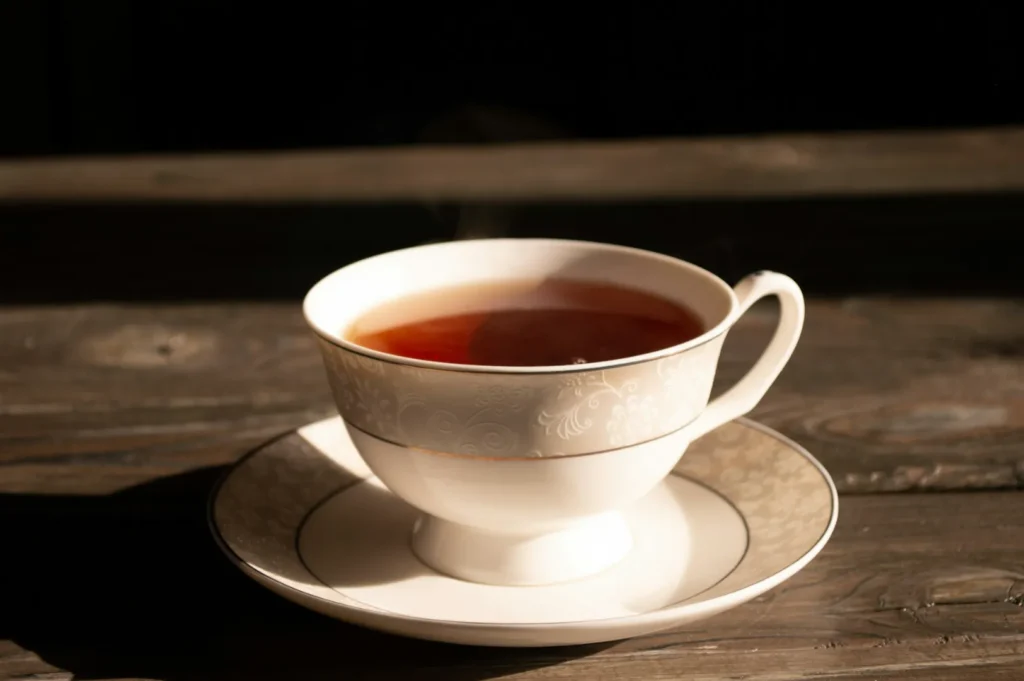
Coffee and black tea often answer different needs.
Coffee suits mornings that need immediate traction. It can cut through fog, especially when time is short and the day is already beginning to accelerate. It has become the natural drink of urgency partly for this reason.
Black tea tends to suit mornings or afternoons, that need continuity more than force. A cup of Keemun, Dian Hong or another well-made black tea often feels as though it enters the body in stages. There is lift, yes, but also warmth and a kind of internal settling that makes the energy easier to live with.
At Tea Room by Ki-setsu, we think of this as the difference between momentum and measure. Both can be useful. But not every day benefits from the same kind of push.
Why Some People Move Toward Black Tea

The shift from coffee to black tea does not always begin with a dramatic decision.
More often, it begins with small recognitions:
- coffee feels too abrupt in the afternoon
- the body wants focus without quite so much edge
- the ritual of the drink has begun to matter as much as the effect
- a quieter kind of stimulation feels more sustainable
- the palate wants nuance, not only strength
This is why coffee alternative Singapore searches often lead people, perhaps unexpectedly, toward black tea. Not because tea is trying to imitate coffee, but because it offers another model of alertness entirely.
A good black tea can feel energising without becoming narrow. It can support work, reading, conversation, or solitude without insisting that the whole day turn into a race.
Black Tea for Focus Feels Different
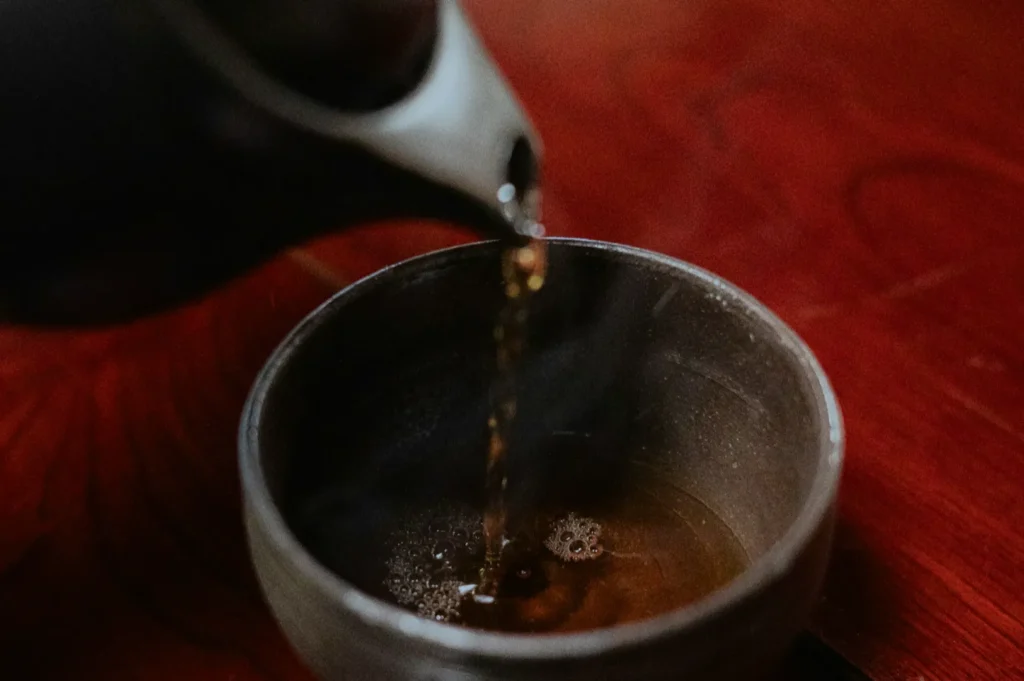
Focus is not one thing.
There is the sharp focus that cuts through distraction quickly. Then there is the steadier kind, the one that lets you remain with a thought for longer without making the body feel pushed. Many people who begin drinking black tea regularly realise that this second kind of focus is what they had been missing.
This is where black tea for focus becomes more than a marketing phrase. In lived experience, it often feels like:
- a cleaner beginning to work
- less internal noise
- enough alertness to continue, without quite as much restlessness
- a smoother transition from one task to the next
This is especially true when the tea itself is well chosen. A delicate Keemun may give a more lifted, attentive kind of clarity. A fuller Dian Hong may feel warmer and more stabilising. A stronger black tea can still feel composed if the brewing is right.
The Ritual Changes the Energy Too
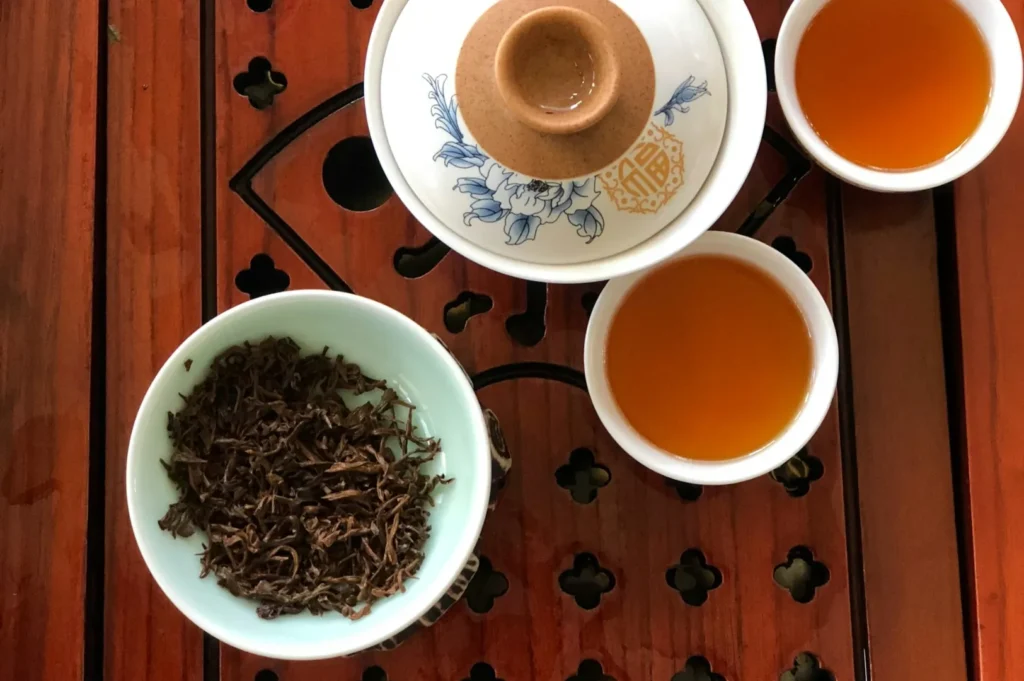
One reason black tea feels different from coffee is not only the leaf. It is the ritual around it.
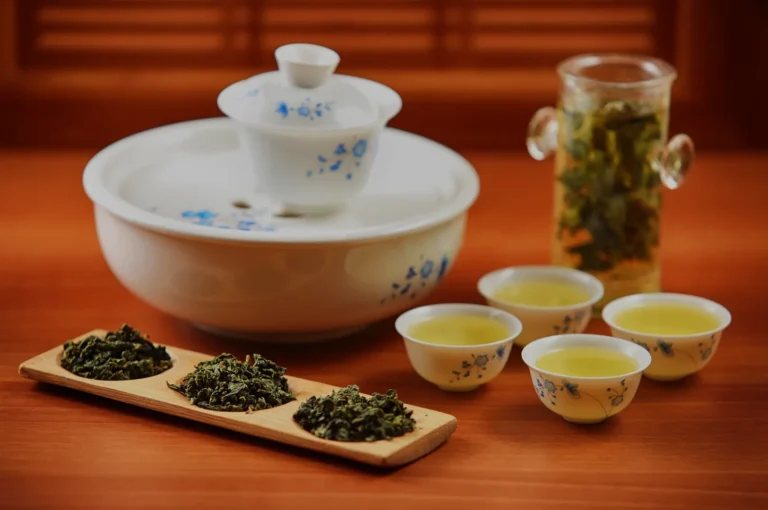
Coffee is often consumed quickly because the culture around it has trained us to do so. Even good coffee is frequently taken on the move, between tasks, in transit, or with only a few moments of attention. Black tea, especially in a Chinese tea context, tends to ask for more pause. Not because it is precious, but because the cup itself reveals more when it is not rushed.
That pause matters.
When the brewing is slower, the drinking becomes slower. The body notices the drink differently. The mind receives it in a different register. This does not make black tea “better” than coffee. It makes it more aligned with another kind of day.
At Tea Room by Ki-setsu, this is one of the quiet things we value most about black tea. Its energy is not separate from the way it is served.
Black Tea Energy in the Afternoon
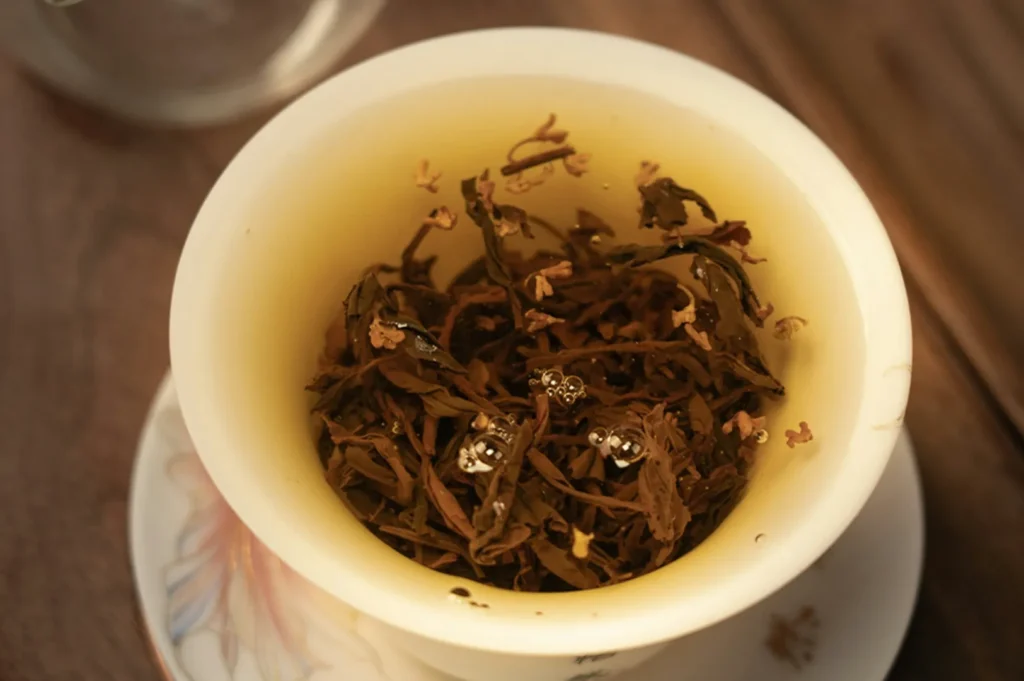
The afternoon is where this comparison becomes especially useful.
Coffee can still be beautiful then, but for some people it no longer feels as balanced as it did in the morning. The body may want alertness without the full force of another sharp rise. This is where black tea energy often feels particularly well judged.
A good afternoon black tea can:
- lift a fading day
- clear the palate after lunch
- steady attention without feeling too forceful
- create a reset rather than a jolt
In Singapore, where afternoons often disappear into artificial light, work compression, and the after-effects of heat, this can be especially valuable. Tea gives the hour a little more shape without hardening it.
Taste Matters Too
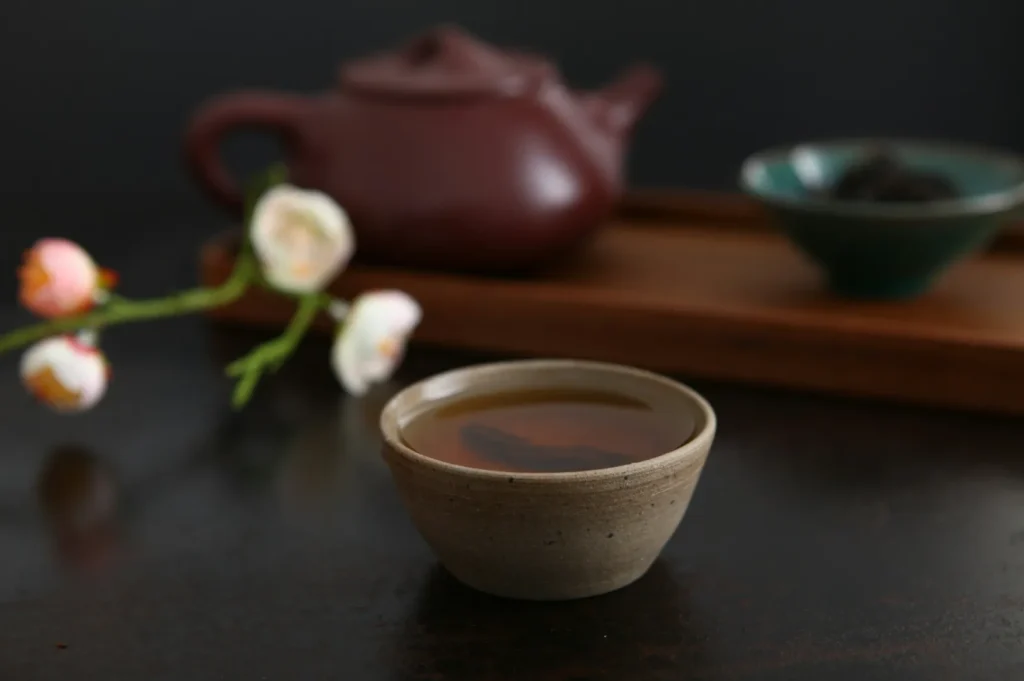
The decision between coffee and black tea is not only physiological. It is aesthetic.
Coffee often gives depth through roast, bitterness, and aromatic concentration. Black tea offers another architecture: malt, honey, fruit, cocoa, floral lift, briskness, smoke, warmth. A person who shifts from coffee toward black tea is often not giving up complexity. They are choosing a different language of complexity.
This is why we think the most satisfying move from coffee to tea rarely happens through “health” thinking alone. It happens through taste. Someone realises that what they want is not less flavour, but another kind of flavour. Not less stimulation, but another kind of clarity.
Sometimes the body changes because the palate has led it somewhere gentler.
Which Drink Fits Which Day?

There is no need to become ideological about this.
Choose coffee if:
- you need quick, direct momentum
- the morning is short and the day is already moving
- you want roast-led intensity
Choose black tea if:
- you want focus with more ease
- the ritual itself matters
- the afternoon needs reset rather than force
- you want complexity without quite so much abruptness
At Tea Room by Ki-setsu, we do not think tea exists to defeat coffee. They are different drinks with different emotional and sensory structures. The more interesting question is which one leaves you feeling more proportionate to your own day.
The Luxury of a Better Pace
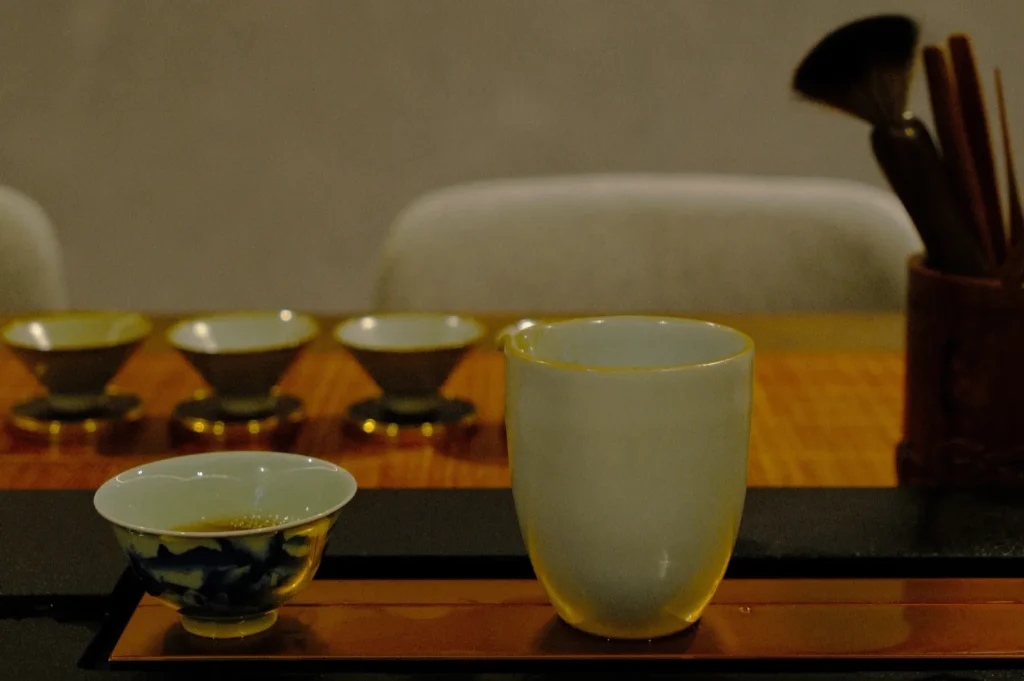
Luxury is not always what is richest or most dramatic.
Often it is what gives the body back to itself more gently. This is one reason black tea still matters so much. In a culture that often values speed for its own sake, black tea offers another model: warmth with alertness, focus without compression, movement without unnecessary force.
For many people, that becomes the more refined choice.
Not every day needs a switch. Some days need a line that unfolds more gradually. That is where black tea shines. Not because it is weaker than coffee, but because it knows how to carry energy with more tact.