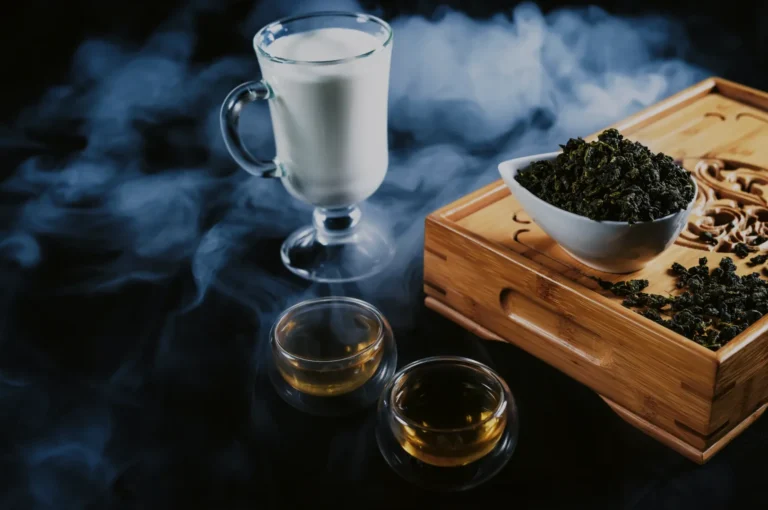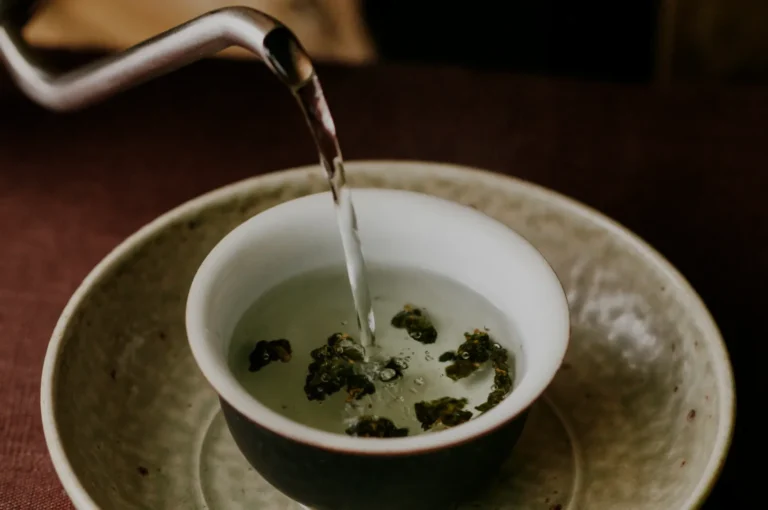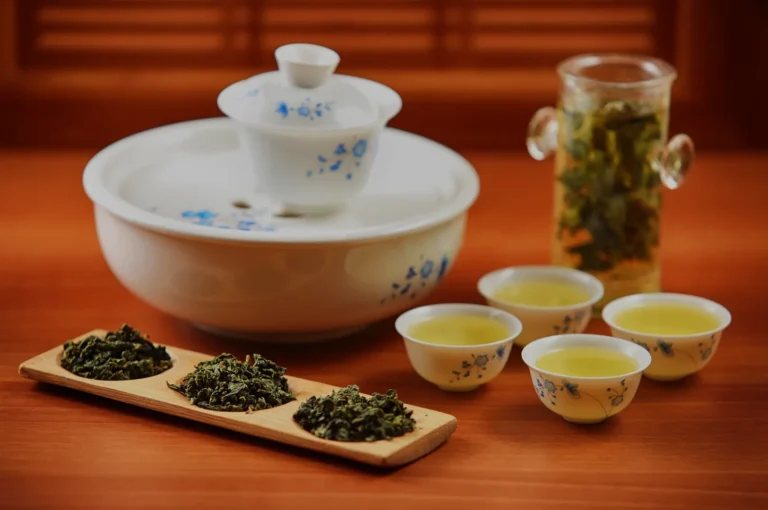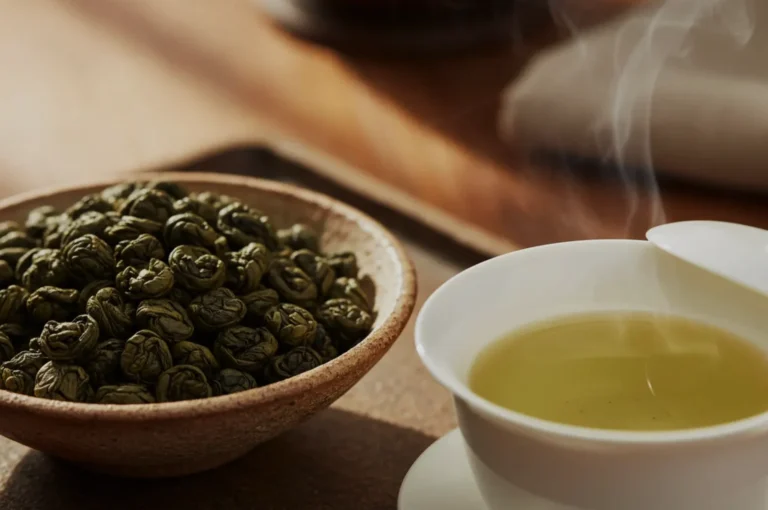
Singapore has a way of moving quickly. The air is warm, the day often full before it has properly begun, and by evening many people are looking not for more stimulation, but for a different kind of clarity. This is where chinese tea in Singapore begins to matter in a quieter way. Not as a trend, and not as a single flavour to be decoded correctly, but as a wide and nuanced landscape of aroma, texture, warmth, and aftertaste.
For some, the first encounter is floral and lifted. For others, it is roasted, grounding, or deep with age. What matters is not knowing the right names from the start. What matters is learning how to recognise what the body and palate are already responding to. This guide is written for that first recognition, and for the cups that follow it.
Start With Taste, Not Labels
Many people begin with categories and feel lost almost immediately.
Oolong. Pu-erh. White. Green. Red. Aged. Raw. Roasted. The words can be useful, but they are not always the easiest entry point. If you begin with labels alone, tea can feel like a system to memorise. If you begin with taste, it becomes much more human.
We usually suggest paying attention to four things first:
- aroma
- texture
- sweetness
- aftertaste
Does the cup smell floral, woody, toasted, or bright? Does it feel light and quick, or round and coating? Is the sweetness immediate, or does it return later? Does the finish disappear cleanly, or stay in the throat and chest for a while?
These are quieter questions, but they are often the most helpful. Taste is usually a better guide than category at the beginning. Once you know what kind of cup you are drawn to, the names become easier to place.
The 5 Taste Profiles (Find Yourself Here)
Chinese tea is broad enough to hold many preferences without asking you to become an expert too quickly. If you are not sure where to begin, these five taste profiles can help.
Floral & Lifted (Light, Fragrant)
This profile often feels airy, aromatic, and finely detailed. You may notice orchid, blossom, fresh leaves, or a kind of high, clear sweetness that rises before the sip itself is fully gone.
People who enjoy delicacy, fragrance, and brightness often begin here. If you like perfume in its gentler forms, or if you notice aroma before body, this may be your direction.
A good place to start is a lightly oxidised oolong.
Roasted & Warm (Toasty, Comforting)
This profile feels more grounded. The aroma may suggest toasted grain, warm nuts, dry wood, or a faint mineral warmth that sits lower in the cup. The body is often steadier and more reassuring than dramatic.
Many drinkers who want comfort rather than sparkle are drawn to this style. It feels especially welcome in the evening, or whenever the day has been too scattered.
A roasted oolong is often the clearest first step.
Fruity & Bright (Clean, Lively)
Some teas carry a brighter energy, with notes that may suggest stone fruit, dried citrus peel, fresh plum, or a sweet-tart lift that keeps the palate alert. The cup feels lively rather than heavy.
This profile often appeals to people who enjoy freshness with structure, especially when the finish remains clean rather than sugary.
A gentle young sheng is one possible direction here.
Earthy & Deep (Grounded, Aged)
This profile is often described too quickly as “earthy,” but at its best it can suggest clean forest floor, old wood, dark grain, or the softened depth that comes with time. The cup usually feels slower and more settled.
People drawn to older spaces, quieter flavours, and depth without sharpness often find themselves here. It is less about brightness and more about atmosphere.
A well-rested ripe tea, or an aged pu erh tea singapore collectors value for calm depth, can be a good entry.
Smooth & Creamy (Round, Soft Texture)
For some drinkers, the first thing they love in tea is not aroma at all, but texture. This profile feels rounded, soft, and almost creamy in the mouth, with sweetness that may appear as a gentle body rather than an obvious note.
Those who prefer softness over sharpness often start here. If you want a tea that feels composed, enveloping, and easy to return to, follow the texture first.
A mellow red tea or a softer ripe tea often serves this preference beautifully.
A Gentle Map of Chinese Tea (Only What You Need)
Once you begin with taste, the broader map of tea becomes easier to navigate.
Oolong (From Floral To Roasted)
Oolong is often one of the most beginner-friendly categories because it spans so much ground. It can be floral and lifted, or roasted and deeply warming, which makes it useful for discovering your preferences without leaving the category too soon.
If you are exploring oolong tea singapore offerings for the first time, it helps to think of oolong not as one flavour, but as a bridge between freshness and depth.
Pu-erh (Raw Vs Ripe; Why Age Matters)
Pu-erh tends to attract people once they begin looking for depth, texture, and the effect of time. Raw and ripe move differently, and age changes both, though not in identical ways. What matters for a beginner is not mastering the theory immediately, but noticing whether the tea feels bright and articulate, or dark, soft, and grounded.
Pu-erh often becomes meaningful when the drinker is ready for a slower kind of cup.
Black / Red Tea (Warmth And Clarity)
Chinese red tea, often called black tea in English, offers warmth without heaviness when it is made well. These teas can feel comforting, sweet, and composed, often with less of the dramatic contrast that beginners sometimes encounter in younger sheng or sharper green teas.
For those who want steadiness and ease, this category is often quietly persuasive.
White & Green (Delicacy And Freshness)
White and green teas are sometimes misunderstood as weak because they are subtle. In truth, they ask for a finer kind of attention. The pleasure is often in freshness, floral detail, and a soft but persistent aftertaste.
If you are someone who values lightness and precision, these teas can be deeply rewarding.
How To Tell If A Tea Is “Good” (Without Being An Expert)
You do not need a trained palate to recognise whether a tea is thoughtfully made. Most people can feel quality before they can explain it fully.
A few cues help:
- Clean aroma. Good tea smells clear, even when it is deep or aged. It should not feel stale, perfumed, or confused.
- Clarity in the cup. This does not mean the liquor must be pale. It means the tea feels coherent rather than muddled.
- Bitterness versus harshness. Some teas carry bitterness, but good bitterness often resolves into sweetness or structure. Harshness feels abrupt and empty.
- Layered aftertaste. Better tea usually leaves something behind: a sweetness, a cooling lift, a mineral echo, a steady warmth.
- Endurance across infusions. A tea does not need to last endlessly, but it should not collapse immediately if it is meant for gongfu brewing.
Good tea rarely feels loud. It feels balanced.
Buying Chinese Tea In Singapore: Loose Leaf Vs “Easy” Formats
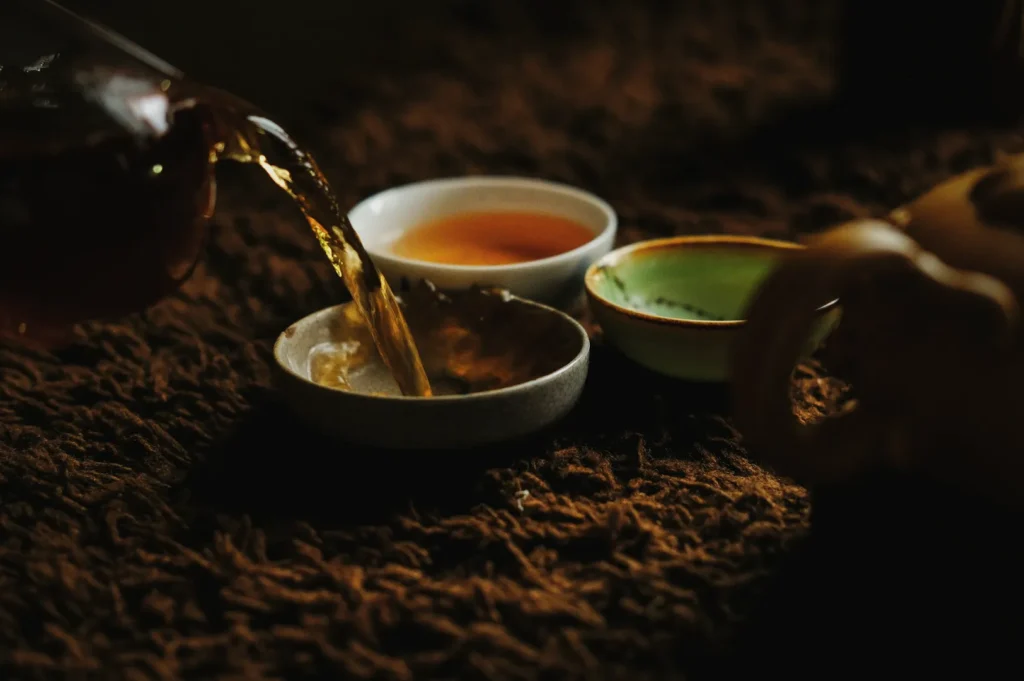
Convenience is not a flaw. It is simply a trade.
Tea bags, bottled teas, powdered blends, and other easy formats can serve a practical purpose, especially in a fast city. But what they often trade away is depth: fragrance, evolving texture, and the ability of the leaf to open gradually across the session.
Loose leaf asks a little more, but it gives more back.
This is why many people seeking premium loose leaf tea Singapore retailers offer eventually move away from convenience formats once they realise what they are missing. The difference is not prestige. It is sensory range. The leaf has more room to speak.
That said, there is no need to become rigid about it. The point is not to reject convenience. It is to know what kind of experience you want when you have time to notice it.
The Best Way To Choose: Guided Tasting vs Buying Blind
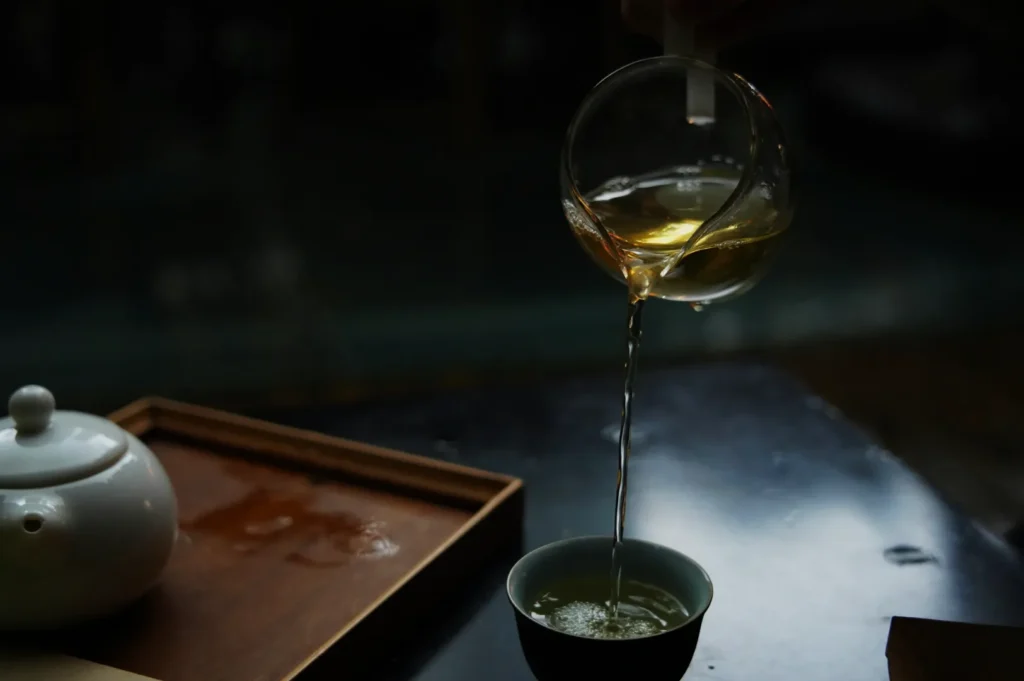
Buying blind can be exciting, but it can also be expensive in a quiet, accumulative way.
A tea that sounded promising online may feel flat at home. Another may have been perfectly good, but wrong for your taste. Over time, these small mismatches become frustrating, especially when the language around tea has not yet become intuitive.
This is where guided tea tasting becomes valuable.
A guided session is not a test. It is a way of shortening the distance between curiosity and understanding. Instead of guessing from labels, you are given the chance to notice differences directly: floral versus roasted, bright versus deep, soft texture versus mineral finish. In a city as busy as Singapore, that kind of clear attention can save a great deal of hesitant spending.
Buying blind teaches eventually. Guided tasting teaches more gently.
A Quiet Recommendation: Discovering Your Taste At Tea Room by Ki-setsu
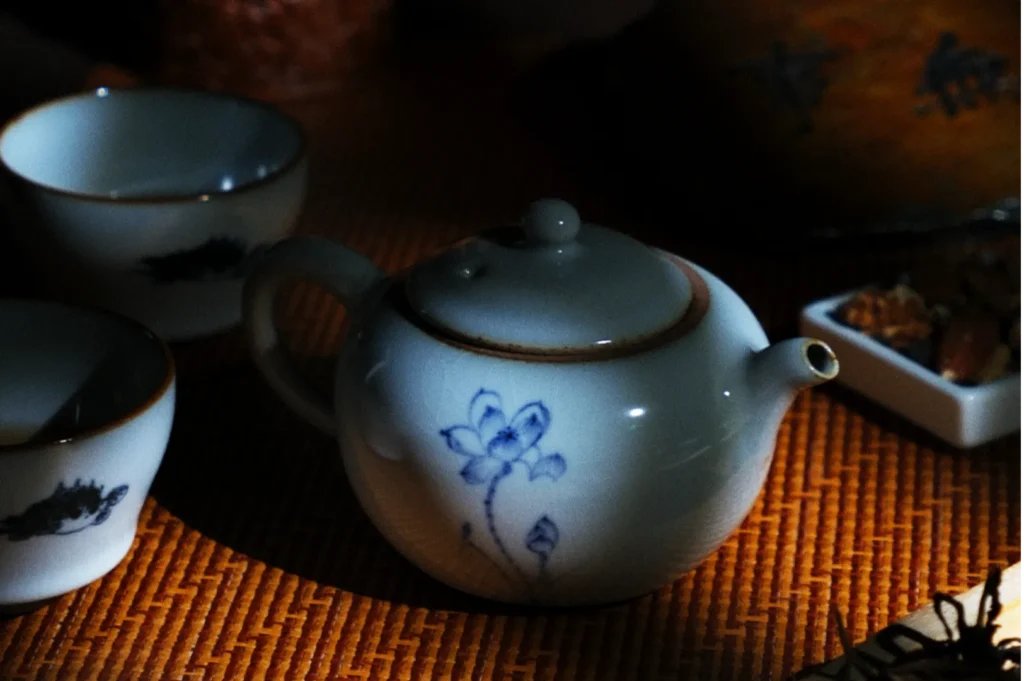
For those who want to understand what to expect at a traditional tea house, the setting matters as much as the leaf. Taste becomes clearer when it is encountered in stillness, with enough room for the tea to unfold at its own pace.
At Tea Room by Ki-setsu, we have shaped our approach around that belief. We are a private Chinese tea sanctuary in Singapore, and our work is less about presenting a catalogue than about helping guests notice what truly speaks to them. The leaves are curated with restraint. The sessions are guided without pressure. The atmosphere is calm enough that aroma, texture, and aftertaste can all be properly felt.
For some guests, this becomes their first confident understanding of Chinese tea in Singapore. For others, it is the place where taste stops feeling abstract and begins to feel personal.
There is no need to arrive knowing what you should like. The tea will make that clear soon enough.
Your Next Cup, Chosen With Intention
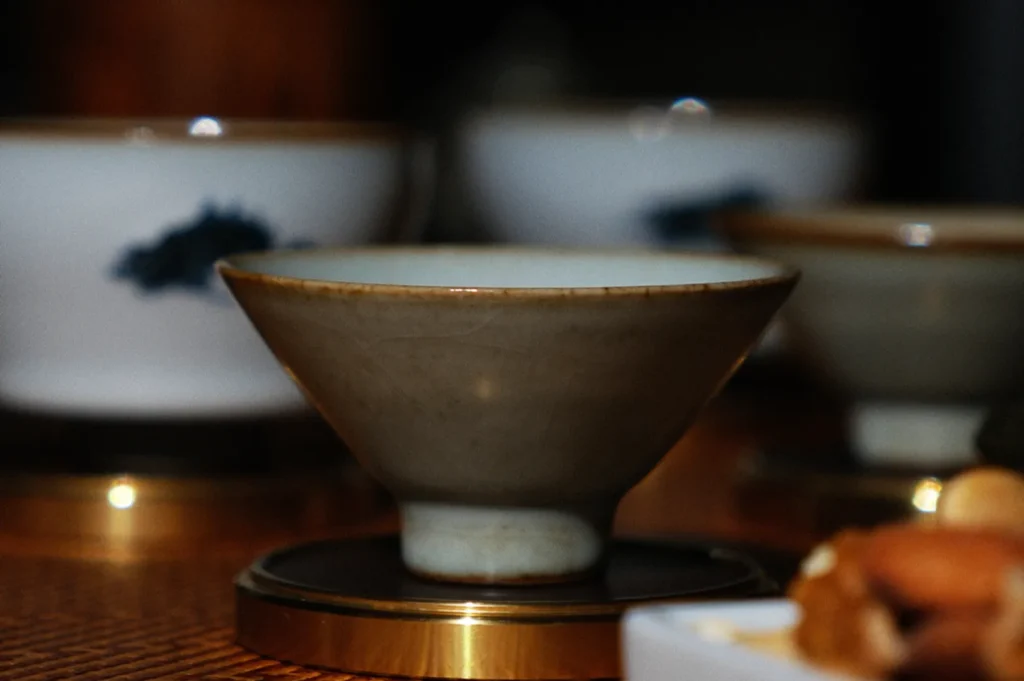
The easiest way to begin is not with the grandest name or the rarest leaf. It is with one clear name or the rarest leaf. It is with one preference.
Start with the taste profile that feels most natural to you. Try one direction at a time. Revisit slowly. Let your palate learn through repetition rather than pressure. The right tea is rarely the one that asks the most of your intellect. It is often the one that leaves you feeling more settled, more attentive, and quietly eager to return.
When you’re ready to explore Chinese tea in Singapore with guidance and stillness, there is a sanctuary made for it.