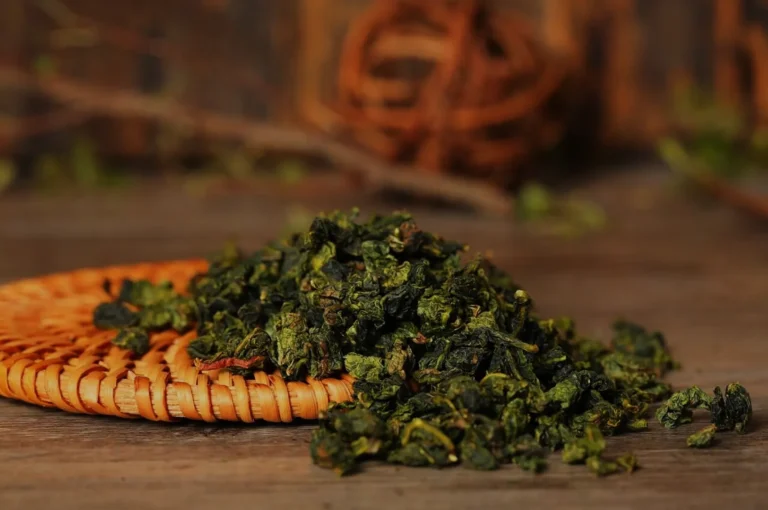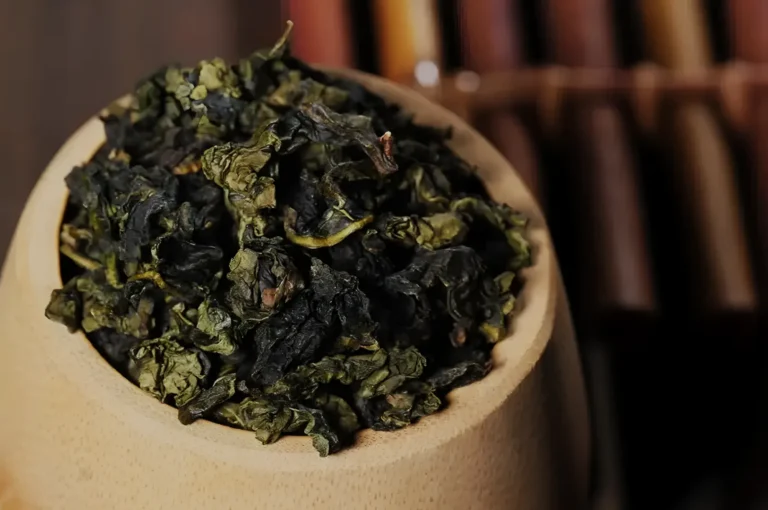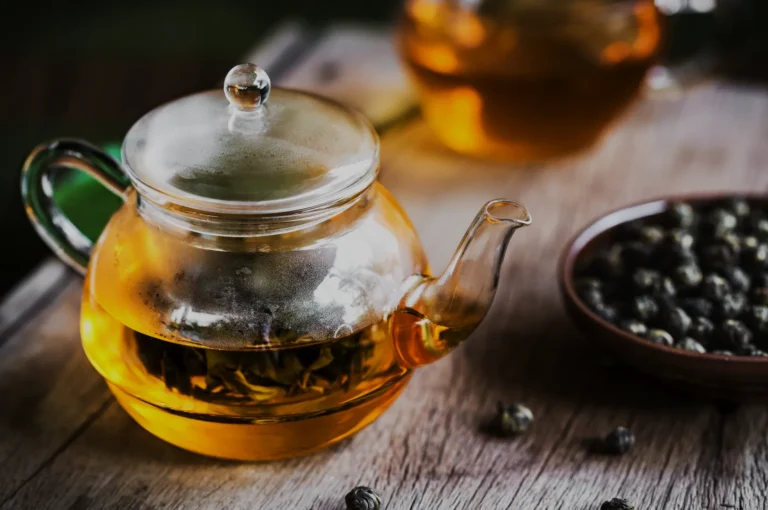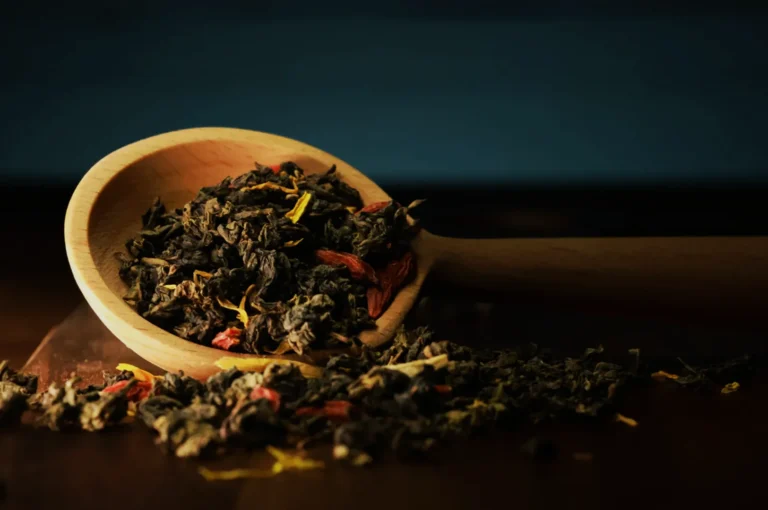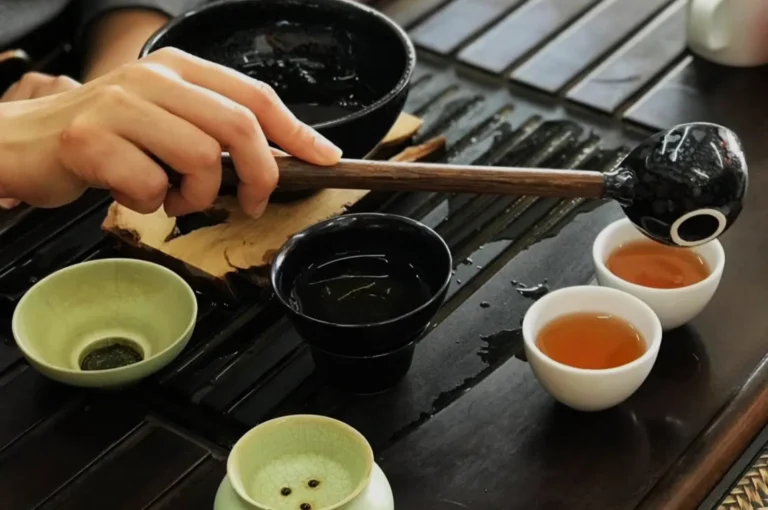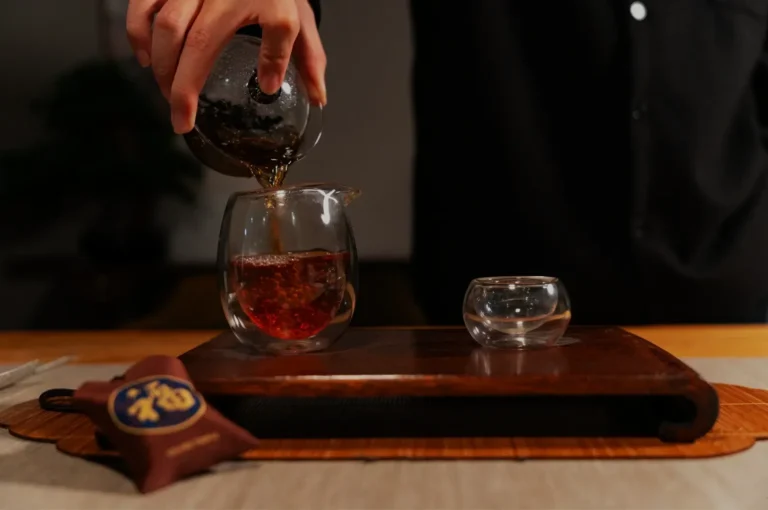
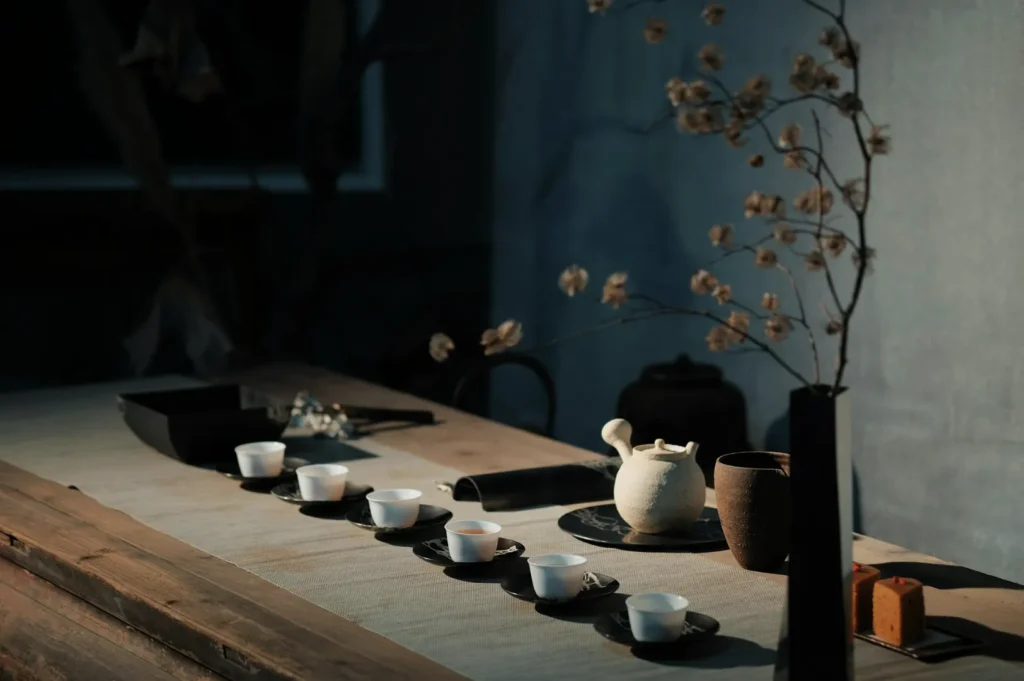
Tasting tea with intention does not require a flawless palate or years of formal training. It simply requires structured attention and a willingness to slow down. Many beginners feel intimidated by the complex descriptions often used in the tea world, assuming they are missing a hidden secret. In reality, anyone can learn to observe the subtle notes of a warmed cup, from the rising steam to the lingering sweetness.
Whether you are brewing a daily cup at home or seeking a quiet tea tasting singapore experience, a clear method helps you understand what is happening in the vessel. In this guide, we share our three-part approach covering aroma, mouthfeel, and aftertaste. We will also provide a simple tasting sheet you can use immediately to record your own quiet observations.
What It Means To Taste Tea Like A Sommelier
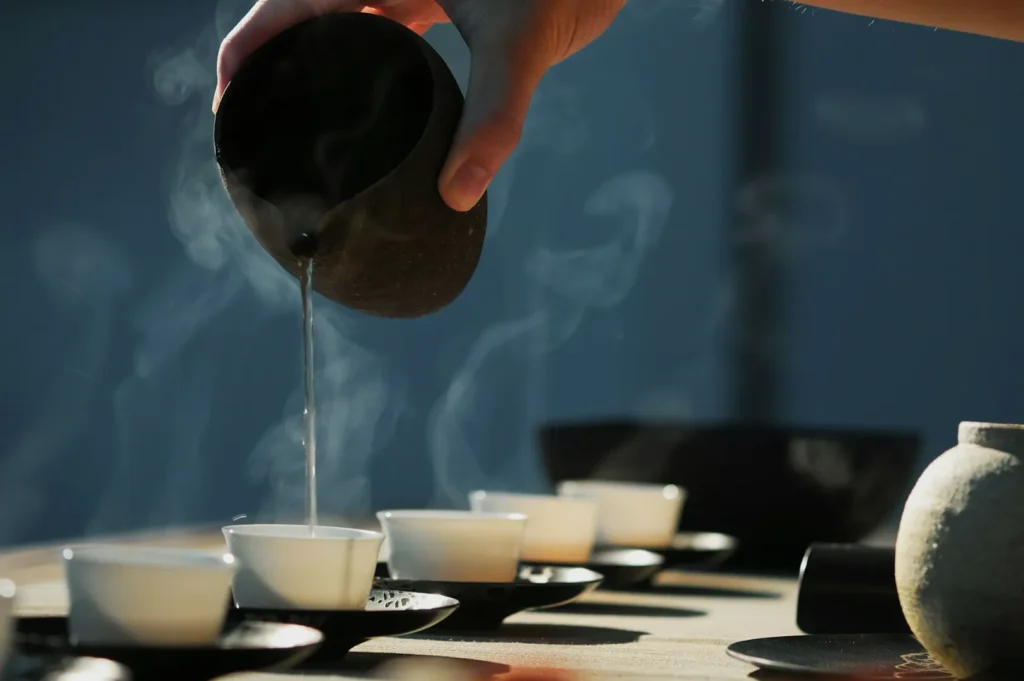
To taste in a sommelier-style method is to move beyond simply deciding if a tea is pleasant. It is about observation, developing a consistent vocabulary, and comparing how the leaves behave over time. A sommelier does not just drink; they evaluate the structure of the liquid.
Chinese tea is uniquely suited to this approach because the leaves are traditionally steeped multiple times. The same leaves evolve across infusions, offering a shifting profile of roasted warmth, delicate florals, or deep earthiness. Consistency in your method matters far more than finding the right answers. Your palate is entirely your own, and your sensitivity to certain compounds will differ from someone else. The goal is to build a personal library of sensory memories, allowing you to recognise patterns and appreciate the careful craft behind each harvest.
A Simple Tasting Setup You Can Repeat
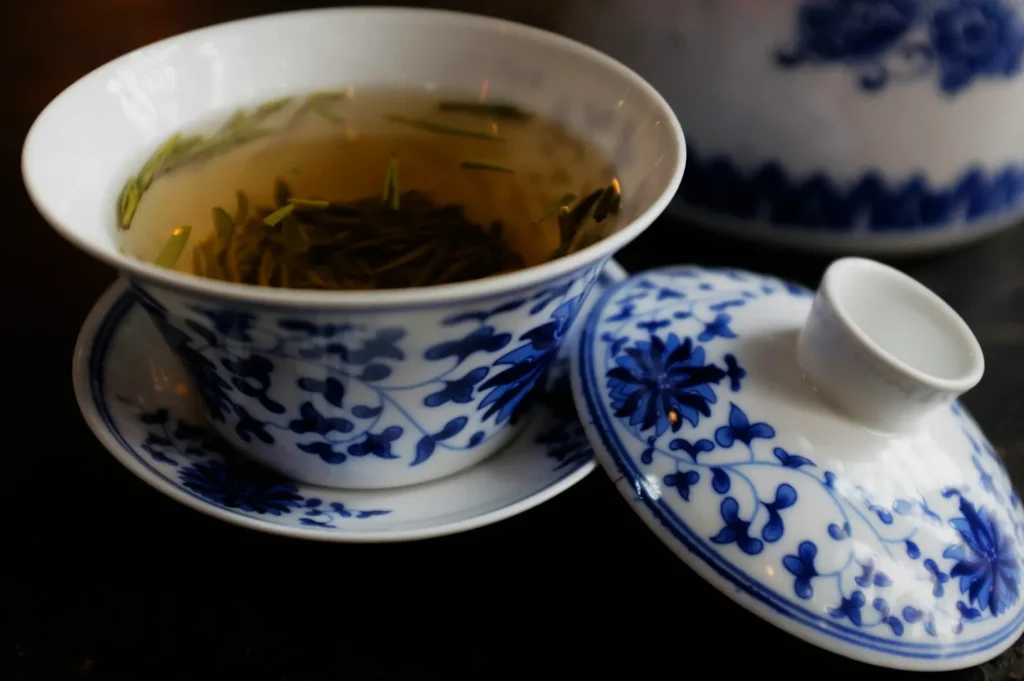
Consistency is the foundation of any good sensory practice. To understand how leaves differ, you must keep your brewing variables steady. Establishing a repeatable tasting setup allows you to isolate the tea itself, rather than guessing if the water or the cup caused a change in flavour. This preparation does not need to be elaborate, but it should be intentional and calm. A clean environment ensures your senses remain focused solely on the brew, which is a standard baseline for any tea tasting Singapore venue.
- Use neutral, thin porcelain or glass cups to view the liquor clearly.
- Ensure your teaware is entirely free from soap residue or old tea stains.
- Use filtered, soft water, keeping the temperature consistent for each tea type.
- Avoid wearing perfume or scented lotions that will mask delicate notes.
- Avoid consuming spicy, heavily seasoned, or highly sweet foods beforehand.
- Sit in a quiet space with natural light to observe the true colour of the tea.
The Three-Part Tasting Method
Aroma
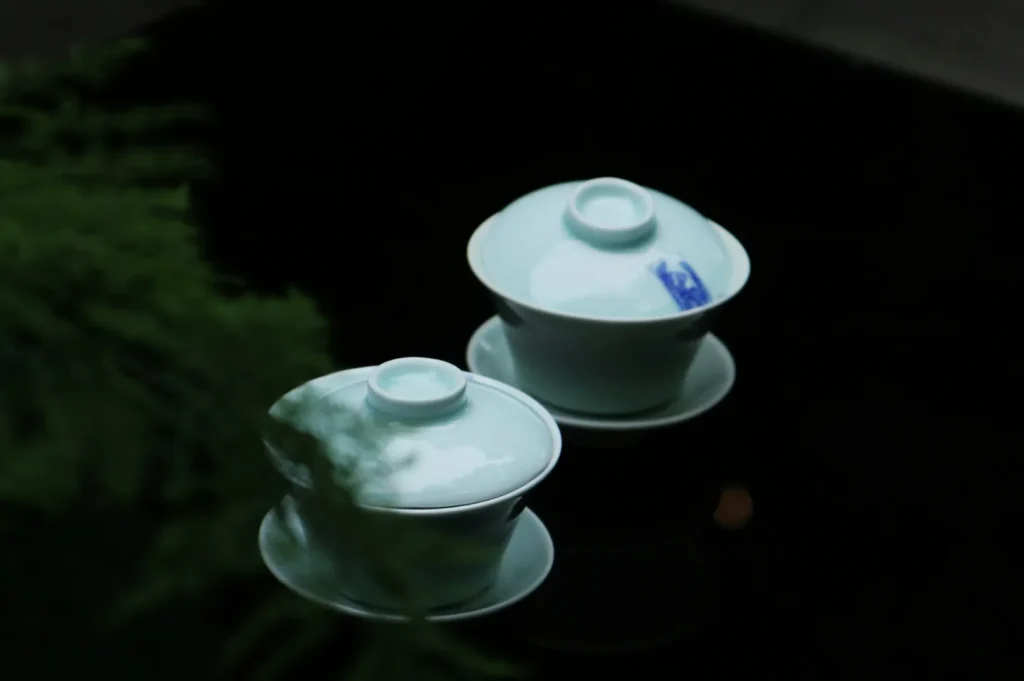
The scent of the tea provides the first clue to its character, often revealing notes that are too fragile to survive on the tongue. Begin by smelling the dry leaves in a warmed vessel. The heat awakens the volatile oils, giving you a preview of the tea’s foundation. Once you pour the water, carefully lift the lid of your gaiwan or teapot to inhale the rising steam. Finally, smell the empty cup after you have finished a sip, where sweet, heavier sugars tend to cling to the porcelain.
Focus on identifying broad categories first before searching for specific descriptors. A compact vocabulary bank for aroma might include words like orchid, damp forest, roasted grain, meadow honey, or baked stone fruit. A common confusion for beginners is mistaking a vegetal note for a floral one. If it smells like cut grass, it is vegetal. If it smells like blossom air, it is floral.
Mouthfeel
Mouthfeel is where tea reveals its physical personality; an essential aspect of the tasting process often overlooked. Mouthfeel refers to the physical sensation and weight of the liquid as it rests on your palate. Take a slow, measured sip and allow the tea to coat your entire mouth before swallowing. Notice whether the liquor feels thin and watery, or thick and broth-like. Consider the texture as it passes over your tongue. A high-quality tea will often feel silky, buttery, or gently coating, rather than sharp or abrasive.
Your vocabulary bank here should focus on texture: crisp, velvety, drying, syrupy, or chalky. When exploring how to taste oolong tea, paying attention to this physical weight is essential, as heavily roasted oolongs often present a comforting, thick body. A common confusion is mistaking astringency for bitterness. Astringency is a dry, puckering physical sensation on the cheeks, whereas bitterness is a specific taste. If a tea feels overly drying, try brewing with slightly cooler water or a shorter steeping time to restore harmony.
Aftertaste
The aftertaste, or finish, is the lingering sensation that remains long after the liquid has been swallowed. This is where the true quality of a harvest often reveals itself. Exhale gently through your nose after swallowing to notice the returning aromas. Pay attention to how long the flavour lasts and whether it changes character. A tea might begin with roasted warmth but leave a cooling, mint-like sensation in the throat.
Your vocabulary for the finish might include terms like fleeting, enduring, returning sweetness, cooling, or warming. When writing pu erh tasting notes, the depth and duration of the aftertaste are particularly important indicators of careful ageing. A common confusion is ignoring the finish entirely because you are eager for the next sip. The quick fix is simply to force a quiet pause. Wait at least ten seconds between sips to let the returning sweetness fully emerge from the back of the throat.
The Simple Tasting Sheet (Copy And Use)
Tasting Sheet Template
Recording your thoughts helps anchor sensory memories. Taking simple, consistent notes is what transforms tasting from a fleeting impression into lasting insight. You can copy this simple framework into a notebook to track your quiet observations over time.
Tea Name / Type:
Origin (if known):
Water / Temp (approx):
Infusion Notes:
Aroma Notes (Dry / Wet / Cup):
Mouthfeel (Body / Texture / Astringency):
Aftertaste (Sweetness Return / Throat Feel / Duration):
Most Distinct Note:
Would I Drink It Again?:
How To Score Without Overthinking
Scoring a tea should be a helpful personal reference, not a rigid mathematical exercise. Instead of using complex hundred-point systems, we recommend a simple one to five scale for the four most important elements.
- Score aroma clarity from one to five, noting whether the scent is muddy or brilliantly distinct.
- Score texture quality, giving higher marks for silky, comforting weight and lower marks for harshness.
- Score the finish length, where a five indicates a lingering sweetness that lasts for minutes.
- Finally, score the overall harmony of the cup.
This method keeps you focused on the tea rather than the mathematics. It provides a clean, repeatable structure for your personal notes, whether you are sipping alone at home or participating in a private tea tasting singapore experience with a dedicated practitioner.
Bringing Intention to Every Cup
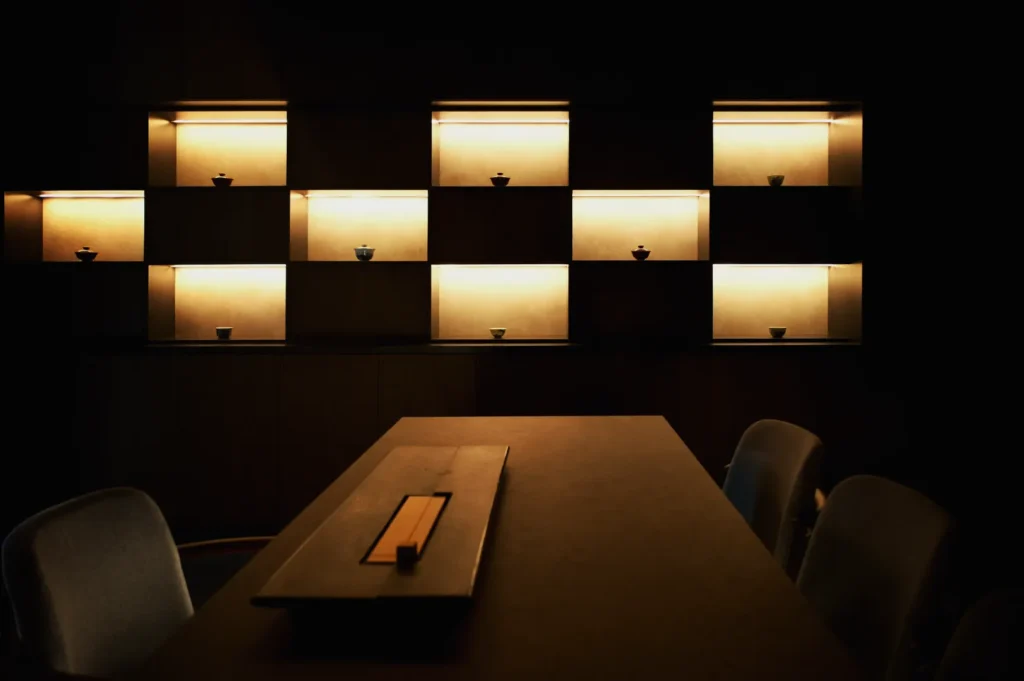
Learning to taste with intention is a quiet discipline that transforms a simple beverage into a profound daily ritual. By paying close attention to aroma, mouthfeel, and aftertaste, you invite a deep sense of stillness into your routine.
If you are exploring a guide to tea shops in Singapore for tea lovers, we encourage you to seek out spaces that value this calm pacing. When you feel ready to refine your palate with careful guidance, we warmly invite you to experience the leaves at Tea Room by Ki-setsu.