At Tea Room by Ki-setsu, we believe every cup of tea tells a story of leaf and water, history and innovation, tradition and personal taste. Yet, even the most passionate tea connoisseur can fall into brewing habits that undermine the beauty and flavor of loose leaf tea, tea bags, and herbal infusions. Understanding the core principles behind making tea empowers you to consistently enjoy a perfect cup, whether you favor green, black, white, or rare Chinese blends. Drawing from our years curating premium teas and guiding traditional tea experiences in Singapore, we’re sharing the most common tea making mistakes and how you can avoid them for a richer, more rewarding tea journey.
Understanding Why Tea Making Technique Matters
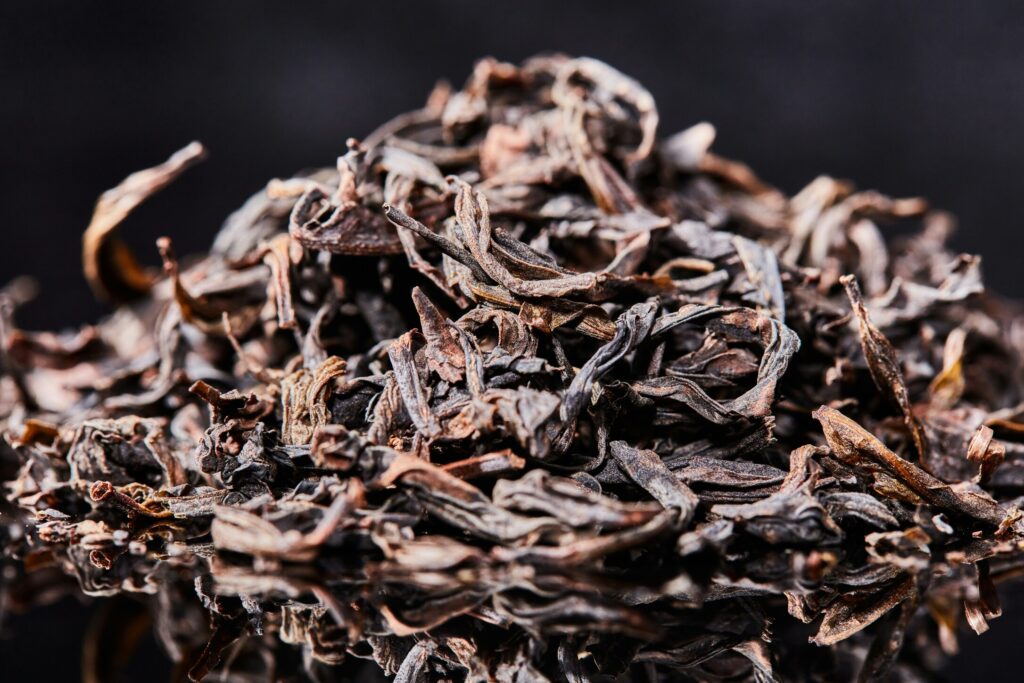
Tea making is both an art and a science. Drinking tea from your favourite mug or rare traditional Chinese teacup enhances the sensory experience and enjoyment. From the first pour of hot water to the last sip, every step affects aroma, taste, and colour. Even small mistakes like wrong water temperature, inaccurate tea-to-water ratios, or improper storage, can greatly impact your perfect cup of tea.
The Delicate Balance of Tea Extraction in Loose Leaf Tea
Loose leaf tea, blends, and tea bags rely on water and tea leaves interacting. Brewing dissolves compounds like L-theanine and tannins, creating sweet, floral, and umami flavors balanced with slight astringency. Poor brewing can cause bitterness or dullness.
How Mistakes Affect Flavor Profiles
Using boiling water on green or white teas, stale leaves, or wrong steeping times can make tea taste harsh or weak. Even great blends need proper brewing for full flavor. At Tea Room by Ki-setsu, we focus on these basics to improve every cup.
Mistake #1: Using the Wrong Water Temperature
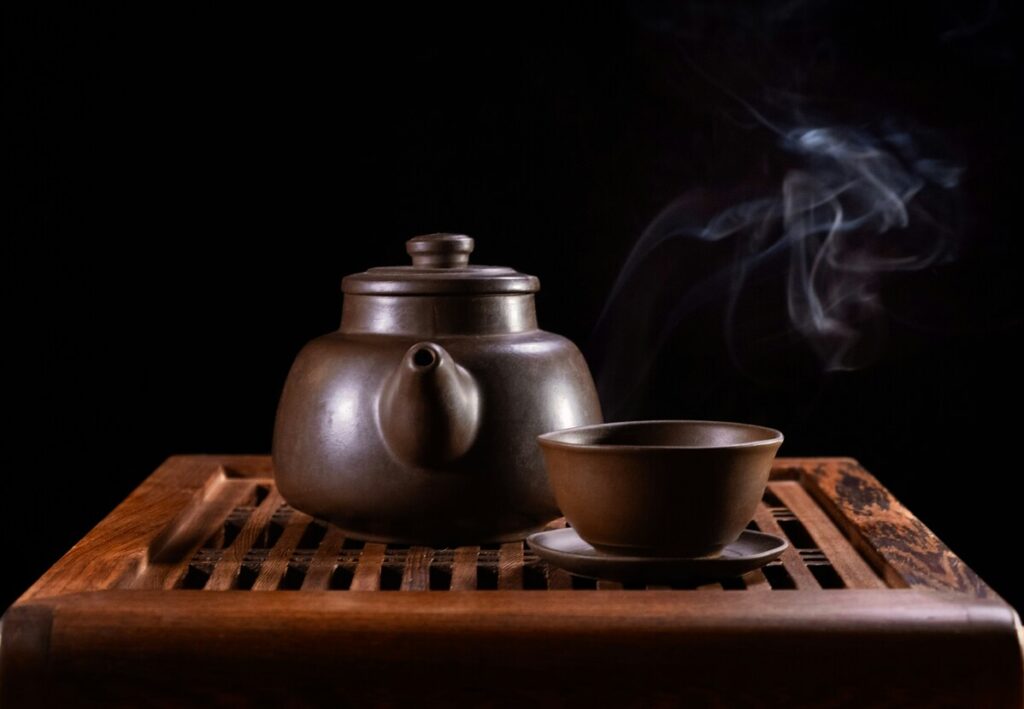
Perhaps the most fundamental tea making mistake, water temperature can make or break your brew. Pouring freshly boiled water over delicate teas like green, white, or herbal blends ruins their subtle flavors; insufficiently hot water leaves black teas and chai under-extracted.
It is important to boil the water to the correct temperature and use freshly boiled water for the best flavor extraction.
Why The Correct Temperature is Critical to Perfect Tea
Each type of tea requires a precise heat range:
Green Tea
Green tea should be brewed at a temperature of 75-80°C to preserve its delicate flavors and avoid bitterness.
White Tea
White tea requires a slightly higher temperature, ideally between 80-85°C, to bring out its subtle sweetness and floral notes.
Oolong
Oolong tea is best brewed at temperatures ranging from 85-95°C, allowing its complex flavors to fully develop.
Black Tea and Herbal Infusions
Black tea and herbal infusions demand the highest temperature, between 95-100°C, to extract their robust and rich flavors.
Temperature activates unique compounds, accentuating the desired sweetness, floral, or rich notes. Boiling water destroys the gentle, grassy vibrancy of green teas. Cool water cannot coax out the depth in more robust teas. Even iced tea starts with properly heated infusion before cooling.
The Fix: How to Control Water Temperature Without Specialized Equipment
No fancy kettle needed: after boiling, let water stand for 1–2 minutes to cool to around 90°C; 3–4 minutes for 80–85°C (green, white, or yellow teas). For finer control, pour boiling water back and forth between two mugs or add a splash of cold water. At Tea Room by Ki-setsu, even in our busiest tastings, we make these practical adjustments to honor each leaf.
These steps are not just practical, they are part of the ritual when you make tea, encouraging a mindful tea making process that enhances both the flavor and the experience.
Mistake #2: Oversteeping or Understeeping. Brewing Guide for Infusion Time
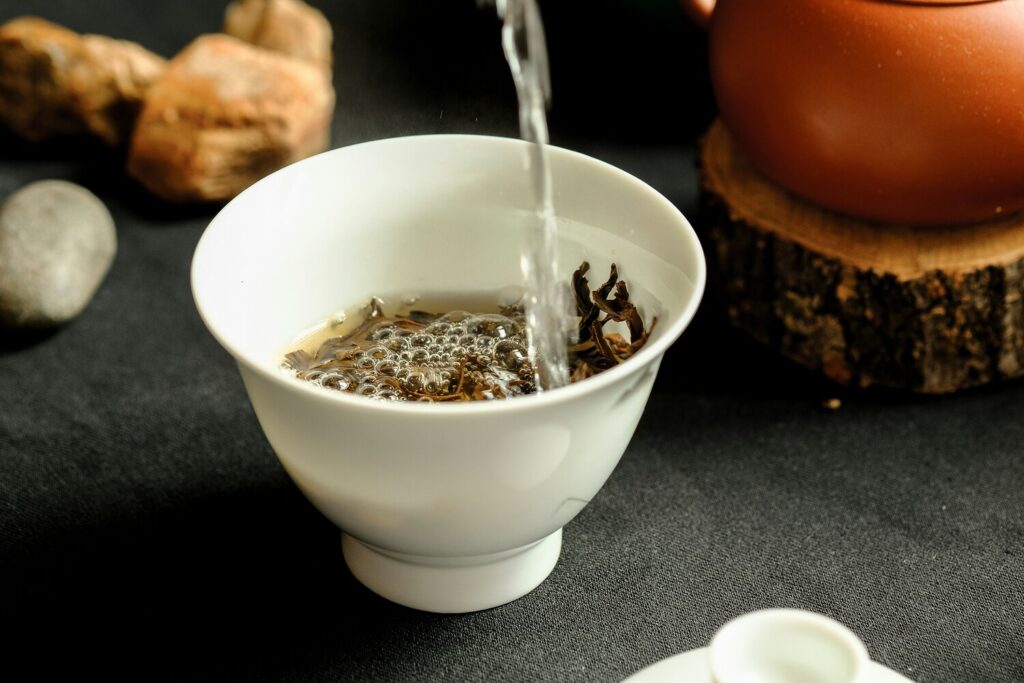
Steeping time is as vital as temperature. Oversteeping, with tea bags or loose leaves, pulls too many tannins, creating bitterness and astringency. Understeeping leads to flavorless, watery cups.
Allowing the tea to steep for the proper amount of time ensures that the full tastes and aroma of the tea can develop.
The Science of Steeping Time
Initial seconds extract sweetness and aroma; prolonged infusion brings out bitterness. Time should be tuned to each tea:
- Green Teas: 1–2 minutes
- White Teas: 2–3 minutes
- Oolongs: 2–4 minutes
- Black Teas: 3–5 minutes
- Herbal Infusions: 5–7 minutes
Taste as you go, adjusting by seconds for subsequent brews. Find your personal preference, but always start with tested standards as explained in The Complete Guide to Brewing Tea: Mastering the Art of Chinese Tea Preparation.
Signs Your Tea is Oversteeped or Understeeped
Does your tea taste bitter and overly dark? This usually means your tea has steeped too long, releasing excessive tannins and bitterness that overwhelm delicate flavors. If your tea is pale and weak, it likely hasn’t infused enough or lacks sufficient tea leaves. To brew the perfect cup, follow recommended steeping times: green teas need 1–2 minutes, black teas 3–5 minutes, and adjust to your taste. If bitter, reduce steeping time or water temperature; if weak, increase steeping time or add more tea.
Mistake #3: Ignoring Water Quality – The Role of Fresh Water
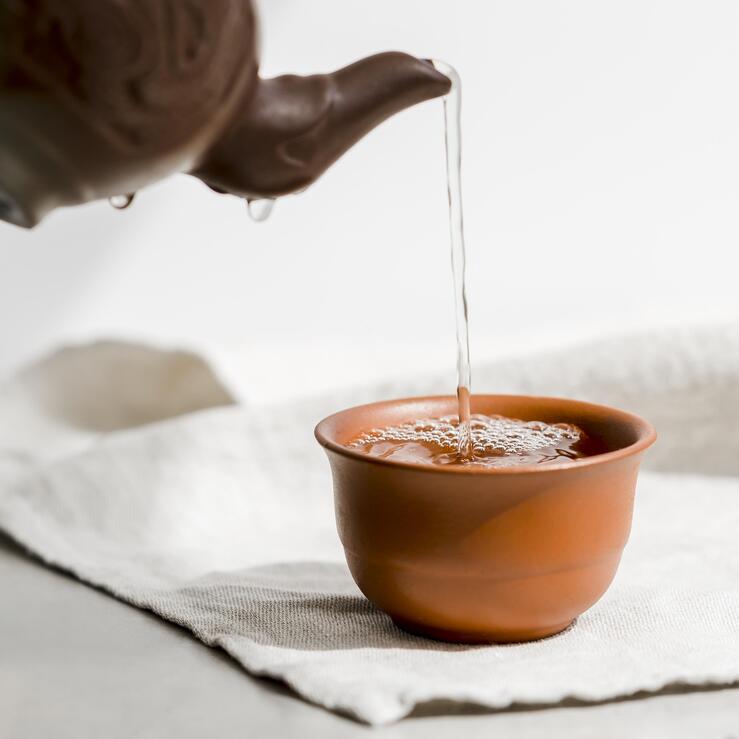
Your teacup is mostly water. Tap water can contain chlorine and minerals that affect the flavor of tea, so filtered water is preferable for making tea. The best loose leaf tea or tea blend can taste flat or tainted if chlorine or hard minerals are present.
How Water Impacts Loose Tea and Herbal Infusion
Chlorine infuses teas with artificial flavors; hard water dulls aroma. Always opt for fresh, filtered water even for basic blends or herbal teas. At Tea Room by Ki-setsu tastings, we use filtered water to preserve each cup’s clarity and sparkle.
The Fix: Use Fresh, Filtered Water
Let the tap run cold, or fill a kettle with bottled spring water. Reboiling depletes oxygen, leading to dull brews. For iced teas, infuse with fresh water, then chill.
Mistake #4: Incorrect Tea-to-Water Ratios – Loose Leaf, Bags, and Herbal Blends
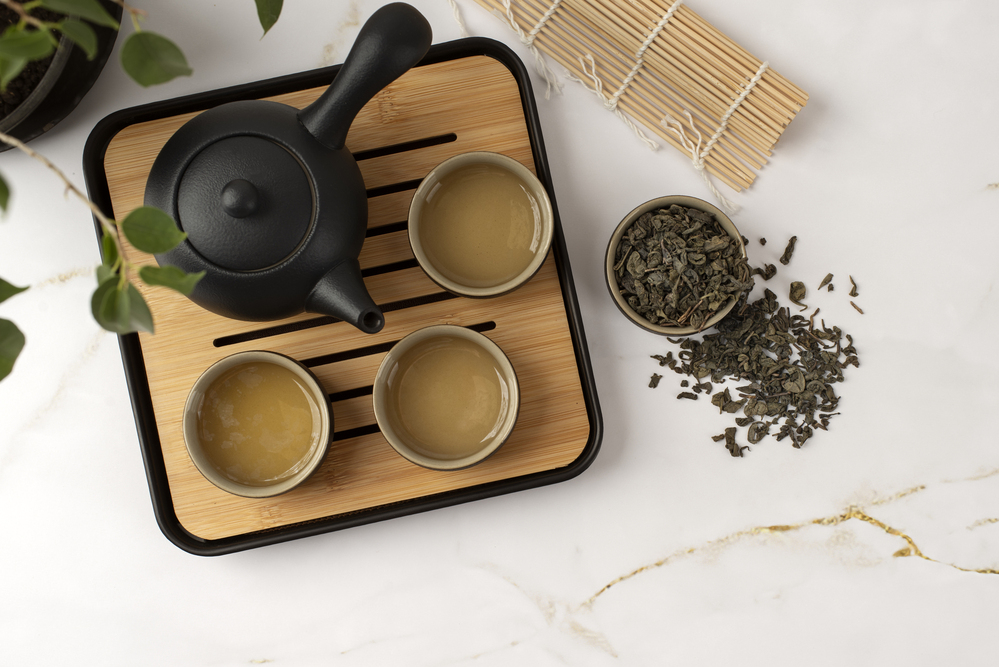
Too much or too little tea can unbalance your infusion, so use one teaspoon of loose tea leaves per serving to ensure the right strength and flavor for a perfect brew.
Why Measurements Matter
A “heaped teaspoon” (about 2g) per 200–250ml (7–8 fl oz) is a general rule. Fluffier teas need slightly more; dense rolled teas (like classic oolong) may need less. For black teas, two bags or dessert spoonfuls will overpower; too little, and you’ll lose all richness.
Yellow tea, like other specialty teas, benefits from careful measurement to achieve its unique flavor profile.
The Fix: Simple Measurement for a Perfect Brew
Use a consistent scoop or teaspoon, calibrated for your favourite mug or pot. Adjust for personal preference, but note the best results in your own brewing guide.
When brewing loose tea leaves, using a strainer helps ensure proper infusion and prevents overpacking, which can hinder flavor development.
Mistake #5: Not Warming Your Teaware – The Secret to Perfect Tea
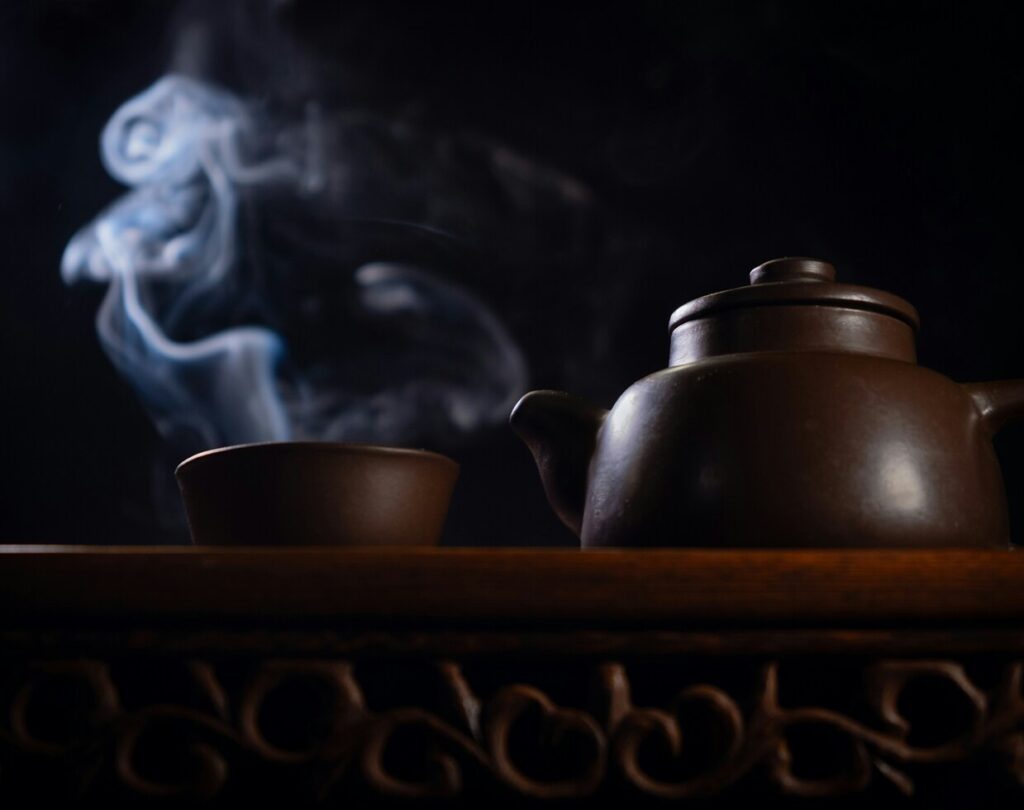
Pouring hot water into a cold mug or teapot instantly cools the infusion. Loss of heat leads to poor extraction, especially with green and white teas.
The Fix: Warm Your Vessel
Swirl a little hot water in your cup or pot, pour it out, and proceed to brew. This step is routine in every Tea Room by Ki-setsu tea experience.
Mistake #6: Using Poor Quality or Stale Tea
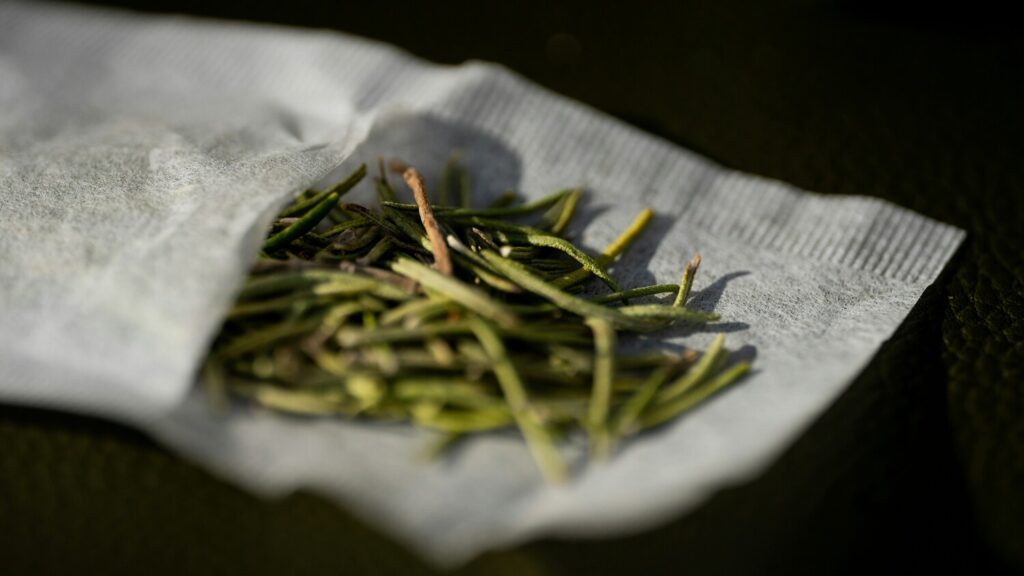
No brewing technique can salvage old leaves. Quality tea, bright, aromatic, and lively, requires proper storage in an airtight container, away from air, light, and moisture to preserve its delicate flavors and extend shelf life. Herbal teas are best enjoyed plain to maintain their natural taste.
How to Identify Fresh, Quality Tea
Fresh tea is vibrant in color and fragrant. Avoid tea blends with a dusty, flat, or faded aroma. Herbal teas and blends should smell of lively flowers, fruit, or herbs. At Tea Room by Ki-setsu, we source teas direct from producers and store every tea in airtight containers, away from light and heat.
Storage Mistakes That Ruin Tea
Never keep teas in clear glass, near spices, or above hot appliances. Keep tea dry, dark, cool, and sealed air-tight.
Mistake #7: Rushing the Tea Making Process
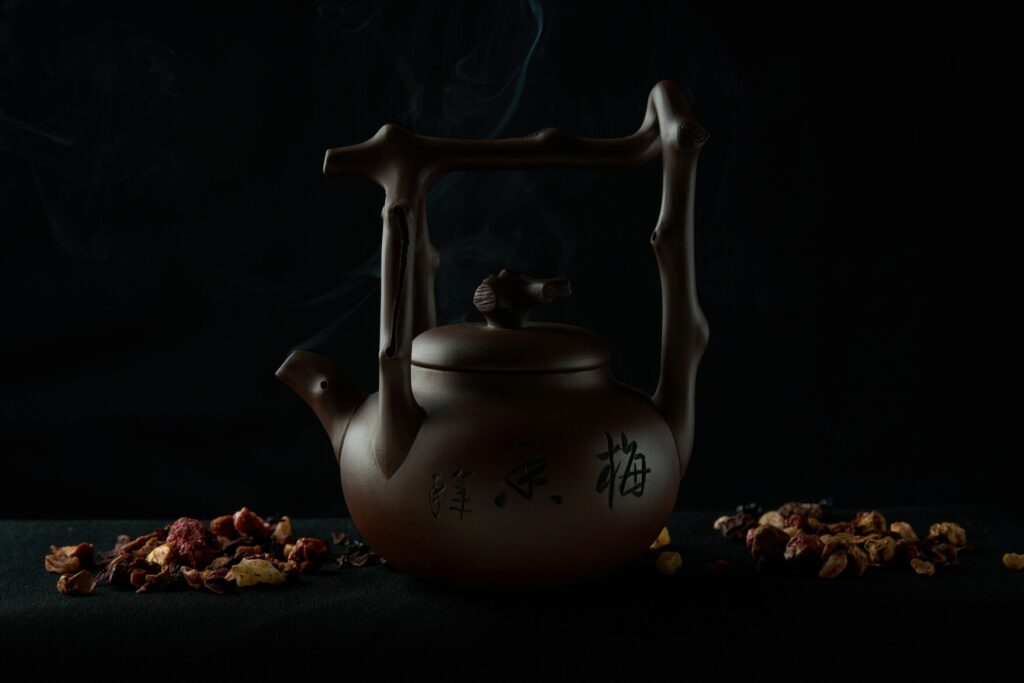
Great tea rewards care and mindfulness, with each tea ceremony encouraging you to slow down and engage your senses. Sipping tea slowly allows you to fully appreciate its warmth and calming effects, turning tea making into a meditative and rewarding ritual.
The Mindful Element of Tea Appreciation
Prepping tea is as much about intention as outcome. From measuring to watching leaves swirl, enjoy the meditative ritual, it enhances both the cup and your sense of well-being.
The Fix: Sustainable Tea Rituals
Turn making tea (hot or iced, loose leaf or bag) into a calming daily habit. At Tea Room by Ki-setsu, we welcome you to explore this mindful ritual in our serene private tea room.
Mistake #8: Neglecting Multiple Infusions
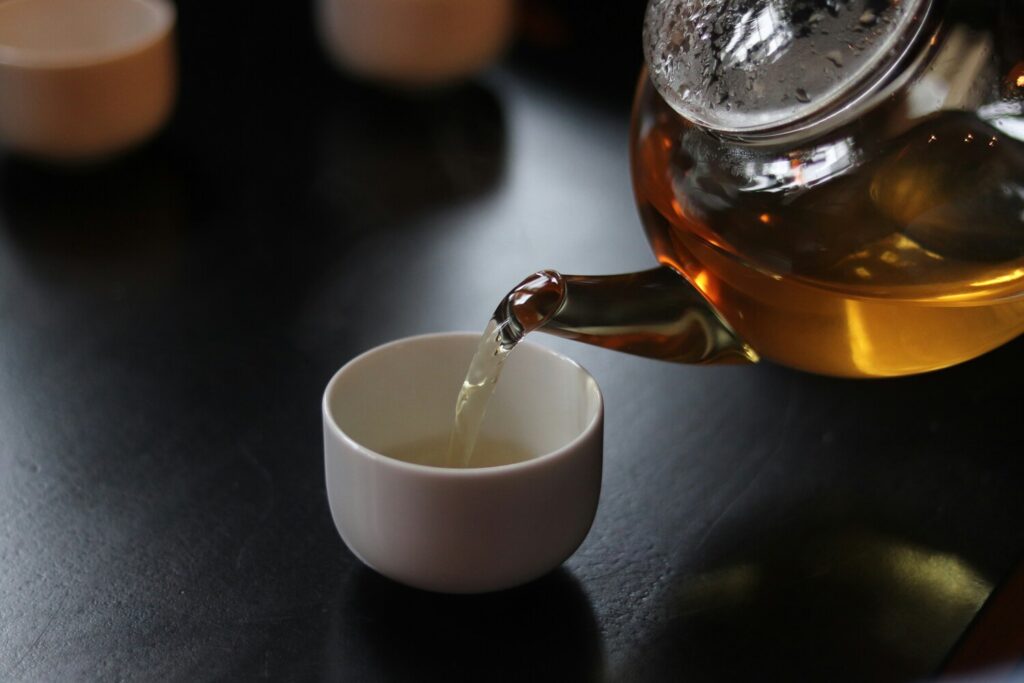
Premium teas ,green, oolong, pu-erh, and even floral blends, can be brewed many times. Each infusion unveils new flavors. With every steep, you can experience a range of distinct flavours, from floral and woody to sweet, making each cup unique.
The Value of Multiple Steeps
First steep reveals freshness and scent; second and third, depth and sweetness. At our tastings, we teach guests to experiment with increasing infusion times and slightly raising the temperature for successive brews.
The Fix: Brewing for More Cups
Start with the recommended time, then add 30 seconds to a minute for each following infusion. For iced tea, cold infuse overnight for sweet, subtle flavors.
Brewing Troubleshooting Guide
- Too Bitter: Lower temperature, less tea, shorter time.
- Too Weak: More tea, longer time, hotter water.
- Flat/Lifeless: Use fresh, filtered water and premium, well-stored tea.
- Tips: If tea is too bitter, try adding a small amount of sugar or honey to balance the flavor.
Authentic Chinese Tea Experience: The Value of Expert Guidance
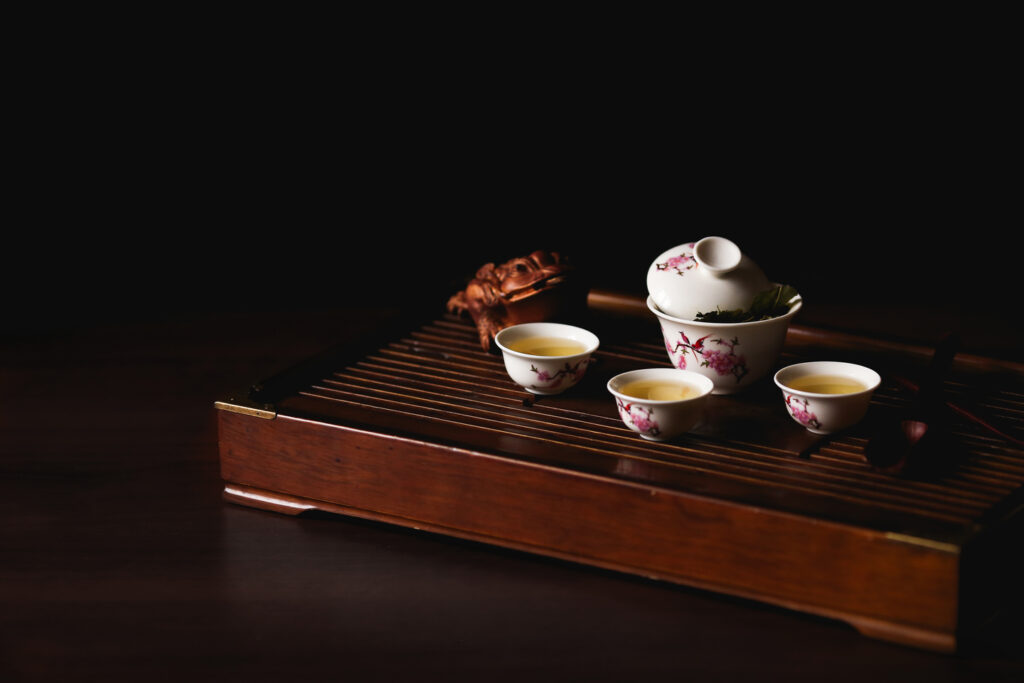
Tea making is a lifelong journey best enriched by knowledgeable guidance. At Tea Room by Ki-setsu, we invite you to deepen your appreciation of tea making through our private tea sessions. Our experienced tea master offers personalized instruction, sharing authentic techniques from steaming delicate green teas to mastering rare Chinese blends. This hands-on approach allows guests to engage directly with the leaves, water, and tools, fostering greater appreciation and confidence in their brewing skills.
For those eager to continue learning at home, read our article on the proper way to brew tea. This resource complements our teachings with detailed insights and practical tips to help perfect your tea making ritual beyond our sessions.
Conclusion: Perfecting Your Cup of Tea with Tea Room by Ki-setsu
Mastering tea making isn’t about rigid rules. It’s about nurturing curiosity, care, and tradition. From selecting fresh loose leaf tea and using the correct water temperature to savoring herbal infusions and choosing your favorite mug, attention to detail at every stage elevates both taste and enjoyment. By avoiding common mistakes whether related to ratios, storage, or rushing the process, you’ll unlock a world where every sip fulfills the promise of the leaf.
Ready to deepen your tea journey? Visit Tea Room by Ki-setsu to experience world-class brewing rituals, taste rare teas, and let each cup inspire your own perfect tea tradition.