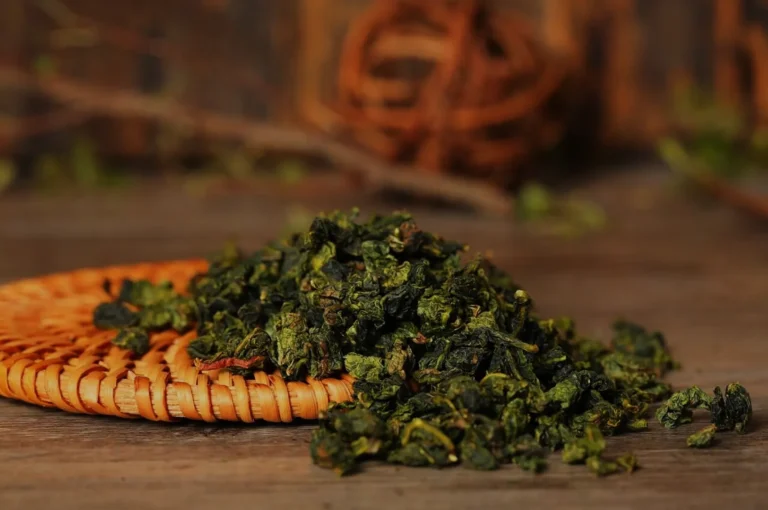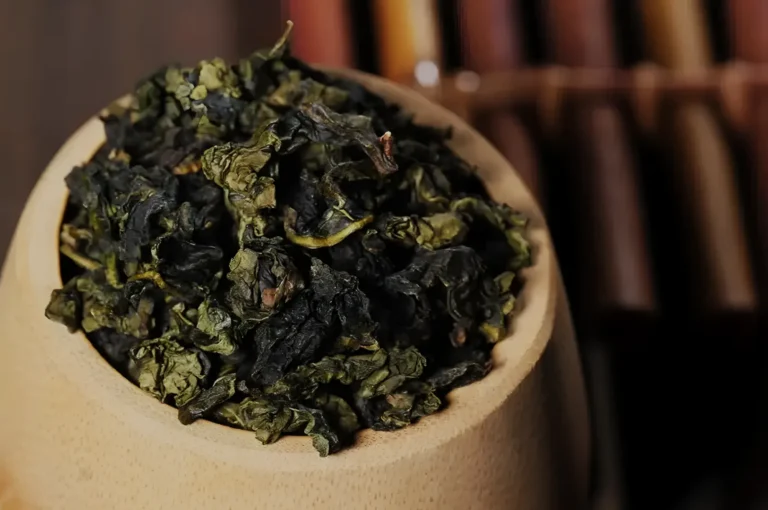
Some teas can be understood quickly. Da Hong Pao usually should not be.
Its movement through roast, floral lift, mineral depth, and finish often needs more than a hurried sip. This is one reason the tea feels so different in a private tea session. The setting alters the experience. The room is quieter. The pace is slower. The host can adjust the tea with attention rather than simply serve it. In that kind of space, Da Hong Pao begins to show not only flavour, but sequence.
At Tea Room by Ki-setsu, we think this matters especially with Da Hong Pao because so much of its character lives in unfolding rather than first impression. For readers who want the broader cultural and historical frame first, this guide to Da Hong Pao before you taste it offers the larger introduction. Here, the focus is simpler: why this tea often feels more complete when tasted in a private room shaped by calm, pacing, and quiet hospitality.
The Tea Itself Already Asks for Time
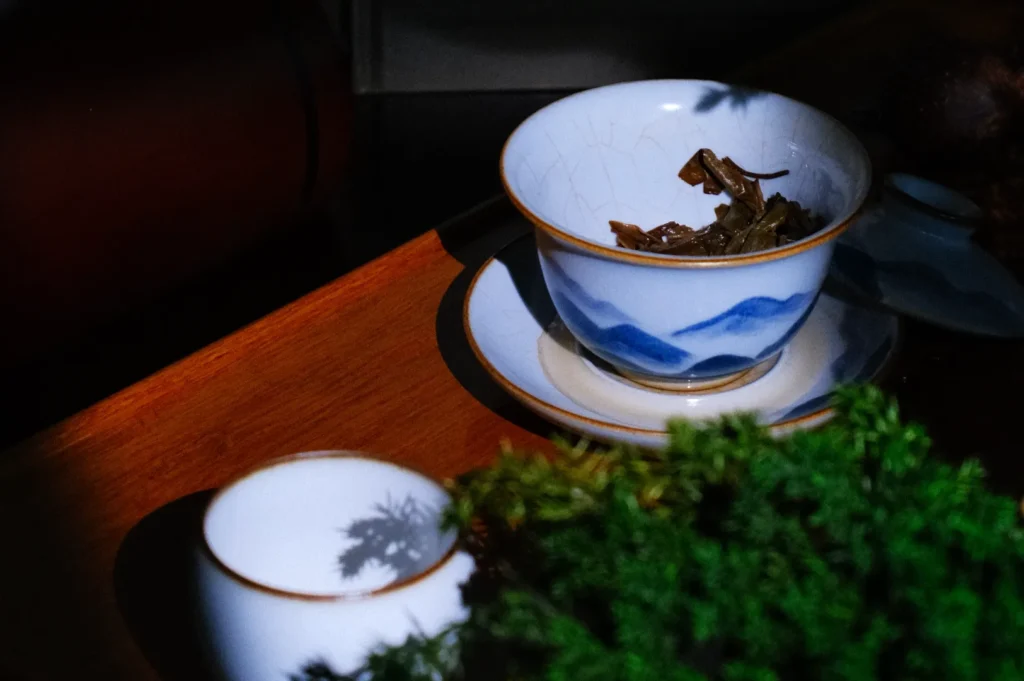
Da Hong Pao belongs to the wider world of Wuyi tea, a tradition where structure, mineral presence, and roast often matter as much as fragrance. This alone helps explain why the tea behaves differently in different settings.
A greener, more immediately aromatic tea may still charm the drinker in a hurried room. Da Hong Pao often asks for a more deliberate kind of attention. Its roast may appear early, but the more interesting elements usually come later. Orchid lift may rise only after the first few infusions. Rock rhyme may become clearer only after the palate has quieted. The finish often says more than the opening.
A tea built on sequence changes meaning when the room protects sequence.
At Tea Room by Ki-setsu, we find that private tea sessions do not make the tea “better” in a theatrical sense. They simply remove enough interruption for the tea to become more legible.
Why the Setting Changes the Cup
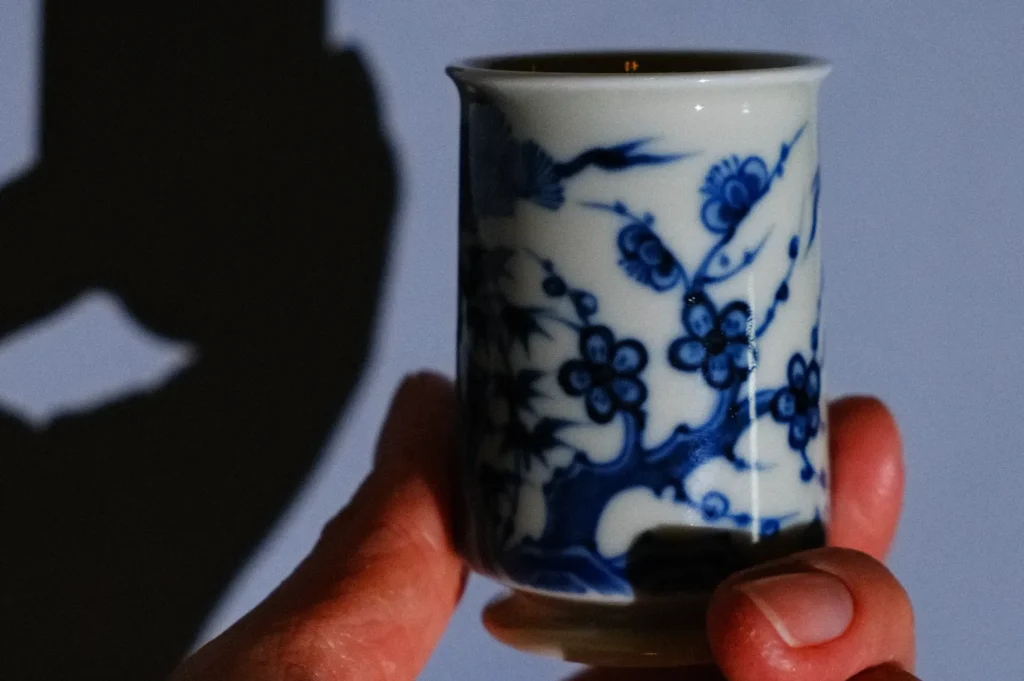
A private tea session does not change the leaf itself. It changes how the leaf is received.
Noise alters perception. Hurry alters perception. So does the feeling that a drink must be assessed immediately or discussed before it has had a chance to settle. In a quieter room, the tea enters a different kind of attention. Aroma is noticed before commentary. Texture is felt before judgment. A finish is allowed to continue without being interrupted by the next demand on the senses.
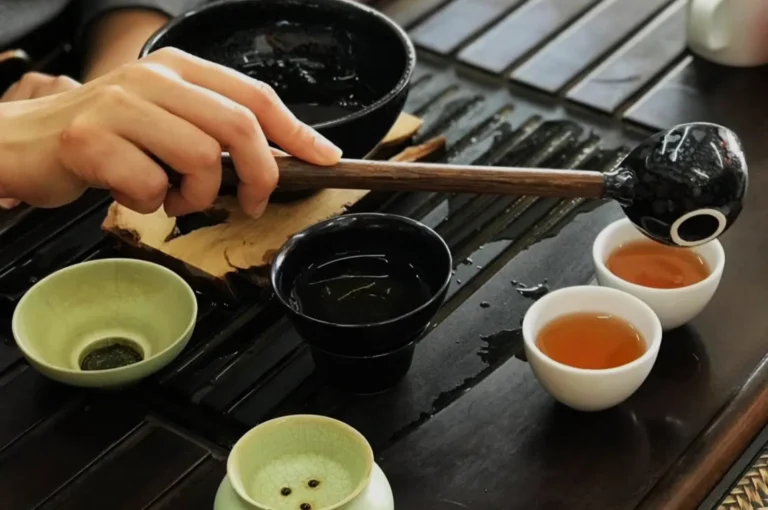
This is one reason gongfu tea remains such a meaningful reference point, even outside formal discussions of technique. Gongfu brewing is often misunderstood as only a method. In practice, it is also a way of protecting the tea’s stages from being collapsed into one quick impression.
At Tea Room by Ki-setsu, we think Da Hong Pao benefits especially from this protection. The tea is not merely served. It is given room to arrive properly.
Why Guidance Matters More with Da Hong Pao
Some teas remain expressive even when brewed carelessly. Da Hong Pao is less forgiving.
Water that is too aggressive can harden the roast. Timing that is too loose can flatten the floral lift or blur the finish. A rushed pour can make the tea feel heavier than it truly is. A calmer hand often reveals a calmer tea.
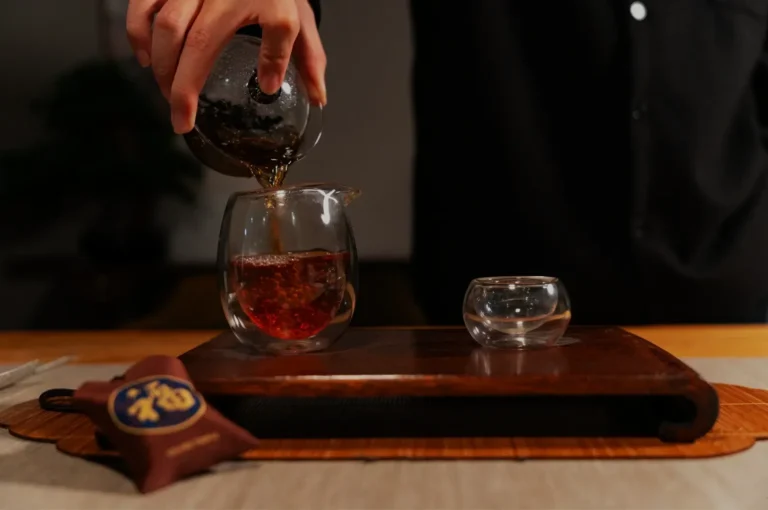
This is where host-led brewing matters. In a private tea session, the tea is not left to survive the room on its own. The host can respond to the leaf in real time. If the tea needs more openness, the pacing changes. If the liquor begins too firmly, the next infusion can soften. If the tea is beginning to reveal more floral space, the session can lean into that rather than rushing past it.
At Tea Room by Ki-setsu, we think this kind of guidance is most useful when it is barely noticeable. It should not feel like instruction imposed from above. It should feel like the tea is being read with care.
Da Hong Pao often feels more complete when nothing around it is rushing it into clarity.
Why Silence Helps More Than People Expect
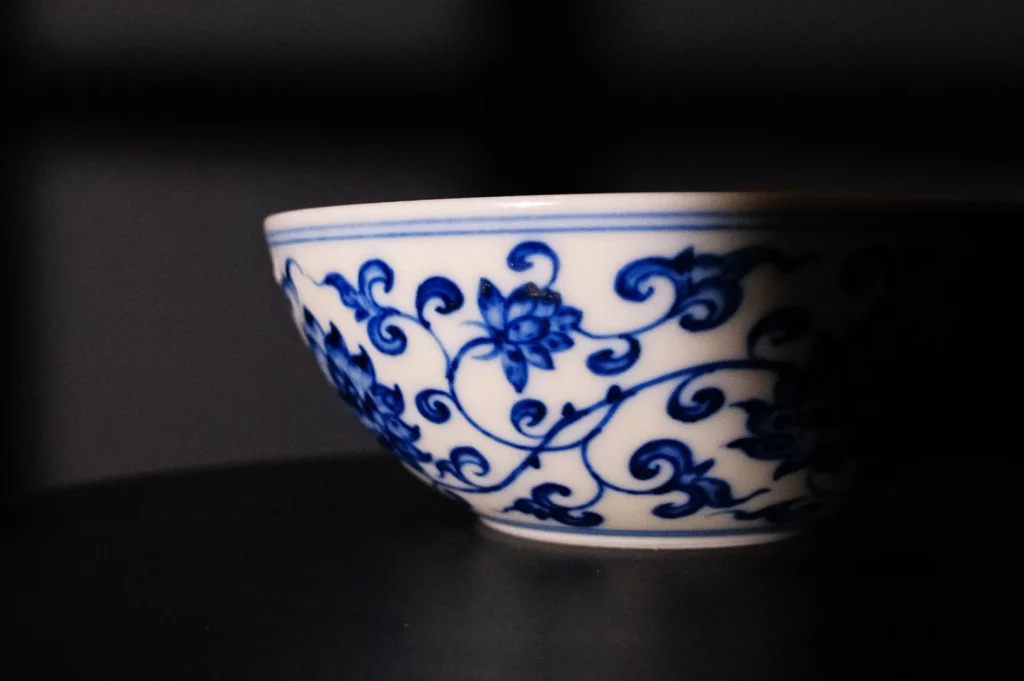
Silence does not have to mean solemnity.
At a tea table, silence is often just another form of room. It allows aroma to become more visible. It allows texture to remain present after the sip. It allows the finish to arrive before language takes over. This matters especially with Da Hong Pao because so much of the tea’s identity lives not in immediate brightness, but in what continues after the swallow.
The broader tradition of Chinese tea culture has long understood tea as something shaped by atmosphere as well as leaf. This does not mean every tea session must be formal or wordless. It means the room itself becomes part of the tasting.
At Tea Room by Ki-setsu, we often find that guests understand Da Hong Pao more clearly when silence is not treated as absence, but as permission. Permission to wait. Permission to notice. Permission to let the tea develop without forcing it into quick language.
A tea like Da Hong Pao rarely needs more explanation. It usually needs less interruption.
Why the Pace of a Private Session Matters
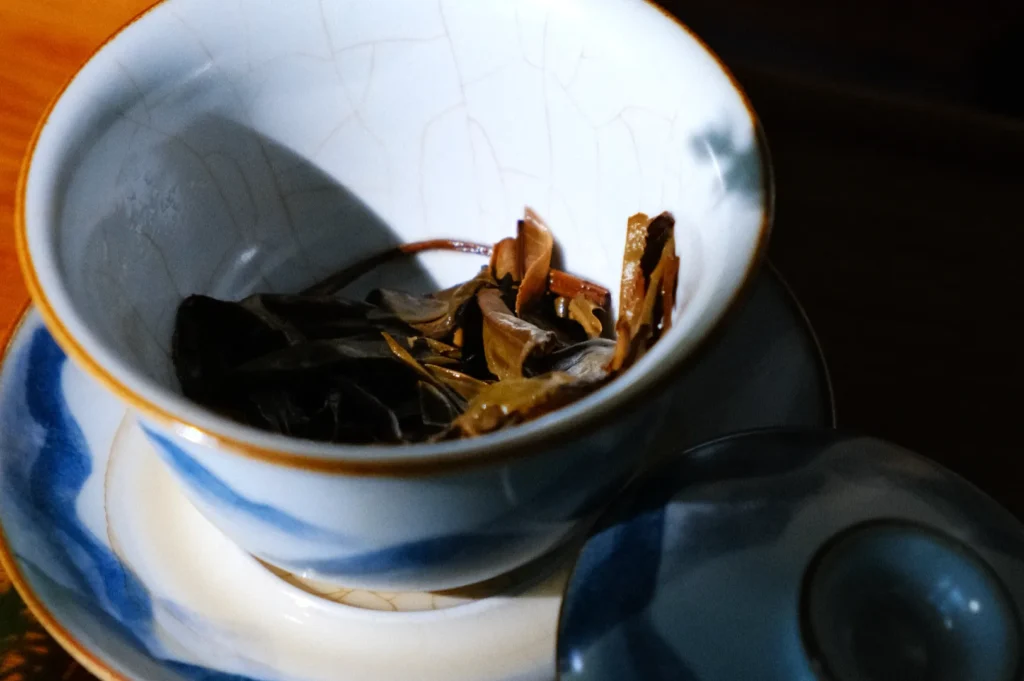
Da Hong Pao can flatten under speed.
When the pours come too quickly, the distinctions between infusions blur. Roast dominates because there is no space for softer notes to emerge. The drinker begins tasting only intensity, not progression. This is one of the reasons a private tea session changes so much. The pace is no longer built around throughput. It is built around unfolding.
A private session allows each pour to exist as part of a line rather than as a set of isolated sips. The first infusion establishes warmth and structure. The next may show more floral lift. Later infusions may become calmer, sweeter, or more mineral in a way that feels surprising only if the tea has been given enough room to continue.
At Tea Room by Ki-setsu, we think Da Hong Pao becomes more convincing when tasted this way because the tea’s internal order becomes visible. The leaf begins to feel composed rather than merely strong.
Why the Room Can Make the Tea Feel More Luxurious
Luxury in tea is often misunderstood as rarity alone.
Rarity matters, and Da Hong Pao carries a name with real weight. But in practice, luxury often comes through protection. Protected time. Protected pace. Protected quiet. Protected attention. A private tea session creates these conditions more easily than a busier setting because the room is no longer asking the tea to compete.
At Tea Room by Ki-setsu, we think this is one of the quietest distinctions in tea appreciation. The tea may be the same tea, yet in a private room it is encountered differently. The drinker does not need to perform understanding. The host can shape the rhythm more precisely. The sensory field is clearer. The tea becomes more itself because less around it is trying to become important.
This is why Da Hong Pao can feel more luxurious in private even when nothing extravagant has been added. The luxury is not excess. It is the removal of interference.
Why Da Hong Pao Lingers More Deeply in This Setting
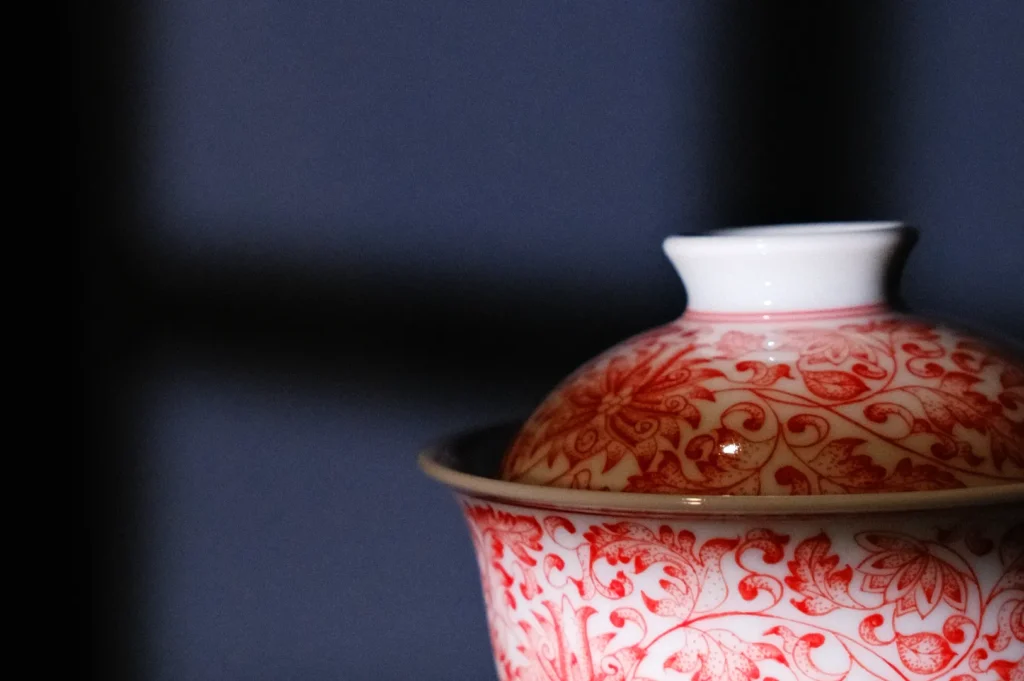
Some teas charm in memory through fragrance. Da Hong Pao often lingers through structure.
What stays with the drinker is not just the roast or the story of the tea. It is the way the tea moved from warmth into lift, from lift into mineral calm, from mineral calm into return. That movement is much easier to feel in a room that allows the session to keep its own rhythm.
At Tea Room by Ki-setsu, we think this is why Da Hong Pao feels different in a private tea session. The tea has not changed identity. The room has simply stopped asking it to hurry.
When the setting is quiet enough, Da Hong Pao no longer has to compete for attention. It can finally spend that attention becoming complete.
Suggested URL Slug: /da-hong-pao-private-tea-session/