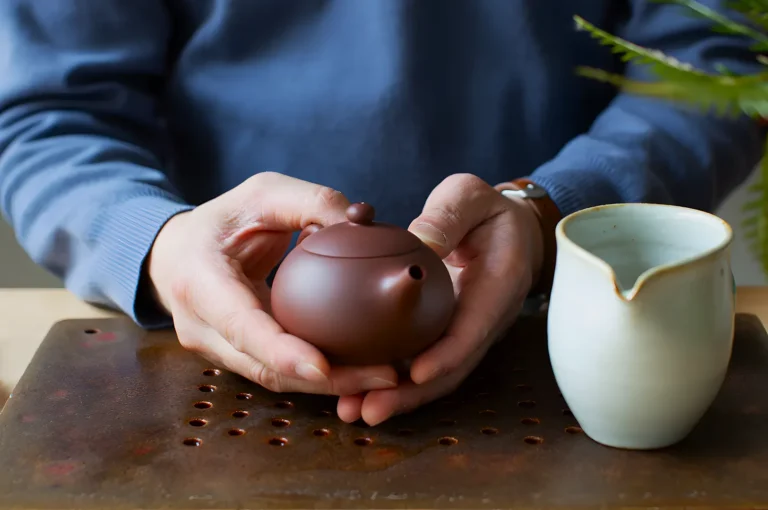
In a world where tea bags dominate supermarket shelves and convenience often trumps quality, true fine tea represents a remarkable journey into craftsmanship, terroir, and centuries of cultivation wisdom. While mass-market tea serves its purpose, fine tea occupies an entirely different realm—one where every leaf tells a story of meticulous care, optimal growing conditions, and artisanal processing techniques that transform a simple plant into liquid poetry.
Understanding fine tea requires moving beyond the familiar and embracing complexity. Just as wine connoisseurs can distinguish between regions, vintages, and production methods, tea enthusiasts learn to appreciate the subtle differences that separate exceptional leaves from ordinary ones. This comprehensive guide will take you through every aspect of fine tea, from identifying quality indicators to mastering proper brewing techniques, ensuring you have the knowledge to appreciate and select the world’s finest teas.
Whether you’re a curious beginner or an experienced tea drinker looking to deepen your understanding, this exploration will reveal why fine tea commands premium prices, how different varieties achieve their distinctive characteristics, and where you can experience these exceptional teas firsthand in Singapore.
What Makes Tea “Fine”: Understanding Premium Quality Indicators
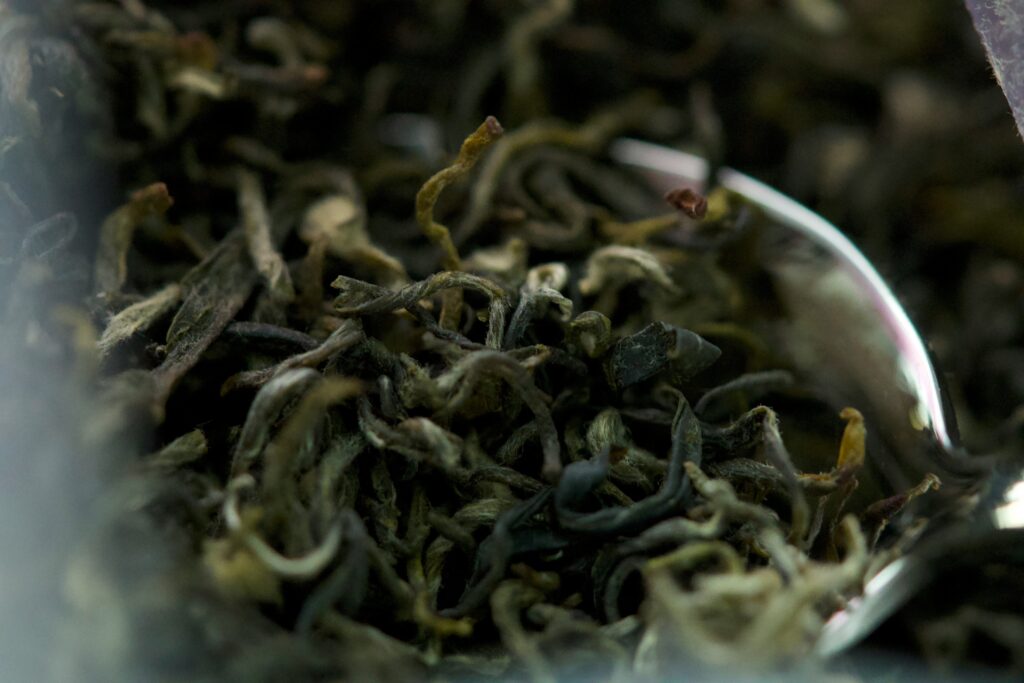
Fine tea represents the pinnacle of tea production, distinguished by exceptional quality, complex flavors, and aromatic sophistication that elevate the sensory experience beyond simple refreshment. It is primarily made from first and second flush tea leaves, which are the top 5% of global production, harvested during early seasons when amino acid levels are high and tannins are low. These tender young leaves and tips develop nuanced flavors that define fine tea.
Single-origin sourcing from specific tea gardens ensures traceability and highlights unique terroir characteristics, setting fine tea apart from blended commercial varieties. Hand-picking of leaves further enhances quality by selecting only the best buds at their optimal moment, avoiding stems and damaged leaves common in machine harvesting. Artisanal processing methods preserve natural flavors and antioxidants, requiring skilled craftsmanship passed down through generations.
The premium nature of fine tea is reflected in its price, often ranging from $50 to $200 per 100g, compared to mass-market teas under $10 per 100g. This cost accounts for the rarity, labor intensity, and careful production that yield 40-50 cups per 100g, making fine tea a luxurious and richly rewarding beverage experience.
Types of Fine Tea: From Black to White Varieties
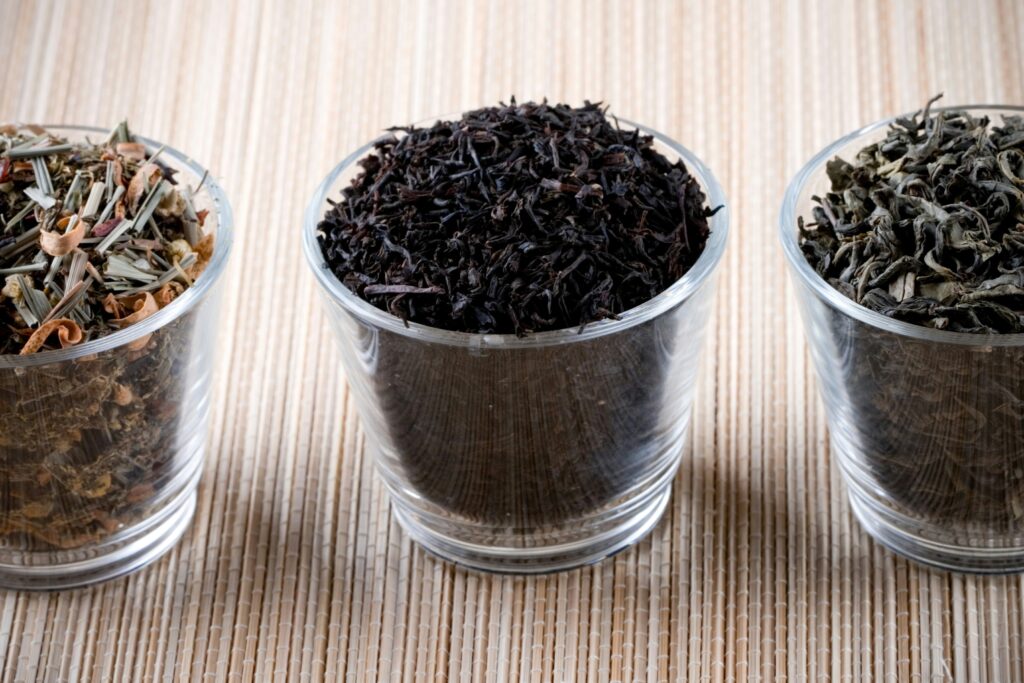
The world of fine tea encompasses several distinct categories, each with unique processing methods, flavor profiles, and cultural significance. Understanding these varieties provides the foundation for appreciating how different techniques create dramatically different experiences from the same plant species.
Premium Black Teas
Black tea is the most oxidized fine tea, known for rich, robust flavors and deep amber color. Premium types like Darjeeling first flush from India feature muscatel aroma and light astringency, while Ceylon Orange Pekoe from Sri Lanka offers bright citrus notes. Flavored varieties such as Earl Grey blend high-quality teas with bergamot oil. The Assam FTGFOP grading system ranks black teas by leaf size and tip content, with FTGFOP as the top standard for robust, malty teas essential in traditional blends.
These fine black teas showcase regional traits and quality indicators that distinguish them in the market. Their careful harvesting and processing ensure smooth, full-bodied profiles appealing to both newcomers and connoisseurs, highlighting the premium nature of fine tea through flavor and price.
Exceptional Green Teas
Green tea production emphasizes minimal oxidation to preserve the leaf’s natural green color and fresh, grassy flavors. The finest green teas balance vegetal sweetness with subtle astringency, creating complex, refreshing beverages that showcase terroir and artisanal skill. Longjing (Dragon Well) from Hangzhou’s West Lake region is China’s most famous green tea, prized for its flat, sword-shaped leaves and delicate, sweet character achieved through traditional hand-firing. Gyokuro from Uji, Japan, is shade-grown for 20 days, producing a creamy texture and umami flavor. Sencha first harvest (shincha) captures spring’s essence with exceptional sweetness and vibrant aromatics. Matcha, made from shade-grown tencha leaves ground into powder, offers concentrated nutrition and intense green flavor.
These premium green teas exemplify the artistry and care involved in fine tea production, resulting in beverages that command premium prices and offer unique tasting moments. Their delicate balance of sweet and astringent notes, combined with distinct regional characteristics, makes them highly sought after in Singapore and beyond. Whether enjoyed as traditional tea bags or loose leaves, these varieties highlight the importance of precise timing, skilled cultivation, and ethical sourcing to ensure the highest quality. Including these teas in your collection or tasting selection enriches your appreciation of fine tea’s diversity and excellence.
Rare Oolong and White Teas
Oolong and white teas represent the most artisanal fine teas, prized for their unique, complex flavors and craftsmanship. Notable examples include Da Hong Pao from Fujian’s Wuyi Mountains, valued at $1,400 per kg for its mineral-rich terroir, and Silver Needle (Bai Hao Yin Zhen), made from unopened spring buds, known for its delicate sweetness. High Mountain Taiwanese oolongs offer floral notes and smooth finishes, while aged Pu-erh teas develop deep, earthy flavors through slow fermentation, making them prized both as fine tea and investments.
These fine tea varieties highlight the importance of artisanal skill and terroir in producing exceptional teas found in Singapore’s fine tea scene. Their distinct profiles, from the rich complexity of oolong to the subtle refinement of white tea, enrich any tea collection or tasting experience. Whether enjoyed as premium loose leaves or carefully packaged tea bags, these teas reflect the dedication of their owners and producers to quality. Including them in your selection ensures you experience the full spectrum of fine tea excellence, complemented by moments of appreciation captured in photos and shared during tea ceremonies or special orders.
Ethical Sourcing and Sustainable Production
The fine tea industry increasingly emphasizes pairing exceptional quality with ethical production practices that support farming communities and environmental sustainability. The Ethical Tea Partnership, supporting over 500,000 tea workers globally, focuses on worker welfare, environmental protection, and sustainable business practices. Member companies commit to regular audits and continuous supply chain improvements.
Fair Trade certification ensures minimum price protections for farmers, funding community projects like schools and healthcare. Organic certification requires a three-year transition without pesticides or synthetic fertilizers, promoting soil health and enhancing tea terroir. Direct trade between tea gardens and specialty retailers cuts out intermediaries, ensuring better prices for farmers and long-term quality investments.
Seasonal harvesting and climate change affect tea quality and availability, making early season teas scarcer and more valuable. Supporting sustainable farming is vital to preserving fine tea production and appreciating the true value behind every cup.
How to Identify and Select Fine Tea
Developing the ability to recognize and select fine tea means understanding quality indicators and personal preferences to make informed choices. Fine tea has whole, unbroken leaves with visible tips, natural color variation, minimal stems, and little dust, appearing fresh and well-processed. Evaluating aroma, dry and steeped, reveals quality and freshness, with fine teas showing complex, evolving scents. Proper storage in vacuum-sealed packages, airtight tins, or specialized packaging preserves freshness. Damaged or low-quality leaves are removed during processing. Reputable suppliers often provide certifications like Fair Trade or Organic, ensuring quality and ethical sourcing.
Price comparison helps set realistic expectations, as fine tea pricing reflects factors like seasonal availability, processing complexity, and rarity. Extremely low prices often indicate compromised quality, while very high prices may be marketing-driven. Understanding tasting notes and flavor profiles aids in recognizing complexity and matching teas to personal preferences, reducing disappointment from unsuitable purchases. Professional descriptions cover aroma, flavor, mouthfeel, and aftertaste with specific language. Whether loose leaves or tea bags, mastering these indicators helps consumers confidently select fine tea, ensuring an enjoyable experience that respects the craftsmanship and heritage behind each cup.
Together, these factors enable tea lovers to appreciate the true value of fine tea and build a collection reflecting quality, ethical sourcing, and personal taste. By mastering visual inspection, aroma evaluation, storage awareness, and price understanding, consumers can avoid common pitfalls in the Singapore fine tea market and enjoy a rewarding, authentic tea experience.
Brewing Fine Tea: Techniques for Maximum Flavor
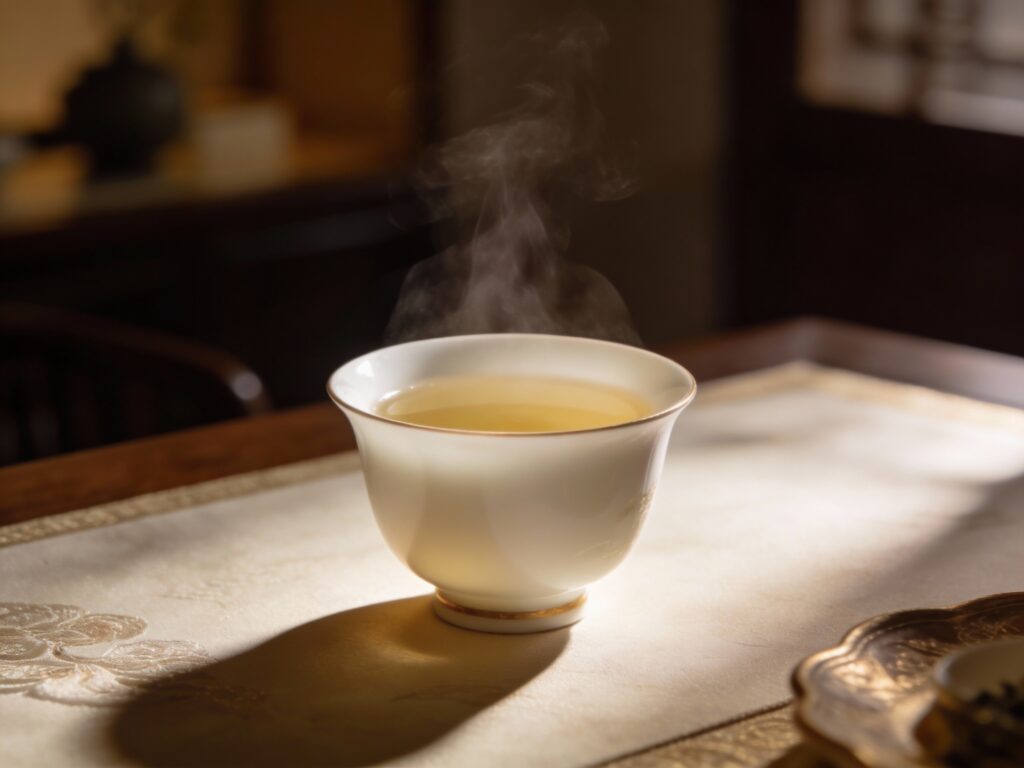
Proper brewing technique can transform good tea into an exceptional experience, while poor technique can spoil even the finest leaves. Key factors include water quality, temperature, steeping time, and tea-to-water ratio.
- Water quality is crucial since tea is mostly water; minerals affect flavor extraction. Ideal water has balanced calcium and magnesium—too many minerals create harsh flavors, too few lead to weak tea.
- Temperature varies by tea type: green teas need about 70°C to avoid bitterness, black teas require near-boiling at 95°C, and oolongs brew best between 85-90°C. Using a thermometer or temperature-controlled kettle ensures accuracy.
- Steeping times range from 30 seconds to 5 minutes. Green teas steep 1-3 minutes, black teas 3-5 minutes, and oolongs 2-4 minutes. Adjust times to personal taste and tea specifics.
- Use 2-3 grams of tea per 200ml of water for optimal flavor. Measuring tea with a scale helps maintain consistency. Too little tea yields weak brews; too much can be overpowering.
- Multiple infusions, especially for oolong and pu-erh, reveal evolving flavors across 6-8 steeps, making premium teas more economical.
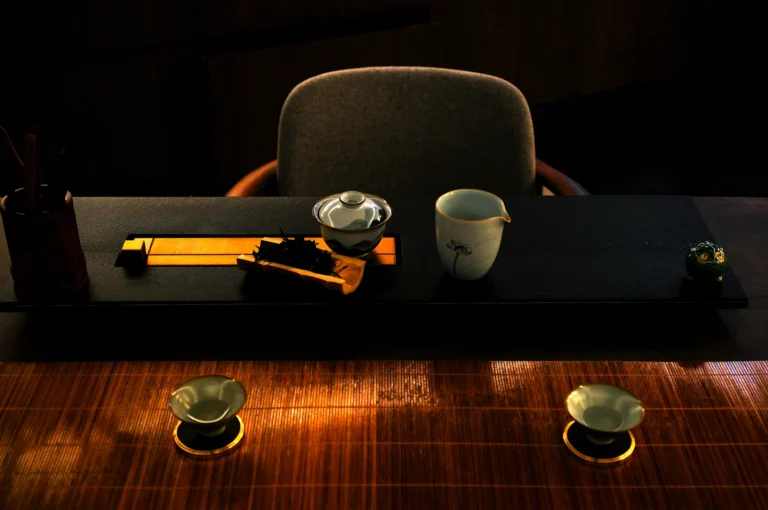
Traditional brewing styles include gongfu cha, which uses small vessels and short, multiple steeps to explore complexity, and Western style, which uses larger volumes and longer single steeps for convenience. Knowing both methods lets you choose based on time and experience desired.
Brewing Tea Bags vs. Loose Leaf Tea
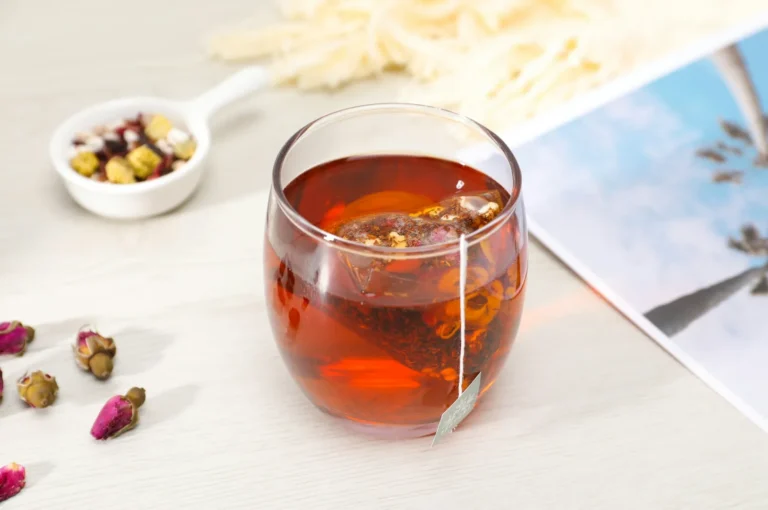
When it comes to fine tea, the choice between tea bags and loose leaf tea significantly impacts the brewing experience and flavor quality. Loose leaf tea consists of whole or large pieces of tea leaves, allowing for better infusion and richer taste. In contrast, tea bags often contain smaller leaf fragments or dust, which can lead to quicker brewing but a less complex flavor profile. Understanding these differences helps tea lovers select the best option for savoring premium teas.
Singapore’s Fine Tea Scene and Culture
Singapore’s multicultural heritage and strategic location have created a unique fine tea culture that blends traditional Asian appreciation with contemporary global influences. The city-state’s sophisticated dining scene and growing interest in artisanal products foster an environment where fine tea thrives alongside other premium offerings.
Local tea appreciation courses and workshops offer enthusiasts structured learning on tea history, production methods, tasting techniques, and cultural contexts, helping develop palate sensitivity and vocabulary for describing tea characteristics. Traditional tea culture preservation balances Chinese gongfu cha ceremonies, Japanese tea principles, and Indian chai traditions with modern urban lifestyles, reflecting Singapore’s diverse tea landscape.
Tea ceremony experiences and tastings at venues like Tea Room by Ki-setsu provide expert instruction and access to rare teas, blending Asian traditions with contemporary lifestyles. These experiences appeal to busy professionals and younger generations, making fine tea an integral part of Singapore’s modern yet culturally rich scene.
Experience Fine Tea at Tea Room by Ki-setsu

Our curated collection of artisanal teas from renowned tea gardens such as Bulang Mountain and Yiwu, China, represents years of careful sourcing and relationship building with exceptional producers. Each tea in our selection meets stringent quality standards while offering unique characteristics that showcase the diversity and complexity possible in fine tea. We continuously add new selections to ensure our collection remains fresh and exciting for regular customers, including premium tea bags and loose leaves that highlight the essence of fine tea.
Personalized tea tasting experiences guided by our expert tea master provide unparalleled opportunities to explore fine tea with expert instruction and context. Whether you’re a complete beginner or an advanced enthusiast, our sessions adapt to individual interests and experience levels, featuring tastings of black, green, and rare varieties. The intimate setting allows for detailed discussion, multiple tastings, and personalized recommendations based on your preferences, ensuring you discover the nuances and complexities of the world’s finest teas.
At Tea Room by Ki-setsu, we offer an immersive exploration of Chinese tea culture and craftsmanship that goes beyond simple tasting to encompass historical, philosophical, and technical aspects. Our expert guidance helps you select teas that match your flavor preferences and brewing convenience, ensuring every experience delivers satisfaction and value. Visit us to experience a peaceful retreat from Singapore’s busy streets, where fine tea offers a moment of tranquility, cultural understanding, and the joy of supporting traditional craftsmanship in a modern world.