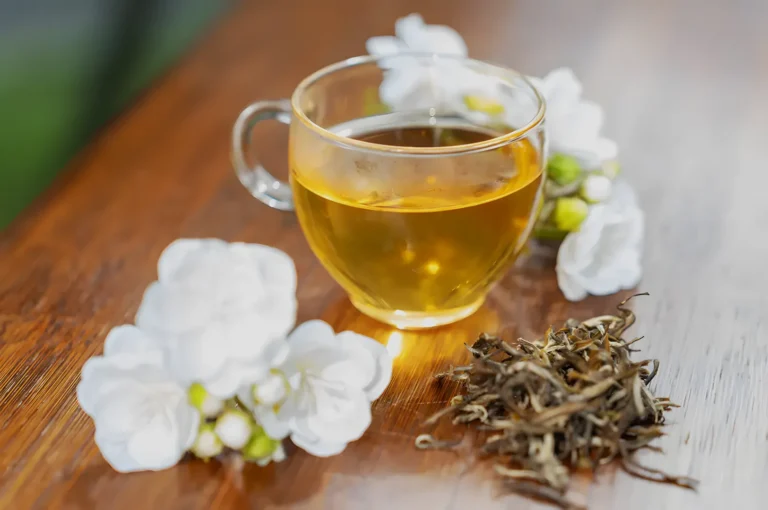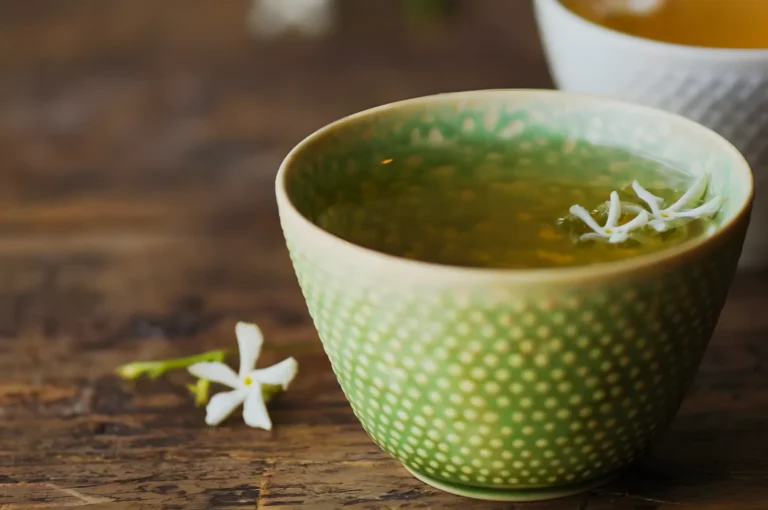
Jasmine tea is now made in more than one part of China.
Fuzhou still matters.
The city in Fujian is closely tied to the history of jasmine cultivation, tea production and the craft of bringing the two together.
Fuzhou gives jasmine tea something fragrance alone cannot: context.
Our Chinese jasmine tea guide to Fuzhou origin provides the wider introduction.
Two Crops, One System
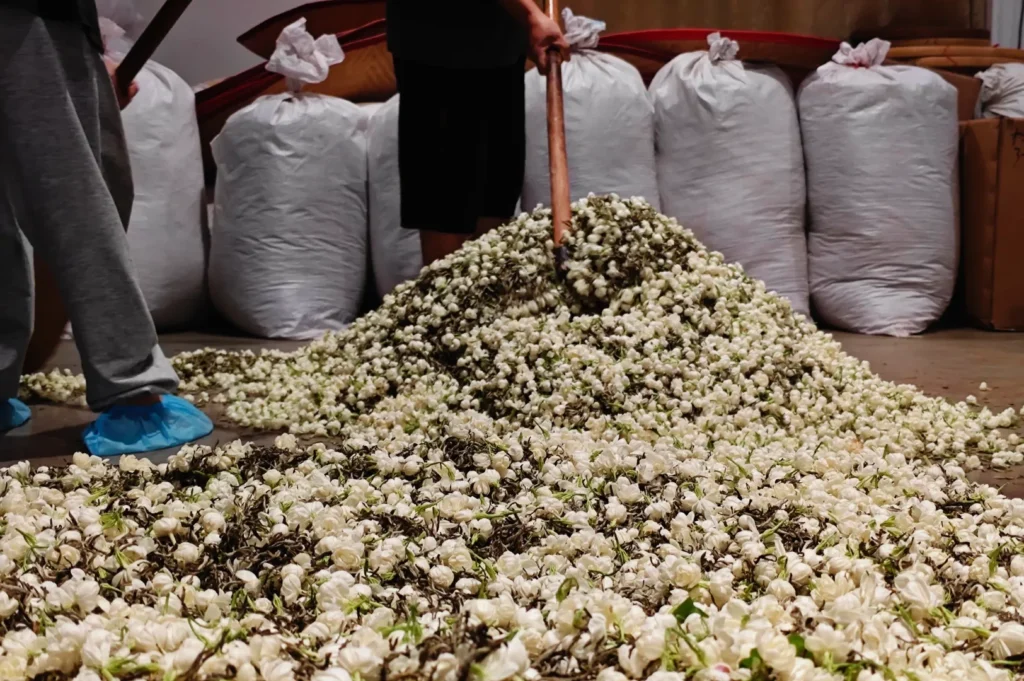
The special thing about Fuzhou is not only tea.
It is the relationship between tea and jasmine cultivation.
FAO’s Globally Important Agricultural Heritage Systems programme recognises Fuzhou’s Jasmine and Tea Culture System for its traditional agricultural knowledge, biodiversity, landscapes and livelihoods.
That system has been formally recognised since 2014.
A Long Scenting Tradition
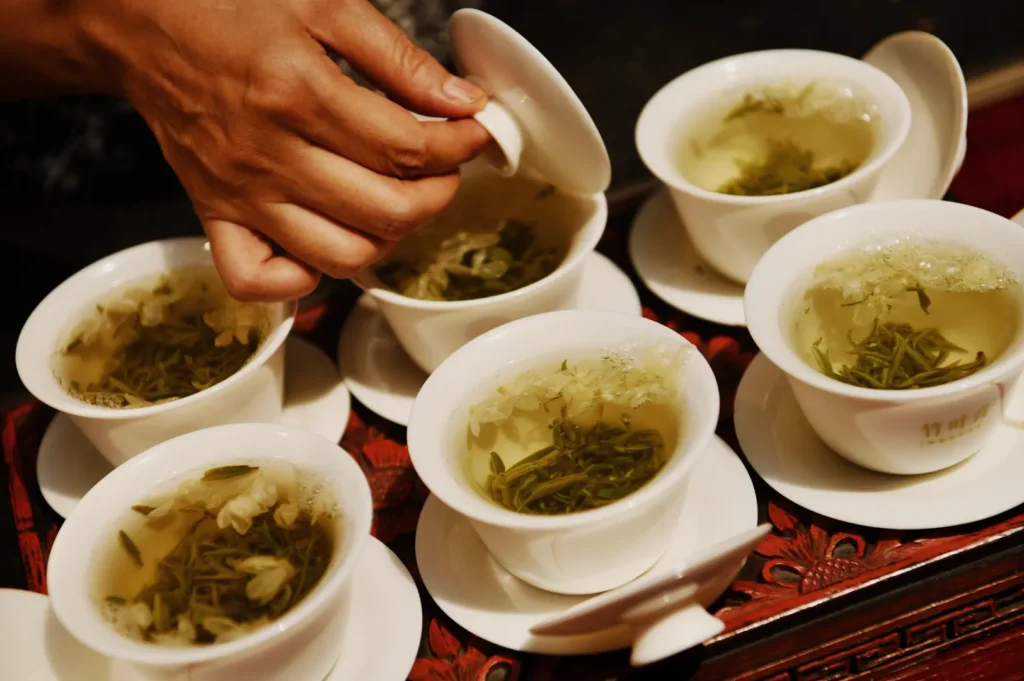
Fujian’s provincial government describes jasmine cultivation in Fuzhou as stretching back more than two millennia, with jasmine tea scenting itself rooted in a much older craft tradition documented across centuries.
Fuzhou jasmine tea also holds geographical indication recognition, with official standards covering its protected origin and product requirements.
Origin here is more than a story attached after packaging.
Why Geography Helps
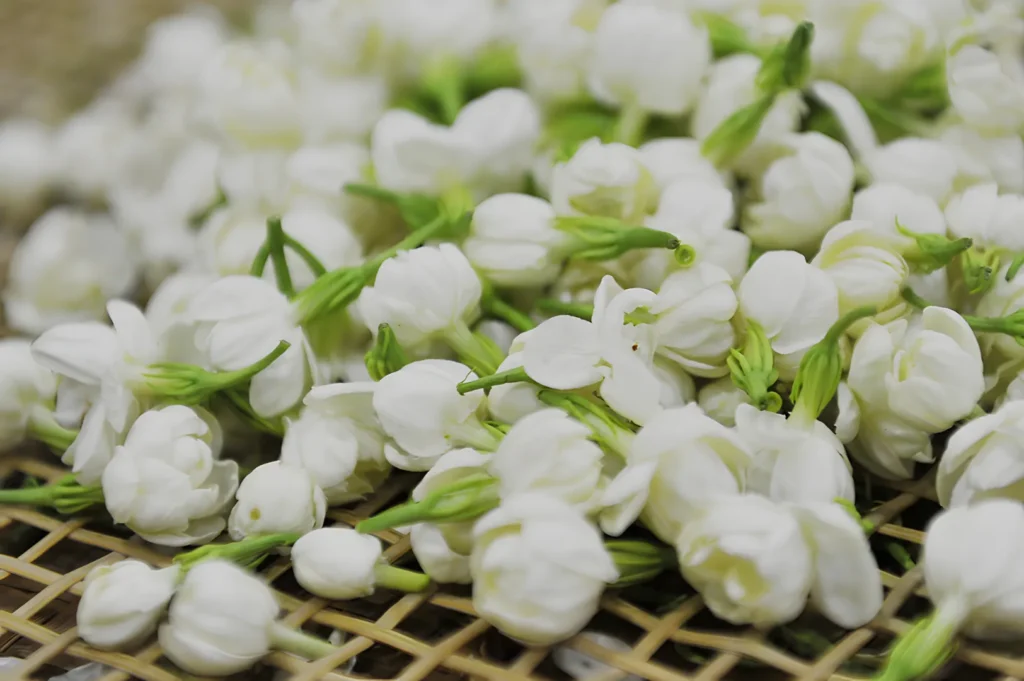
Jasmine flowers and tea do not necessarily want the same growing conditions.
Fuzhou’s traditional agricultural system developed ways of working with both.
Knowledge about flower harvest, timing, post-harvest handling and scenting accumulated alongside tea production.
A fragrant cup is partly agricultural knowledge made invisible.
Heritage Is Still Living
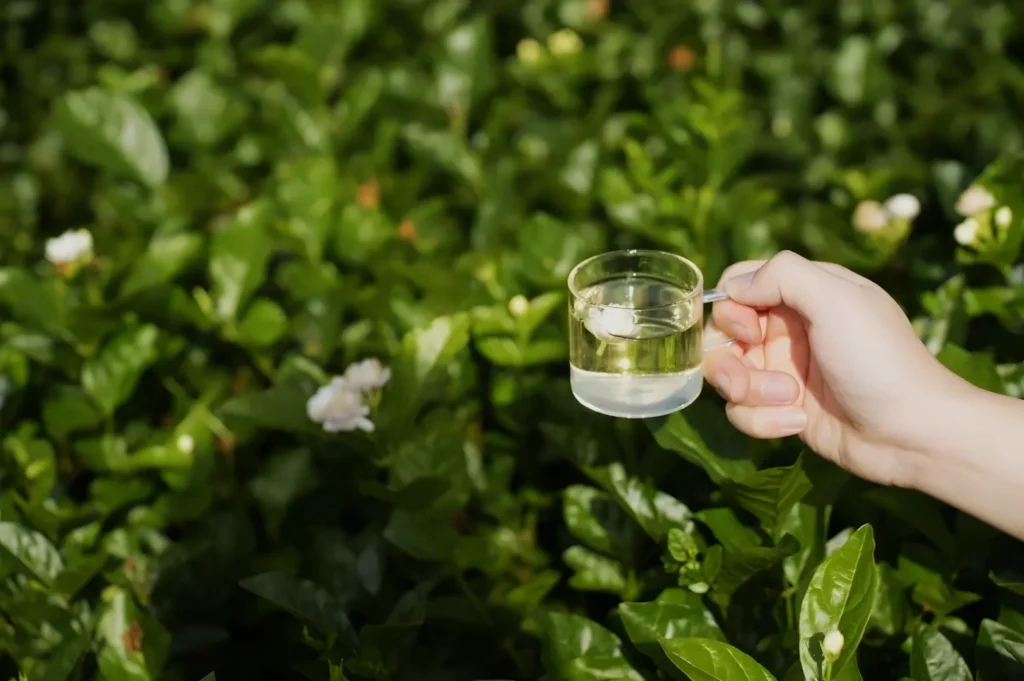
This is not only historical material.
In September 2026, FAO again highlighted Fuzhou’s jasmine tea heritage during the city’s Jasmine Tea Culture Festival, emphasising the need for traditional knowledge to remain living, sustainable and adaptable.
That feels important.
Tea heritage is most meaningful when people still grow, make, drink and rethink it.
Why Provenance Matters at Tea Room by Ki-setsu
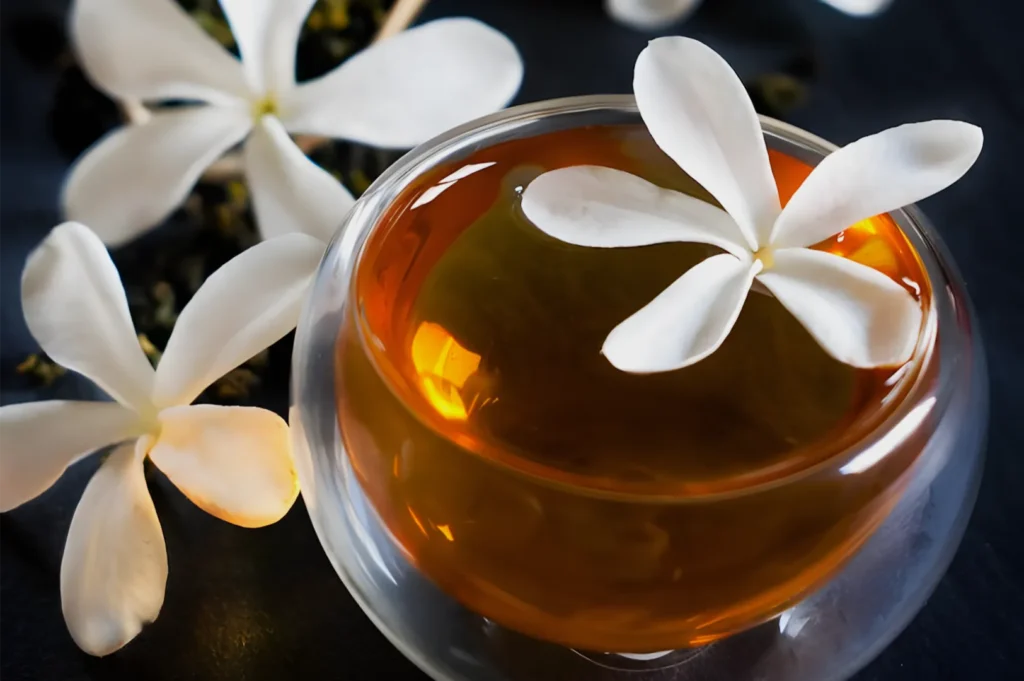
Our current collection at Chinese tea Singapore at Tea Room by Ki-setsu includes rare teas from very different landscapes and traditions.
Jasmine tea is not the point of comparison.
Provenance is.
Whether discussing Fuzhou jasmine tea, Long Jing or an old-tree Yunnan tea, knowing where a tea comes from helps explain why it was made the way it was.
Origin should illuminate the cup, not merely decorate its description.
Final Thought
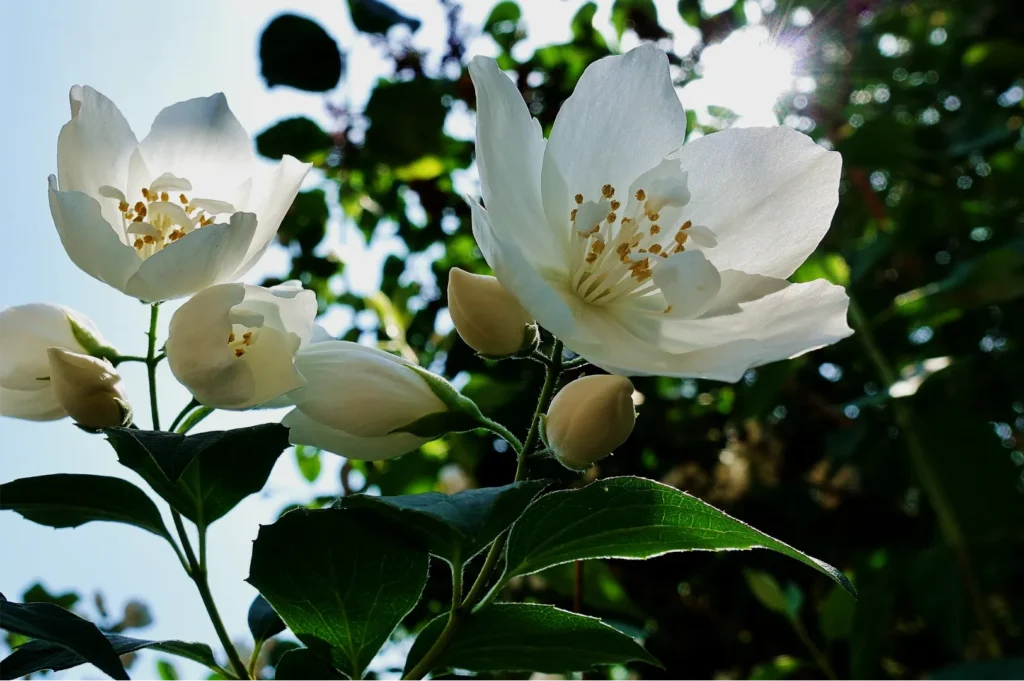
Fuzhou does not own every expression of jasmine tea.
But it remains central to understanding the craft.
Its value lies in the relationship between jasmine, tea, climate, makers and accumulated knowledge.
Once that becomes visible, a floral cup begins to feel much less simple.