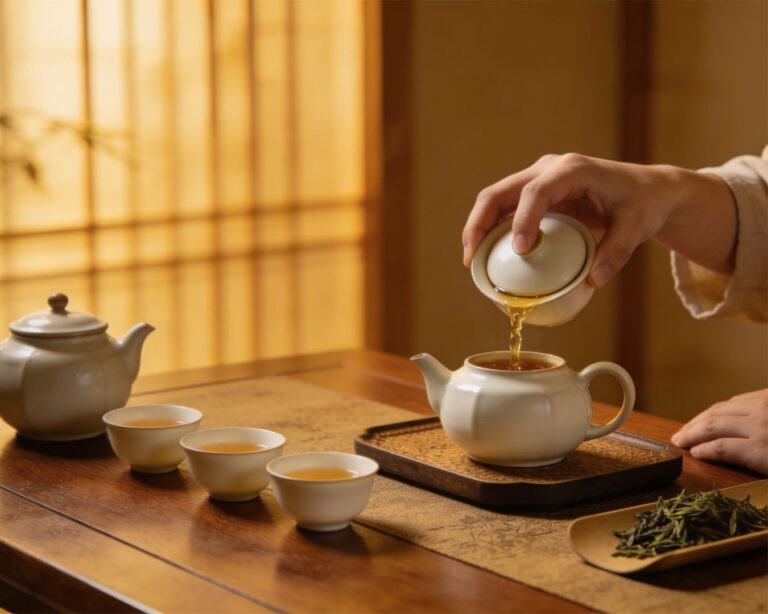
In ancient China, an accidental discovery of the tea plant Camellia sinensis led to tea becoming the world’s second-most consumed beverage. Over 4,000 years, tea drinking spread through cultures, trade, and tradition.
From Emperor Shen Nong’s legendary discovery to the Japanese tea ceremonies, from the Boston Tea Party to the modern specialty tea renaissance, tea shaped economies, social customs, and the global tea industry. This popular beverage connects tea drinkers worldwide. Each cup of brewed tea links us to generations, making tea drinking more than refreshment.
Ancient Origins and Legendary Beginnings
Tea’s origins blend legend and history. According to Chinese legend, Emperor Shen Nong discovered tea in 2737 BCE when tea leaves fell into his boiling water, creating the first brewed cup. Recognizing its medicinal properties, he promoted tea as a detoxifying and energizing drink. Similarly, Indian legend tells of Prince Bodhi-Dharma, who, after cutting off his eyelids to stay awake during meditation, saw tea plants sprout where they fell, symbolizing tea’s role in spiritual alertness. These stories highlight tea’s early ties to medicine, spirituality, and mindfulness—core to tea culture today.
The tea plant, Camellia sinensis, is native to mountainous regions of southwest China, northern Myanmar, northeast India, and Tibet. Archaeological evidence shows these areas as the first to cultivate and use tea, setting the stage for its rise as China’s national drink. Tea’s cultural and medicinal significance helped it spread throughout the Chinese empire and beyond.
The Tea Plant (Camellia Sinensis): Foundation of All Tea
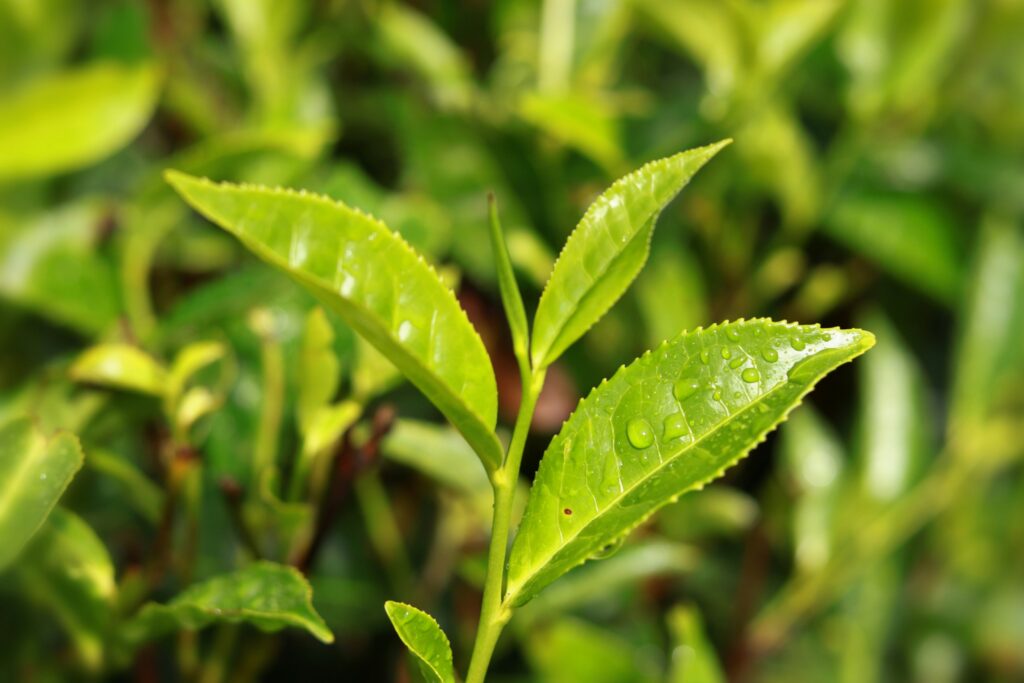
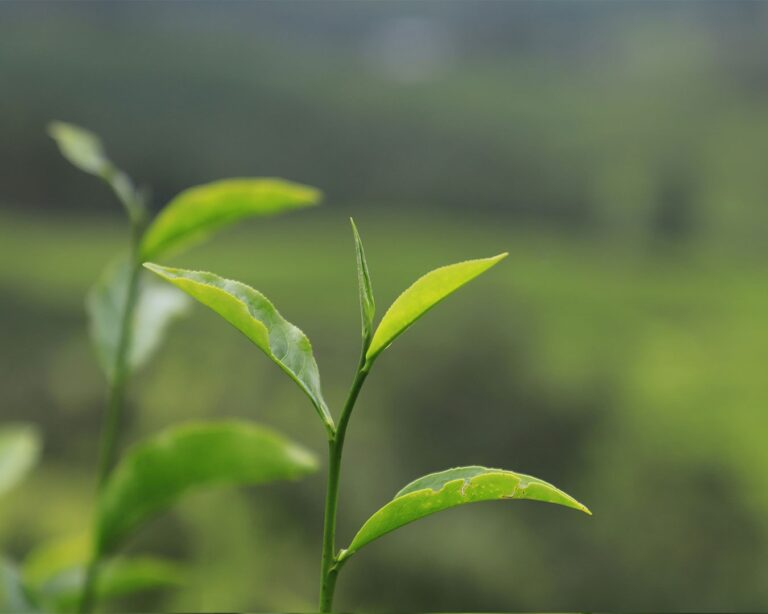
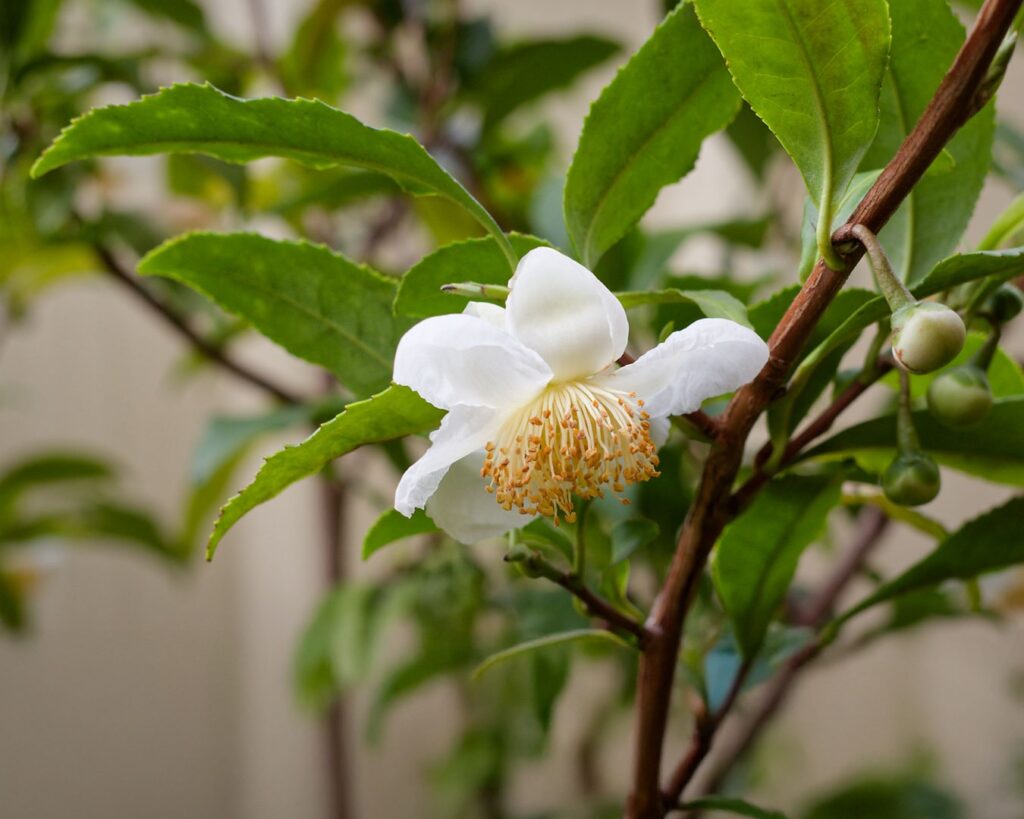
The Camellia sinensis plant, an evergreen shrub native to East Asia’s misty mountains, is the source of all true tea, including green, black, oolong, white, and pu-erh. There are two main varieties: the Chinese variety, a smaller bush suited to cooler climates with delicate flavors, and the Assam variety, a larger plant thriving in tropical regions with robust, malty profiles typical of Indian teas. These plants thrive in regions like Yunnan, where altitude and climate influence unique flavors. Traditional cultivation involves pruning to maintain a flat canopy for easier harvesting and encourages tender new shoots, allowing tea bushes to produce quality leaves for decades.
Through various processing methods, Camellia sinensis leaves become diverse teas: minimal processing yields delicate white teas, full oxidation produces bold black teas, and partial oxidation creates complex oolongs. This botanical and environmental foundation supports tea’s rich heritage and global appreciation as both a cultural tradition and beloved beverage.
Early Chinese Tea Culture and Development
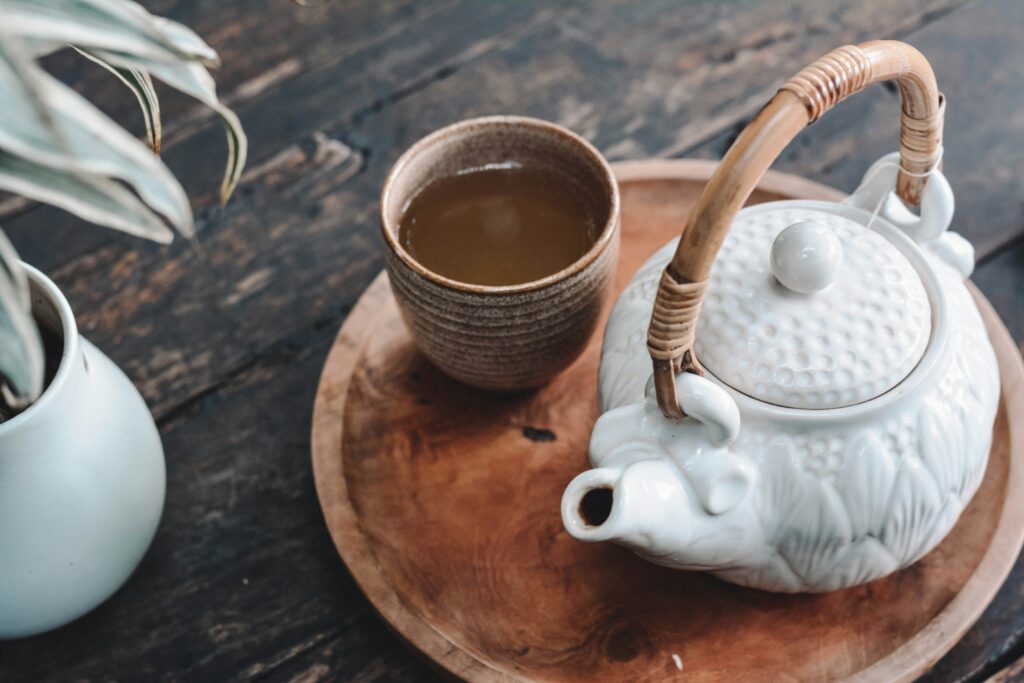
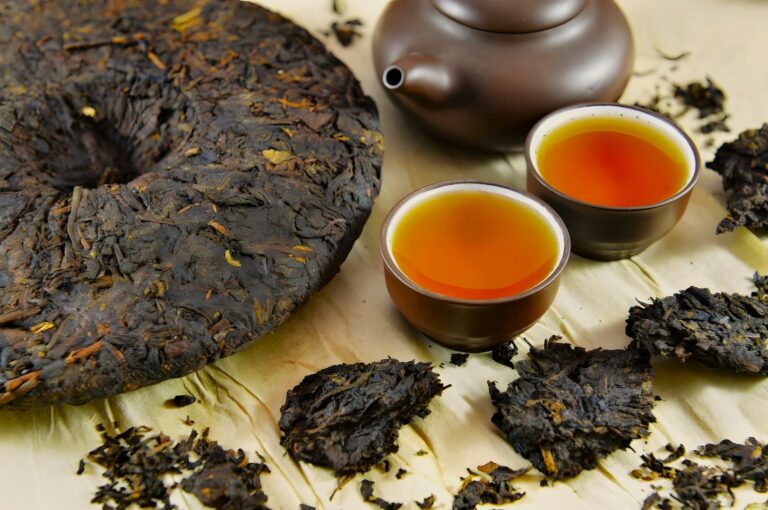
Tea consumption in China dates back to the Shang dynasty (1600-1046 BCE), initially valued for medicinal properties. By the Han dynasty(206 BCE – 220 CE), tea shifted from medicine to a popular drink among the wealthy. Tea leaves were compressed into cakes and bricks for trade along routes like the Silk Road, where Chinese traders spread tea. Early preparation involved grinding compressed tea into powdered form and whisking it with hot water, sometimes with salt or spices.
By the end of the Han period, tea was embedded in Chinese culture and literature, setting the stage for its golden age in the Tang dynasty. Tea evolved into a sophisticated cultural practice with tea houses and formal preparation methods, expanding its spiritual and social roles. These developments laid the foundation for tea drinking spread beyond China, inspiring the Japanese tea ceremony and marking tea’s lasting significance in Chinese society and worldwide.
The Tang Dynasty: Tea’s Golden Age (618-907 CE)
The Tang dynasty elevated tea from a regional drink to China’s national beverage. Tea drinking became a refined cultural practice with rituals, specialized tools, and deep spiritual meaning. Lu Yu’s ‘Cha Jing’ (Classic of Tea) codified tea appreciation, covering cultivation, processing, preparation, and serving, while linking tea to Buddhism, Taoism, and Confucianism. Tea houses flourished as social hubs for scholars and merchants, and tea taxes and trade boosted its economic importance.
Tea’s spiritual and social roles grew, with Buddhist monks using tea for meditation and Taoists valuing its harmony. This era established tea ceremonies as meditative practices, influencing tea traditions across Asia and beyond. The Tang dynasty’s integration of tea into daily life, economy, and spirituality laid the foundation for its global legacy.
Song Dynasty Innovations (960-1279 CE)
Building on the Tang legacy, the Song dynasty elevated tea culture with the peak of powdered tea preparation, known as dian cha. Tea was whisked into a frothy, jade-colored beverage using bamboo whisks and black-glazed jian zhan bowls, influencing later Japanese tea ceremonies. Tea became a symbol of creativity and refinement, intertwined with literature and the arts. Cultivation and processing innovations emphasized quality, with competitions promoting excellence in tea and preparation.
This era transformed tea from a simple drink to an artistic and spiritual practice, shaping global tea heritage and ceremonies beyond China.
Ming Dynasty Revolution (1368-1644 CE)
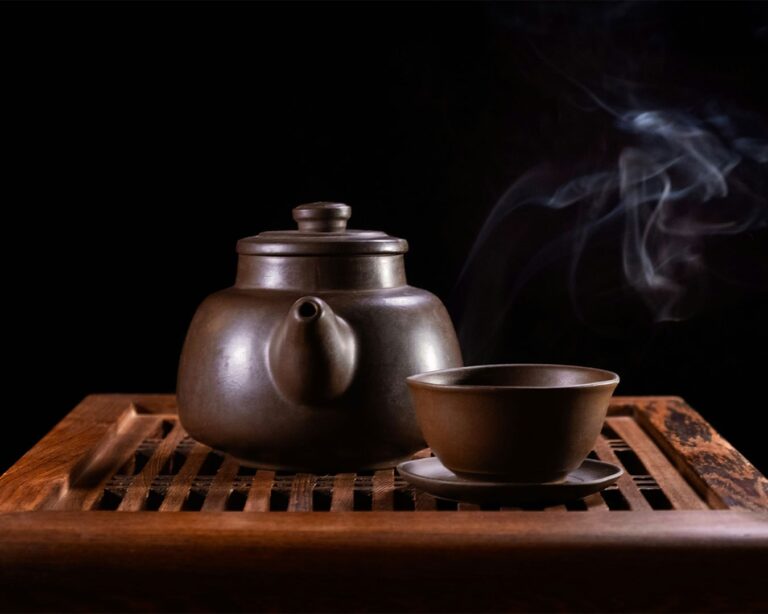
The Ming dynasty revolutionized Chinese tea culture by shifting from compressed tea cakes and powdered tea to loose tea leaves, favored by the emperor. This method enhanced tea’s natural flavors and led to innovations like partial oxidation, giving rise to oolong tea. Improved firing and drying techniques preserved delicate aromas, and the Yixing clay teapot became prized for enhancing flavor.
These changes deepened tea’s cultural significance and sensory experience, laying the foundation for the global spread of loose tea leaves and a rich history of tea.
Tea’s Journey to Japan
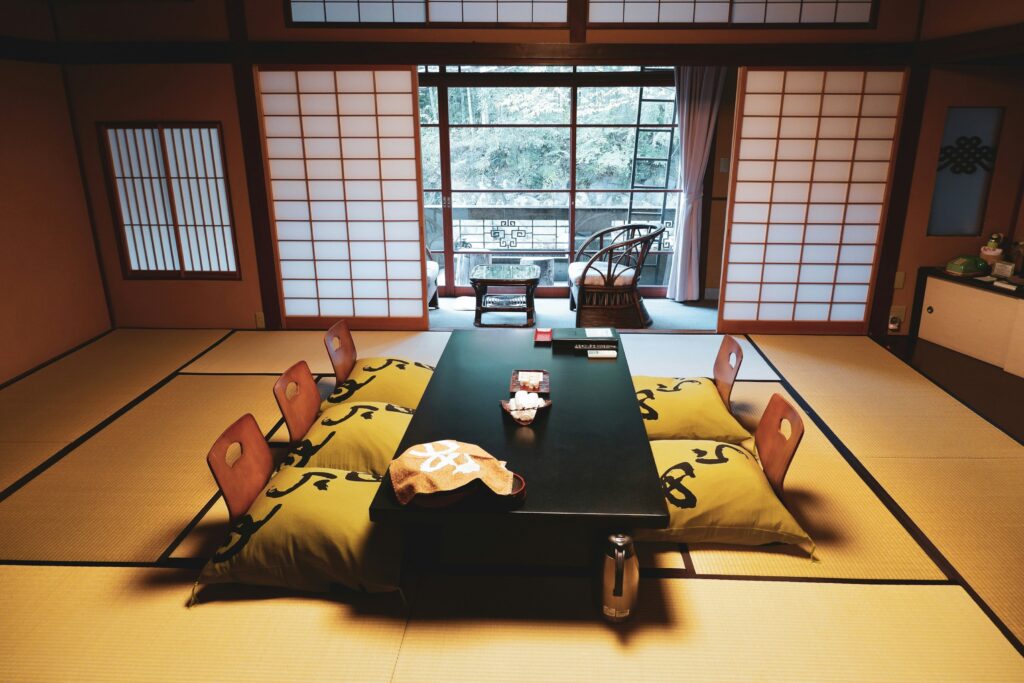
Tea arrived in Japan in the early 9th century when Japanese Buddhist monks Saichō and Kūkai, brought tea seeds and cultivation knowledge from China. The history of tea in Japan begins with this introduction, marking the point where tea begins its journey as a significant cultural element. He planted the seeds at Enryaku-ji temple, where tea was mainly used by monks to stay alert during meditation. At this stage, tea was primarily a medicinal beverage within religious circles and had not yet spread widely in Japanese society.
The limited early adoption was due to challenges in obtaining tea plants and the specialized knowledge needed for cultivation. As tea became more accessible, it became deeply embedded in Japanese culture, shaping both spiritual and social practices. This slow start helped tea develop deep spiritual significance in Japan, laying the foundation for its unique tea culture.
Eisai and the Second Introduction (1191 CE)
In 1191, monk Eisai returned from China with tea seeds and detailed knowledge of tea cultivation and preparation. He wrote “Kissa Yojoki,” the first Japanese tea text, highlighting tea’s health and spiritual benefits, and specifically emphasizing the health benefits of tea as a vital beverage. Eisai introduced powdered tea (matcha), which became the basis for the Japanese tea ceremony, emphasizing tea’s role in Zen meditation and spiritual clarity.
Eisai also shared tea with Japan’s aristocracy, helping establish its social prestige and cultural importance.
Development of the Japanese Tea Ceremony
The Japanese tea ceremony evolved from Buddhist rituals into a refined art form reflecting Japanese aesthetics and philosophy. Tea masters like Murata Shuko and Takeno Joo emphasized simplicity, harmony, and respect, shaping the ceremony’s procedures and atmosphere.
Sen no Rikyu (1522-1591) finalized the ceremony’s core principles—harmony, respect, purity, and tranquility—and created the intimate tea room, promoting equality among participants regardless of social status.
Uji: Japan’s Premier Tea Region
Myoe chose Uji near Kyoto for tea cultivation due to its ideal climate—mist, rich soil, clean water, and protection from wind. The region’s six imperial tea gardens, Uji Rokuen, supplied tea to the emperor and set high-quality standards.
Uji tea’s shading technique increased chlorophyll and reduced tannins, producing the sweet, umami-rich flavor prized in Japanese green tea. The region became a center for tea culture, influencing production and quality throughout Japan.
Tea Reaches the Western World
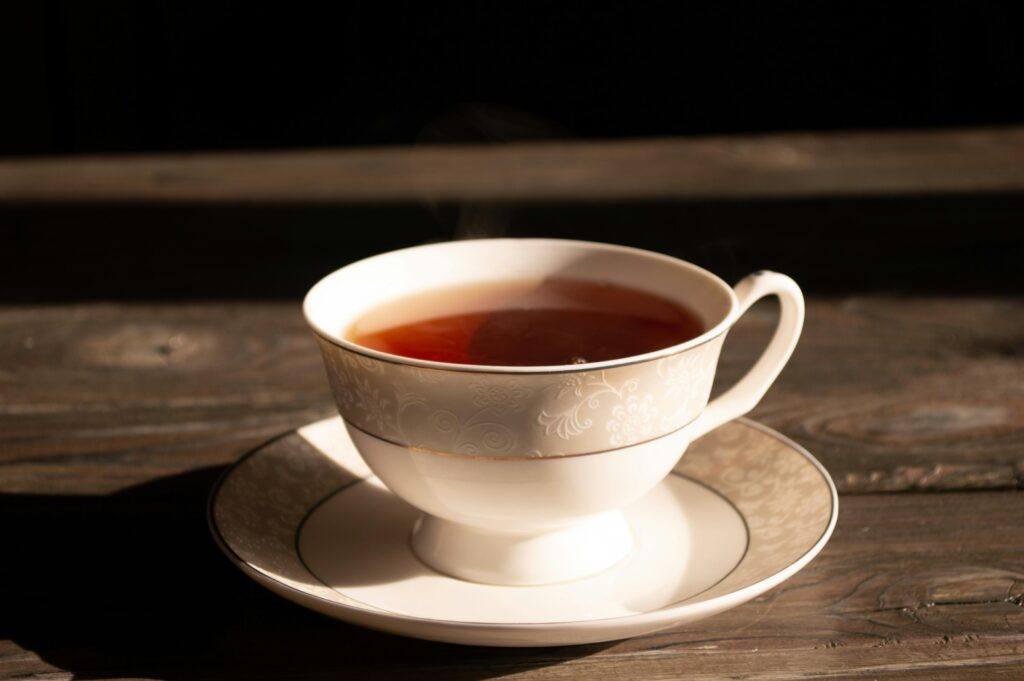
Tea’s journey to the West began centuries ago, with early mentions in 9th-century Arab trade documents describing a bitter green drink enjoyed in Chinese courts. Marco Polo’s 13th-century writings also mention tea, noting its role in Chinese daily life, though it took time for Europe to embrace this china drink. The Silk Road helped spread tea westward, with Russian traders among the first Europeans to regularly encounter it. Arab traders introduced tea and its preparation methods, sparking European curiosity. As tea spreads across continents, traders sought new markets to sell tea, fueling the commercial development of tea in the West.
Dutch East India Company and European Introduction
In the early 1600s, the Dutch East India Company started trading tea from China to Europe. The first shipments arrived in Amsterdam around 1610, but tea remained a costly luxury. Dutch traders worked to improve storage and transport to keep tea fresh during the long sea voyage.
Tea gradually gained popularity among European elites, despite limited knowledge of how to brew it properly. The Dutch success inspired other European nations to compete in the lucrative tea trade, shaping global commerce for centuries.
Britain’s Tea Obsession

Britain’s love for tea grew slowly, initially overshadowed by coffee. It soon became a fashionable drink among the upper class, admired for its exotic origins. The first English tea shop opened in 1657, serving mainly wealthy Londoners curious about this Chinese drink. Tea gradually appeared in coffee houses, helping its social adoption. Initially expensive, tea was mainly enjoyed by the upper class, with coffee houses and shops adding it to their menus over time.
Women helped popularize tea as a refined, domestic beverage for social visits. Over time, tea became a staple of English culture, symbolizing sophistication and social ritual.
Royal Influence and Social Transformation
Queen Catherine of Braganza’s marriage to King Charles II in 1662 boosted tea’s popularity. She introduced tea time as a fashionable court custom, making tea a symbol of status and elegance. This led to the rise of tea gardens, respectable venues for both men and women, and the tradition of afternoon tea with cakes and sandwiches.
Royal patronage also increased demand for fine porcelain and silverware, turning tea drinking into an elaborate social ritual and supporting the growing tea trade.
The British East India Company’s Tea Monopoly
By the early 1700s, the British East India Company controlled the tea trade, securing exclusive access to Chinese teas and dominating European markets. As part of their expansion, the Company established a tea factory in Macao, which played a key role in their tea trade and production. This monopoly generated huge profits that fueled British imperial expansion.
Despite challenges like smuggling and competition, the Company innovated in shipping and distribution to maintain control. The trade imbalance, caused by high European tea demand and low Chinese interest in European goods, contributed to the opium trade and related conflicts, showing tea’s wide-reaching political impact.
Breaking China’s Tea Monopoly
Britain’s growing dependence on Chinese tea created significant economic and strategic challenges. The massive outflow of silver to pay for Chinese tea, combined with China’s restrictive foreign trade policies, motivated British efforts to find alternative sources. Beyond economics, British leaders recognized the national security risks of relying solely on Chinese tea supplies, which could be disrupted during conflicts.
Overcoming these challenges required breaking China’s long-held monopoly on tea cultivation and processing, knowledge guarded for centuries. The British faced technical and agricultural hurdles in understanding tea growing and quality control, making the acquisition of tea plants and expertise essential for independent production. Key to success was mastering tea tree cultivation and managing harvest timing to ensure quality and meet demand in new tea-growing regions.
Indian Tea Regions and Their Development
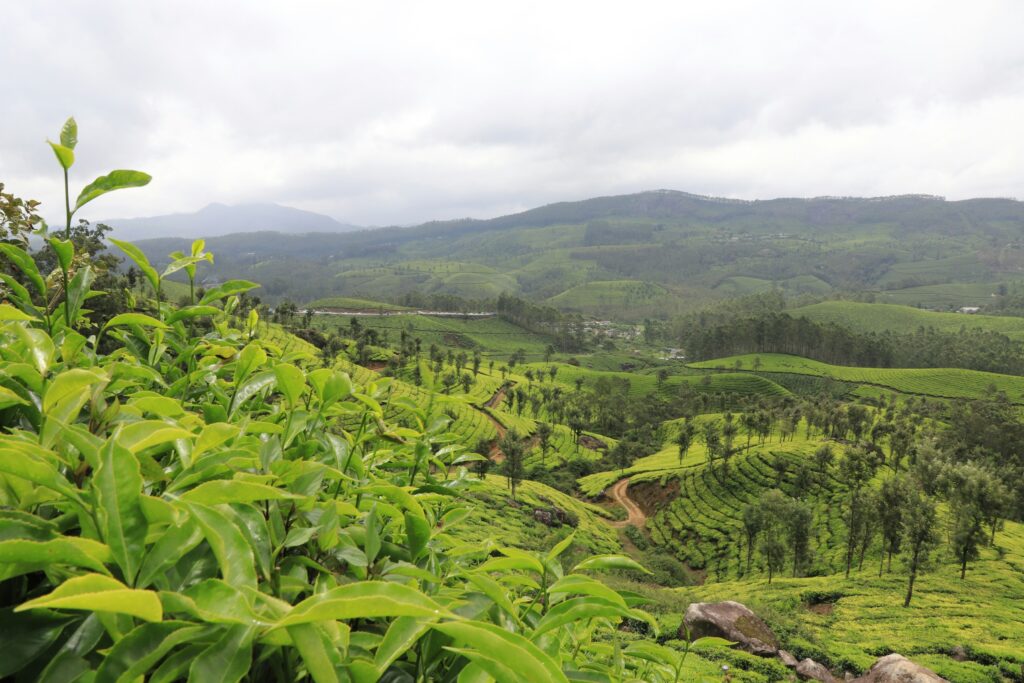
In the 1850s, India became a major tea producer under British rule, transforming the Himalayan foothills into thriving tea plantations. This development challenged China’s tea monopoly and introduced diverse tea varieties with unique regional flavors.
Assam Tea: The Start of Indian Tea
The Assam Tea Company, founded in 1839, launched commercial tea production in India. Assam’s climate and soil favored strong black teas popular in Britain. The region quickly grew, becoming a key global tea supplier by the 1870s.
Darjeeling: The “Champagne of Teas”
Darjeeling’s high-altitude climate produces delicate teas with floral and muscatel notes. British planters adapted Chinese techniques to develop its unique flavor. Known as the “Champagne of Teas,” Darjeeling commands premium prices and maintains traditional cultivation methods.
Tea in America: Revolution and Innovation

Tea came to the American colonies in the mid-1600s via Dutch traders. It became popular among wealthy colonists, especially women, who embraced tea as a symbol of culture and social life. Tea sales benefited British merchants and the government.
Tensions rose over British taxes, leading to the 1773 Boston Tea Party, where colonists protested by dumping tea into Boston Harbor. This event helped spark the American Revolution.
American Tea Innovations: The Iced Tea
In 1904, iced tea was invented at the St. Louis World’s Fair as a refreshing alternative on a hot day. Around the same time, the tea bag was accidentally created by New York merchant Thomas Sullivan, making tea easier to brew. These innovations shaped American tea culture and influenced tea drinking worldwide.
20th Century Transformations
The two World Wars disrupted the global tea trade with shipping restrictions, labor shortages, and resource shifts, reshaping tea production and consumption worldwide. These challenges forced adaptations that changed how tea was grown, processed, and distributed.
In the 20th century, innovations like tea blending and branded teas from companies such as Lipton and Tetley standardized flavors and built consumer loyalty. Mechanization improved production efficiency but sometimes affected traditional quality. The rise of tea bags and instant tea reflected changing preferences for convenience, making tea more accessible while altering traditional preparation rituals.
These developments marked a new era balancing modernization with heritage. Despite industrialization and evolving tastes, tea remains a globally cherished beverage, continually adapting while preserving its rich cultural legacy.
Modern Tea Culture and Global Appreciation

Tea is the world’s second-most consumed beverage after water, with global consumption nearing 6 billion kilograms annually. Black tea leads the market with about 75% of consumption, followed by green tea at 20%, and specialty varieties making up the rest. Since the 1990s, the specialty tea renaissance has boosted interest in artisanal quality, traditional processing, and cultural appreciation, fueling the growth of loose-leaf tea and specialty tea houses worldwide.
This modern tea culture blends ancient preparation methods with contemporary convenience. Educational programs and tea sommelier certifications have elevated tea appreciation, focusing on terroir, processing, and flavor complexity. Tea continues to evolve while maintaining its cultural significance, adapting to diverse consumer preferences and lifestyles as a cherished global beverage.
Conclusion: Celebrating Tea’s Timeless Journey at Tea Room by Ki-setsu
At Tea Room by Ki-setsu, we proudly celebrate the rich history of tea, positioned at the crossroads of East and West. By curating exceptional teas from historic regions like Bulang Mountain and Yiwu, we connect our guests to centuries of cultivation, craftsmanship, and cultural significance that continue to inspire tea lovers worldwide.
As tea culture evolves, we remain dedicated to preserving its timeless values while embracing modern trends in sustainability, ethical sourcing, and artisanal quality. Through education and cultural exchange, Tea Room by Ki-setsu fosters meaningful connections between tradition and innovation, inviting tea drinkers to savor not only the flavor but also the story behind each brew. Join us in celebrating tea’s extraordinary legacy—a living tradition that continues to evolve, enrich, and inspire across cultures and generations.