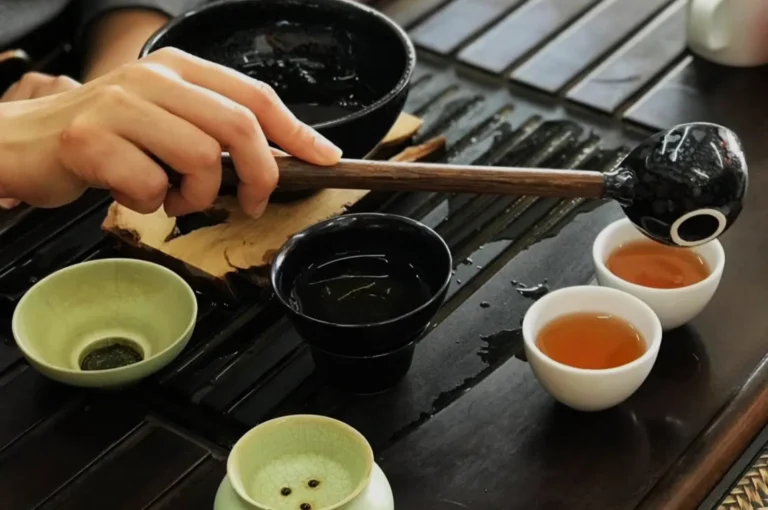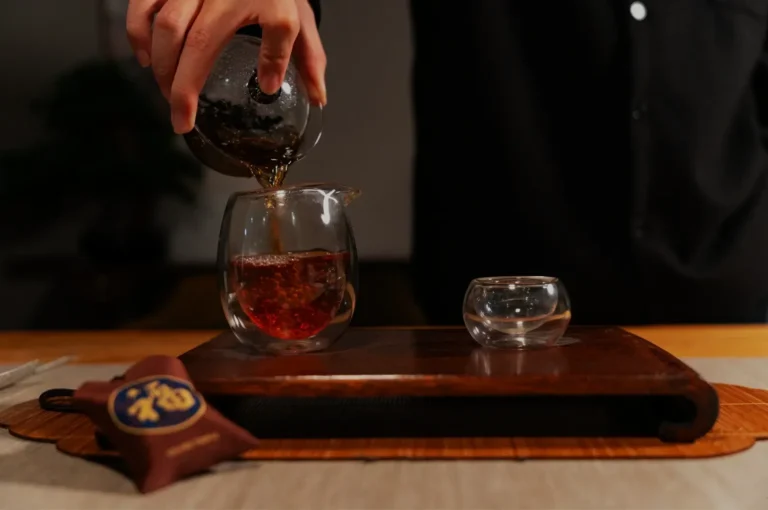
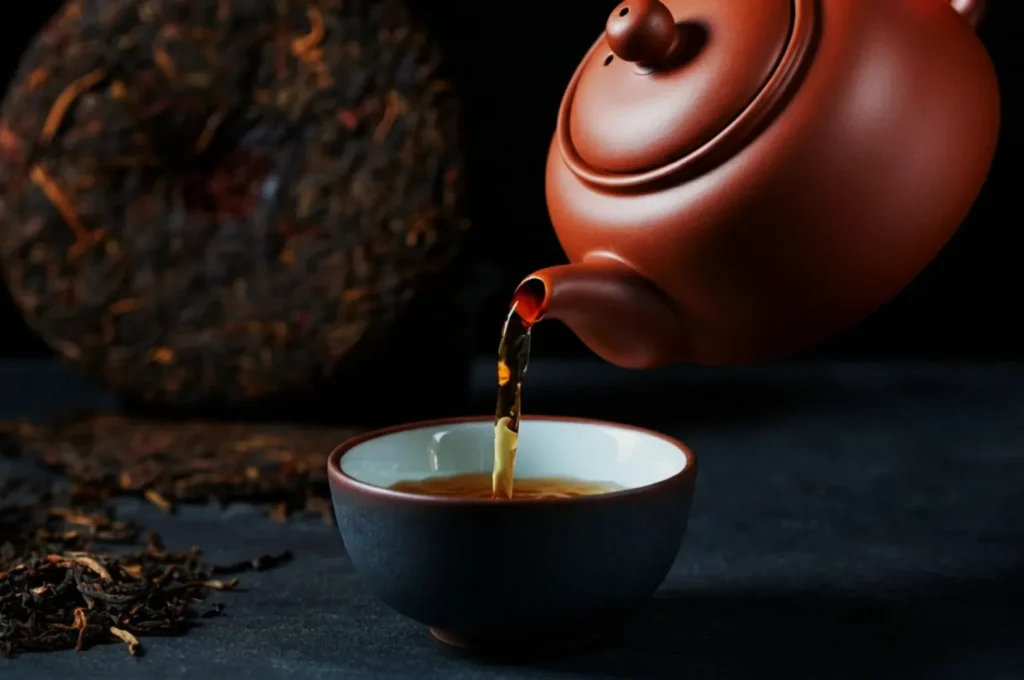
Picture a serene space where a small porcelain vessel rests on a bamboo tray. The kettle murmurs softly, and the delicate aroma of aged leaves begins to fill the room. Preparing tea in this traditional manner is not about complicated rules or rigid perfection. It is simply a gentle invitation to slow down and observe. Learning how to brew pu-erh tea in the gongfu style transforms a rushed beverage into a mindful, unhurried practice.
In this guide, we promise to share a clear method that brings calm confidence to your daily ritual. We will gently walk you through the essential tools, the proper leaf amount, the ideal temperatures, and the careful timing required for a beautiful session. By making small, mindful adjustments, you will soon discover the profound depth and comforting warmth hidden within these remarkable leaves.
Before You Brew: What Pu-erh Is (And Why Gongfu Suits It)
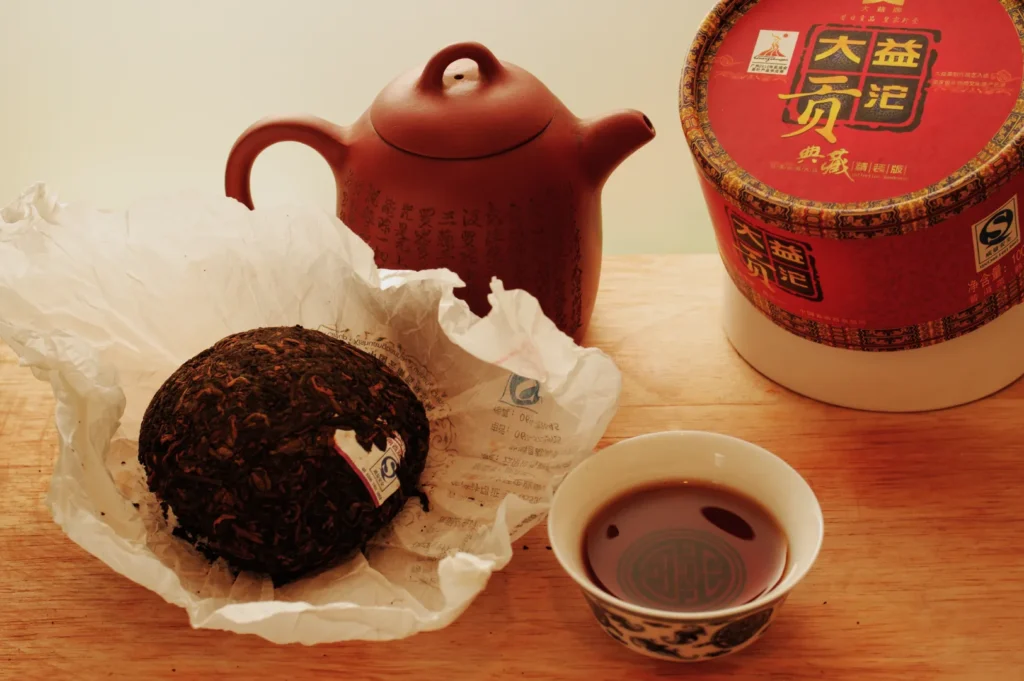
Before warming the kettle, it is helpful to understand the unique nature of the leaf you are about to prepare. Originating exclusively from the biodiverse mountains of Yunnan province, this remarkable tea is defined by its association with time and post-fermentation. To fully appreciate its depth, you must first grasp what is pu-erh tea at its core.
The category is broadly divided into two distinct styles. Raw pu-erh, known as Sheng, is naturally aged over decades, transitioning from bright and vibrant to complex and mellow. Ripe pu-erh, known as Shou, undergoes an accelerated fermentation process to quickly develop a dark, thick, and incredibly comforting profile. The gongfu method is perfectly suited for both styles. By using a high ratio of leaves to water and employing very short steep times, this technique coaxes out the subtle, evolving layers of flavour across many consecutive infusions.
What You Need: A Simple Gongfu Setup
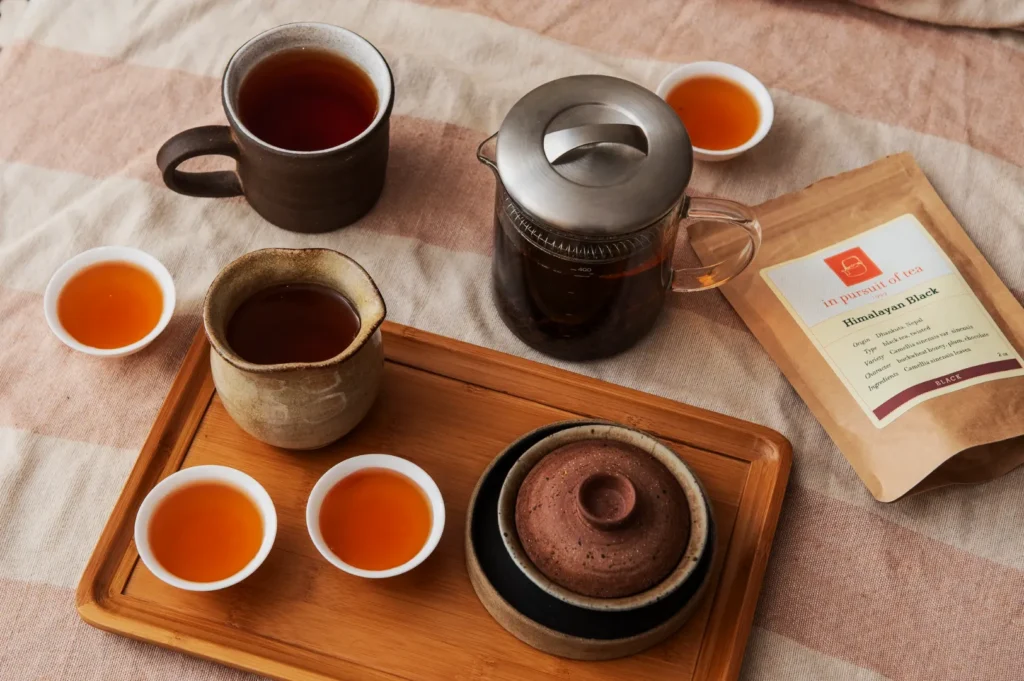
Creating a beautiful session does not require an overwhelming collection of expensive equipment. A simple, intentional setup is entirely sufficient. The most essential item is a small brewing vessel, ideally a porcelain gaiwan or a small clay teapot, which gives you precise control over the steeping time.
You will also need a fairness cup to decant the liquid into, ensuring an even flavour for every serving. Small tasting cups allow the liquid to cool quickly so you can savour the evolving notes. A gentle kettle and a simple timer help maintain consistency. An optional digital scale is wonderful for measuring leaves accurately, but a trusted teaspoon works beautifully once you learn to judge the volume by eye. If you lack a fairness cup, decanting directly into a slightly larger mug is a perfectly elegant alternative.
Choosing Leaf Amount And Water: A Calm Baseline
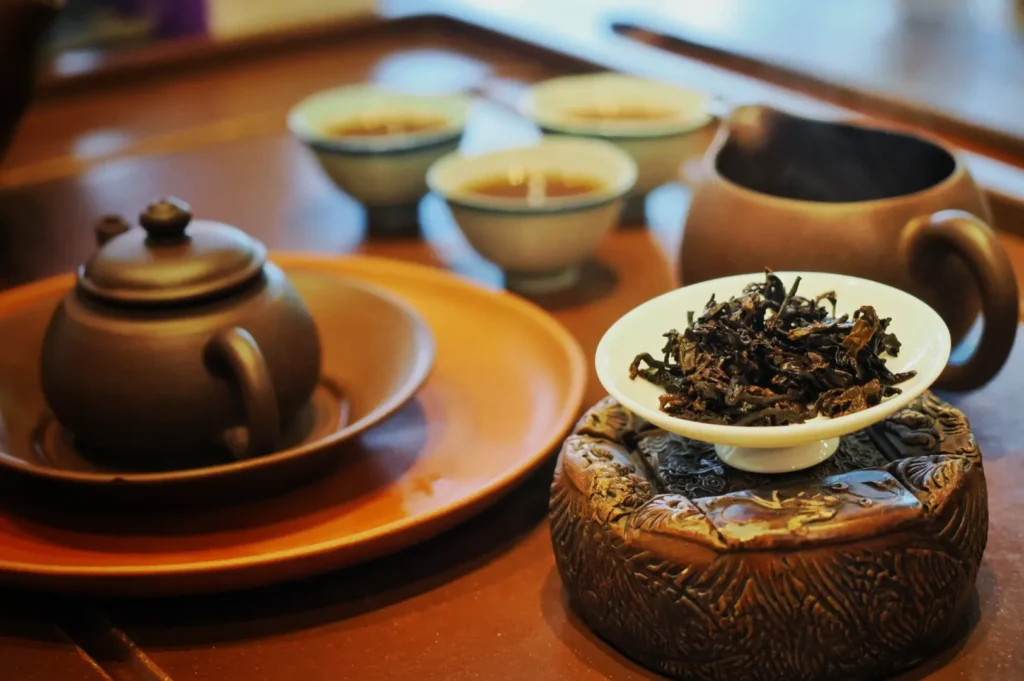
The foundation of any peaceful brewing session begins with the careful balance of leaf and water. We suggest a reliable baseline ratio of five grams of tea for every hundred millilitres of liquid. This proportion provides enough structure to reveal the tea’s complexity without becoming overwhelming.
If you prefer a lighter, more delicate cup, simply reduce the leaves to three or four grams. Conversely, adding an extra gram creates a richer, more robust texture. The quality of your water is equally vital to the final taste. In Singapore, the tap water is safe but often carries a slight mineral weight. Using softly filtered water allows the subtle, sweet botanical notes of the tea to shine brightly without interference. This small adjustment ensures your liquor remains brilliantly clear and deeply refreshing.
Pu-erh Tea Brewing Temperature: How Hot Should The Water Be?
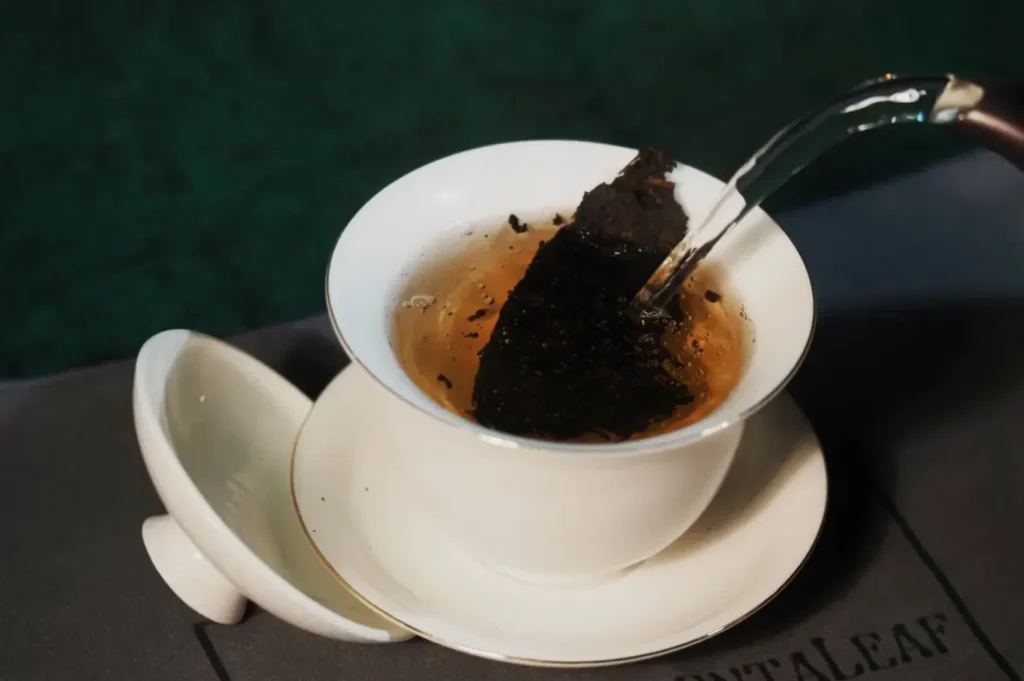
Finding the correct pu-erh tea brewing temperature is an exercise in gentle observation. Because the leaves are often densely compressed and carefully aged, they require substantial heat to awaken fully. However, the precise temperature depends entirely on the style you have chosen.
For a vibrant raw pu-erh, we recommend keeping the water between ninety and ninety-five degrees Celsius. This range is hot enough to coax out the high floral aromas without extracting harsh astringency. For a mature, dark ripe pu-erh, you may comfortably push the temperature to a full boil, around ninety-five to one hundred degrees. The intense heat penetrates the thick, compressed leaves, melting away any residual storage notes and drawing out a deeply sweet, earthy depth. Keeping these practical, non-technical ranges in mind ensures a smooth, satisfying session.
Step-By-Step: Gongfu Pu-erh Brewing (Main Method)
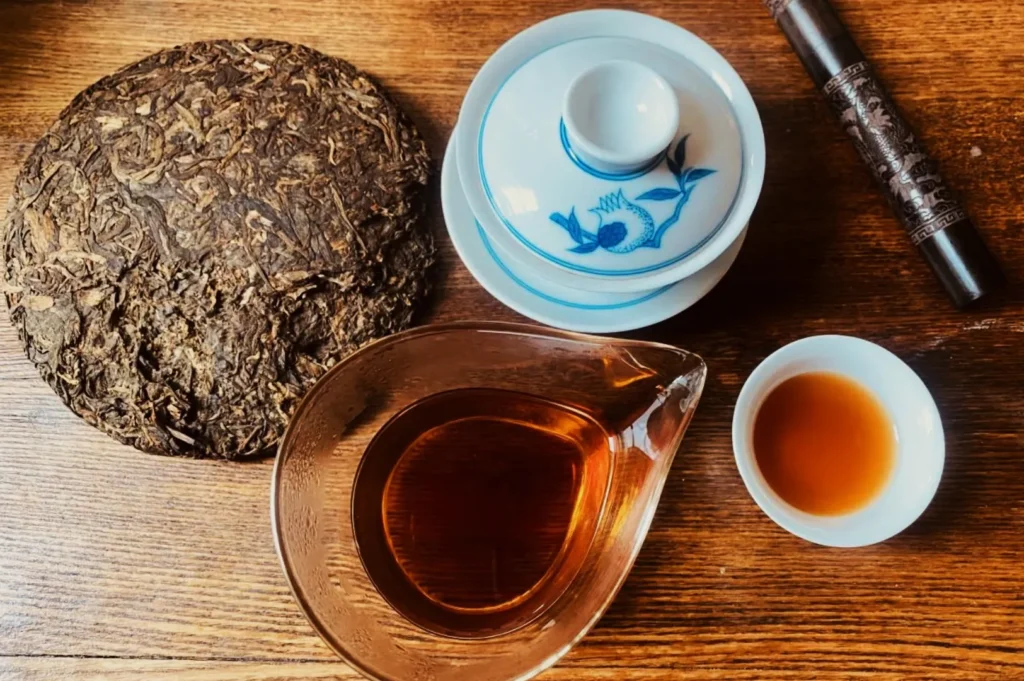
Warm The Vessel
Begin your ritual by pouring freshly boiled water into your empty gaiwan or teapot, and then into your fairness cup and tasting cups. This vital step raises the temperature of the porcelain or clay. A warmed vessel prevents the brewing water from cooling too rapidly when it touches the leaves, ensuring a consistent and careful extraction.
Weigh And Loosen The Leaf
Gently measure your chosen leaves and place them into the warmed vessel. Take a quiet moment to bring the vessel near your face and inhale. The residual heat will gently awaken the dry leaves, releasing a beautiful, preview aroma that hints at the flavours to come.
Rinse With Intention (And When To Skip It)
Pour hot water over the leaves, letting them bathe for just three to five seconds, then pour the liquid away. This mindful rinse serves to wash away fine dust and begins opening tightly compressed leaves. While we always rinse aged or compressed teas, you might choose to skip this step if you are brewing very young, loose-leaf raw pu-erh that requires a more delicate touch.
First Infusion: Set The Pace
With the leaves now awakened, pour your heated water in a steady, circular motion. For your very first proper infusion, allow the tea to steep for just ten to fifteen seconds. Compressed cakes may need a slightly gentler, longer first steep to fully expand. Decant the liquid entirely into your fairness cup, ensuring no water remains to over-extract the leaf.
Subsequent Infusions: Extend With Ease
As you move into the heart of your session, the leaves will have fully opened. For the second and third infusions, you may keep the steeping time quite short, often around ten seconds. As the flavour begins to naturally soften in the later rounds, gradually extend your steeping time by five to ten seconds per pour to maintain a steady, comforting richness.
When To Stop
A beautiful session of gongfu pu-erh brewing can easily yield eight to twelve infusions. You will know it is time to stop when the liquid becomes very light in colour and the returning sweetness fades into a faint whisper. Listen to your palate, and conclude the ritual when you feel deeply satisfied and calm.
Raw Vs Ripe: Two Small Adjustments That Change Everything
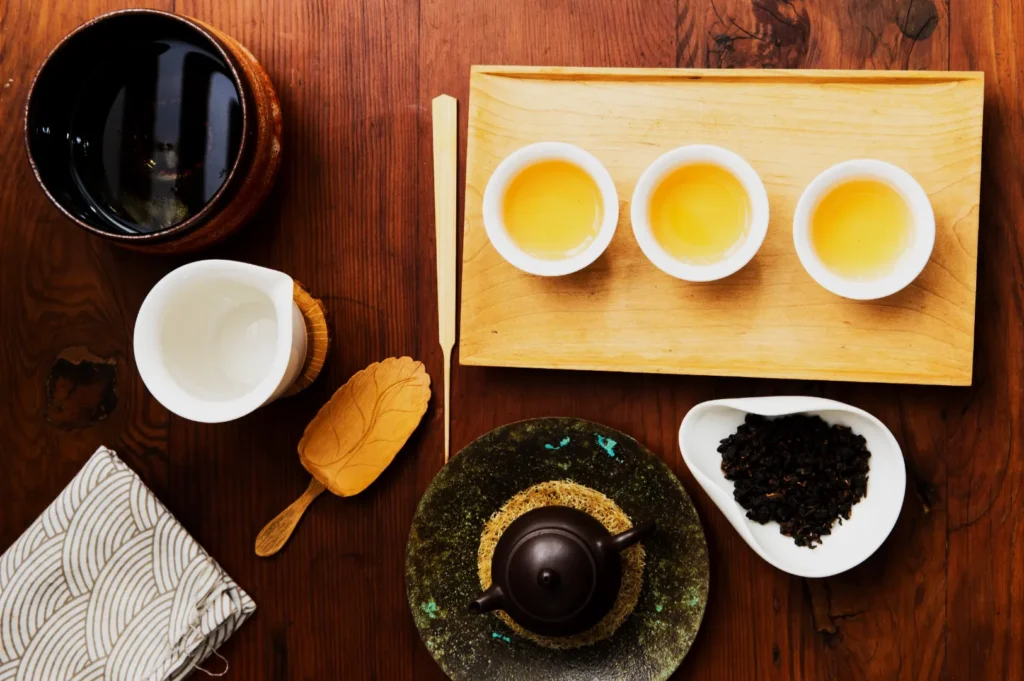
While the core steps remain consistent, mastering how to brew pu-erh tea beautifully requires slightly different handling for raw and ripe varieties. Raw pu-erh is lively, structural, and sometimes delightfully astringent. To coax out its brightest notes, use water that is just off the boil and keep your initial steeps remarkably brief. Your sensory goal here is crisp clarity and a lingering, cooling finish.
Ripe pu-erh, conversely, thrives on heat and patience. You may confidently use fully boiling water to extract its signature thick, comforting body. The dark leaves are forgiving, meaning a slightly longer steep will rarely result in bitterness. Your goal with this style is to produce a smooth, warming liquor that feels deeply grounding and settles peacefully in the stomach.
How To Brew A Pu-erh Tea Cake Without Breaking The Leaf
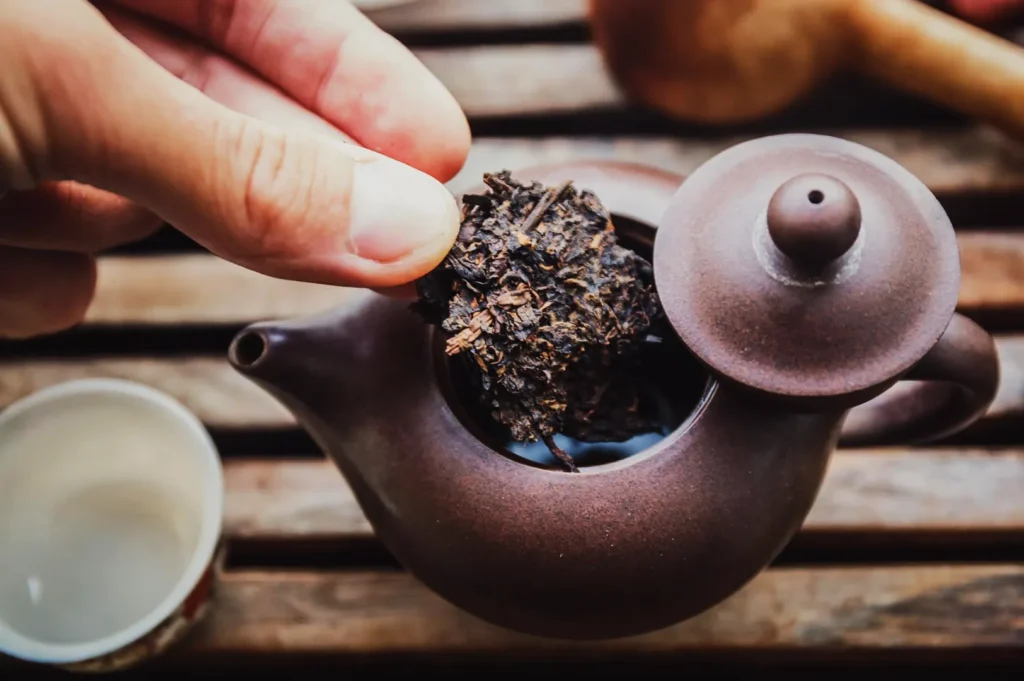
Many traditional teas are pressed into beautiful, dense cakes for careful ageing. Preparing them requires a gentle touch to preserve the integrity of the leaf. To pry the tea apart, place the cake on a clean tray. Insert a specialized tea pick or a dull knife horizontally into the side of the cake, wiggling it softly to encourage the layers to separate naturally.
Never force or snap the leaves, as broken pieces release bitter compounds very quickly during steeping. Because of the natural humidity in Singapore, compressed teas may sometimes absorb subtle, heavy aromas from the air. A careful initial rinse and breathing time will easily clear away these storage notes, leaving only a pure, sweet fragrance.
Brew With Clarity, Then Let The Leaf Speak
Mastering the art of how to brew pu-erh tea is a journey of quiet observation rather than rigid science. By setting a calm baseline, respecting the temperature, and listening closely to your senses, you will unlock the profound beauty held within these ancient leaves. The true magic happens when you trust the method enough to simply relax and let the tea speak for itself.
We warmly invite you to practice this gentle ritual and discover the deep comfort it brings. When you are ready to explore a carefully curated selection of remarkable leaves, we welcome you to join us at Tea Room by Ki-setsu, where every cup is an invitation to absolute presence.