White tea is famously forgiving, but true clarity in the cup comes from small, mindful adjustments. Learning how to brew white tea is simply about guiding the leaf to reveal its natural character without forcing it.
In this guide, we will explore two distinct approaches (the traditional gongfu method and the convenient western method), focusing deeply on the three core dials of temperature, time, and ratio. We brew exactly this way in our private sessions at Tea Room by Ki-setsu, honouring the quiet artistry of the leaves and the farmers who carefully prepared them.
For the full guide, read White Tea: The Ultimate Guide to the Most Delicate Tea With Exceptional Health Benefits.
Please note that caffeine sensitivity varies significantly from person to person, and the information shared in this guide is not intended as medical advice.
Understanding White Tea Brewing
White tea is crafted with beautiful restraint. It relies entirely on natural withering and gentle drying, featuring minimal handling by the tea maker. Because the leaves are not heavily bruised, rolled, or fired at high heat, their cellular structure remains largely intact and pristine.
This gentle processing means white tea can handle a wider temperature range than many people assume.
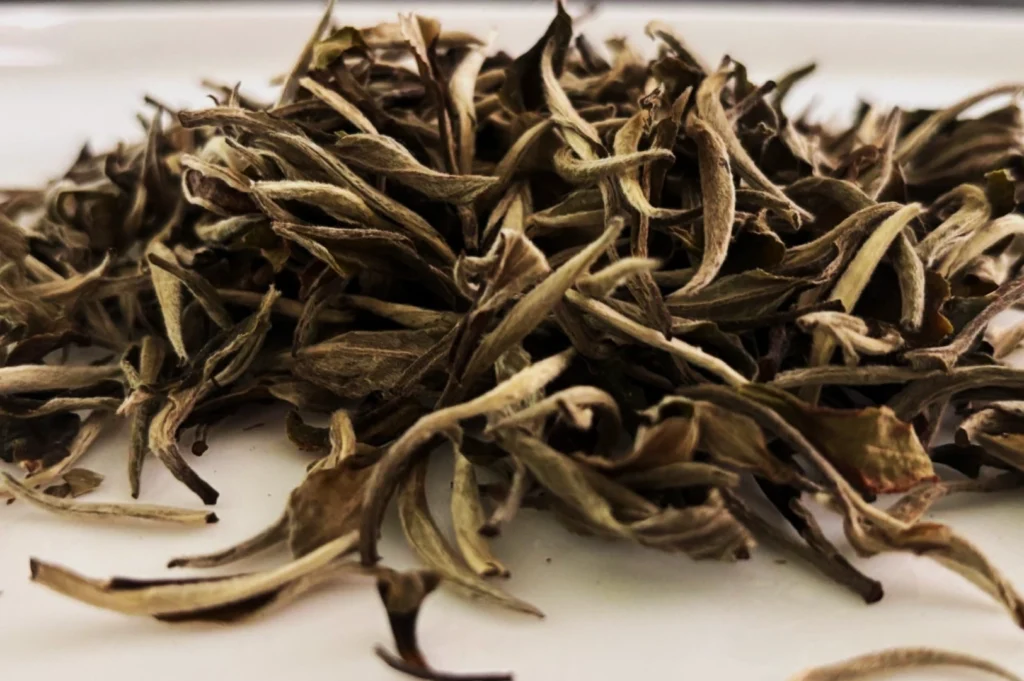
The physical makeup of the leaf dictates how it behaves in water. Plump spring buds release their flavours slowly due to their thick, protective fuzz, carrying a slightly higher risk of bitterness if they are over-steeped. Broader, mature leaves yield their warmth more readily and are generally much more forgiving.
Age also changes the leaf. Fresh white tea is bright and highly aromatic, responding well to moderate temperatures. Aged white tea becomes denser, darker, and sweeter over time, often requiring hotter water to fully awaken its deep, honeyed core.
The Three Dials: Ratio, Temperature, Time (Actionable)
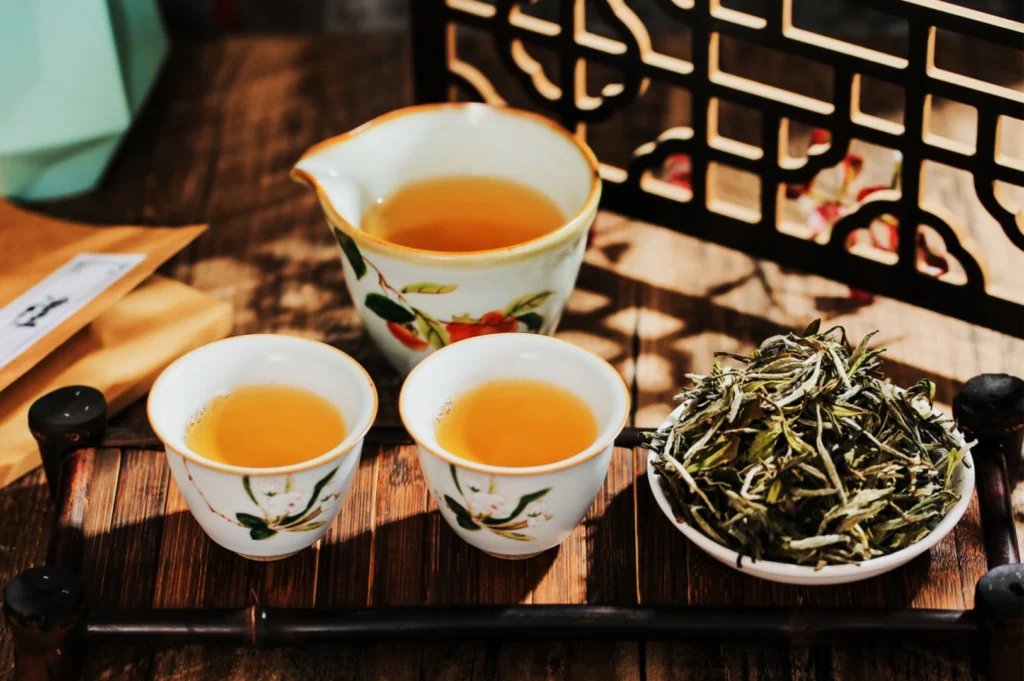
Leaf-To-Water Ratio (Strength Vs Clarity)
The leaf to water ratio determines the foundational texture and intensity of your cup.
A light ratio highlights delicate floral clarity and airy sweetness. A standard ratio provides a balanced, satisfying everyday cup. A strong ratio builds a thick, syrupy texture that coats the palate. Gongfu white tea uses significantly more leaf per millilitre so that you can achieve a rich, concentrated flavour in a very short amount of time, capturing the volatile aromas before they fade.
Water Temperature (Lift Vs Depth)
The white tea brewing temperature acts as your primary extraction tool. Cooler water protects the fragile, lifted floral notes and keeps the liquor incredibly smooth. Warmer water penetrates the leaf more thoroughly to unlock deeper, honeyed depth and a heavier body.
A practical range is 80 to 95°C, depending heavily on the specific leaf style and your personal sensory preference.
Steep Time (Control Vs Convenience)
Your white tea steep time balances the ritual with your daily routine. Short steeps offer precise control over the evolving aromatics, allowing you to experience the tea changing across multiple rounds. Long steeps provide wonderful convenience for a single, comforting cup, though they carry a higher risk of over-extraction if the water is too hot.
Choosing The Right Tea For The Method (By Leaf Style)
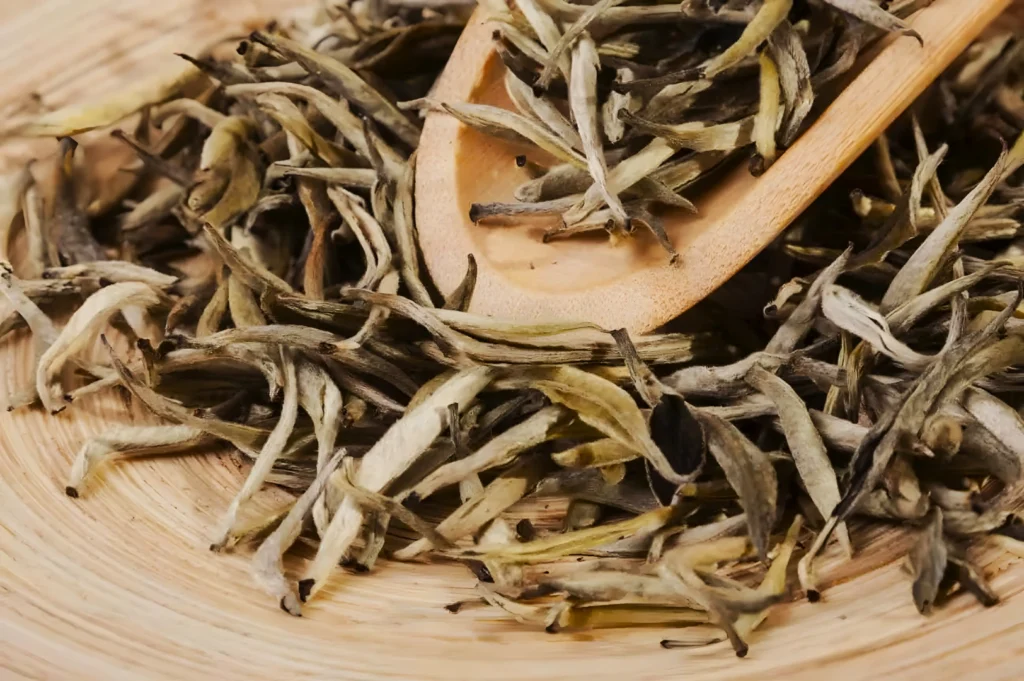
Silver Needle (Baihao Yinzhen) is composed entirely of tender, unopened spring buds. It possesses exceptionally delicate aromatics and benefits greatly from careful, mindful parameters in a focused gongfu setting.
White Peony (Bai Mudan) includes a natural mix of buds and newly unfurled leaves. It is wonderfully balanced and usually the easiest style for most people to brew successfully in either a gaiwan or a larger western teapot.
Shou Mei consists of mature, broad autumn leaves. It is exceptionally forgiving, handles hotter water beautifully without turning bitter, and is a brilliant choice for a deeper, more robust daily cup.
Aged white tea holds tightly bound sugars that have transformed over years of careful storage. This specific style truly shines when given longer steeps and high heat.
Gongfu Method (Step-By-Step)
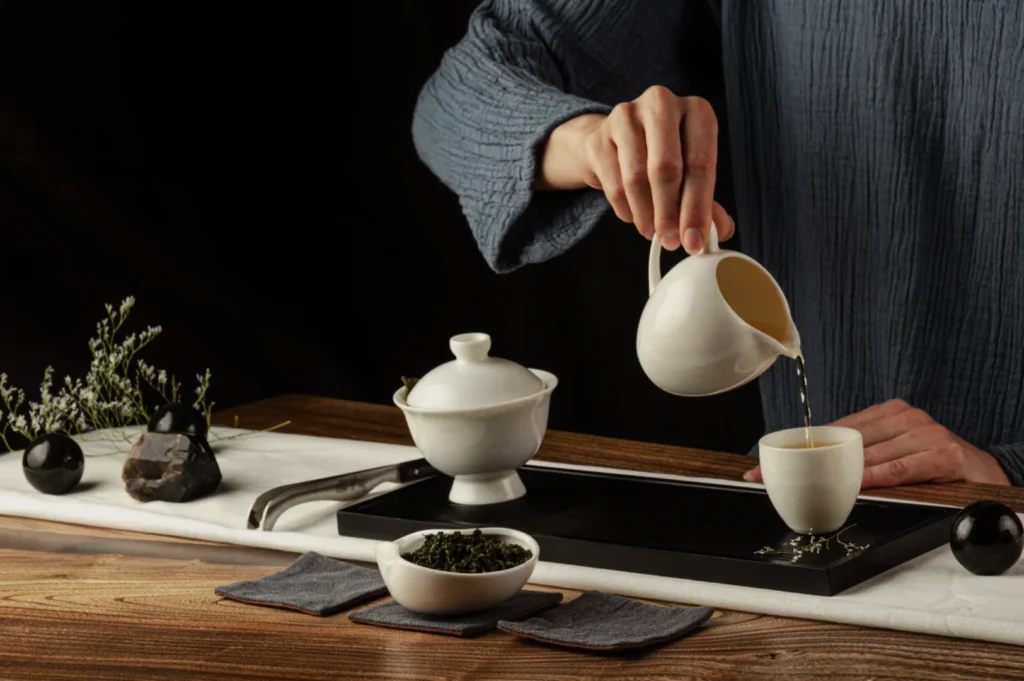
Best for: tasting subtle nuance, enjoying multiple short infusions, and practising a calm daily ritual.
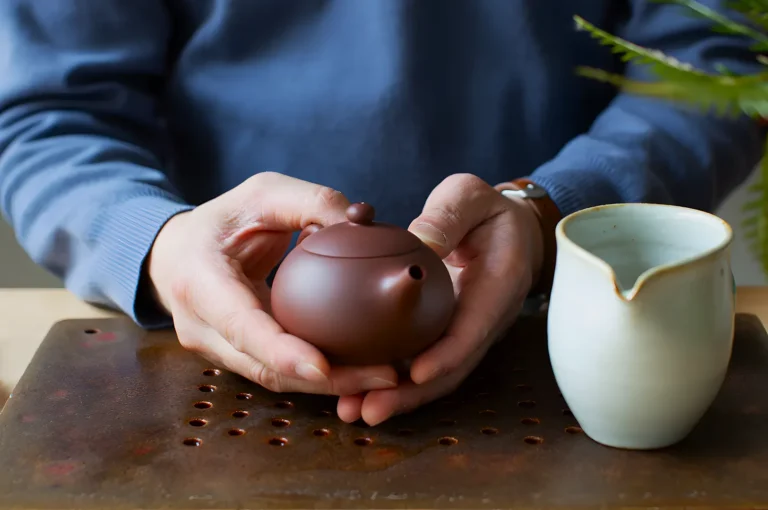
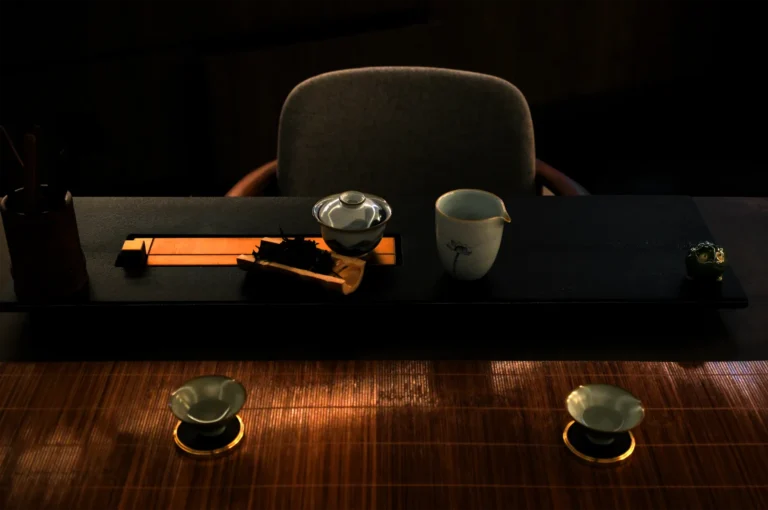
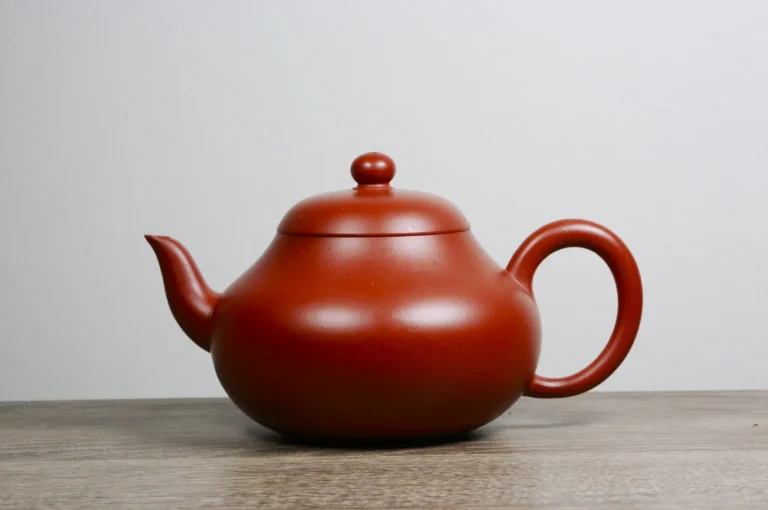
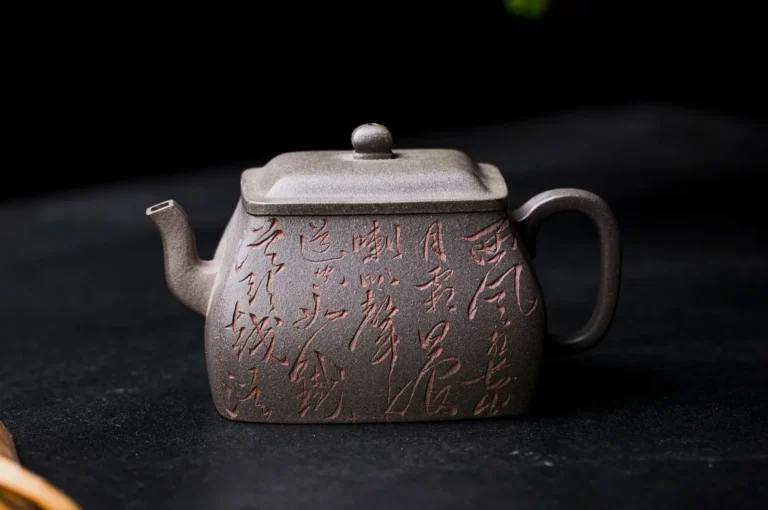
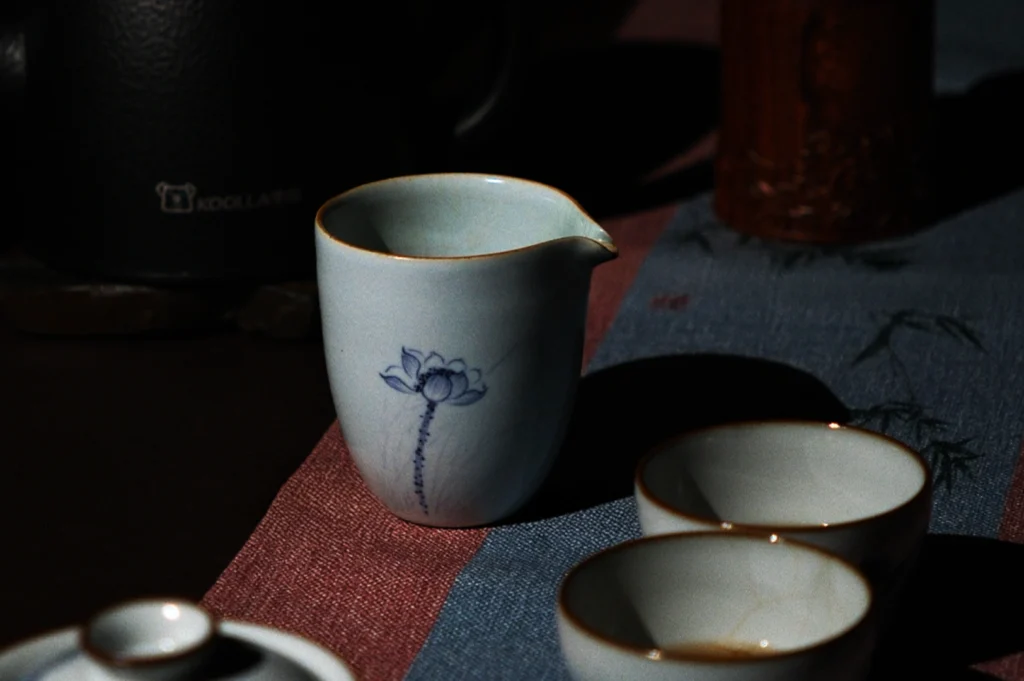
Equipment: a porcelain gaiwan or small clay teapot, a fairness cup (gongdao bei), small tasting cups, and a temperature-variable kettle.
Baseline parameters (starting point):
- Leaf: 4 to 6 g per 100 ml
- Water: 85 to 95°C (start lower for bud-heavy teas)
- Steeps: 10 to 20 sec to start, add 5 to 10 sec each round
- Infusions: 6 to 10 depending on the specific tea
Method steps:
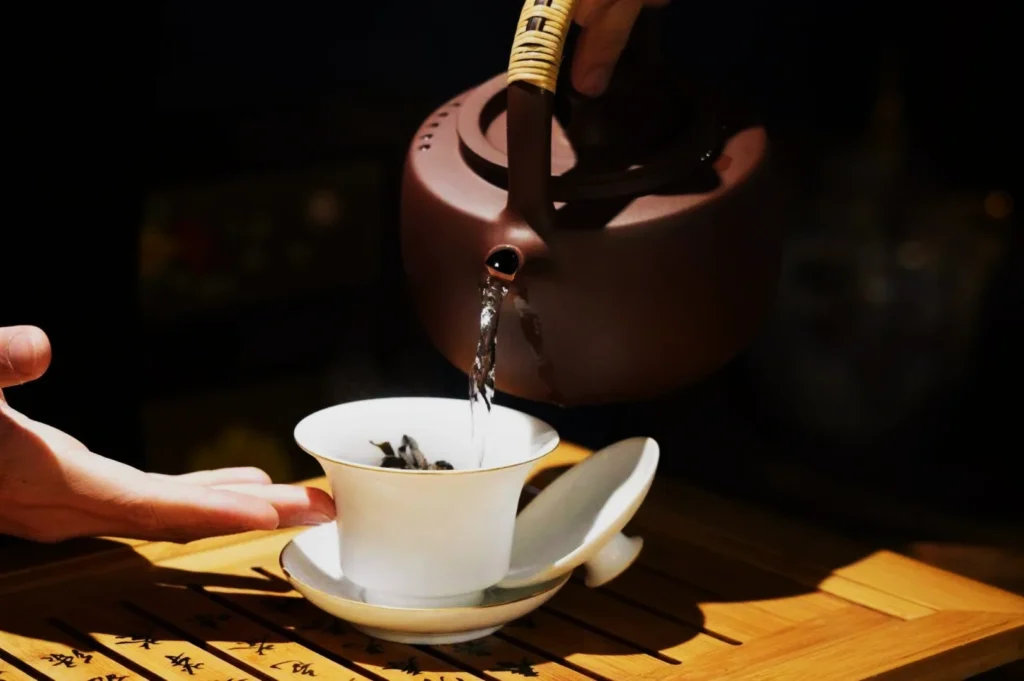
<>First, warm your vessel with hot water and discard the liquid. Add your dry leaf to the warm, empty gaiwan to gently awaken the aroma. An optional quick rinse (pouring hot water over the leaves and immediately discarding it) can help open tightly compressed aged teas, but it is rarely needed for fresh, loose leaves. Pour your heated water directly over the leaves, wait the designated time, and pour the liquor fully into your fairness cup.
How to adjust on the fly:
<>If the tea is too light, extend the next steep by ten seconds. If it feels too sharp or drying on the tongue, lower the water temperature and pour your next round slightly faster. If the aroma feels flat, try increasing the temperature slightly to coax out the heavier oils.
Western Method (Step-By-Step)
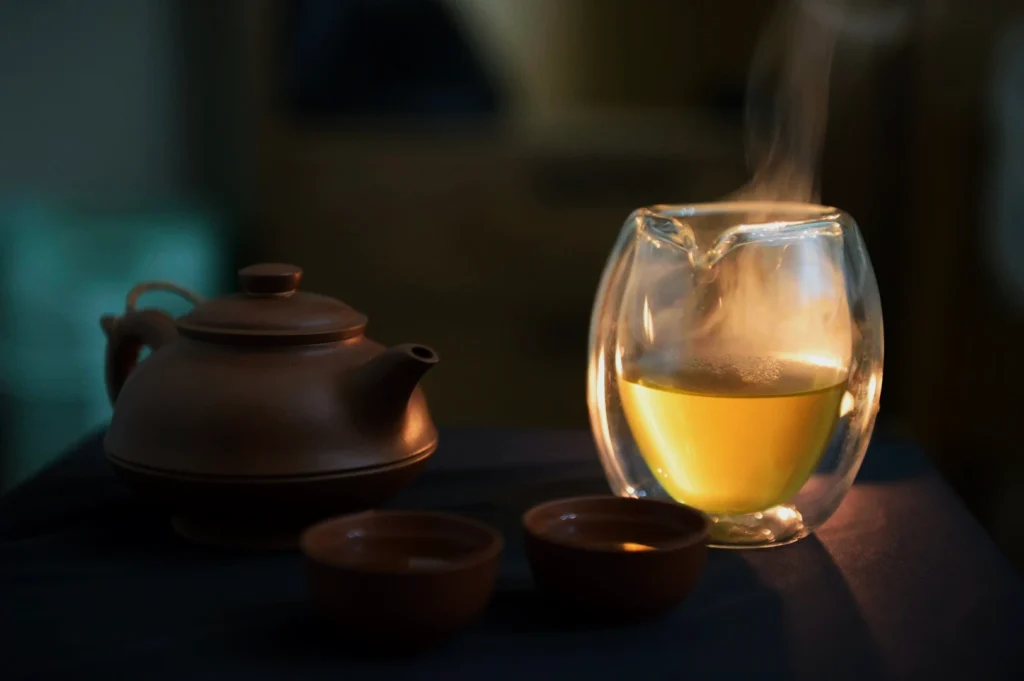
Best for: simple convenience, larger single servings, and enjoying a consistent cup while working, reading, or hosting guests.
Equipment: a spacious glass or ceramic teapot, a fine mesh infuser basket, and a timer.
Baseline parameters (starting point):
- Leaf: 2 to 3 g per 250 ml
- Water: 85 to 95°C
- Time: 2.5 to 4 minutes
- Re-steep: 1 to 2 times, adding extra time
Method steps:
Pre-warm your teapot with hot water to ensure a perfectly stable brewing environment. Discard the warming water, add your leaves and heated water, set your timer, and let the tea infuse quietly. Always remove the leaves or pour every drop out of the pot to stop the brewing process completely. Taste the liquor, savour the finish, and adjust your next session accordingly.
Style notes:
Go cooler (closer to 85°C) to protect the subtle melon and cucumber notes of a pure Silver Needle. Go hotter (closer to 95°C) to bring out the baked autumn warmth and woody depth of a broad-leaf Shou Mei.
Brewing by Leaf Style
Silver Needle (Baihao Yinzhen)
- Gongfu: 5 grams per 100 ml, 85°C water, 15 second initial steep.
- Western: 2 grams per 250 ml, 85°C water, 3 minute steep.
White Peony (Bai Mudan)
- Gongfu: 5 grams per 100 ml, 90°C water, 10 second initial steep.
- Western: 3 grams per 250 ml, 90°C water, 2.5 minute steep.
Shou Mei
- Gongfu: 6 grams per 100 ml, 95°C water, 10 second initial steep.
- Western: 3 grams per 250 ml, 95°C water, 3 minute steep.
Water Quality And Kettle Notes
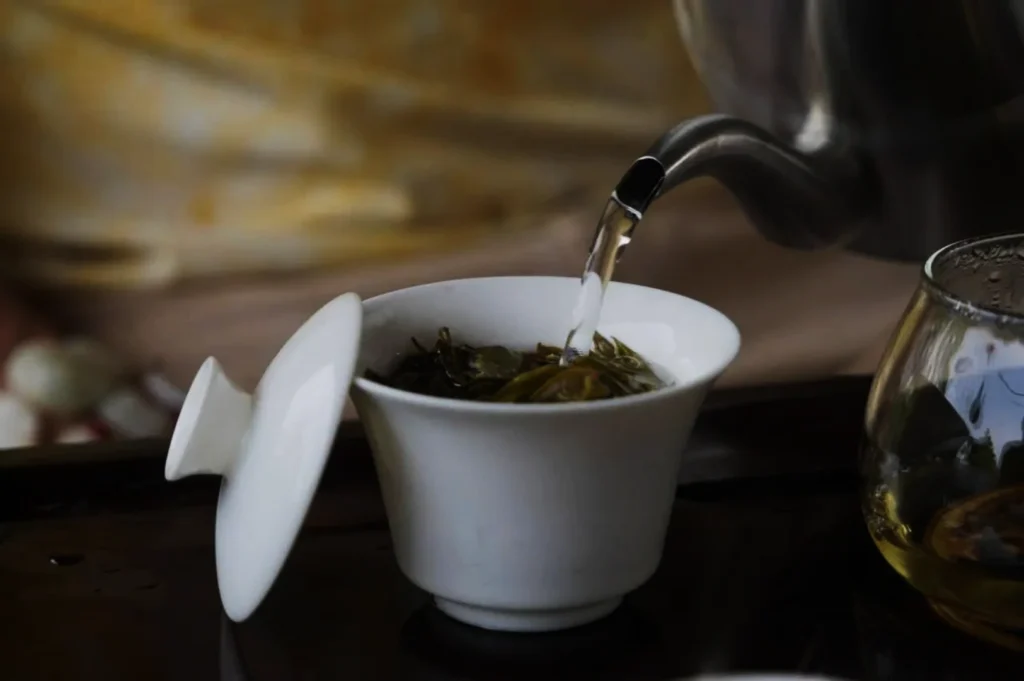
We strongly suggest using filtered or soft spring water whenever possible. Avoid tap water with strong chlorine, as the chemical scent will completely mask the delicate floral aromatics of your tea.
Hard water, which is rich in heavy minerals, can easily mute the aroma and add a dull, chalky texture to your cup. The water you choose is just as important as the leaf itself.
A brief note on re-boiled water: while some traditionalists advise against it, keeping your kettle warm and accessible is far more practical for an unhurried, relaxing session. Simply ensure your starting water is fresh, clean, and ideally filtered.
Common Mistakes (And How To Fix Them)
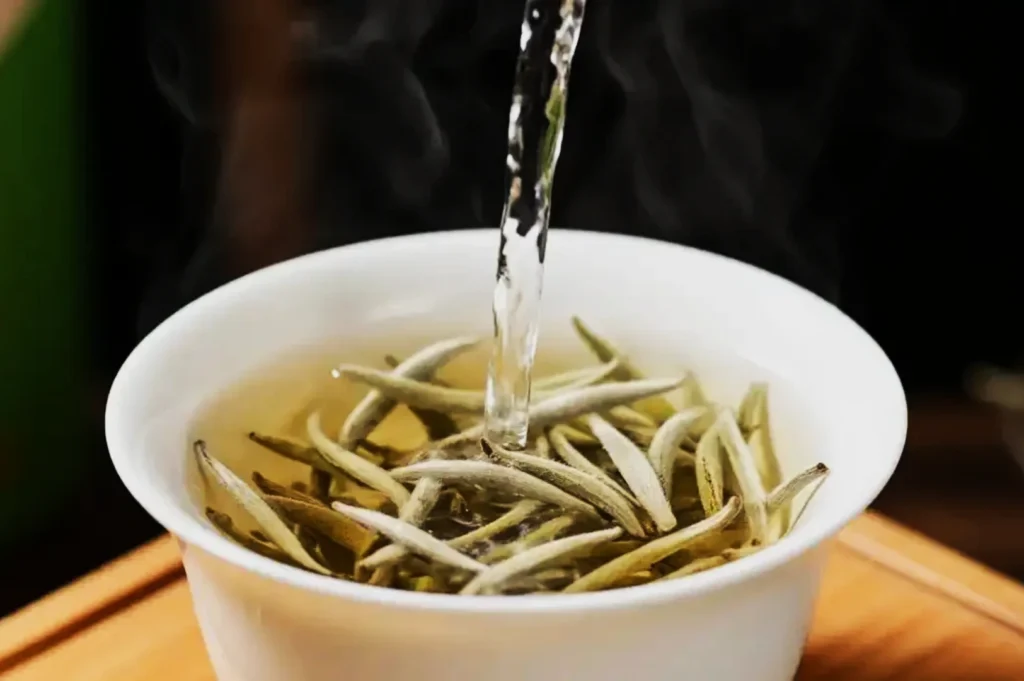
- Using too little leaf and expecting intensity is a very common hurdle. White tea is famously fluffy and voluminous. Measuring your tea by weight rather than relying on a spoon ensures you actually have enough leaf material to create a vibrant, flavourful cup.
- Over-steeping bud-heavy teas can also cause issues. Spring buds hold highly concentrated natural compounds that can turn unexpectedly sharp or astringent if they are left sitting in hot water for too long.
- Brewing too cool and calling it “weak tea” happens frequently. While cooler water is perfectly safe and yields a silky texture, it might not extract the deeper sugars. Do not be afraid to slowly increase the heat to find the sweet spot.
- Not pouring out fully in gongfu will ruin your session. If a small pool of water remains at the bottom of the gaiwan, the leaves will keep brewing, rendering your next infusion unpleasantly bitter.
- Scent contamination is the silent enemy of delicate tea<>. Always ensure your teaware is entirely free from scented dish detergent, strong perfumes, or lingering kitchen spices before you begin.
Understanding White Tea Brewing
To learn how to brew white tea is to understand that small adjustments carry meaning. Temperature, time, and ratio are not rigid rules, but gentle tools.
When these elements are balanced, the tea no longer needs guidance. It reveals itself, calmly and completely.
If you find yourself drawn deeper into this practice, begin with a single tea and return to it often. Over time, familiarity becomes understanding, and understanding becomes instinct.
At Tea Room by Ki-setsu, this is where the practice truly begins.