The term “white tea” describes a remarkably gentle approach to processing a leaf, but the name alone is not a guarantee of quality in your cup. Learning how to choose white tea is an exercise in finding quiet clarity amidst an often crowded market, rather than chasing marketing hype.
In this guide, we will help you decode common white tea labels, explain what the various grades truly mean, and highlight the subtle red flags to avoid. By the end, you will have a simple decision framework to select a tea that beautifully suits your palate and your daily rituals. For deeper context, explore our guide to white tea benefits.
White Tea Basics (So the Labels Make Sense)
To navigate the market confidently, it helps to understand how the tea is crafted. White tea relies on the most minimal processing of all categories, requiring only careful withering and gentle drying in the sun or indoors.
Because the hand of the maker is so exceptionally light, the raw leaf material dictates almost everything about the final experience. A bud-heavy harvest will command a higher price and require delicate brewing, while a leaf-forward pluck offers a more robust, forgiving cup.
Additionally, white tea has the unique ability to age gracefully. Fresh white tea is prized for its crisp, floral vibrancy and airy lift. In contrast, properly stored aged white tea darkens over the years, developing profound notes of honey, dried fruit, and warm herbs. Clean storage is absolutely paramount to ensure the leaf evolves beautifully rather than turning flat or sour.
Understanding White Tea Types (What You Are Actually Buying)
The name on the pouch tells you exactly what part of the plant you are purchasing.
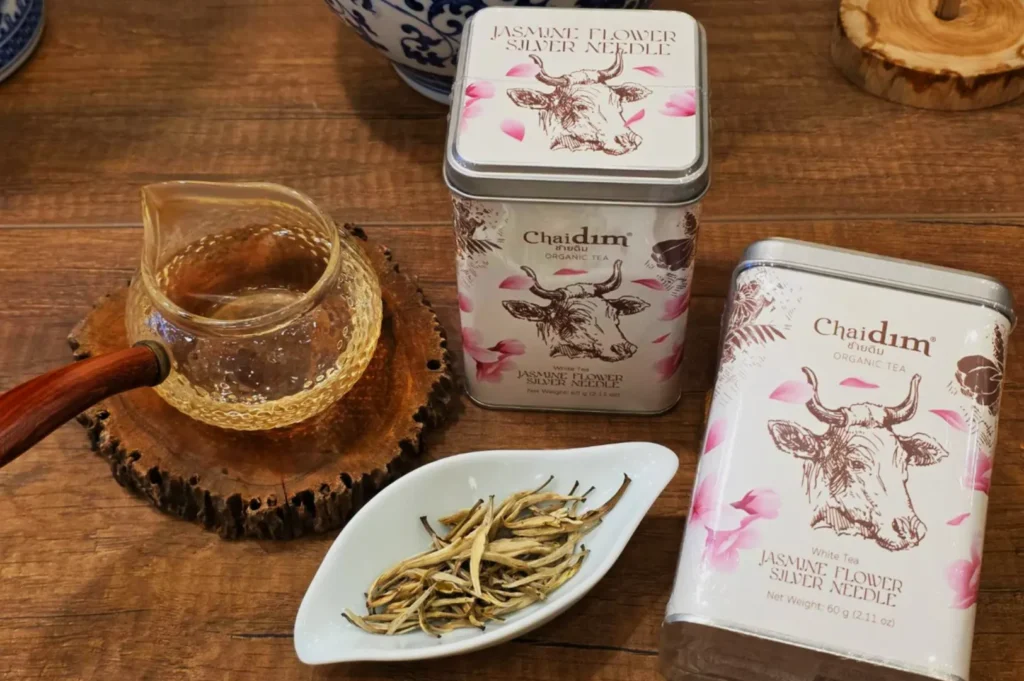
This is the most revered style, crafted entirely from plump, unopened spring buds. It offers exceptionally delicate aromatics, a fine nectar-like sweetness, and a silky texture. Because plucking pure buds is incredibly labour-intensive, it naturally carries a higher cost.
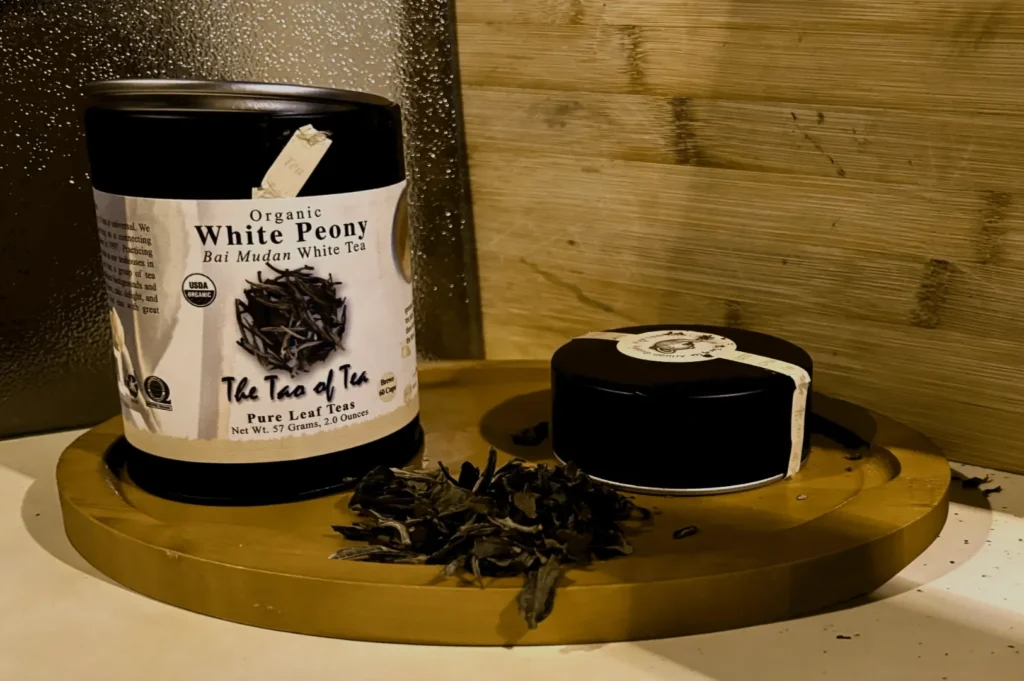
This style incorporates both the silver bud and one or two young leaves. It strikes a beautiful, elegant harmony between the lifted florals of the bud and the warmer depth of the leaf. It is perfectly balanced and serves as the best starting point for many tea drinkers.
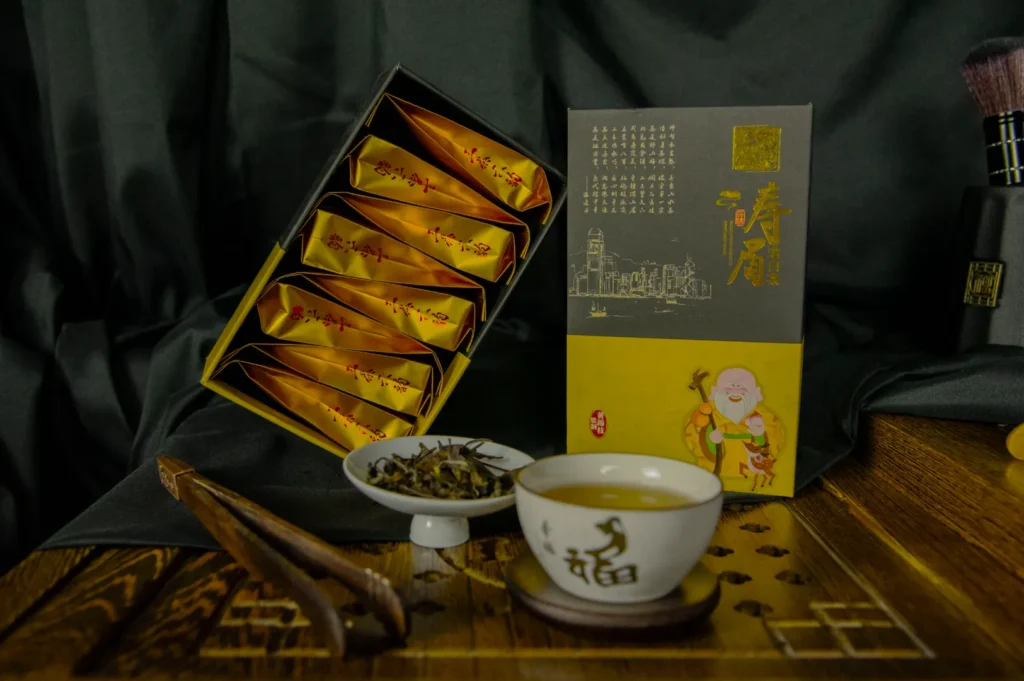
Crafted from larger, mature autumn leaves with very few buds, Shou Mei is wonderfully earthy, grounding, and comforting. It is often the best value option and is remarkably forgiving to brew, even with hotter water.
The simplest approach is to choose the type of tea that suits your palate first, and then judge the quality within that specific type.
How to Read a White Tea Label (A Calm Decoder)
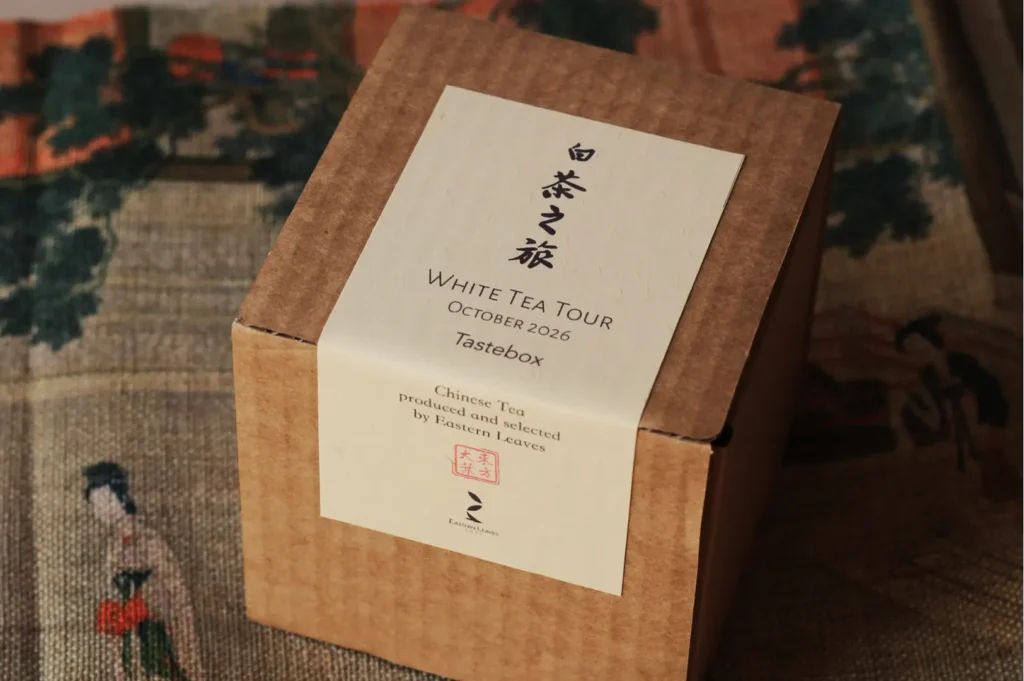
A well-written label offers a quiet roadmap to the tea inside. When evaluating white tea labels, we look for specific fields in order of importance:
- Type name: This confirms if you are holding Silver Needle, White Peony, or Shou Mei.
- Origin: Authentic teas will ideally list the province, county, and sometimes the specific town. Be aware that names like Fuding white tea are sometimes used as a marketing “style” rather than a true geographic origin.
- Harvest season and year: Knowing if a tea is an early spring pluck or an autumn harvest sets clear expectations for the flavour and texture.
- Grade cues: Language indicating picking standards or the ratio of buds to leaves helps justify the price point.
- Cultivar or local leaf name: While interesting for enthusiasts, this is an optional detail and not something beginners need to over-rely upon.
- Storage notes: Information on whether the tea is loose or pressed into a cake, and how it was stored, is vital for aged selections.
Labels often omit sensory details or specific processing choices. To compensate for missing text, we highly recommend asking the seller directly or looking closely at high-quality photos of the unbrewed leaves.
Grades and Picking Standards: What Higher Grade Usually Means (Without Overpromising)
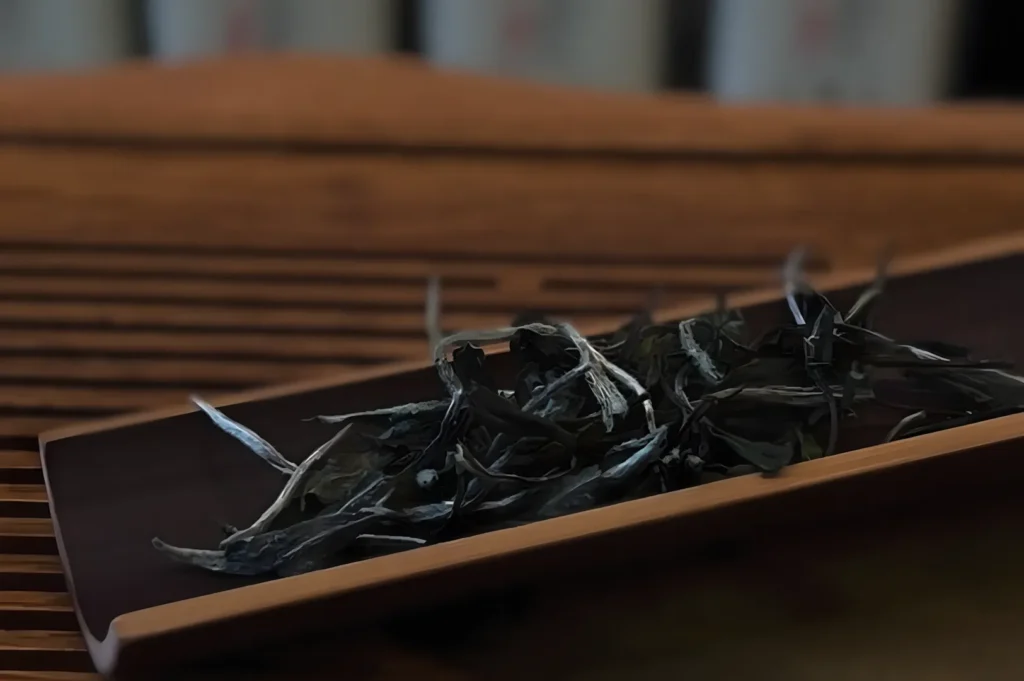
White tea grades are primarily determined by the picking standard, marking the transition from pure spring buds down to mature autumn leaves. A higher grade typically refers to a higher concentration of early spring buds.
What a “higher grade” tends to deliver is a cup with much cleaner aromatics, greater textural finesse, and far less roughness when brewed with care. The subtle nuances are often more pronounced, offering a whispering, elegant complexity.
However, it is vital to remember what a higher grade does not guarantee. It does not mean the tea will be “sweeter for everyone,” nor does it carry promises of being “better for health.” Most importantly, a higher grade is not always more enjoyable. If you prefer deep, woody comfort, a premium Silver Needle might feel far too delicate for your tastes.
Our buying advice is always to match the grade to your personal palate and your daily brewing habits.
What to Look For in the Leaf (Photos and Sensory Cues)
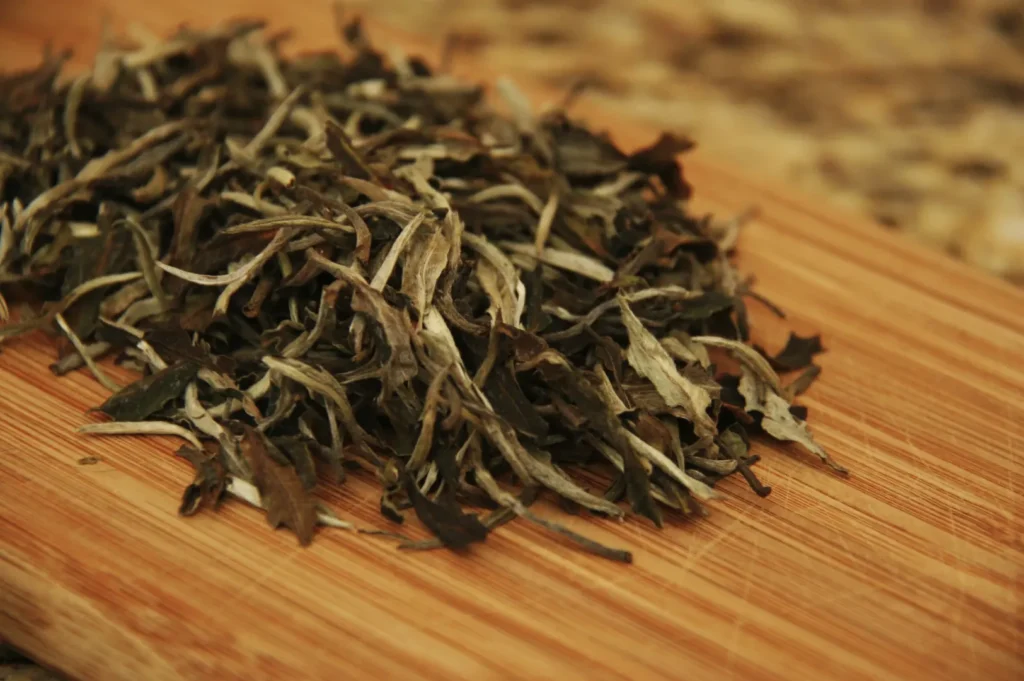
Even through a screen, visual and sensory cues provide a wealth of information.
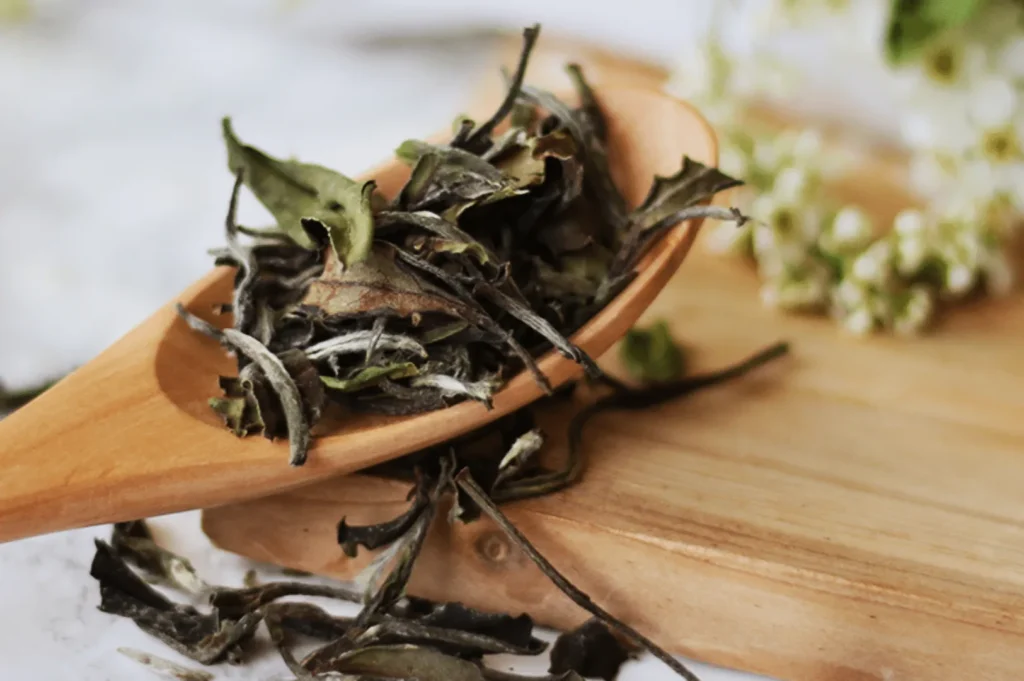
For dry leaf cues, look for an intact leaf and bud structure without excessive broken fragments. You want to see a natural colour variation, rather than leaves that look uniformly dull or overly brown. While the silvery “fuzz” on buds is a classic sign of early spring growth, it should not be the sole quality marker you rely upon.
For aroma cues, seek out scents of clean, sweet hay, light honey, or dried summer flowers. Always avoid teas that carry musty, sour, smoky, or unnatural perfume-like scents.
Finally, if you can perform a simple test brew, observe the liquor. A clear, luminous cup with a well-shaped sweetness is a wonderful sign, whereas a cloudy brew or immediate, harsh roughness serves as a quiet warning.
Common Red Flags (And What They Usually Indicate)
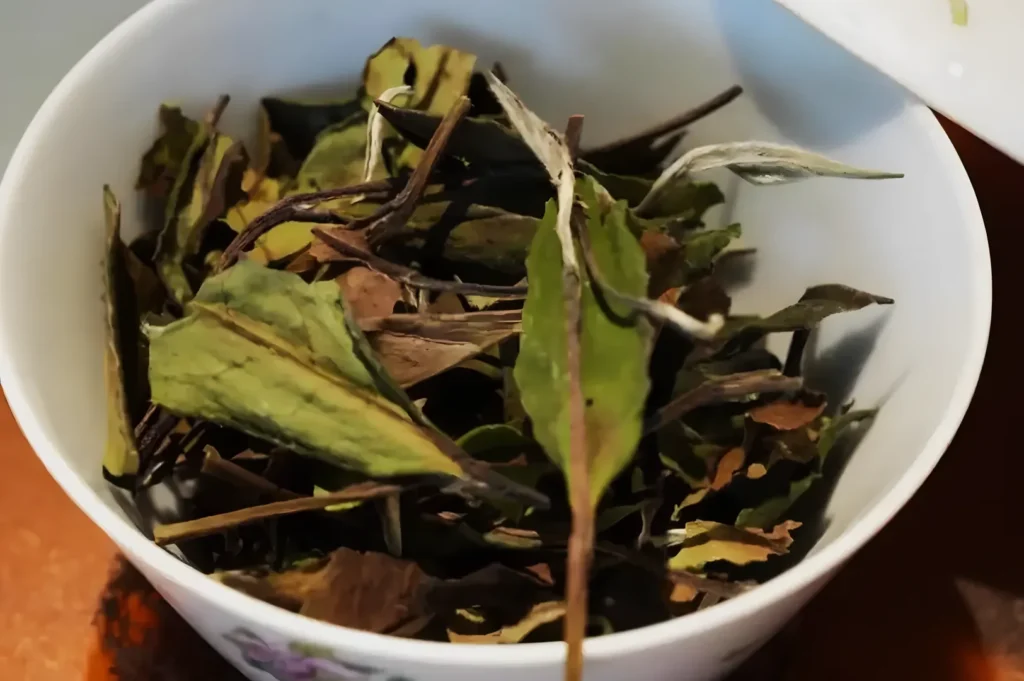
Navigating the tea market requires a discerning eye. Certain presentations often signal that a tea may not meet the standards of quiet luxury and authenticity.
Be cautious of overblown claims. Teas marketed as exceptionally rare, possessing the “highest antioxidant” levels, or using miracle language are often masking entirely average quality.
A lack of transparency is another warning. If a seller provides no clear photos, no batch information, and no origin details, it is usually best to look elsewhere.
Sensory warnings include a strong “warehouse” odour, a damp smell, or sourness, all of which heavily indicate a severe storage risk. Furthermore, if you see very cheap Silver Needle pricing, there is a high risk of mislabelling, as pure buds are inherently costly to produce. Lastly, extremely uniform, overly white-looking buds can sometimes indicate heavy processing or misleading photography.
Not every red flag is absolute proof of poor quality, but each one is a gentle cue to pause and ask questions before buying.
How to Choose: A Practical Decision Guide
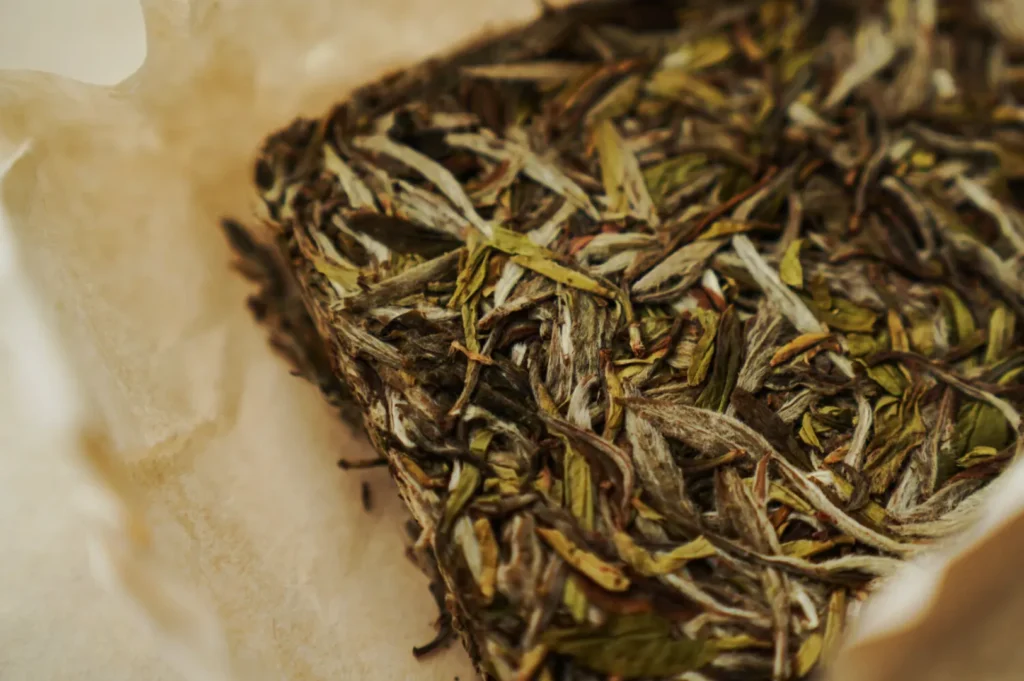
Understanding how to choose white tea ultimately comes down to knowing your own preferences and lifestyle.
Choose by taste:
If you desire a floral and lifted profile, select a bud-heavy tea and use a cooler water start. If you prefer a round and comforting cup, select a leaf-forward style and use warmer water to extract the depth.
Choose by occasion:
A pure bud tea is perfect for quiet, focused tasting. A balanced leaf mix suits a consistent daily pot, while beautifully intact, high-grade leaves make an elegant choice for gifting.
Choose by budget:
Pure buds cost more because they are incredibly labour-intensive to harvest. The best-value picks are almost always White Peony or Shou Mei, which offer exceptional depth at a much more accessible price.
Choose by brewing style:
Gongfu brewing rewards patience and highlights the nuance of delicate buds. Western brewing provides wonderful consistency for mixed leaves. Grandpa style is best reserved for forgiving, leaf-forward teas that will not turn bitter during a long steep.
A Simple “First Purchase” Plan (For New Buyers)
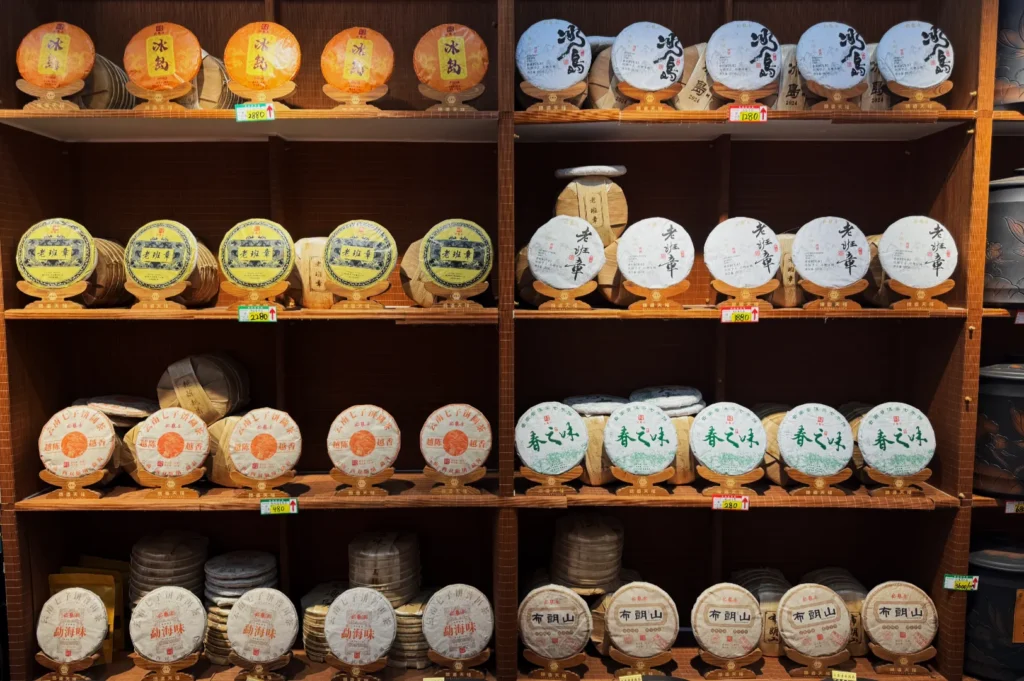
If you are building your collection for the first time, we suggest curating a small, thoughtful set rather than investing heavily in a single tea.
Begin with one fresh White Peony to understand the balanced harmony of buds and leaves. Add one fresh or lightly aged Shou Mei to experience the comforting, earthy depth of mature leaves. If your budget allows, include a small sample of Silver Needle to taste the delicate pinnacle of the spring harvest.
We always emphasise purchasing small samples over making large commitments. This unhurried approach allows you to explore how different regions and grades interact with your palate and your local water.
Buying White Tea Is About Clarity, Not Hype

The truest guide for how to choose white tea is an informed, attentive palate that values clarity over marketing noise. If you are ready to taste authentic Chinese tea with guidance, join us for an authentic chinese tea experience at Tea Room by Ki-setsu.