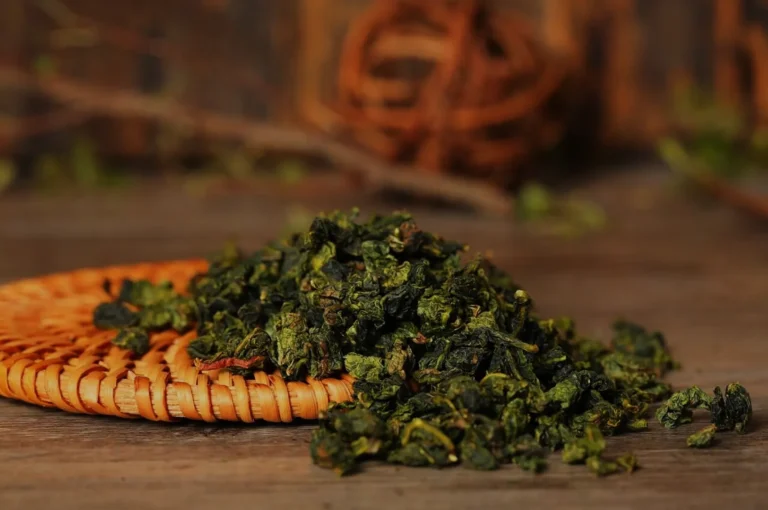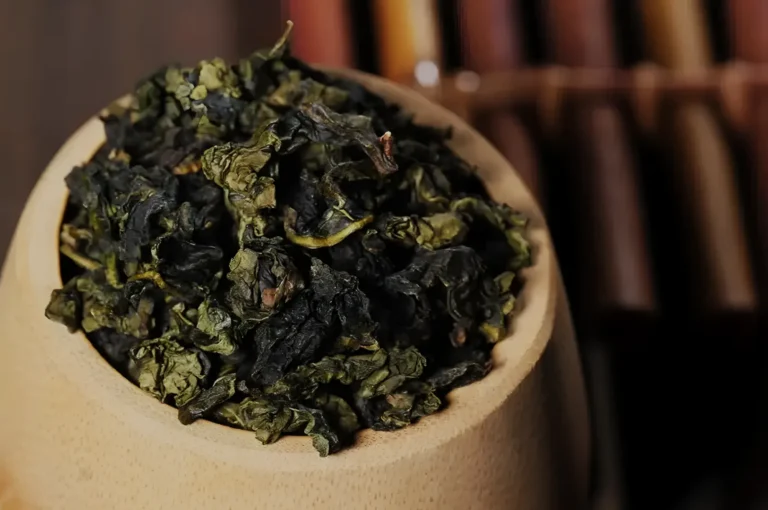
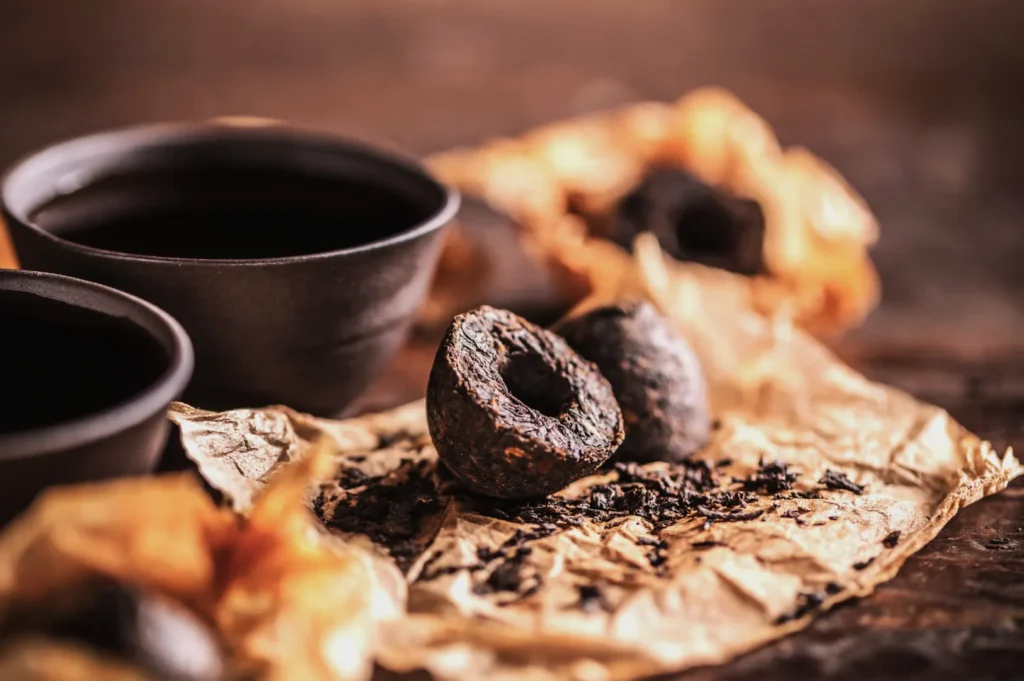
You open a fresh pu-erh cake at home, and for a brief moment everything feels exactly right. The wrapper loosens, the leaves release their first aroma, and then the room reminds you where you are. Singapore air can be generous with moisture, and tea notices immediately.
That is why storage matters.
A well-made pu-erh has depth, memory, and patience, but it is also porous. It takes in what surrounds it. Humid weather, cupboard smells, cooking oils, perfume, new furniture, even the stale scent of a box that seemed harmless can all leave a mark. Good storage is not about obsessing over perfection. It is about creating calm, steady conditions that let the tea remain itself.
In this guide, we will walk through clear rules for humidity, containers, odour control, and simple set-ups that work in real homes, including small Singapore apartments where airflow and space are often limited.
Quick Answer: The Safest Way To Store Pu-erh In Singapore
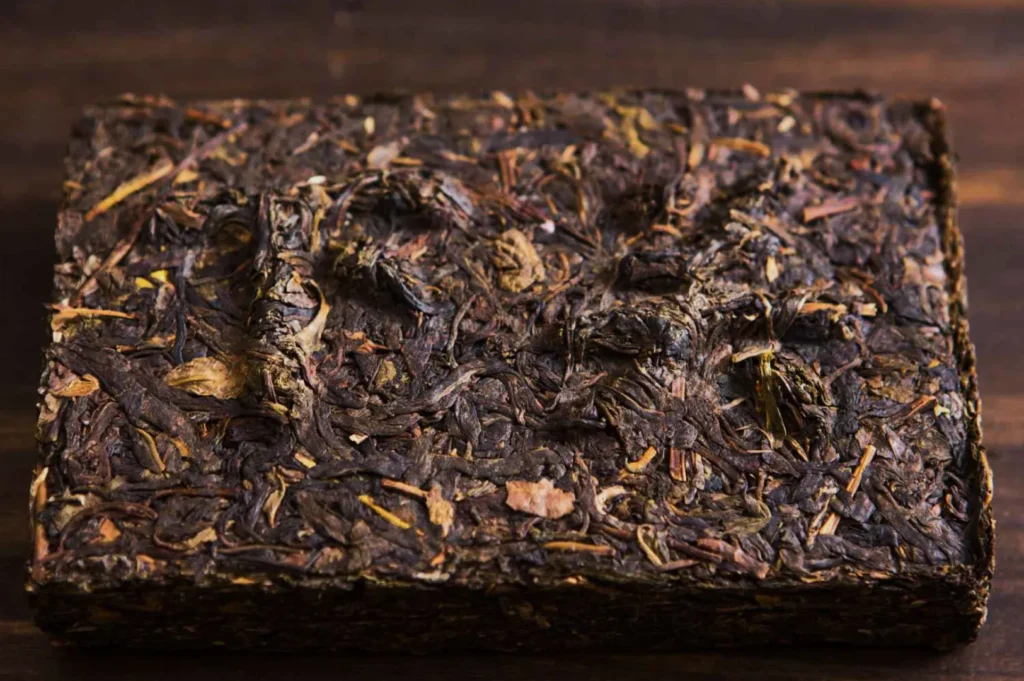
If you want the simplest answer: store pu-erh in a clean, odour-free place with gentle airflow, no direct sun, and stable humidity. For most homes, that means a dark cupboard or wardrobe away from the kitchen, with the tea kept in breathable wrapping inside a secondary container that does not smell of anything.
A practical checklist:
- Keep tea away from direct sunlight and heat sources.
- Avoid kitchen shelves, spice cabinets, and rooms with cooking smells.
- Use a breathable or semi-breathable setup rather than sealing tea carelessly in scented plastic.
- Check humidity during wetter months and monsoon periods.
- Let ripe pu-erh rest before long-term sealing if it still smells recently processed.
- Use clean containers only. Tea odour absorption is real.
- Review the tea once a month rather than constantly opening it.
If the room smells strong, your tea will smell it too.
Pu-erh Storage Basics: Why The Leaf Remembers The Room
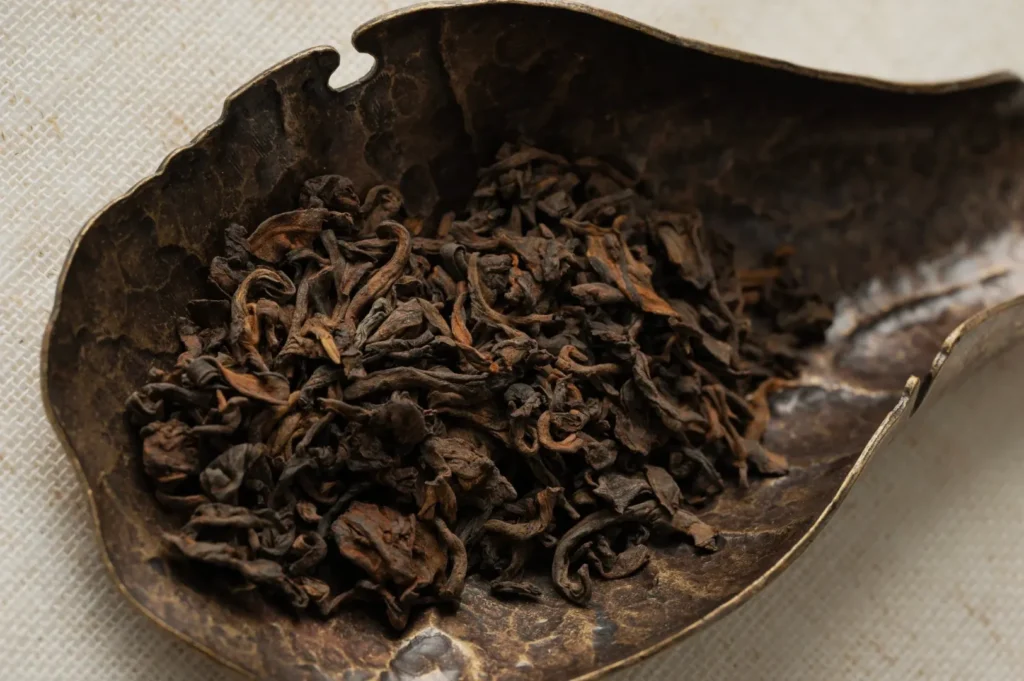
Pu-erh comes from Yunnan and is valued not only for flavour, but for the way it changes with time. That change is possible because the leaf remains responsive to its environment. Pu-erh is not inert. It breathes gently, absorbs odours, and reflects the air around it.
Raw pu-erh storage, or sheng, usually calls for greater care around aroma. Young sheng can be especially quick to show off surrounding smells, whether they are floral, woody, smoky, or stale. Ripe pu-erh storage, or shou, is often a little more forgiving, but it can trap warehouse notes or wet-pile character if sealed too early.
This is why storage matters so much. You are not just protecting the tea from damage. You are protecting the direction of its ageing.
If you want the broader cultural and sensory background first, you can properly understand Pu-erh tea in this guide.
Singapore Humidity: What You’re Really Managing
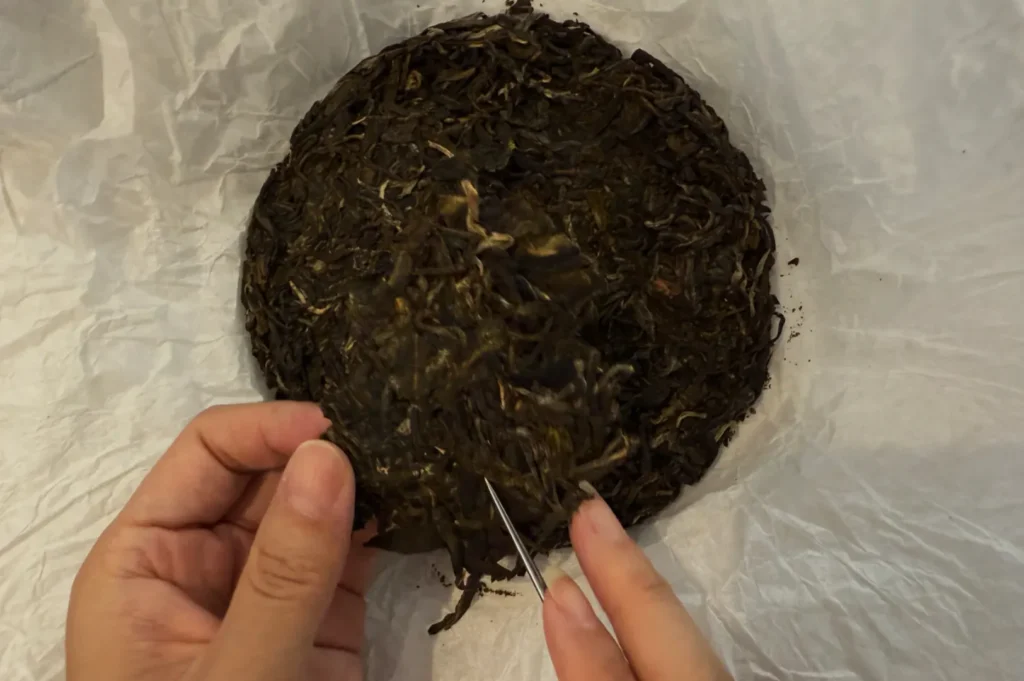
Humidity sounds technical, but in practice it simply means how much moisture is sitting in the air around your tea.
In Singapore, that level can shift more than people realise. Monsoon seasons bring heavier, wetter air. Air-conditioning can lower humidity quickly, then the room rises again once the unit is off. A cupboard may feel dry one week and close the next.
For most home drinkers, a practical safe range is often around 55 to 70% relative humidity. This usually allows pu-erh to rest and age gently without feeling parched. Once the environment sits above 75% for long stretches, especially in an enclosed space with poor airflow, you are entering a risk zone where mustiness and mould become more likely. Below roughly 50%, tea can feel too dry, with aroma flattening and ageing slowing noticeably.
You do not need to chase perfect numbers every hour. What matters most is recognising patterns in your home and avoiding extremes.
The Three Enemies: Mustiness, Mould and Everyday Kitchen Smells
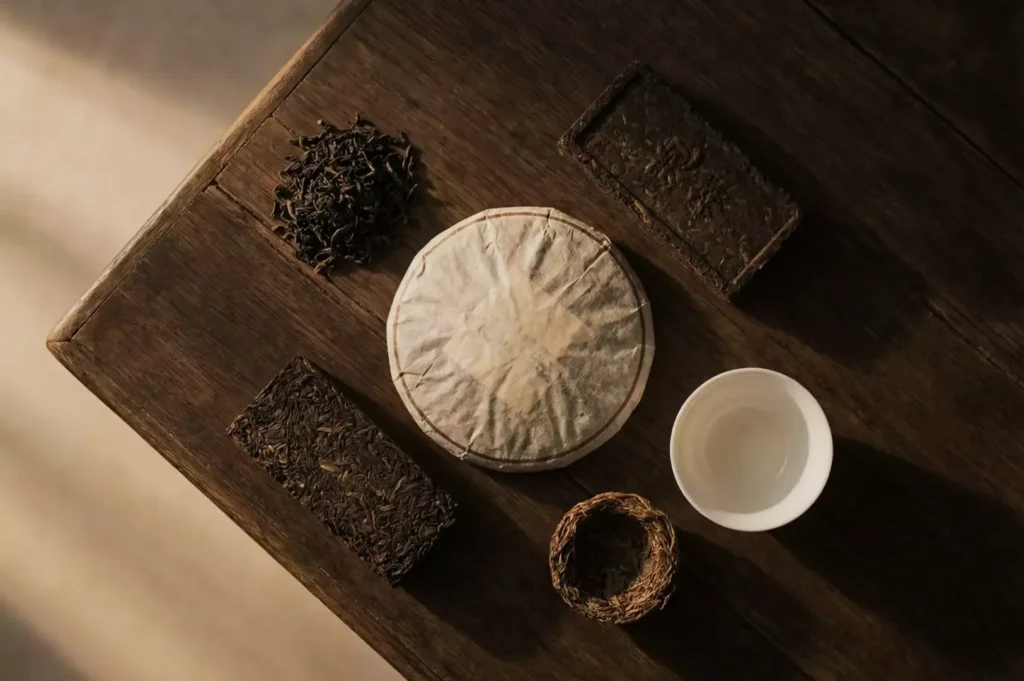
Mustiness is usually the first sign that the environment is not as clean as it should be. It can come from trapped moisture, poor airflow, damp cardboard, or a container that looked harmless but was already carrying an old odour.
Mould is different. It is not simply an unpleasant smell or a dark tea note. It suggests active moisture trouble and should always be treated with caution. Not every odd surface mark is mould, but any fuzzy, spreading, suspicious growth deserves serious attention.
Then there are the everyday smells that most homes produce without much thought: garlic, onion, spice jars, incense, perfume, detergent, fresh paint, varnish, and new wood. Of all these, the kitchen is the most common risk. Tea stored near cooking will often absorb more than the owner realises until the cup suddenly smells faintly of cupboard, oil, or spice.
Pu-erh tea smells can become confused long before the tea is visibly damaged. This is why smell-proofing is not about locking the tea away from air entirely. It is about protecting it from the wrong air.
Containers: What To Use (And What To Avoid)
Original Paper And Cardboard (The Simple Baseline)
Best for: whole cakes, tong storage, short to medium-term keeping.
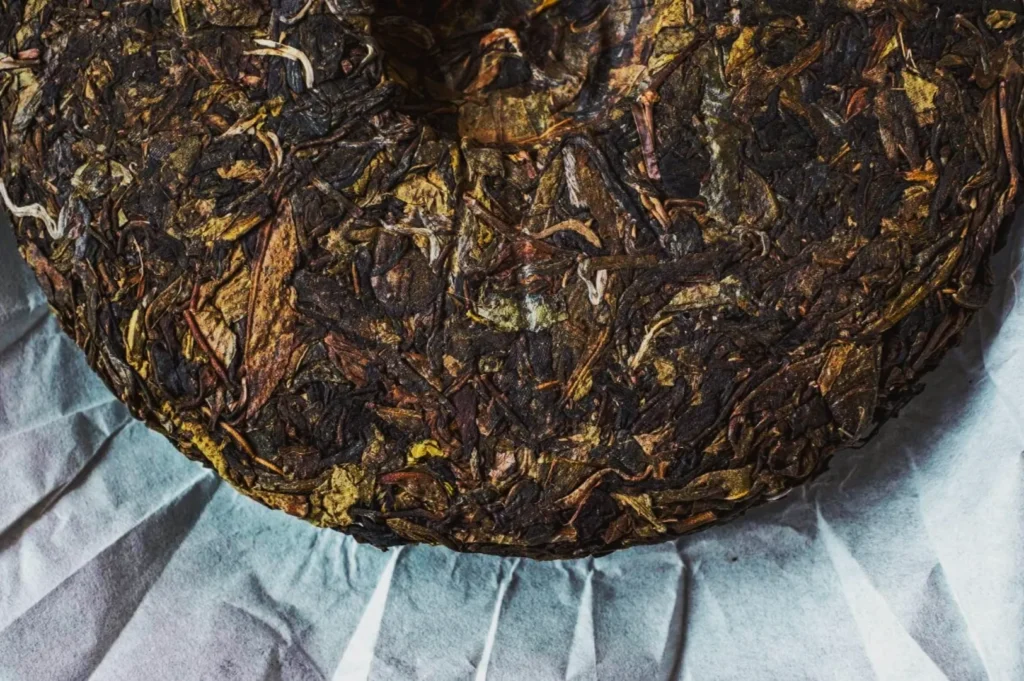
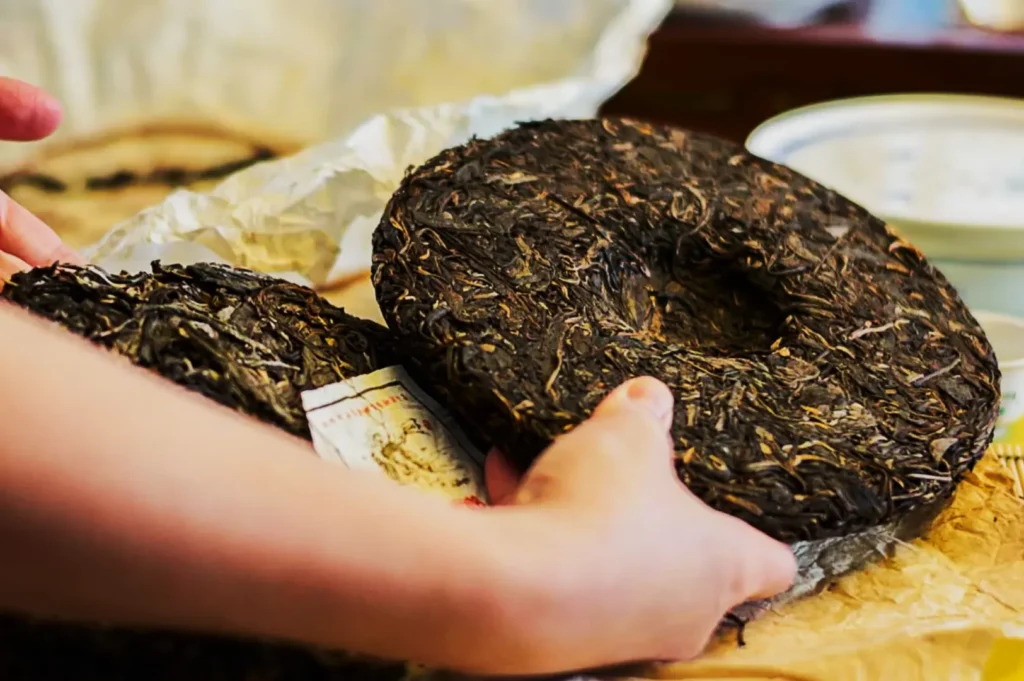
Traditional paper wrappers and cardboard tong boxes are often a very good baseline. They allow some breathing while protecting the tea from direct light.
Watch-outs: cardboard can absorb ambient smell easily, especially in wardrobes near perfume, shoes, or wood polish.
How to set it up: keep the wrapped cake in its clean box, then place that box inside a larger odour-neutral storage zone.
Paper Bags And Breathable Layers
Best for: single cakes, resting tea, separating different teas.
Paper bags are useful when you want a little protection without completely sealing the tea. They can also help separate stronger-smelling teas from more delicate ones.
Watch-outs: paper alone is not enough in very humid conditions, and low-quality paper can carry smell.
How to set it up: place the wrapped cake in a plain food-safe paper bag, then into a clean secondary box or cupboard.
Clay Jars: Calm Airflow With Protection
Best for: drinkers who want a stable, traditional setup for a few teas.
Unglazed clay jars can offer a calm storage environment with gentle airflow, and many drinkers appreciate the way they steady the tea over time.
Watch-outs: the jar itself must be odour-free. Some clay jars arrive with strong kiln, dust, or packaging smells.
How to set it up: air the jar first, clean it gently if needed, then place wrapped or lightly bagged tea inside and store it out of light.
Plastic Bins: Convenient, But Choose Carefully
Best for: small apartments, larger quantities, practical organisation.
Food-grade plastic bins can work in Singapore when chosen carefully. They are easy to stack and useful for keeping tea away from household smells.
Watch-outs: some plastics smell strongly, and that smell can transfer. Bins that seal too tightly can also trap unwanted moisture if the tea was not dry when stored.
How to set it up: choose odour-neutral food-grade plastic, test it first, and avoid mixing unrelated teas in one bin.
Mylar Bags: When Smell-Proofing Matters Most
Best for: highly aromatic environments, moving house, renovation periods, temporary protection.
Mylar bags are useful when smell-proofing matters most, particularly if your home is near a kitchen or undergoing renovation. They can also help with pu-erh cake storage during short disruptive periods.
Watch-outs: they can over-isolate tea if used carelessly for long-term ageing, especially with freshly received ripe tea that needs a little rest.
How to set it up: use clean bags with minimal internal odour, place the wrapped tea inside, and open occasionally only if the tea genuinely needs airing.
Smell-Proofing Without Suffocating The Tea
The safest approach is layered rather than extreme.
Think in three layers:
- location
- secondary container
- odour control habits
Near a kitchen, the first layer matters most. Move the tea away from cooking entirely if possible. A closed study cupboard is better than the prettiest shelf near the stove.
In a wardrobe, make sure the surrounding items are not scented. Clothing fragrance, mothballs, leather, and perfume can all affect tea. A wardrobe can work well if it is used only for quiet items and cleaned carefully.
In an air-conditioned room, the air may feel safer because it is cooler and drier, but temperature swings can still happen. Do not place tea directly in the path of cold air. Let the room remain stable rather than aggressively controlled.
Raw vs Ripe: Two Quiet Adjustments
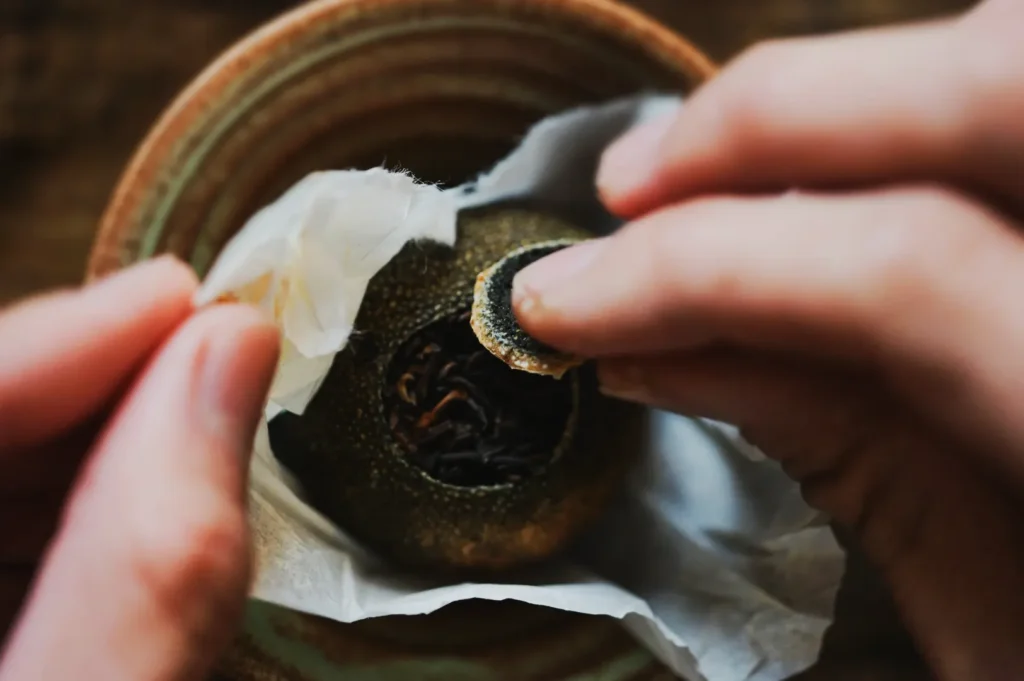
Raw pu-erh storage usually benefits from stronger odour protection and a slightly lighter hand. Sheng tends to show environmental influence quickly, especially in its earlier years, so clean airflow matters.
Ripe pu-erh storage can be a little more relaxed once the tea has settled, but newly bought shou sometimes benefits from resting before it is sealed away long-term. If the tea still carries a distinct warehouse or wet-pile note, let it sit in breathable wrapping in a clean, odour-free space for a little while before deciding on a more contained setup.
Loose leaf and cakes can follow the same principles, but cakes usually age more steadily because of their compressed form.
Signs Something Is Off (And What To Do)
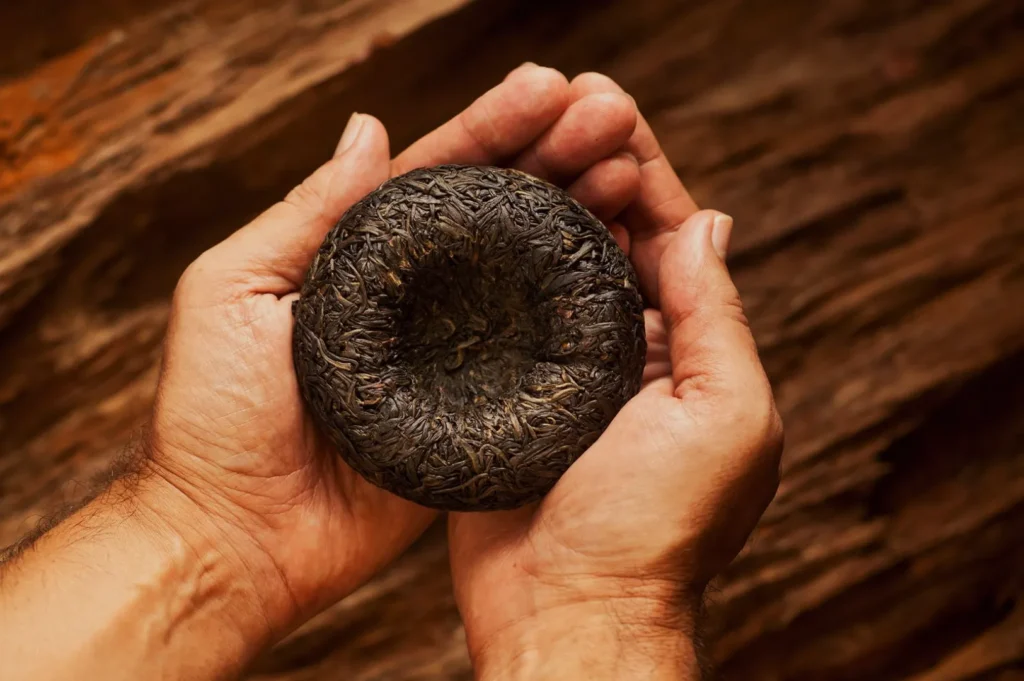
Harmless dust is usually dry, light, and easy to recognise, especially on wrappers or older cakes. It tends to brush away cleanly.
Normal warehouse notes can smell earthy, woody, slightly closed, or a little old. This is not automatically a problem, especially with ripe teas. Many drinkers notice these notes soften with airing and time.
Concerning mould usually asks for more caution. It may look fuzzy, active, or irregular in a way that feels alive rather than dusty. It may come with a sour, wet, or unpleasant smell.
If you suspect mould:
- stop storing that tea with your other tea
- inspect it in good light
- do not force yourself to keep it out of sentiment
If the growth appears active and the smell feels wrong, discard it. The goal is not to rescue every cake. The goal is to keep your collection clean and trustworthy.
Store With Care, Then Let Time Do Its Work
Good pu-erh storage is rarely dramatic. It is simply clean, dry, steady, and patient. Protect the tea from bad air, strong smells, and unstable moisture, then allow time to do what it does quietly.
At Tea Room by Ki-setsu, we see storage as part of the craft, not something separate from tasting. If you would like guidance on a practical home setup, or you would like to experience how well-kept pu-erh changes in the cup, you are warmly welcome to begin with our website.