A good black tea often speaks before it is named.
Not through prestige, and not through packaging, but through coherence. The leaf looks alive. The aroma rises with confidence. The liquor carries clarity rather than muddiness. The finish stays long enough to suggest that the tea was built, not merely produced. This is what many drinkers sense before they have the language for it.
At Tea Room by Ki-setsu, we think quality is best recognised through the cup itself. A label may suggest origin. A price may suggest effort. But how to tell if black tea is good ultimately comes down to what the tea is actually doing in front of you.
For readers who want the wider map of styles first, read our guide on black tea that offers that broader context. This piece is narrower and more practical. It is about quality cues: leaf, liquor, aroma, body, and aftertaste.
Start with the Dry Leaf
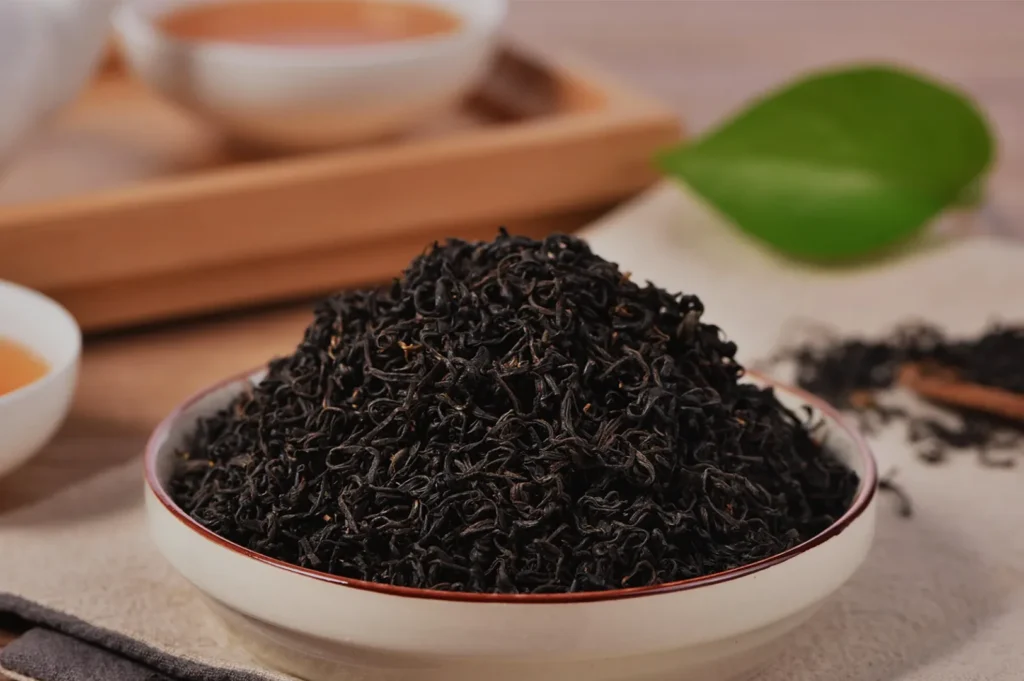
Before brewing, black tea already reveals a great deal.
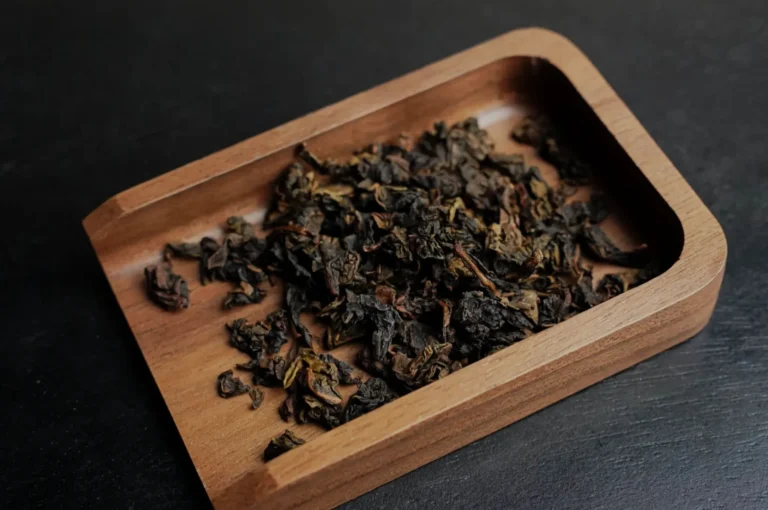
Good leaf should look intentional. Whole or mostly intact leaves usually suggest more careful handling than a bag of fragments and dust. That does not mean every broken tea is bad but fine loose leaf black tea usually carries more structure and aromatic potential when the leaf is still recognisable.
The dry leaf should also smell alive.
Depending on the tea, you may notice cocoa, malt, dried fruit, floral lift or smoke. What you should not notice is dullness. A black tea that smells flat, cardboard-like, stale or oddly perfumed before brewing is already giving you a warning.
Quality black tea usually begins with liveliness, not loudness.
The Liquor Should Be Clear
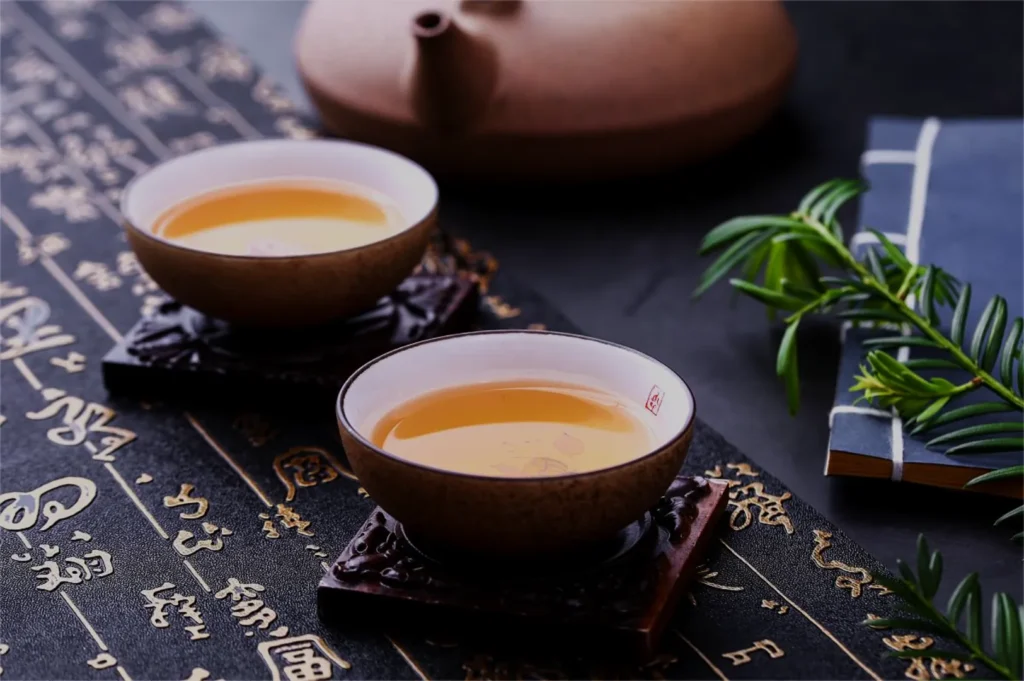
Once brewed, the liquor should look composed.
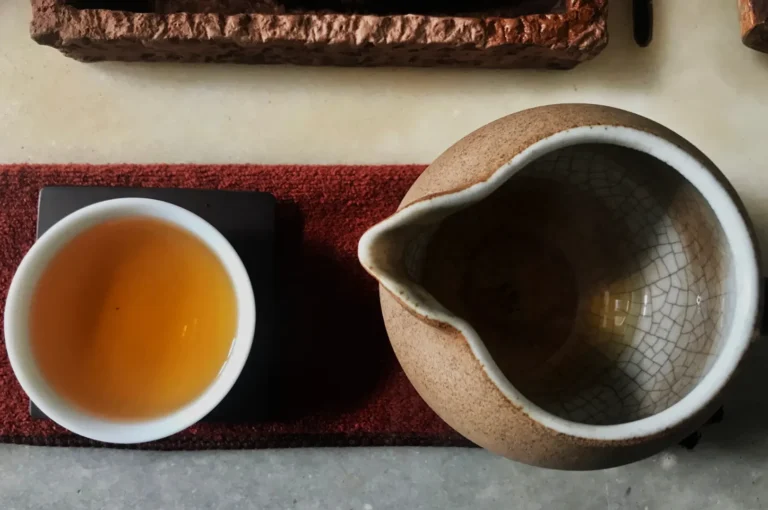
Black tea can be pale amber, copper, ruby-brown or deep red depending on style, but clarity matters more than depth of colour. A fine tea should not look murky or thick in a careless way. Even rich black tea should feel bright in the cup.
Colour alone is not proof of quality.
A dark liquor can still be harsh. A lighter one can still be elegant and full of character. What matters is that the tea looks settled, clean, and properly extracted.
Aroma Should Rise in Layers
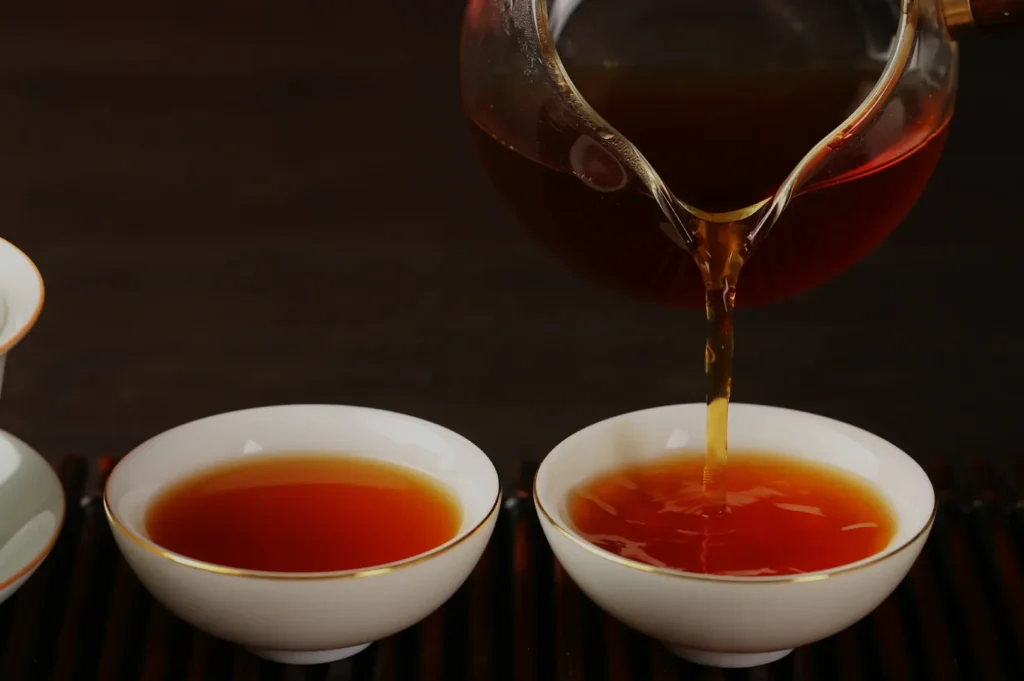
Good black tea aroma is rarely one-dimensional.
A quality tea often moves in layers. There may be a first note of malt or cocoa, followed by something sweeter, then perhaps a floral or fruity lift. Even smoked tea should carry more than smoke. The best cups reveal complexity without forcing the drinker to work too hard for it.
This is one reason a black tea buying guide should always return to the nose. Aroma is one of the quickest ways to detect whether a tea has been handled with care.
Body and Aftertaste Tell the Truth
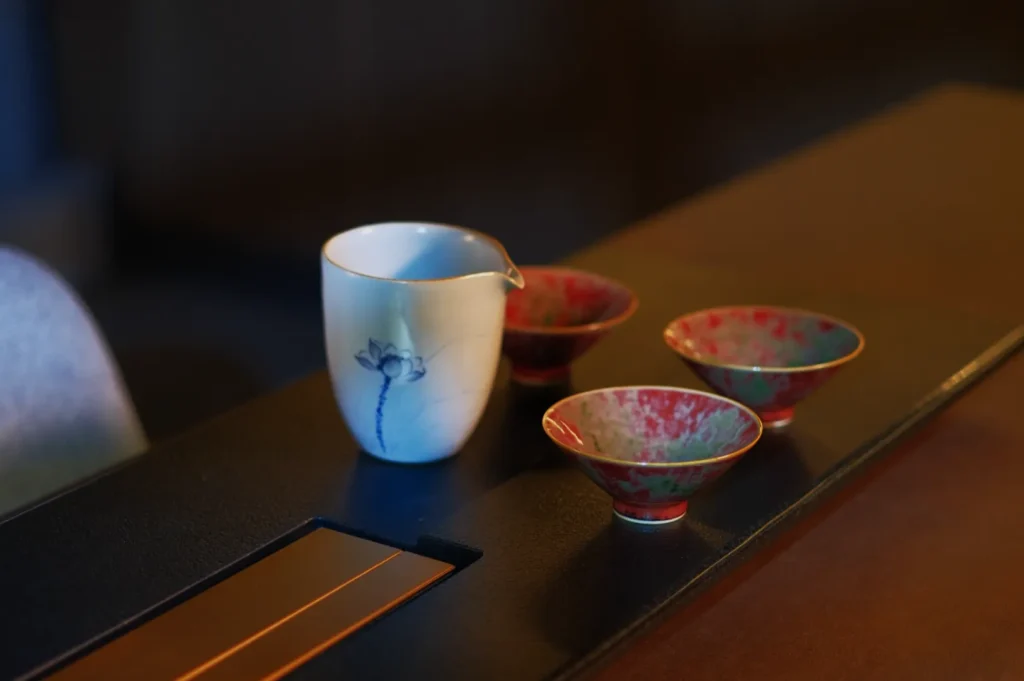
The body of the tea should suit its style.
A good tea may be brisk, silky, broad or gently coating, but it should feel complete. Poor quality tea often feels either too thin or too coarse. Aftertaste matters just as much. A fine black tea should leave behind some form of grace: sweetness, warmth, floral lift, cocoa depth, or clean resonance.
A tea that vanishes quickly after the sip is rarely as convincing as one that remains.
At Tea Room by Ki-setsu, we think aftertaste is where quality often becomes unmistakable. The leaf cannot hide there.