Da Hong Pao does contain caffeine.
That answer is simple enough. Like all true teas made from the Camellia sinensis plant, Da Hong Pao carries caffeine naturally. But for most drinkers, the more useful question is not whether caffeine is present. It is how that energy actually feels in the cup. Tea is rarely experienced as chemistry alone. It is felt through pace, warmth, texture, and the way the body receives it over time.
At Tea Room by Ki-setsu, we find that people often ask about Da Hong Pao’s caffeine because they want to know whether it will feel sharp, restless, heavy, or calm. Those are better questions than numbers on their own. For the broader cultural and tasting context, our Big Red Robe tea guide for curious drinkers offers the fuller introduction. Here, the focus is narrower: not only whether Da Hong Pao contains caffeine, but what its energy tends to feel like when the tea is brewed and received with care.
Yes, Da Hong Pao Contains Caffeine
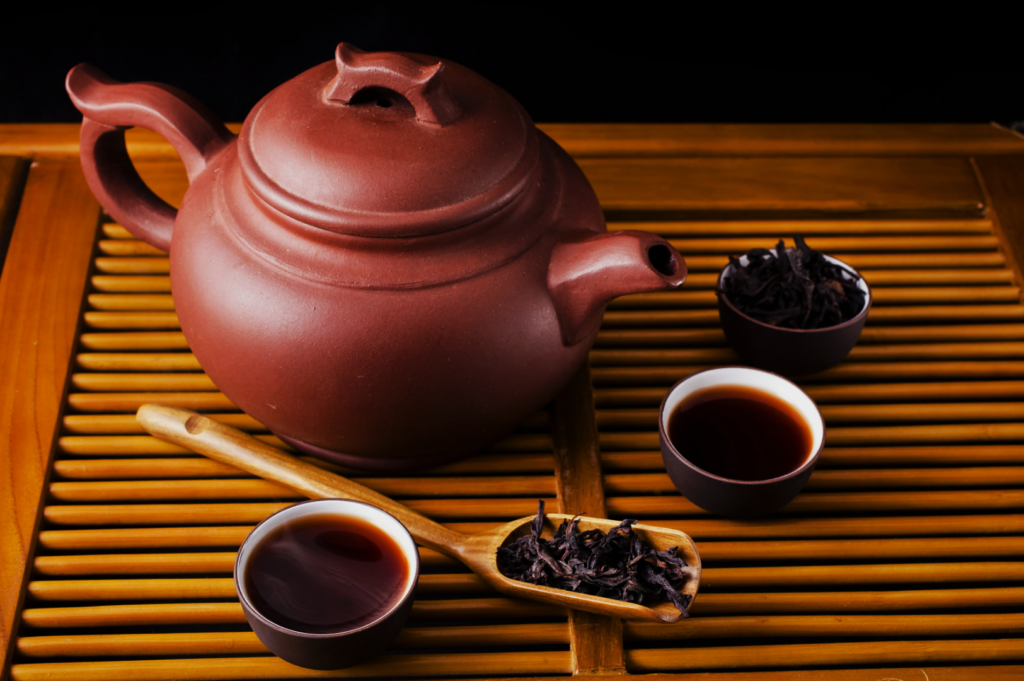
Da Hong Pao is a Wuyi oolong, and oolong tea comes from the same plant as green tea, black tea, white tea, and pu-erh. That means caffeine is naturally part of the leaf.
What changes is not the existence of caffeine, but the way it is expressed. Brewing ratio, leaf quantity, infusion length, vessel size, and drinking pace all shape how much stimulant reaches the cup at any given moment. This is why two sessions with the same tea can feel quite different. A concentrated gongfu session may feel more vivid at first, while a lighter western-style brew may feel slower and softer.
The presence of caffeine is constant. The experience of caffeine is not.
Why Da Hong Pao Often Feels Different from Coffee
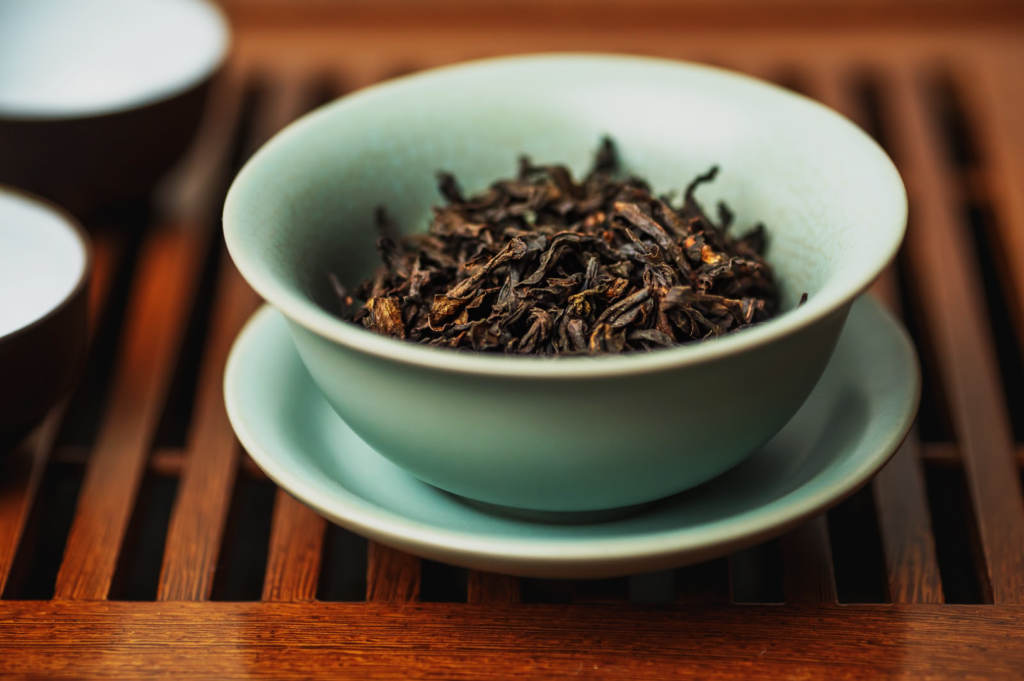
Many people do not ask about caffeine because they are counting milligrams. They ask because they want to know what kind of alertness to expect.
Coffee often announces itself quickly. Da Hong Pao usually does not. Its energy tends to arrive through sequence rather than impact. The first few sips may feel warming, slightly focusing, and quietly brightening rather than abrupt. This is one reason some drinkers who find coffee too hard-edged still feel at ease with roasted oolong.
At Tea Room by Ki-setsu, we would not describe Da Hong Pao as sleepy tea. It can be vivid, especially when brewed with precision. But its energy often feels more structured than aggressive. The roast, mineral depth, and pacing of the session all influence how the cup lands in the body.
The U.S. FDA’s general guidance on caffeine is useful in broad terms, but tea drinkers usually notice something more subtle in practice. The leaf does not only stimulate. It also shapes the mood in which that stimulation is received.
Roast Changes the Mood, Not the Fact of Caffeine
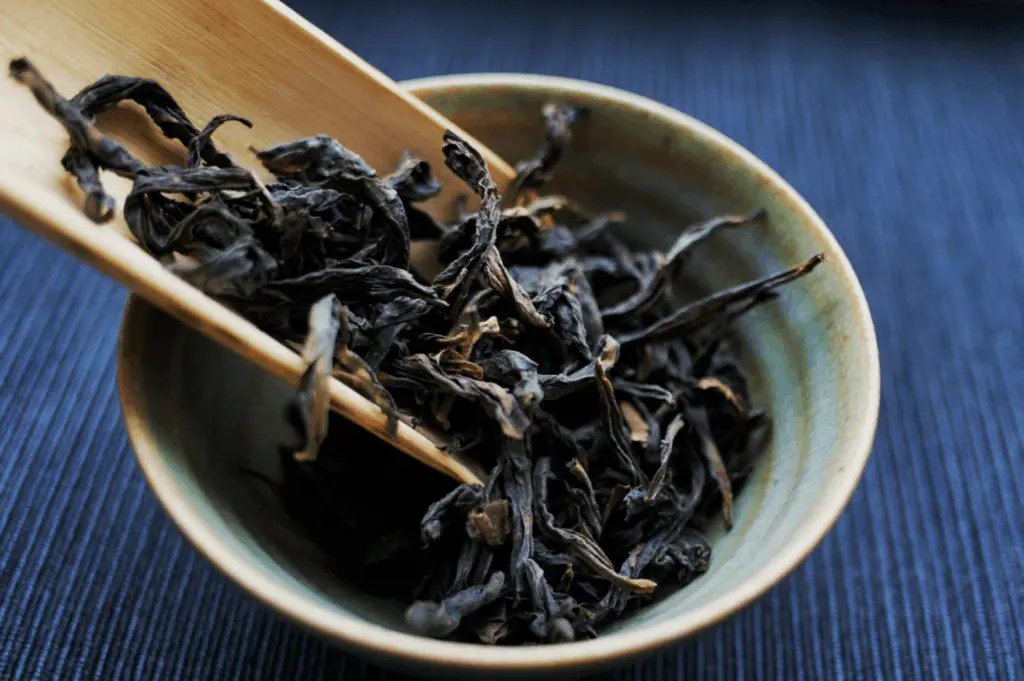
Because Da Hong Pao is roasted, some drinkers assume it must contain less caffeine in a meaningful way, or that the roast itself somehow removes the stimulant. That is not a very useful way to think about the tea.
Roast changes aroma, structure, and mood. It makes the tea feel warmer, more grounded, and more settled in profile. But that does not mean the caffeine has vanished. The energy may feel calmer because the tea’s flavour architecture is calmer. The body may interpret the session differently because the tea moves through warmth and mineral steadiness rather than through fresh green brightness.
Roast can change the character of the experience without turning Da Hong Pao into a caffeine-free tea.
At Tea Room by Ki-setsu, we find that this is one reason roasted Wuyi teas are often misunderstood. The warmth of the roast can feel reassuring enough that the drinker forgets the leaf is still very much active.
Why the Energy Often Feels More Measured
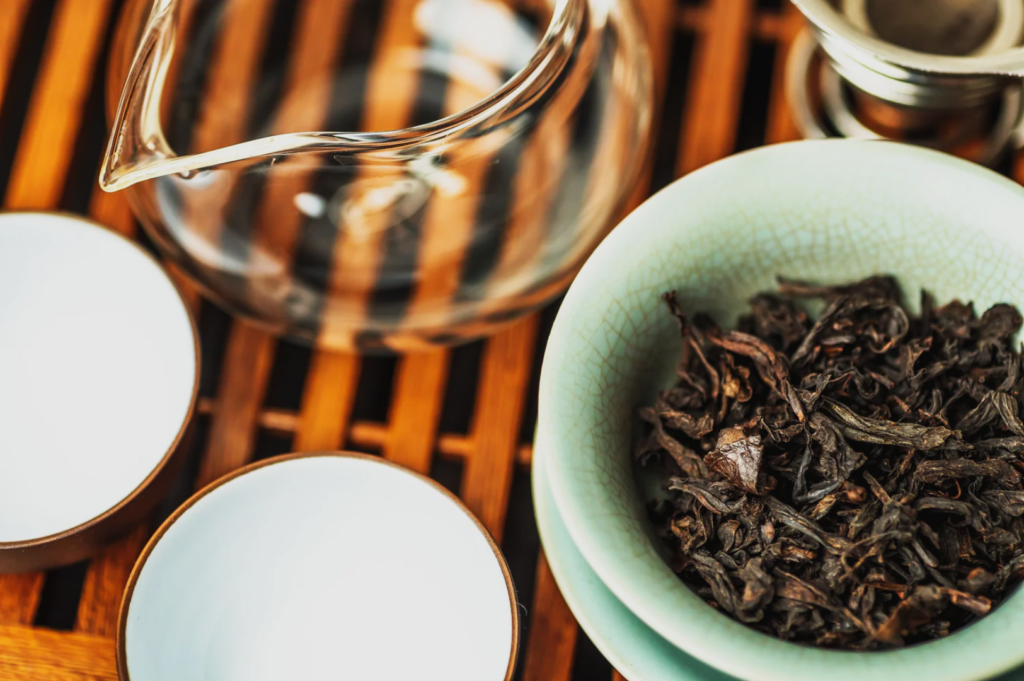
Da Hong Pao is often drunk in a way that encourages pacing.
Small infusions, repeated pours, and slower attention all shape how the tea is felt. A gongfu tea session unfolds. The tea is not always taken in one large mug at speed. This matters because energy is not only about content. It is also about rhythm. When the tea is encountered in stages, the body often receives it in stages as well.
At Tea Room by Ki-setsu, we often find that the energy of Da Hong Pao feels measured because the tea itself is measured. One sip does not try to do everything. The alertness builds alongside the session rather than arriving as a single spike.
This is why the tea can feel focused without feeling harsh, especially for drinkers who respond well to slower sensory pacing.
Da Hong Pao often energises through accumulation, not shock.
What Brewing Changes
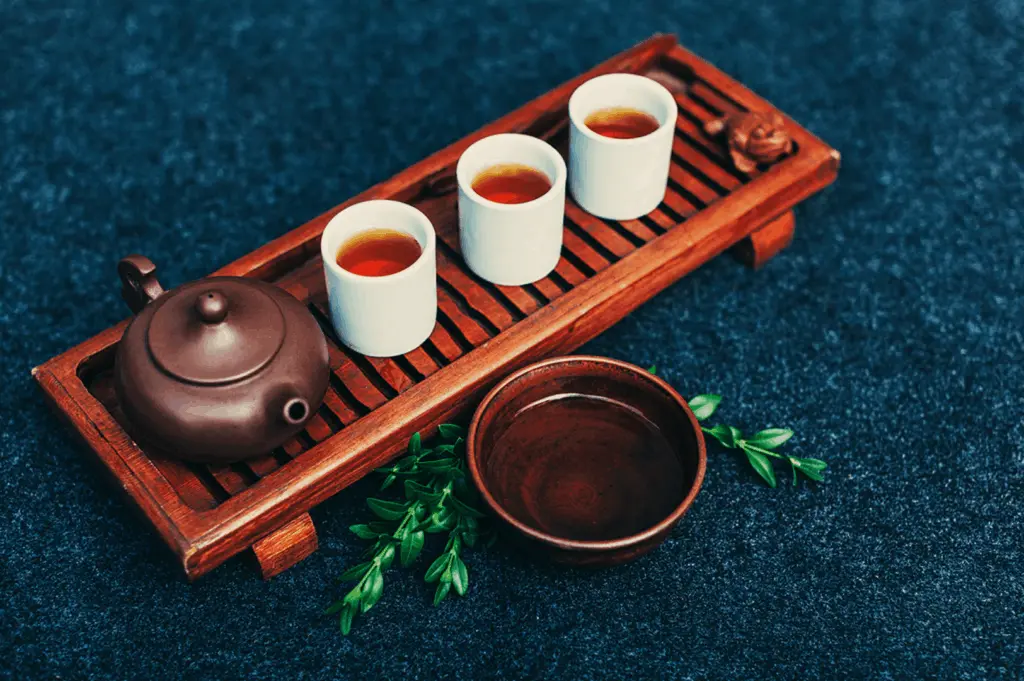
If you are sensitive to caffeine, brewing matters.
A heavy leaf ratio, longer steeping, or repeated strong infusions can create a more forceful session. A gentler brew, fewer grams of leaf, or shorter steeps can make the tea feel easier and more spacious. The time of day matters too. So does what you have eaten. A tea that feels beautifully centring in the afternoon may feel too vivid late at night.
At Tea Room by Ki-setsu, we think this is one reason rigid claims about “how energising” a tea is are rarely very useful. The tea changes with the hand, the vessel, the hour, and the person receiving it.
Da Hong Pao does not carry one fixed energy. It carries a range, and the session chooses where within that range you begin.
What the Energy Feels Like in a Good Cup
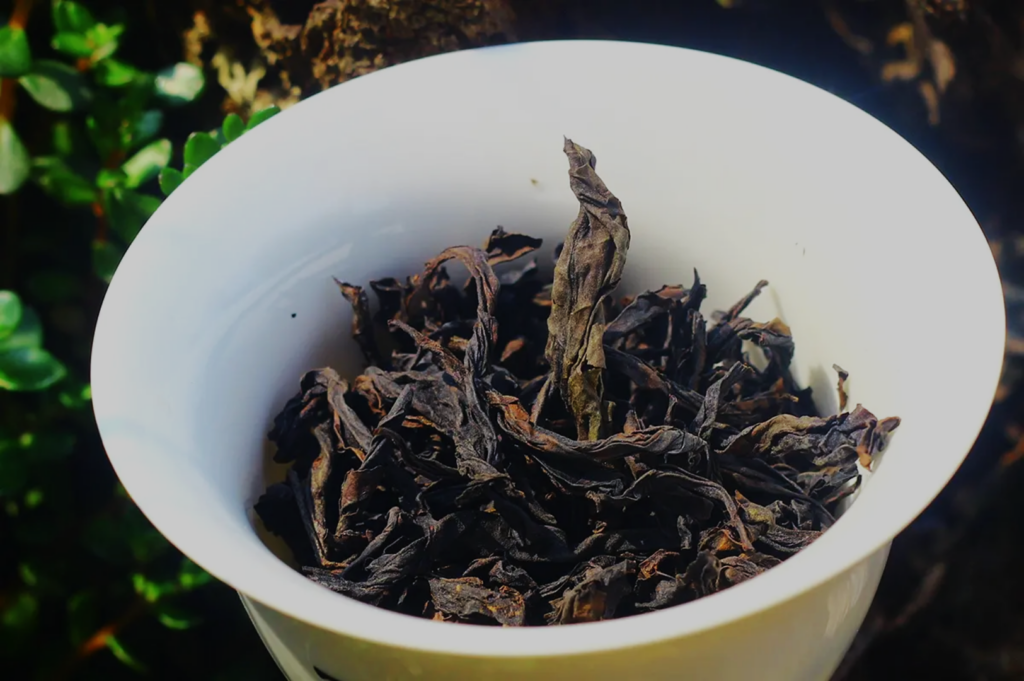
When Da Hong Pao is brewed well, its energy often feels warm, attentive, and quietly extending rather than sharp.
There is usually a sense of internal gathering. The palate becomes more alert. The body may feel slightly more upright. The mind may feel less blurred. But the tea often does this without the restless edge some drinkers associate with faster stimulants. Its roast and mineral structure seem to hold the experience in place.
At Tea Room by Ki-setsu, we often find that this is what people are really asking when they ask about caffeine. Not whether the tea contains it, but whether the tea can offer clarity without agitation. Da Hong Pao often can, especially when the session is paced with restraint.
When to Be More Careful
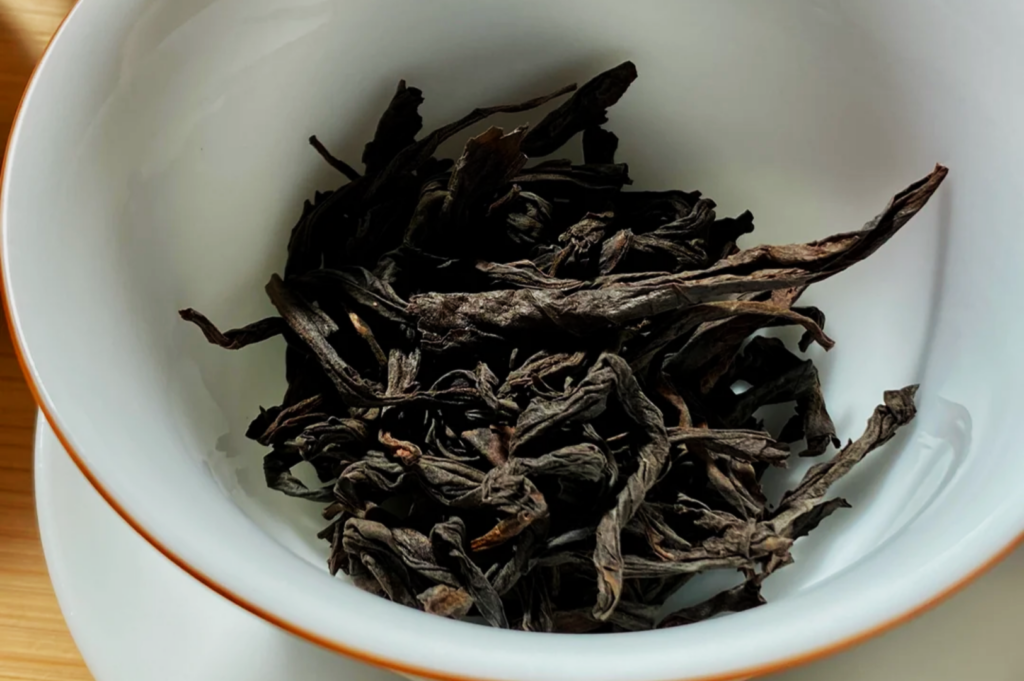
If you are highly sensitive to caffeine, Da Hong Pao is still a tea to approach with awareness.
Its warmth and composure can make it feel gentler than it is, and that can sometimes lead people to underestimate its energy. Evening sessions may need lighter brewing. Drinking on an empty stomach may change the experience. So may using too much leaf in a small vessel.
At Tea Room by Ki-setsu, we think the best approach is not fear, but calibration. Know how you respond. Brew with intention. Let the tea show you its pace rather than assuming it will always feel the same.
A Better Way to Ask the Question
“Does Da Hong Pao contain caffeine?” is a useful beginning, but it is only the beginning.
A better question might be: what kind of attention does this tea create, and does that kind of attention suit the hour I am drinking it? Da Hong Pao is not only about stimulation. It is about how stimulation is shaped by craft, roast, sequence, and the drinker’s own rhythm.
At Tea Room by Ki-setsu, we think this is why the tea remains so compelling. Its energy is not just in the leaf. It is in the way the leaf teaches the body to receive energy with more structure and less haste.