Red rooibos is more familiar, but it is not the only rooibos worth knowing.
Both red and green rooibos come from the same South African plant, Aspalathus linearis. What separates them is not species, but process. Traditional red rooibos is oxidised, which gives it its reddish-brown colour and smoother, naturally sweet profile. Green rooibos is kept unoxidised and dried quickly after harvest, which preserves a lighter colour and a fresher, grassier character.
At Tea Room by Ki-setsu, we think this difference is worth understanding because it changes not only flavour, but mood. For the broader cultural frame, this guide offers the wider introduction. Here, the focus is more specific: how oxidation changes the cup, and why red and green rooibos feel like related, but clearly different, infusions.
They Come from the Same Plant, but Not the Same Treatment
Red and green rooibos begin with the same leaf, grown in South Africa’s Cederberg region. The split happens after harvest. Red rooibos is bruised and oxidised, while green rooibos is protected from oxidation and dried more quickly. That one processing decision changes colour, aroma, and flavour in a very visible way.
This is one reason the comparison matters. It is not like comparing two unrelated herbal infusions. It is closer to watching one ingredient move in two different directions. One becomes warmer and softer. The other stays brighter, fresher, and more exposed.
The difference between red and green rooibos is not botanical identity. It is what processing allows the leaf to become.
Red Rooibos Feels Warmer and More Settled
Red rooibos is the style most drinkers recognise first.
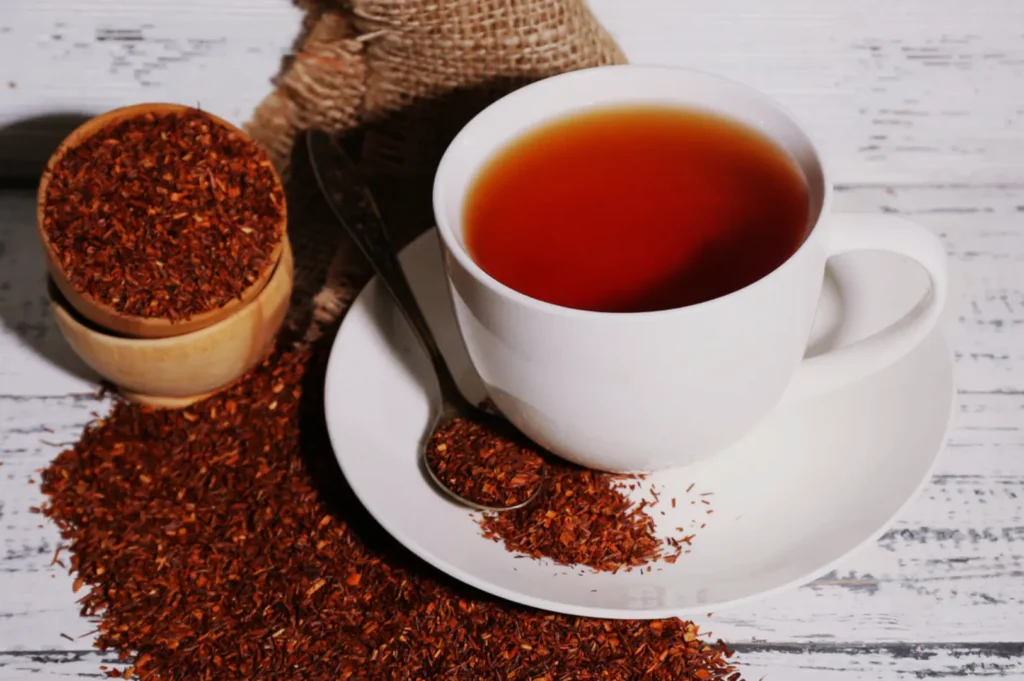
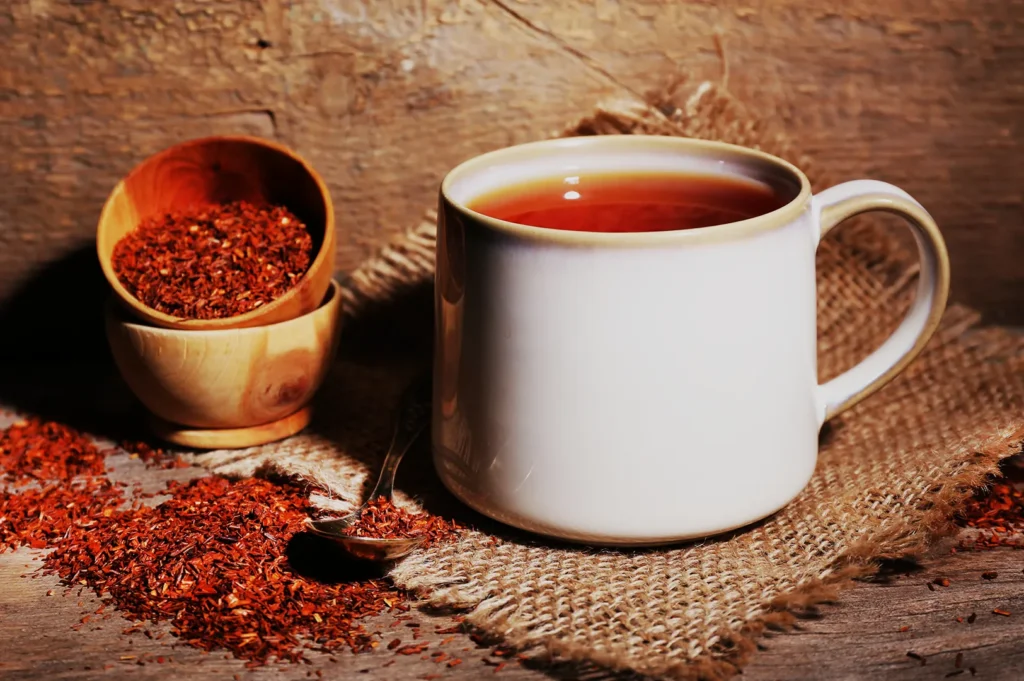
Oxidation gives it the familiar reddish-brown colour and the sweeter, rounder cup many people associate with rooibos. It often tastes mellow, smooth, softly woody, and lightly honeyed, with an earthier finish that feels calm rather than sharp. The South African Rooibos Council describes red rooibos as naturally sweet and smooth, and that is still the clearest first impression for most cups.
At Tea Room by Ki-setsu, we think red rooibos often appeals because it feels settled very quickly. It does not usually ask for much interpretation. The sweetness is already there. The warmth is already there. The cup tends to arrive as comfort.
Green Rooibos Feels Fresher and More Exposed
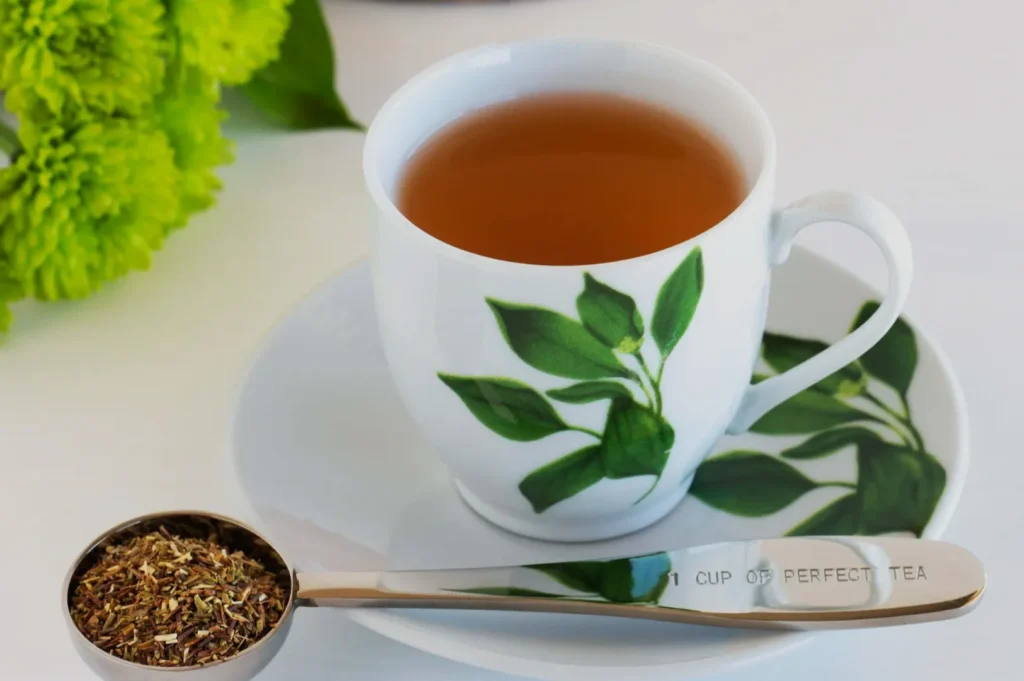
Green rooibos usually speaks in a higher register.
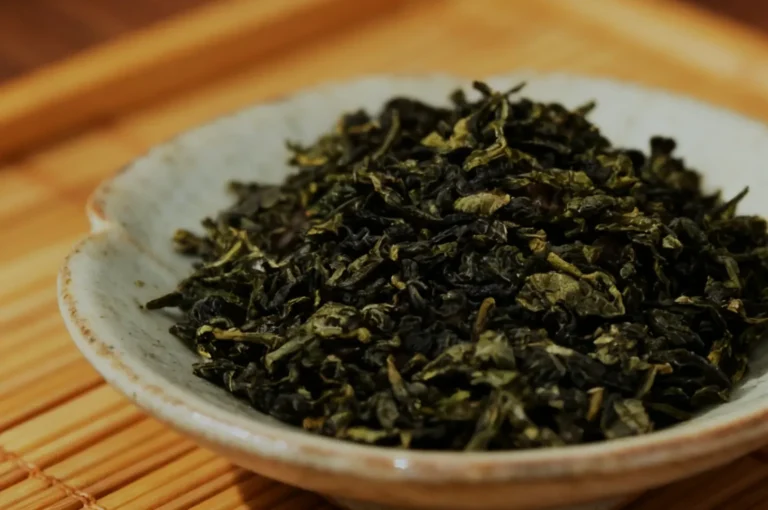
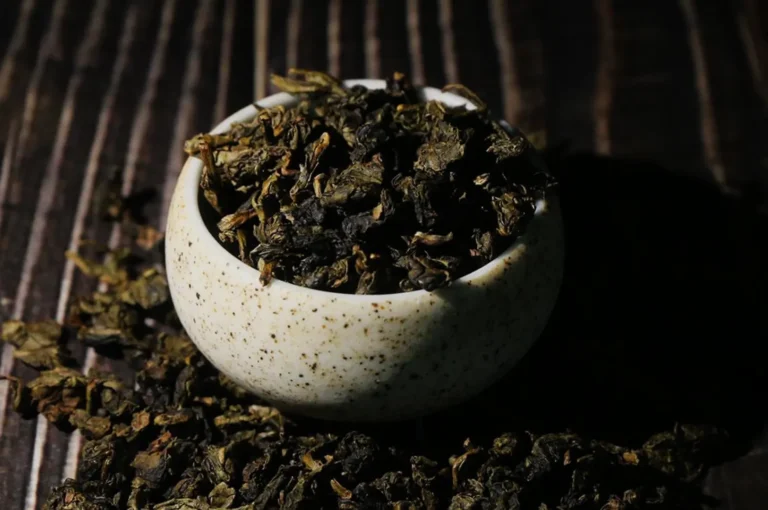
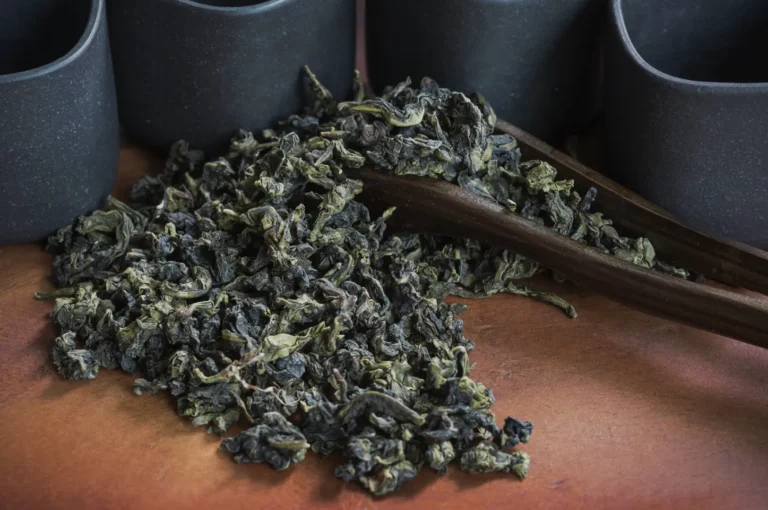
Because it is not oxidised, it keeps a lighter colour and a fresher profile. It is often described as grassy, lighter, and slightly malted, sometimes with a cleaner herbal brightness than red rooibos. The same official and reference sources that describe red rooibos as smooth and sweet describe green rooibos as fresher and more grassy, and that contrast is usually very easy to feel in the cup.
This does not mean green rooibos is thin. A good one can still feel full enough, but its fullness is less warm and less settled. It tends to feel more open, more lifted, and occasionally a little more direct.
If red rooibos comforts through warmth, green rooibos often interests through freshness.
Oxidation Changes More Than Colour
It is tempting to think the main difference is simply visual. In practice, oxidation changes the emotional tone of the infusion.
Red rooibos usually feels rounder and softer because oxidation deepens and mellows the profile. Green rooibos often feels more vivid because those warmer, oxidised notes have not fully developed. This is similar in principle to why oxidised and less oxidised teas from Camellia sinensis can feel so different, even when they begin from the same leaf family.
At Tea Room by Ki-setsu, we find this especially useful when helping readers understand why two rooibos cups can seem so far apart in mood. One leans toward evening softness. The other leans toward freshness and brightness.
Green Rooibos Often Costs More
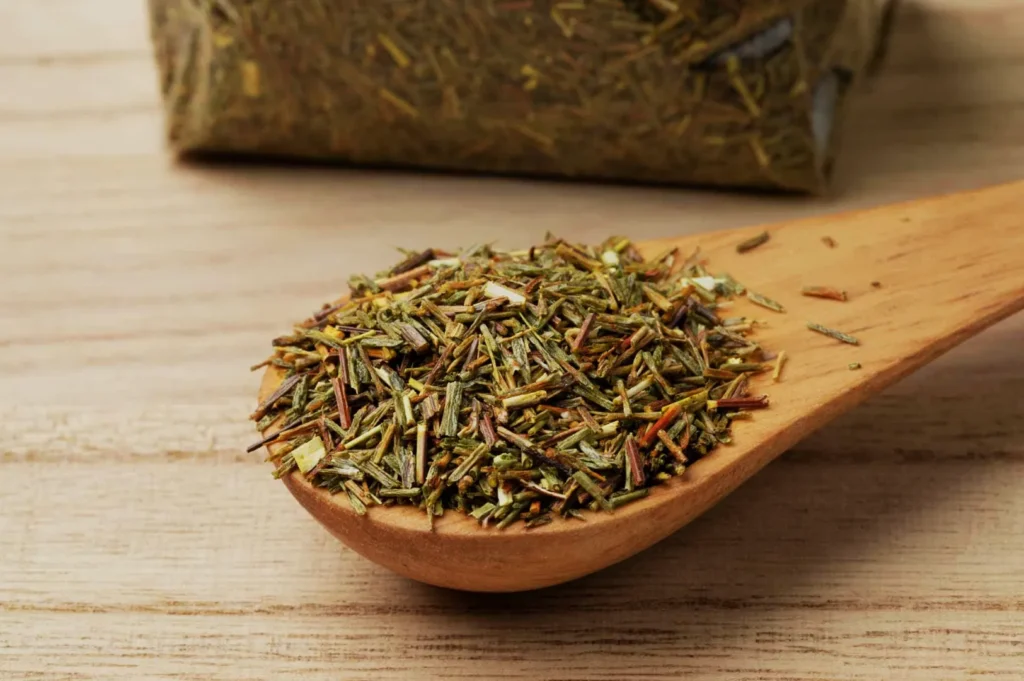
Green rooibos is usually more demanding to produce, and that often affects price.
Because oxidation has to be prevented quickly and carefully, green rooibos generally requires tighter handling after harvest. Several rooibos references note that this extra processing control tends to make green rooibos more expensive than the traditional red style.
This does not automatically make it “better.” It simply means the path from field to cup is less forgiving. At Tea Room by Ki-setsu, we think the better question is not which style costs more, but which style gives you the kind of cup you actually want.
Which One Is Better for Different Drinkers?
If you want something warmer, mellower, and more naturally comforting, red rooibos is usually the easier place to begin.
If you want something lighter, less rounded, and a little more vivid in its herbal freshness, green rooibos may suit you better. Drinkers who enjoy softer evening infusions often lean toward red. Drinkers who want rooibos with a fresher edge often find green more appealing.
Neither style replaces the other. They simply answer different moods.
Red rooibos is usually the cup you settle into. Green rooibos is often the cup you notice more actively.
A Simple Way to Taste the Difference
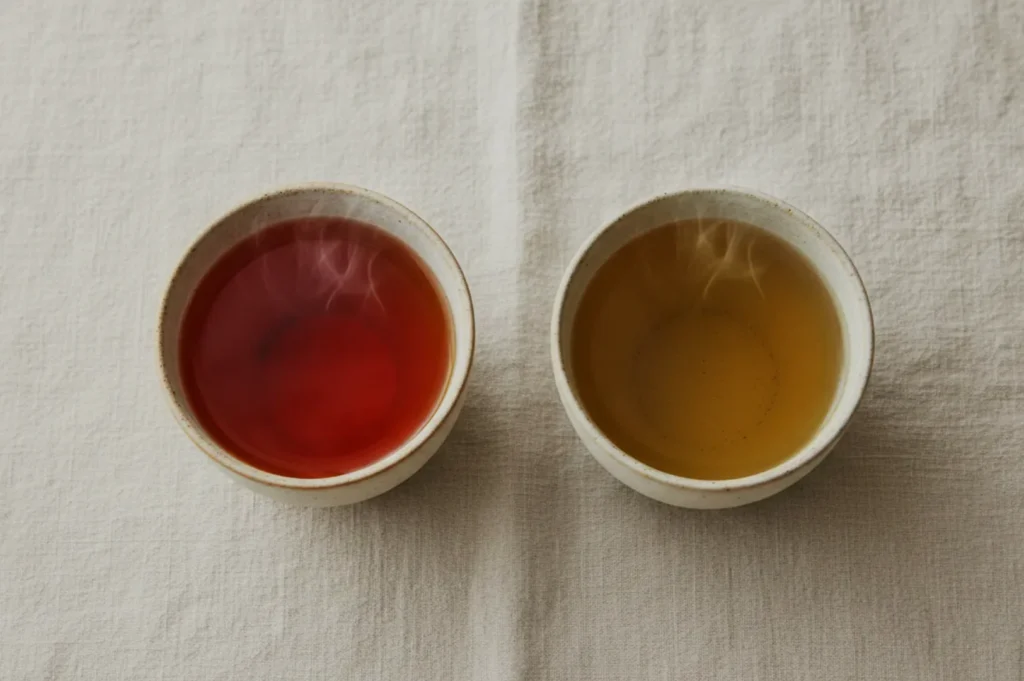
If you want to understand the contrast properly, taste them side by side.
Keep the brewing simple. Smell the dry leaf first. Then compare the liquor colour, the first sip, and especially the finish. Notice whether the cup feels warm and rounded, or lighter and more lifted. Notice whether sweetness appears early, or whether freshness leads first.
At Tea Room by Ki-setsu, we think this is the clearest way to understand the pair. Red and green rooibos are not two unrelated drinks. They are two expressions of the same plant, shaped by one crucial decision after harvest.
That is what makes the comparison so satisfying. It shows how much process can change character without changing origin.