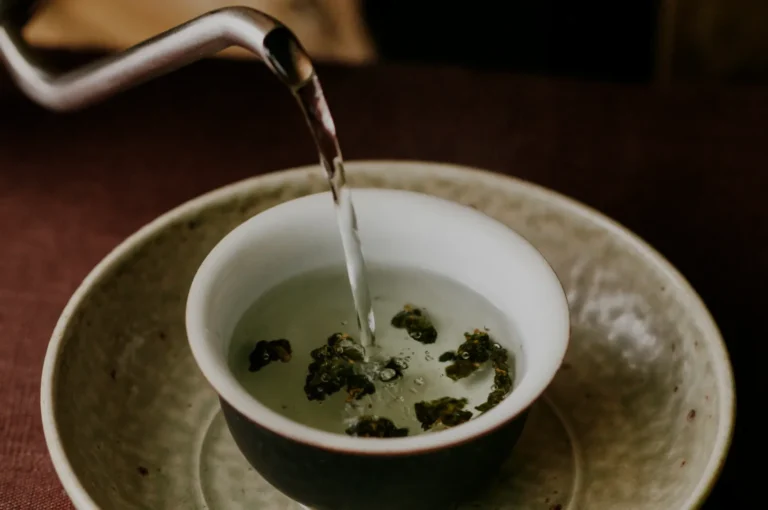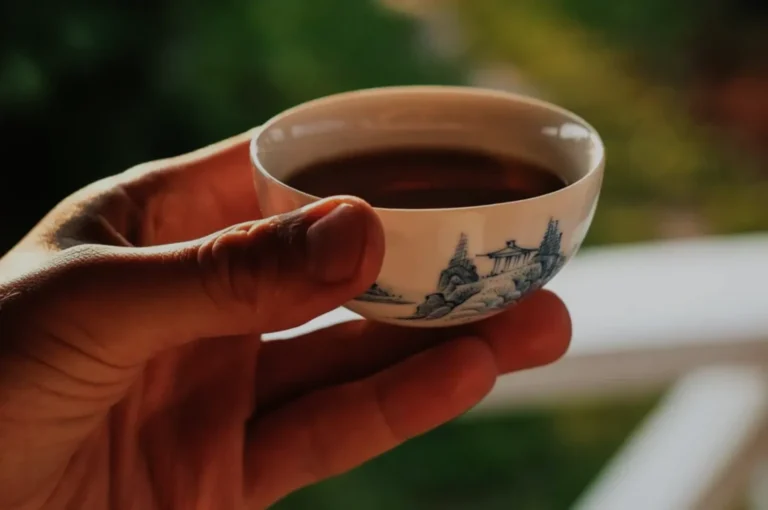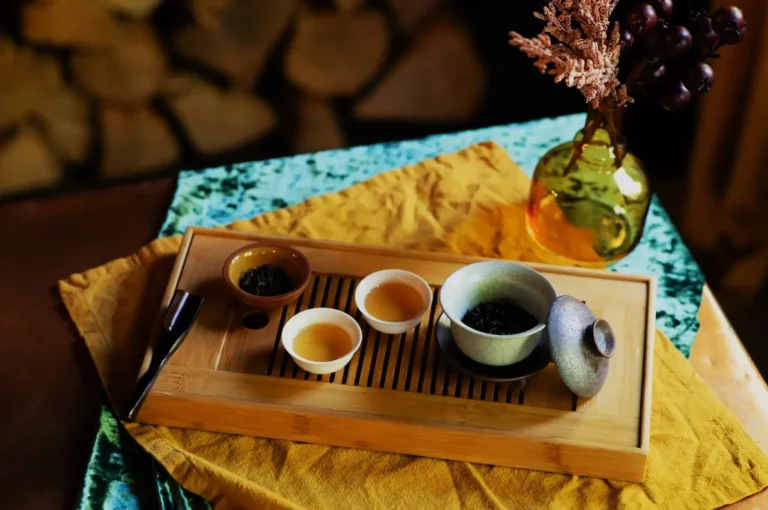
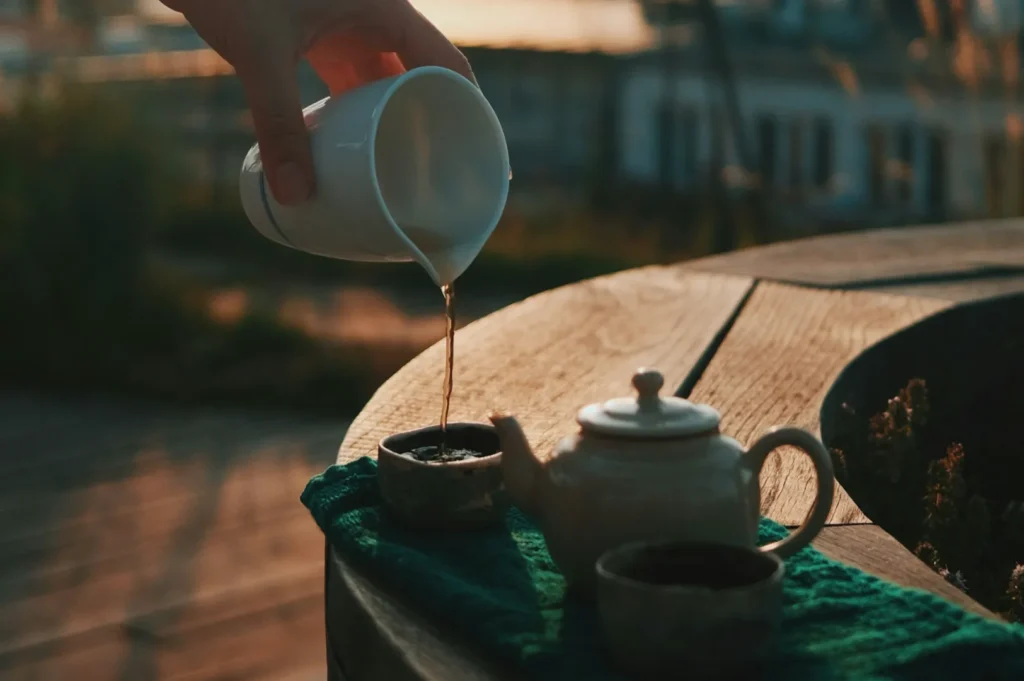
Imagine a quiet room where the only sound is the gentle pouring of hot water over dark leaves. A warmed porcelain cup rests in your hands, radiating soothing heat. As the steam rises, the scent of the forest floor fills the air, and the flavour unfolds slowly on your palate. This is the quiet theatre of a deliberate tasting.
In the modern market, the single origin label is frequently used as a luxury marker. Yet, beyond the prestige of the term, we must ask what it actually means for the tea you drink. If you are learning what to look for when exploring tea shops in Singapore, understanding this distinction is essential. A true single origin pu erh offers a profound reflection of its birthplace. It is not merely a geographical marker, but a distinct botanical signature. Let us explore how provenance shapes the cup.
What “Single Origin” Really Means For Flavour
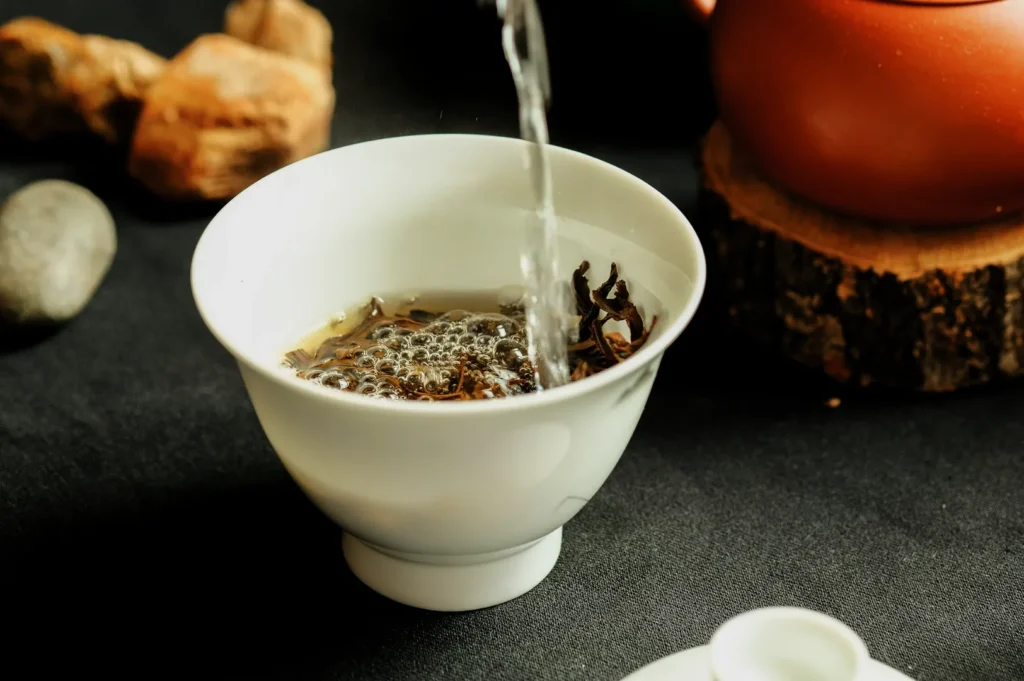
To call a tea single origin simply means the leaves were harvested from one specific garden, mountain, or village, rather than blended from multiple regions. In the cup, this absolute geographic focus creates a clear, undeniable identity. Blended teas are crafted for broad consistency, ensuring the beverage tastes exactly the same year after year. Conversely, unblended leaves carry the unique weather, soil, and climate of their origin, lending natural structure that shifts with each season.
Single origin pu erh presents a distinct flavour architecture: from the first aroma to the last lingering note, you sense where the tea comes from. It often offers greater clarity and complexity, allowing drinkers to follow the natural rise and return of sweetness across many infusions. But single origin alone does not guarantee quality. True excellence depends just as much on the skill of the harvester, the integrity of the craft, and the care given at every step from leaf to cup.
Why Limited Harvest Matters (And Why We Choose Depth Over Abundance)
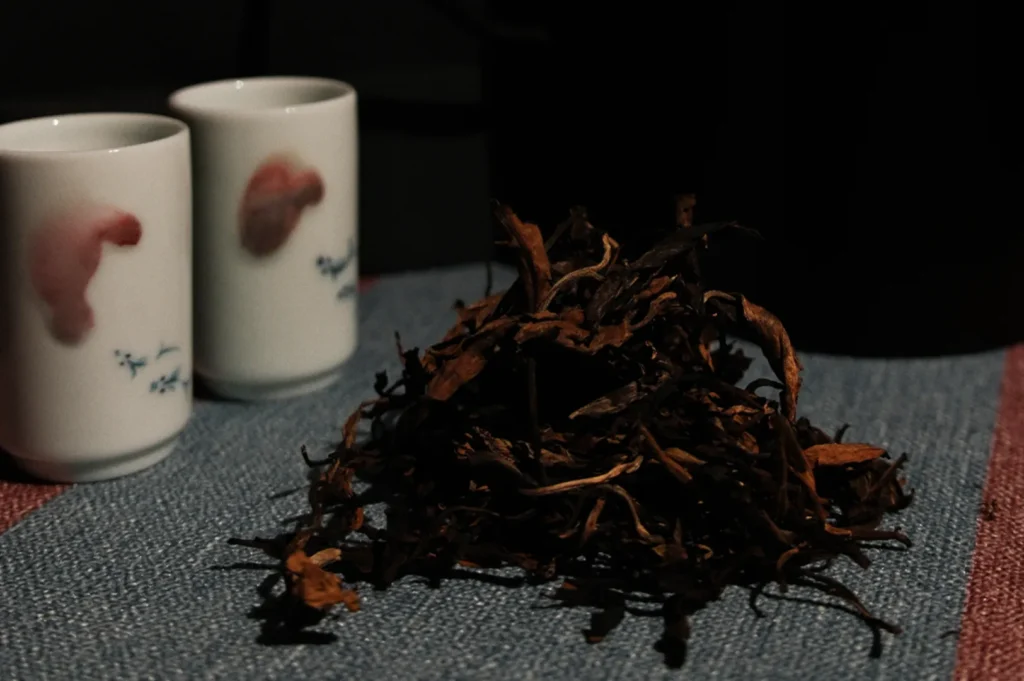
A limited harvest tea is not about exclusivity for its own sake. It is the outcome of sincere sourcing, deep focus, and respect for the land. Ancient tea trees yield only what the season allows: some springs early, some late, some years with less, some with more. Instead of blending large lots to produce volume, we embrace this unpredictability and allow each harvest to speak for itself.
By seeking depth over abundance, the experience at Tea Room by Ki-setsu becomes intentionally intimate. A small group gathers, a small volume is poured, and every cup shows a nuance that would be muted in mass production. The philosophy is simple: a well-chosen, limited harvest tea opens a window into the ecology and climate of the season, producing a flavour and texture no blend could ever replicate. Rather than aiming for sameness, we honour the subtle differences, trusting in patience and restraint.
There is no rush to quantity. Instead, each session is designed to invite you into the stillness of tasting, where the abundant noise of the city fades and what remains is simply the truth of the leaves.
How We Source Limited-Harvest Teas
Direct Sourcing, No Intermediaries
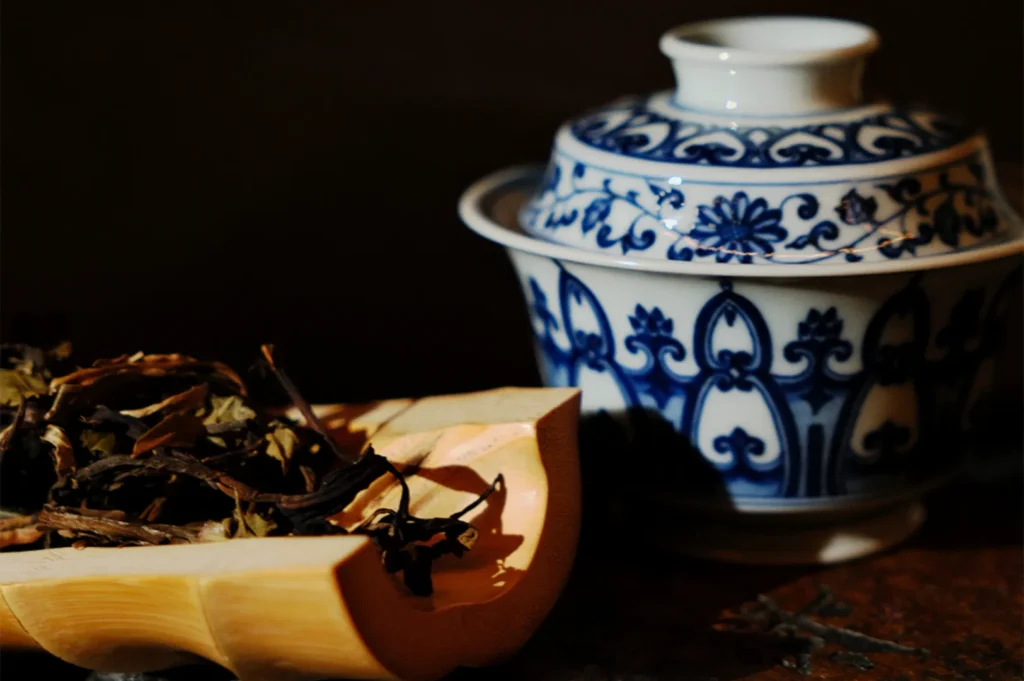
At Tea Room by Ki-setsu, our teas are always direct sourced tea from Bulang Mountain and Yiwu, China. Working only with growers and producers whom we know personally, we bypass intermediaries entirely. This direct relationship means we can trace every cake (Huazhu Liang Zhi, Lao Ban Zhang, Gu Shu Hong Cha, Bing Dao, Yi Bang, Wan Gong) back to its exact grove and tree line. There are no unknowns in provenance or handling. We visit the gardens, listen to growers describe the weather of the season, and witness the gentle handcraft behind the finished leaf.
What We Look For Before We Taste
Not every tea is chosen. Before we even brew, we seek signs of clarity in the dry leaf: colour, shape, aroma, and a quiet energy that promises integrity. We value gardens that apply tradition, patience, and a sense of stewardship; especially with ancient tea trees whose roots tunnel deep into mineral-rich soil. These are trees that have survived weather and generations, never pushed for hurried results. The harvest is small, and that is as it should be, for quality is found in restraint.
What We Confirm In The Cup
No matter how beautiful the story, the cup must deliver. We taste for structural balance, layered depth, and a finish that lingers elegantly. The goal is never brute strength or loudness, but a sense of rising sweetness, returning coolness in the throat, and a texture that glides without heaviness. Each limited harvest tea must feel alive across multiple infusions, never collapsing after the first pour. This unwavering attention to cup experience is central to every selection we make at Tea Room by Ki-setsu.
How Origin Becomes Flavour (A Practical Map)
The concept of terroir, frequently discussed in the wine world, is just as meaningful for pu-erh. The landscape—the mountain air, the altitude, the mineral-rich soil, the rain patterns—imprints its own quiet fingerprint on the finished tea. But so does craft: how leaves are plucked, withered in the shade or direct sun, pressed gently or compactly, and aged with patience.
To notice this in your cup, try this practical approach:
- First, observe the direction of the aroma as you open the cake or awaken the leaves in a warmed pot. Does the scent rise cleanly (floral, herbaceous, or honeyed) or does it stay low, earthy, and grounding?
- Second, focus on the initial texture. Premium pu erh tea Singapore drinkers enjoy often feels supple, not rough, coating the mouth without engulfing it.
- Third, after you swallow, check the sweetness return: does it rush back immediately, or linger, becoming more persistent with each infusion?
- Finally, assess the finish length. With a single origin pu erh, the aftertaste can remain gently present for minutes; a soft coolness at the back of the throat, a returning echo of the garden’s environment.
It is not about memorising regional stereotypes, but about recognising the core markers of origin, craft, and the slow, seasonal arc of flavour.
Our Pu-erh Teas Today (And How To Choose One That Fits You)
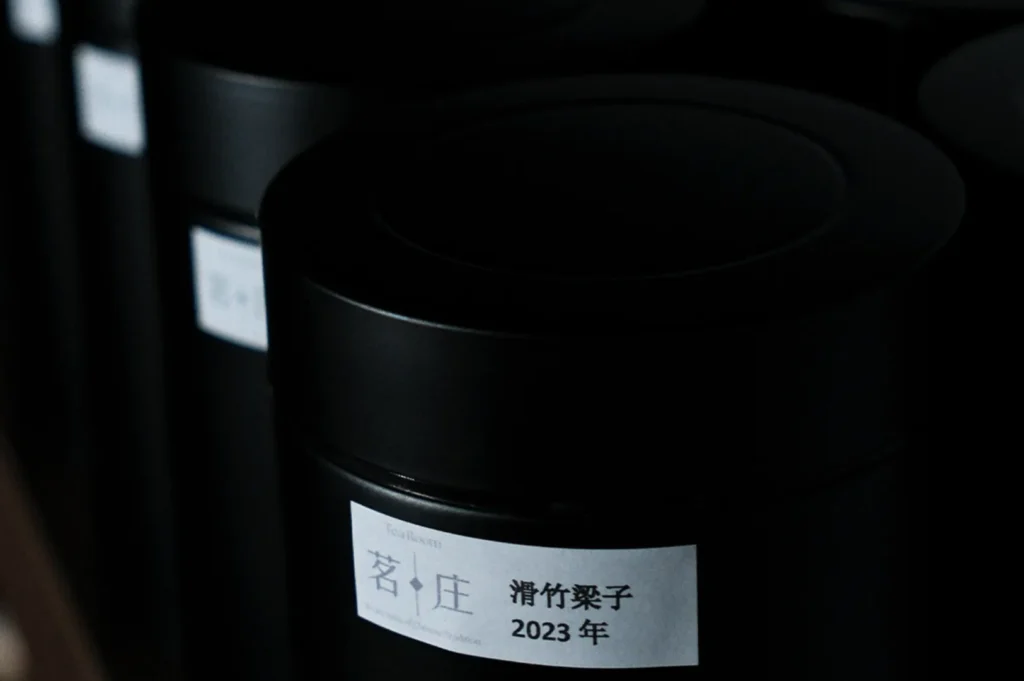
Our collection today includes a carefully selected range: Huazhu Liang Zhi, Lao Ban Zhang, Gu Shu Hong Cha, Bing Dao, Yi Bang, and Wan Gong. All are authentic limited harvest teas, each directly sourced to preserve the unique fingerprint of season and site. But how do you choose among them, especially if you are new to the world of single origin pu erh?
For the curious beginner, Bing Dao and Gu Shu Hong Cha often tend to feel bright, balanced, and highly accessible. Their profiles are typically gentle, with a plush sweetness and clear texture: perfect introductions for those just starting to build their appreciation.
The depth-seeker may gravitate toward Lao Ban Zhang or Wan Gong, both of which usually offer a layered, bold, and structured character from the first aroma to the last finish. These teas often reveal deeper mineral notes, forest floor warmth, and a more persistent finish across six or more infusions.
And for the quiet sipper (someone who values the subtle evolution, the quiet return of sweetness, and a focus on place over power), Huazhu Liang Zhi or Yi Bang are ideal. Both tend to show a soft, clean cup that rewards those willing to slow their tasting, preferring depth over drama.
What We Hope You Taste In A Single Origin Cup

Ultimately, our wish is for every guest to taste more than just leaf and water. We hope you sense the original place: the altitude’s coolness, the patience of the grower, and the quiet steadiness of traditional craft. A single origin pu erh holds these elements in its core: revealing them slowly, one infusion at a time. When you next find yourself in a calm space, let the leaves remind you of the rewards of patience and attention. The true luxury, after all, is tasting the story behind every cup in full awareness.