Introduction
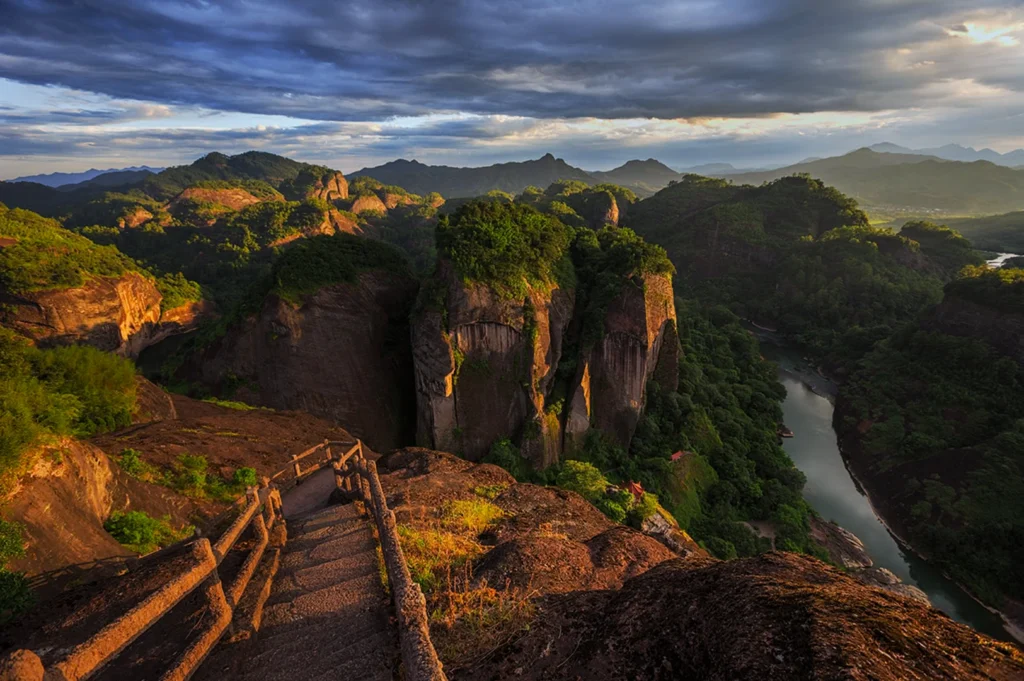
If you have ever wondered where the legendary da hong pao tea comes from, the answer lies in the mist-shrouded peaks of the Wuyi Mountains in Fujian Province, China. For this extraordinary oolong tea, origin is everything; it is the unique terroir that creates its unmistakable character. Often named da hong pao, which translates to “Big Red Robe”, this tea is also called ‘Big Red Robe’ and is regarded as the most prestigious of all Chinese oolong teas. This tea carries a legendary story of emperors and miraculous healing. The legends surrounding Da Hong Pao add to its mystique, with tales that have been passed down for generations and contribute to its deep cultural significance.
Understanding da hong pao origin is essential for tea lovers seeking authentic quality. Without its native soil, the tea loses its soul. Da Hong Pao has even been used as a national gift for foreign dignitaries due to its rarity and heritage. Every authentic cup of Wuyi mountain da hong pao offers a direct sensory connection to its ancient, rocky homeland. Traditional Chinese descriptions often encapsulate the essence or idea of Da Hong Pao, highlighting the unique flavor profile and character that make it so revered.
Let us set out on a journey through Wuyi’s sacred tea gardens to discover why this specific Chinese landscape produces a brew revered across the world.
The Wuyi Mountains UNESCO World Heritage Site
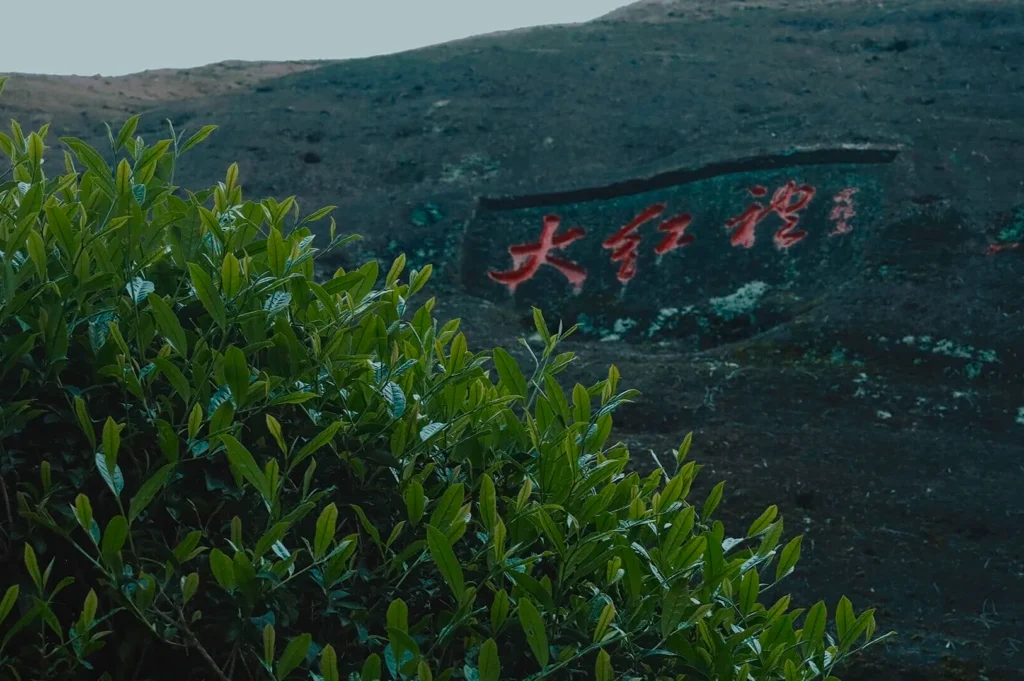
Located in the northern reaches of Fujian Province, the Wuyi Mountains have held protected status as a UNESCO World Heritage Site since 1999. This dramatic landscape is defined by its unique geology, featuring ancient volcanic rock formations that give authentic rock tea its defining character. The climate here provides perfect growing conditions, characterised by misty mornings, ideal rainfall, and distinct temperature variations between the deep, shaded valleys.
This rich biodiversity creates a vibrant ecosystem surrounding the tea gardens, resulting in complex flavour profiles that cannot be replicated elsewhere. The region’s historical significance is equally profound; this is the very soil where an emperor once commanded tribute, and where a devoted monk cultivated tea for centuries near the serene Tianxin Temple. It is this exact combination of natural wonder and cultural reverence that makes the Wuyi Mountains the birthplace of the world’s most expensive tea varieties. When you experience true Wuyi quality, you are tasting a delicate fragrance that has captivated the world for generations.
Understanding Yan Yun: The Rock Essence of Wuyi Rock Teas
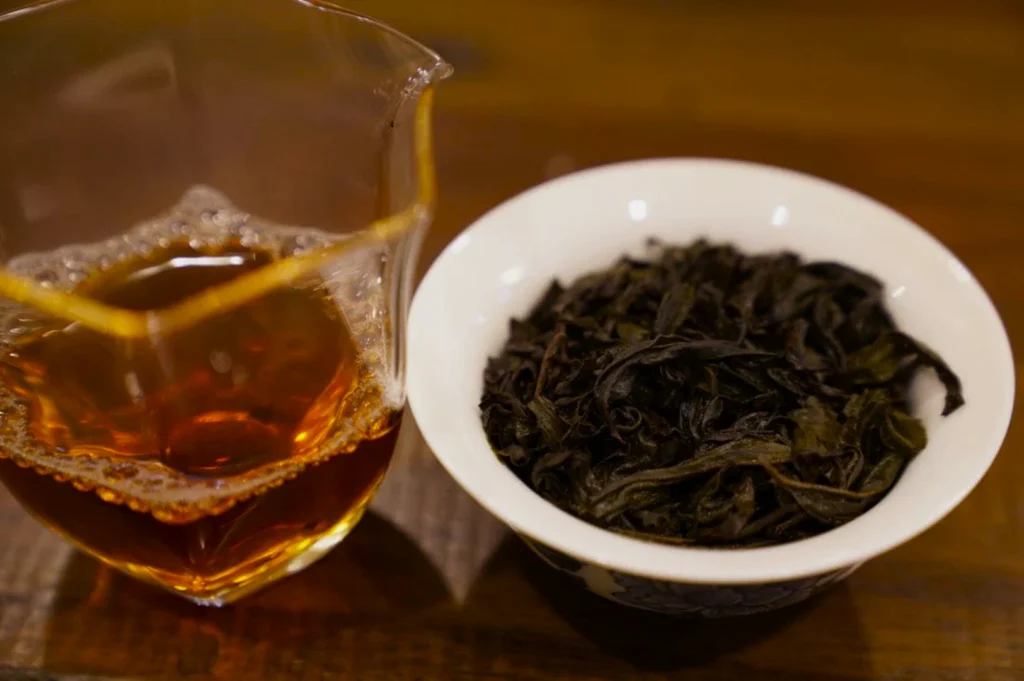
To appreciate da hong pao, one must understand “yan yun” (岩韵), the mineral essence unique to Wuyi rock teas. The tea bush’s roots penetrate volcanic rock soil, absorbing minerals from water flowing through the cliffs.
This creates a rich aroma and a flavour balancing delicate floral notes with a strong mineral backbone, giving Da Hong Pao its distinctive rocky character. Known for its deep roasted, orchid-like flavor, Da Hong Pao has a long-lasting, sweet aftertaste and dark, twisted, greenish-brown leaves. The region’s microclimate, with heat-retaining rocks and humid valleys, supports this unique profile. Authentic purebred da hong pao must come from this terroir; without Wuyi’s rocks, true rock tea cannot exist.
The Three Valleys of Da Hong Pao: Zhengyan, Banyan, and Waishan
Not all tea from the Wuyi region is created equal. Da Hong Pao is a Wuyi rock tea grown in the Wuyi Mountains of Fujian Province, China, and is called by different names depending on its terroir. To determine where a specific Da Hong Pao belongs on the quality spectrum, experts divide the tea gardens into three distinct terroir categories.
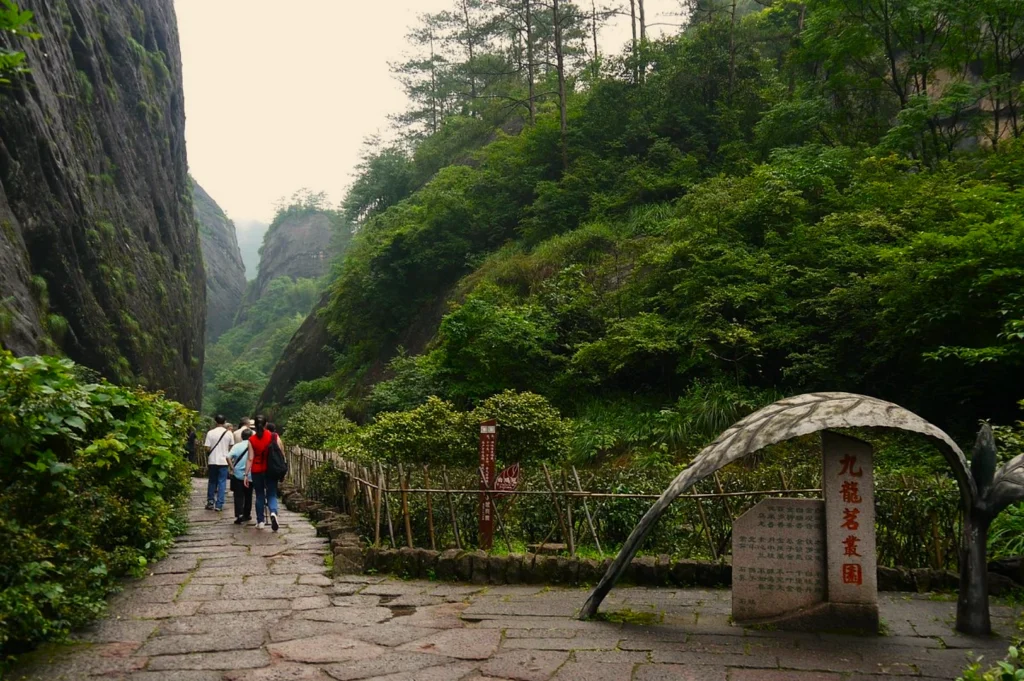
The most prestigious is the category called Zhengyan (正岩, or “core rock”). These premium gardens:
Are located strictly within the scenic area’s central gorges
Yield the highest quality tea
Command the highest market price
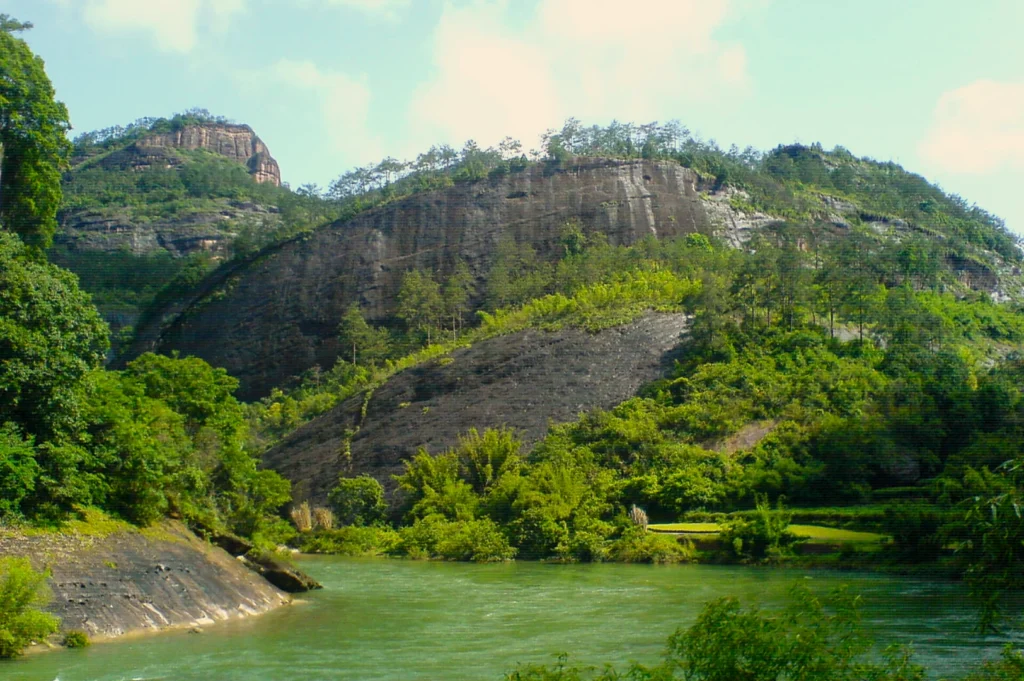
Next is the category called Banyan (半岩, “semi-rock”), which:
Is found on the outer edges of the protected zone
Offers very good quality tea
Has a more moderate market value
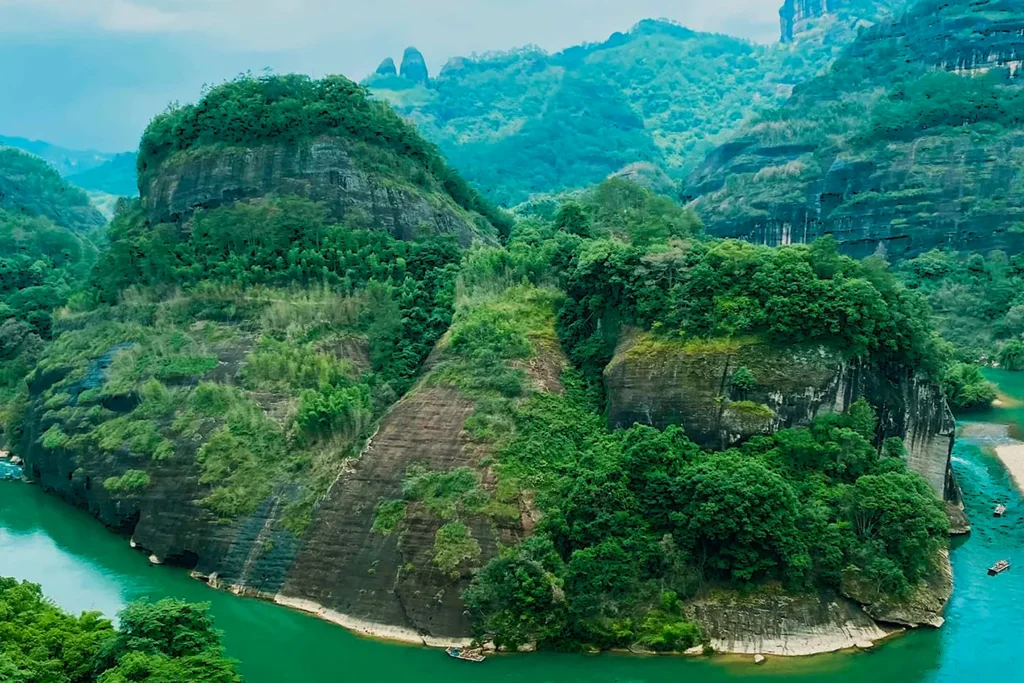
Finally, there is the category called Waishan (外山, “outer mountain”), where:
Teas grow outside the core area but still within the broader Wuyi region
The market value is lower compared to Zhengyan and Banyan teas
The quality differences across these three types are immediately apparent in the taste, aroma, and lingering aftertaste. This geographical distinction explains why a small batch of authentic Zhengyan tea can be sold for thousands of dollars, whereas Waishan varieties remain far more accessible.
From Mother Trees to Modern Cultivation: The Story of Purebred Da Hong Pao
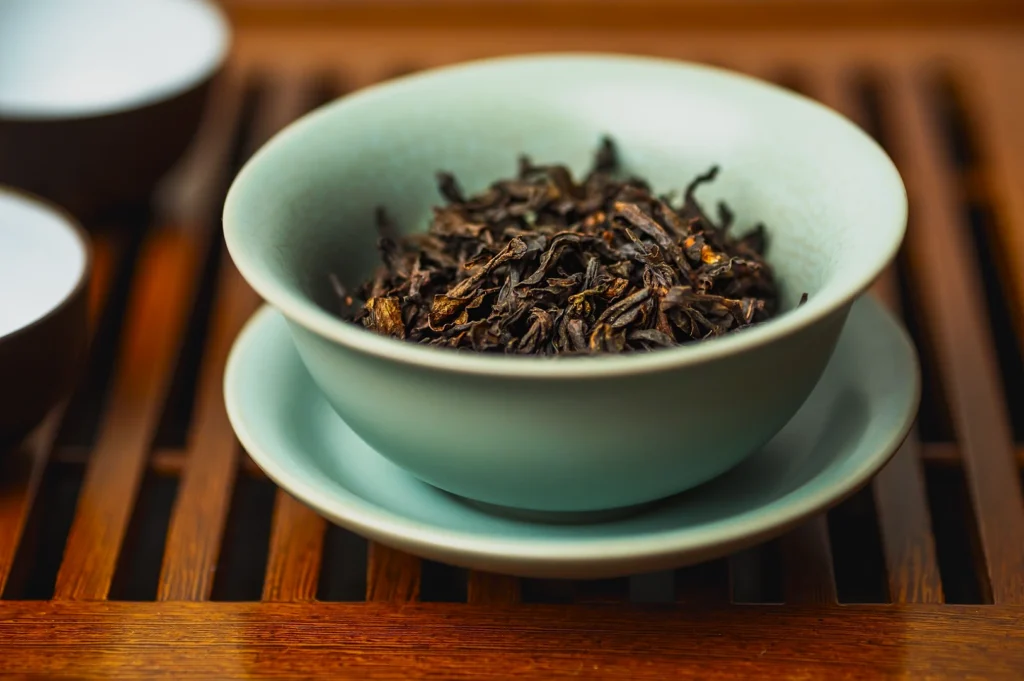
The history of this tea variety is anchored by the legendary mother trees. These six ancient tea bush specimens, clinging to a cliff face, have been strictly protected by the Chinese government since the 1980s. According to a beloved story, a student (scholar) fell ill on his way to take the imperial exam and was cured by tea given to him by a monk. After passing the exam, the scholar returned in gratitude to thank the monk and draped his red robe over the tea bushes, giving rise to the name Da Hong Pao.
Today, authorities have decided to stop harvesting from the mother trees. Instead, modern production uses cuttings taken directly from the original plants through careful clonal propagation. In the Qing dynasty, Da Hong Pao was highly regarded and often ranked first in local tea trade competitions. Local people were required to worship Da Hong Pao before picking the tea leaves each year during the Qing dynasty. During the Republic of China, the price of a pound of Da Hong Pao could buy 5000 pounds of rice or ten buffaloes.
In the present day, “purebred da hong pao” refers to plants with a direct genetic lineage from these revered mother trees. This is distinct from commercial blends, which often mix other Wuyi rock teas like shui xian to mimic the flavour profile. Authentic purebred varieties remain rare, and esteemed tea brands pay premium prices to the dedicated farmers who maintain this heritage each spring, ensuring the ancient lineage continues to thrive.
Traditional Craftsmanship: Making Da Hong Pao Tea
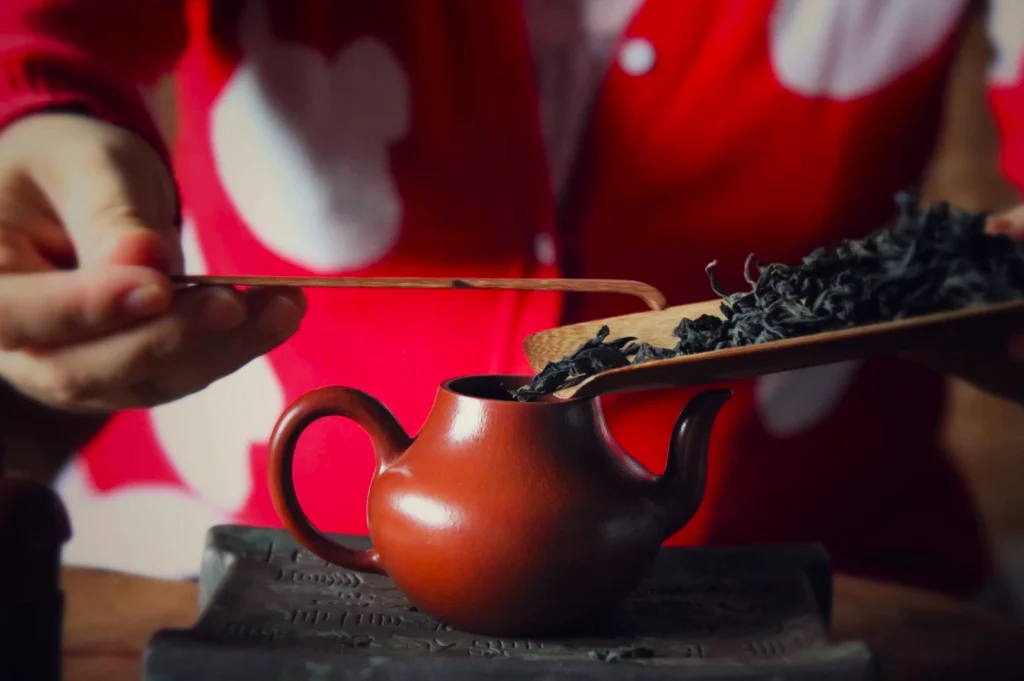
The journey of making da hong pao tea begins with the crucial spring harvest timing, when the tea leaves are carefully plucked to capture their optimal flavour. The leaves first undergo a withering process, gently losing moisture to begin their transformation. This is followed by oxidation, the defining step that categorises it as an oolong tea rather than a green or black variety.
The most demanding stage is the roasting (焙火). The leaves are subjected to multiple rounds of slow roasting over charcoal ash, a method that requires immense skill to develop the tea’s rich aroma and complex taste without burning the leaf. This reflects the true artisan’s journey; skilled tea masters have saved and refined this precise craft over countless generations.
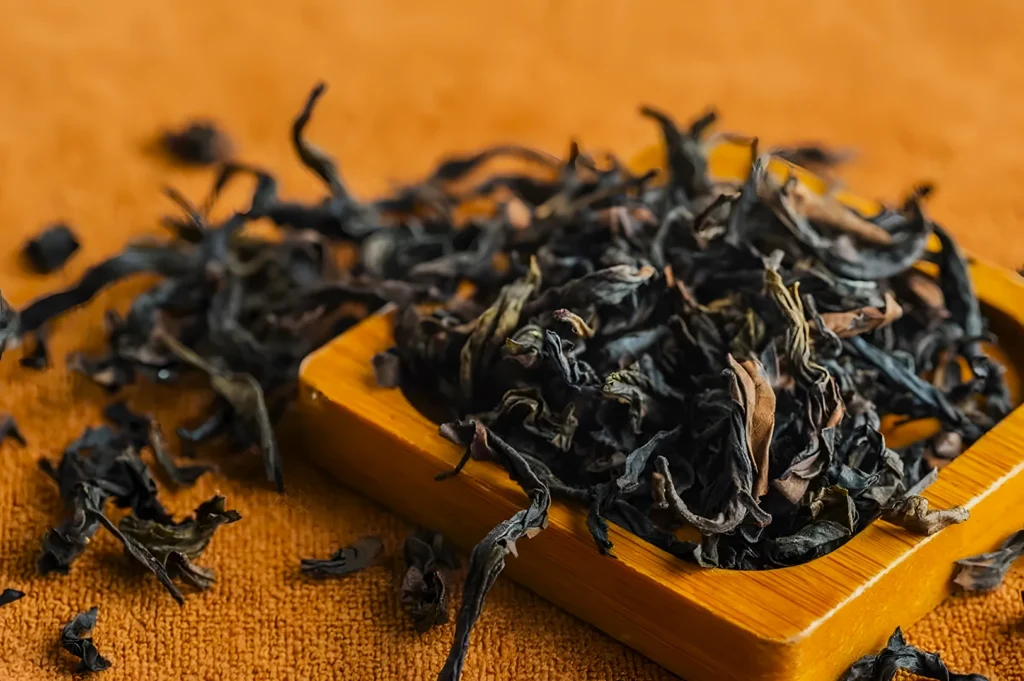
Unlike machine-processed alternatives, these traditional, hand-crafted methods preserve the tea’s innate quality and unlock its full potential during brewing. The finished leaves take on a distinct shape—tightly twisted, boasting a dark colour with subtle hints of gold. This painstaking, labour-intensive process by local farmers is what ultimately justifies the premium price of authentic da hong pao.
How to Identify Authentic Da Hong Pao Tea
For tea lovers seeking the finest experience, learning to identify authentic Wuyi Mountain Da Hong Pao tea is essential. Here are key points to look for:
Type:
Da Hong Pao is a semi-oxidized oolong tea, specifically a category of Wuyi rock tea.
Tea lovers often describe a great Da Hong Pao with four classic traits: bold aroma, clean flavor, mineral backbone, and floral notes.
Appearance:
Tightly twisted tea leaves
Dark charcoal color with subtle bronze or greenish edges
Aroma:
Rich and complex dry fragrance
Slightly floral combined with deeply roasted notes
Never artificially perfumed
Brewing Quality:
Solid mineral backbone known as “yan yun”
Beautifully layered flavor profile
Lingering sweetness that evolves across multiple infusions
Da Hong Pao can retain its flavor for up to nine steepings.
The third and fourth steepings are considered by some to have the best taste.
Brewing Tips:
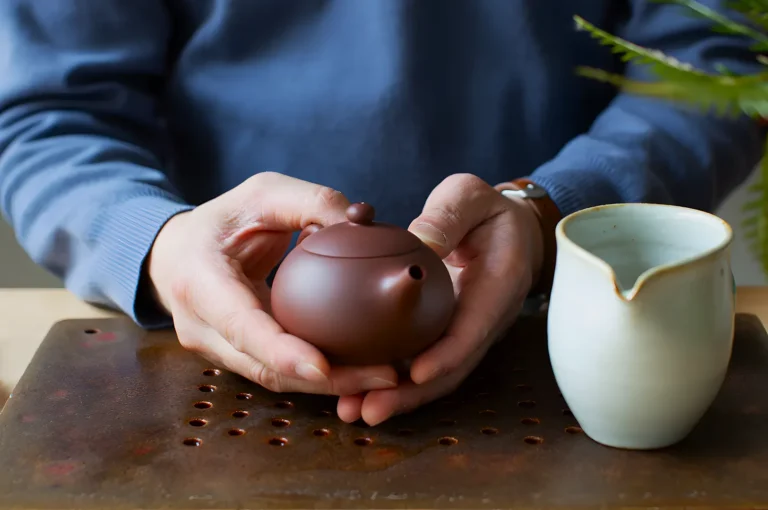
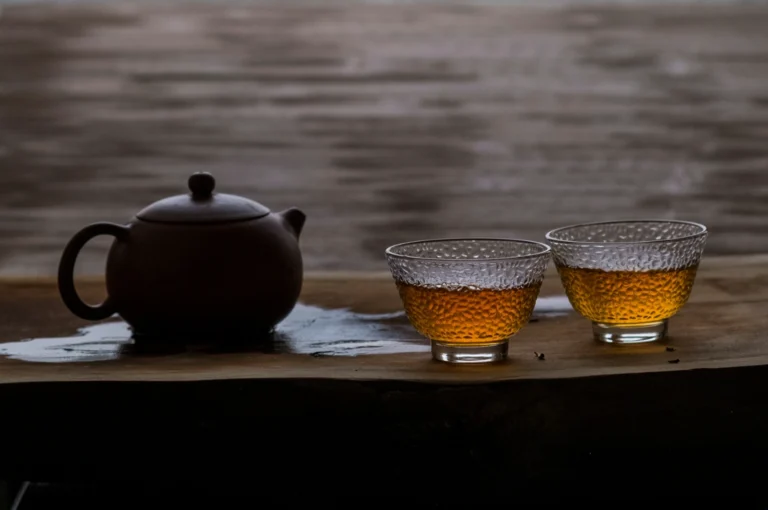
A traditional way to brew Da Hong Pao is by using a Purple Clay Teapot and 100°C (212°F) water.
Purified water is considered by some to be the best choice.
The boiled water should be used immediately after boiling.
Purchasing Tips:
Look for clear certifications and precise origin labeling
Choose merchants knowledgeable about the tea’s provenance
Be cautious of suspiciously low prices or vague origin claims
Avoid leaves that appear overly uniform or brittle, as these may indicate inferior quality or counterfeit products
Ask sellers about their sourcing methods and the specific batch of tea leaves
Many people turn to google to answer common questions about Da Hong Pao’s price and authenticity.
Storage and Relationship:
Buy from reputable sellers who store Da Hong Pao tea properly
Building strong relationships with such sellers ensures authentic taste and rich aroma
This dedication to quality allows tea lovers to appreciate why Da Hong Pao is considered the king of oolong teas and remains one of the most expensive teas in the world.
Tea Room by Ki-setsu’s Sourcing Philosophy
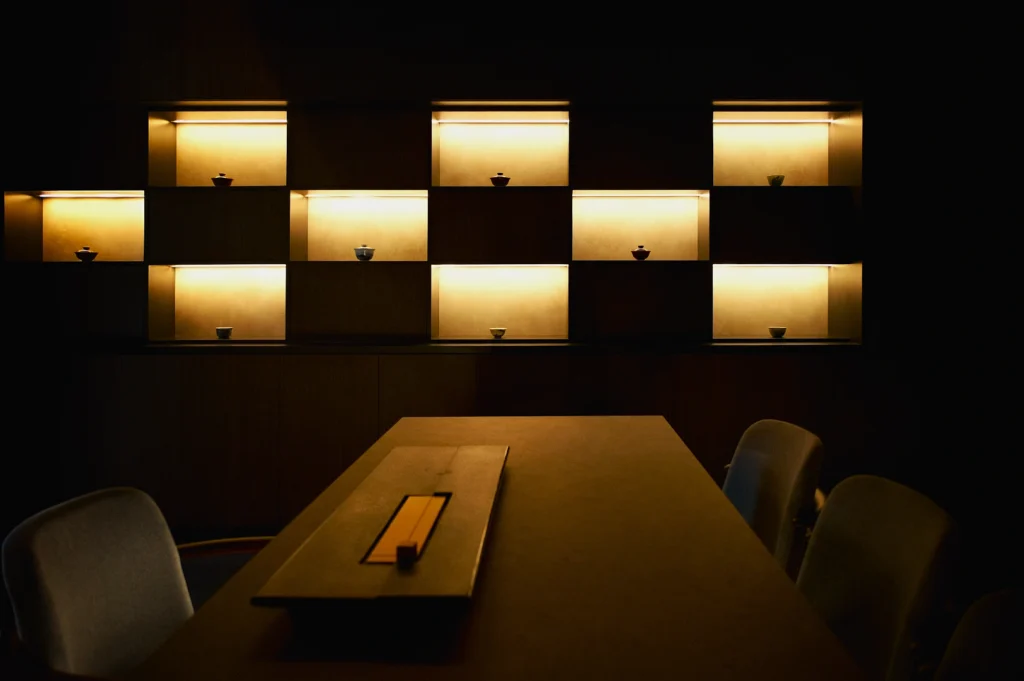
At Tea Room by Ki-setsu, Singapore’s most exclusive private Chinese tea sanctuary, our sourcing philosophy centres on direct relationships with artisan farmers cultivating China’ core tea gardens. We curate a small-batch selection of authentic wuyi rock teas, including exceptional purebred da hong pao from the renowned Zhengyan terroir. We hope to share with tea lovers the unique mineral-rich terroir and traditional craftsmanship that define genuine Da Hong Pao, offering an experience that honors the tea’s rich legacy.
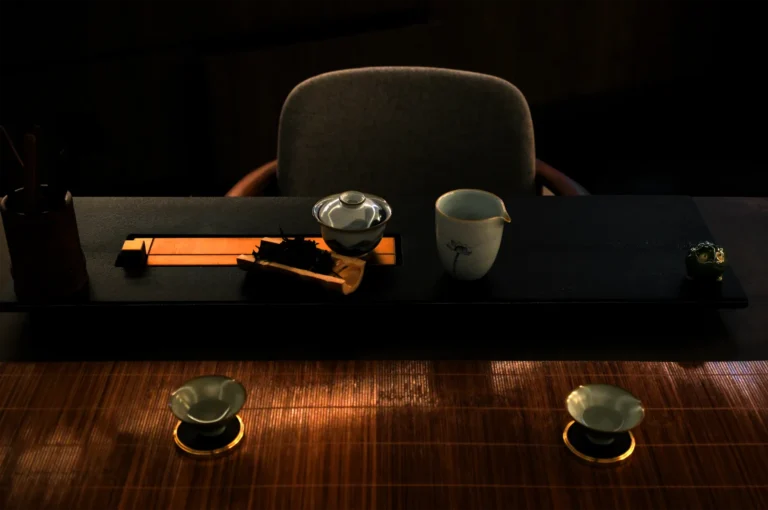
Beyond sourcing rare and precious tea leaves, Tea Room by Ki-setsu also provides a refined experience with carefully selected traditional Chinese teawares, enhancing the art of brewing and savoring these exceptional teas. We warmly invite tea lovers and connoisseurs alike to visit and immerse themselves in an intimate, guided setting where the rich heritage and exquisite flavors of these rare Chinese teas come alive. Grateful for the opportunity to connect people with this cultural treasure, we strive to make every visit a memorable journey into the true essence of rare Chinese teas.
To explore more of this Da Hong Pao’s rich heritage, please read our complete guide on its cultural history.