Some teas ask for attention with force. Longjing does not.
It arrives quietly, first through aroma, then through colour, then through the soft, chestnut-like warmth that settles across the palate. Even before people begin asking about the long jing tea benefits, they often notice something simpler and more immediate: the tea feels composed. Clear. Restorative in a way that is difficult to describe if one is expecting intensity.
At Tea Room by Ki-setsu, we find that this is often where the conversation begins. Not with a list of claims, but with experience. A guest tastes Longjing, pauses, and recognises that this green tea carries a different kind of energy. It does not rush the senses. It refines them.
The benefits of Longjing tea are often discussed in terms of green tea’s natural compounds, but the fuller picture is more subtle than that. Dragon Well is also valued for the way it slows the body into attention, the way its texture and fragrance create a gentler rhythm, and the way craft and freshness shape how the tea is received.
For readers who would like the broader background, our guide to Longjing tea in Singapore and Dragon Well’s imperial legacy offers a deeper introduction to the tea itself. Here, we will stay close to the cup and explore why Longjing so often feels both vivid and quietly calming at once.
Longjing Is More Than “Just Green Tea”
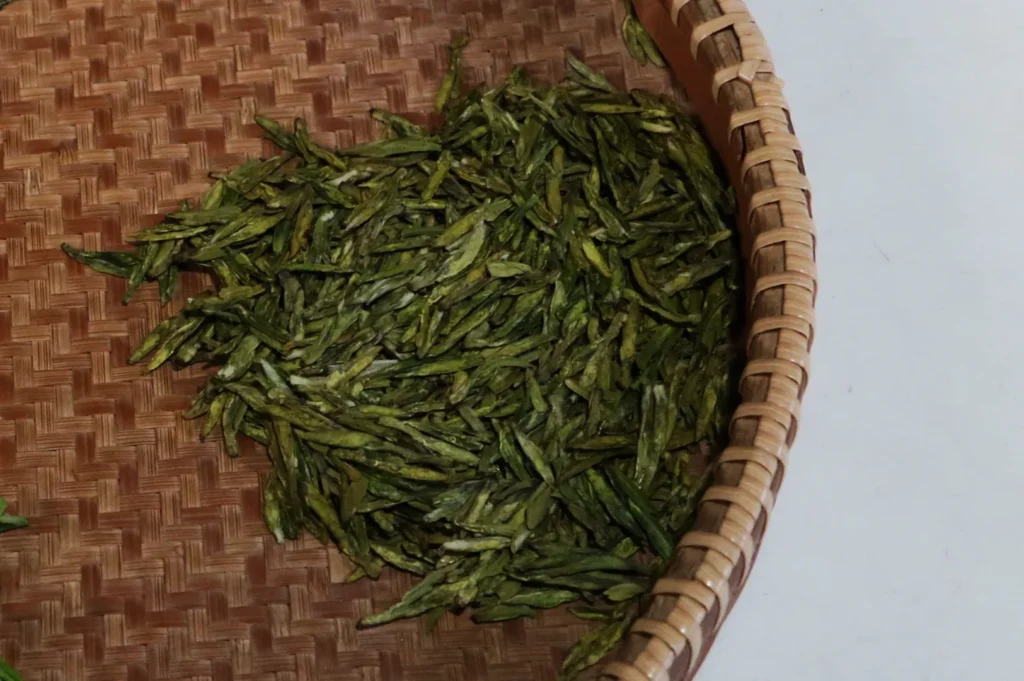
It is true that Longjing belongs to the broad family of green tea, and many of the longjing tea benefits begin there.
Like other well-made green teas, it is lightly processed to preserve the leaf’s natural freshness. The leaves are pan-fired soon after harvest which halts oxidation and helps retain their delicate compounds, colour, and fragrance. Yet Longjing is not simply any green tea treated well. It has its own signature: flat leaves shaped by hand, a warm chestnut note, and a sweetness that often arrives with more roundness than sharpness.
This matters because the way a tea is processed shapes not only flavour, but the way it feels in the body. A tea that is too harsh, too grassy, or too bitter can feel fatiguing even if it is technically high in beneficial compounds. Longjing, at its best, feels balanced. That balance is part of what makes Dragon Well tea benefits so compelling to so many drinkers.
The leaf is gentle, but not weak.
The aroma is clear, but not thin.
The cup is light, but not empty.
This balance is part of the tea’s restorative quality.
The Quiet Kind of Clarity
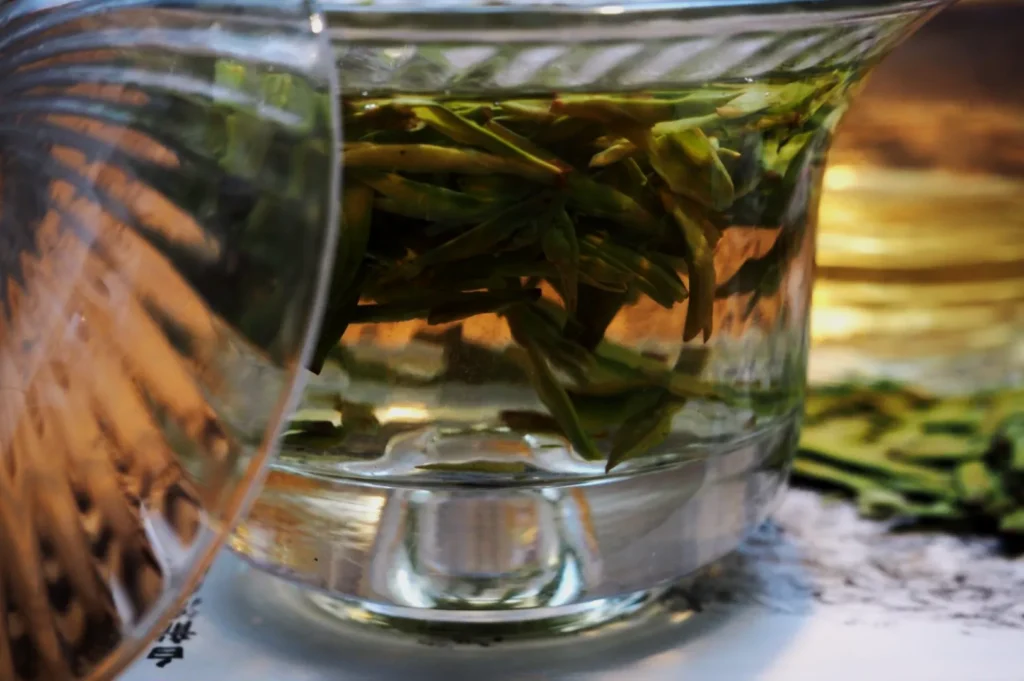
One of the most appreciated benefits of Longjing is not dramatic at all. It is the kind of clarity that arrives without agitation.
Many people who drink Dragon Well regularly describe it as a tea that sharpens attention while remaining soft in temperament. This is one reason it has long been associated with study, reflection, and slower conversation. It supports wakefulness, but rarely in a way that feels aggressive. It is not the kind of tea that pushes itself forward. It simply clears space.
At Tea Room by Ki-setsu, we often see this when guests taste Longjing in a quiet setting. The tea does not perform. It refines. Fragrance becomes easier to follow. The body settles. Conversation slows into something more deliberate. This, too, is a form of wellness, even if it is not the kind usually marketed.
When people search for benefits of longjing tea, they are often looking for a practical answer. A practical answer is this: it is a green tea valued for its natural antioxidant content, its fresh and clean profile, and the calm alertness many people associate with drinking it. A fuller answer is that the tea also changes the pace of the hour in which it is consumed.
Long Jing Tea Benefits and Natural Green Tea Compounds
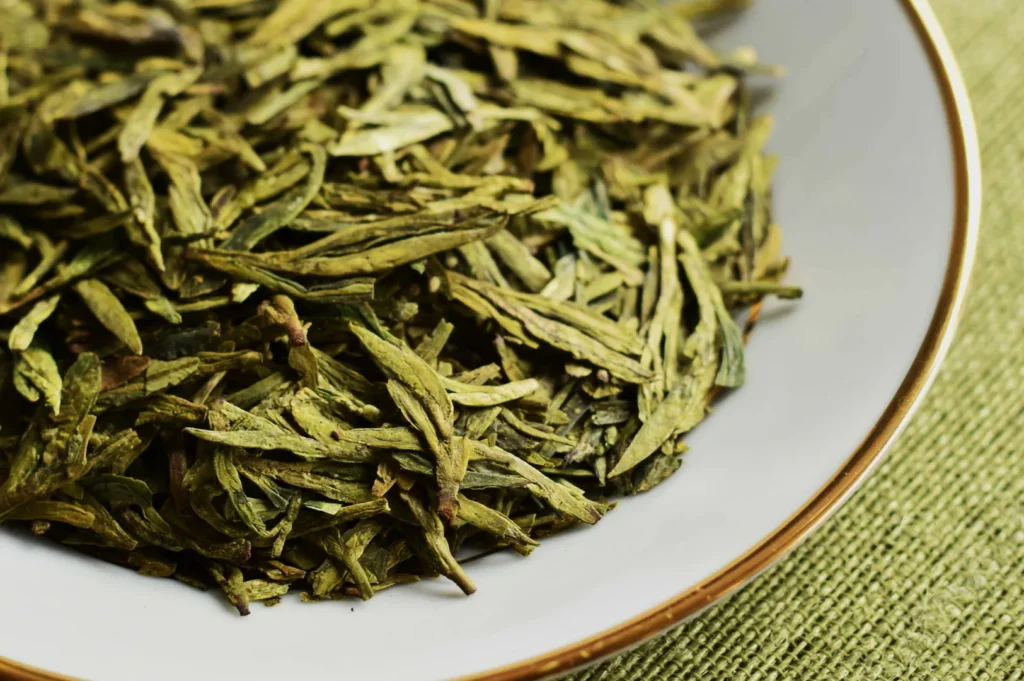
Any thoughtful discussion of long jing tea benefits should begin with honesty. Longjing is a traditional tea, not a medicine. It should not be treated as a cure, a quick fix, or a substitute for care. But it is still worth recognising why green tea has held such a respected place for so long.
Dragon Well, like other high-quality green teas, naturally contains polyphenols and catechins, which are widely valued as antioxidant compounds. These compounds are one reason green tea has been studied and appreciated for generations. They are also part of why Dragon Well tea benefits are often discussed in relation to balance, freshness, and daily wellbeing.
Longjing also contains caffeine, though many drinkers experience it as gentler than coffee when properly brewed. The character of that stimulation matters. In the cup, it feels integrated rather than sharp, especially when the tea is fresh and brewed with care.
This is where process matters again.
When Longjing is over-steeped or brewed with water that is too hot, the leaf can become more bitter and less graceful. When brewed properly, the tea often feels smoother, sweeter, and more complete. So even when discussing green tea benefits in Singapore or elsewhere, technique cannot be separated from experience.
The tea offers its best qualities when it is treated with the same restraint that shaped it.
Why Longjing Often Feels Restorative
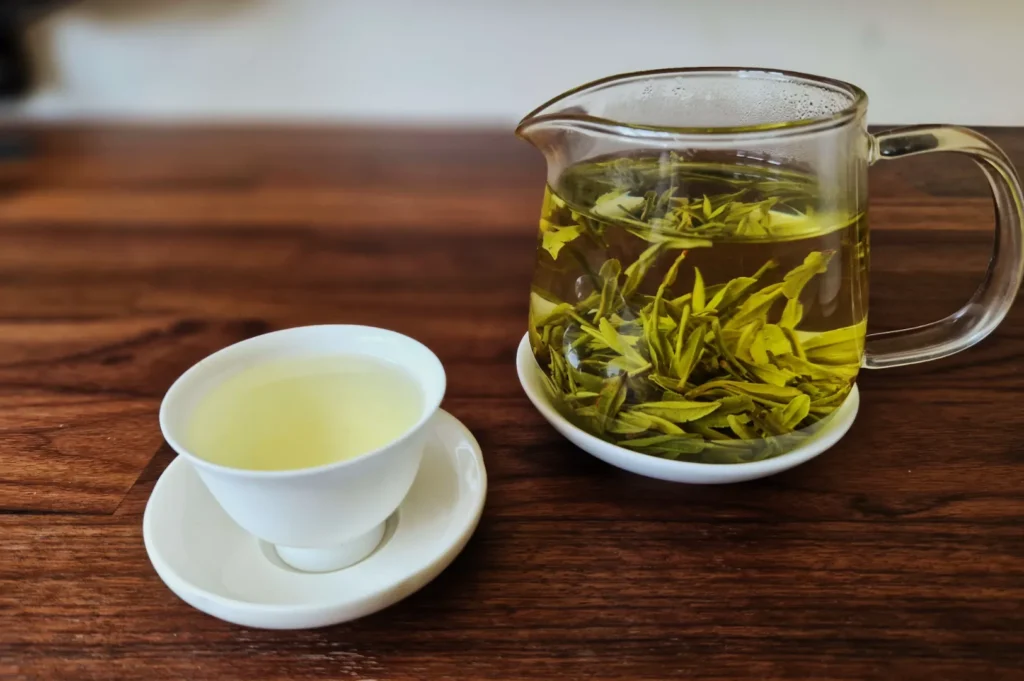
The word “restorative” can be misunderstood. It does not always mean sleepy, heavy, or medicinal. In tea, restorative can also mean clearing, settling, and returning a person to themselves.
This is part of Longjing’s particular gift.
It is a tea that tends to refresh without force. The liquor is bright, yet the body of the tea often feels smooth and low in aggression. The chestnut note brings warmth, while the greener notes keep the tea lively. The result is a cup that feels complete rather than stimulating in only one direction.
Many drinkers also find that Longjing suits the late morning or early afternoon especially well. It can accompany a quieter work period, a reflective break, or the transition from busyness into steadier thought. This is one reason the tea remains so relevant in Singapore, where daily life can become overly compressed. A tea like Longjing offers not only flavour, but an alternative rhythm.
At Tea Room by Ki-setsu, we think this is part of the reason Dragon Well continues to matter. It answers modern fatigue without becoming loud about it.
Aroma, Texture, and Aftertaste as Part of Wellness
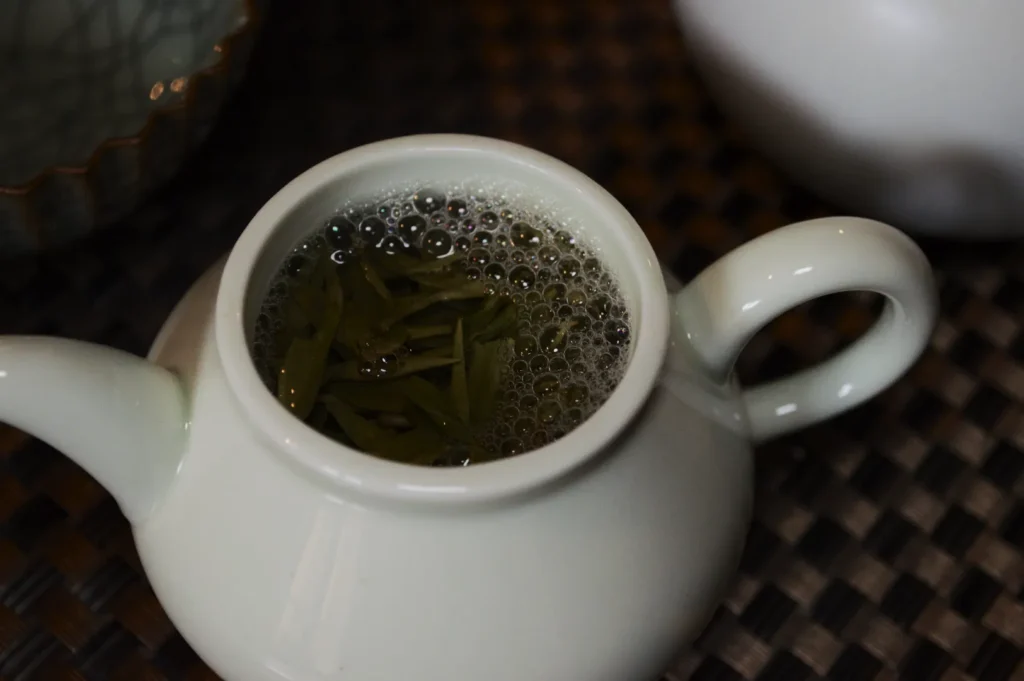
It is tempting to reduce health and wellness to chemistry alone, but tea appreciation reminds us that experience also matters.
Aroma affects how the body receives a cup. Texture affects whether the tea feels harsh or easeful. Aftertaste affects whether the tea leaves freshness behind or simply disappears. These qualities may not fit neatly into a supplement-style headline, but they matter in real life.
Longjing’s aroma often carries a quiet warmth that feels familiar before the first sip. The liquor is usually clean and bright, but not thin. Good Dragon Well leaves a gentle sweetness that lingers without clinging. These are not only tasting notes. They are part of why the tea feels so composed.
This is especially important for people who have tried green tea in less careful forms and found it too bitter, too sharp, or too plain. Longjing can change that expectation. It shows that a green tea can be both fresh and deeply comforting.
The Benefits of Longjing Tea Are Also Cultural
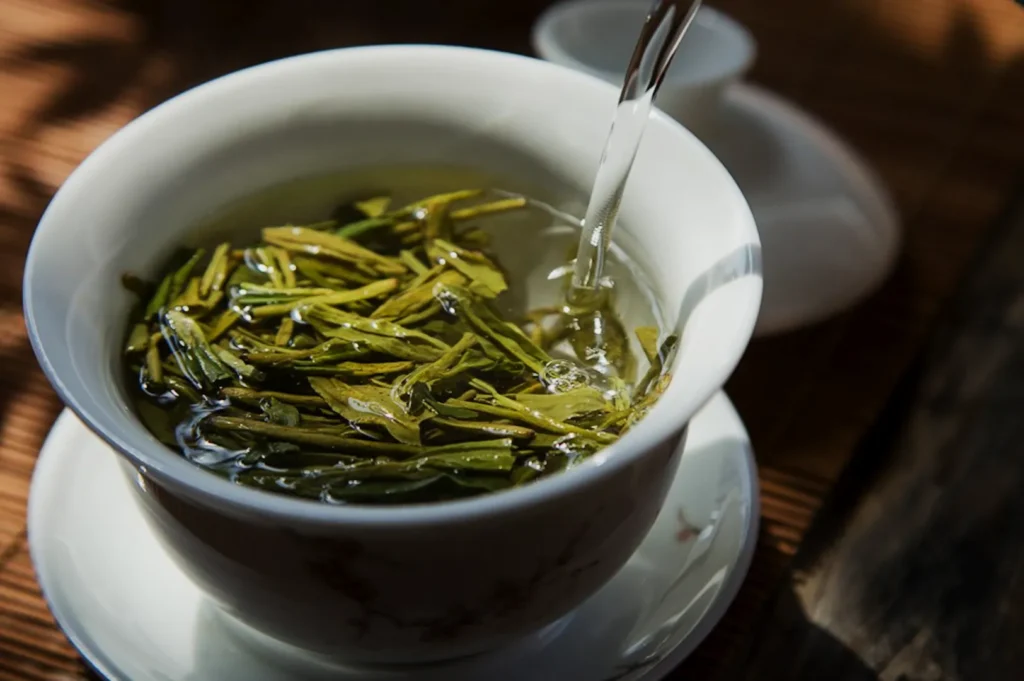
Tea does not offer value only through compounds in the leaf. It also offers value through the way it is approached.
Longjing carries a long cultural history of refinement, scholarship, hospitality and quiet prestige. That history matters because it shaped how the tea is still enjoyed today. Dragon Well is not usually treated as a casual, throwaway drink. It is prepared with care. It is given room. It is often served in a way that invites appreciation rather than distraction.
This cultural context changes the benefits of the tea itself.
A rushed cup drunk absentmindedly on the move is not the same as a cup prepared in stillness. The same leaves may be present, but the experience is diminished. When people ask about longjing tea benefits, we think it is worth saying clearly that part of the benefit lies in the ritual. The tea teaches a slower method of receiving.
In a city like Singapore, that is not a small thing.
Brewing Shapes the Benefit
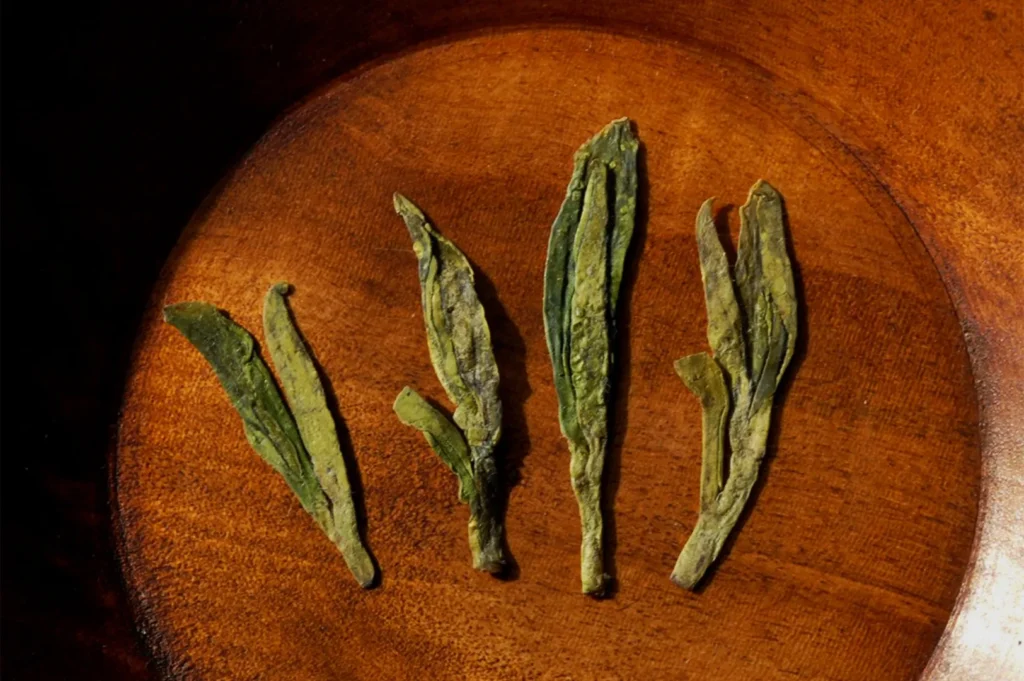
A tea cannot show its best qualities if it is brewed carelessly.
With Longjing, water temperature is especially important. Water that is too hot can flatten sweetness and pull bitterness forward too quickly. Water that is slightly cooler allows the leaf to open with more grace. The result is a tea that feels clearer, gentler, and more balanced.
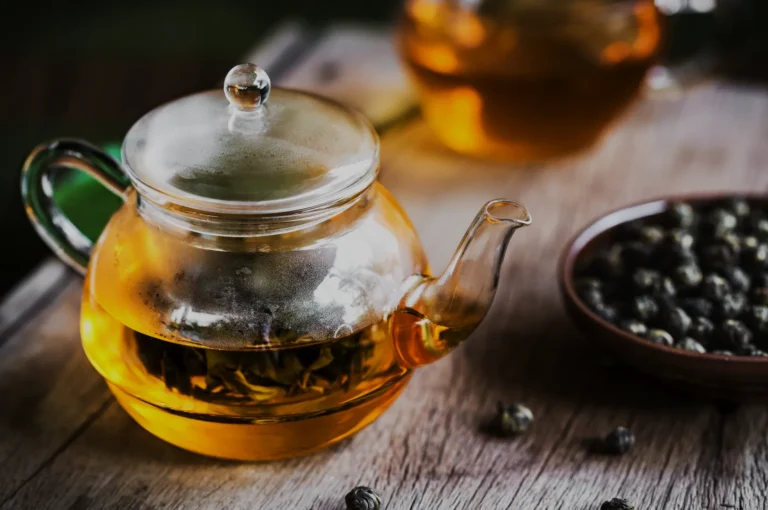
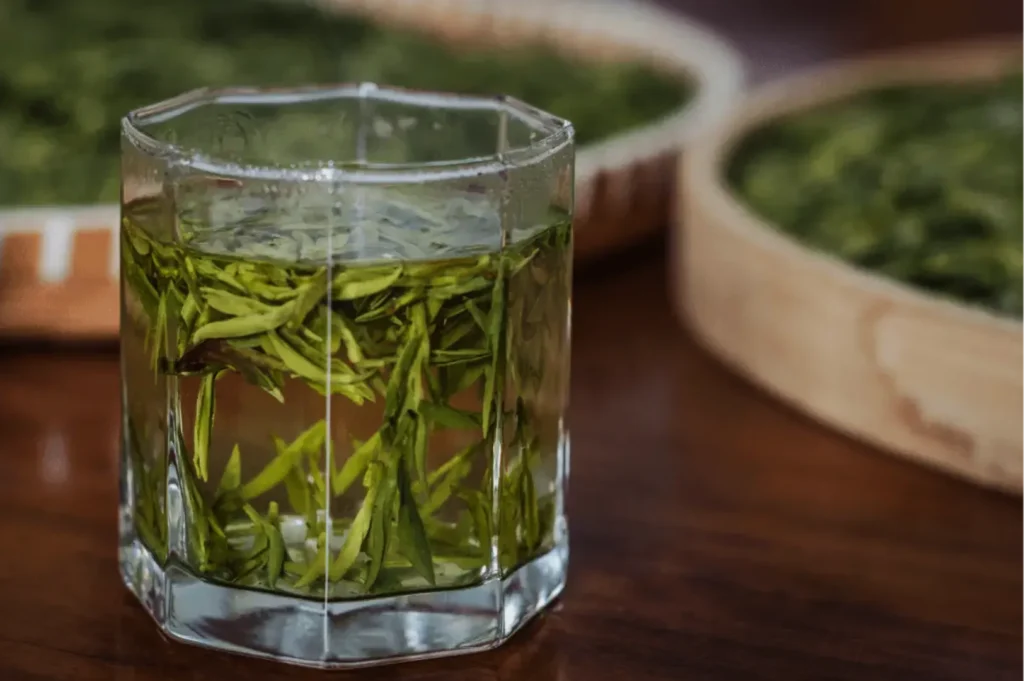
Glassware or a lighter vessel can also help. Longjing is a visually expressive tea, and part of its appeal lies in watching the leaves settle, rise, and stretch into the water. That visual rhythm contributes to the sense of calm many people feel while drinking it.
Small changes matter:
- fresher leaves often feel more vivid and restorative
- cleaner storage protects aroma and softness
- careful brewing preserves balance
- quieter settings make the tea easier to appreciate
This is why a tea like Longjing often feels different in a thoughtful tea room than it does in hurried daily use. The tea itself has not changed. The conditions have.
Longjing as a Daily Tea, Not a Dramatic One
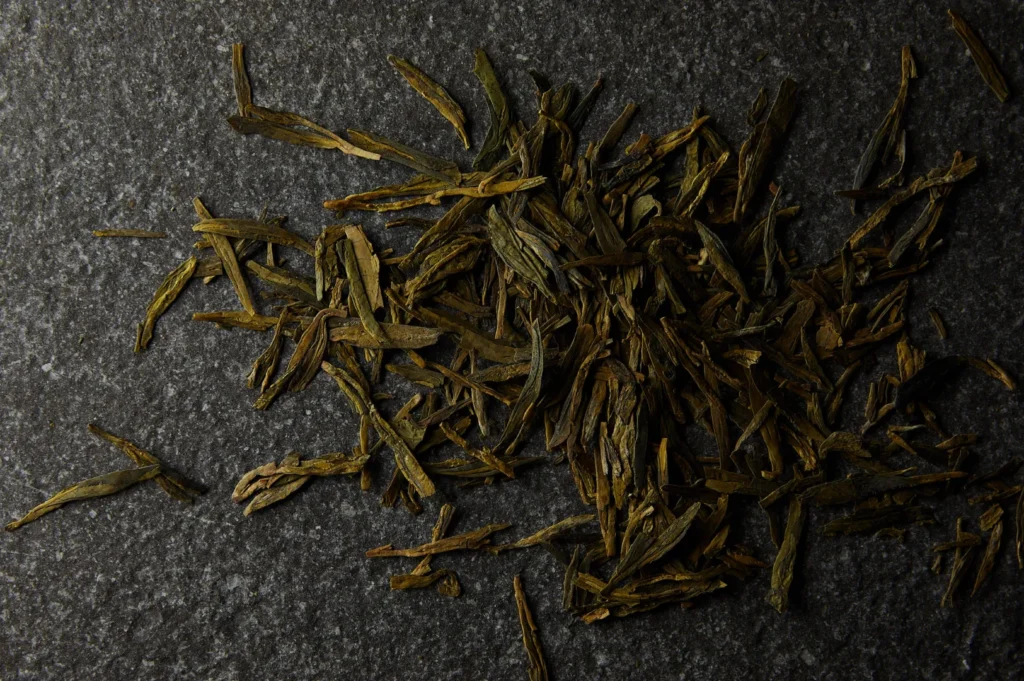
Some teas are memorable because they overwhelm. Longjing is memorable because it does not need to.
Its value is often cumulative. One cup clarifies. Another resets the pace of the day. Over time, the tea becomes associated not with drama, but with steadiness. For many people, this is precisely why it becomes so beloved.
This also makes Longjing a very modern tea, despite its long lineage. It fits contemporary life not by speeding it up, but by offering a more elegant counterpoint to it. This is one reason people searching for green tea benefits in Singapore often find themselves drawn toward Dragon Well once they move beyond generic categories.
It is a tea that feels both old and immediately useful.
A Quiet Place to Understand Dragon Well More Deeply
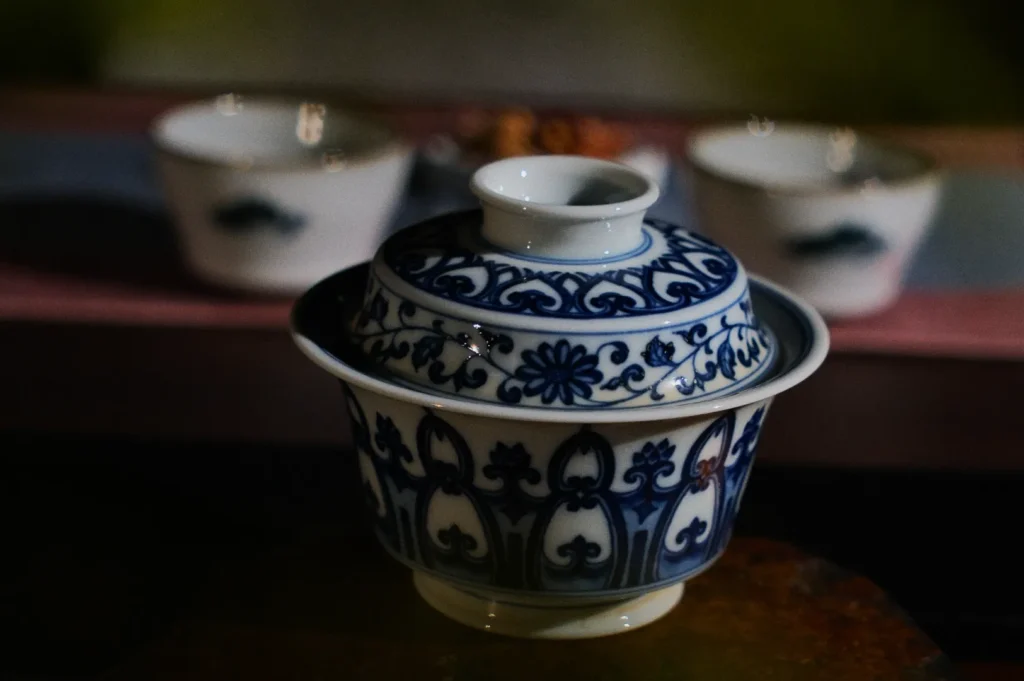
At Tea Room by Ki-setsu, we do not approach Longjing as a trend or a checklist of properties. We approach it as a tea that reveals its value through stillness, precision, and the quality of attention around it.
This is why our conversations around Longjing often begin with the cup itself. How does it feel? What changes from the first infusion to the second? What kind of clarity does it bring? Those questions, asked slowly, often teach more than louder claims ever could.
A good tea doesn’t need noise.
Longjing proves that especially well.