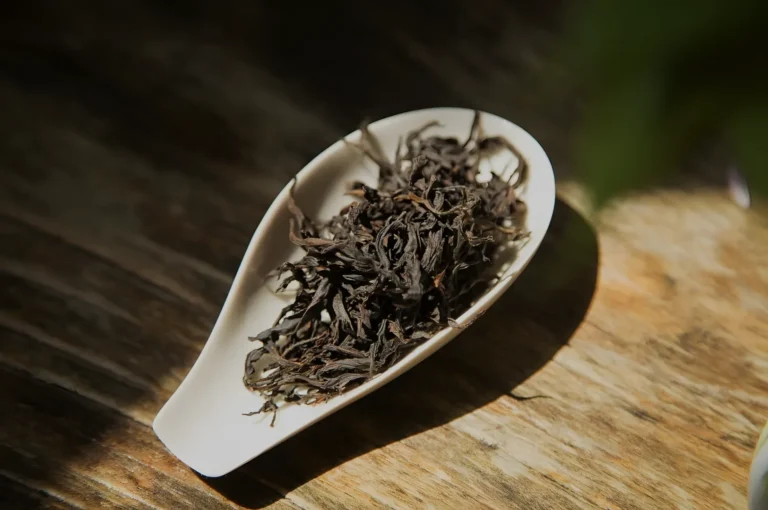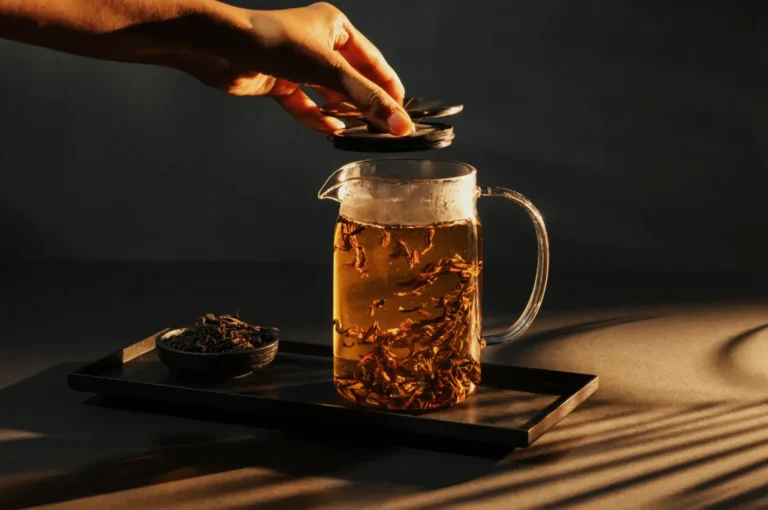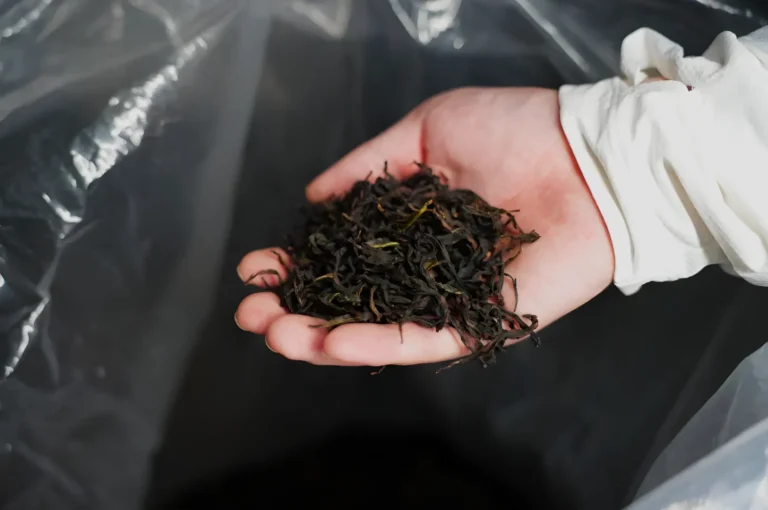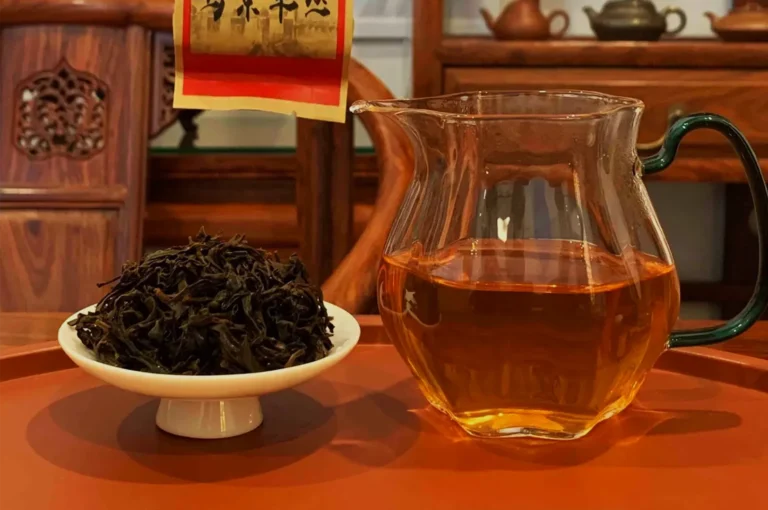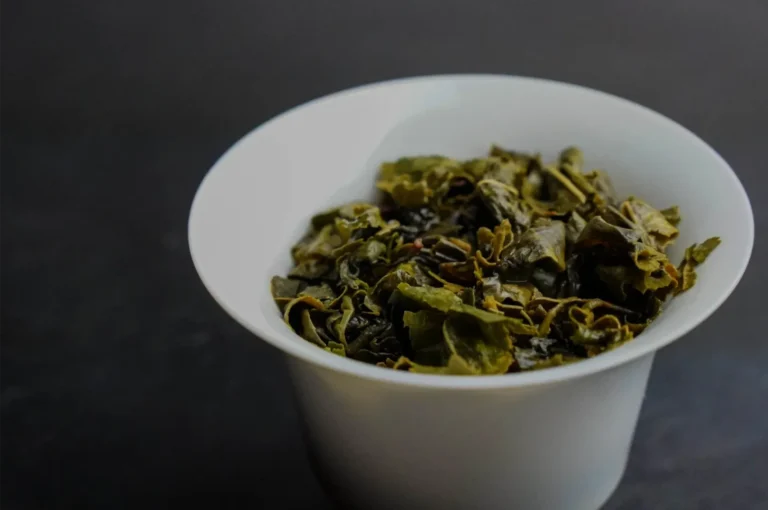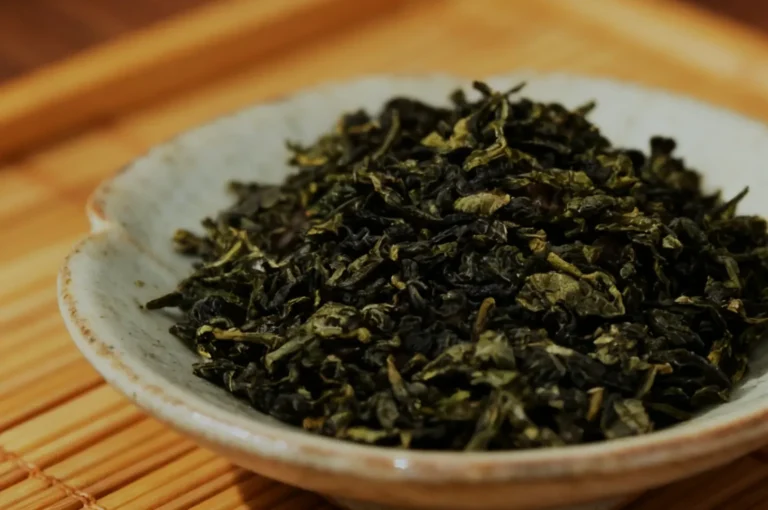
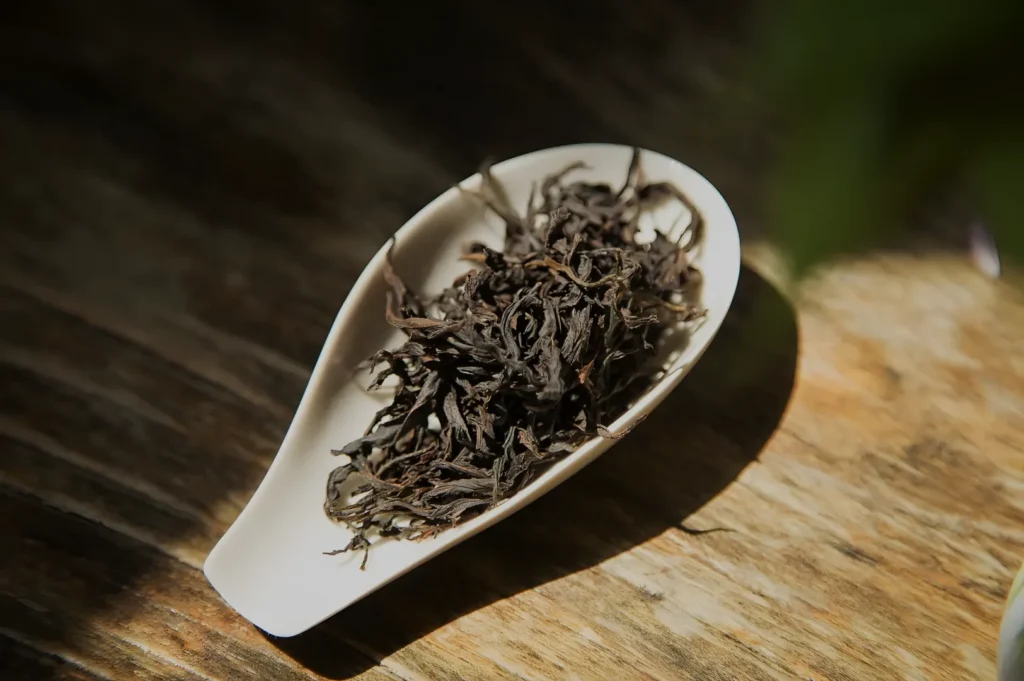
Phoenix Dan Cong tea is often introduced through aroma.
This is not a small detail. For Dan Cong, aroma is one of the main ways the tea is named, remembered, and understood. A drinker may encounter Mi Lan Xiang, Ya Shi Xiang, Huang Zhi Xiang, Zhi Lan Xiang, Xing Ren Xiang, or other fragrance names before knowing what any of them mean.
The names can feel like poetry. They can also feel confusing.
Phoenix Dan Cong aroma types are not flavourings. They are natural fragrance expressions shaped by cultivar, origin, and craft.
For readers who want the wider foundation, we have written a guide to Phoenix Dan Cong aroma and origin. This article focuses only on the aroma families and how to read them calmly.
Why Aroma Types Matter
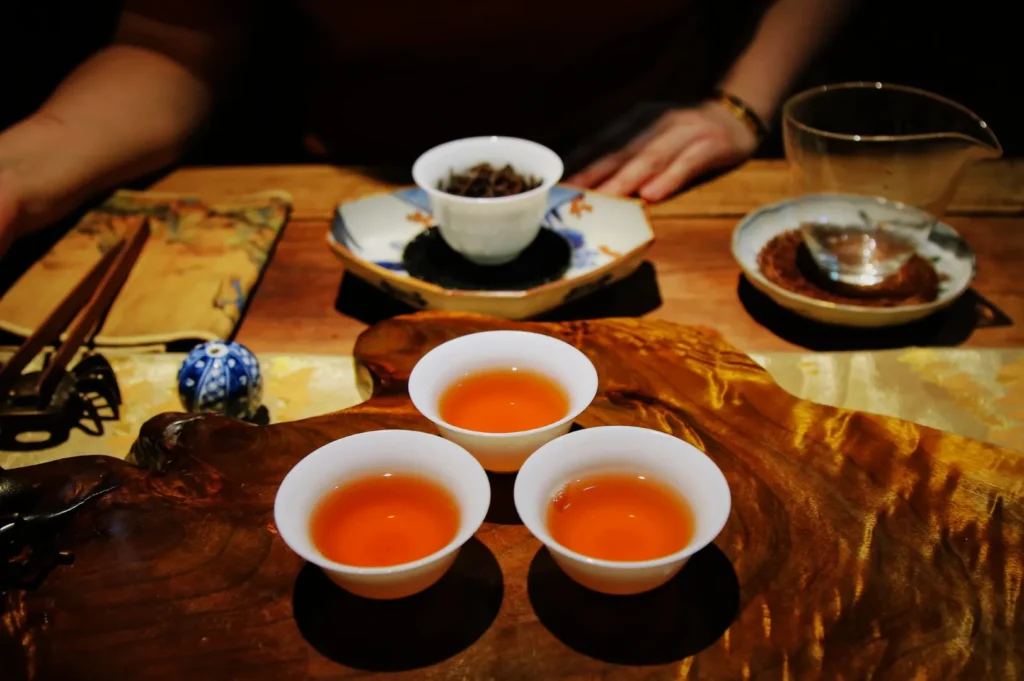
Many teas are described by taste. Phoenix Dan Cong is often described by fragrance.
This is because its cultivars and processing styles can create highly distinct aromatic impressions. Some smell honeyed. Some floral. Some fruity. Some nutty. Some carry names that sound unusual until the cup explains them.
A Scientific Reports study on Phoenix Dan Cong aroma components notes that different aromatic components give different tea flavours. This supports what tea drinkers have long known through practice: Dan Cong’s aroma is not random.
It is a central part of its identity.
Mi Lan Xiang: Honey Orchid Aroma
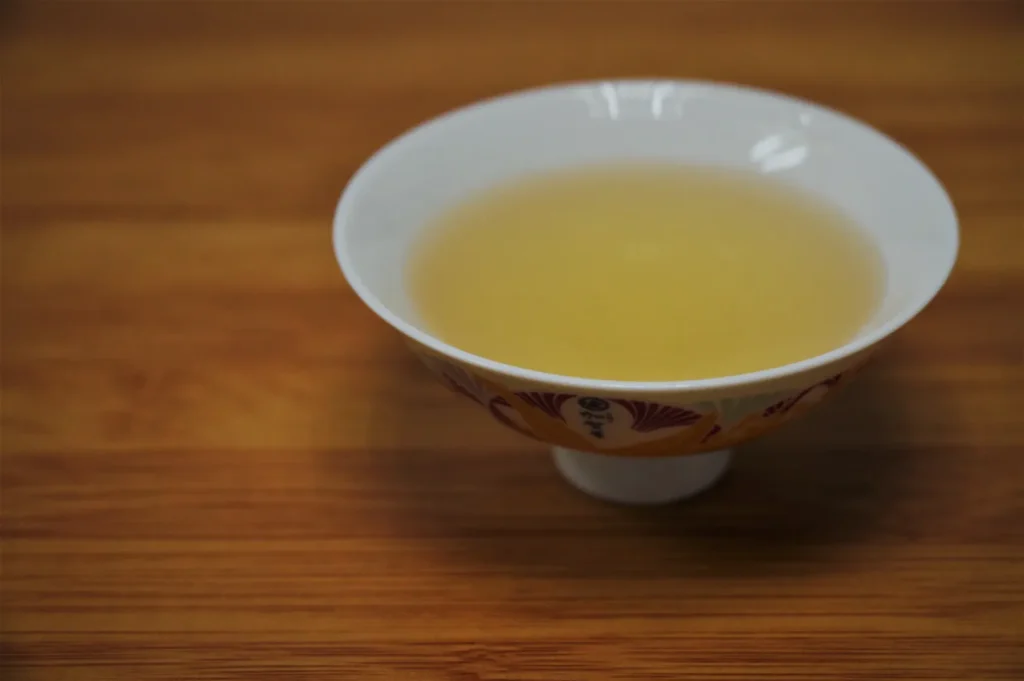
Mi Lan Xiang is one of the most approachable Phoenix Dan Cong aroma types.
The name is often translated as Honey Orchid fragrance. In the cup, it may feel sweet, floral, soft, and gently fruity. It is often a good starting point for beginners because the aroma is clear without necessarily being too strange.
Mi Lan Xiang can show why Dan Cong has such appeal. It is fragrant, but not necessarily difficult. A well-brewed cup may feel honeyed in the finish, with a floral lift that remains after swallowing.
Ya Shi Xiang: Duck Shit Aroma
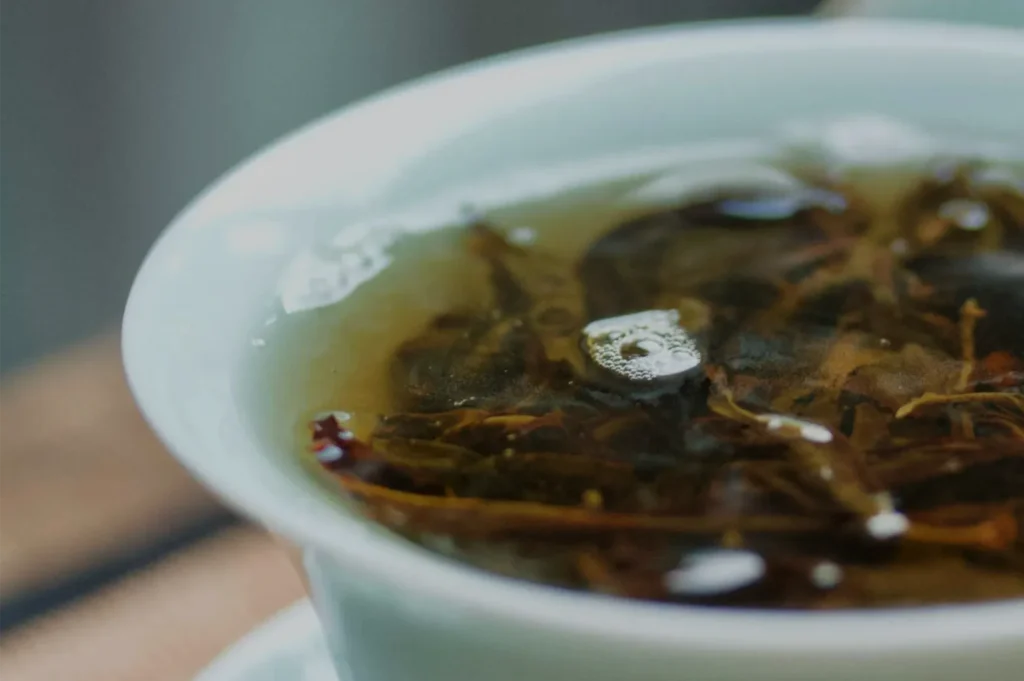
Ya Shi Xiang is the name that gets attention.
Translated bluntly, it means Duck Shit aroma. The name sounds unserious, but the tea is not. Depending on the version, Ya Shi Xiang may be creamy, floral, bright, and surprisingly elegant.
A ScienceDirect study on aroma differences among Yashi, Huangzhi, and Milan Fenghuang Dancong teas identified different aroma profiles across these types, including coconut milk-like, flowery/sweet, and fruity/sweet impressions.
This is a useful reminder. The strange name should not become the whole story.
Ya Shi Xiang is famous because the cup is serious, not because the name is funny.
Huang Zhi Xiang: Gardenia Aroma
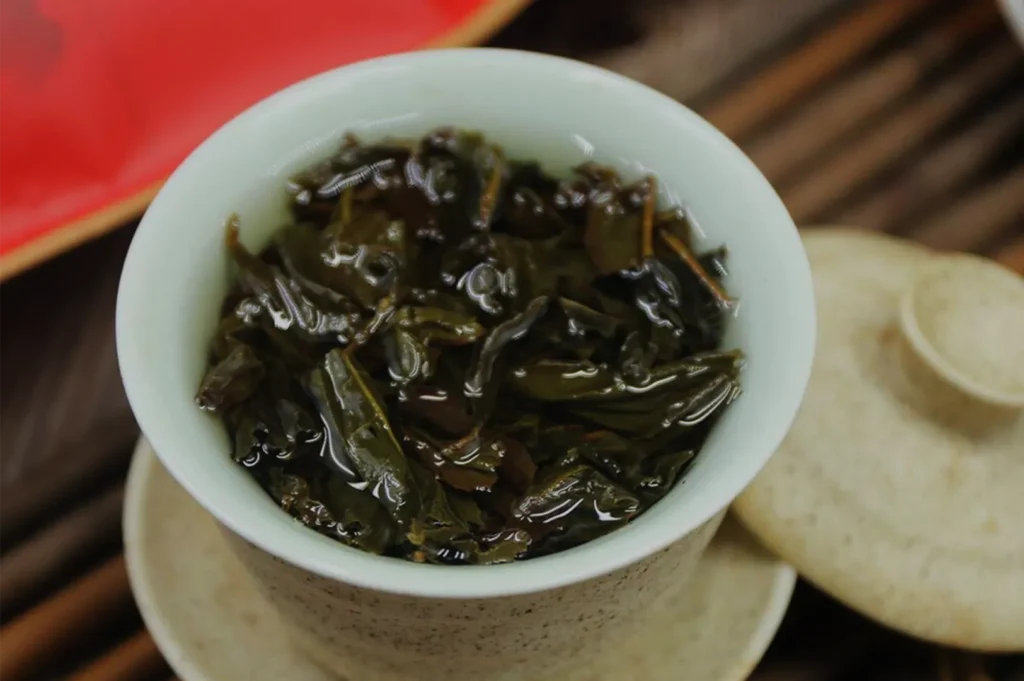
Huang Zhi Xiang is often translated as Gardenia fragrance.
It can feel bright, floral, and elegant, sometimes with a sharper aromatic lift than Mi Lan Xiang. The cup may feel clean and expressive, but it still needs careful brewing.
Like many Dan Cong teas, Huang Zhi Xiang can turn bitter if pushed too hard. Its beauty depends on balance: fragrance supported by structure, not fragrance drowning in harshness.
Zhi Lan Xiang and Other Floral Types
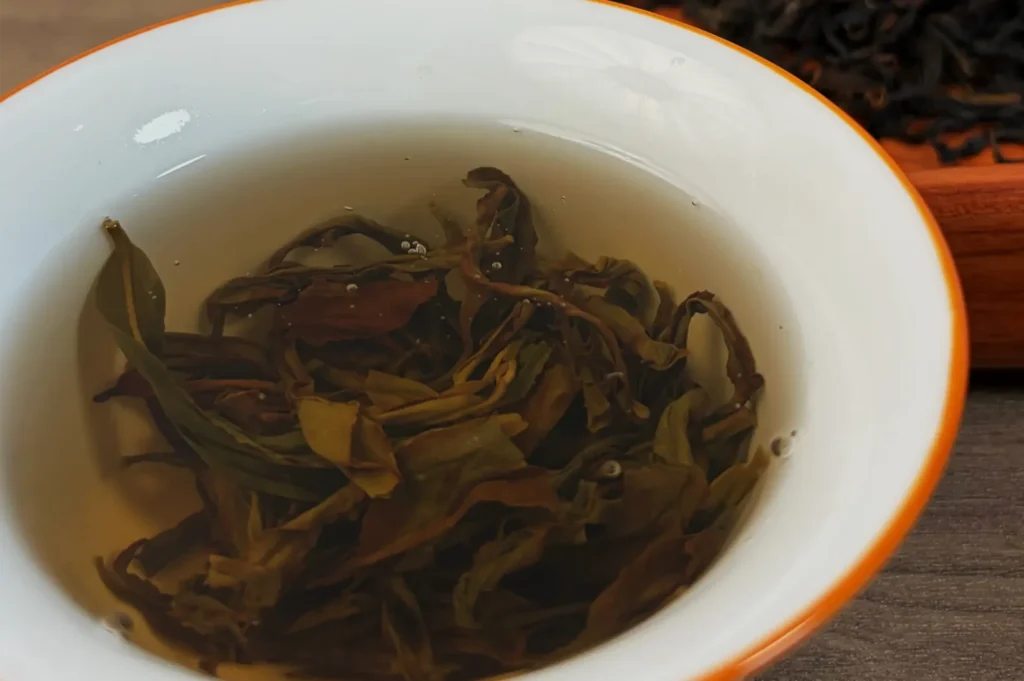
Zhi Lan Xiang is often associated with orchid-like aroma.
Other floral categories may suggest magnolia, ginger flower, or other blossoms. These names help drinkers understand the broad aromatic field of Phoenix Dan Cong, though individual teas can vary by producer, tree, roast, and storage.
A good floral Dan Cong should not smell like added scent. It should feel layered, with the aroma rising naturally from the leaf.
At Tea Room by Ki-setsu, we often encourage guests to notice whether fragrance remains after swallowing. Lasting aroma is more meaningful than a loud first impression.
How to Approach Aroma Types as a Beginner
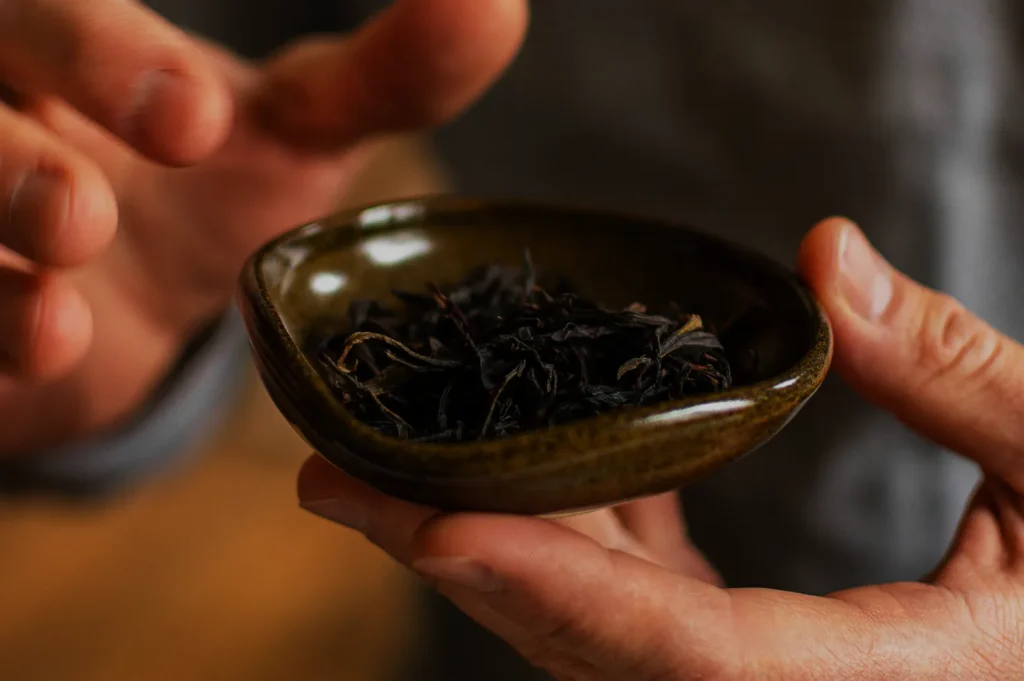
Do not try to memorise every name at once.
Begin with three reference points: Mi Lan Xiang for honeyed floral sweetness, Ya Shi Xiang for expressive character, and Huang Zhi Xiang for gardenia-like brightness.
Then taste slowly.
Aroma names are guides, not guarantees. The actual cup depends on leaf quality, brewing, roast, and freshness.
The aroma name opens the door. The tea decides what happens inside.
Final Thought
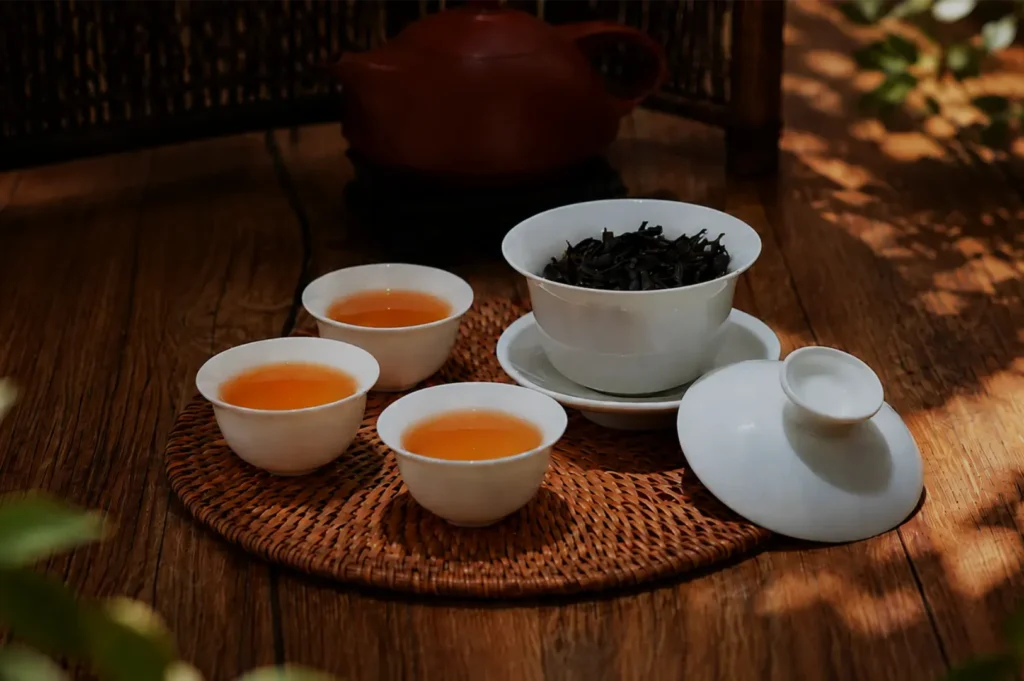
Phoenix Dan Cong aroma types are part of what makes this tea so distinctive.
Mi Lan Xiang, Ya Shi Xiang, Huang Zhi Xiang, and other fragrance names help organise a wide aromatic world. But they should not be treated as decoration or novelty.
They are a way of listening to the leaf.
For those exploring premium Chinese tea, Dan Cong aroma types offer one of the clearest lessons in natural fragrance: subtle, vivid, and never fully understood in a single cup.