In a world where convenience often trumps quality, premium tea stands as a testament to the art of patience, craftsmanship, and tradition. The difference between a mass-market tea bag and premium loose leaf tea is like comparing instant coffee to a freshly roasted, expertly brewed cup from specialty beans. Premium tea represents not just a beverage, but an entire philosophy of appreciating quality, understanding terroir, and connecting with centuries-old traditions that have shaped cultures worldwide.
This guide will take you through the world of premium tea, from understanding what makes tea exceptional to building your own curated collection. Whether you’re a curious beginner or a seasoned tea lover, you’ll discover the factors that distinguish premium tea from ordinary varieties and learn how to appreciate these remarkable leaves.
What Makes Tea Premium: Understanding Quality Standards
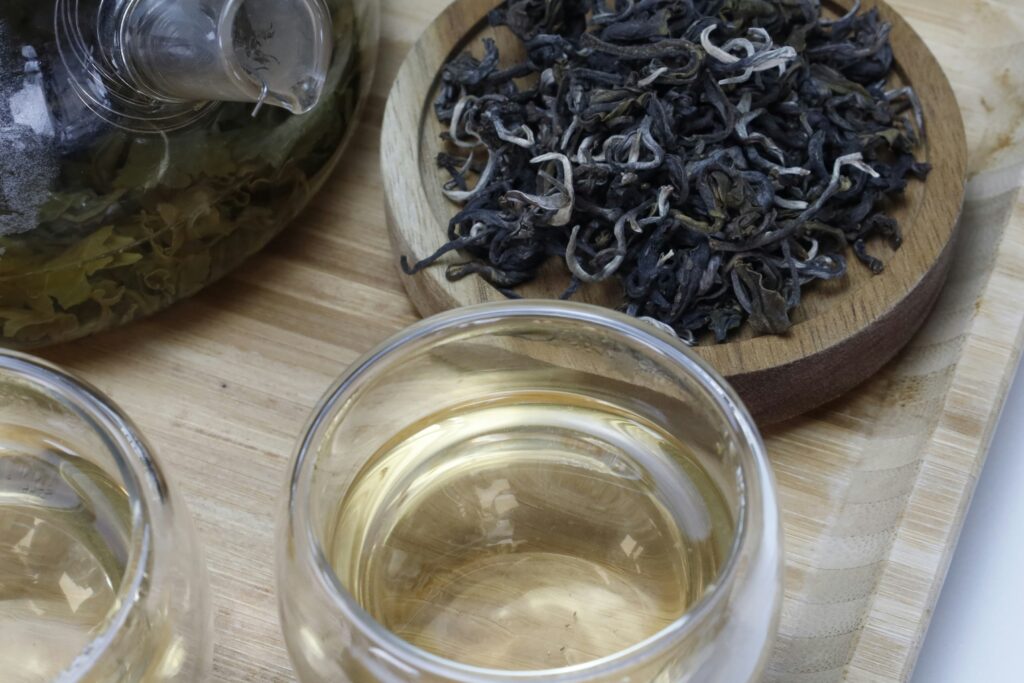
Premium tea is distinguished by several key factors that set it apart from commercial-grade options. At its core, premium tea consists of whole, unbroken leaves that are carefully harvested and processed to preserve their natural oils, antioxidants, and complex flavor compounds. Quality indicators include uniform leaf size, vibrant aroma, clear liquor, and the ability to maintain flavor complexity through multiple infusions. These characteristics reflect the tea’s origin, processing method, and meticulous handling. Each premium tea is a unique product, with specific product details such as origin, processing, and flavor profile that help consumers understand what makes each product special.
The price of premium tea often reflects the labor-intensive cultivation and limited production quantities involved. While it may cost more per ounce than commercial teas, the superior flavor and potential for multiple brews make it a worthwhile investment for tea lovers. Terroir encompassing soil composition, altitude, climate, and seasonal variations, plays a crucial role in shaping the unique flavor profiles of premium teas. For example, high-altitude gardens tend to produce teas with more concentrated flavors due to slower growth rates and environmental stresses on the plants, making each cup a distinct expression of its place of origin.
The Art of Tea Production: Orthodox vs. Industrial Methods
Orthodox production methods are the foundation of premium tea manufacturing, focusing on traditional techniques that preserve the integrity of the leaves and enhance their natural flavors. This process involves careful withering, rolling, oxidation, and drying, allowing the tea’s unique character to develop fully. Many premium tea gardens still employ hand-processing techniques, such as hand-rolling, which gently break the leaf cell walls to initiate oxidation while maintaining the essential structure of the leaves. This careful handling contrasts with mechanical processing, which often crushes leaves and can release bitter compounds.
In contrast, the CTC (Cut, Tear, Curl) method is designed for mass production and breaks tea leaves into small, uniform pieces. While efficient and suited for quick brewing with strong color, CTC processing sacrifices the nuanced flavors and multiple infusions that define premium tea. Seasonal harvesting also affects quality; for example, spring harvests like the first flush Darjeeling are prized for their delicate character, with each harvest offering distinct flavor profiles.
Premium Tea Origins: Understanding Terroir and Geography
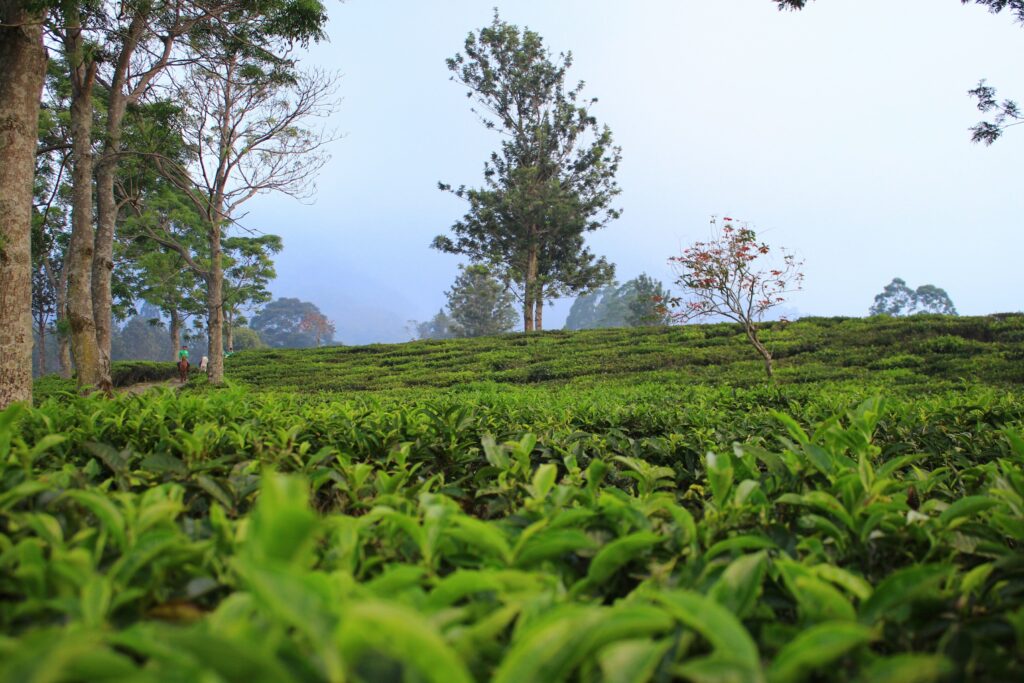
The world’s finest teas come from regions where geography, climate, and tradition combine to create ideal growing conditions. Fujian Province in China is famous for its premium oolongs and white teas, benefiting from mountainous terrain and a maritime climate that encourages slow, steady growth. Darjeeling’s Himalayan foothills, with high altitude and temperature swings, produce teas with concentrated flavors and muscatel notes.
Sri Lanka’s Ceylon tea gardens, especially those in the central highlands, show how altitude and monsoon patterns influence tea character. High-grown Ceylon teas from estates above 4,000 feet develop bright, citrusy notes distinct from lower-grown varieties. The island’s year-round growing season supports consistent quality, though monsoon timing can affect flavor intensity. Single-origin and estate teas offer transparency and traceability, letting tea lovers appreciate how terroir shapes the final cup.
Loose Leaf vs. Tea Bags: Quality Considerations
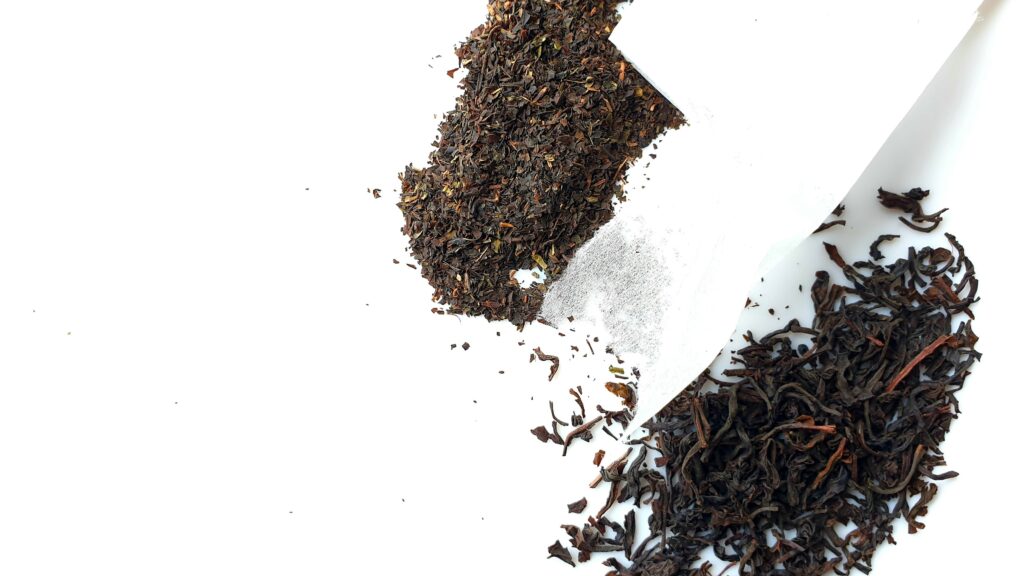
Loose leaf teas are the gold standard for premium tea, offering whole leaves that fully expand during brewing to release complex flavors gradually. This expansion allows proper water circulation and even extraction, unlocking the tea’s full potential for a rich, nuanced cup.
Traditional tea bags restrict leaf expansion and water flow, often containing lower-grade tea dust or fannings rather than whole leaves. Materials like paper or cloth can impart unwanted flavors and prevent tea lovers from appreciating color development during brewing. Pyramid sachets provide more space for leaf expansion with convenience but still cannot match loose leaf tea’s brewing quality.
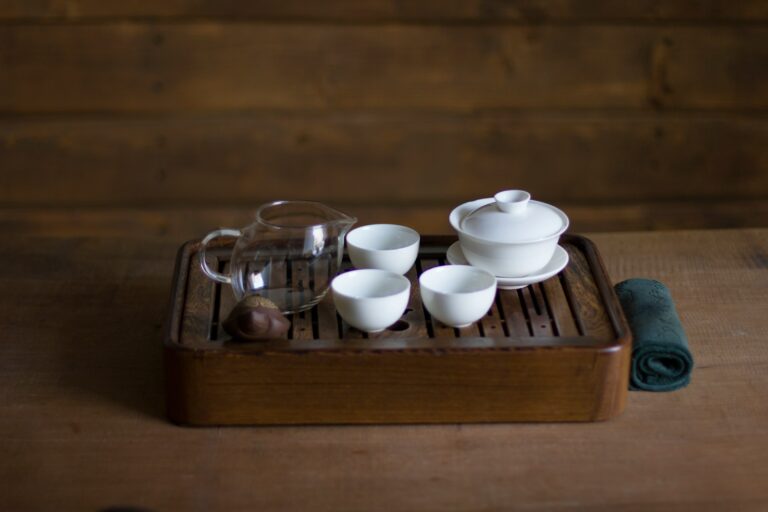
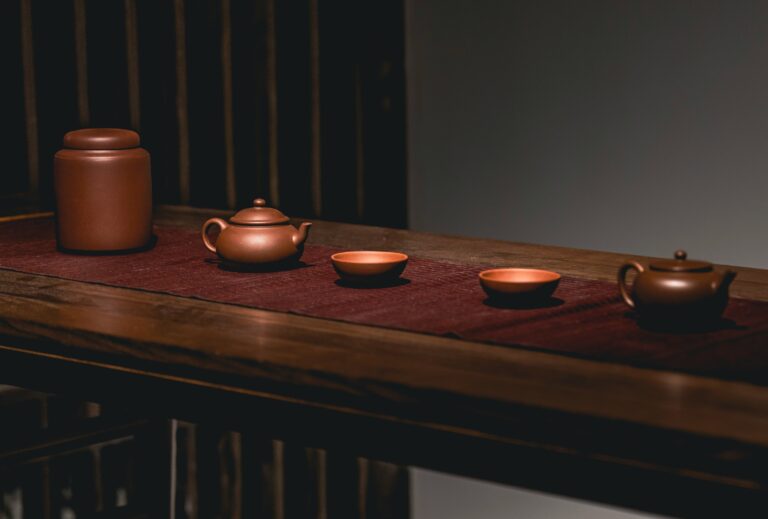
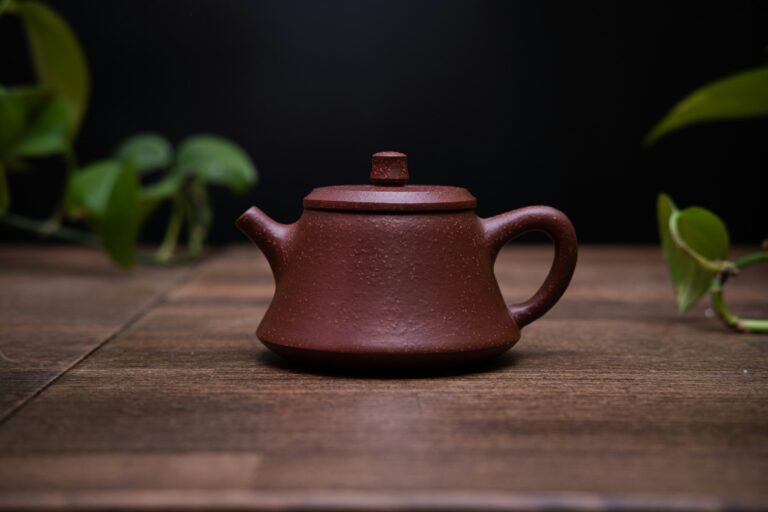
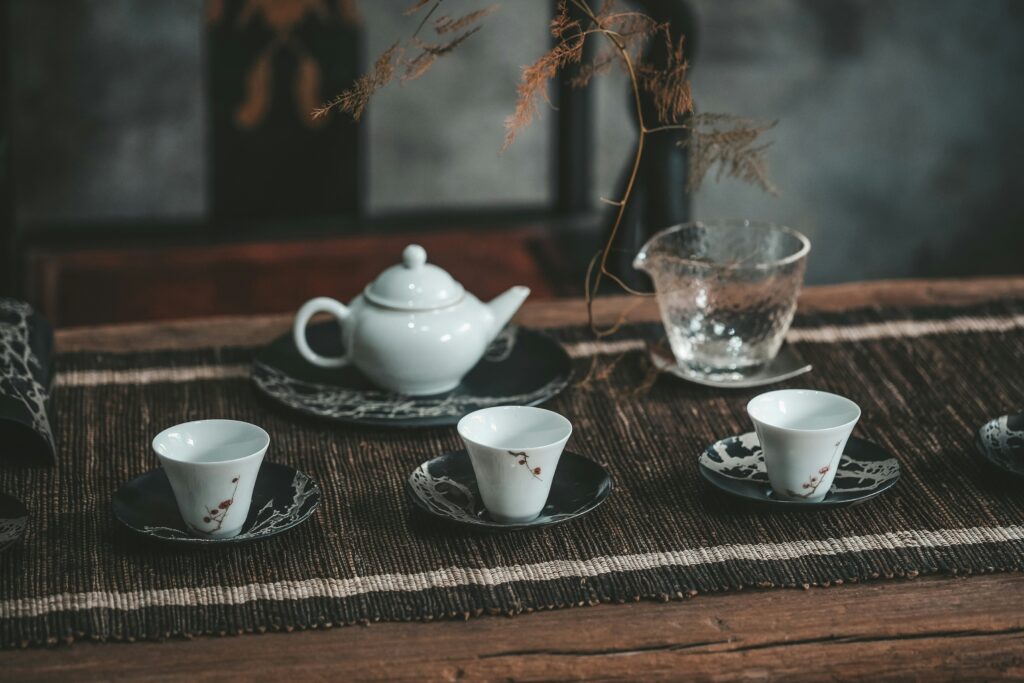
To fully enjoy premium loose leaf teas, investing in proper brewing equipment is important. Teapots with built-in strainers, gaiwan cups for gongfu brewing, or simple tea strainers help separate leaves from liquor and allow optimal extraction. This equipment enhances flavor control and ensures each cup of premium tea is brewed to perfection.
Premium Black Teas: Earl Grey, Darjeeling and More
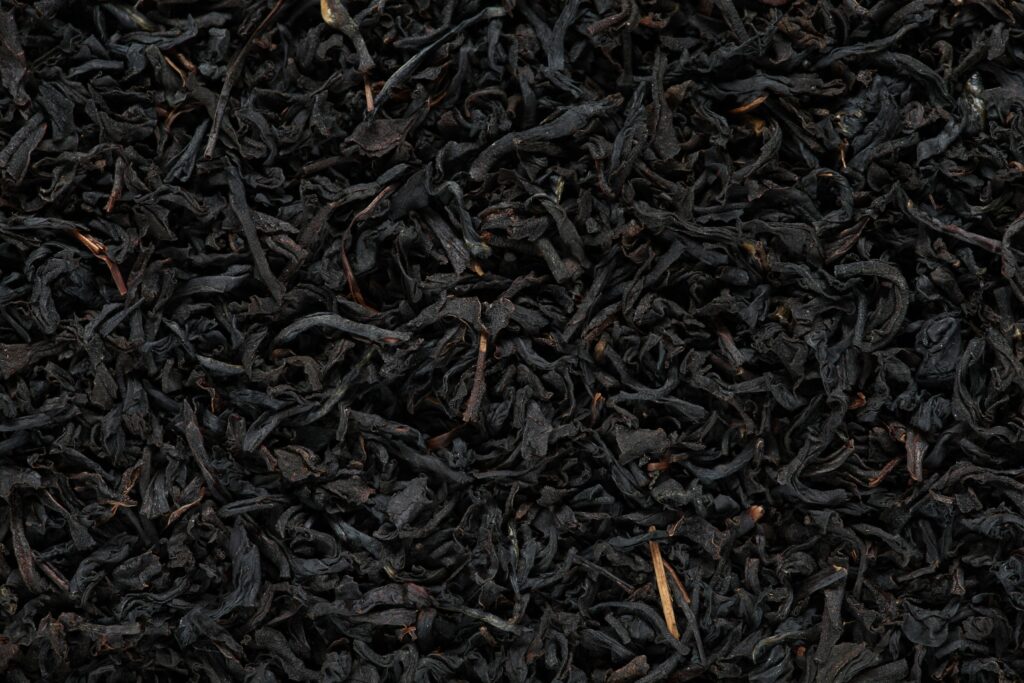
Earl Grey is a classic premium black tea blend, with quality depending on the base tea and natural bergamot oil used. The finest blends feature high-grade Ceylon or Chinese black teas and may include bergamot peel and lavender for complexity. These blends are detailed in premium tea catalogs with origin and processing info.
Darjeeling, known as the “Champagne of teas,” offers distinct first and second flush harvests. The first flush has delicate, floral notes and light golden liquor, while the second flush delivers muscatel flavor, fuller body, and deeper amber color.
High-grown Ceylon teas from estates like Nuwara Eliya and Dimbula showcase how elevation and terroir influence flavor, featuring bright, citrusy notes and clean finishes—ideal for afternoon tea or food pairings. Assam teas, famous for malty, robust character, form the base of many premium breakfast blends. Top Assam teas from select estates and seasons offer complex flavors beyond strength. Limited stock and grades like TGFOP (Tippy Golden Flowery Orange Pekoe) indicate golden tips that add sweetness and depth.
Green Tea Excellence: From China to Japan
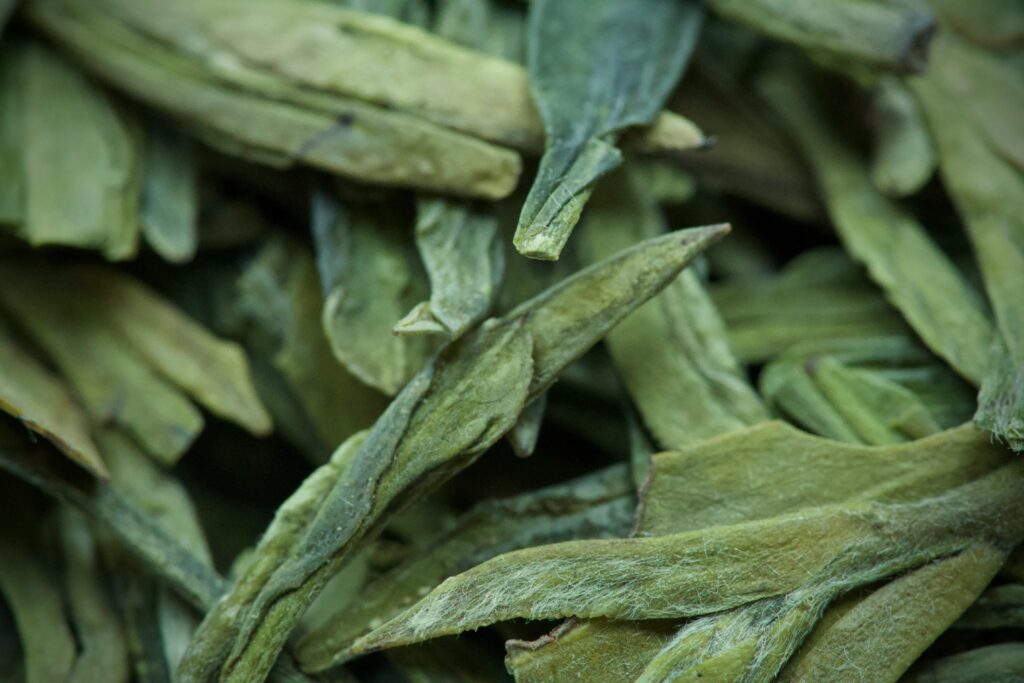
Chinese green teas range from the delicate sweetness of Longjing (Dragon Well) to bold gunpowder pellets that unfurl into full leaves. Varieties like Bi Luo Chun, known for their spiral shape and fruity aroma, showcase how processing enhances natural flavors. Careful brewing with proper water temperature and steeping time prevents bitterness.
Japanese green teas use steaming rather than pan-firing to halt oxidation, creating distinct flavor profiles. Sencha offers fresh, grassy notes and umami astringency, with regional cultivars like Yabukita and Okumidori adding subtle variations. Gyokuro, a premium shade-grown tea, delivers intense umami and sweet, brothy notes.
The difference between Chinese pan-firing and Japanese steaming results in unique flavor experiences: pan-firing preserves floral and fruity notes, while steaming emphasizes vegetal and marine characteristics appreciated by tea lovers.
Matcha: The Pinnacle of Green Tea Artistry
Ceremonial grade matcha is the highest quality green tea, made from shade-grown tencha leaves stone-ground into a fine powder. Its vibrant jade color, smooth, sweet flavor, and lack of bitterness distinguish it from culinary grades. Stone grinding with granite mills preserves delicate flavor compounds, justifying its premium price.
The umami taste comes from shading, which increases amino acid L-theanine and reduces catechins. This amino acid imparts a savory, brothy flavor and promotes calm alertness prized in traditional ceremonies.
White Tea: The Most Delicate Premium Option
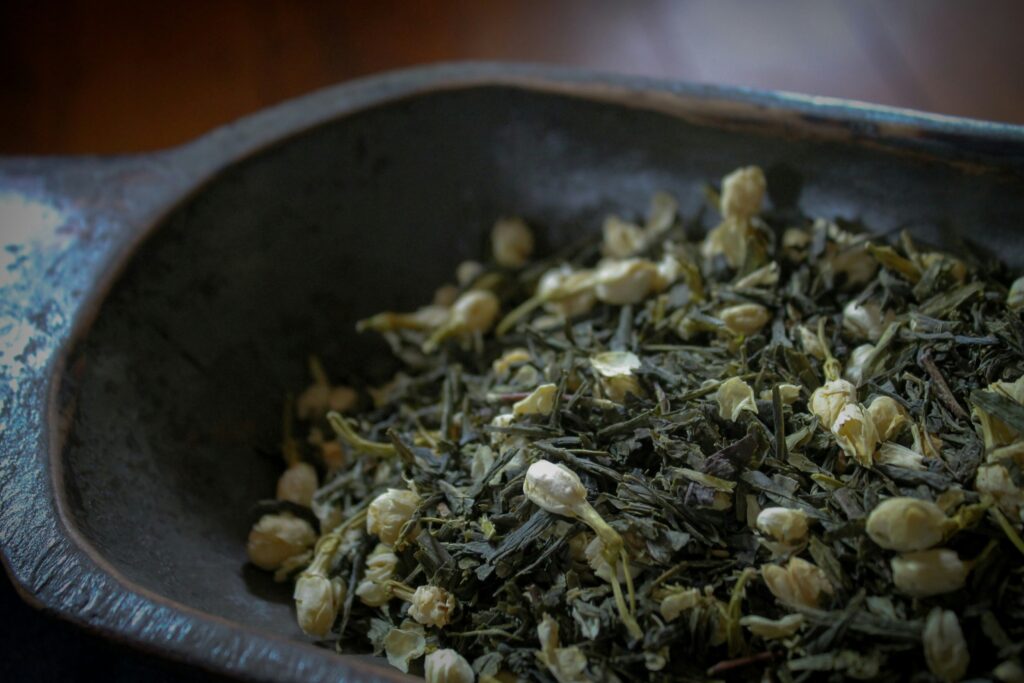
Silver Needle (Bai Hao Yin Zhen) is a prized white tea made from unopened buds covered in silvery down, picked during a narrow early spring window. It offers subtle sweetness and complex floral notes over multiple infusions.
White Peony (Bai Mu Dan) blends buds and young leaves, creating a fuller-bodied white tea with more pronounced flavors while maintaining delicate character. Premium white teas can age well, improving flavor and complexity when stored properly, prized by collectors.
Oolong Teas: The Complex Middle Ground
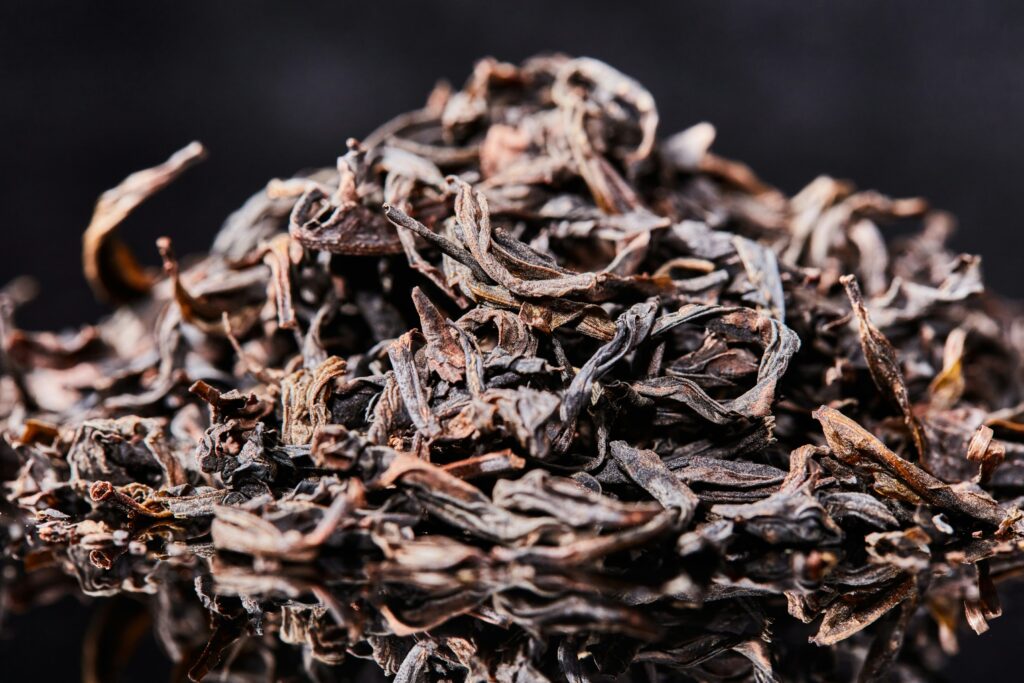
High Mountain Taiwanese oolongs, grown above 1,000 meters, offer complex flavors shaped by partial oxidation (20-80%) and ideal mountain conditions. Traditional Chinese oolongs from Fujian and Guangdong, like Tie Guan Yin (Iron Goddess) and Da Hong Pao (Big Red Robe), showcase floral, fruity, and mineral notes from refined processing and unique terroir.
Oxidation level defines oolong’s character—lighter for fresh, green tea-like qualities; higher for rich, black tea-like flavors. Master tea makers adjust oxidation by leaf quality and weather, crafting unique batches. Gongfu brewing with multiple short infusions and high leaf-to-water ratios reveals 8-12 flavor evolutions, unlocking premium oolong’s full potential.
Pu-erh: Aged Tea Excellence
Pu-erh tea comes in two types: raw (Sheng) and ripe (Shou). Raw pu-erh ages naturally over decades, transforming from bright and astringent to smooth and complex with earthy depth. Ripe pu-erh undergoes controlled fermentation to accelerate aging, producing a rich, dark brew ready to enjoy.
Aging relies on beneficial microbes breaking down tannins and developing flavor compounds. Properly aged raw pu-erh becomes smoother and more nuanced, with vintage teas highly prized. Yunnan’s terroir, ancient tea trees, and microclimates provide an ideal foundation for pu-erh’s depth and complexity.
Premium Herbal Teas: Beyond Traditional Categories
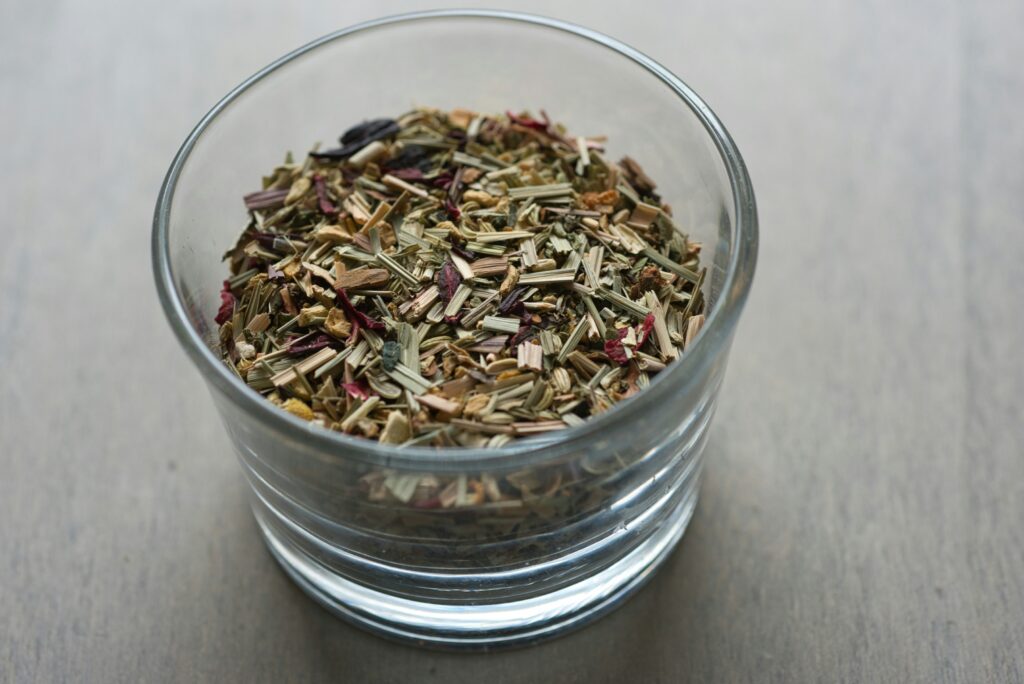
Chamomile quality varies by growing conditions and processing. The finest chamomile teas feature whole flowers with a strong honey-like aroma. Egyptian chamomile is prized for large flower heads and concentrated oils; German chamomile offers distinct flavors favored by some connoisseurs.
Rooibos, from South Africa’s Cederberg Mountains, is known for its sweet, vanilla-like flavor. Premium rooibos has long, needle-like leaves with a deep red hue and minimal stems, reflecting careful harvesting. Hibiscus tea quality depends on fresh flowers and quick drying to preserve color and tart flavor, yielding a brilliant ruby liquor with refreshing acidity.
Peppermint varieties differ in oil content and flavor intensity, producing cooling menthol or milder mint flavors. High-quality peppermint tea contains whole leaves with few stems and a strong aroma, preserving volatile oils for a refreshing, flavorful cup.
Blending Artistry: Premium Tea Blends
Master blenders possess generations of knowledge on how teas interact and complement each other. Creating consistent blends requires understanding seasonal variations, processing differences, and storage effects. Premium blenders guard proprietary recipes refined over decades for balance and quality.
Classic blends like Earl Grey, English Breakfast, and Irish Breakfast owe popularity to traditional recipes perfected over centuries. Premium blenders innovate by sourcing superior base teas and high-quality flavorings to elevate blends. Chai and masala blends benefit from whole, freshly ground spices like cardamom, cinnamon, and cloves, providing richer, authentic experiences than powders.
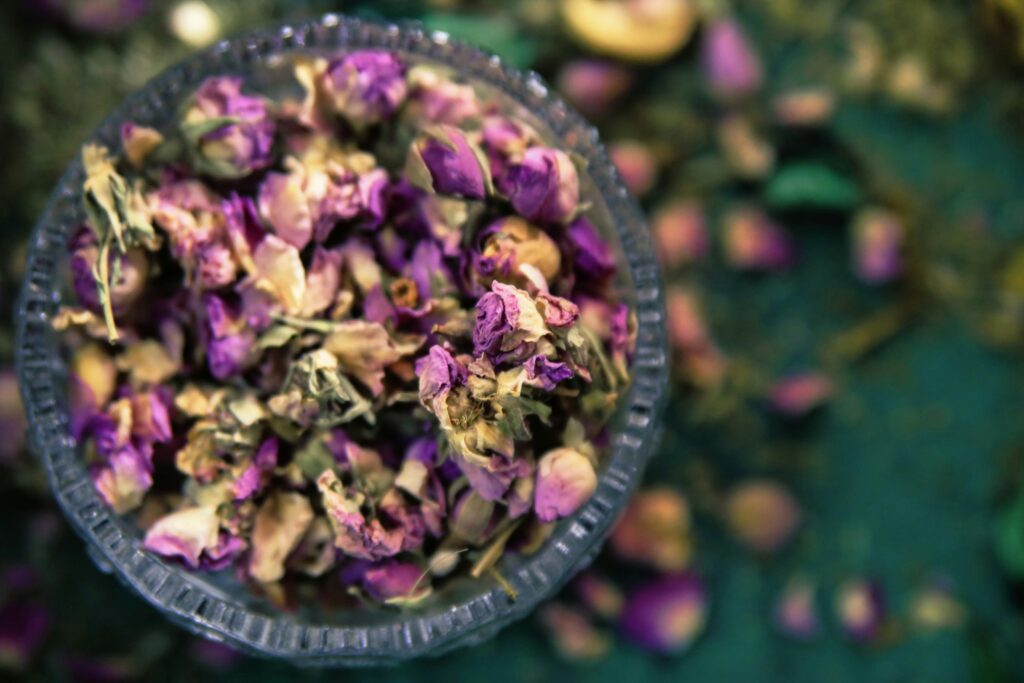
Floral blends showcase blending artistry using real flower petals like rose, jasmine, and lavender to add complexity and visual appeal. Quality floral additions retain color and aroma through careful processing and storage, enhancing tea without overpowering base flavors. This attention to ingredient quality and technique distinguishes premium blends and delights tea lovers.
Proper Storage of Premium Teas
To preserve delicate flavors and aromas, airtight containers are essential. Glass jars with tight lids, vacuum-sealed canisters, or specialized tins protect teas from moisture and oxygen, which degrade quality. Minimizing air space prevents oxidation, keeping tea fresh.
Light exposure harms quality, especially green and white teas, as UV rays fade colors and break down flavors. Opaque containers or dark, cool storage protect against damage. Temperature and humidity control are critical; most teas thrive in cool, dry environments, while pu-erh needs specific humidity for aging without mold.
Separating tea types prevents flavor contamination. Strongly aromatic teas like jasmine, Earl Grey, and smoked varieties can transfer scents if stored together. Dedicated storage preserves distinct flavors and aromas, letting tea lovers enjoy the full experience of a perfect cup.
Identifying Authentic Premium Tea
Visual inspection reveals tea quality. Premium teas show uniform leaf size, minimal broken pieces, and colors fitting their type. Whole leaves, intact buds, and consistent processing indicate care, while dust, fannings, or many stems suggest lower grade. Aroma is key; fresh, vibrant scents show proper storage and recent processing, while stale odors indicate age or contamination. Each tea type has characteristic aromas—floral for some oolongs, grassy for Japanese greens, malty for Assam blacks—signaling quality.
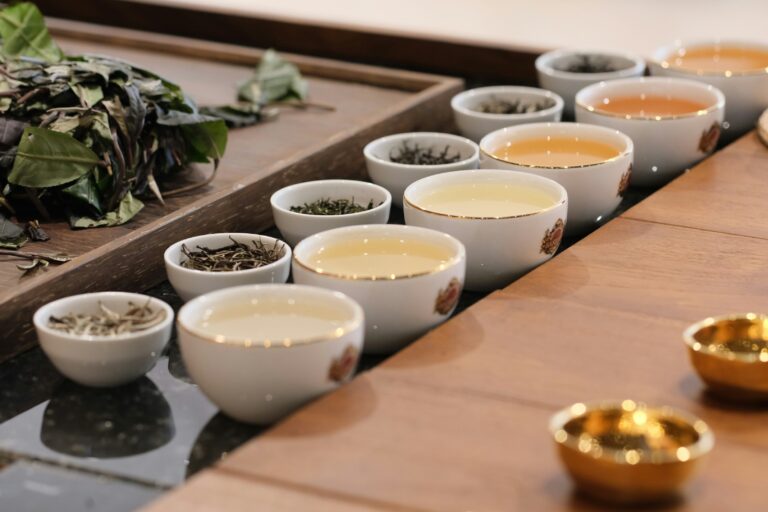
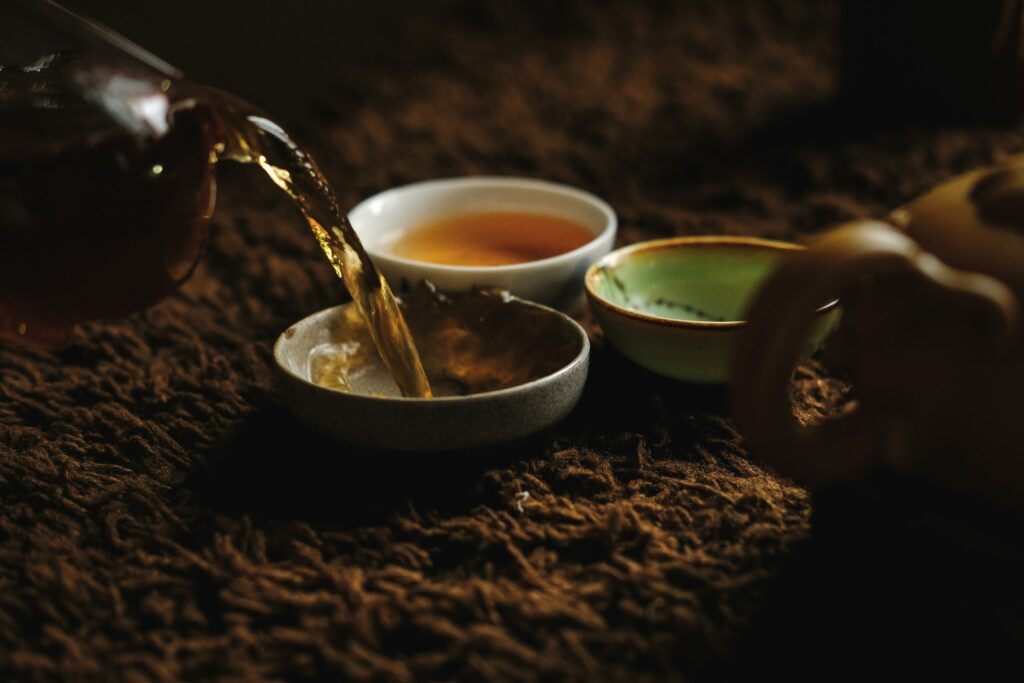
Brewed tea color and clarity reflect quality and preparation. High-grade teas yield clear, bright liquors matching type and processing; cloudy or muddy appearance may result from poor leaves, brewing, or water. Premium teas allow multiple flavorful infusions, unlike lower-grade teas losing flavor after one or two brews. Multiple infusions enhance experience and make premium tea economical despite higher cost. This attention to detail distinguishes fine tea from ordinary varieties, ensuring a superior experience for tea lovers.
Tea Room by Ki-Setsu: Your Gateway to Premium Tea Excellence
The world of premium tea is a rich journey of discovery, offering deep appreciation through understanding quality, production, and preparation. Investing in premium tea enhances flavor and health benefits and connects you to centuries of cultural traditions, turning every cup into a moment of reflection and enjoyment.
At Tea Room by Ki-Setsu, we understand navigating the vast variety and rich traditions of premium tea can feel overwhelming. That’s why we curate world-class teas sourced from trusted gardens and producers dedicated to quality and authenticity. Our experienced tea master offer personalized guidance, tastings, and educational sessions to help newcomers and seasoned tea lovers unlock each tea’s full potential.
With exclusive access to rare and limited-edition teas, Tea Room by Ki-Setsu provides unique opportunities to experience exceptional cups not found elsewhere. Our welcoming environment encourages exploration and discovery, inviting you to find teas tailored to your taste and experience the true difference exceptional premium tea can bring to daily routine and special moments.